Client testimonials are one of the few marketing assets that can outperform polished brand messaging—because they don’t sound like marketing. They sound like proof.
But most testimonial videos still underperform. Not because the clients weren’t enthusiastic, but because the edit didn’t do the one thing decision makers need: translate praise into purchase confidence.
If you’re a service business—or you market one—your testimonials shouldn’t live as isolated “nice-to-have” videos on a webpage nobody visits. They should be engineered into a lead-generation system: edited for attention, structured for credibility, and repurposed into multiple assets that support sales conversations across your entire funnel.
Below is the framework we use to turn raw testimonial footage into measurable business results.
Why testimonials work (and why most fail)
Testimonials are powerful because they reduce risk:
- They validate your claims with third-party credibility.
- They show real outcomes and real people.
- They answer the unspoken question: “Will this work for us?”
They fail when:
- The video starts with slow introductions and vague compliments.
- The content focuses on “they were great to work with” instead of outcomes.
- There’s no context (what problem, what stakes, what changed).
- The edit is too long, too flat, and not built for where people actually watch (LinkedIn, mobile, email, landing pages).
A strong testimonial edit turns a client story into a buyer decision tool.
The testimonial-to-lead formula: edit for trust, then for action
To generate leads, your testimonial must do more than “sound good.” It needs five elements:
- Relevance: The viewer sees themselves in the client’s situation.
- Specificity: Clear “before” pain and “after” results.
- Authority: The speaker has a credible role and perspective.
- Process clarity: Viewers understand how results happened.
- Next step: A clean call-to-action that matches buyer intent.
Your editing strategy should build these in—on purpose.

Step 1: Start with the lead hook, not the introduction
Most testimonial videos begin with:
“Hi, I’m Jim, and I work at…”
That’s a retention killer.
Instead, open with a results-first hook or a pain-first hook, depending on your audience:
Results-first hook examples
- “We cut turnaround time by 40% in the first month.”
- “We stopped losing leads and finally had a predictable pipeline.”
- “We reduced rework and improved consistency across every location.”
Pain-first hook examples
- “We were drowning in bottlenecks and missing deadlines.”
- “We had inconsistent quality, and it was costing us clients.”
- “We didn’t know what marketing was working, so we kept guessing.”
In editing, this means you pull the strongest sentence from minute 8 and place it at second 1.
Step 2: Build the story using a tight structure
The best testimonial edits follow a simple narrative arc:
The 4-Part Testimonial Structure
- The Problem: What wasn’t working?
- The Stakes: What did it cost (time, money, risk, reputation)?
- The Fix: What did they implement with you?
- The Results: What changed, and how do they measure it?
If the interview didn’t naturally come out that way, editing can shape it.
This is where professional post-production matters: we’re not “chopping clips.” We’re building a persuasive, watchable case narrative from real statements.
Step 3: Use specificity to make the testimonial believable

Generic praise is nice. Specific outcomes generate leads.
During editing, prioritize lines that include:
- Timeframes (“in 30 days,” “within one quarter”)
- Metrics (“increased conversion by 18%,” “cut callbacks by 25%”)
- Process details (“we standardized onboarding,” “we built a reporting cadence”)
- Comparisons (“we tried three vendors before this”)
If metrics can’t be shared publicly, you can still keep specificity:
- “We reduced cycle time dramatically” becomes “We went from weeks to days.”
- “We improved ROI” becomes “We stopped wasting spend and doubled down on what worked.”
Step 4: Let b-roll and overlays do the heavy lifting
Testimonial footage is often a talking head. That’s fine—if the edit adds visual support.
High-performing testimonial videos use:
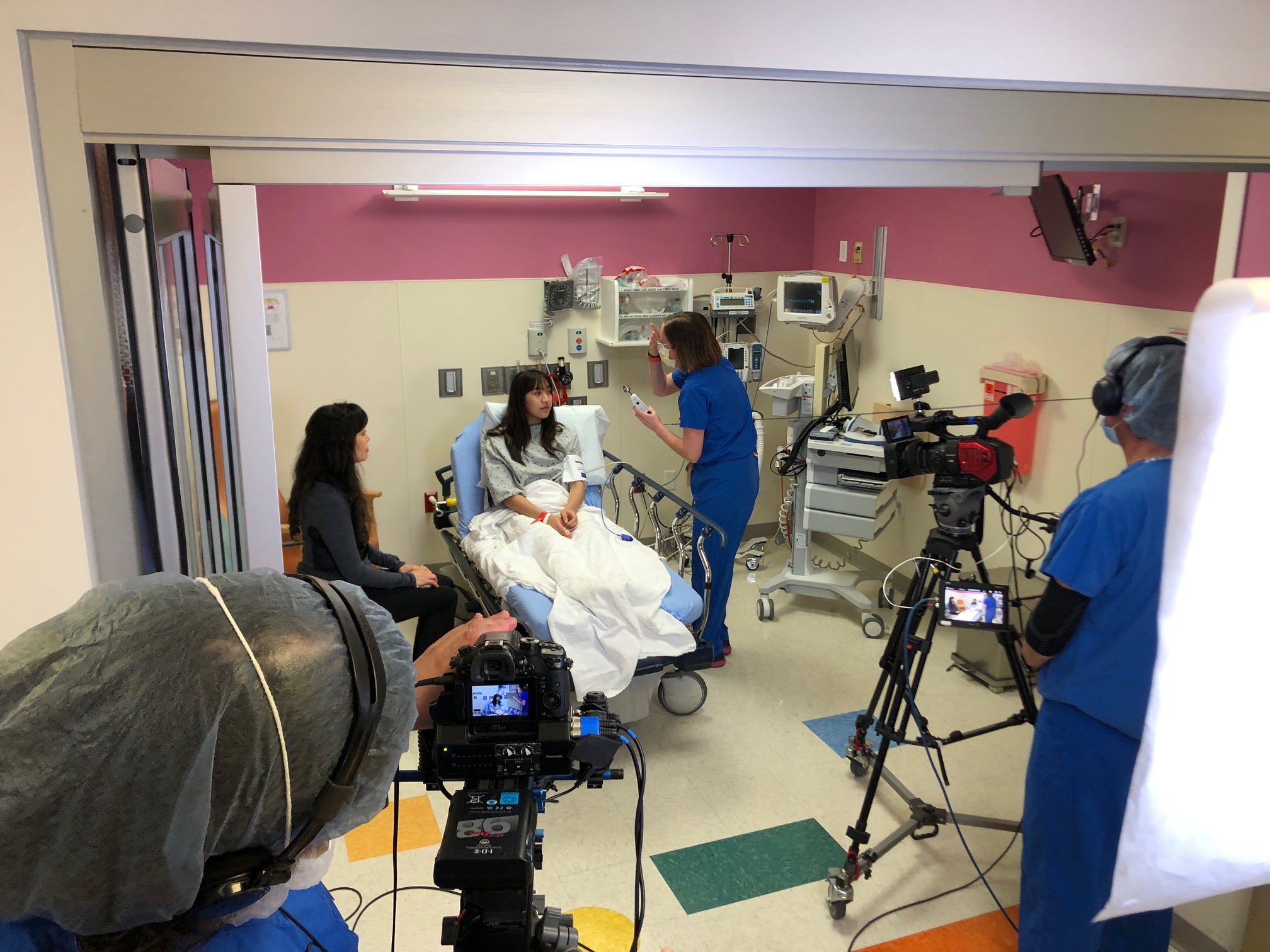
- b-roll of the client environment, team, workflow, location, equipment, or deliverables
- on-screen keywords that reinforce key moments (problem, result, metric)
- simple graphics (before/after, 3-bullet outcomes, timeline)
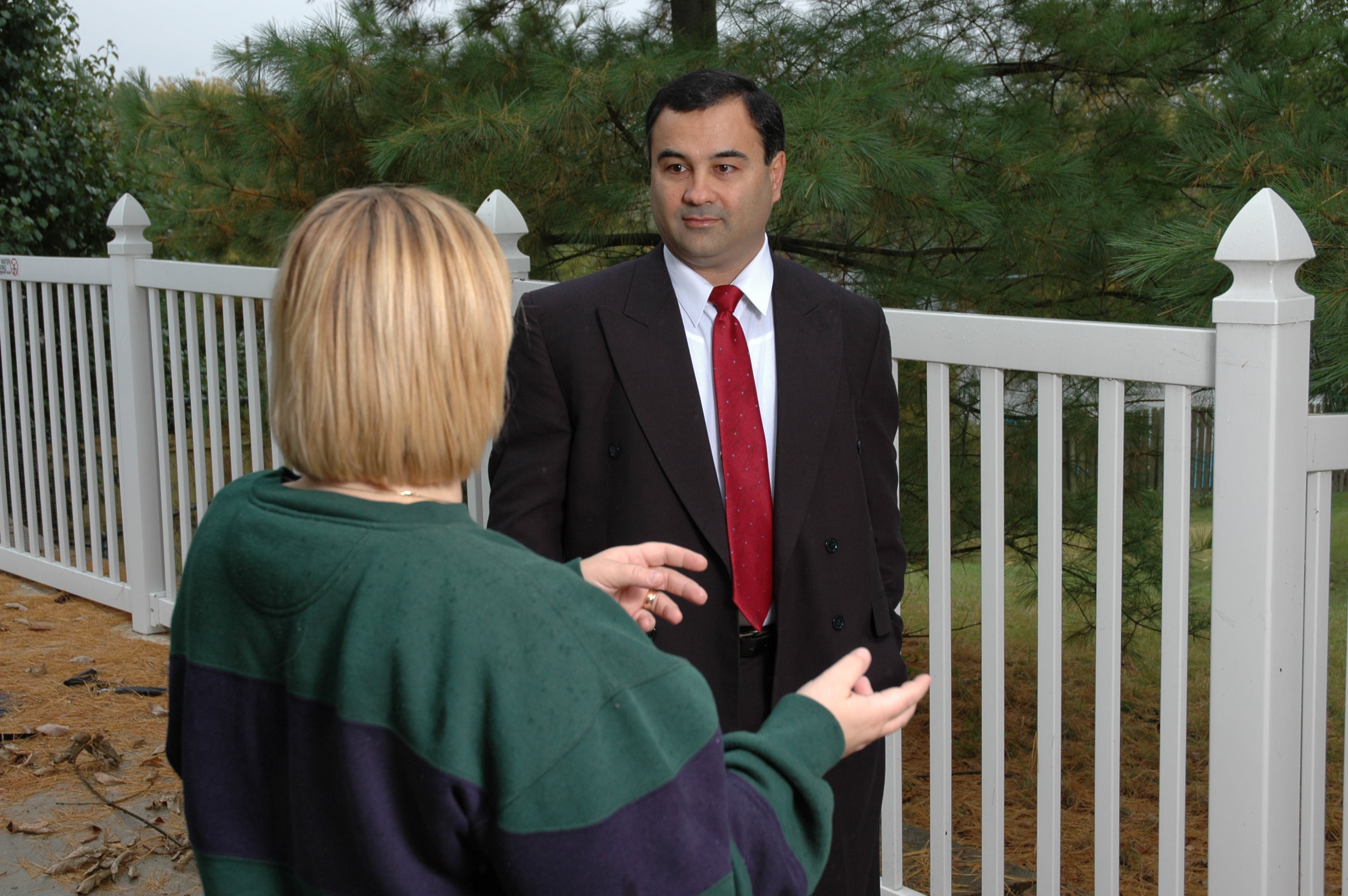
- logo + role lower-thirds to establish credibility fast
This isn’t “fluff.” Visual proof reduces skepticism.
Step 5: Create a library of versions for each funnel stage
A single testimonial video should never be “one and done.”
A smart lead system produces multiple cuts from one shoot:
Core assets
- 2–3 minute flagship testimonial (website, YouTube, proposals)
- 60–90 second decision cut (landing pages, retargeting, sales follow-up)
- 15–45 second social clips (LinkedIn, Instagram, paid ads)
Bonus assets that convert
- Problem-specific cutdowns (one testimonial, multiple pain-point versions)
- Industry-specific edits (same content, repositioned for different verticals)
- Objection-handling clips (budget, timeline, change management, “we tried before”)
- Quote cards + motion graphics for fast consumption
This is how testimonials become pipeline: repetition with variety, delivered where decision makers actually spend time.
Step 6: Edit to remove “trust killers”
Some small details silently reduce credibility:
- Rambly responses that feel unscripted in a bad way
- Over-editing that sounds unnatural or hides meaning
- Bad audio (echo, room noise, inconsistent levels)
- Unflattering lighting that makes the brand feel “small”
- Unclear subject role (viewers don’t know why this person matters)
- No context for what service was provided
Professional editing isn’t only about pace. It’s about confidence. Clean audio, consistent color, intentional framing, and structured storytelling all signal competence.
Step 7: Add a CTA that fits buyer psychology
A testimonial CTA should match the viewer’s mindset.
Avoid: “Call us today!”
Use: low-friction next steps that feel helpful:
- “Want to see how this would apply to your team? Book a quick discovery call.”
- “We can share a one-page comparison checklist—message us and we’ll send it.”
- “If you’re dealing with the same issue, we’ll show you what we’d audit first.”
Your call-to-action should feel like the next logical step after proof—not a sales push.
Where testimonial leads come from
The “lead generation” effect typically shows up in a few places:
- Landing pages (conversion rate lift from proof near the form)
- Retargeting ads (warm audiences respond strongly to social proof)
- Outbound email (a 30–60 second clip can outperform long copy)
- Sales follow-up (testimonial clips answer objections faster than decks)
- LinkedIn (short clips build familiarity and credibility over time)
The best part: once the testimonial system exists, it compounds. Every new client story becomes a new set of sales assets.
Closing: why St. Louis Video Editing is built for testimonial-driven lead generation
At St. Louis Video Editing, we’ve worked with businesses, marketing firms, and creative agencies in the St. Louis area since 1982, helping teams turn raw footage into high-performing marketing assets that build trust and generate leads.
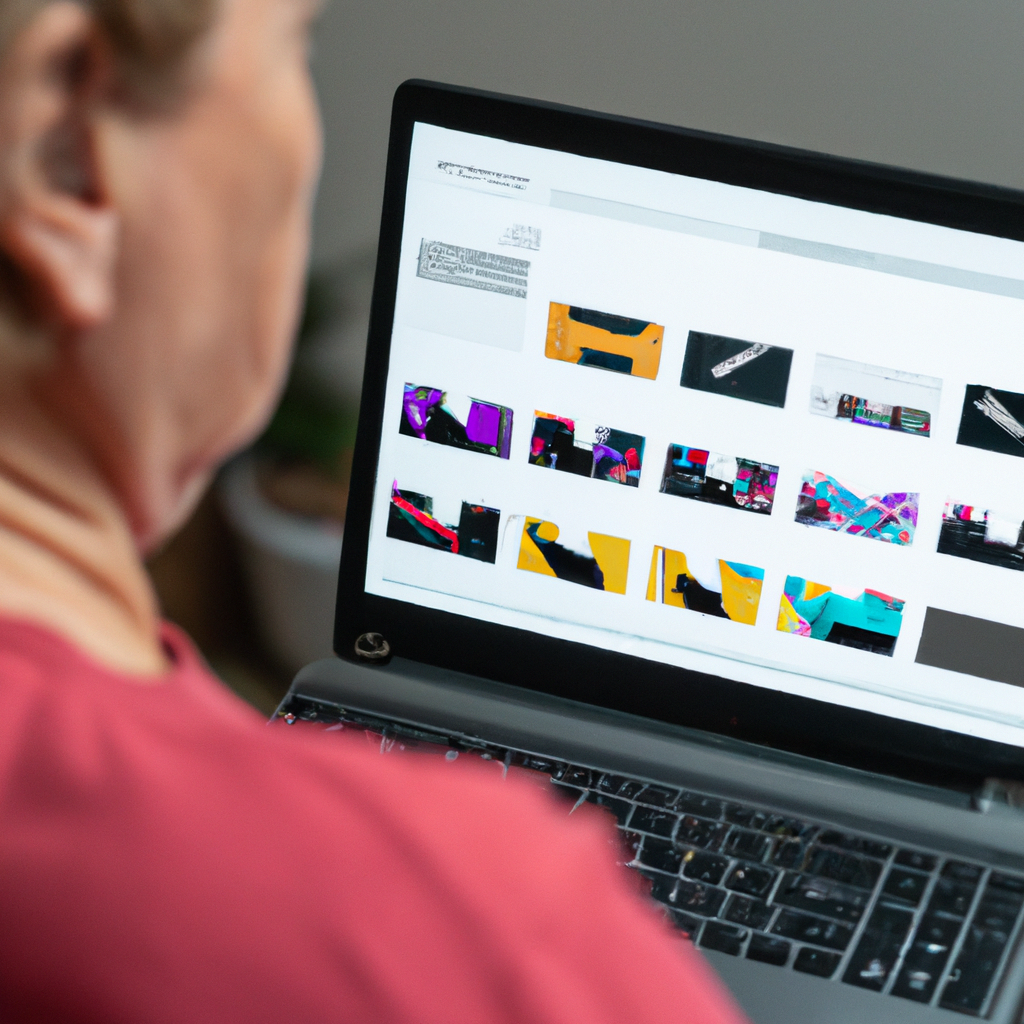
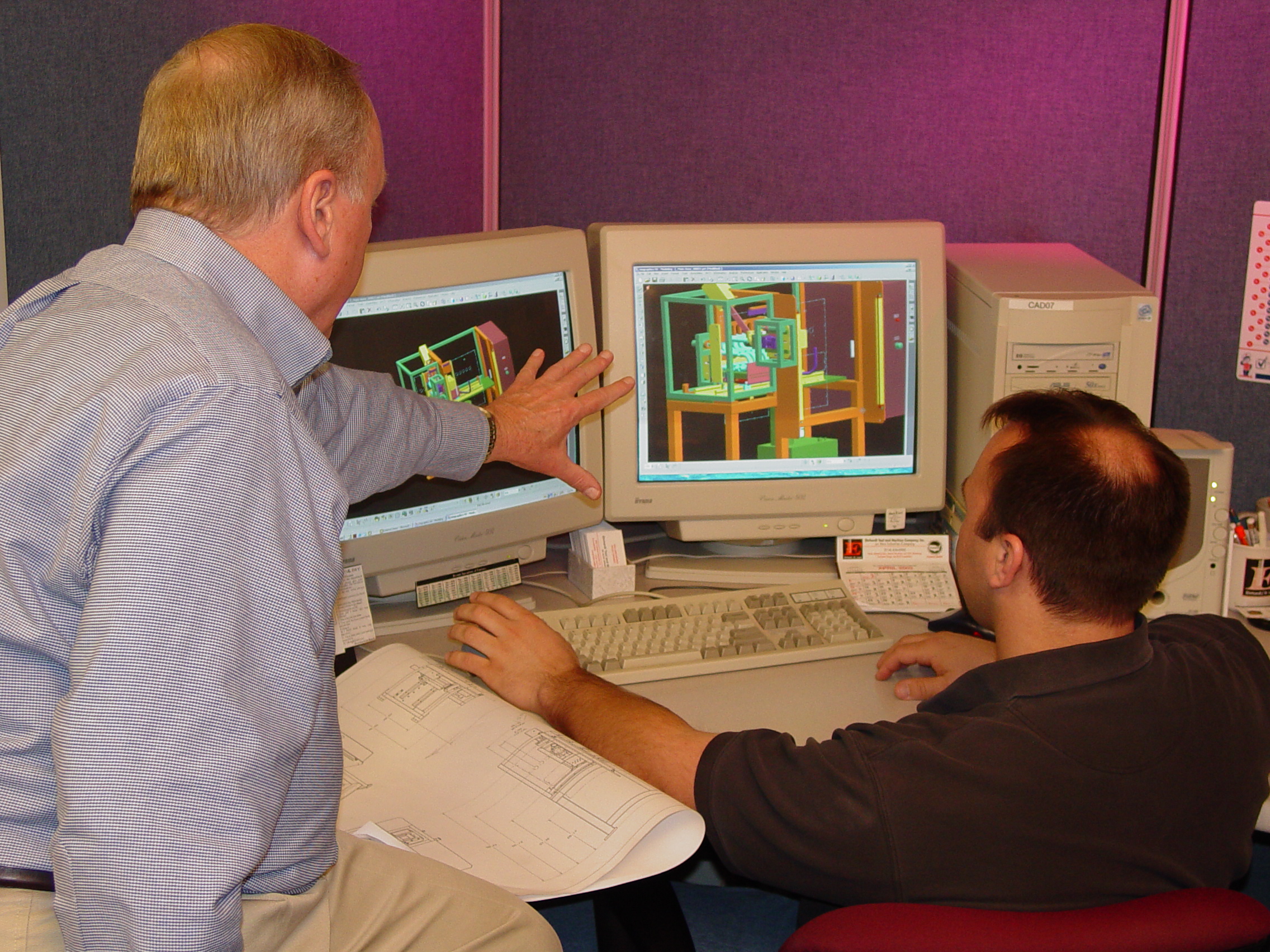
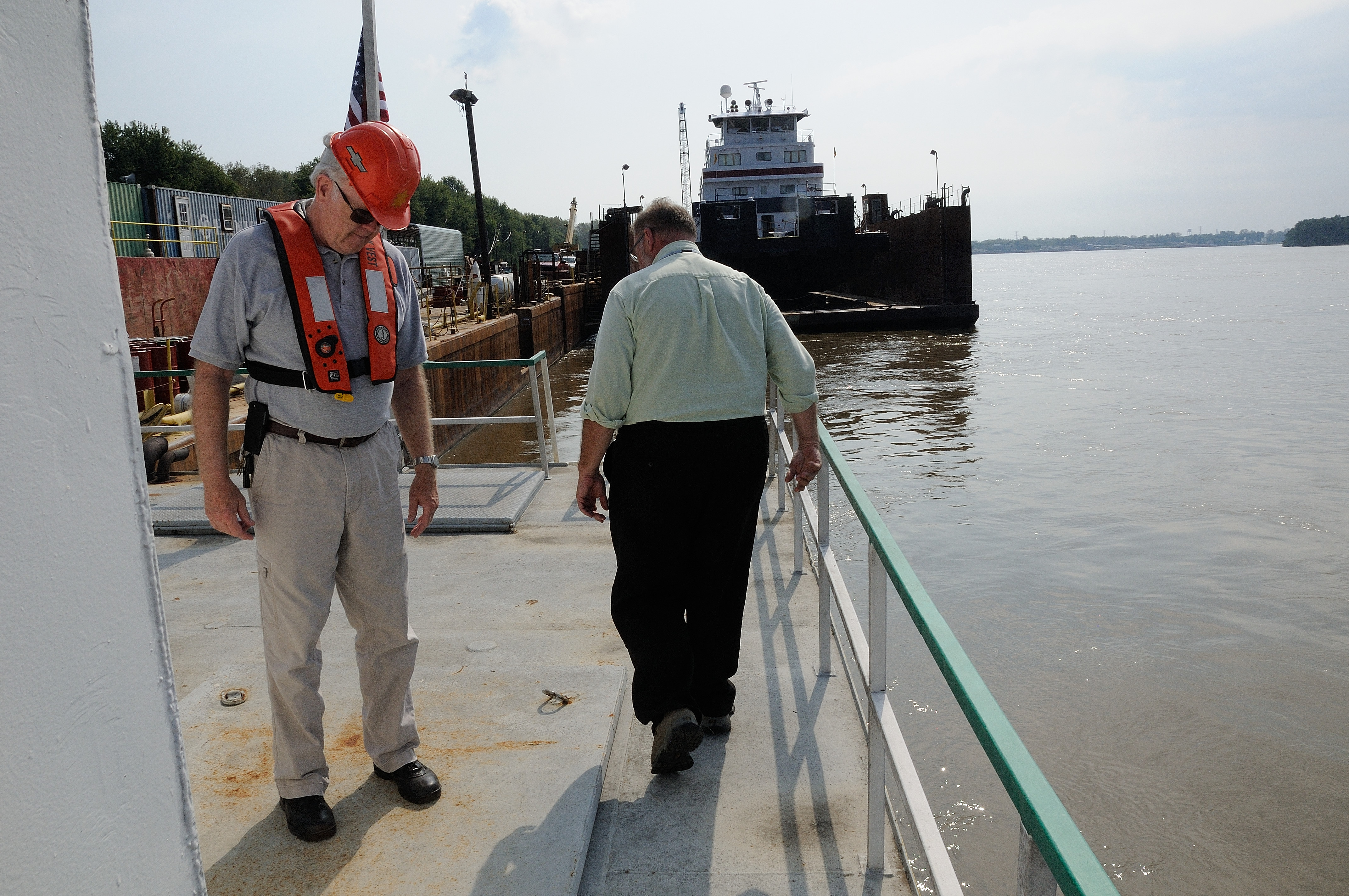
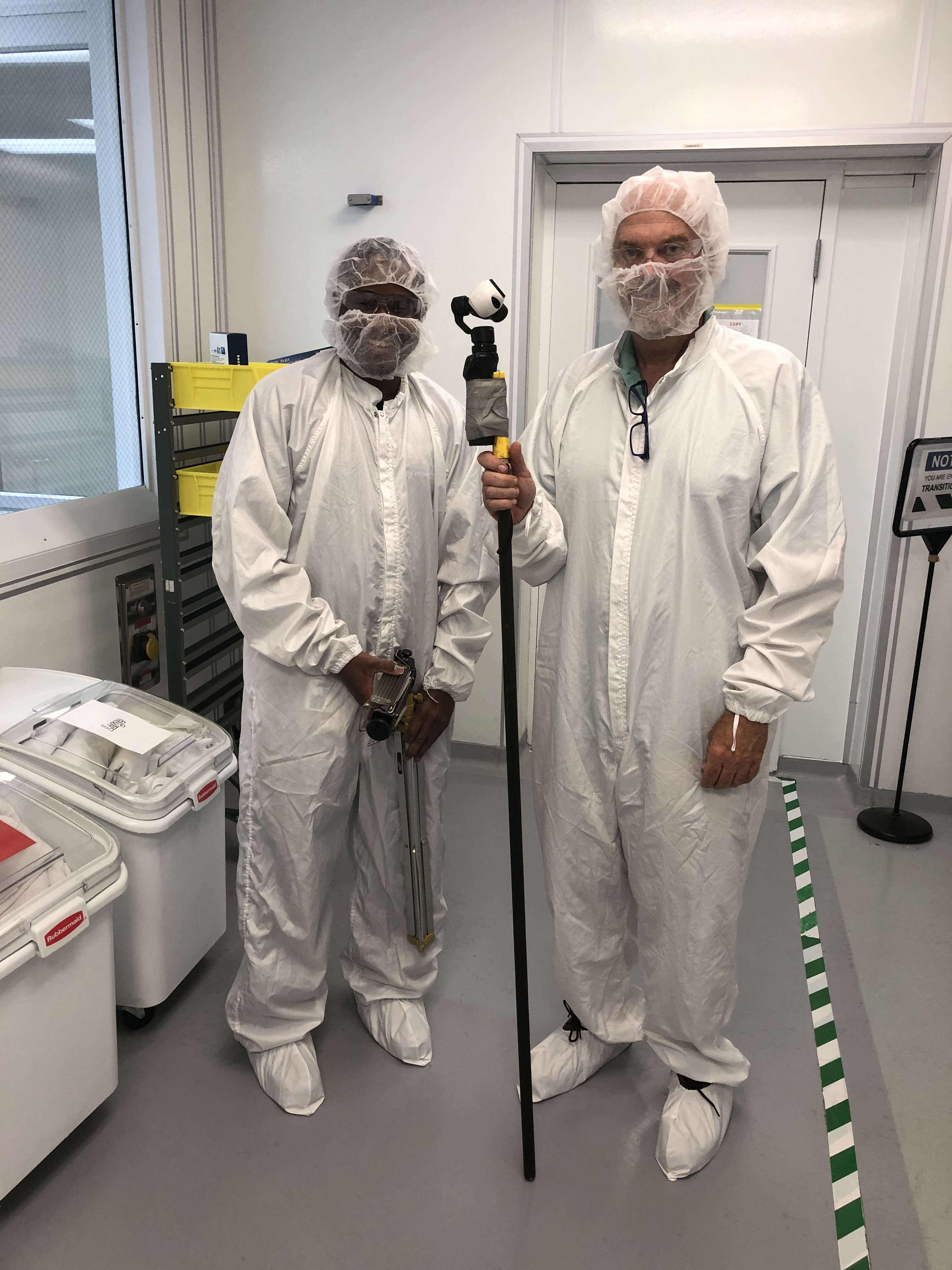
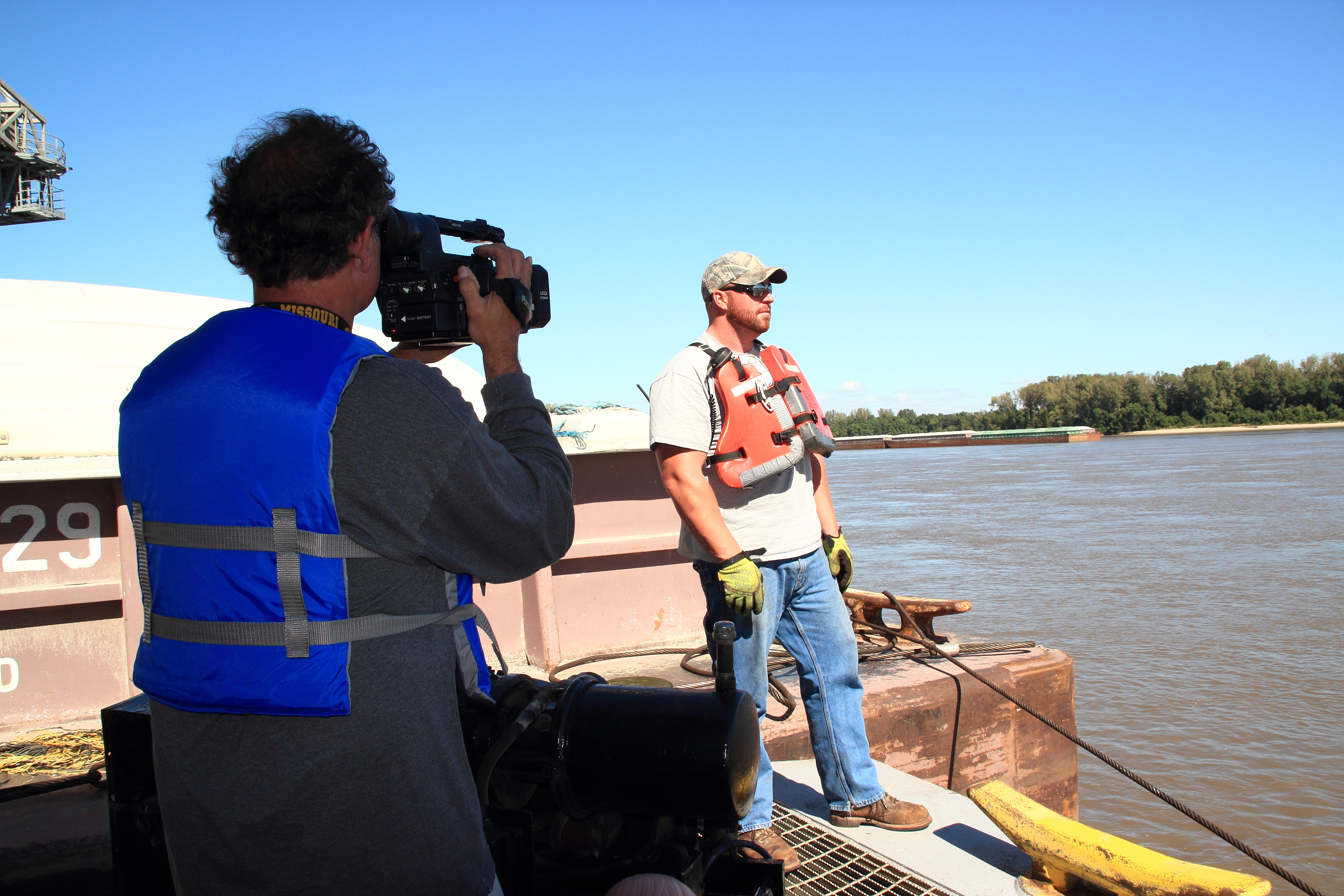
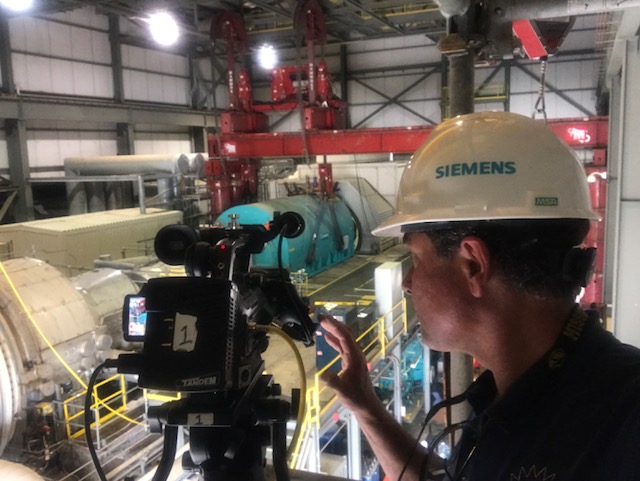
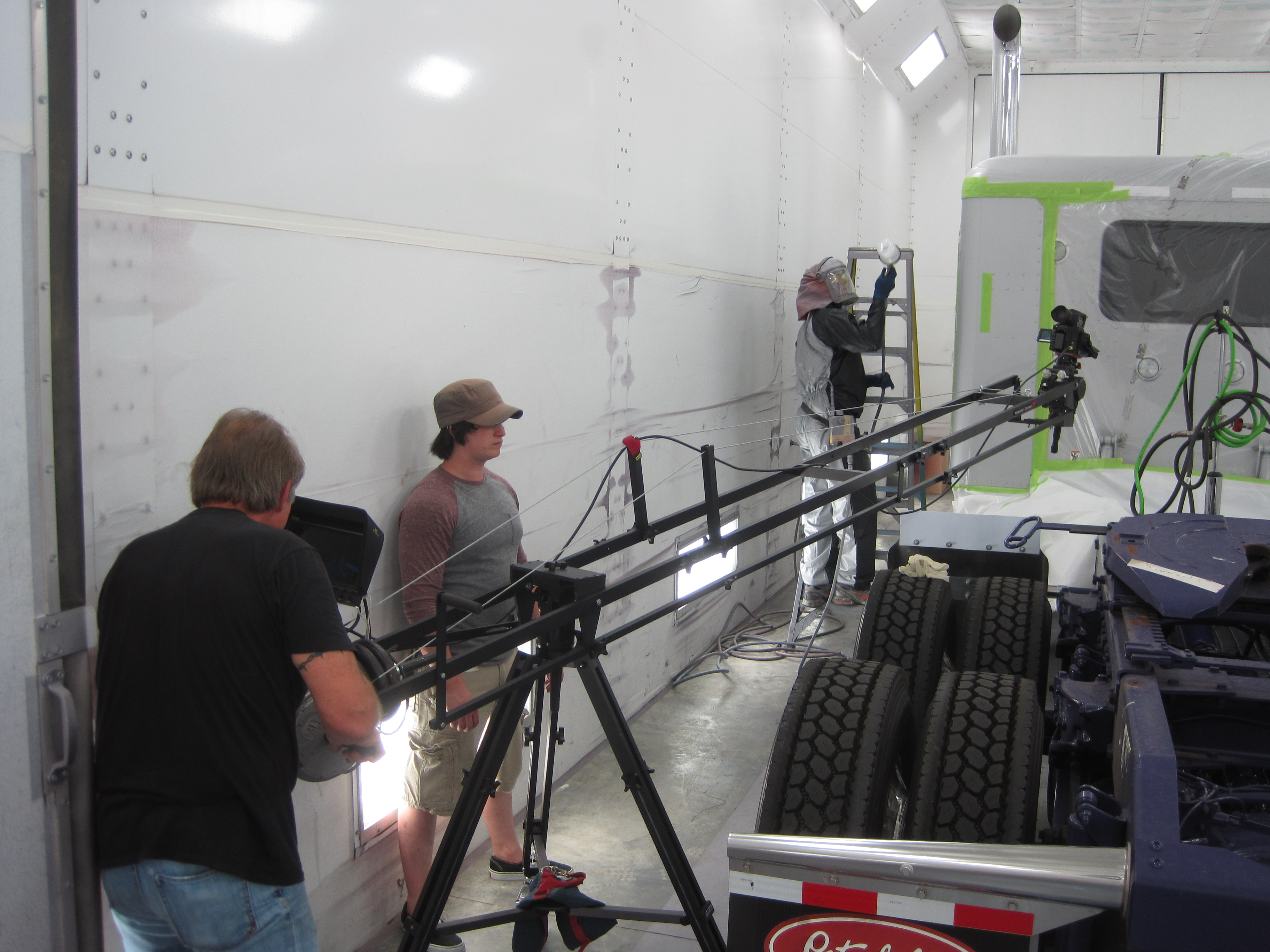
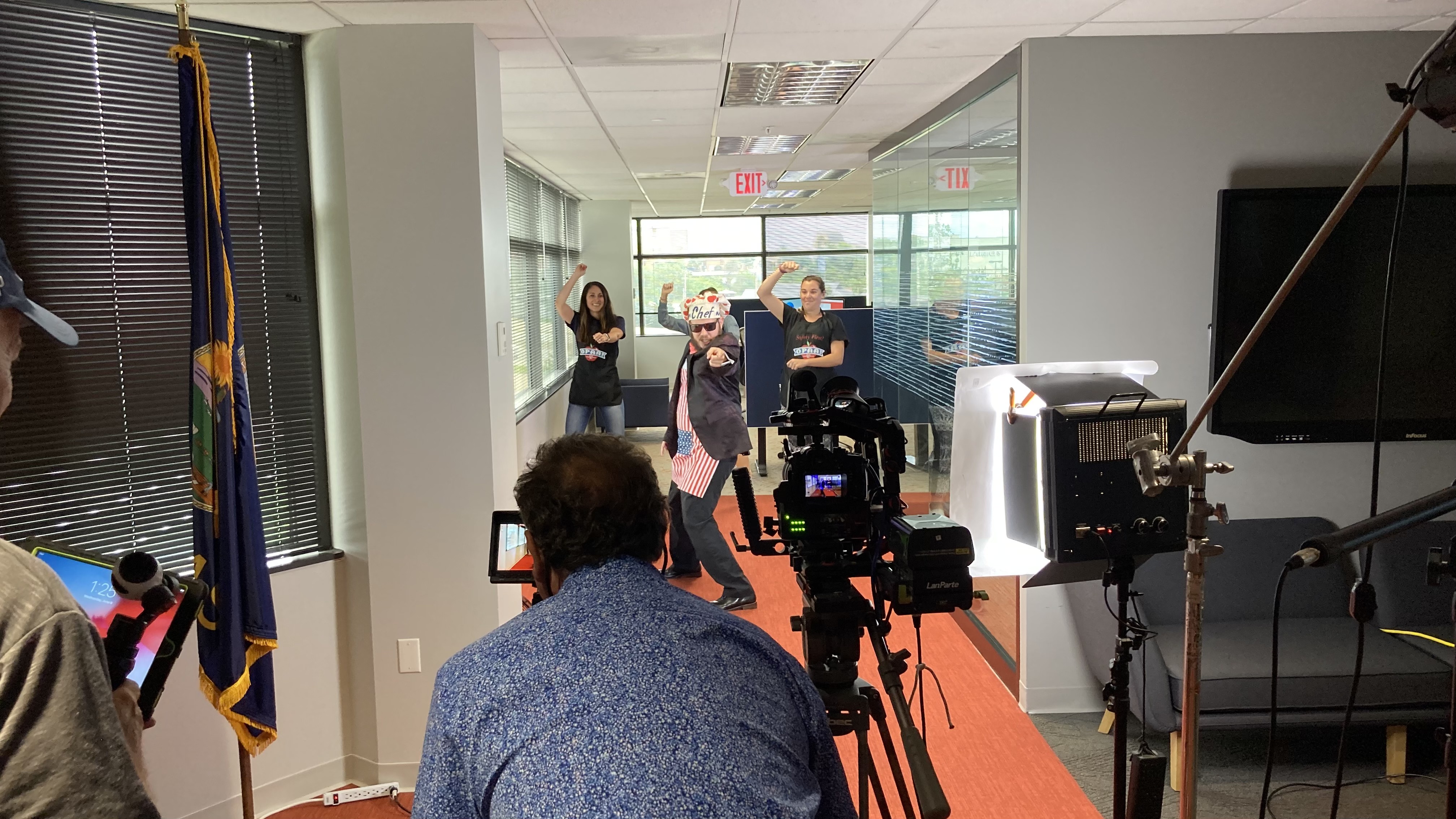
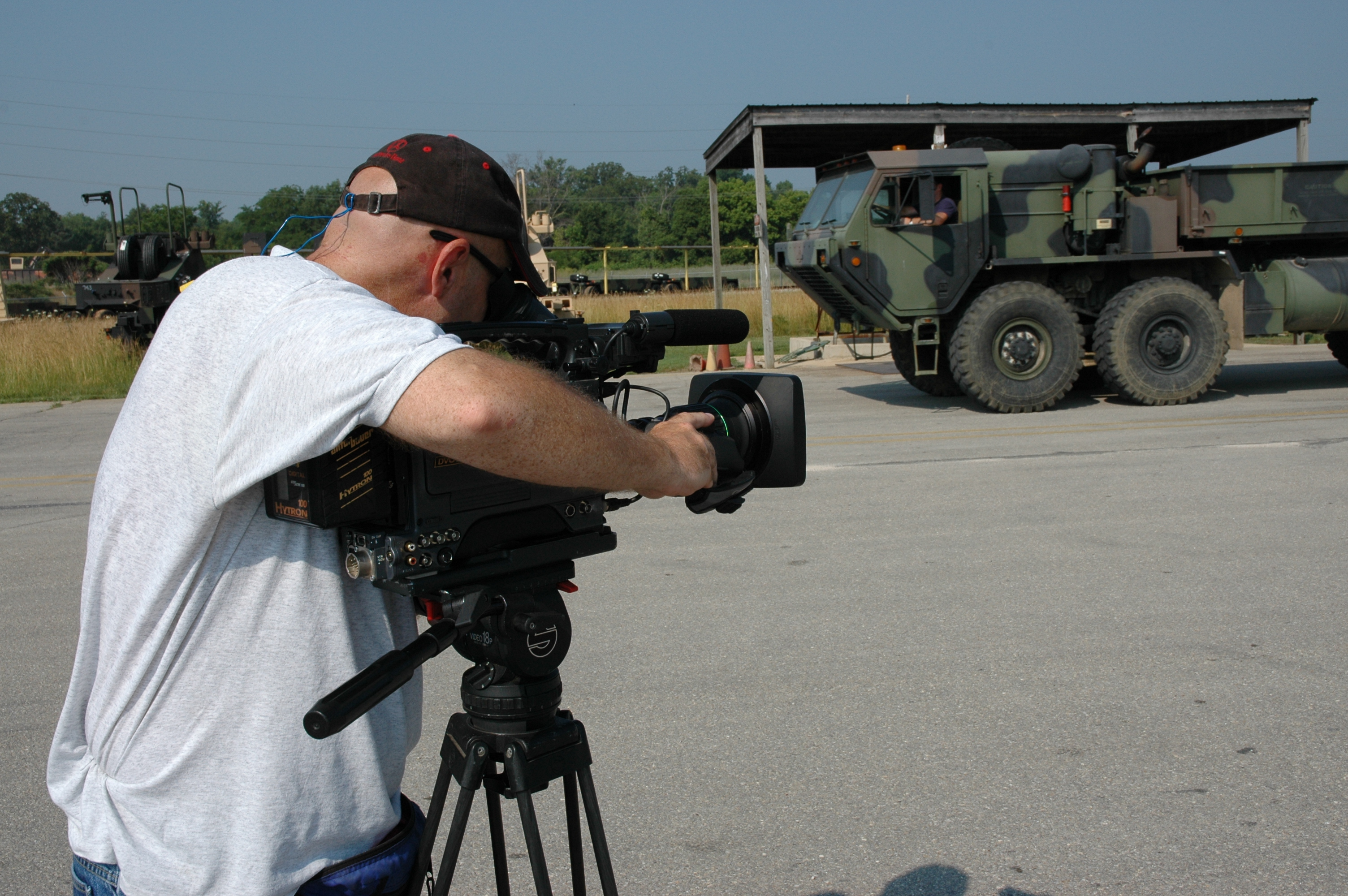
We’re a full-service professional commercial photography and video production company with the right equipment and creative crew service experience for successful image acquisition. We offer full-service studio and location video and photography, plus editing and post-production, and licensed drone pilots—including the ability to fly specialized drones indoors when your story needs dynamic visuals in tight spaces.
We can customize productions for diverse media requirements, and we specialize in repurposing your photography and video branding so a single testimonial shoot becomes a multi-platform lead system. We’re well-versed in all file types, delivery specs, and media styles, and we use the latest Artificial Intelligence tools across our workflows to speed up versioning, enhance post-production, and help you deploy more content faster—without sacrificing quality.
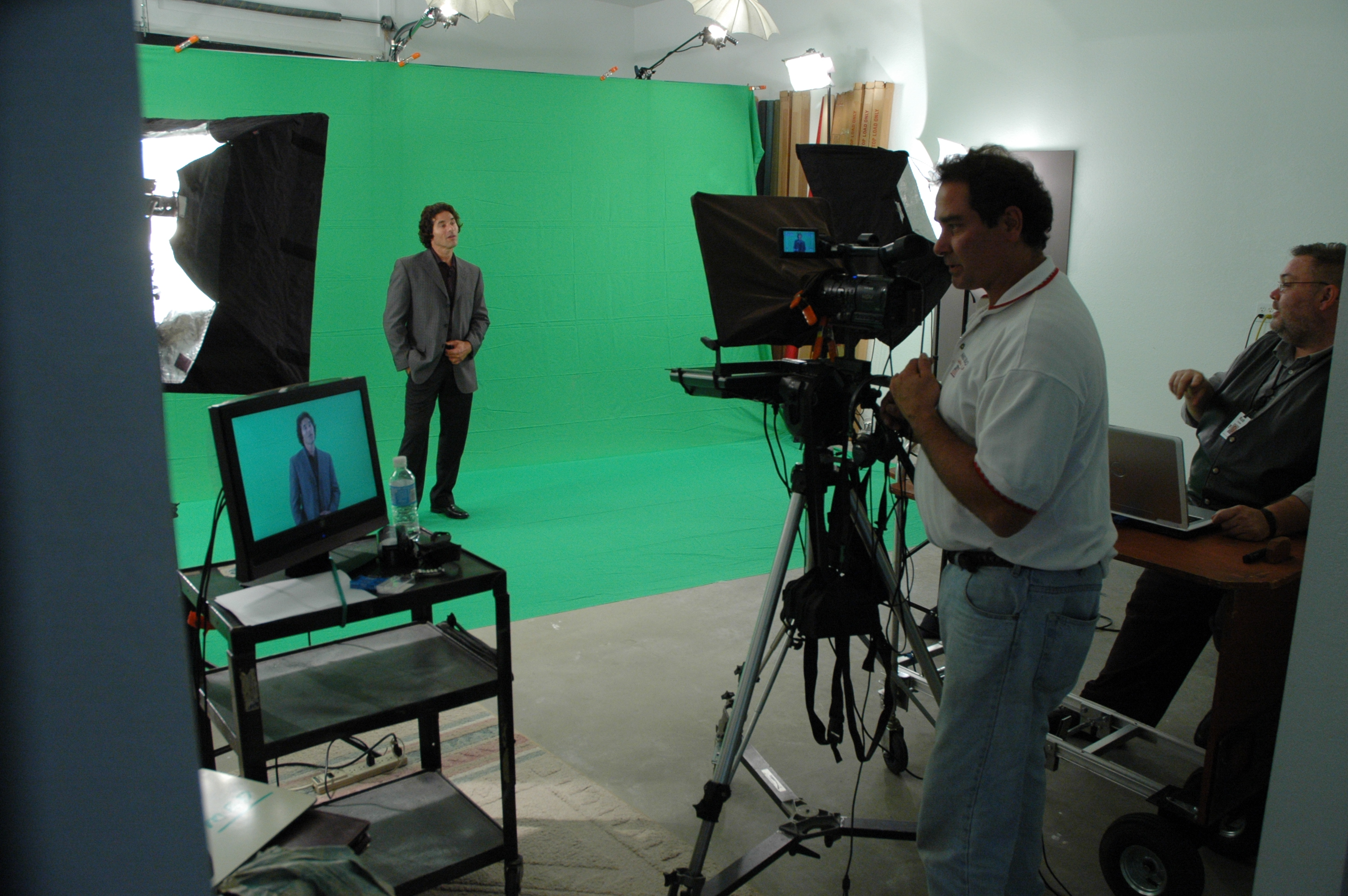
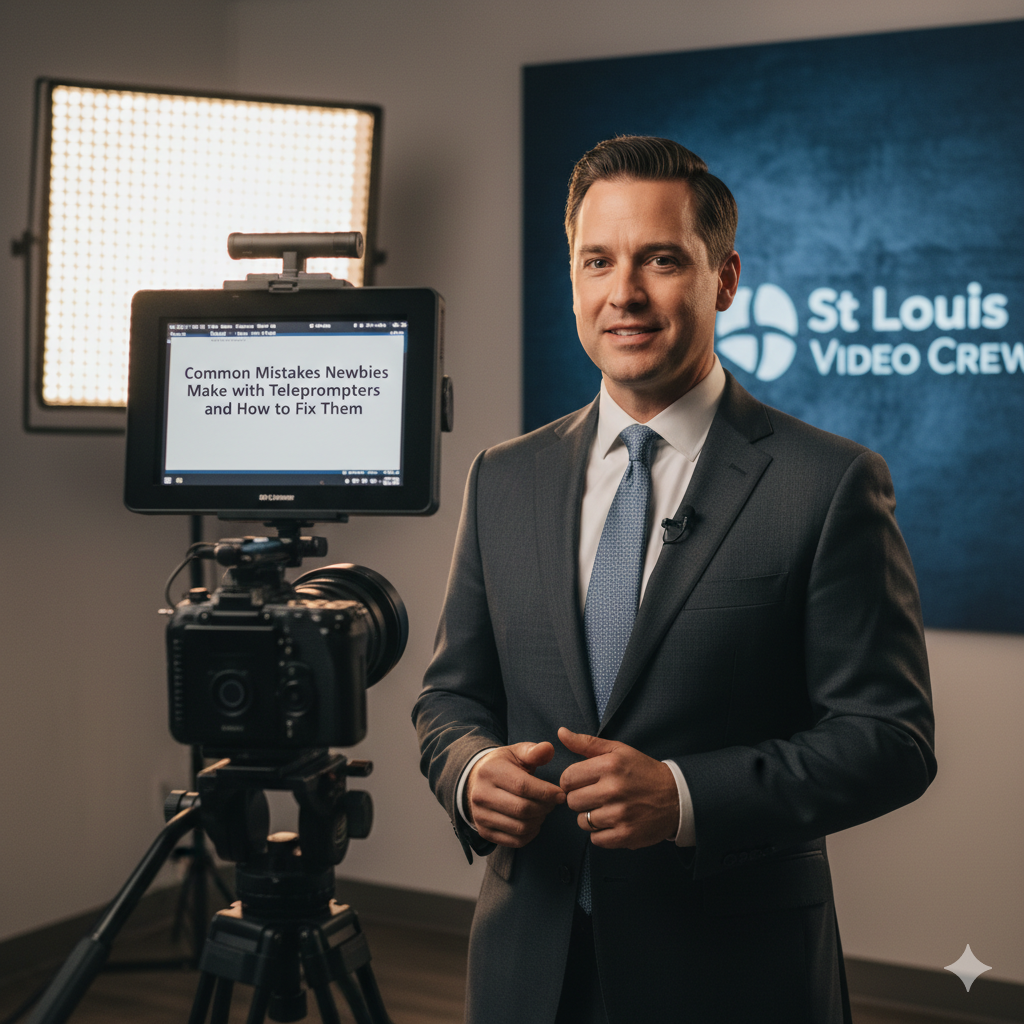
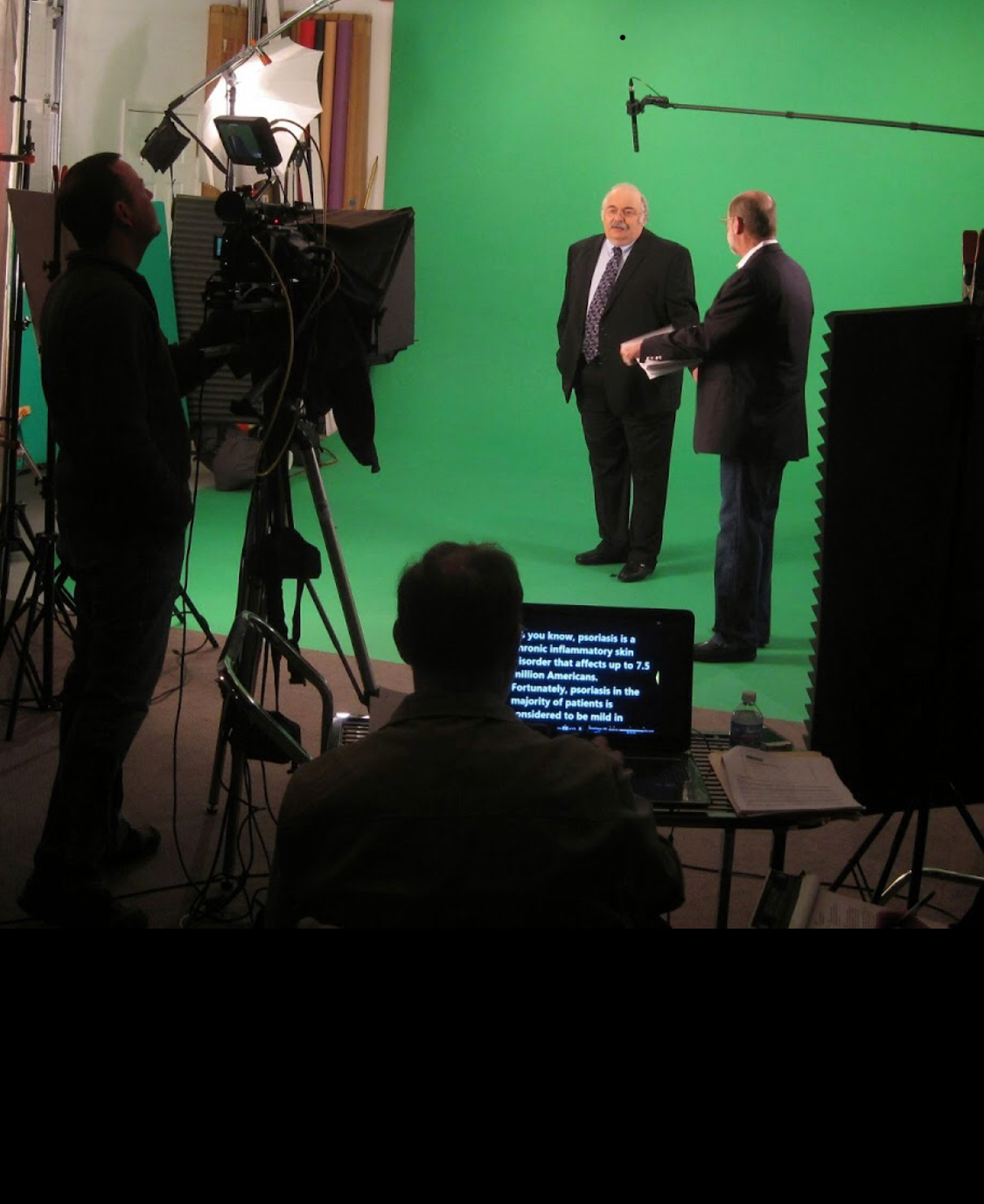
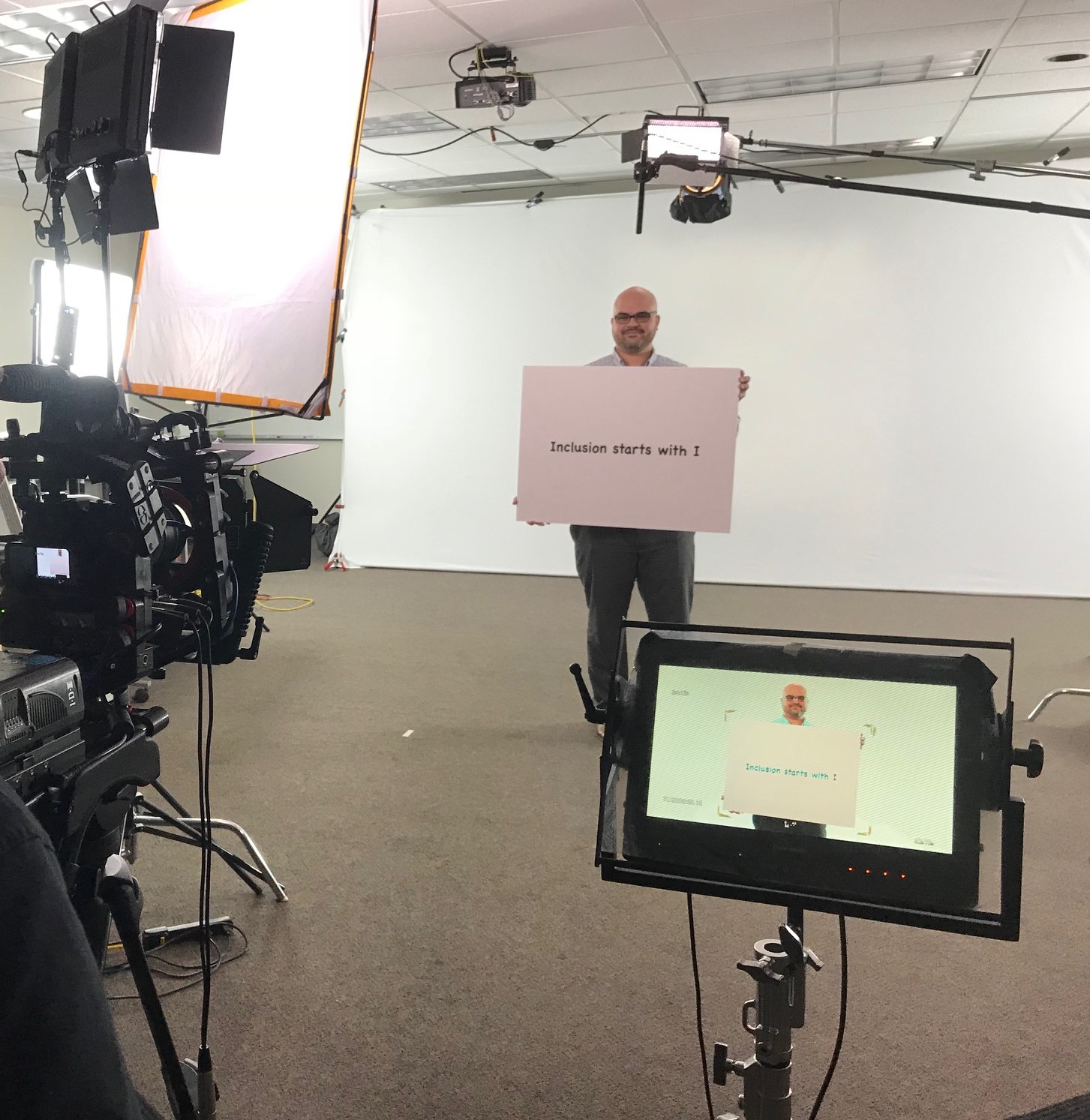
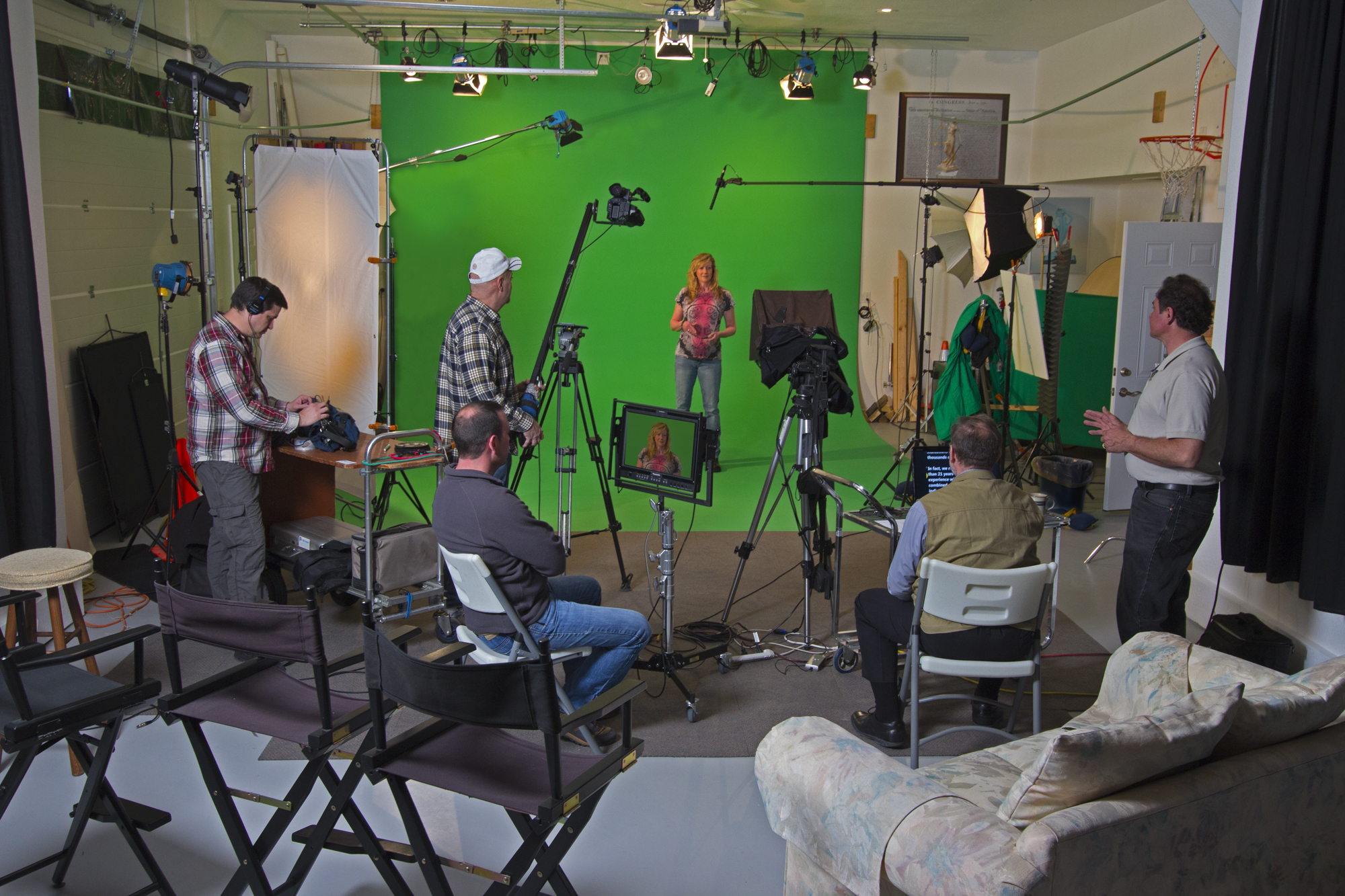
Our private studio lighting and visual setup is perfect for small productions and interview scenes, with enough space for props and set elements to match your brand. We support every aspect of your production—from setting up a private, custom interview studio to supplying professional sound and camera operators—ensuring your next testimonial project is seamless, efficient, and built to convert attention into action.
If your testimonials are currently “nice to have,” we can help you turn them into a repeatable system that reliably drives service business leads.


 St Louis Video Editing