Tag Archives: marketing

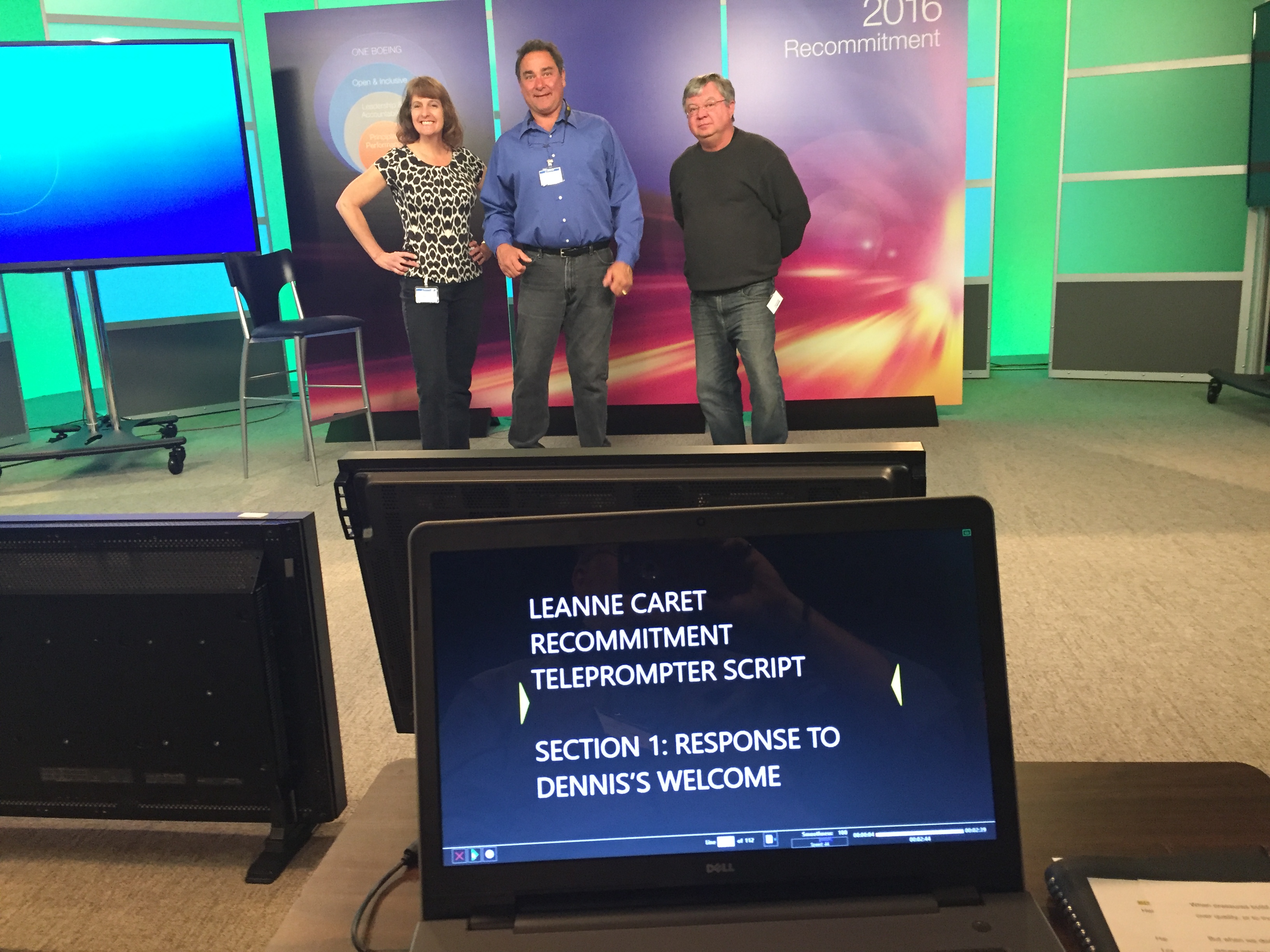
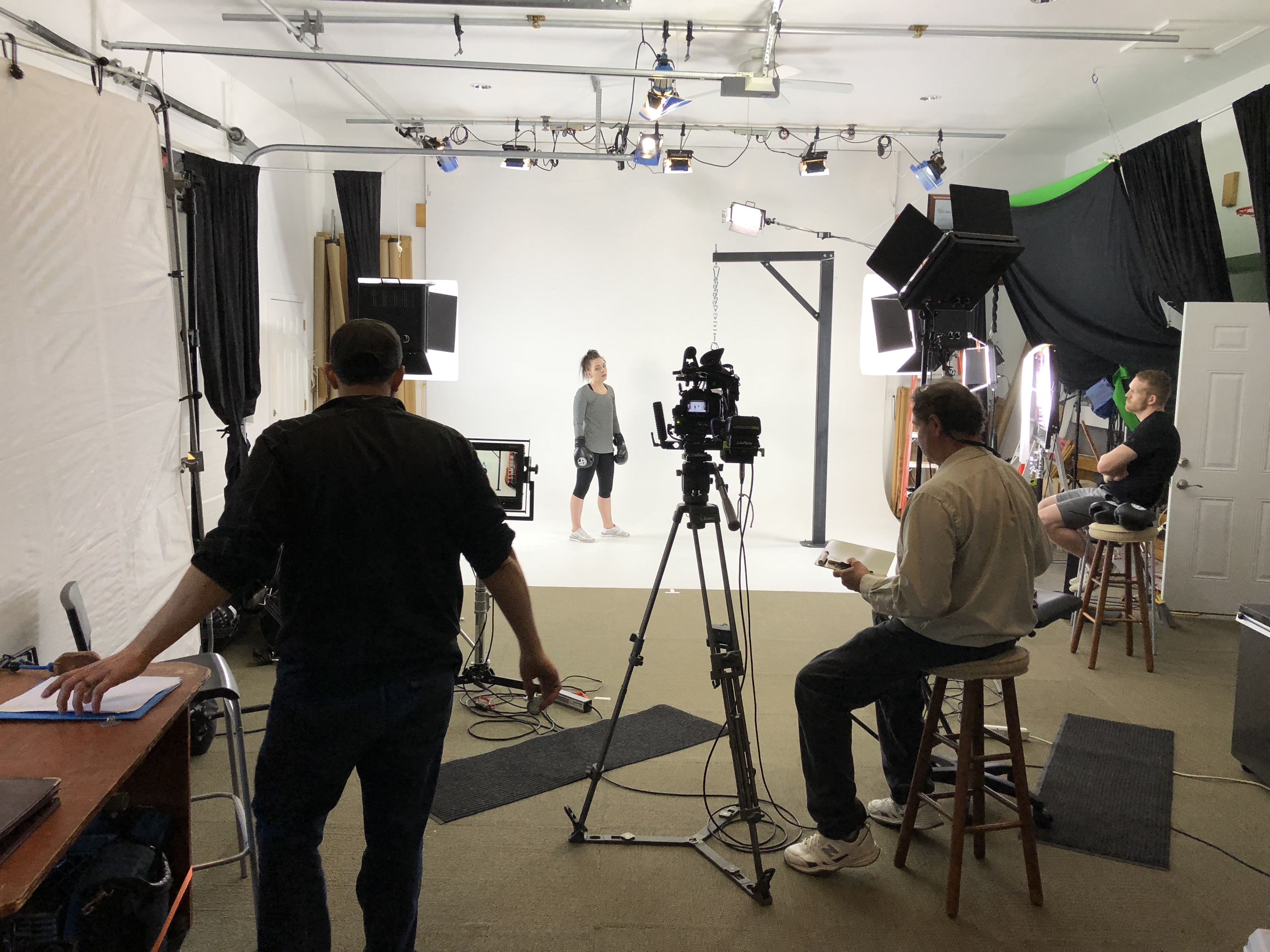
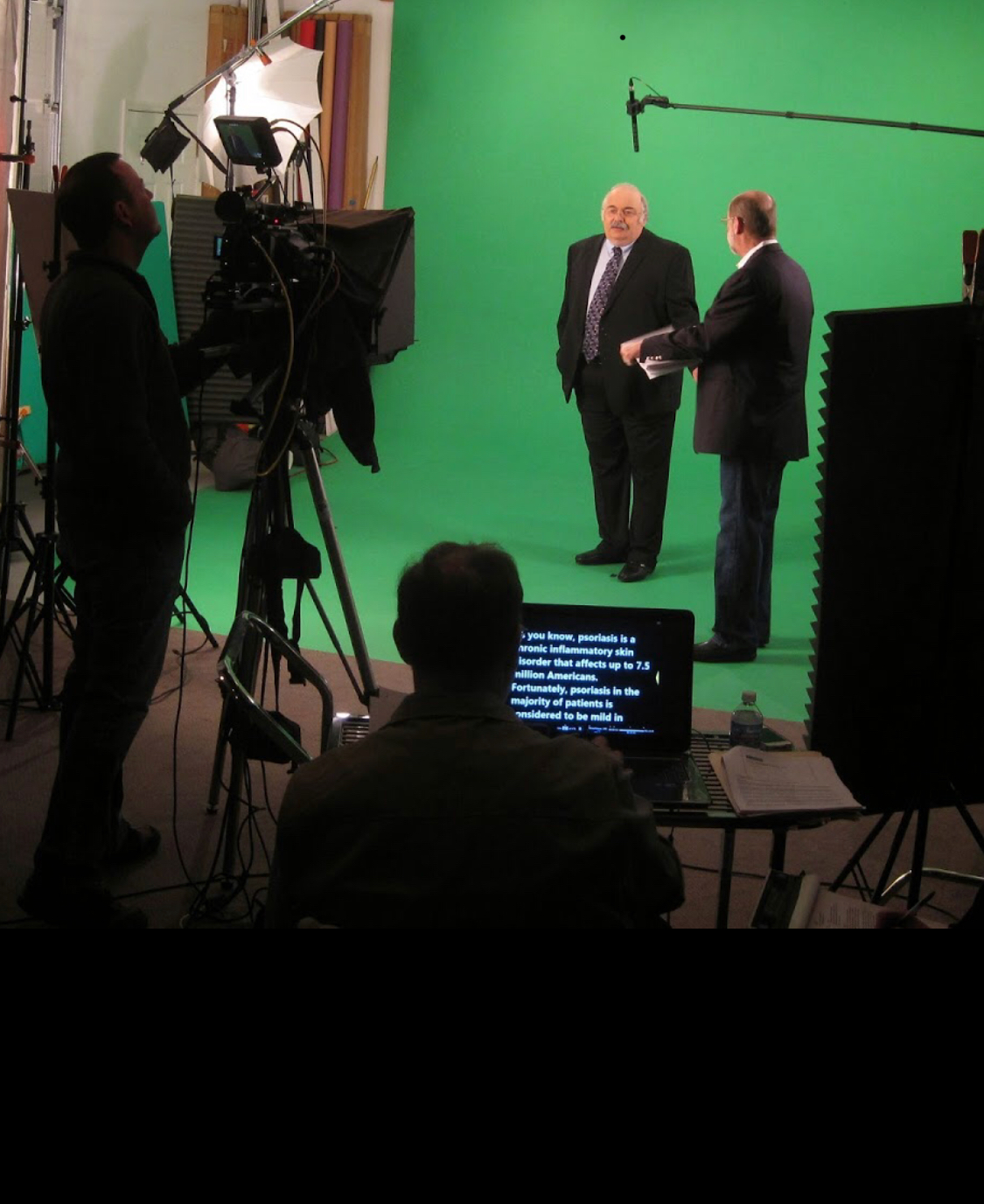
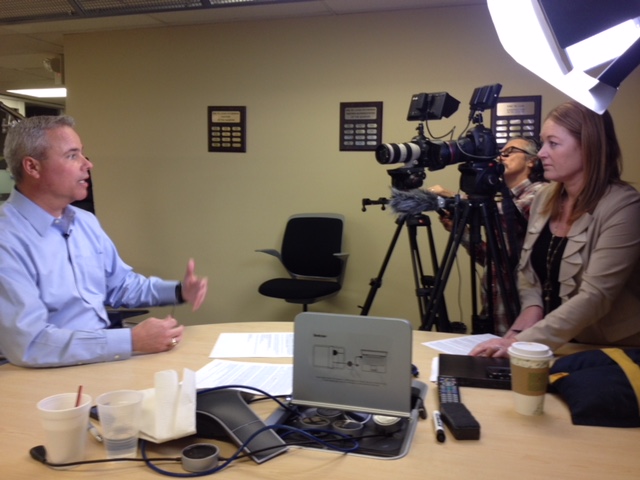
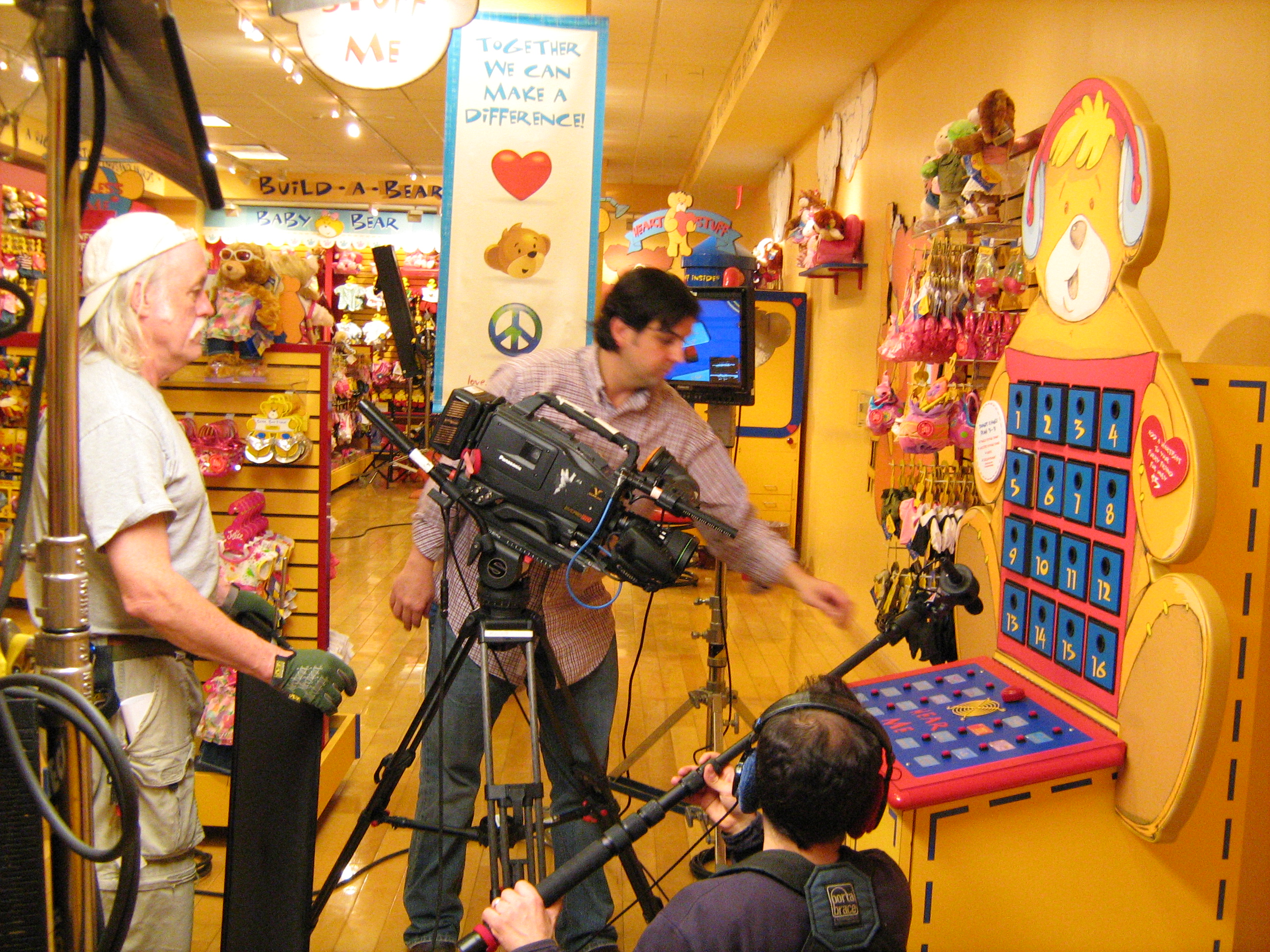
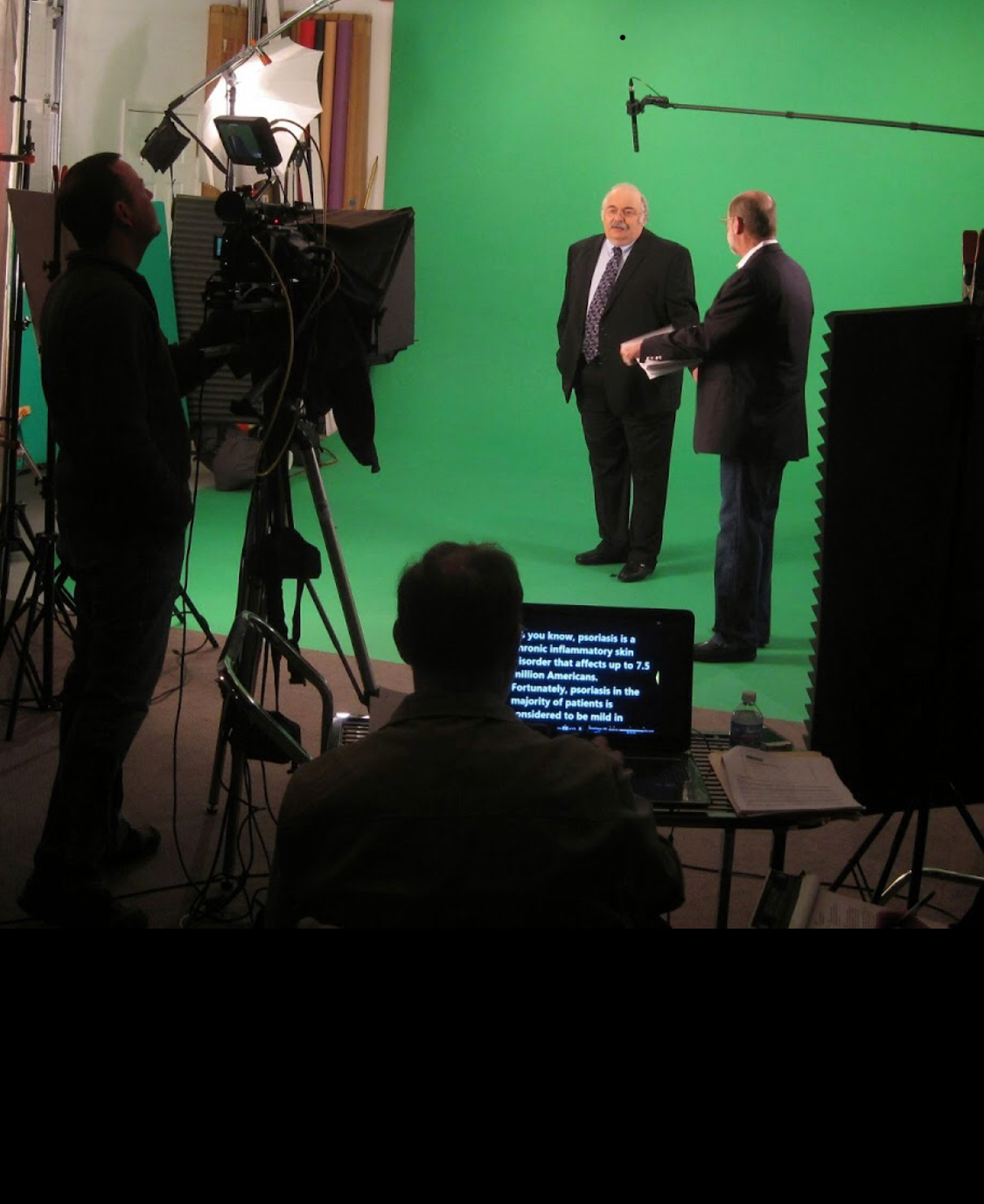
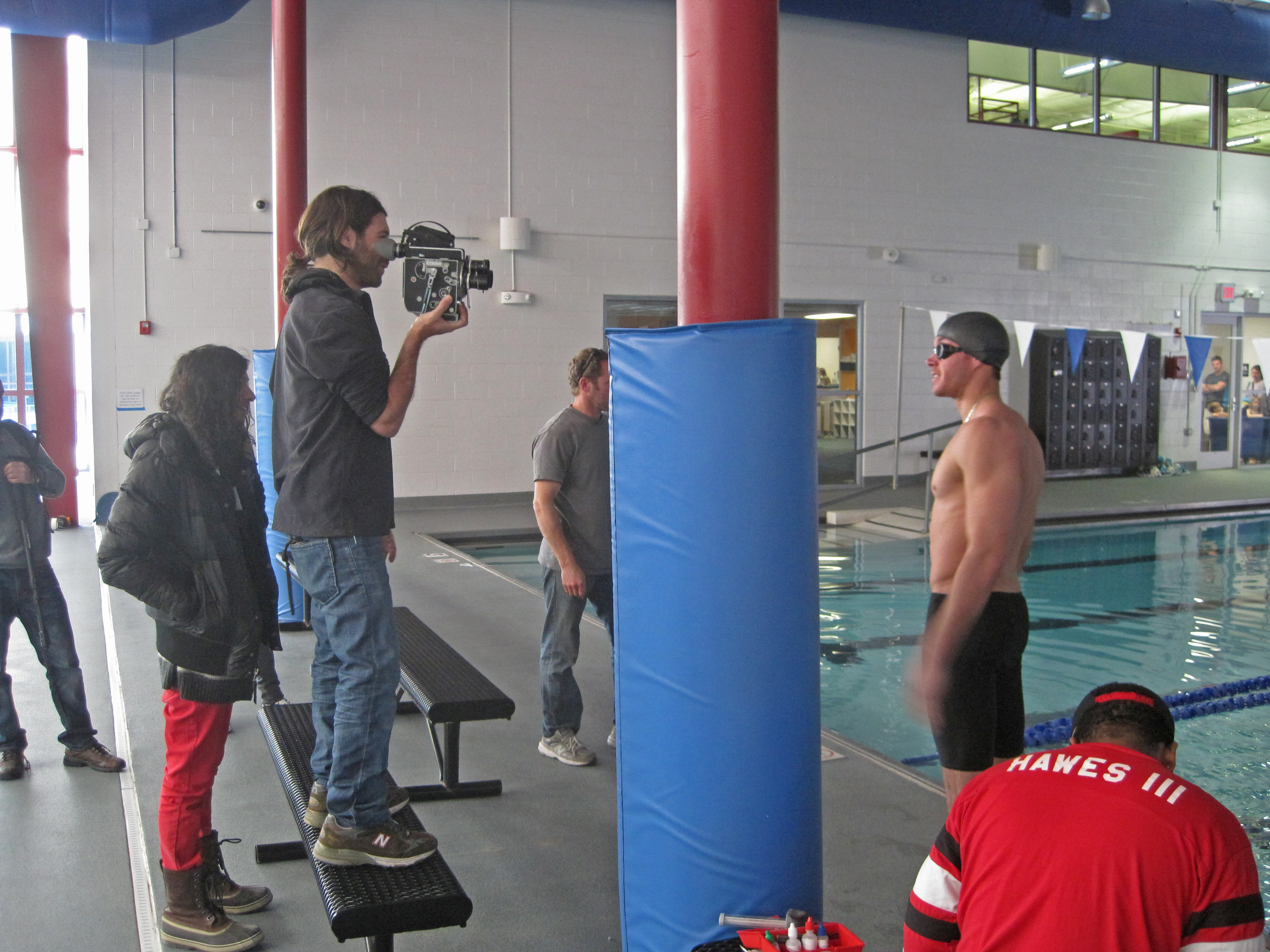
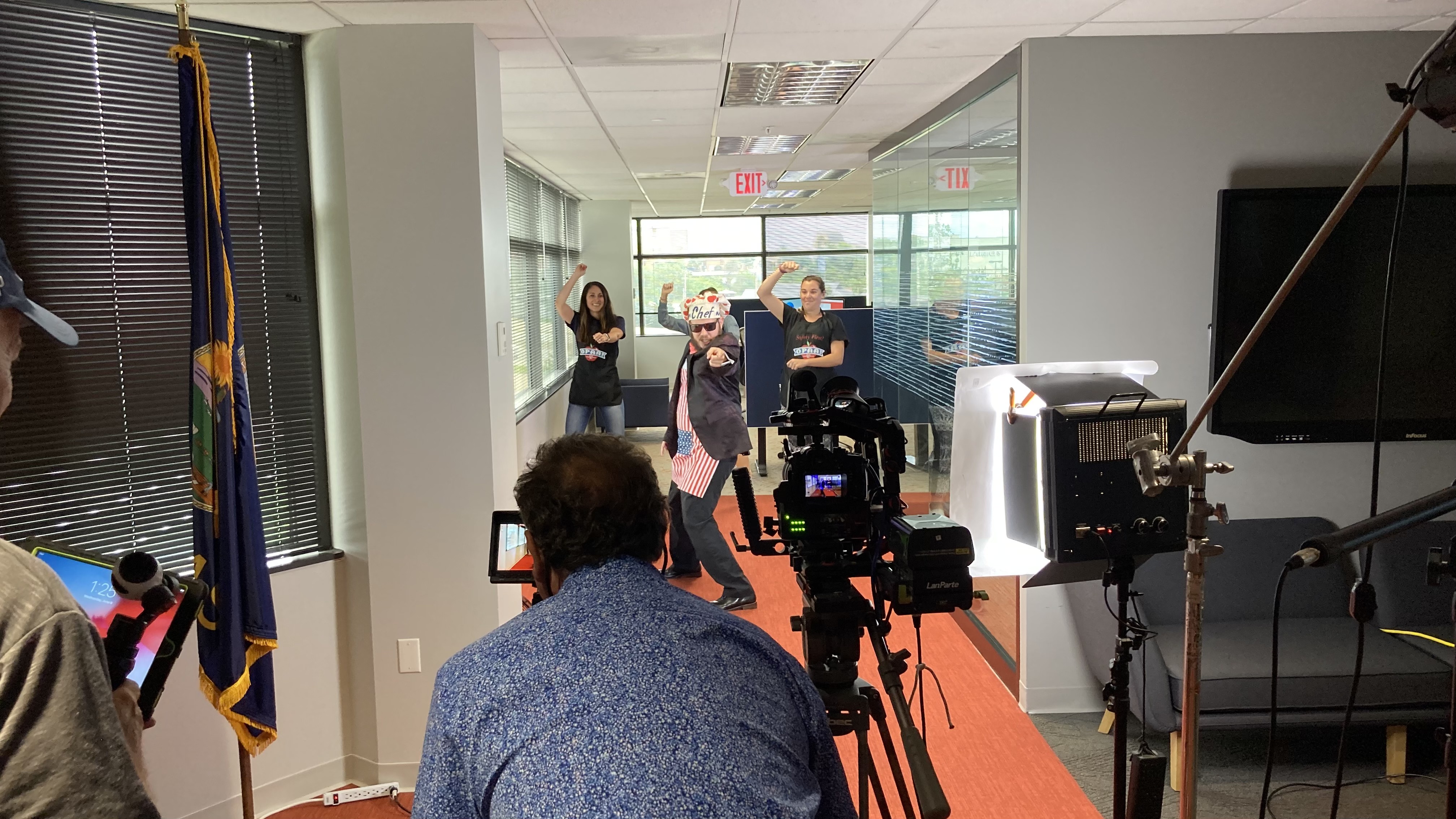
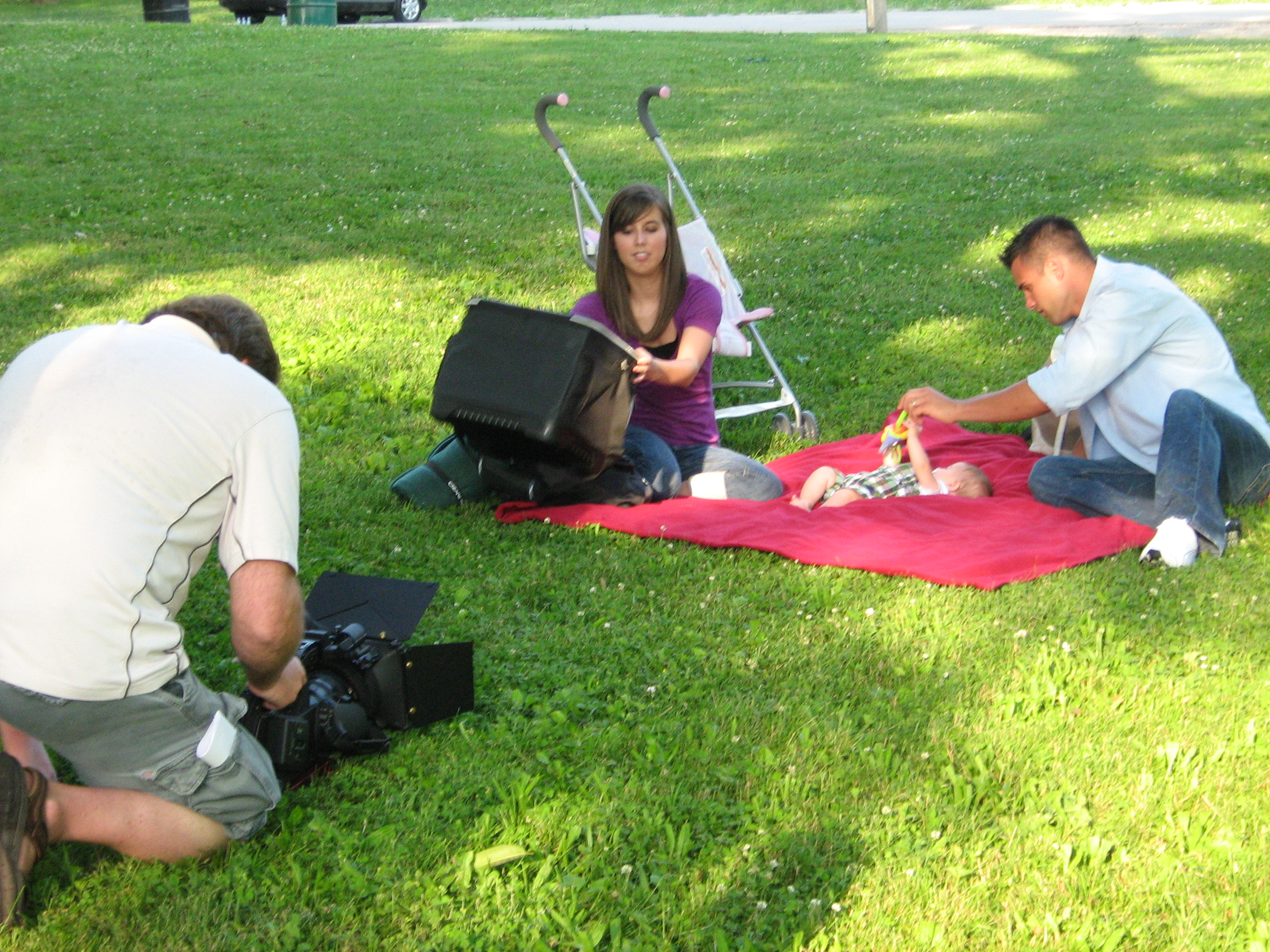
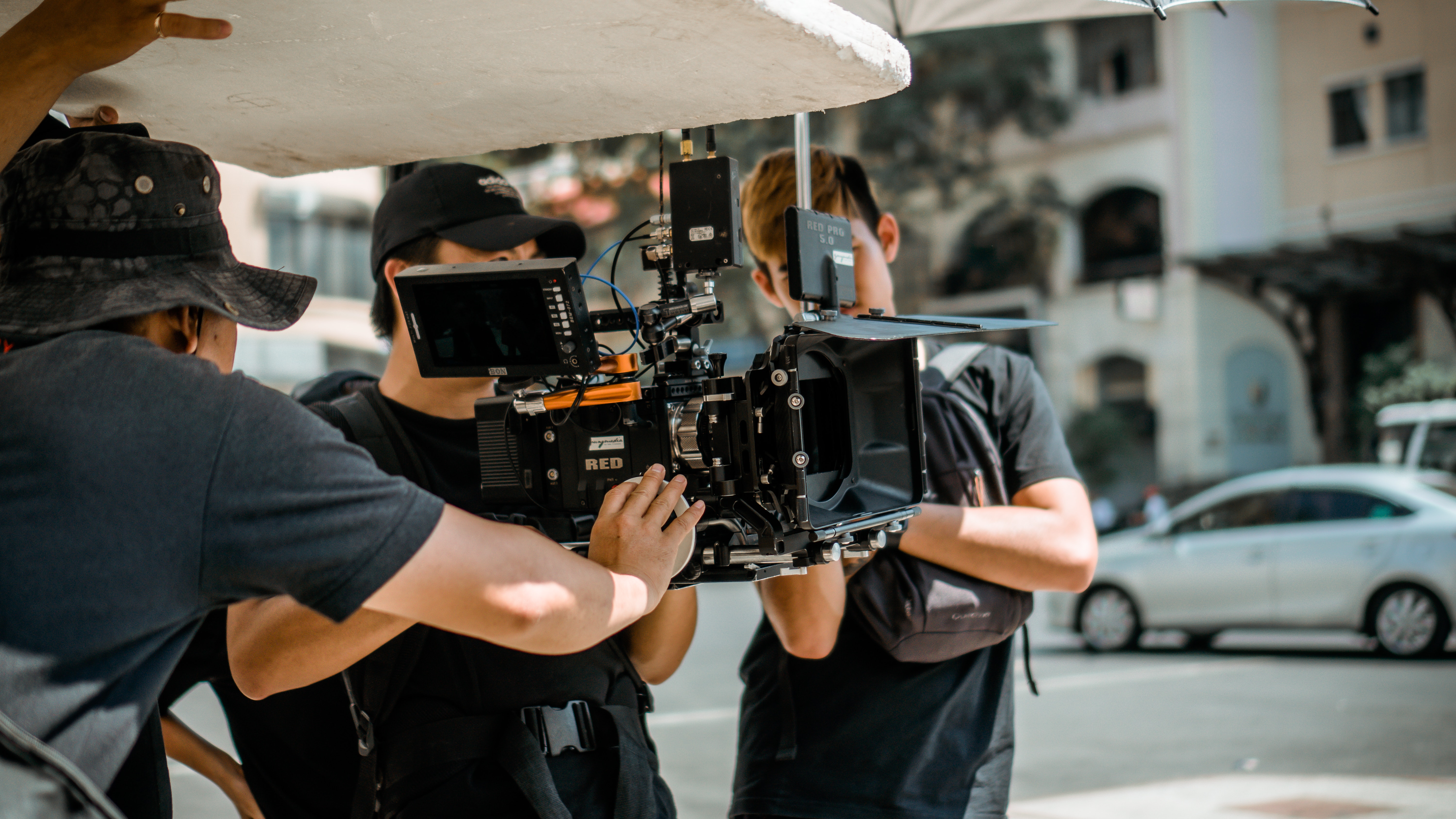
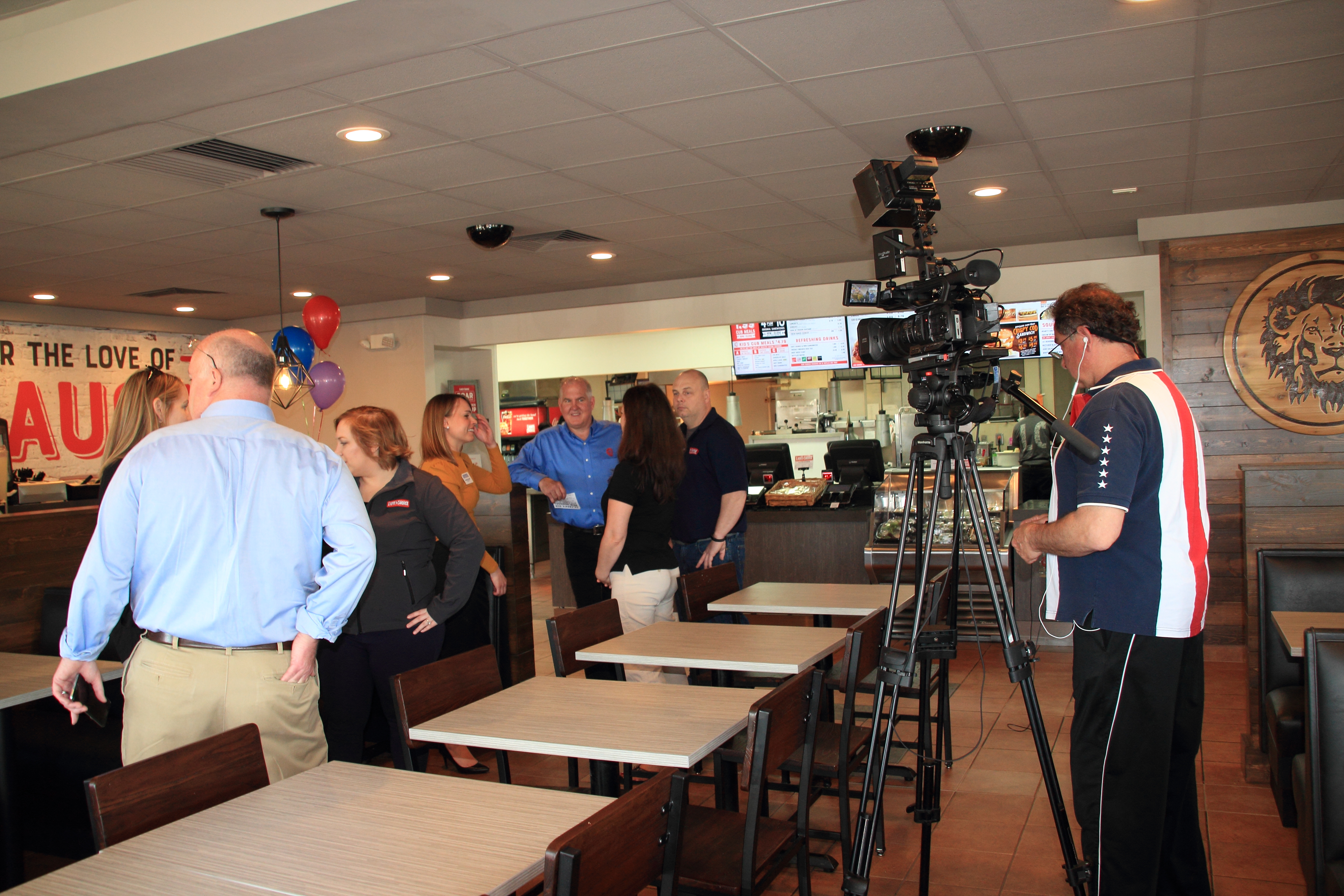
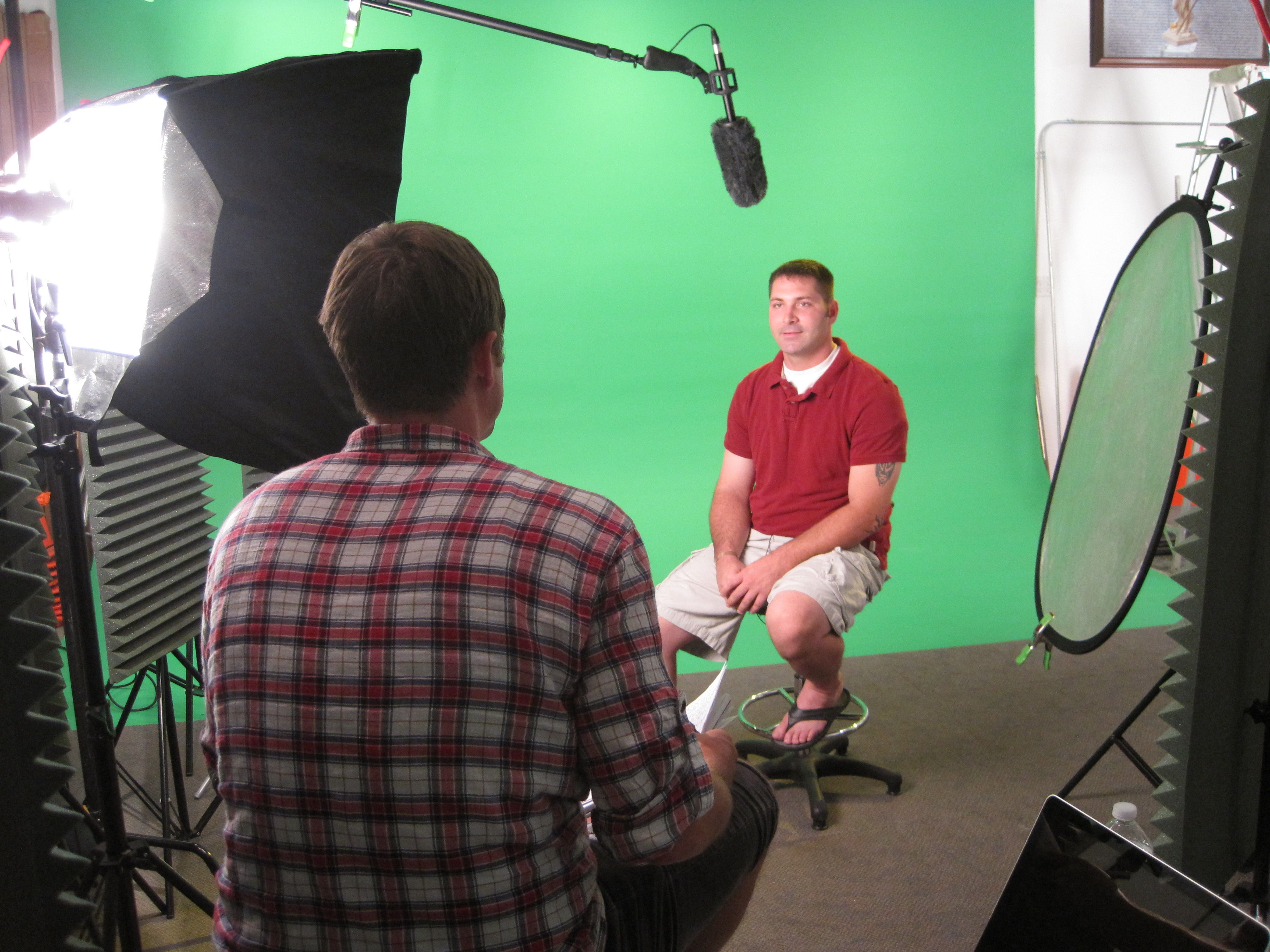
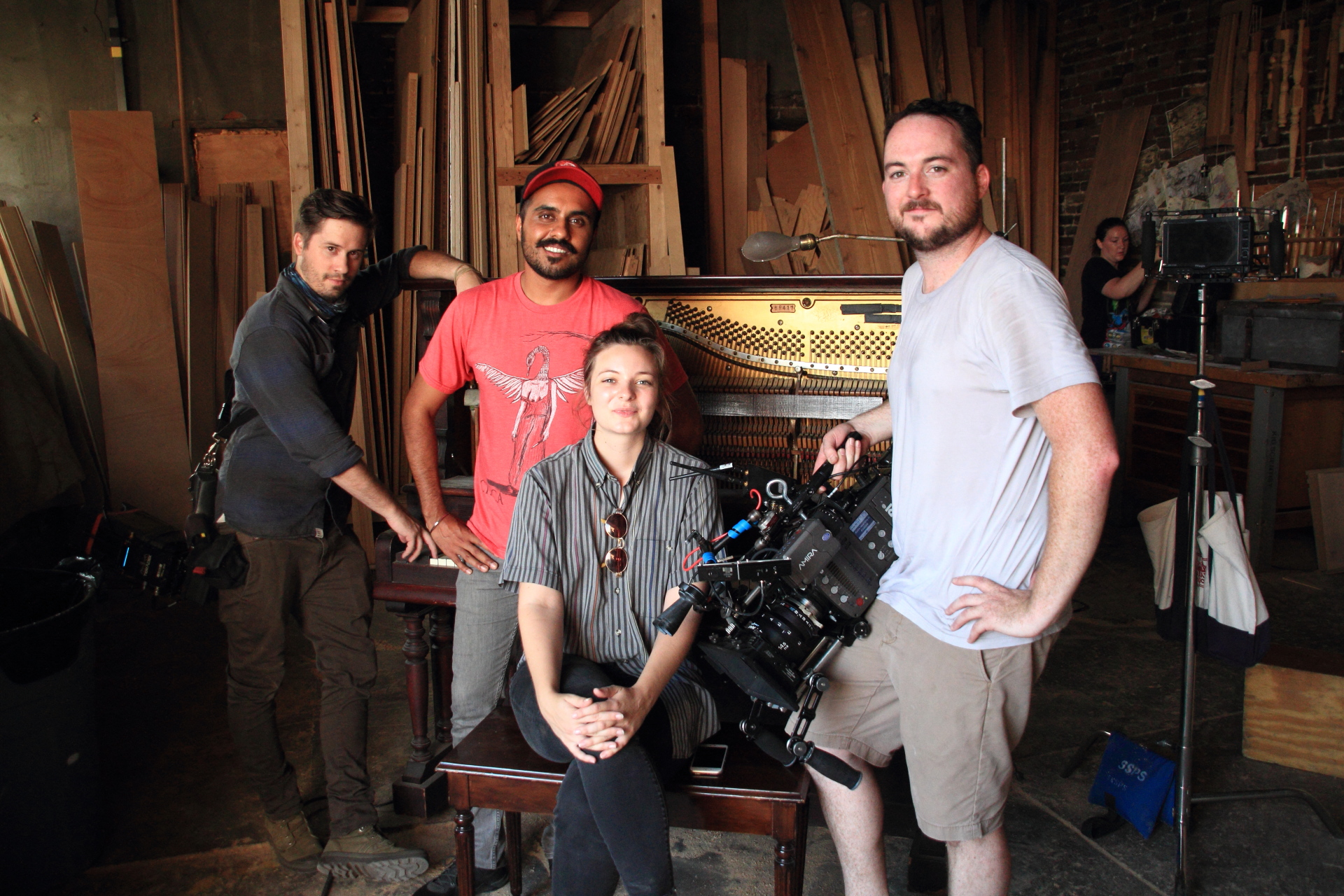
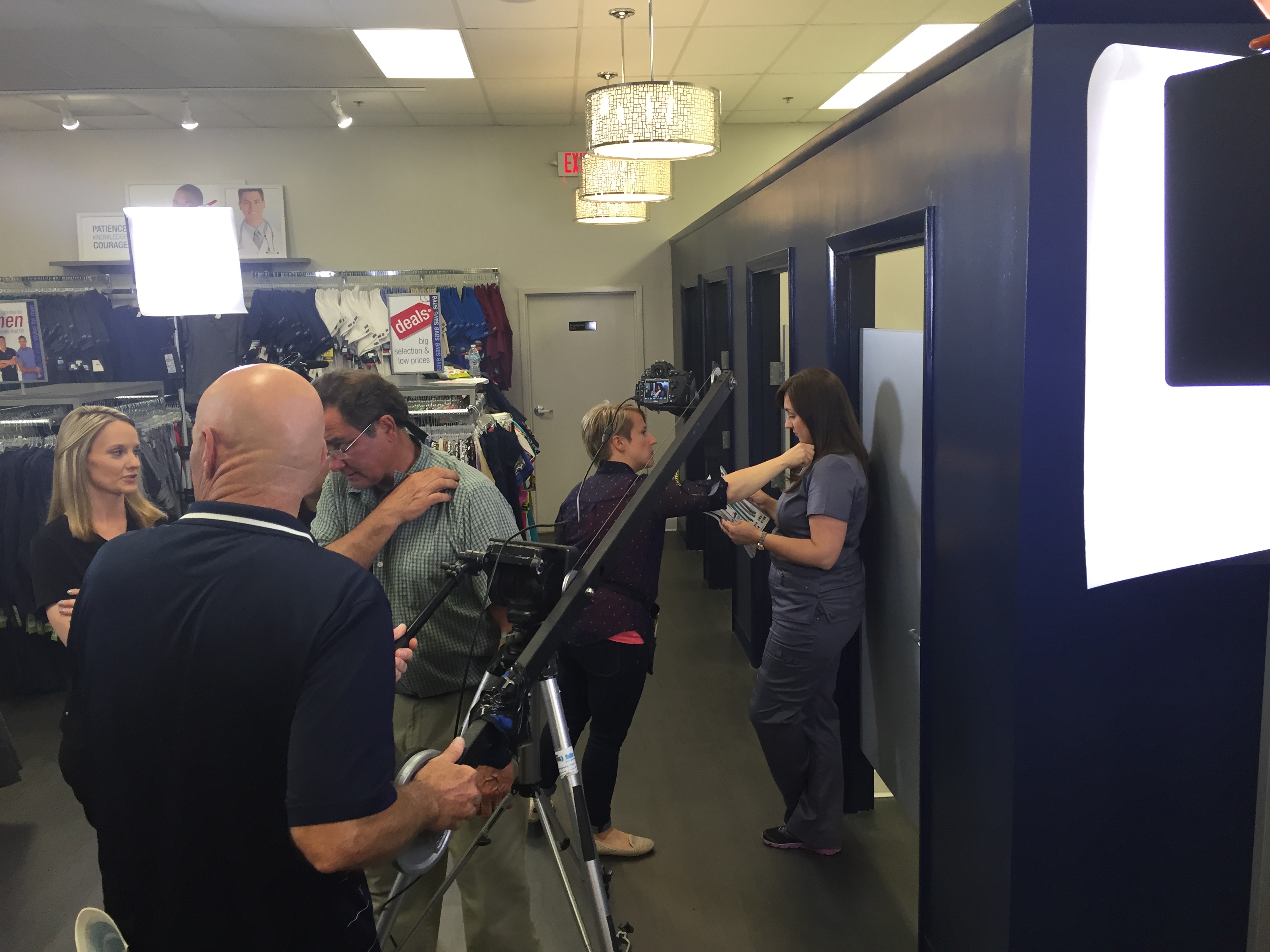
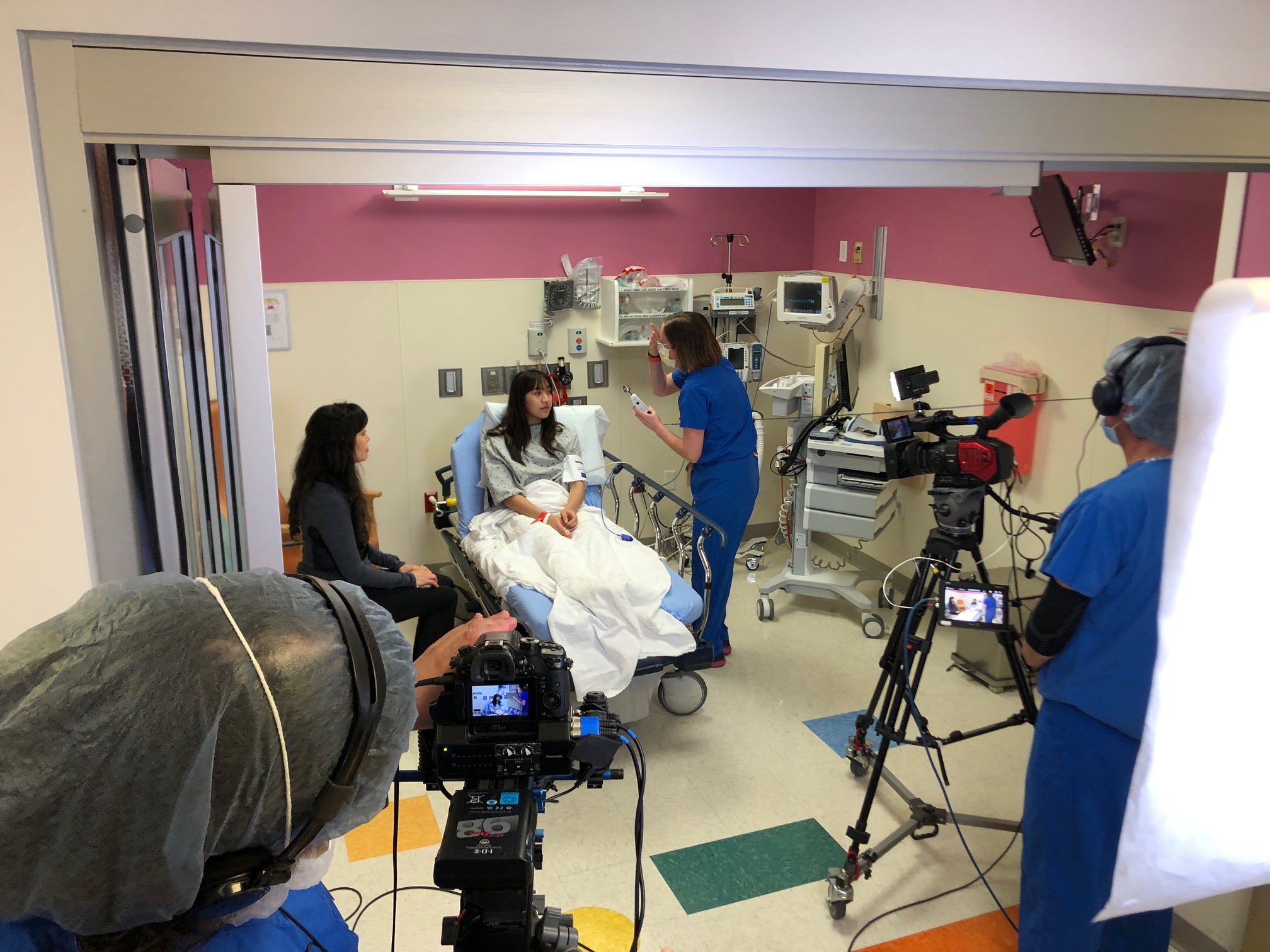
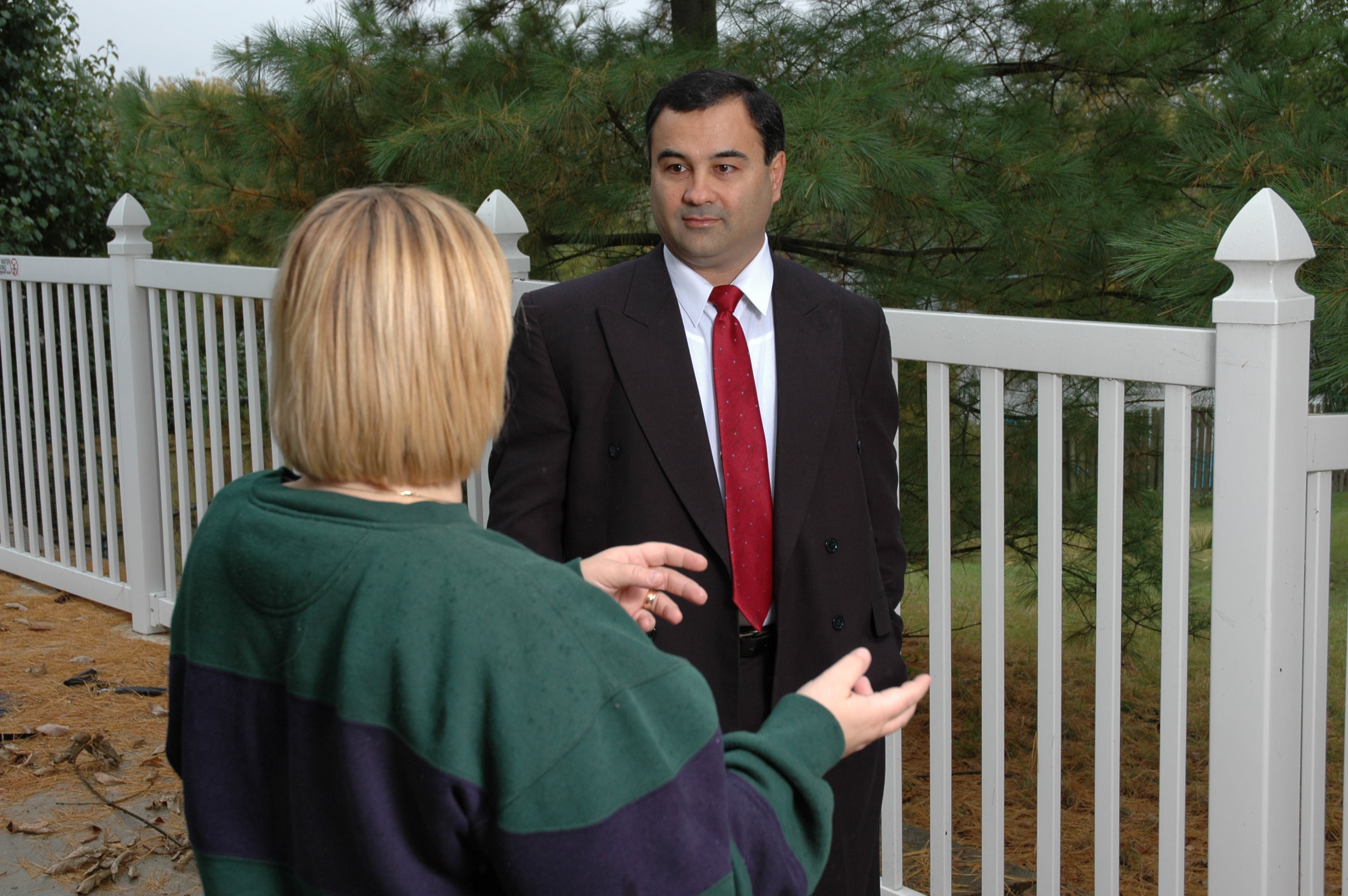
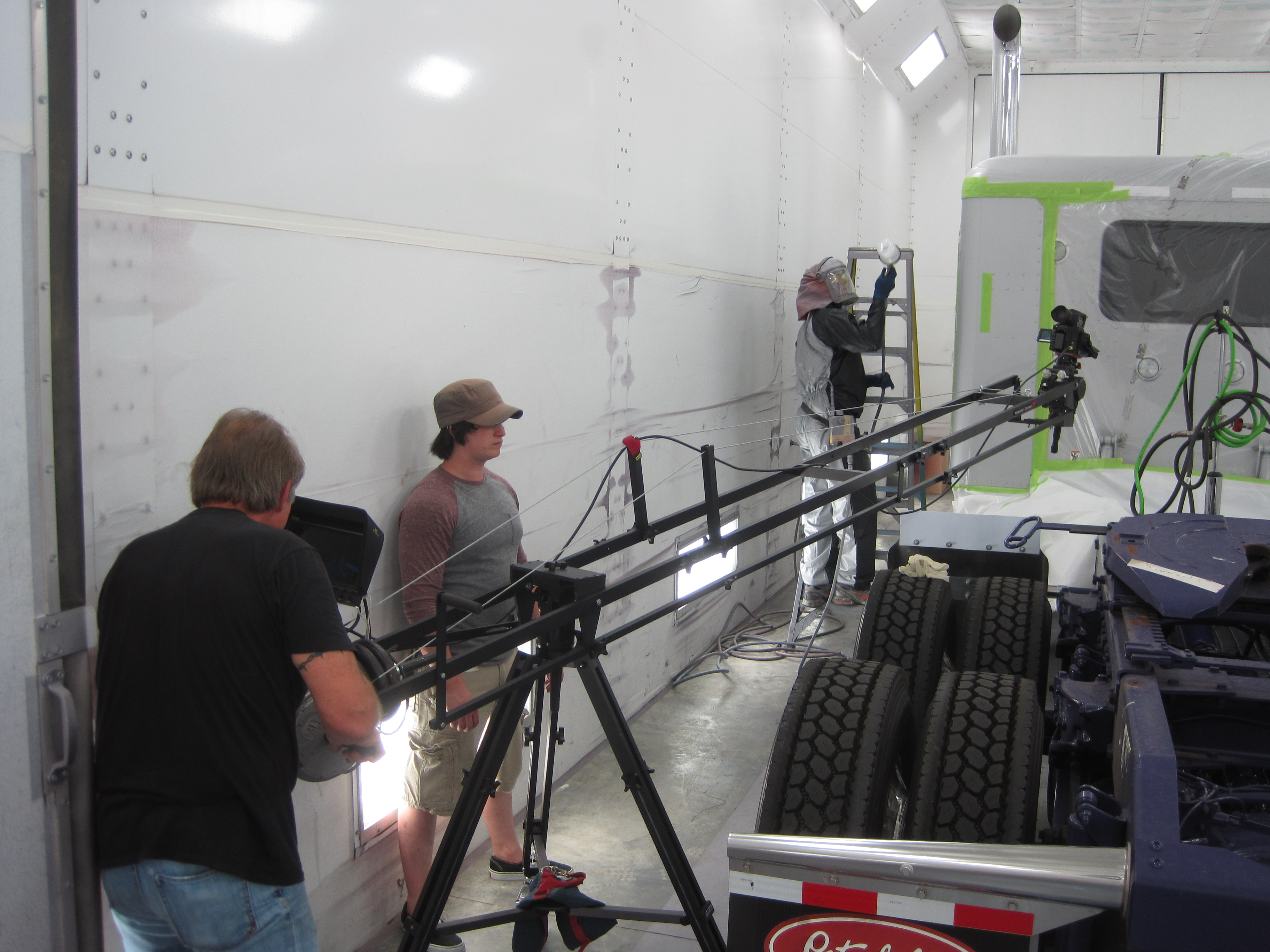
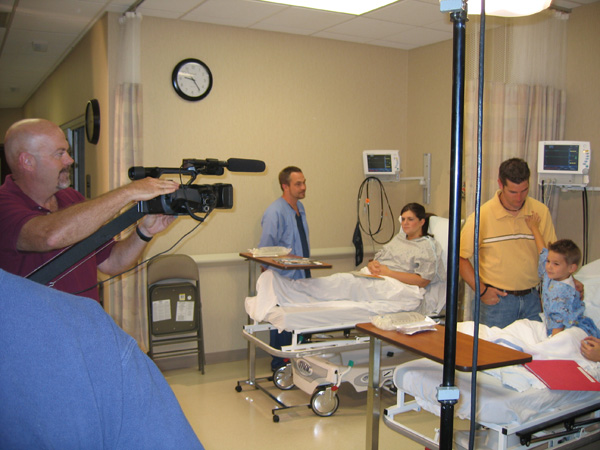
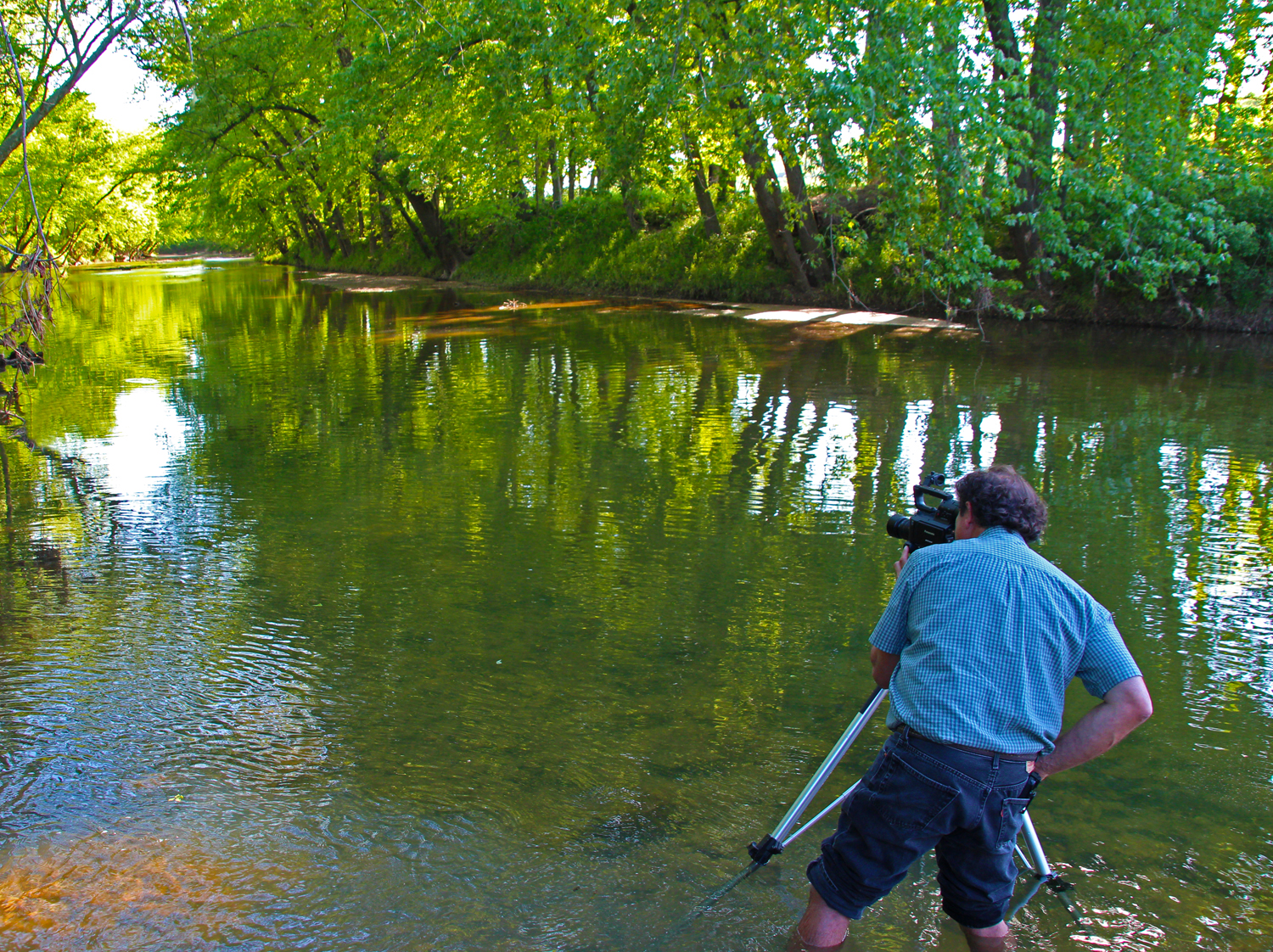
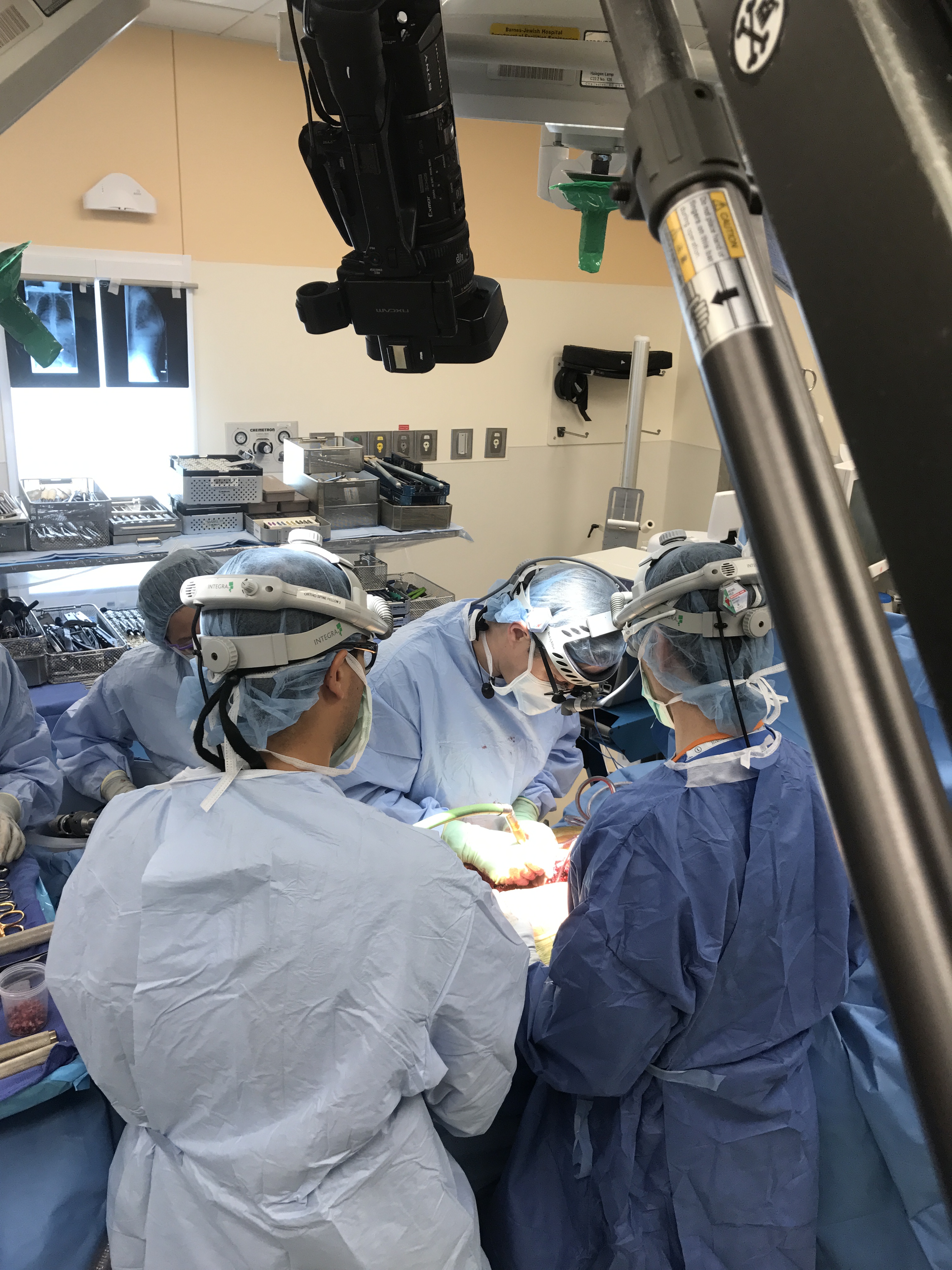
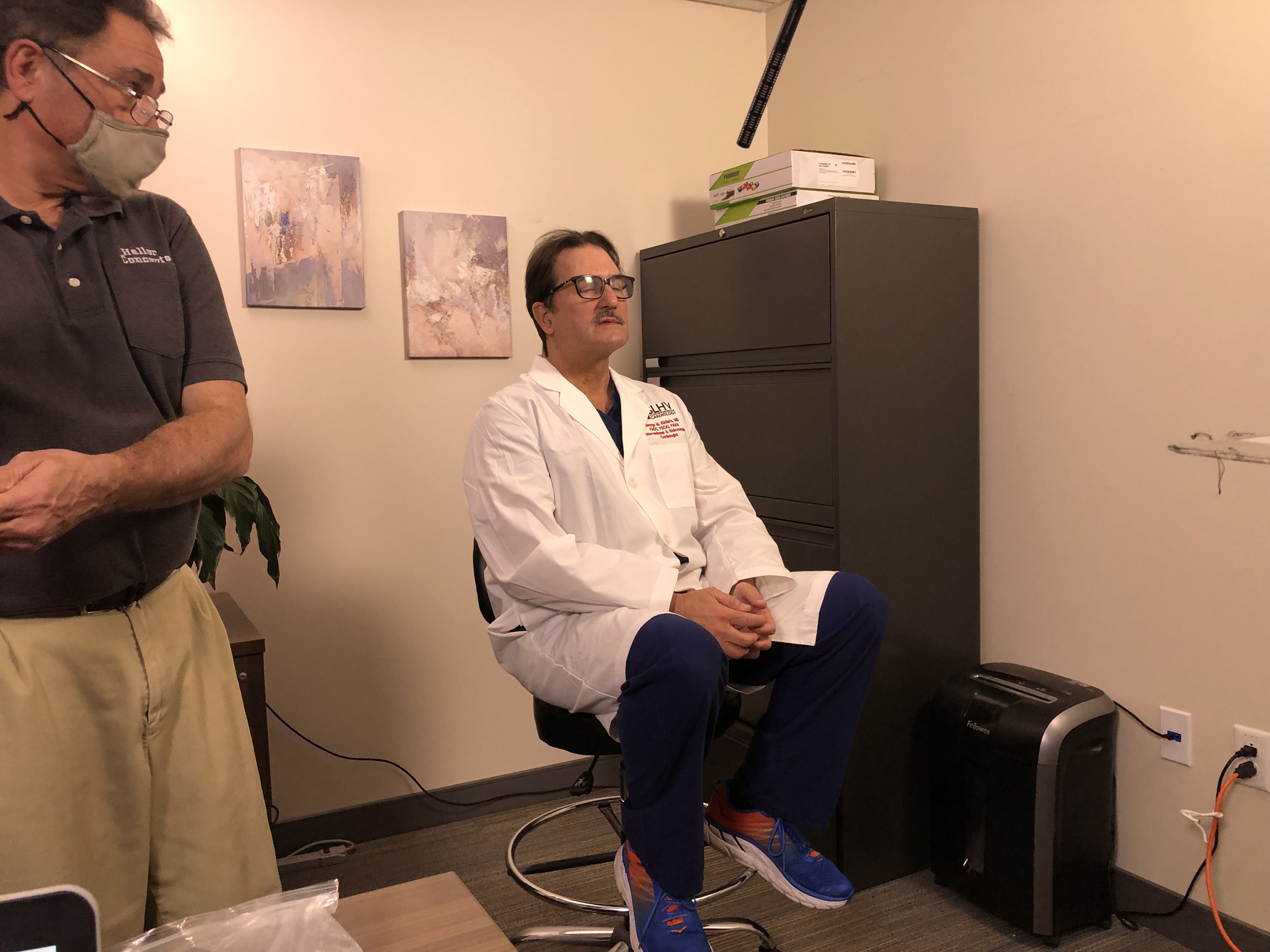
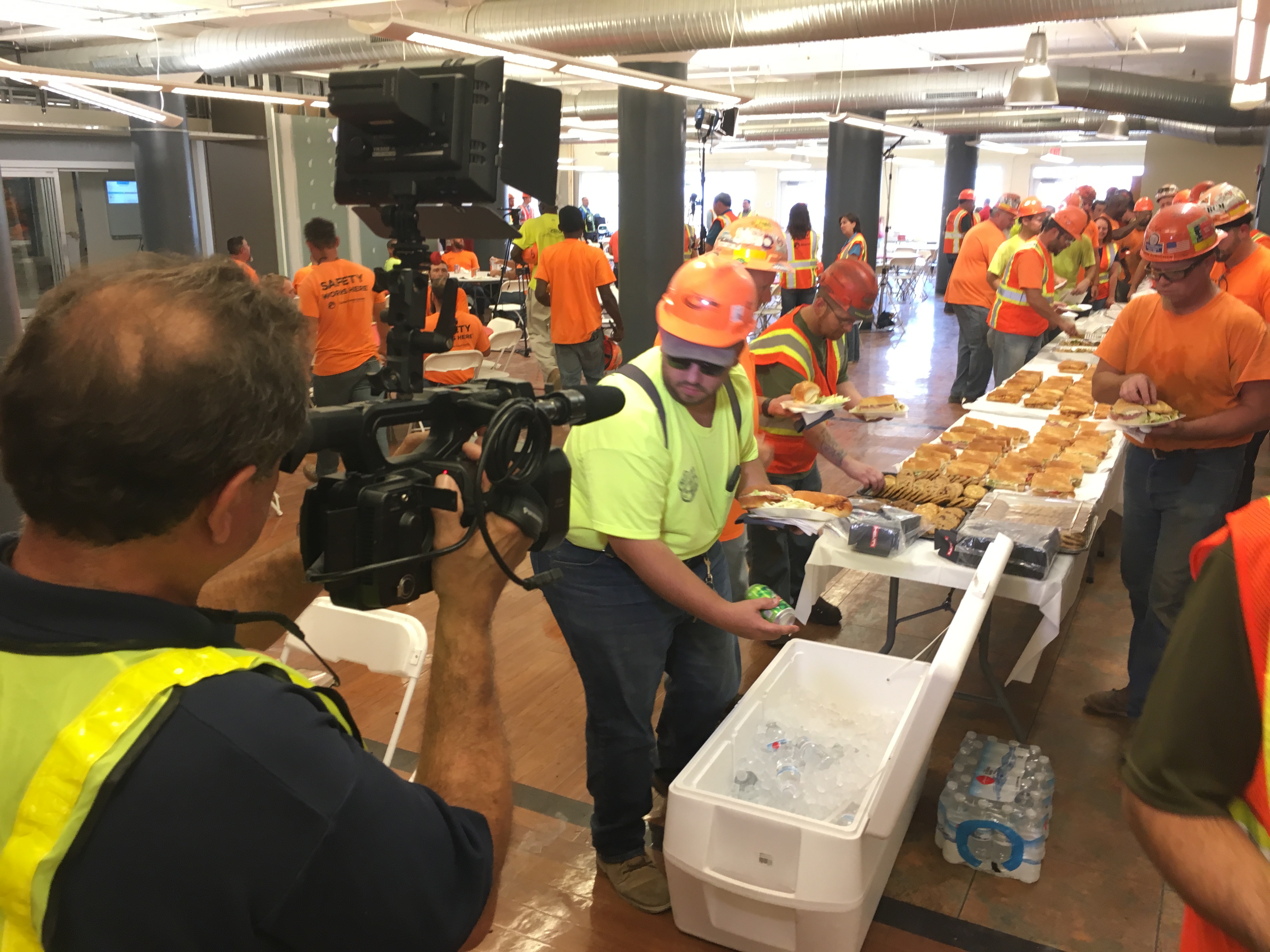
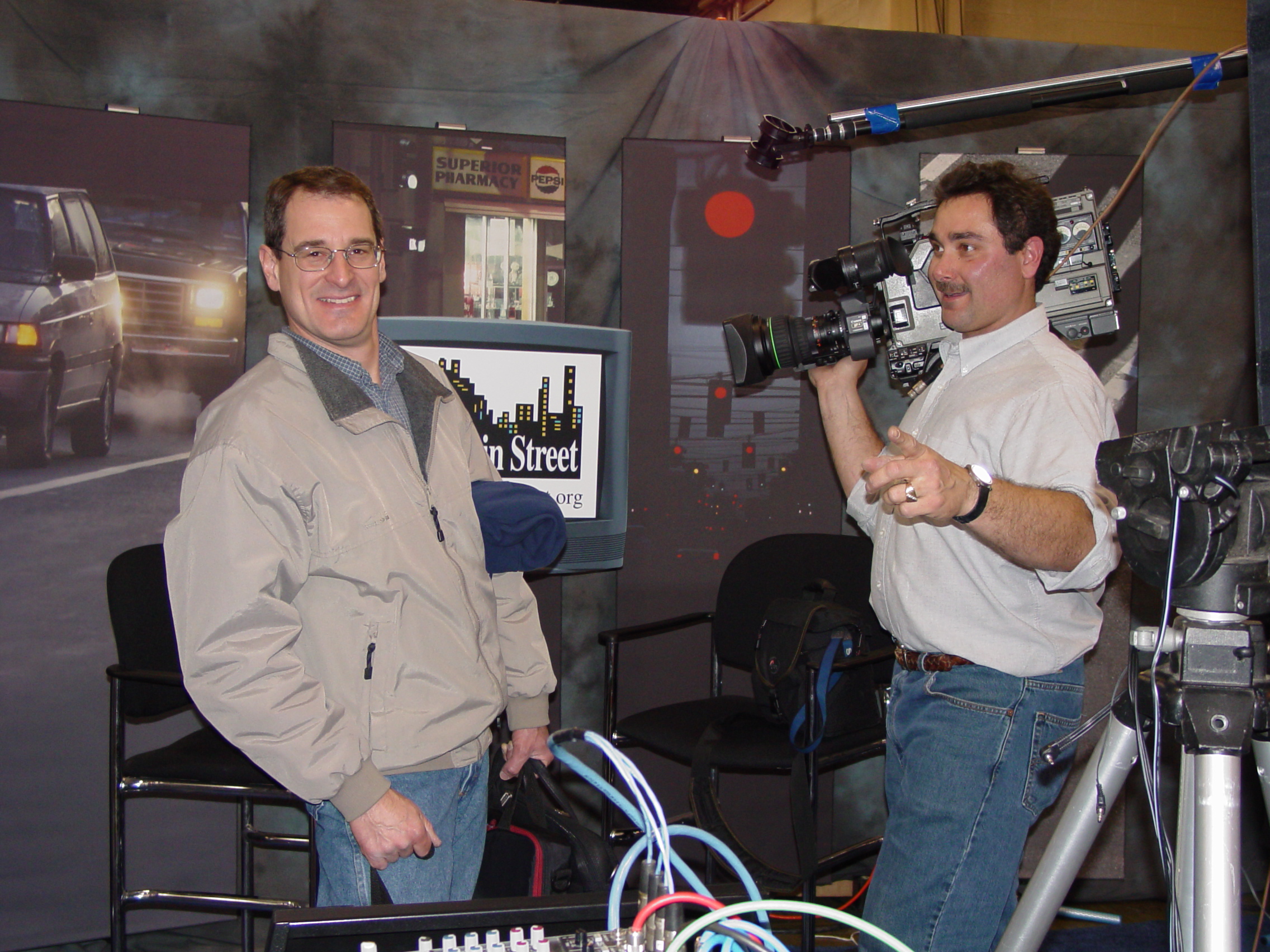
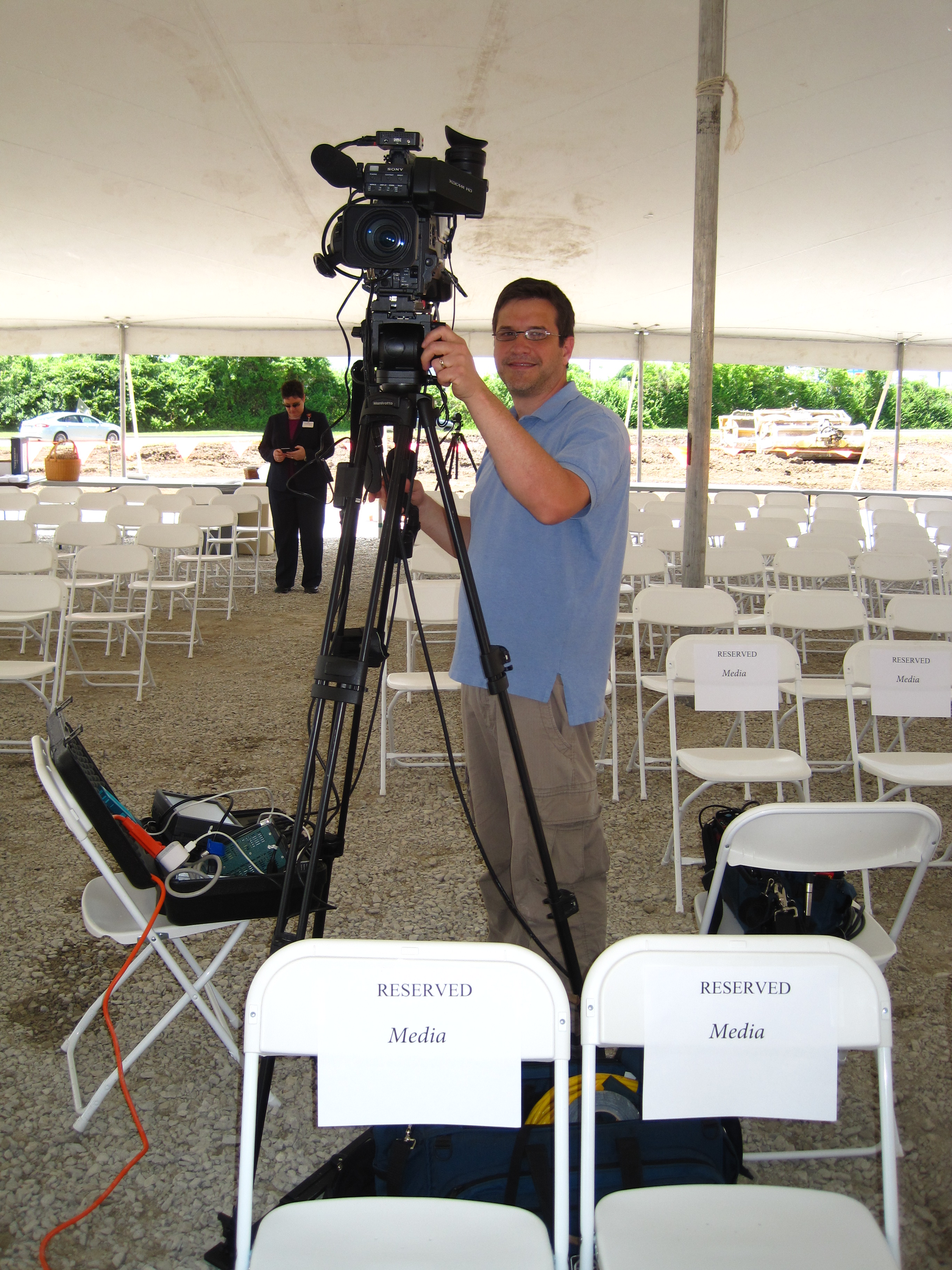
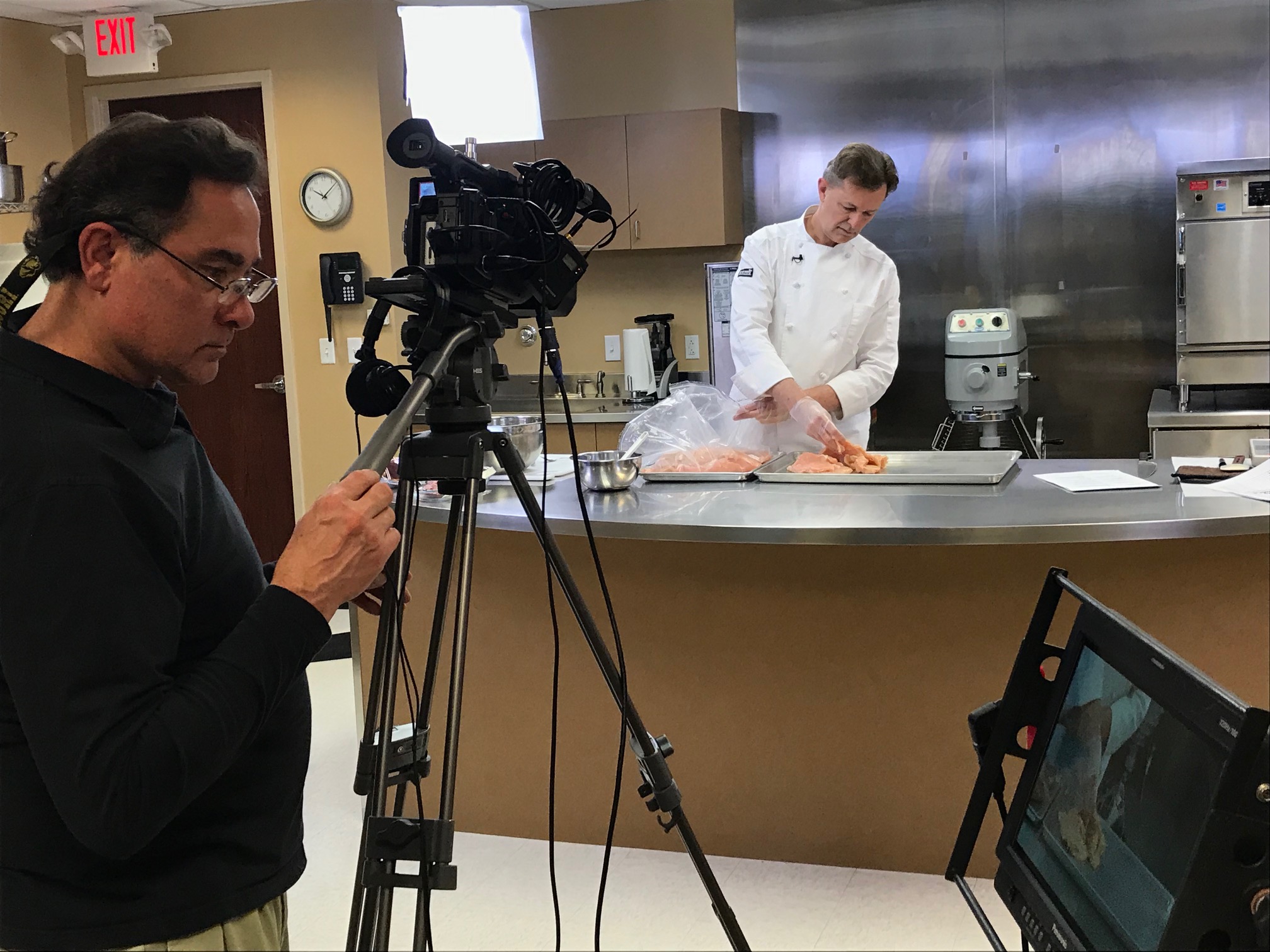
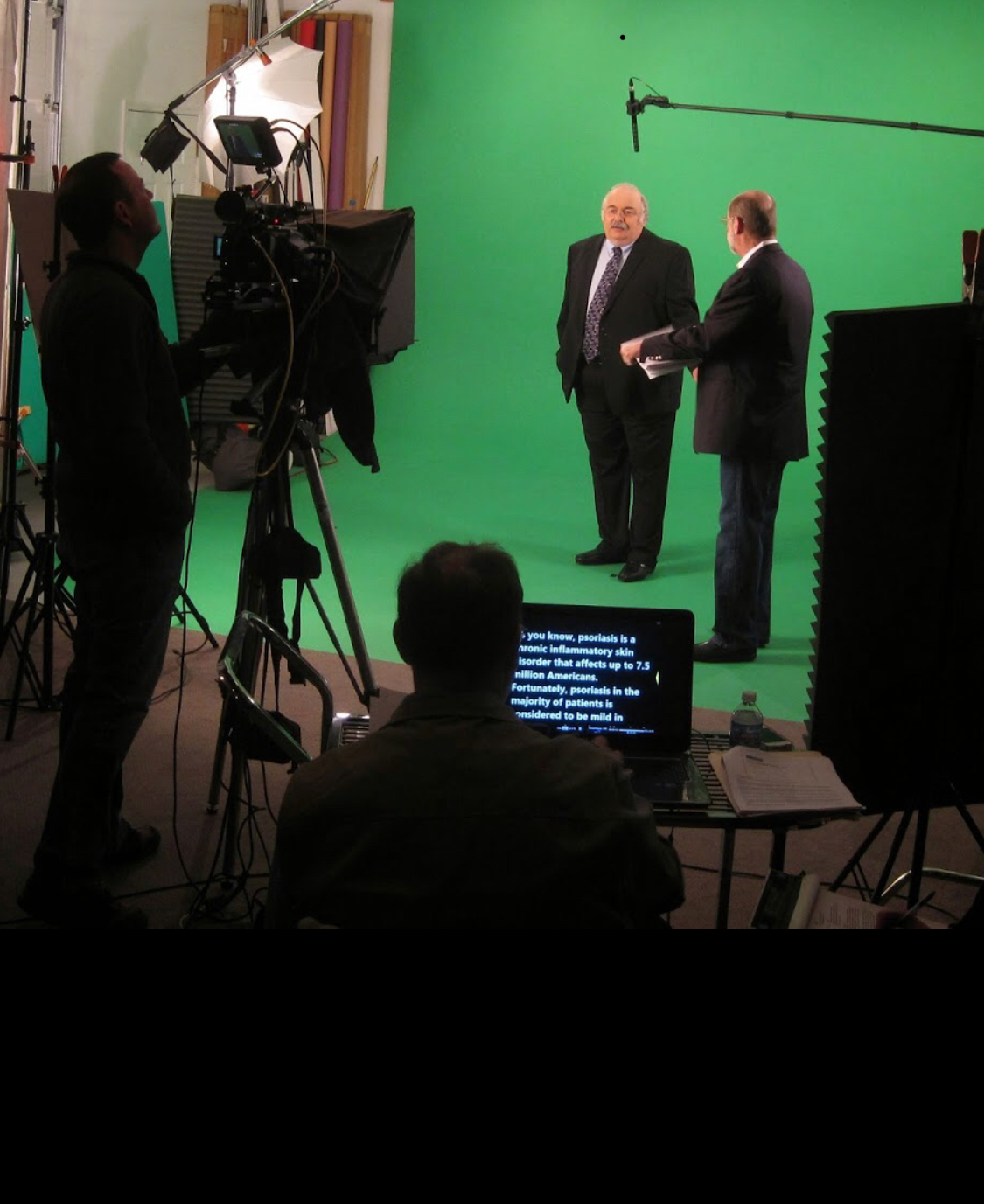
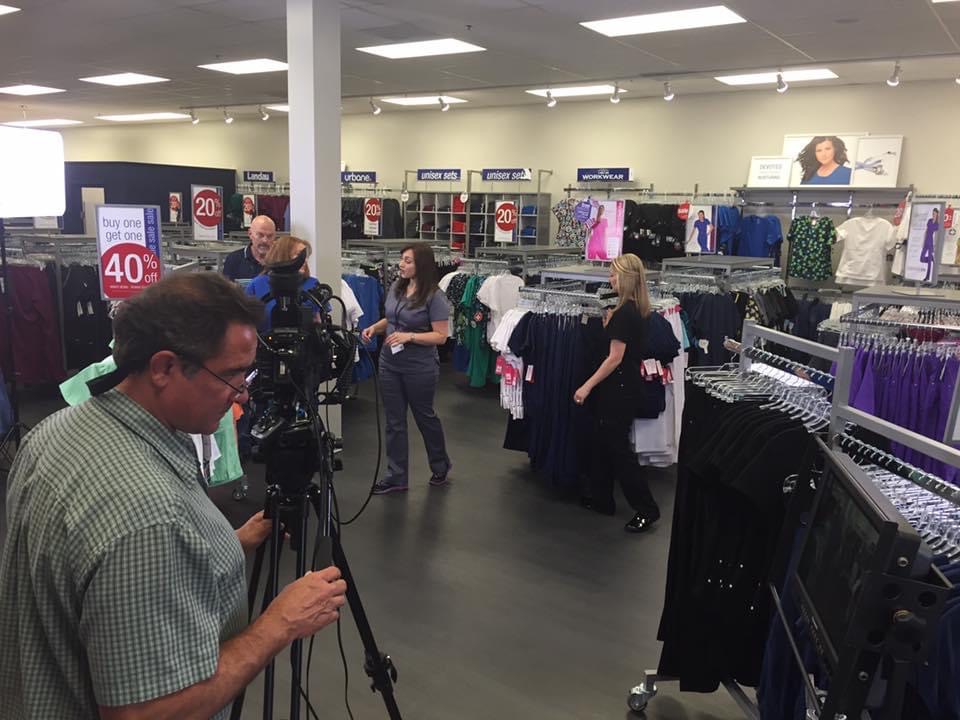
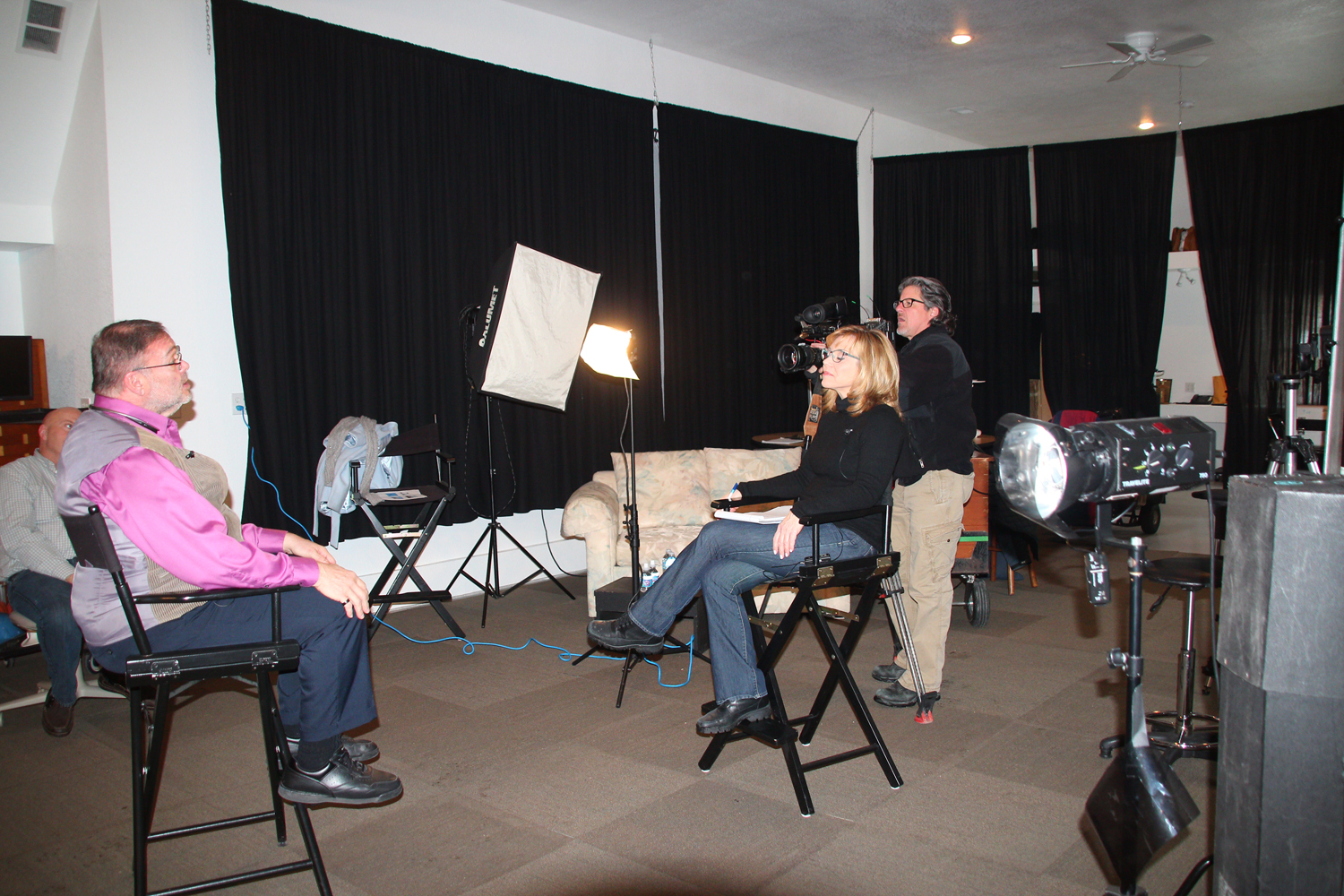
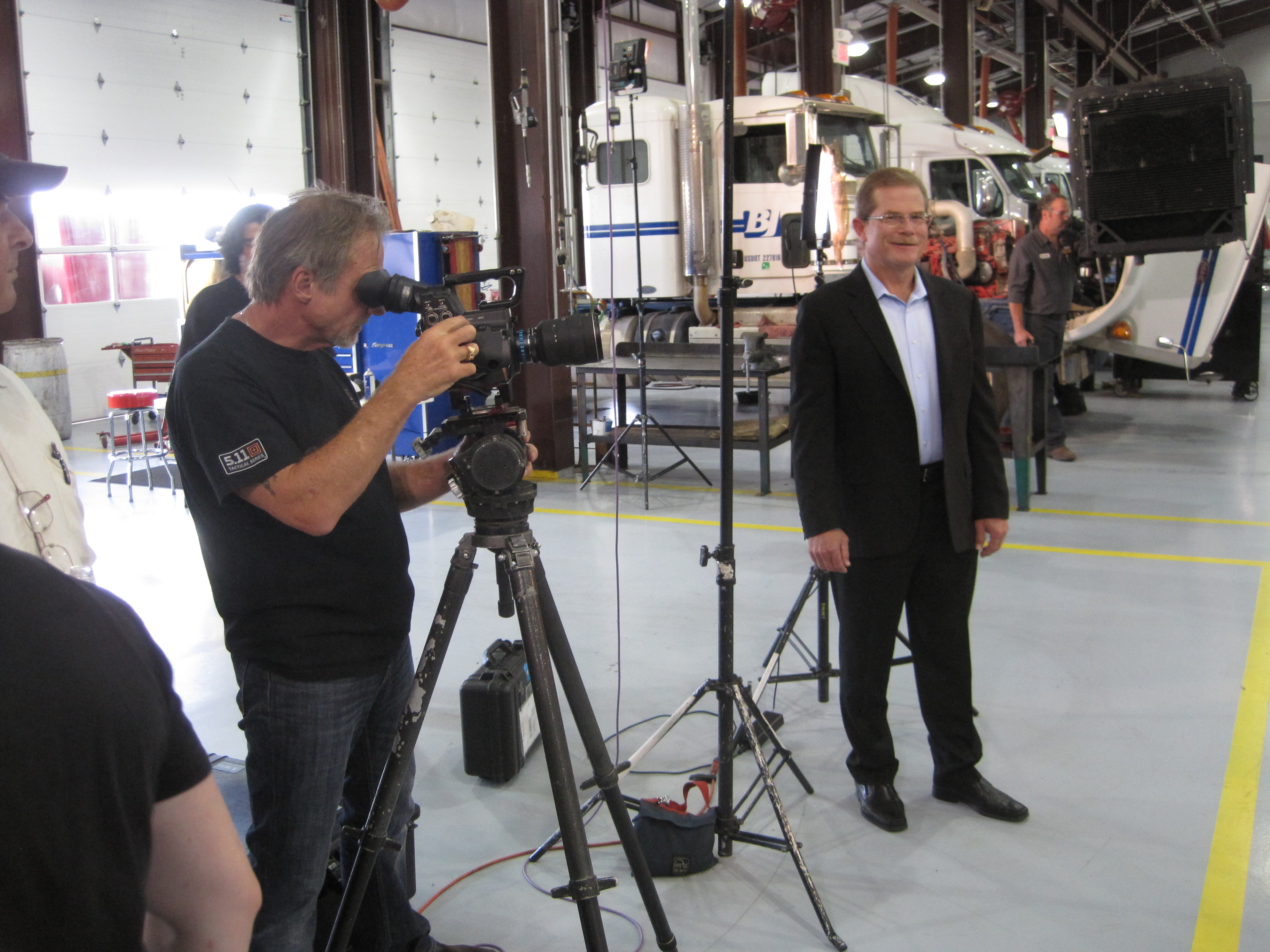
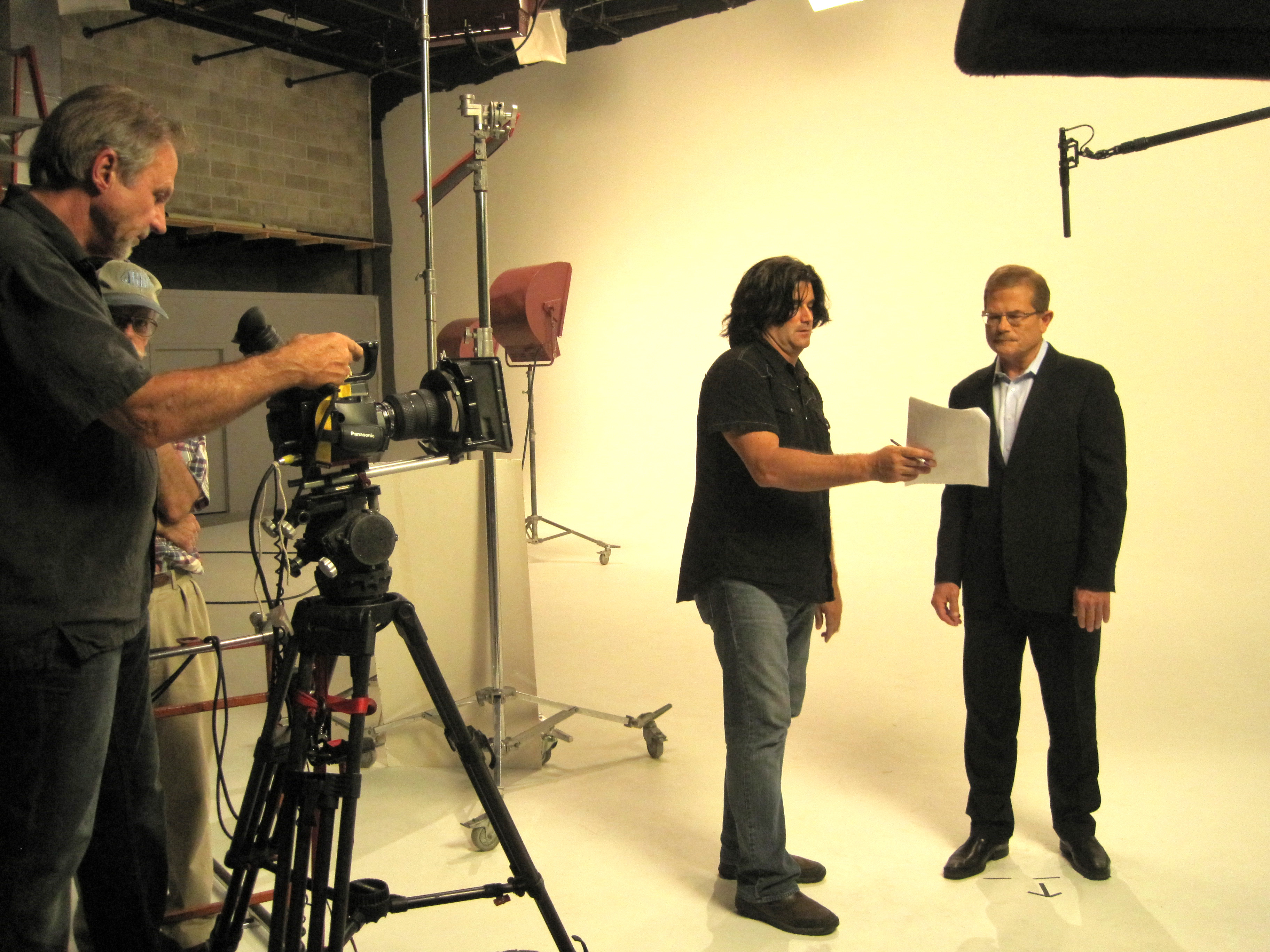
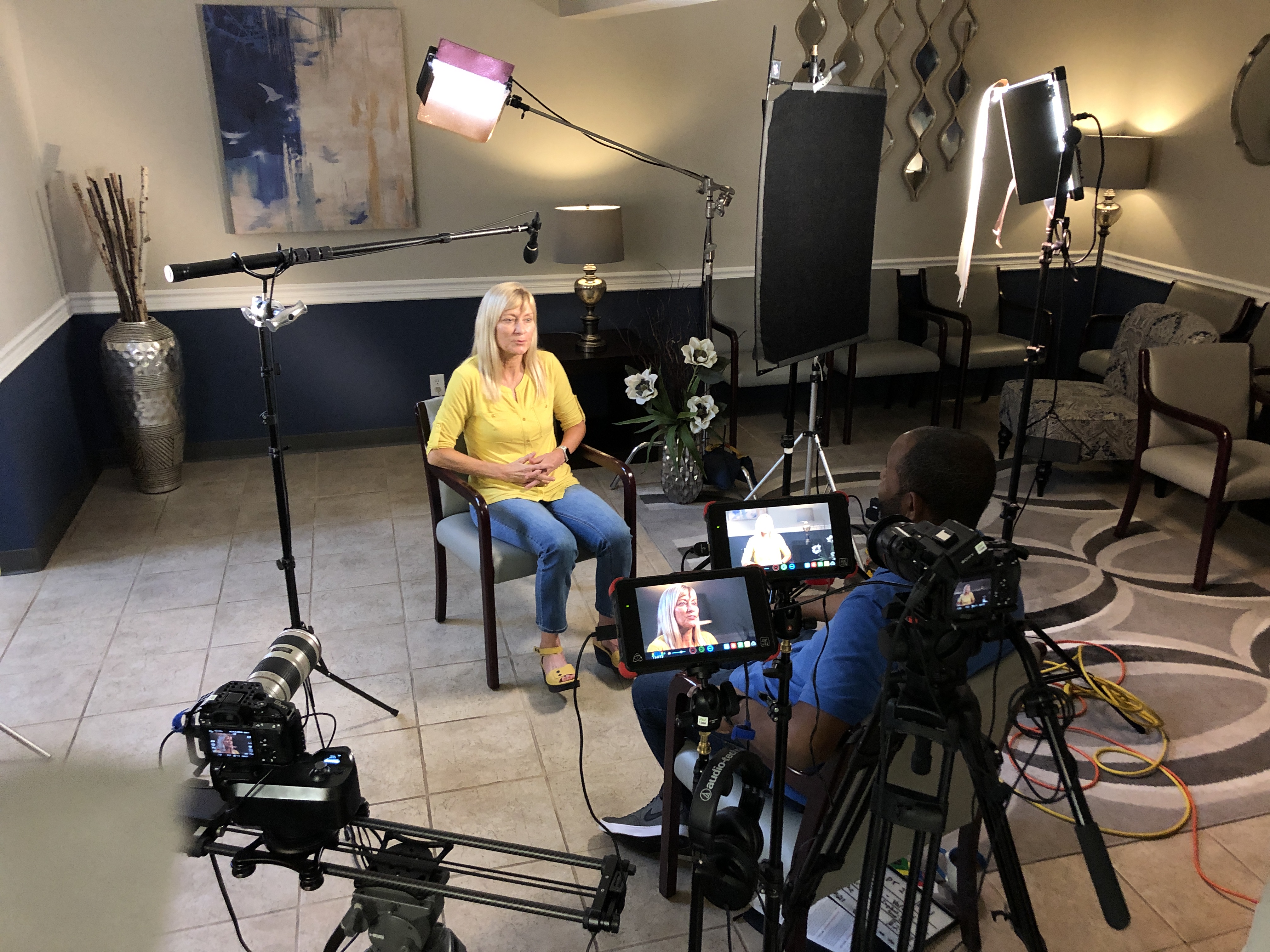
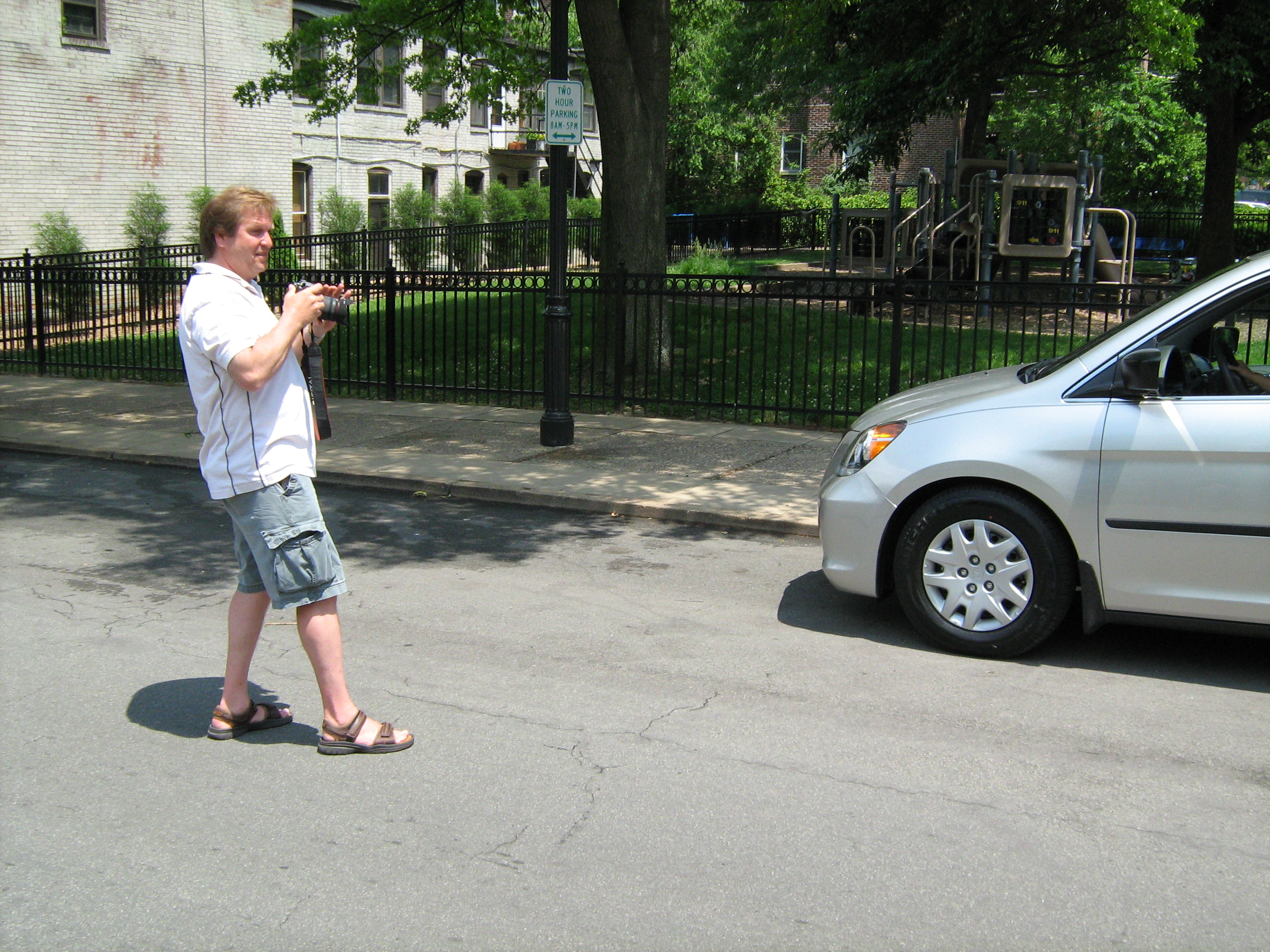
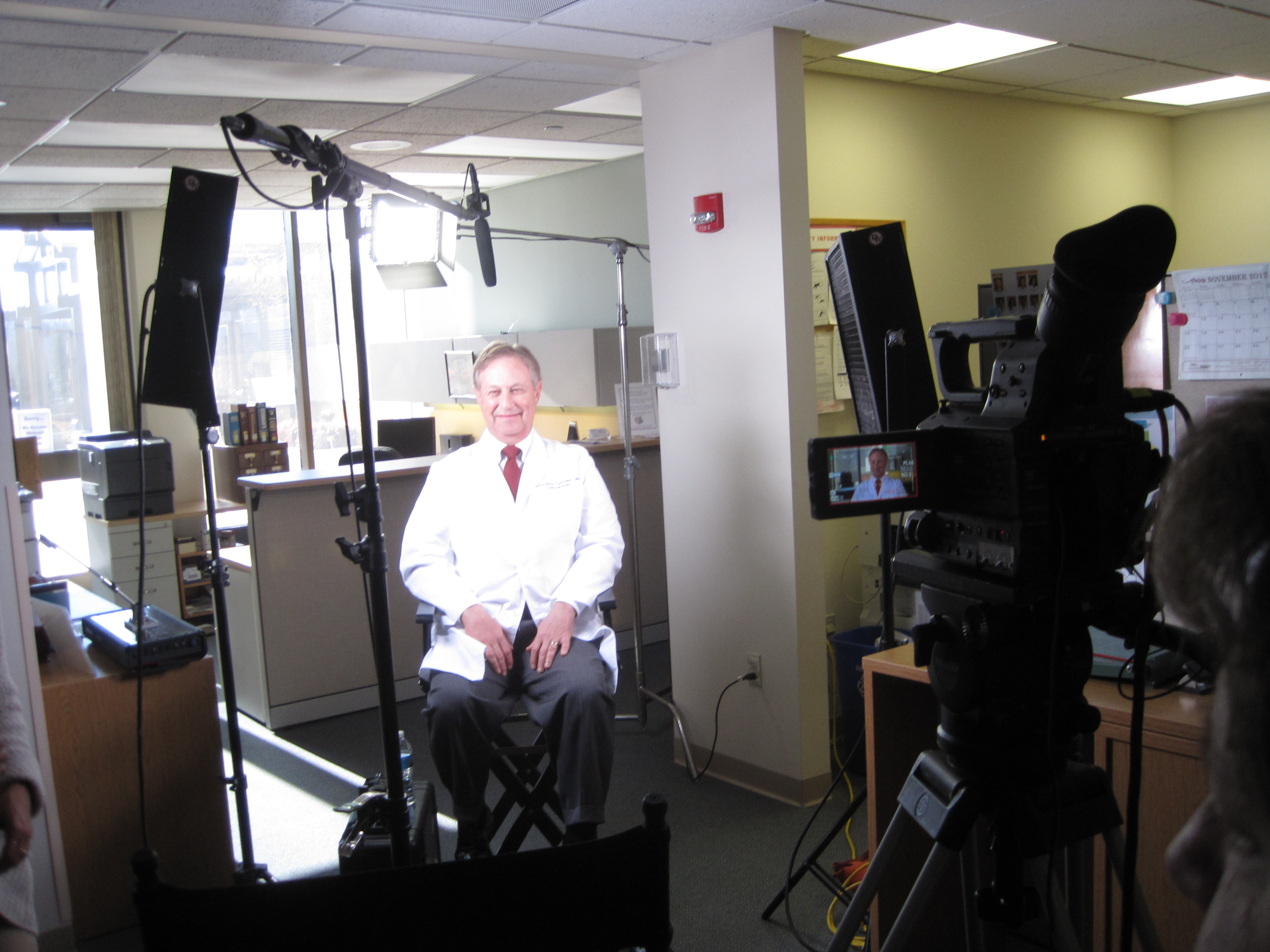
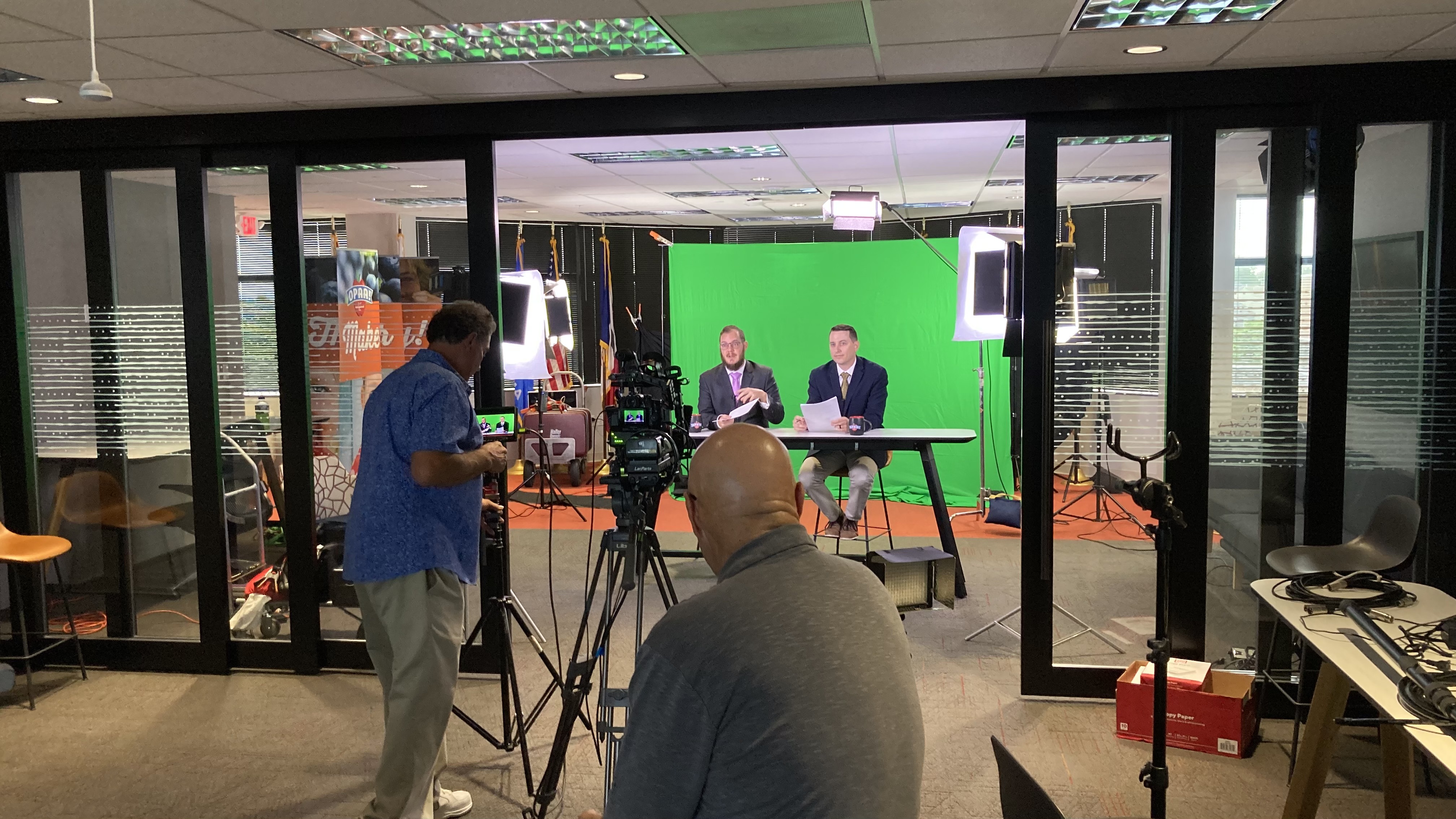
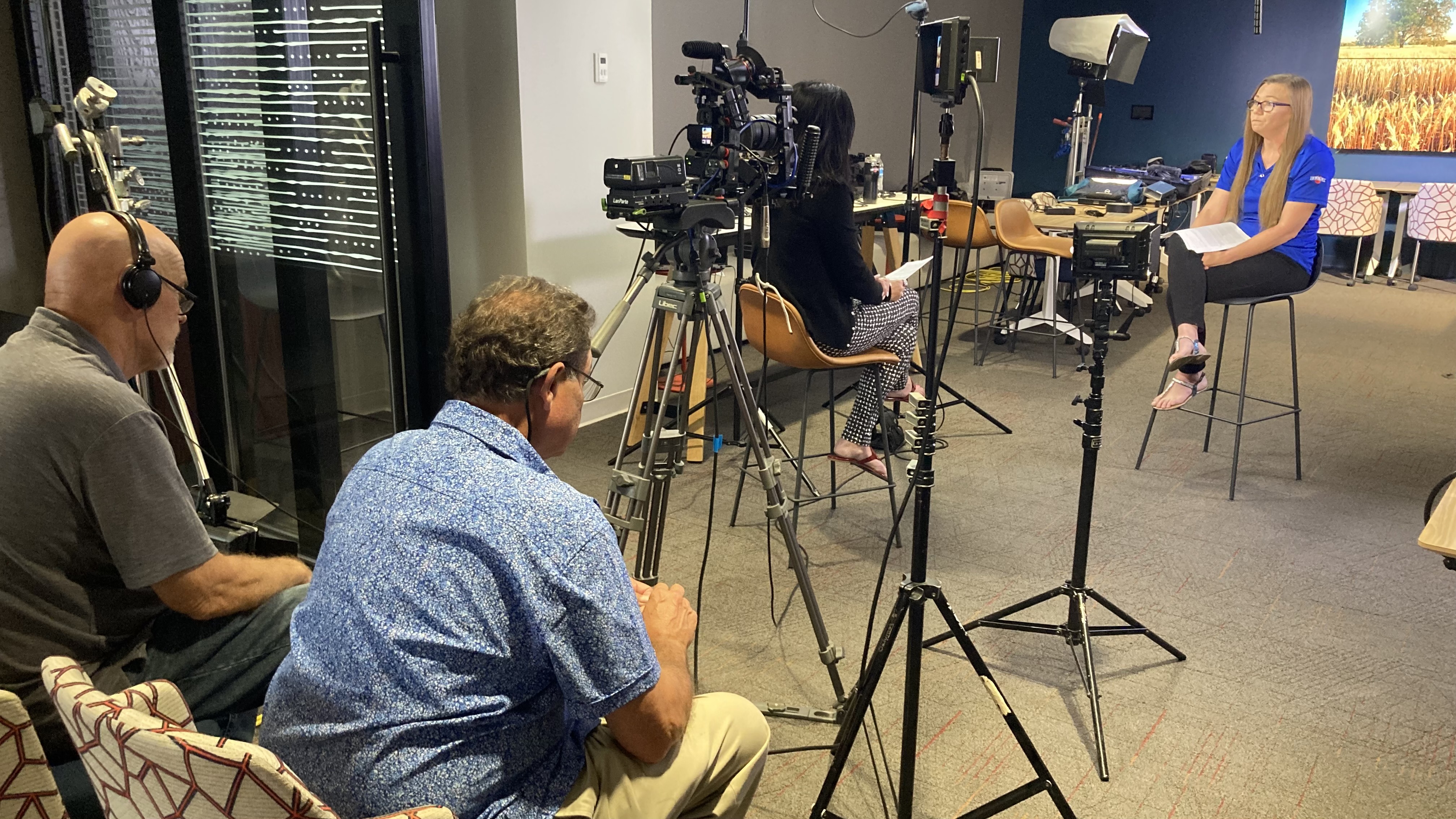
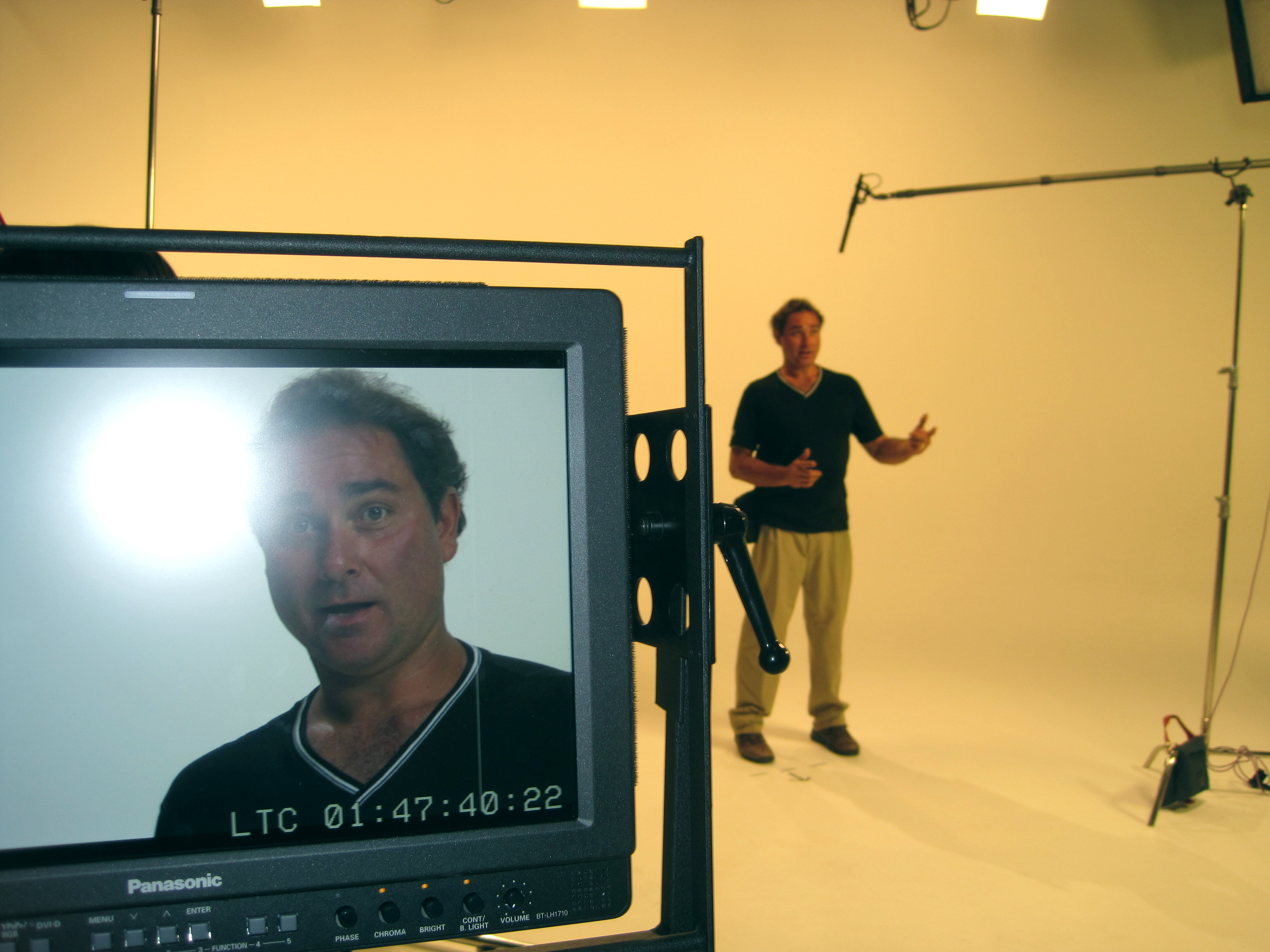
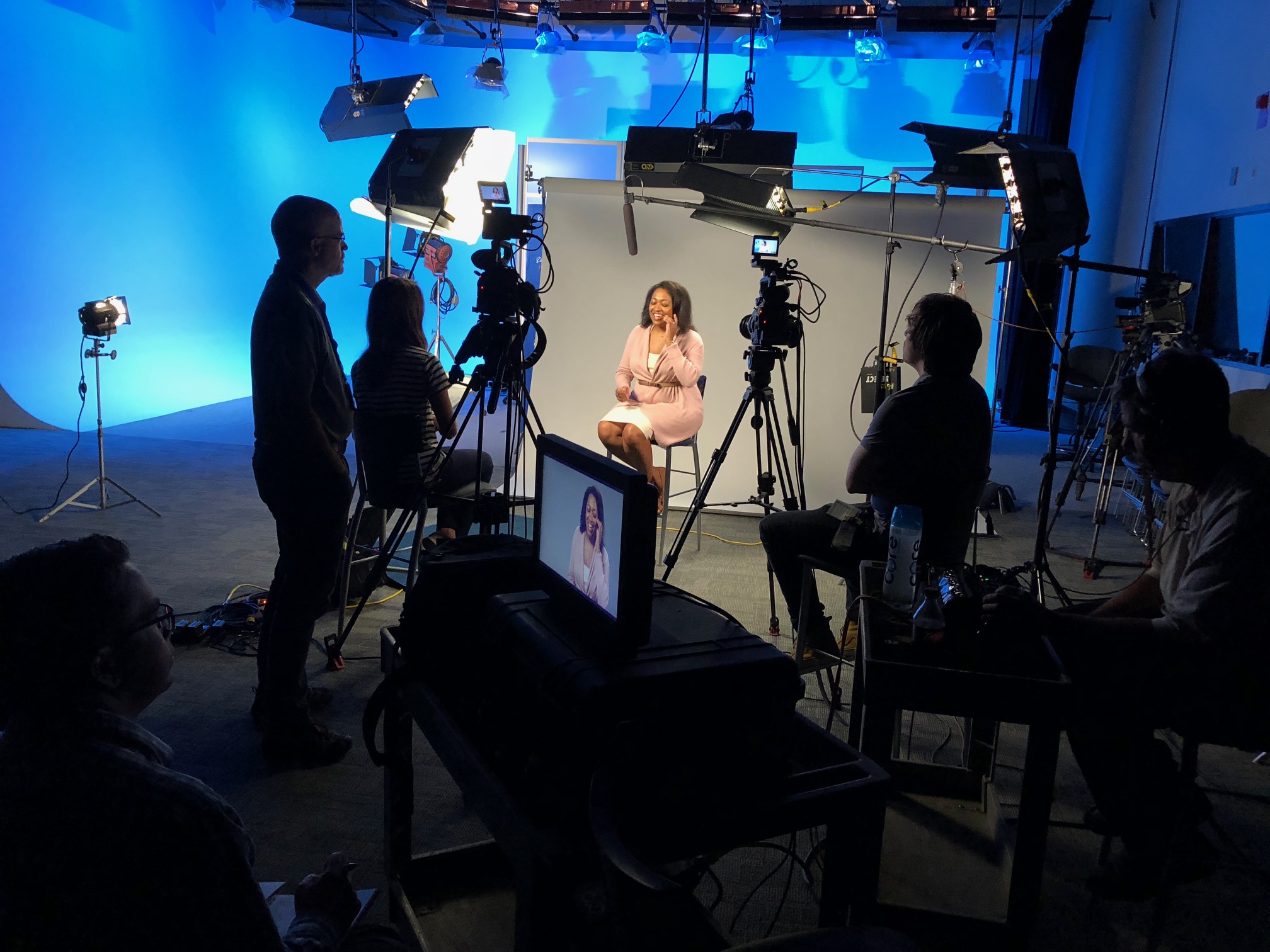
Studio and Location Crew for Economical Video Interviews and B-Roll in St. Louis

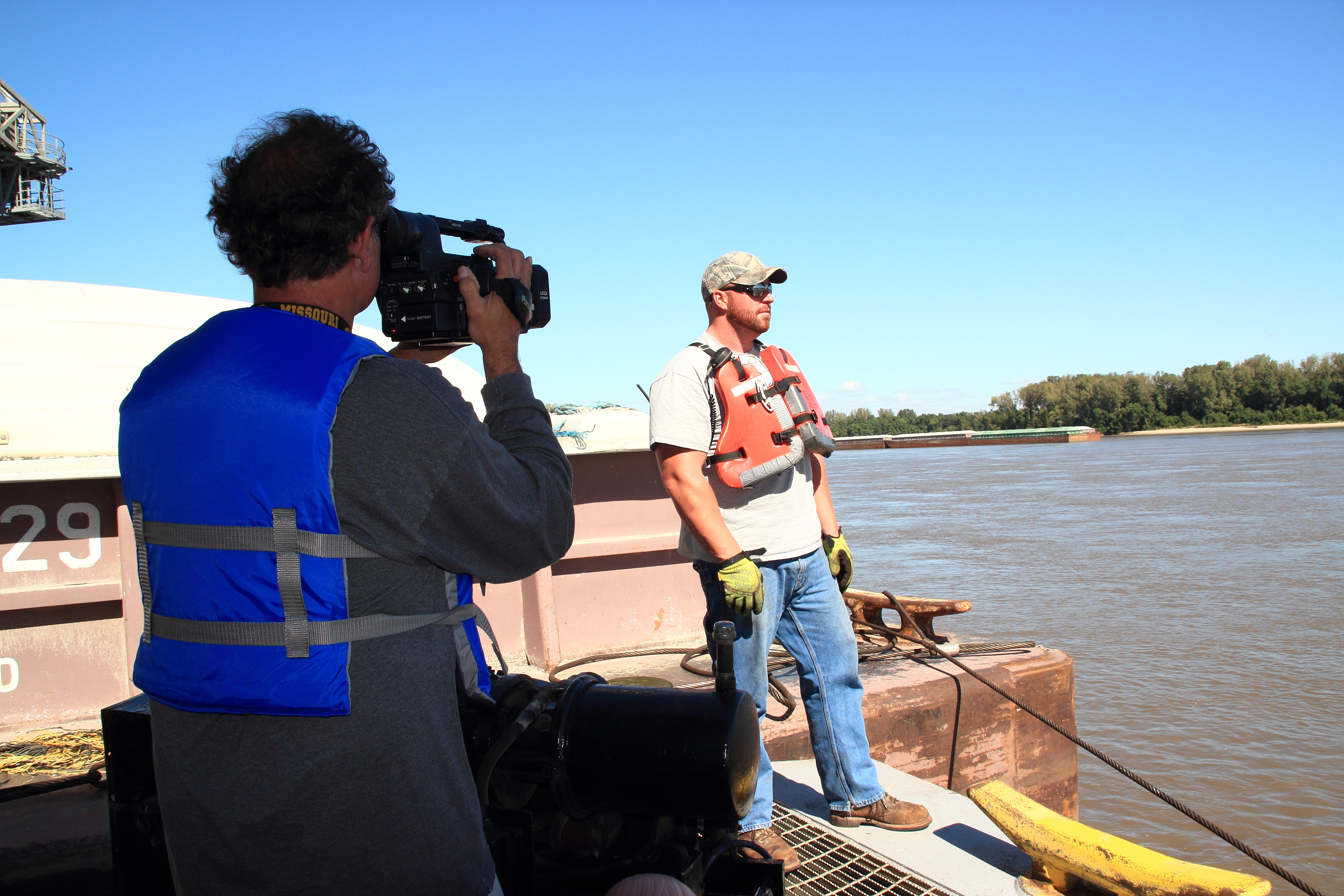
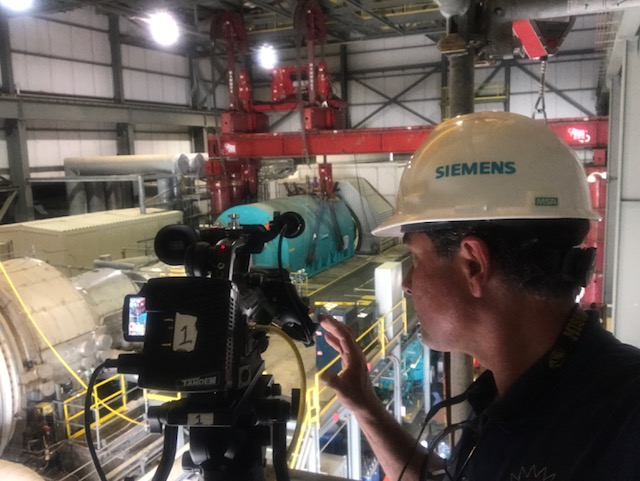
For businesses and organizations trying to produce high-value marketing content without wasting budget, interview-based video continues to be one of the most practical and adaptable tools available. A well-crafted interview can build trust, explain expertise, support recruiting, highlight customer experiences, introduce leadership, and strengthen brand positioning. When paired with effective b-roll and strong editing, that same production can generate a wide range of media assets that serve multiple channels and campaigns.

For decision makers overseeing photography, video production, communications, and marketing, the real objective is not simply to capture footage. It is to create efficient, professional content that works hard after production is over. That is especially true when budgets need to stretch across web, social media, presentations, internal communications, advertising, and long-term brand use.

At St Louis Video Editing, the value of an interview and b-roll project is not just in what is recorded on production day. It is in how the project is planned, captured, organized, shaped, and edited into media that is clear, strategic, and usable across platforms.

Why Interview-Centered Video Continues to Be a Smart Marketing Investment

Interview-based content remains one of the strongest formats in commercial media because it is direct, credible, and flexible. It gives viewers a real person, a real voice, and a message that feels grounded rather than overly scripted. That is useful for organizations that want to look polished without appearing artificial.

A single interview production can support:

  • company overview videos
  • executive messaging
  • customer testimonials
  • recruiting and culture videos
  • case studies
  • training content
  • educational campaigns
  • internal communications
  • product or service explainers
  • website and landing page content

The format is also cost-effective because one shoot can often produce far more than one finished video. When a project is planned properly, the raw footage can be edited into multiple versions, shorter clips, social assets, vertical cuts, and future-use content. That is where efficient production and experienced editing become especially important.
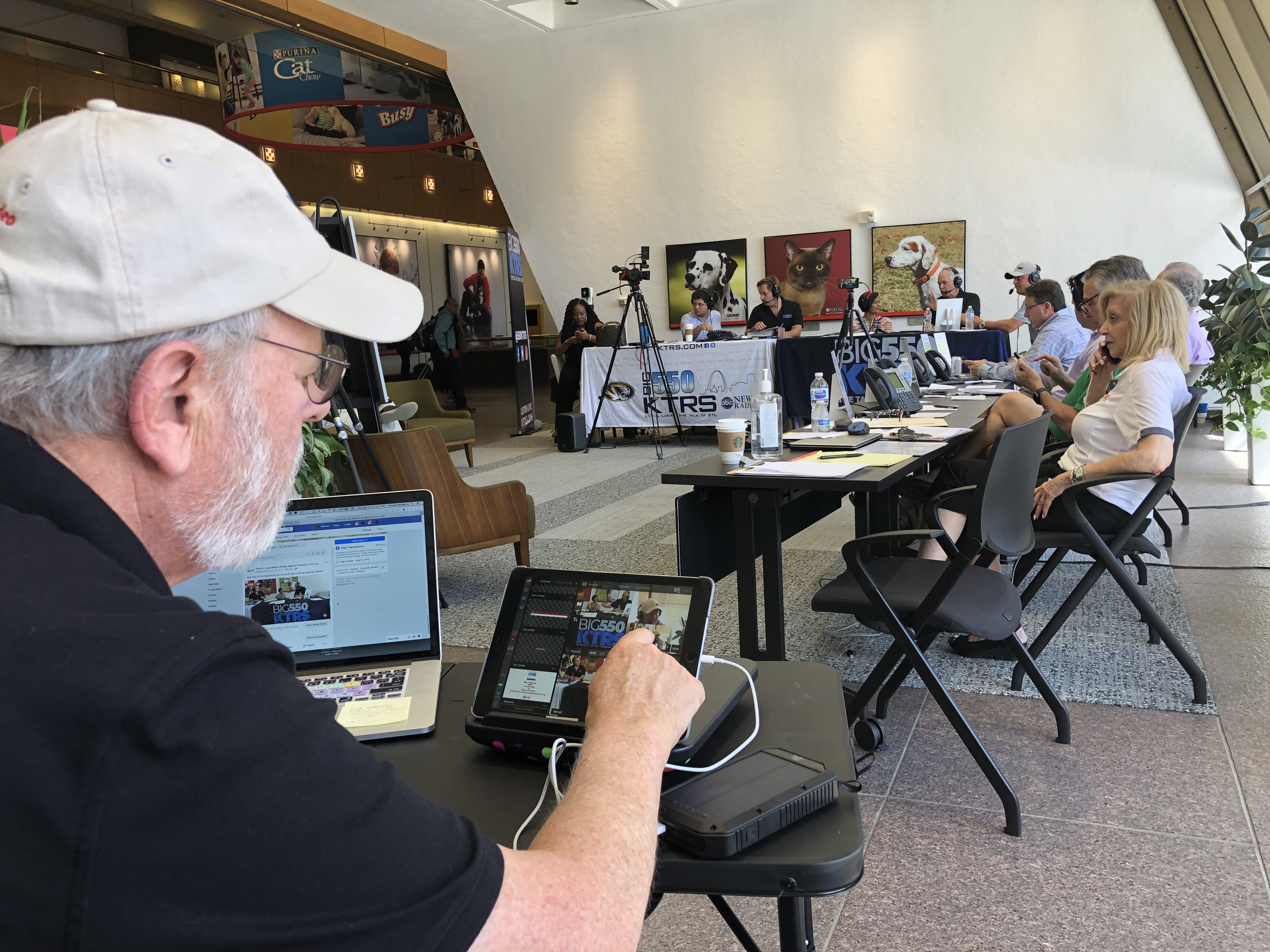
Why B-Roll Is Critical to the Success of Interview Video

Even the strongest interview rarely performs as well without supporting visuals. B-roll gives the editor the material needed to shape pacing, add context, smooth transitions, conceal edits, and strengthen storytelling. It makes the final piece feel intentional and visually complete.

For commercial productions, b-roll may include:

  • workplace activity
  • team interaction
  • office and facility visuals
  • service demonstrations
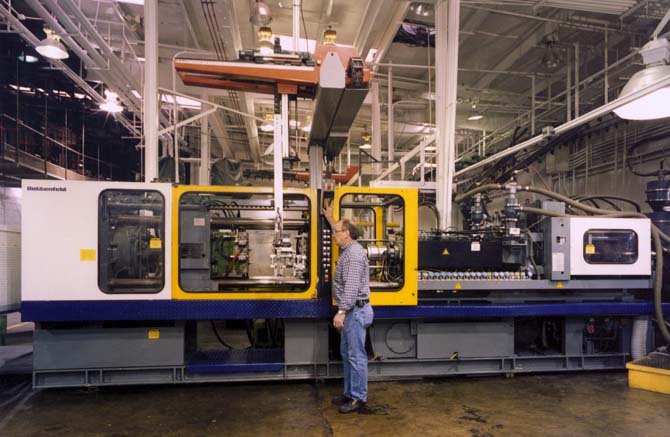
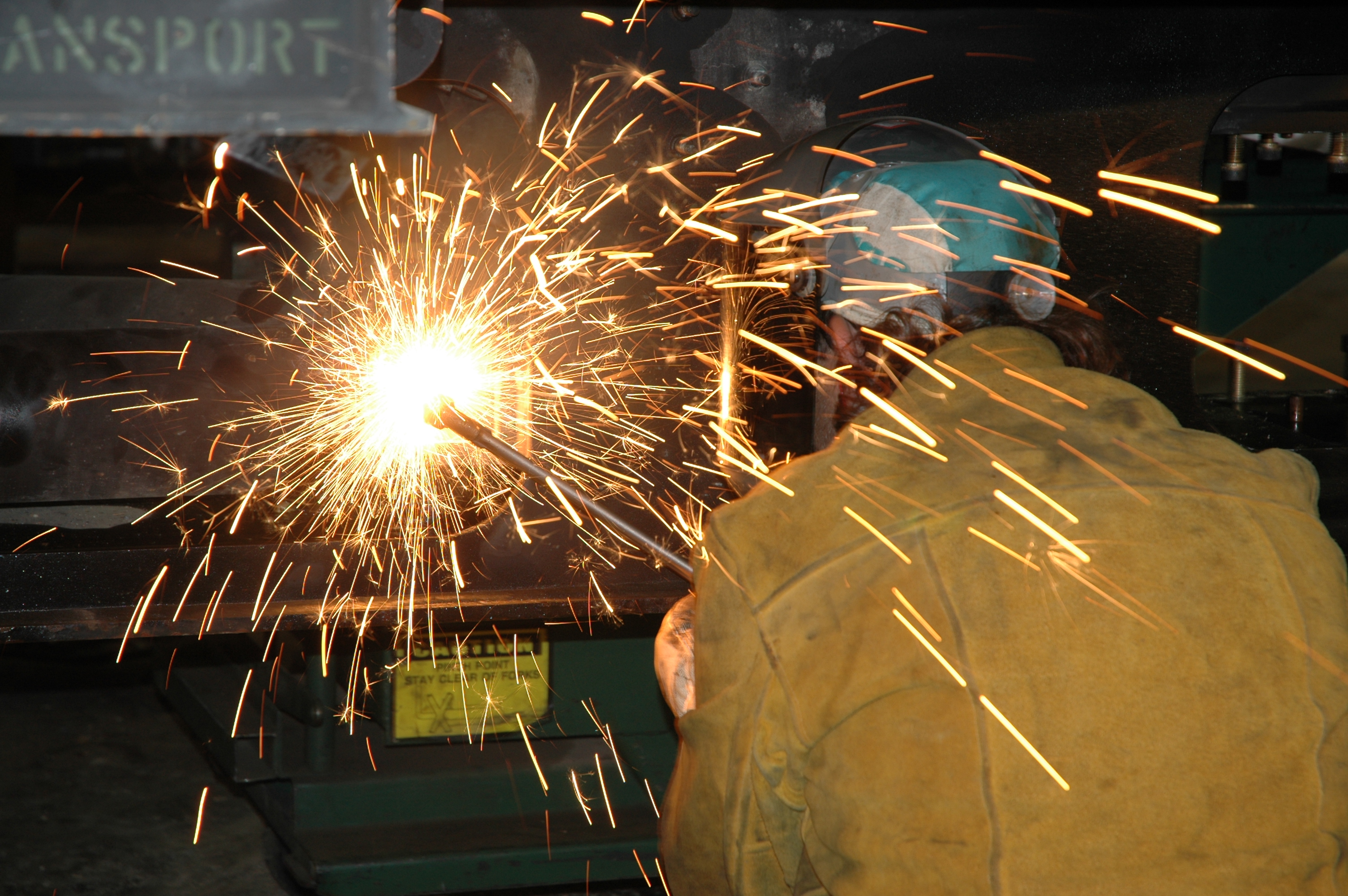
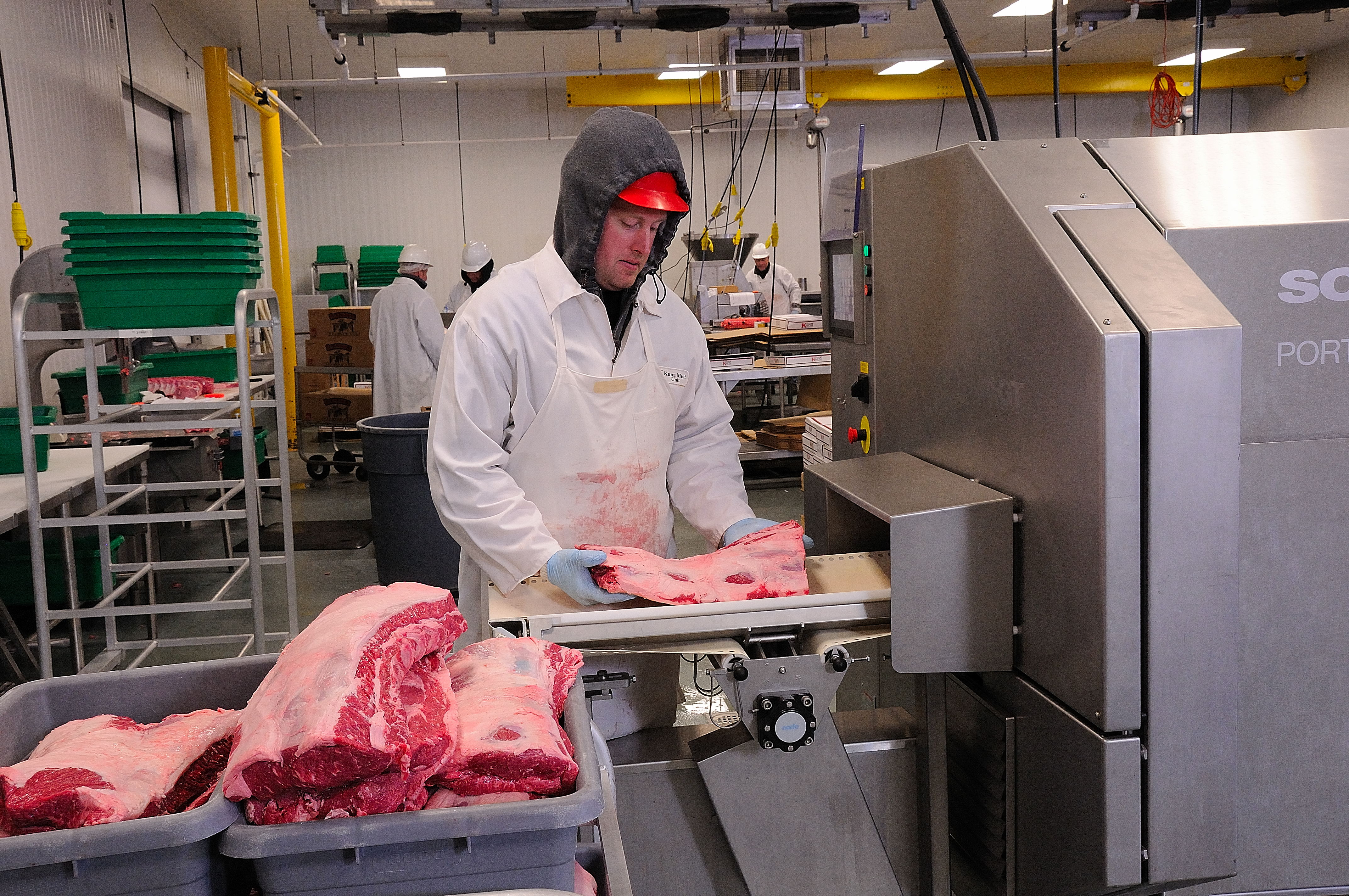
  • manufacturing or operational footage
  • product handling
  • brand details
  • environmental shots
  • aerial coverage where appropriate
  • supporting location footage

What makes b-roll valuable is not simply quantity. It is usefulness. Editors need a thoughtful range of visuals that support the spoken message and provide options in post-production. Strong b-roll creates more flexibility. More flexibility leads to a better finished product and greater repurposing value.

Economical Production Is About Efficiency and Post-Production Value

Many companies assume economical video production means lowering the price of the shoot. In reality, the more important issue is whether the project produces useful content efficiently and whether the final media can be repurposed effectively. Poor planning, weak coverage, and limited editing foresight often make a cheaper production more expensive over time.

An economical interview and b-roll production usually depends on four things:
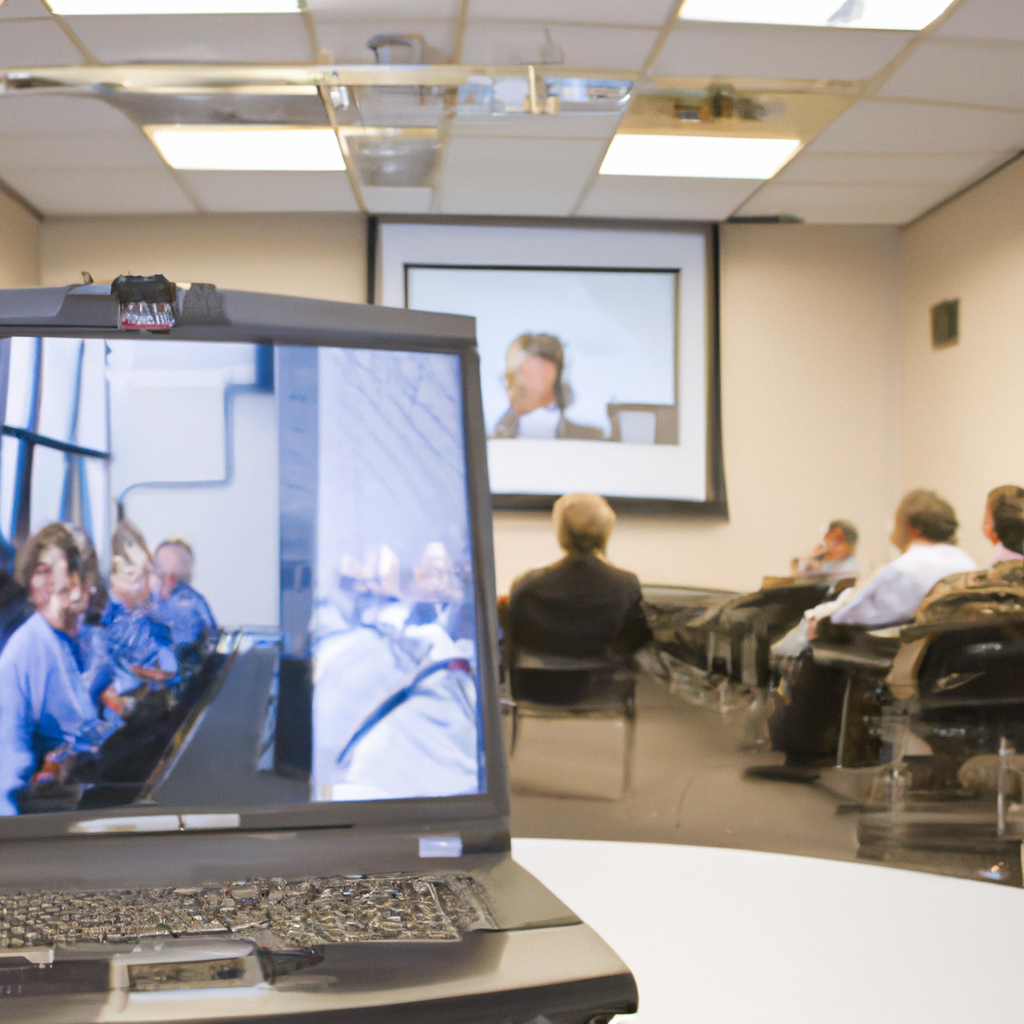
1. Clear Pre-Production Strategy

The most efficient productions begin with a clear plan. That means identifying the audience, the message, the interview subjects, the location needs, the supporting visuals, and the intended deliverables before the production day begins.

That planning helps answer practical questions such as:

  • Is the interview better suited for a studio or a real location?
  • What visual coverage will the editor need?
  • How many finished versions should the footage support?
  • What aspect ratios and platforms matter most?
  • What footage should be captured for future edits?
  • Does the project need drone coverage, motion graphics, or multiple camera angles?

Without this level of planning, it becomes harder to edit efficiently and harder to maximize the value of the footage later.

2. The Right Crew and Capture Plan

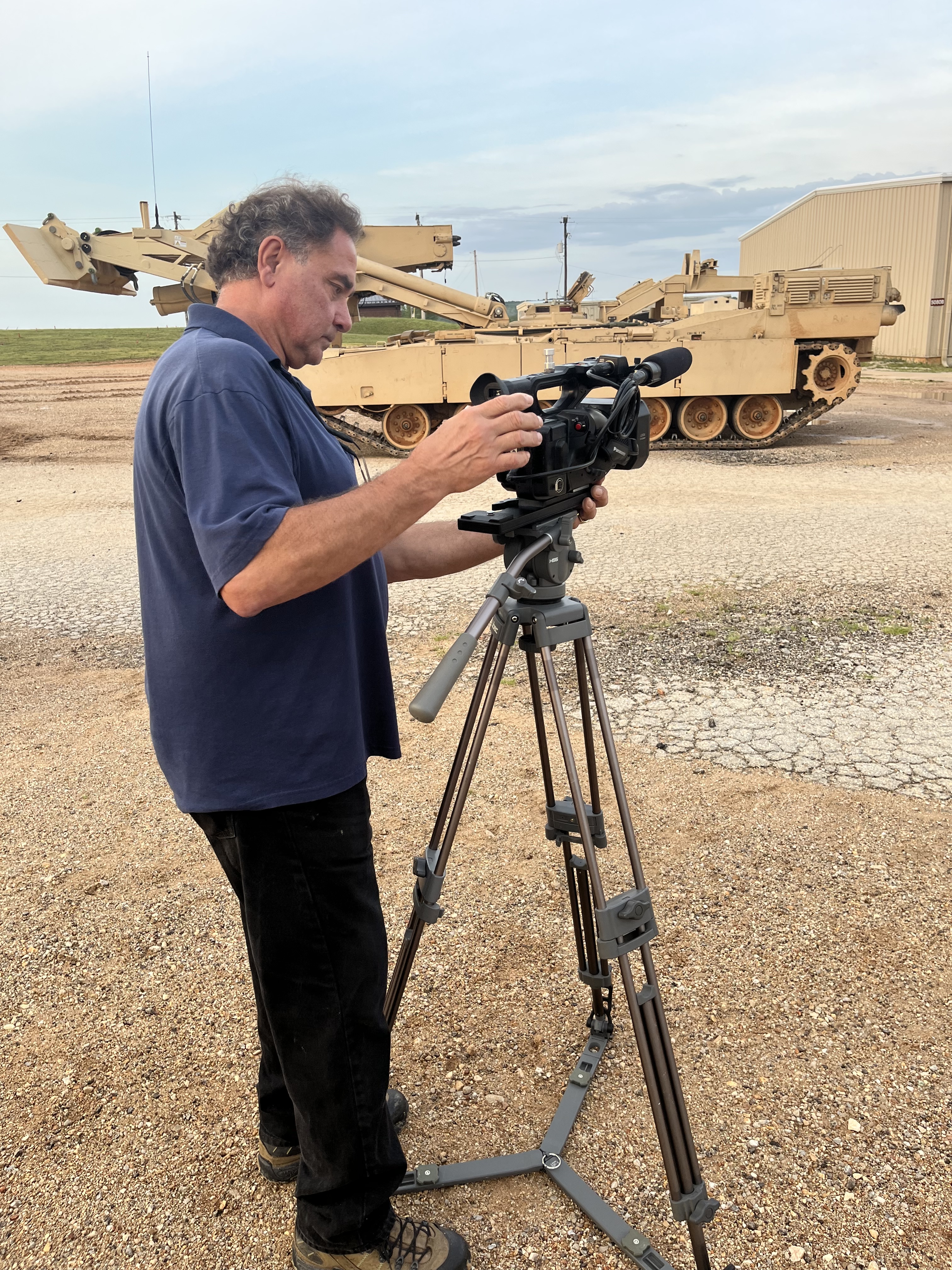
Not every production requires the same size crew or the same level of equipment. An experienced team knows when a lean setup is appropriate and when a larger crew is necessary for efficiency and quality.

A properly scaled production helps control costs while maintaining a professional result. More importantly, it ensures that footage arrives in post-production organized, technically sound, and ready to edit without avoidable problems.

3. Strong B-Roll Acquisition

B-roll should be captured with the edit in mind. That means collecting a variety of shot sizes, angles, motion, and actions that will actually help build the finished piece.

The best productions gather footage that editors can use to:

  • reinforce key statements
  • improve pacing
  • create alternate cutdowns
  • support future messaging
  • build social media excerpts
  • increase the overall polish of the final edit

4. Editing That Extends the Value of the Production

Editing is where the footage becomes strategy. It is where message, tone, pacing, branding, graphics, and structure come together. It is also where the project becomes economically efficient or fails to do so.

A professional edit should not simply assemble clips. It should shape them into content that is useful for the client’s actual marketing needs.
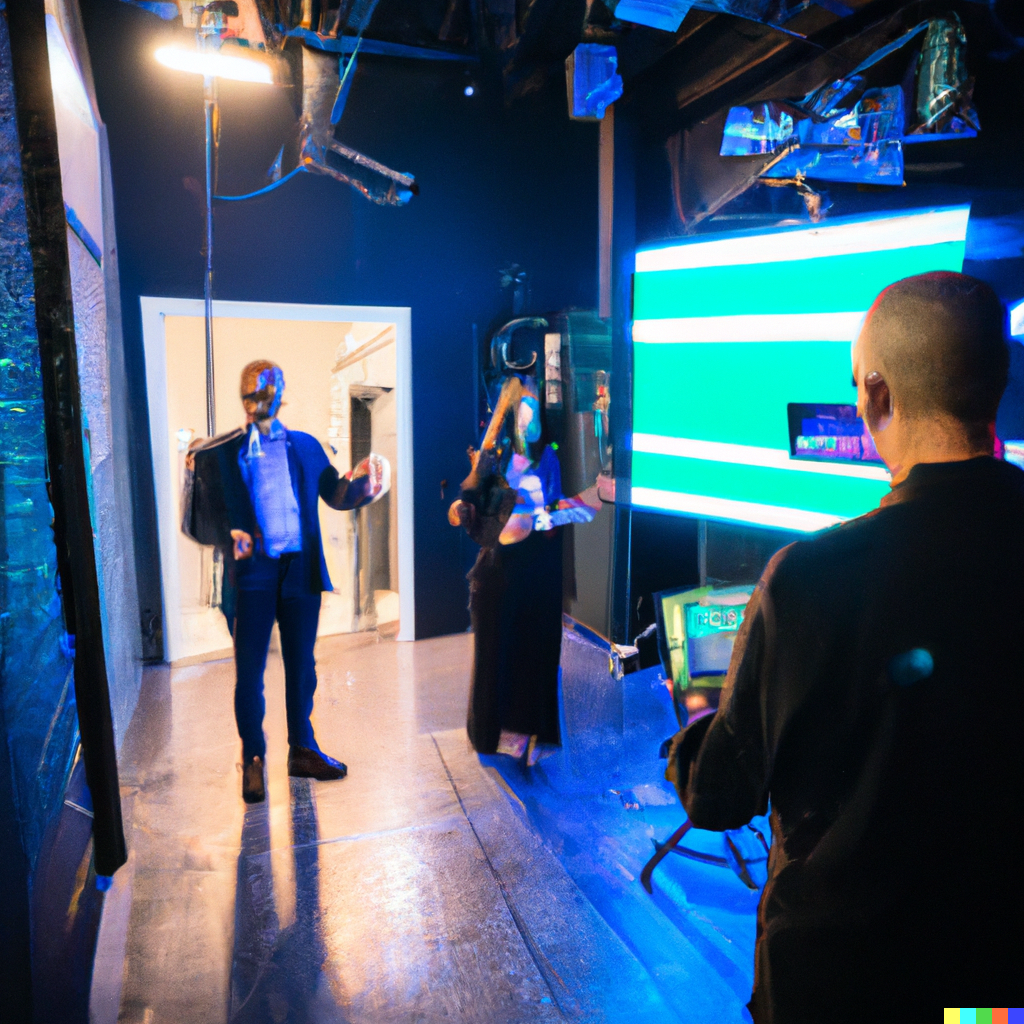
Why Editing Is One of the Most Important Parts of an Economical Production

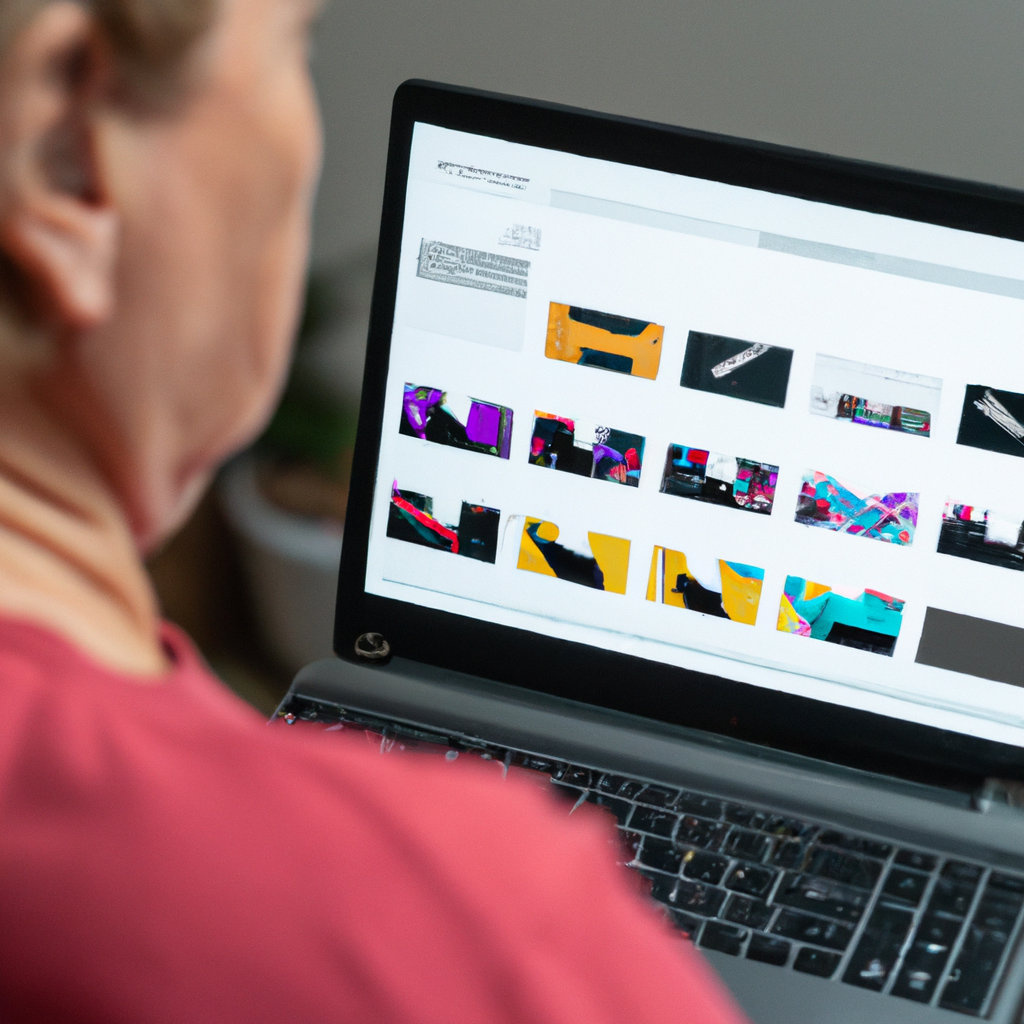
Too often, editing is treated as a final technical step. In reality, it is one of the most important value drivers in the entire production process. Good editing transforms recorded footage into a polished communication tool. It also increases the practical output of the same production investment.

Thoughtful editing can help organizations get:

  • one main feature edit
  • short social versions
  • vertical video cutdowns
  • teaser edits
  • web page clips
  • internal-use edits
  • alternate versions for different audiences
  • refined clips for paid advertising
  • still frames for thumbnails and graphics

This is one of the clearest reasons interview and b-roll production can be so cost-effective. When editing is approached strategically, one production day becomes a source of many deliverables.

Studio Interviews Offer Efficiency and Clean Production Control

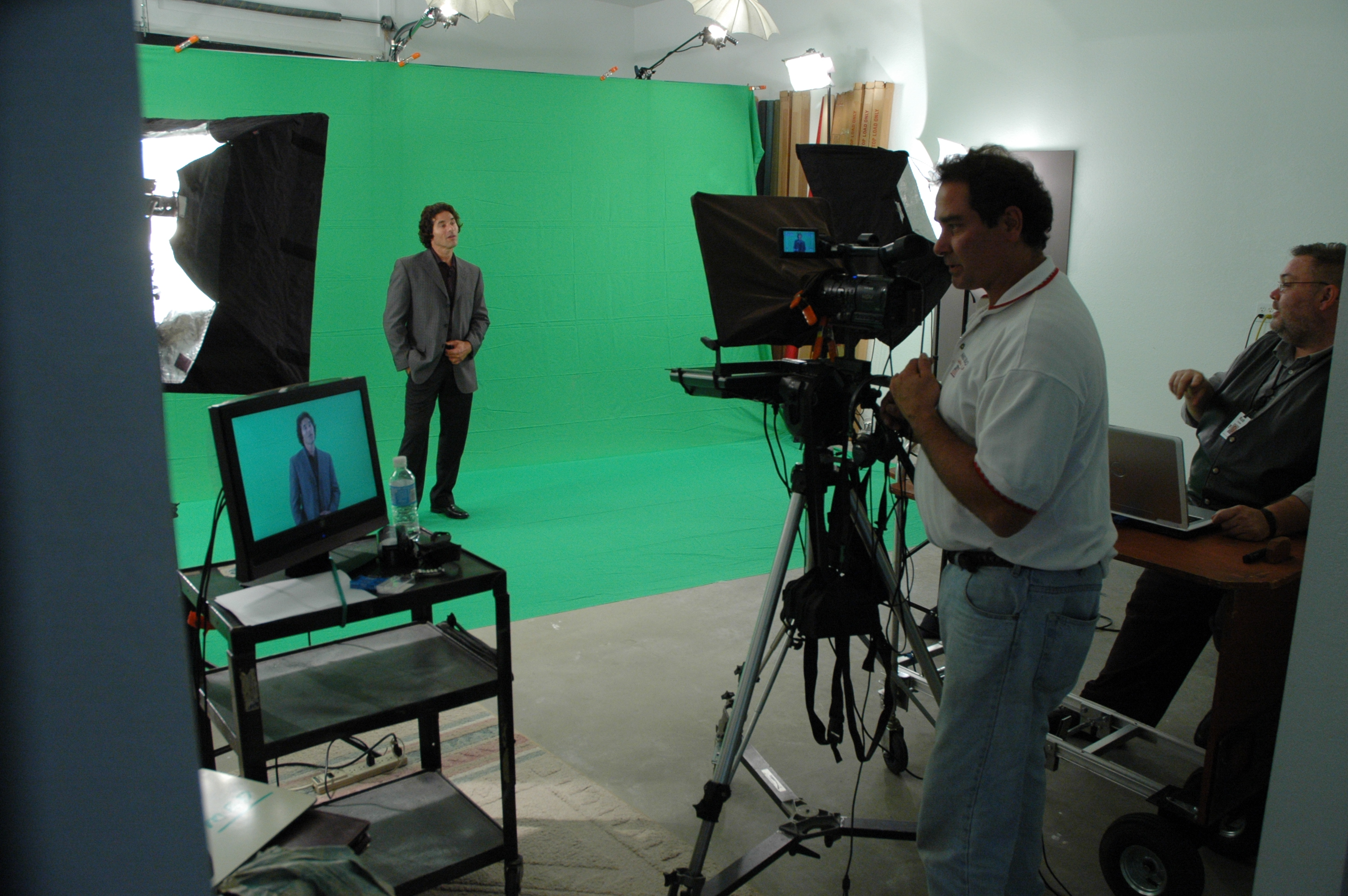
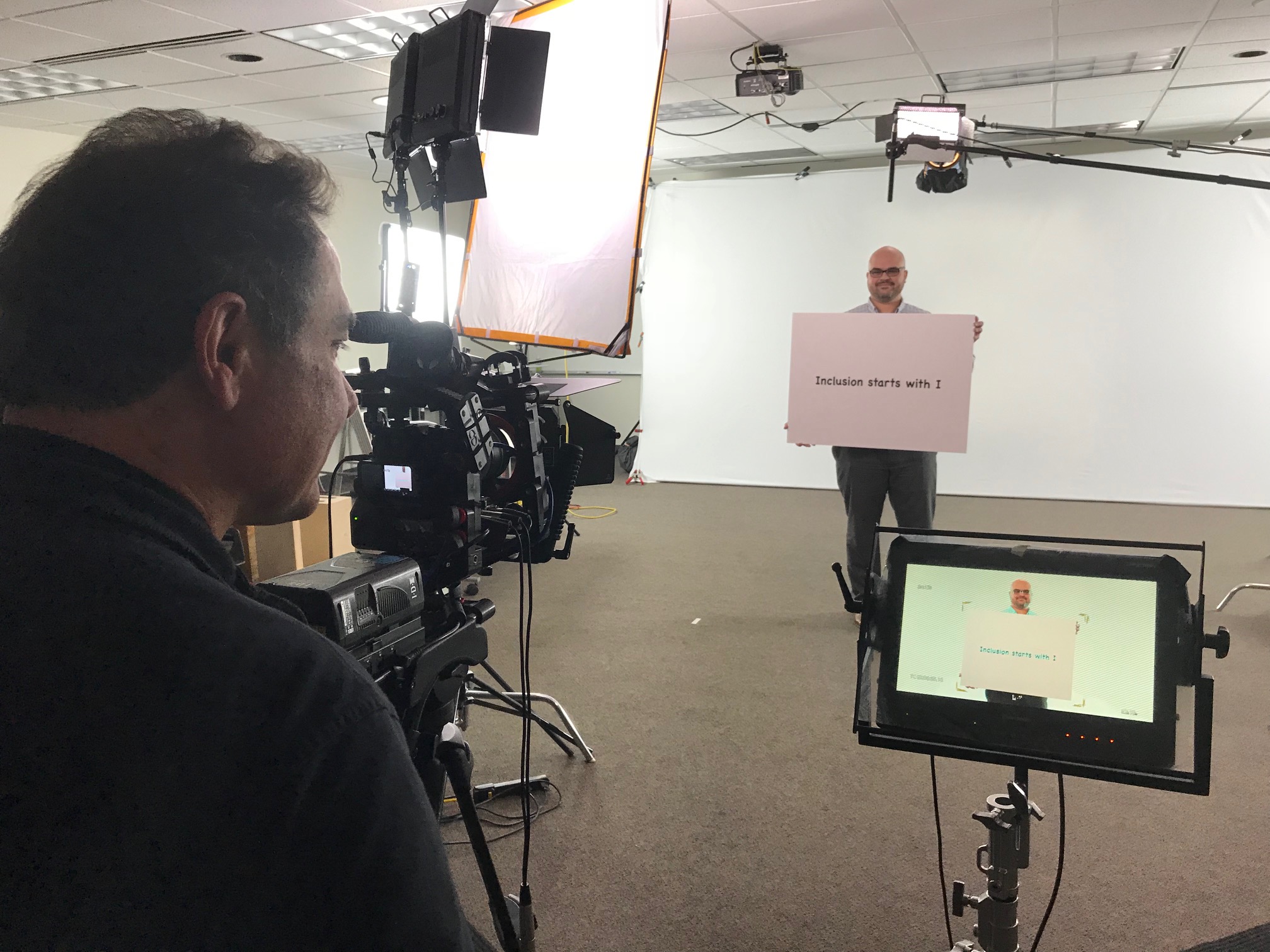
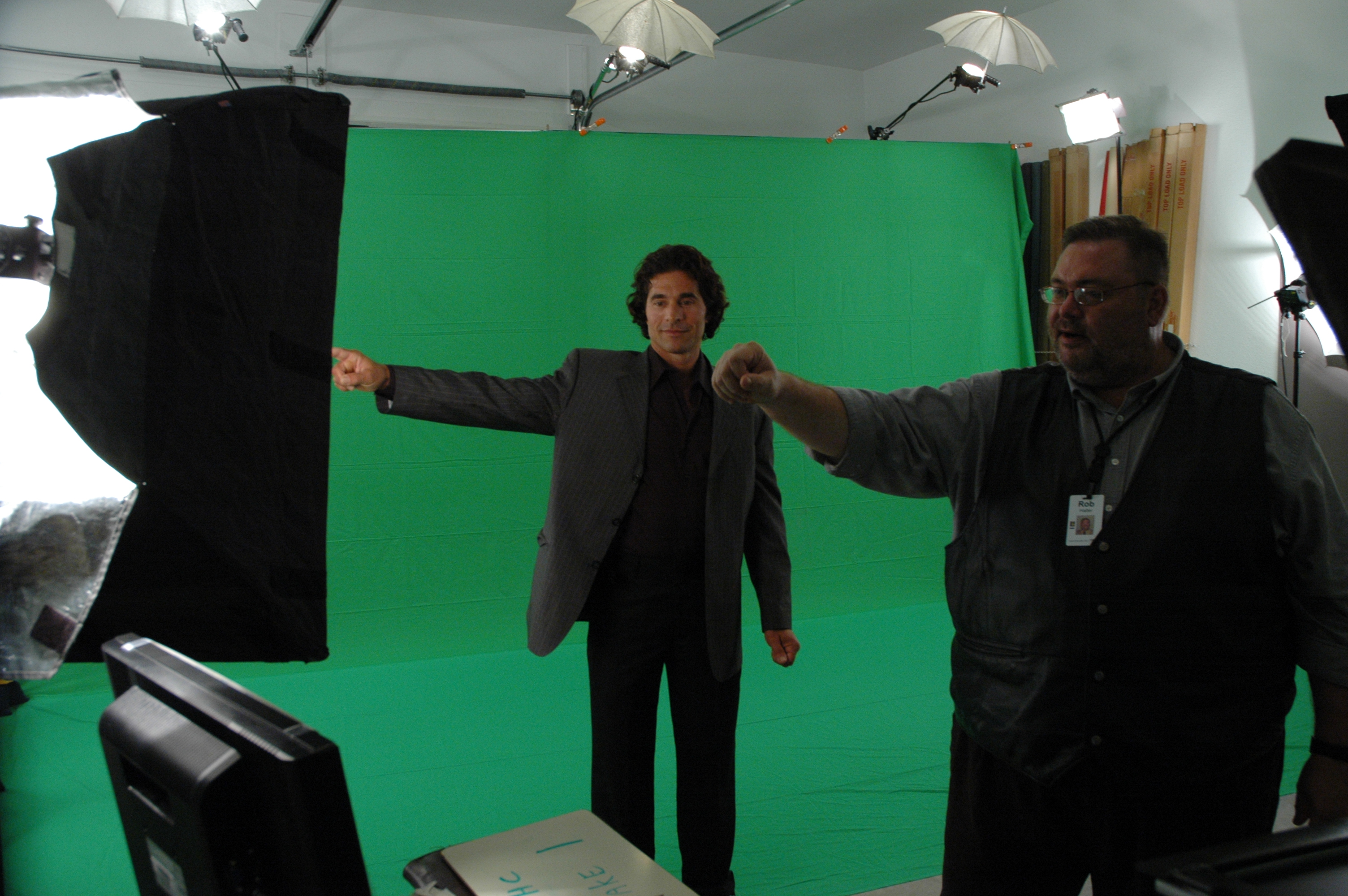
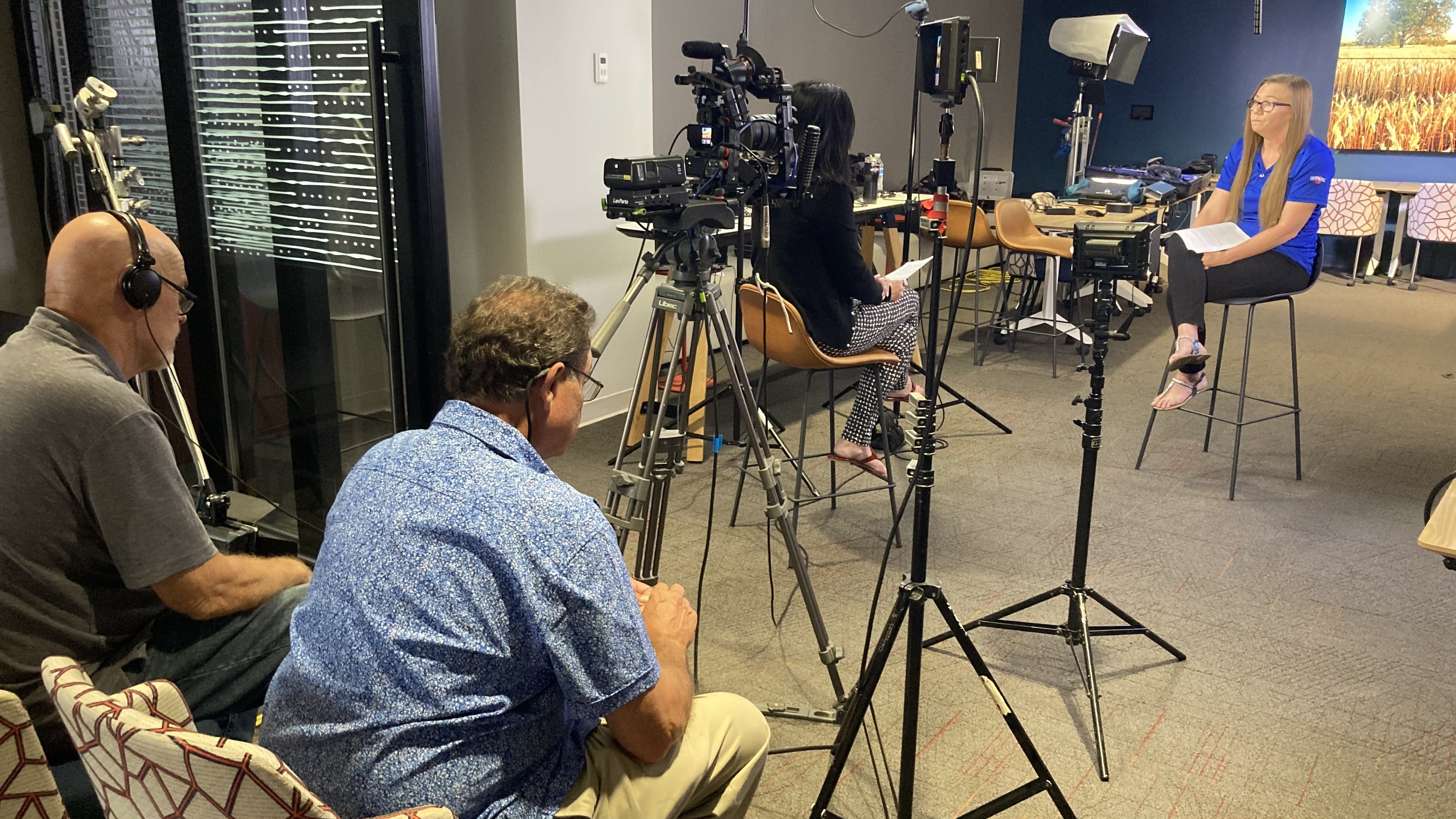
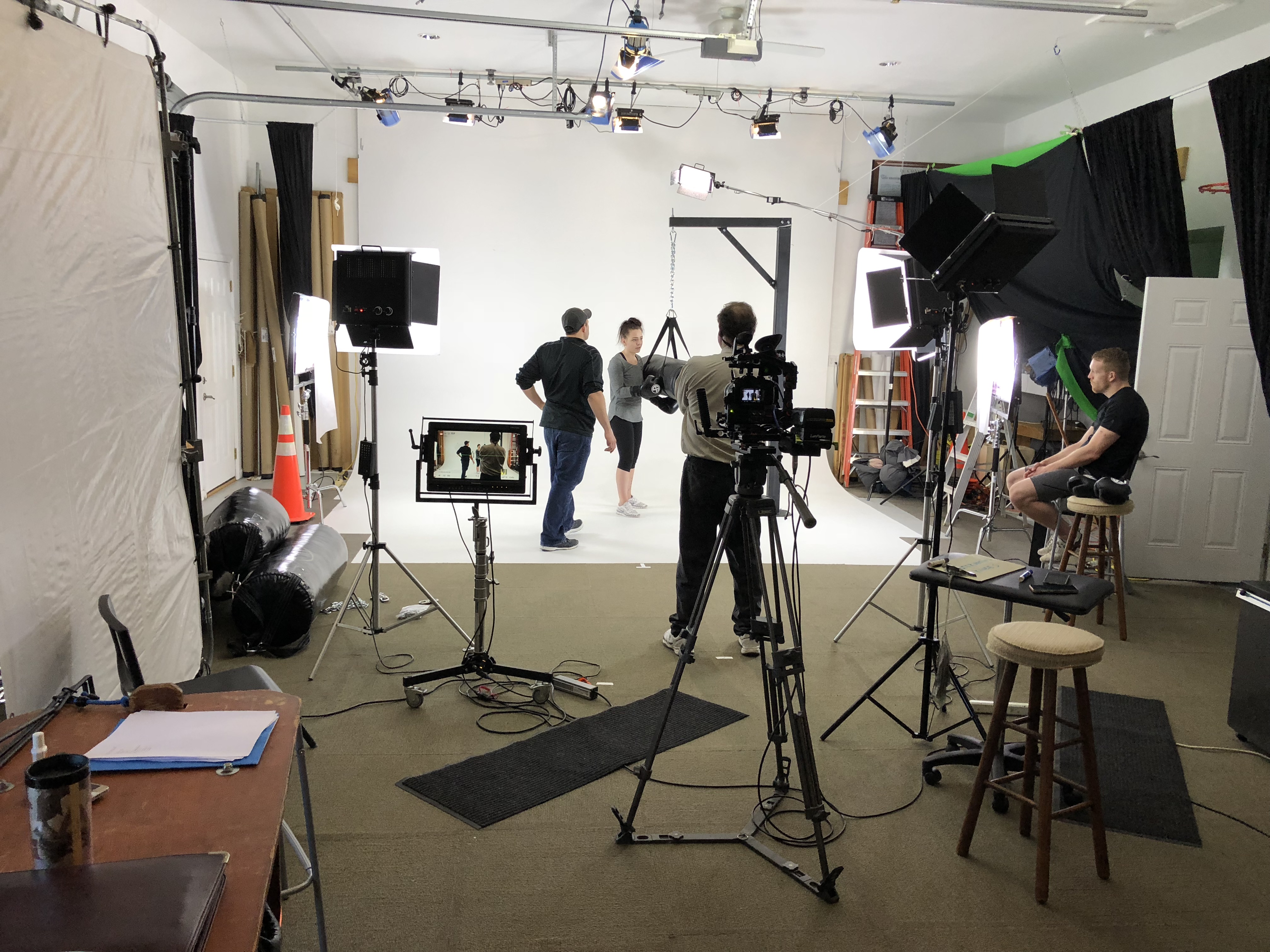
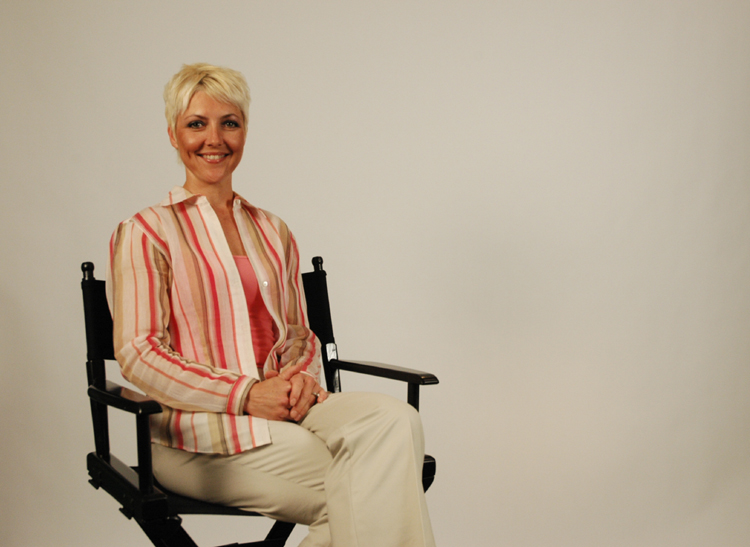
Studio interviews remain one of the best options when consistency, sound quality, lighting control, and polished brand presentation are priorities. A studio environment allows the crew to manage every variable more precisely, which often saves time during both production and editing.

Studio shoots are especially useful for:

  • executive interviews
  • spokesperson messaging
  • educational videos
  • branded content series
  • product explainers
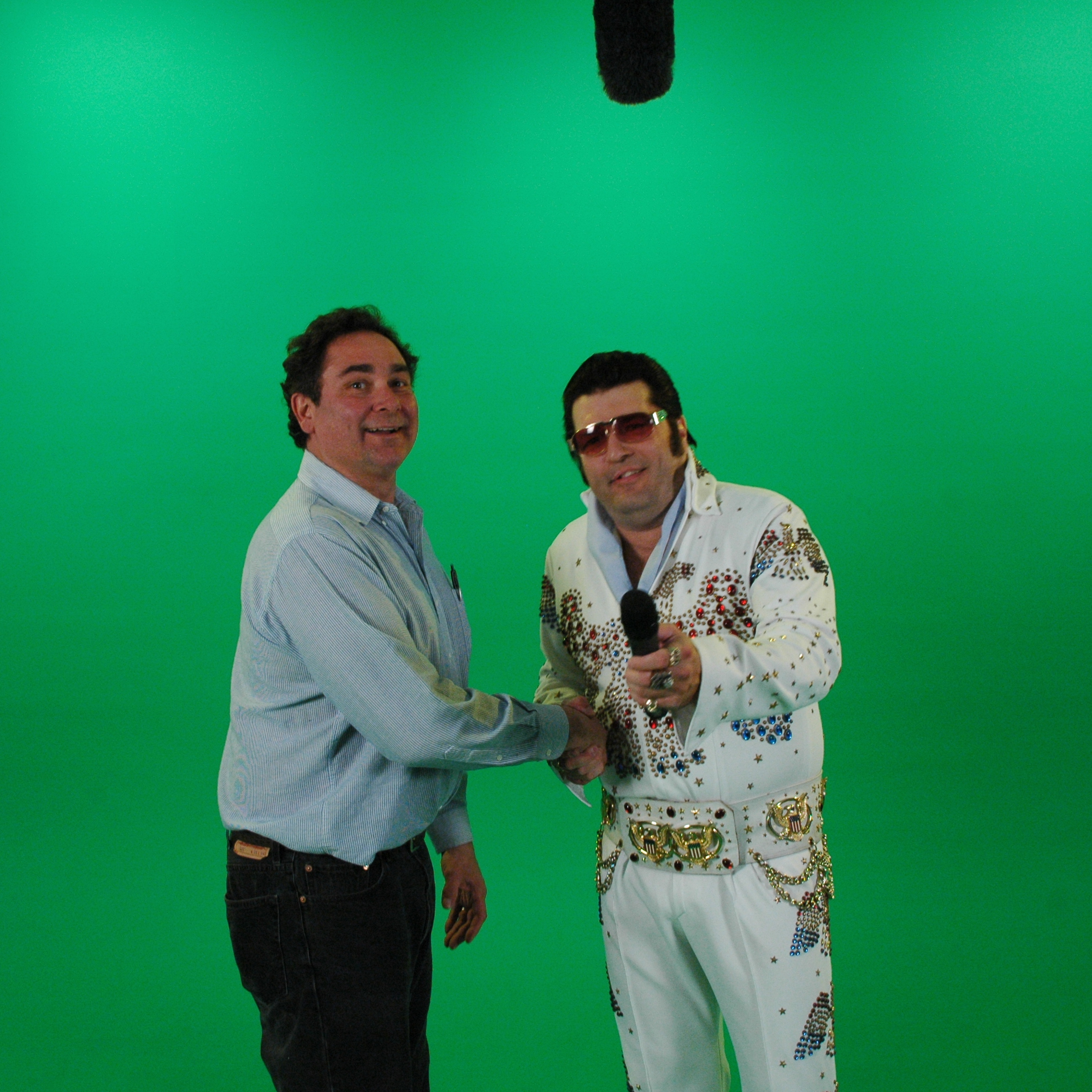
  • green screen or custom background work
  • content requiring uniform visual continuity

From an editing perspective, studio work is often more efficient because the footage is cleaner and more consistent. Fewer visual distractions, better sound control, and stable lighting conditions usually translate into faster post-production and a more polished result.
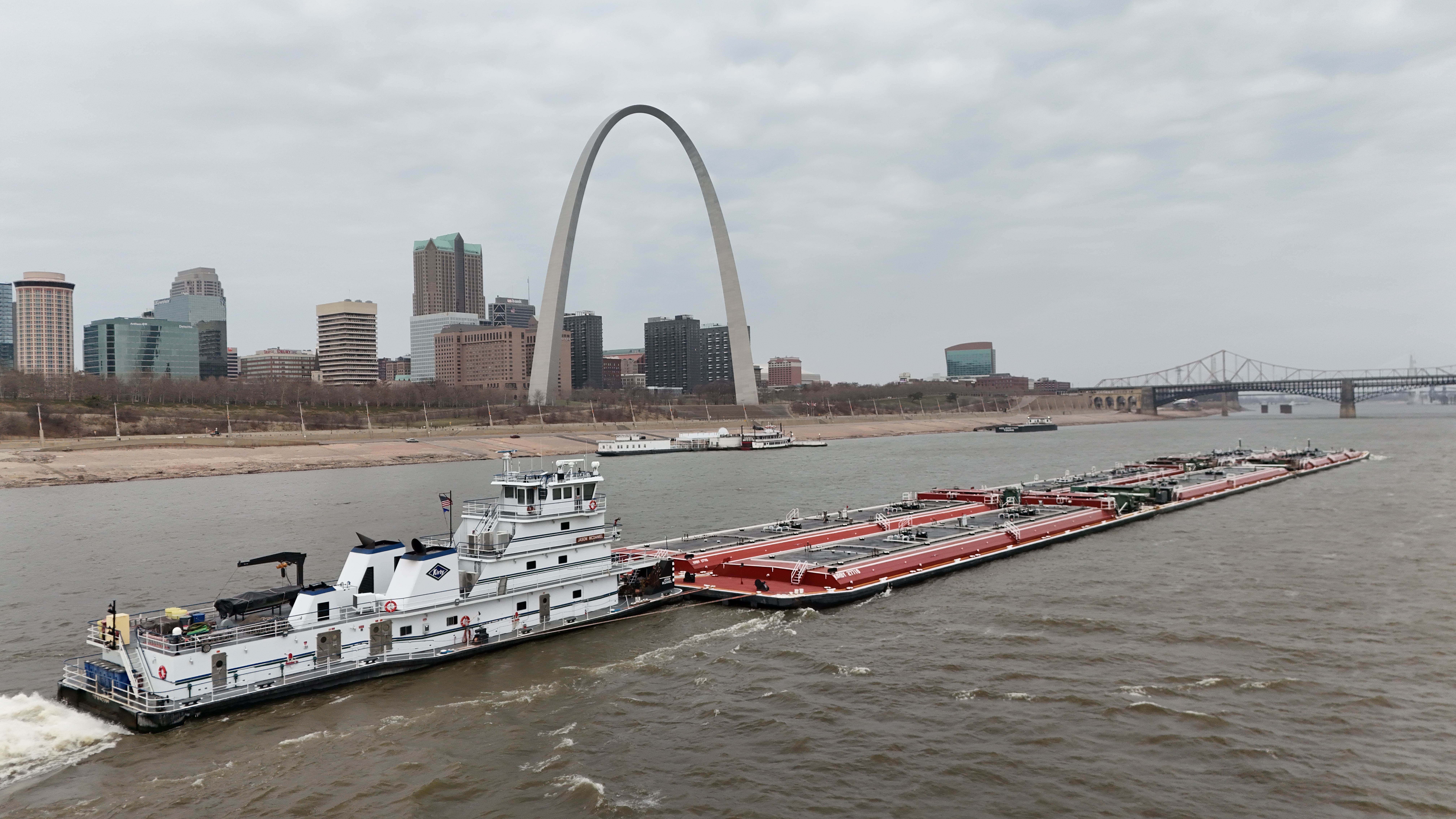
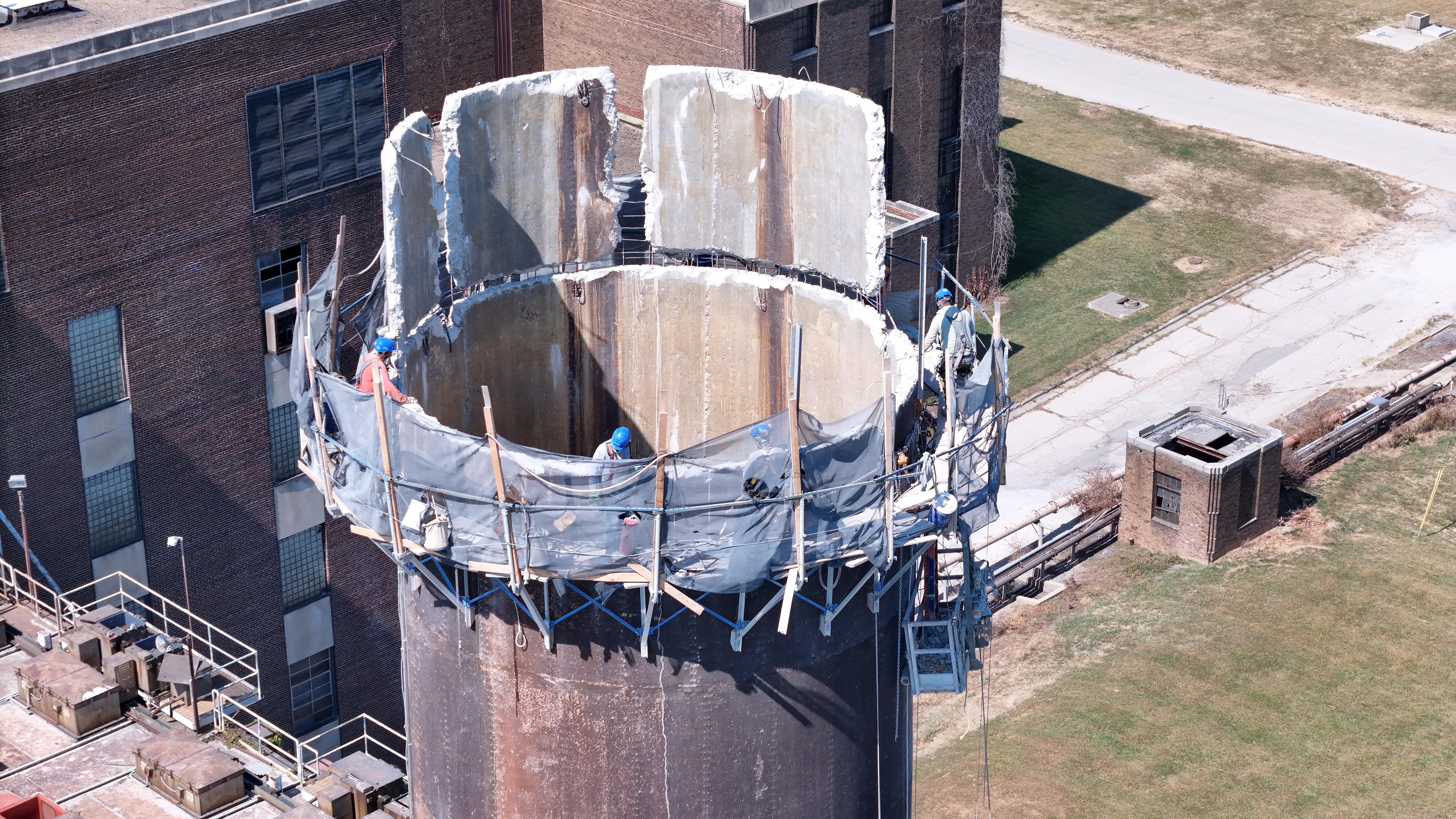
Location Interviews Add Context and Authenticity

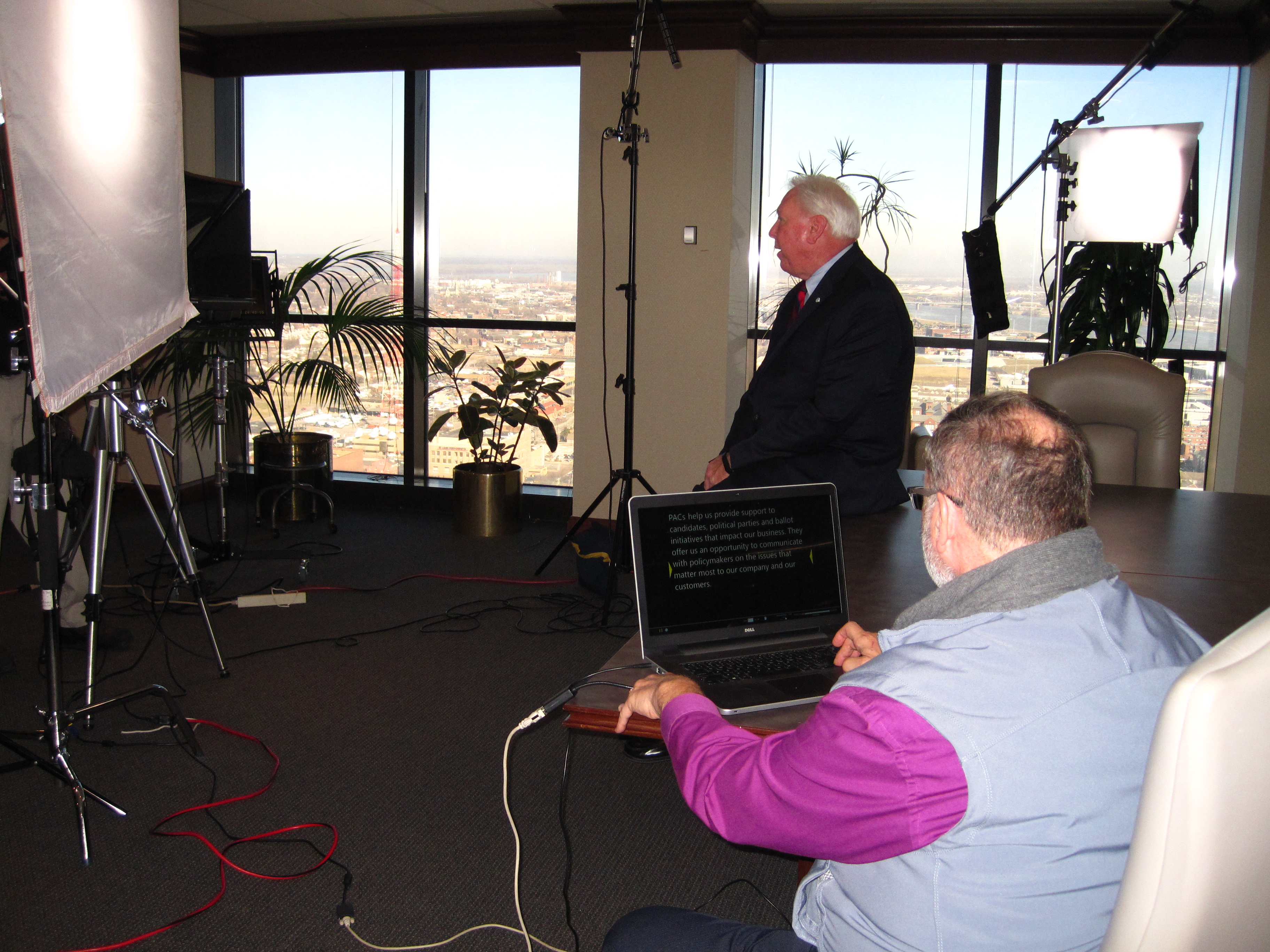
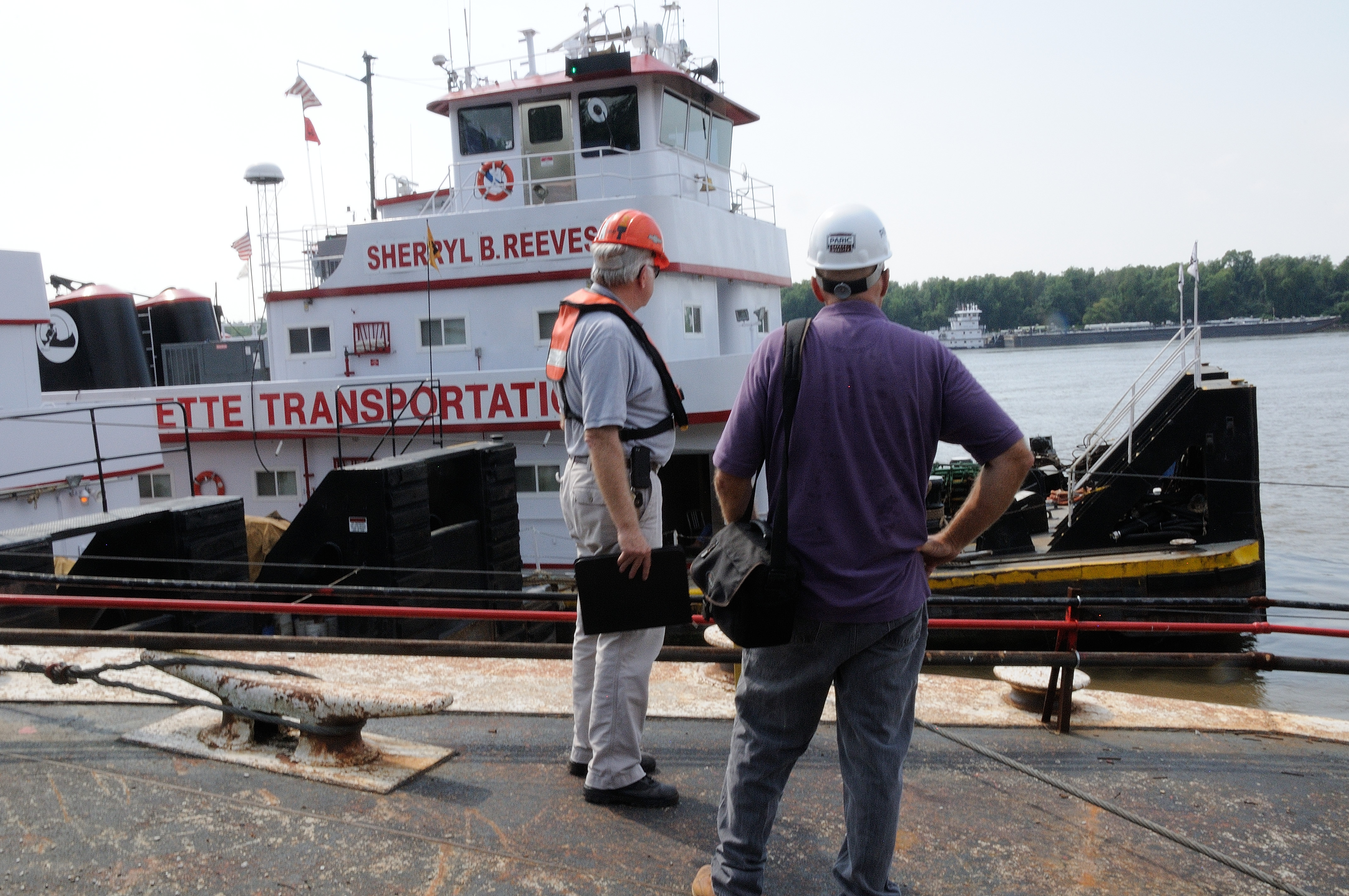
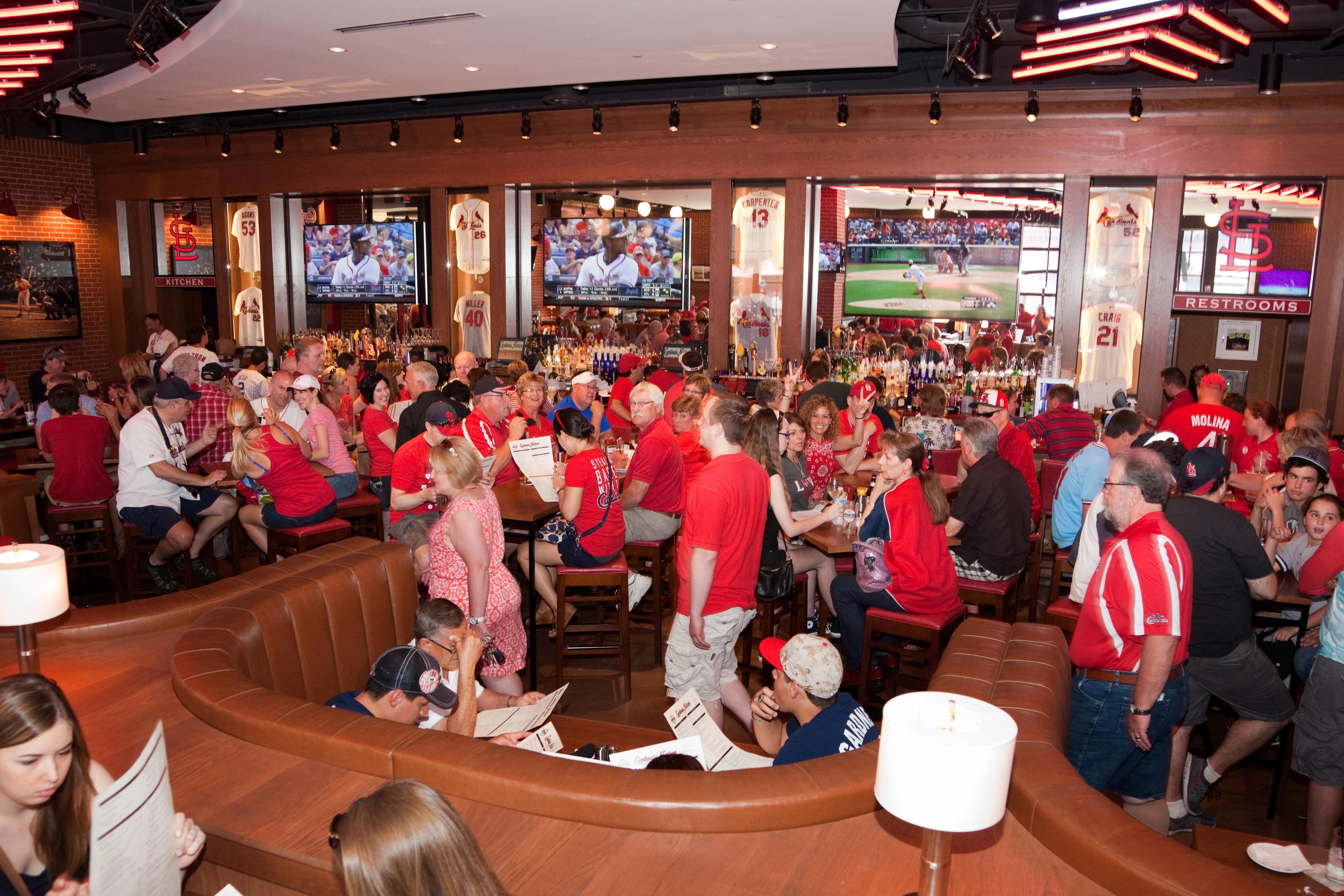
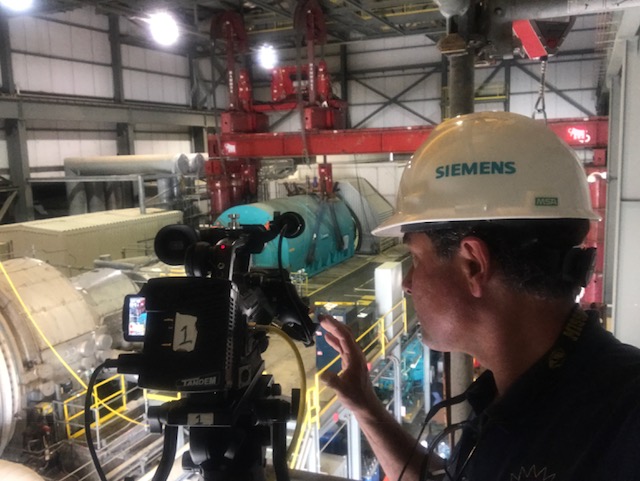
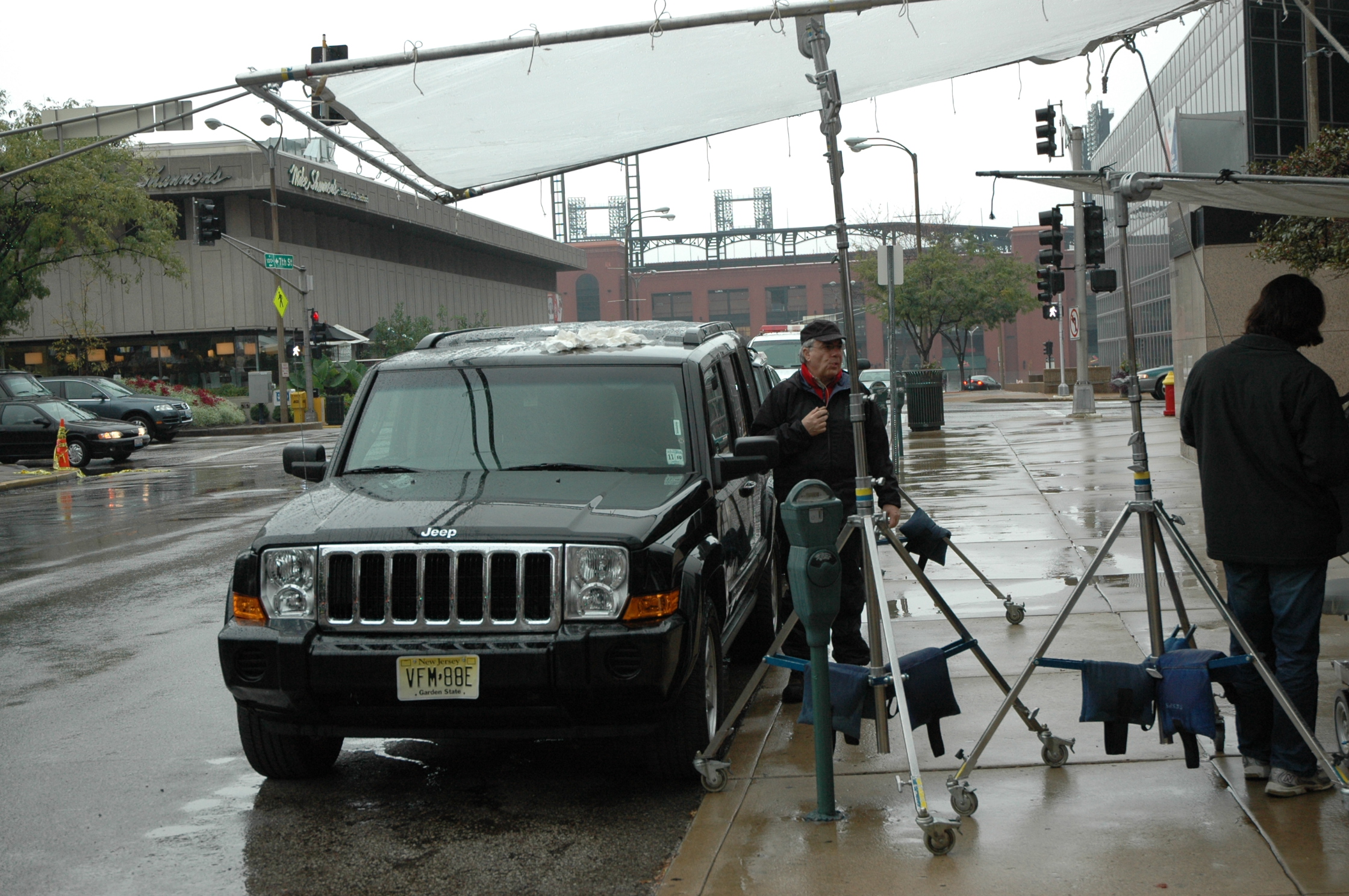
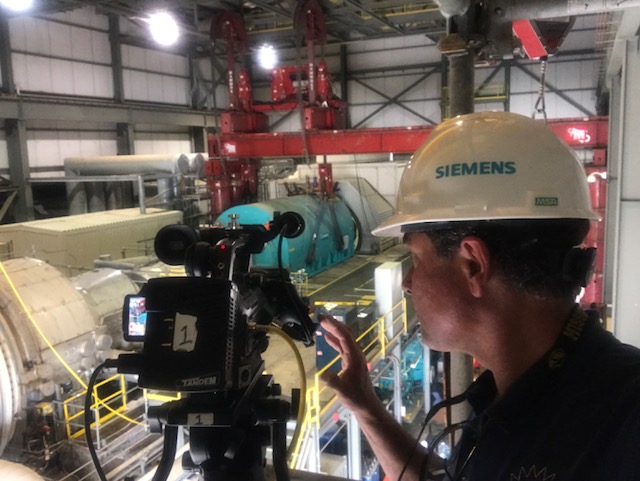
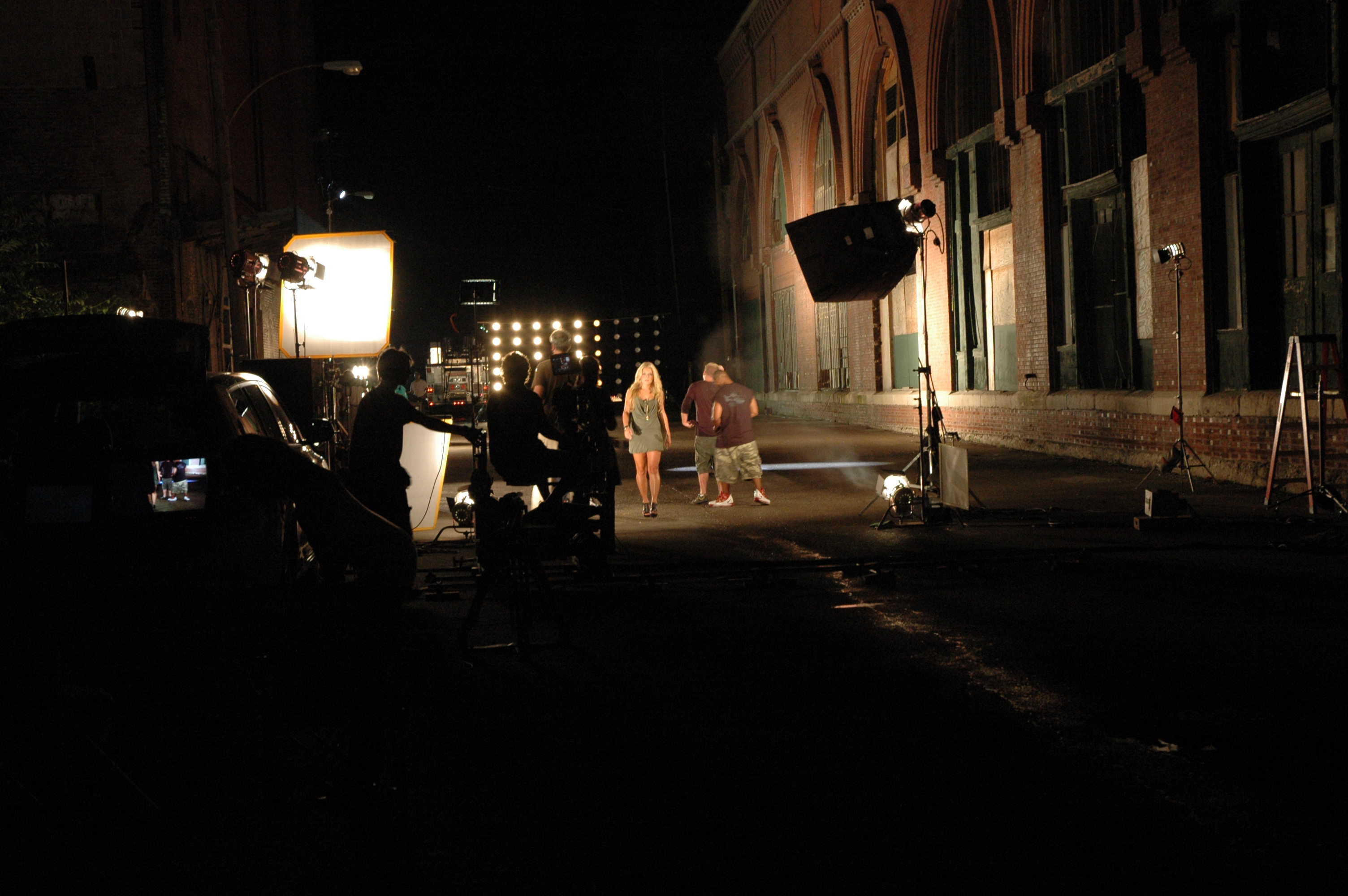
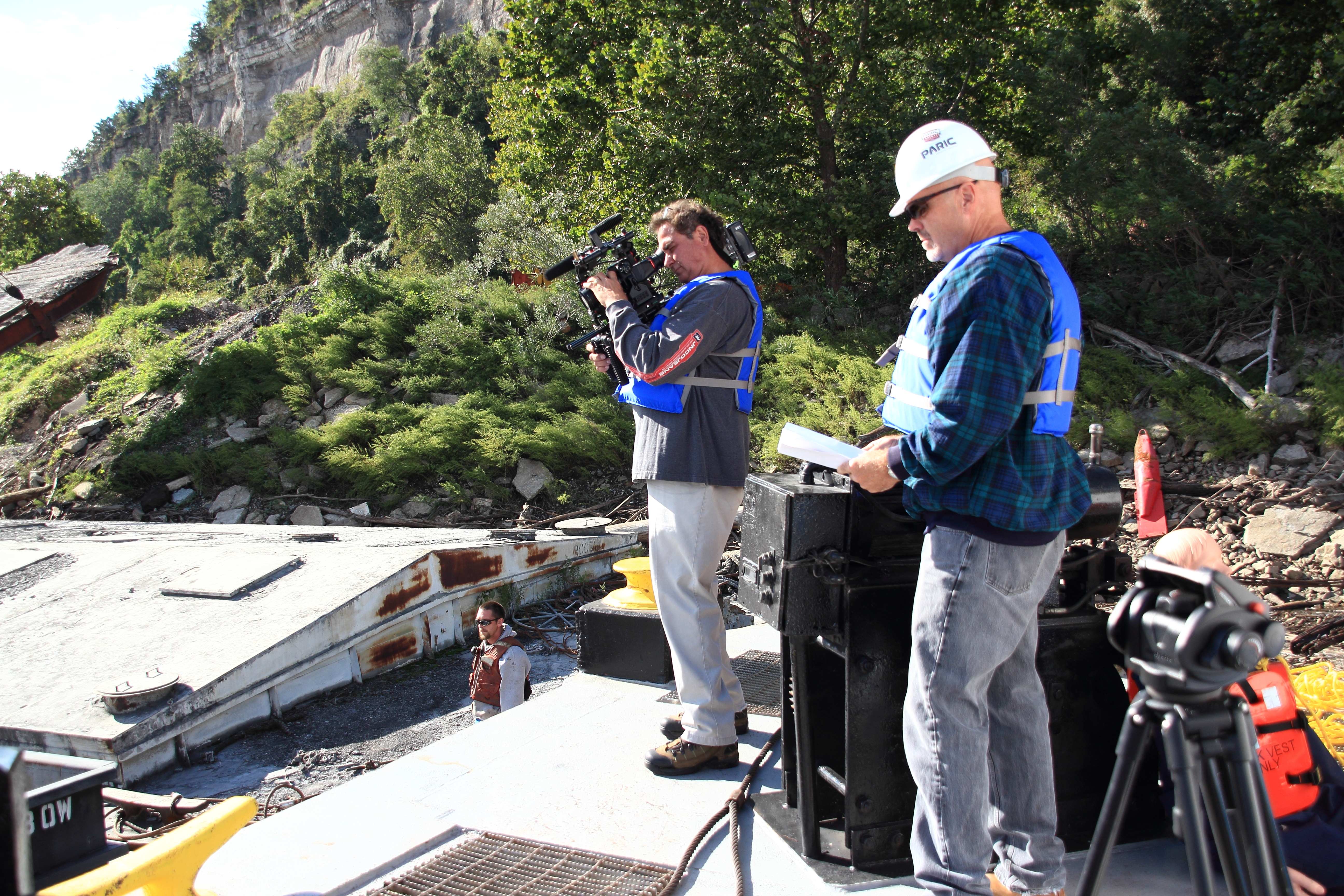
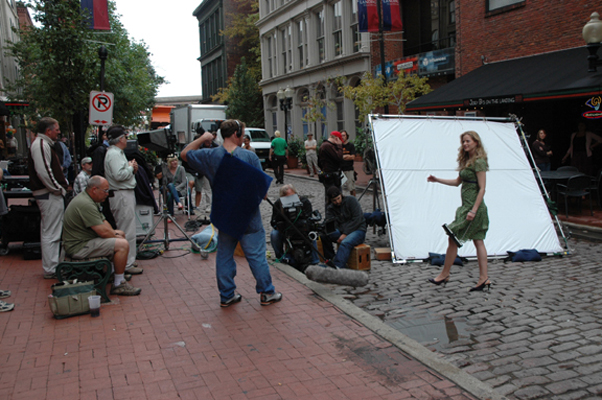
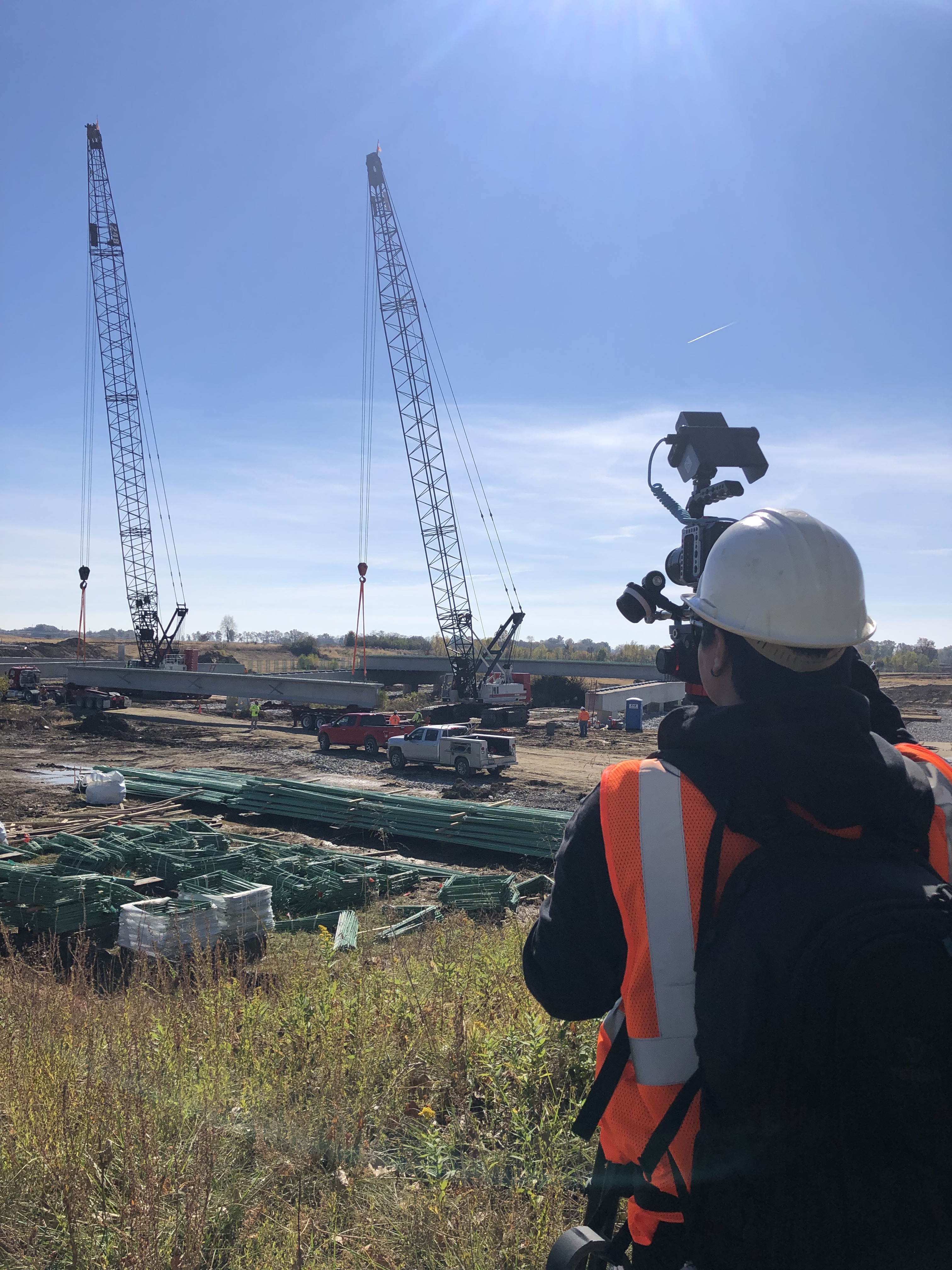
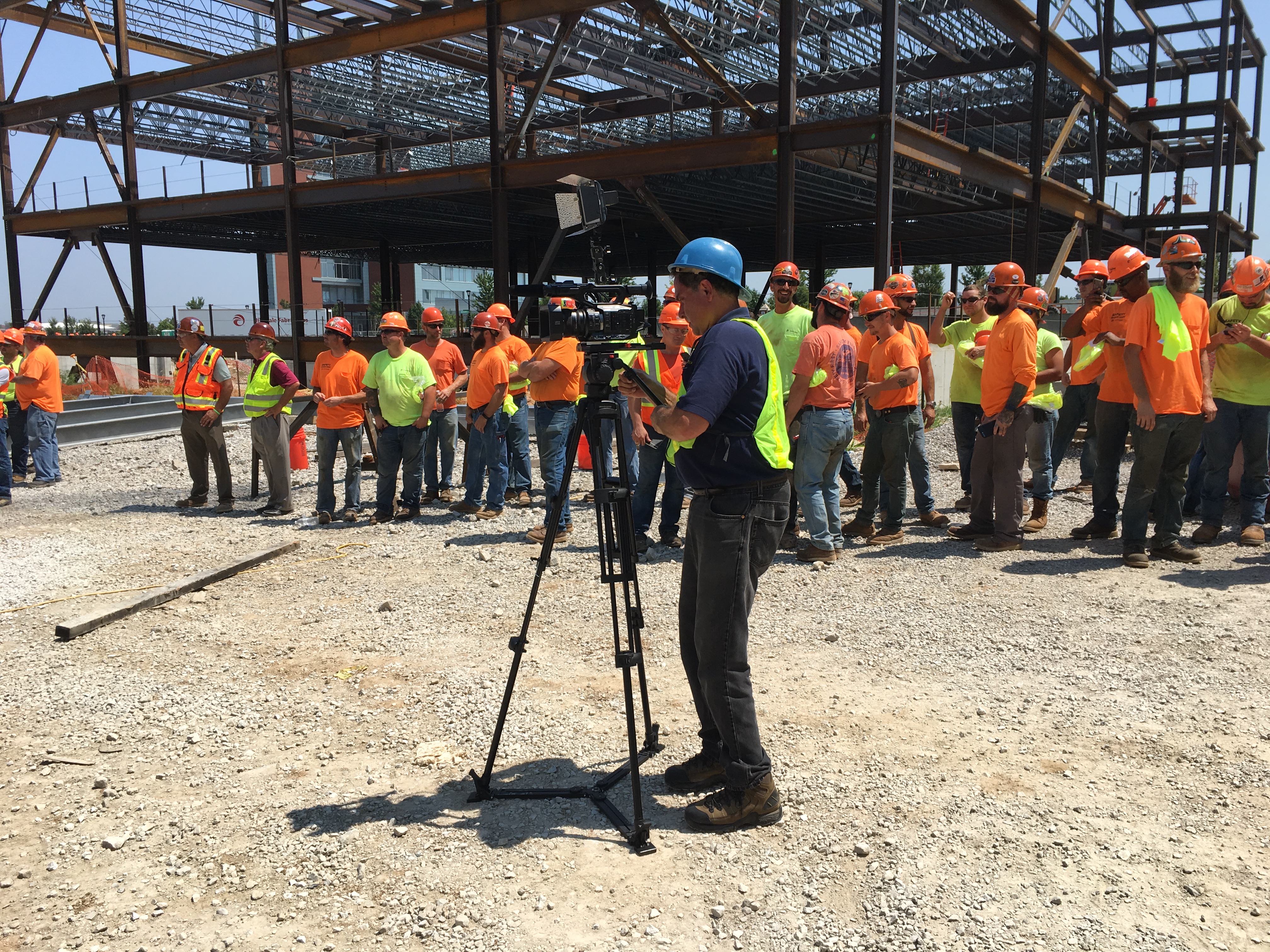
Location interviews offer a different type of value. They place the subject inside a real environment that reinforces the message visually. For many brands, this adds authenticity and credibility that cannot be replicated in a neutral studio setting.

Location work is often especially effective for:

  • customer testimonials
  • workplace culture videos
  • recruiting pieces
  • industrial and manufacturing storytelling
  • service-based business profiles
  • nonprofit and community messaging
  • company overview videos

The strength of location production is not simply that it is real. It is that it gives the editor meaningful environmental visuals to work with. When a production team understands both capture and editing needs, the location footage becomes far more useful in the final piece.

Why a Combination of Studio and Location Often Works Best

Many of the strongest interview and b-roll projects use a hybrid approach. Interviews may be captured in a controlled studio environment for consistency, while location footage is gathered for authenticity and visual depth. This gives the editor a larger visual vocabulary and improves the flexibility of the finished media.

That hybrid approach often allows for:

  • cleaner interview sound and lighting
  • richer visual storytelling
  • stronger pacing in post-production
  • more options for alternate edits
  • greater brand polish
  • more usable footage from one coordinated effort

For organizations that want professional control without losing environmental credibility, this combination is often the most effective route.
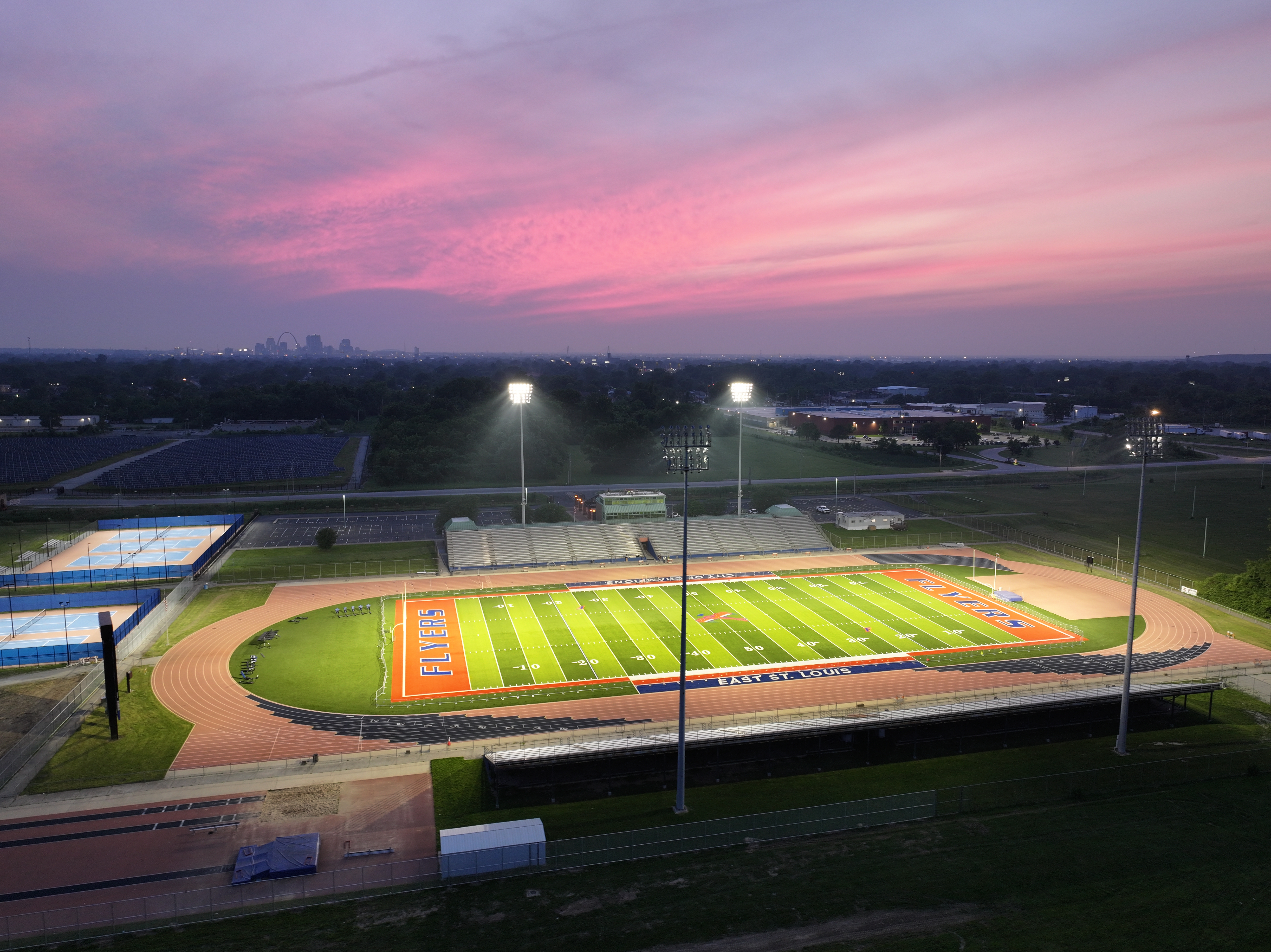
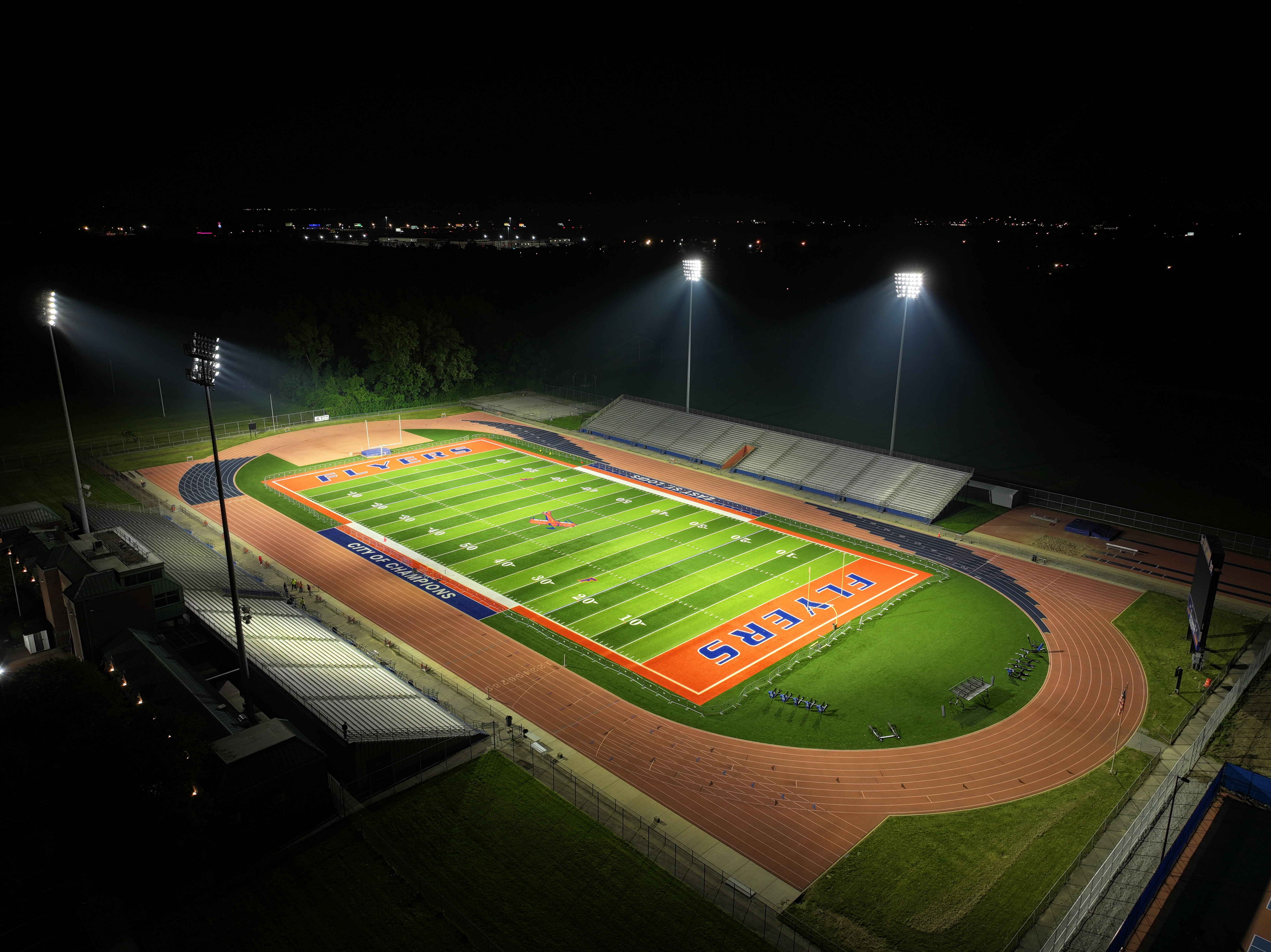
Editing Makes Repurposing Possible

Repurposing footage is one of the most important ways to increase production value, and that depends heavily on editing. Good editors do more than finish a main video. They identify what other content can be built from the same shoot.

That may include:

  • quote-based short clips
  • social excerpts
  • industry-specific variations
  • recruitment versions
  • internal communications edits
  • vertical or square formats
  • archival footage libraries for later use

This matters to marketing teams because it means the project continues generating returns well beyond its initial release. It also helps justify production budgets more effectively because the content can be distributed in more places for more purposes.

The Role of Graphics, Sound, and Finishing in Professional Edits

Editing quality is not just about selecting shots. It also includes finishing elements that affect professionalism and audience response. Clean sound, music selection, pacing, titles, graphics, branding, and color consistency all shape how the final piece is perceived.

A professionally edited project may involve:

  • dialogue cleanup
  • sound balancing
  • branded lower thirds
  • text graphics
  • logo integration
  • pacing adjustments
  • color correction and grading
  • format delivery for different platforms
  • motion graphics where needed

These elements may seem secondary to the footage itself, but together they often determine whether a piece feels merely recorded or genuinely produced.
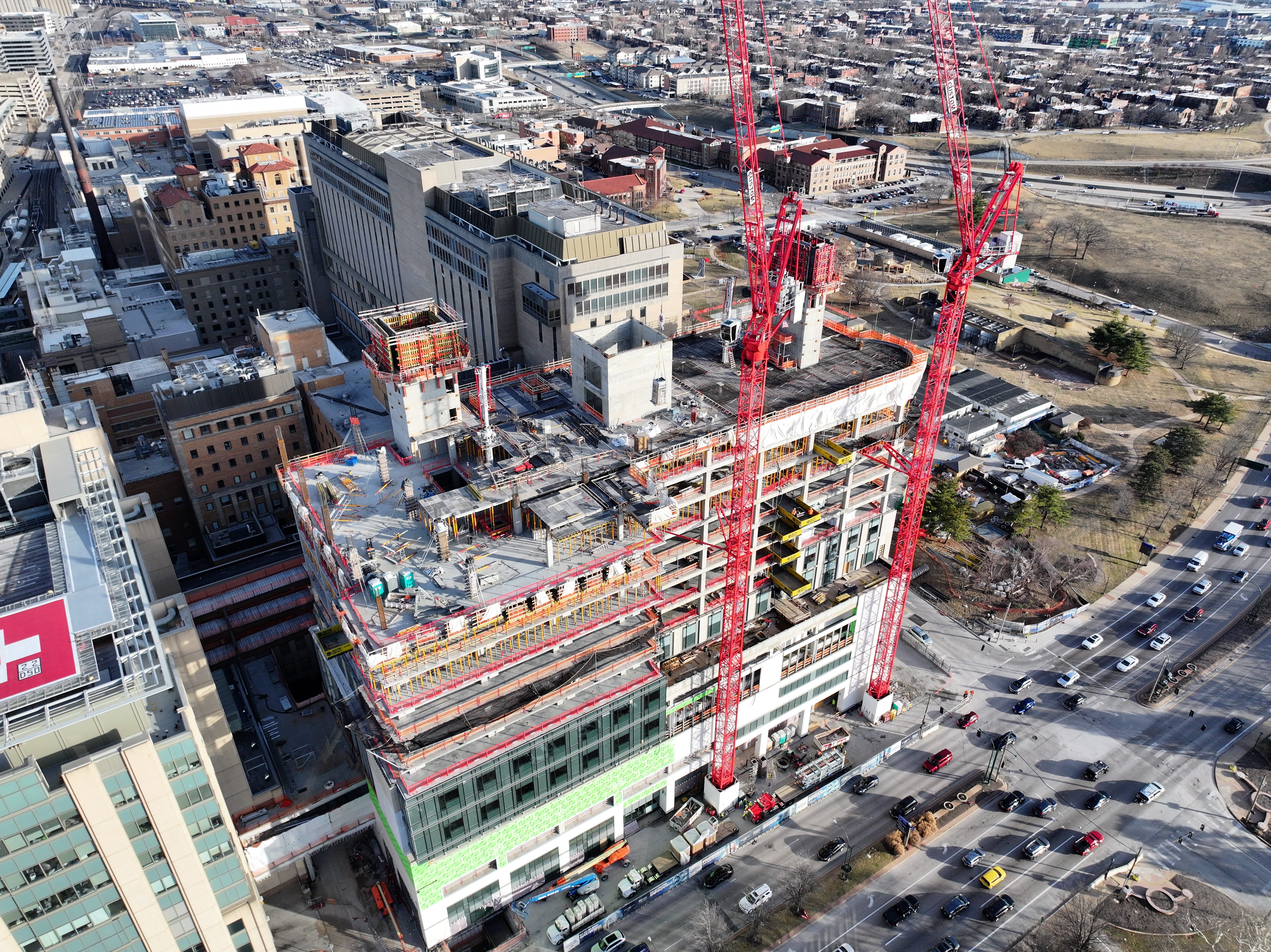
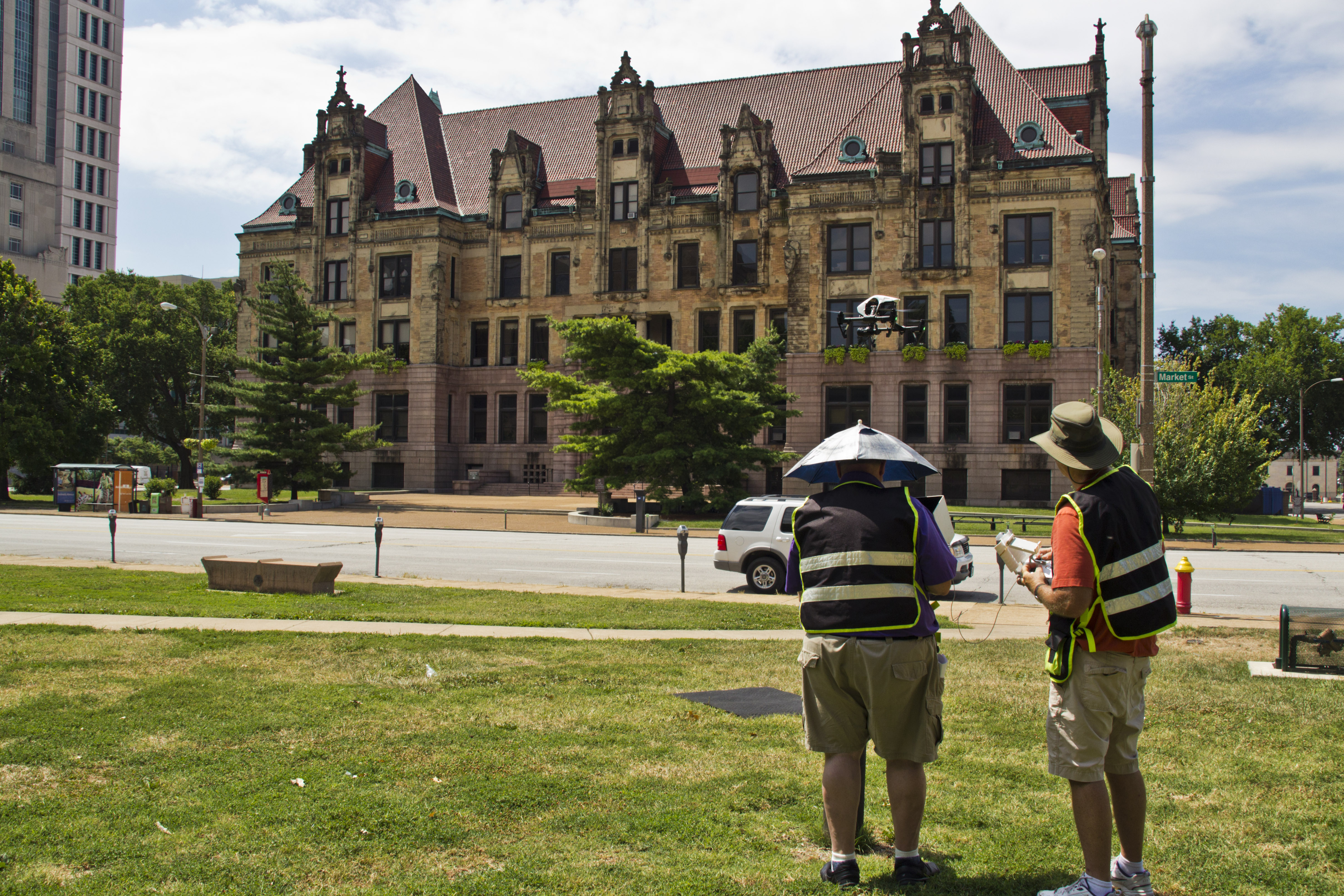
Drone Coverage Can Strengthen Interview and B-Roll Projects

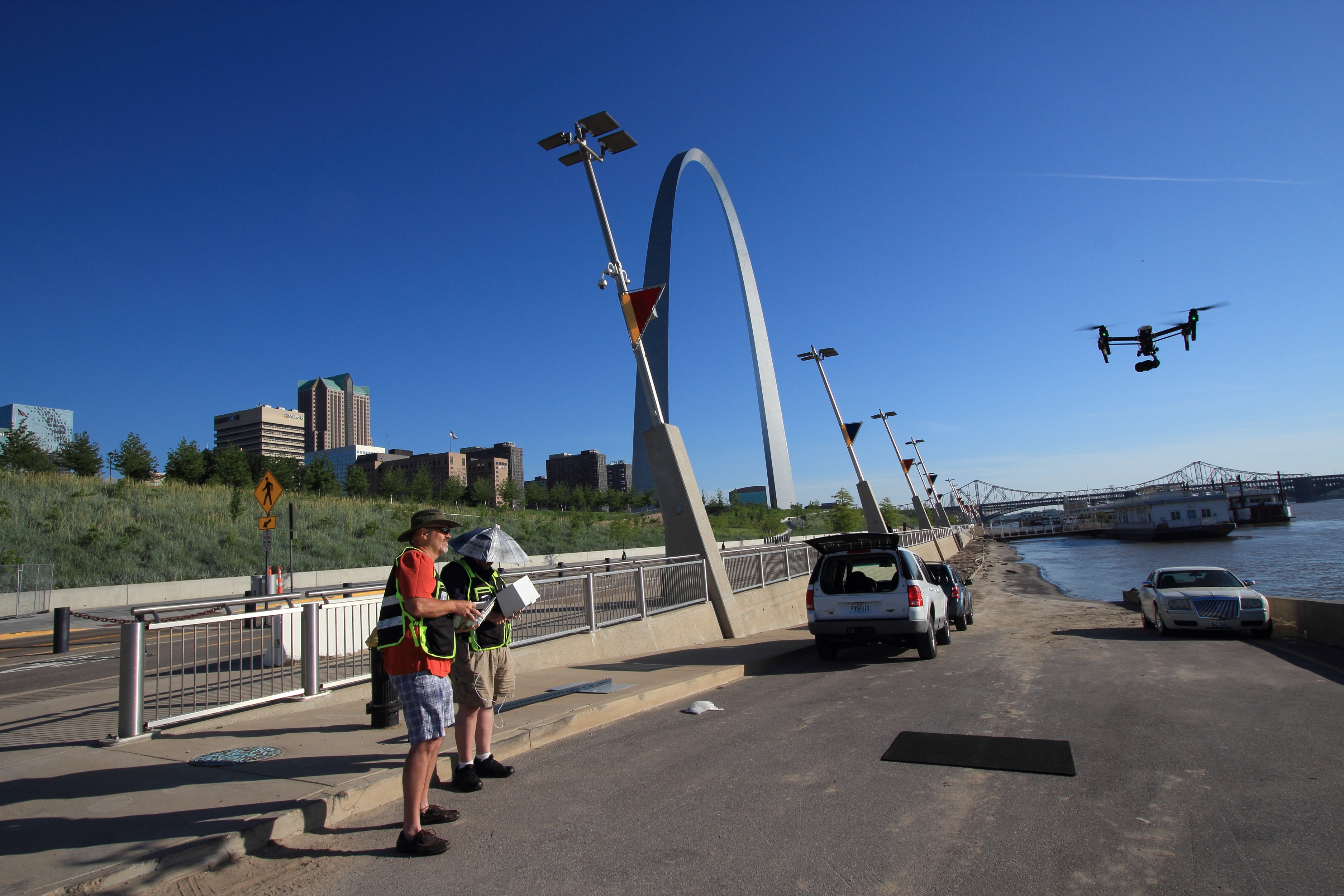
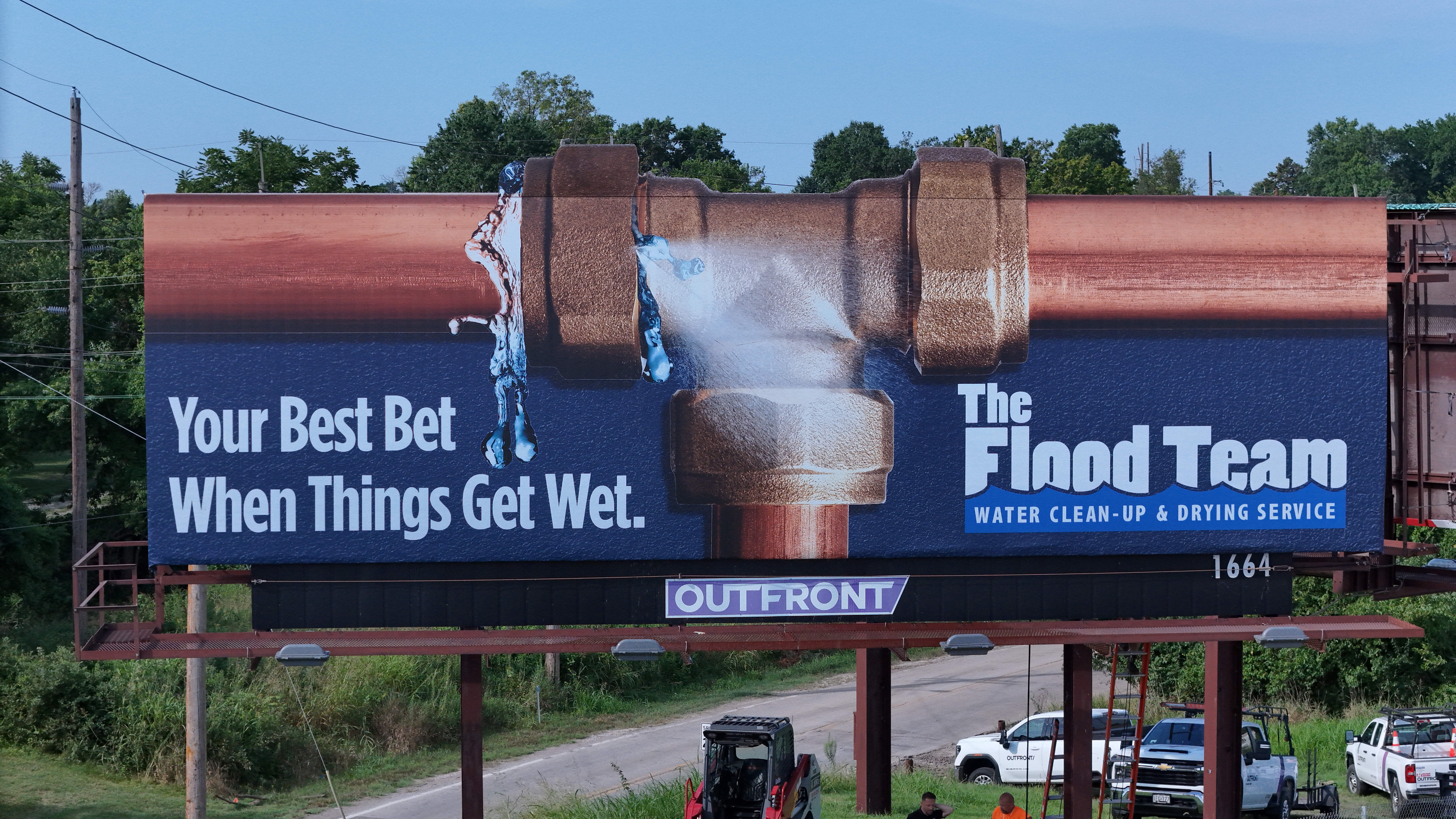
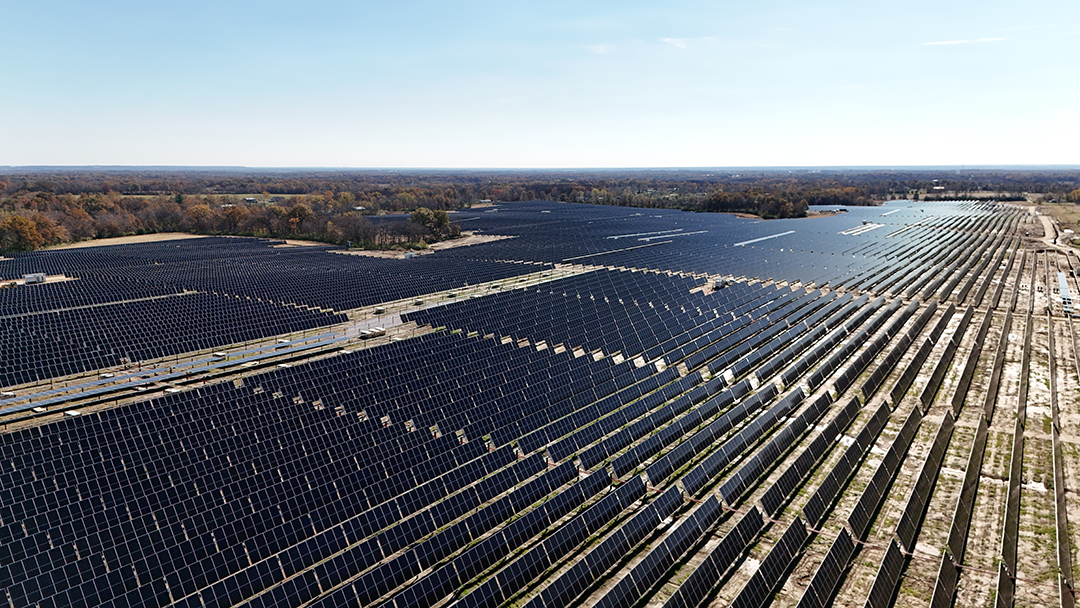
While editing is central to maximizing value, the footage itself still matters. Drone coverage can add another layer of production strength by providing scale, context, movement, and perspective. For many businesses, that aerial view helps the audience understand the environment more clearly.

Drone footage can be useful for:

  • facility overviews
  • campus and property visuals
  • industrial and logistics sites
  • construction and development projects
  • exterior brand establishing shots
  • tourism or destination content
  • event and venue coverage

When edited correctly into an interview-driven project, drone visuals can elevate the final piece without overwhelming the message.

Specialized Production and Post-Production Support Matter

Organizations often need more than simple footage capture. They need a production partner that understands how to support the project from planning through delivery. That includes location scouting, b-roll acquisition, interview production, file handling, editing workflows, graphics integration, and delivery formatting.

The best results come when capture and post-production are connected from the beginning. That is how projects stay efficient and how the finished media ends up aligned with real business and marketing goals.

What Decision Makers Should Look for in a Production Partner

For businesses and organizations searching for economical interview and b-roll production in St. Louis, the right production partner should offer more than camera operation. They should understand how footage becomes strategy through post-production.

That means looking for a team that can provide:

  • strong interview direction
  • studio and location flexibility
  • thoughtful b-roll coverage
  • clean audio and lighting
  • editing expertise
  • multiple deliverable planning
  • repurposing strategy
  • branding consistency
  • efficient production workflows
  • local production knowledge

A team that thinks this way is far more likely to deliver content that performs well, remains useful over time, and makes the most of the production investment.

Final Thoughts

Studio and location crew services for economical video interviews and b-roll in St. Louis are most effective when the production is built around what will happen in the edit. Interviews, supporting visuals, and post-production should all work together to create a flexible, polished content package that serves multiple business goals.
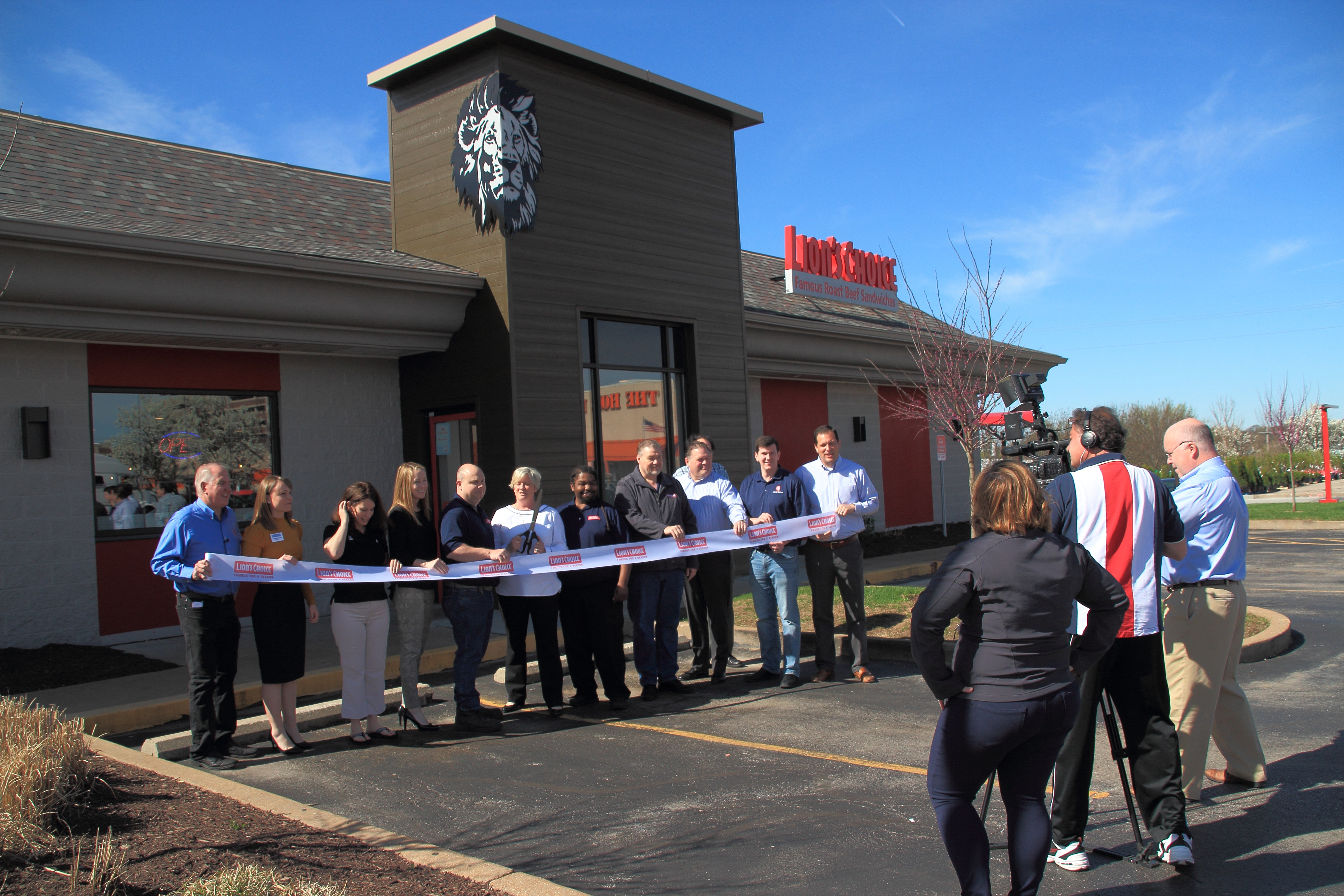
At St Louis Video Editing, we understand that production value is not only captured in the field or in the studio. It is built through planning, coverage, structure, and the editorial process that shapes footage into meaningful media. As a full-service professional commercial photography and video production company, St Louis Video Editing has the right equipment and creative crew service experience for successful image acquisition. We offer full-service studio and location video and photography, as well as editing, post-production, and licensed drone services. St Louis Video Editing can customize your productions for diverse types of media requirements. Repurposing your photography and video branding to gain more traction is another specialty. We are well-versed in all file types and styles of media and accompanying software. We use the latest in Artificial Intelligence for all our media services. Our private studio lighting and visual setup is perfect for small productions and interview scenes, and our studio is large enough to incorporate props to round out your set. We support every aspect of your production, from setting up a private, custom interview studio to supplying professional sound and camera operators, as well as providing the right equipment, ensuring your next video production is seamless and successful. We are also location scouting and b-roll specialists. We can fly our specialized FPV drones indoors, and our other drone special services include infrared thermal, orthomosaics, and LiDAR. As a full-service video and photography production corporation serving the St. Louis area since 1982, St Louis Video Editing has worked with many businesses, marketing firms, and creative agencies for their marketing photography and video needs.
314-913-5626

mobuy1@gmail.com

Beyond the Cut: Why Efficient Post-Production is Your Smartest Marketing Investment

For decision-makers in marketing and business operations, true cost-effectiveness isn’t about finding the cheapest hourly rate—it is about maximizing the Return on Investment (ROI) of every frame captured.

As experienced producers, we know that video production is an ecosystem. The footage shot on location is the raw material; the editing room is where that material is refined into a marketable asset. Understanding how professional editing drives efficiency can transform your budget from a constraint into a strategic tool.

The Hidden Costs of “Budget” Editing

Many organizations attempt to handle editing in-house with non-specialized staff or rely on inexperienced freelancers to save immediate dollars. This approach frequently incurs hidden costs:

  • Technical Debt: Incorrect file formatting or poor color grading often requires expensive “rescue” work later.
  • Lost Traction: A poorly paced video fails to retain viewer retention, wasting the marketing dollars spent on distribution.
  • Single-Use Assets: Inexperienced editors often cut for one format (e.g., a website banner) without foresight, making it difficult to adapt that content for social media or broadcast later.

The Professional Advantage: Efficiency Through Expertise

Professional post-production is cost-effective because it is predictable and scalable. Here is how expert video editing saves your bottom line:

1. The Power of Repurposing

The most wasteful practice in video production is “one shoot, one video.” A strategic editor views your raw footage as a library, not a single project.

  • Micro-Content: A 3-minute corporate interview can be sliced into five 30-second clips for LinkedIn, three 15-second vertical clips for Instagram Reels, and a pull-quote graphic for your blog.
  • Legacy Usage: High-quality B-roll shot today should be tagged and archived correctly so it can be used in a different commercial next year, saving you the cost of a future production day.

2. AI and Workflow Automation

Modern editing is not just about cutting clips; it’s about leveraging technology. The integration of Artificial Intelligence (AI) into post-production has revolutionized turnaround times.

  • Intelligent Culling: AI tools can rapidly sort through hours of footage to find the sharpest focus or the best audio clarity, reducing billable hours spent on logging footage.
  • Audio Restoration: Advanced algorithms can clean up noisy location audio that would have previously required a reshoot.

3. Technical Fluidity

We live in a multi-codec world. Your deliverable might need to look perfect on a 4K boardroom monitor and a smartphone screen simultaneously. Professionals understand bitrates, color spaces, and compression standards. Getting the file type right the first time prevents playback errors that can embarrass a brand during a critical presentation.

Partnering for Success: The St Louis Video Editing Difference

When you are looking for cost-effective video editing in St. Louis, you need a partner who understands the entire lifecycle of an image.

St Louis Video Editing is a full-service professional commercial photography and video production company. Since 1982, we have provided the right equipment and creative crew service experience to ensure successful image acquisition for businesses, marketing firms, and creative agencies throughout the St. Louis area.

We don’t just edit; we strategize. We offer full-service studio and location video and photography, as well as comprehensive editing, post-production, and licensed drone services. Our team is uniquely positioned to customize your productions for diverse media requirements, ensuring your budget works harder for you.
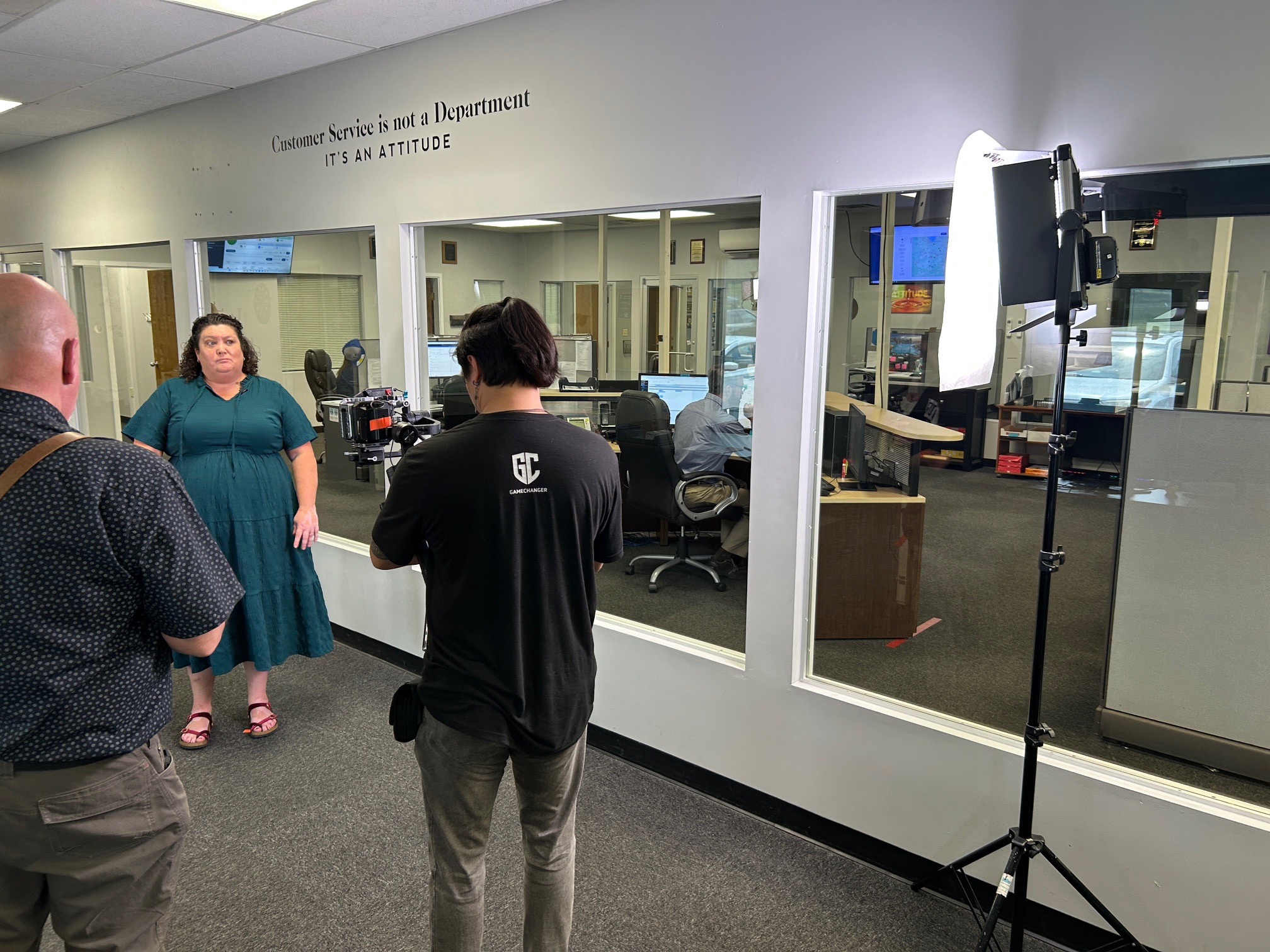
Why Choose St Louis Video Editing?

  • Content Repurposing Specialists: Repurposing your photography and video branding to gain more traction is a specialty of ours. We turn single projects into multi-platform campaigns.
  • AI-Driven Efficiency: We use the latest in Artificial Intelligence for all our media services, ensuring speed without sacrificing quality.
  • Technical Mastery: We are well-versed in all file types, styles of media, and accompanying software.
  • Studio Capabilities: Our private studio lighting and visual setup is perfect for small productions and interview scenes. It is large enough to incorporate props to round out your set, and we support every aspect of your production—from setting up a private, custom interview studio to supplying professional sound and camera operators.
  • Advanced Drone Operations: We can fly our specialized drones indoors, offering unique perspectives that others cannot match.

Whether you need a seamless on-location shoot or a complex post-production package, St Louis Video Editing has the experience to deliver excellence.

Ready to maximize your media budget? Let’s discuss your next project.


Would you like me to generate a list of social media captions to help promote this blog post once it is published?

314-913-5626

mobuy1@gmail.com

How to Turn Client Testimonials into Service Business Leads With Strategic Video Editing

Client testimonials are one of the few marketing assets that can outperform polished brand messaging—because they don’t sound like marketing. They sound like proof.

But most testimonial videos still underperform. Not because the clients weren’t enthusiastic, but because the edit didn’t do the one thing decision makers need: translate praise into purchase confidence.

If you’re a service business—or you market one—your testimonials shouldn’t live as isolated “nice-to-have” videos on a webpage nobody visits. They should be engineered into a lead-generation system: edited for attention, structured for credibility, and repurposed into multiple assets that support sales conversations across your entire funnel.

Below is the framework we use to turn raw testimonial footage into measurable business results.


Why testimonials work (and why most fail)

Testimonials are powerful because they reduce risk:

  • They validate your claims with third-party credibility.
  • They show real outcomes and real people.
  • They answer the unspoken question: “Will this work for us?”

They fail when:

  • The video starts with slow introductions and vague compliments.
  • The content focuses on “they were great to work with” instead of outcomes.
  • There’s no context (what problem, what stakes, what changed).
  • The edit is too long, too flat, and not built for where people actually watch (LinkedIn, mobile, email, landing pages).

A strong testimonial edit turns a client story into a buyer decision tool.


The testimonial-to-lead formula: edit for trust, then for action

To generate leads, your testimonial must do more than “sound good.” It needs five elements:

  1. Relevance: The viewer sees themselves in the client’s situation.
  2. Specificity: Clear “before” pain and “after” results.
  3. Authority: The speaker has a credible role and perspective.
  4. Process clarity: Viewers understand how results happened.
  5. Next step: A clean call-to-action that matches buyer intent.

Your editing strategy should build these in—on purpose.


Step 1: Start with the lead hook, not the introduction

Most testimonial videos begin with:
“Hi, I’m Jim, and I work at…”

That’s a retention killer.

Instead, open with a results-first hook or a pain-first hook, depending on your audience:

Results-first hook examples

  • “We cut turnaround time by 40% in the first month.”
  • “We stopped losing leads and finally had a predictable pipeline.”
  • “We reduced rework and improved consistency across every location.”

Pain-first hook examples

  • “We were drowning in bottlenecks and missing deadlines.”
  • “We had inconsistent quality, and it was costing us clients.”
  • “We didn’t know what marketing was working, so we kept guessing.”

In editing, this means you pull the strongest sentence from minute 8 and place it at second 1.


Step 2: Build the story using a tight structure

The best testimonial edits follow a simple narrative arc:

The 4-Part Testimonial Structure

  1. The Problem: What wasn’t working?
  2. The Stakes: What did it cost (time, money, risk, reputation)?
  3. The Fix: What did they implement with you?
  4. The Results: What changed, and how do they measure it?

If the interview didn’t naturally come out that way, editing can shape it.

This is where professional post-production matters: we’re not “chopping clips.” We’re building a persuasive, watchable case narrative from real statements.


Step 3: Use specificity to make the testimonial believable

Generic praise is nice. Specific outcomes generate leads.
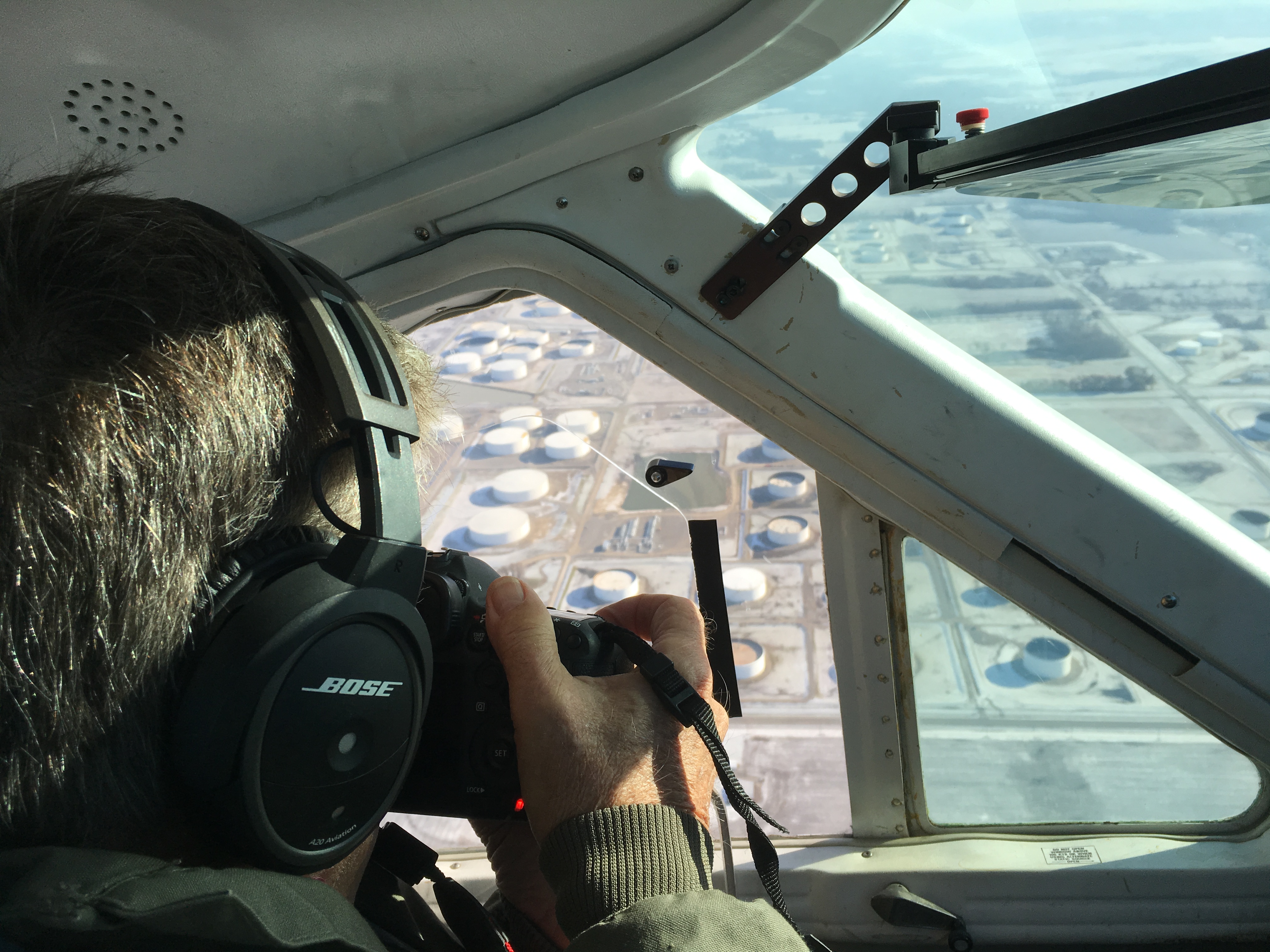
During editing, prioritize lines that include:

  • Timeframes (“in 30 days,” “within one quarter”)
  • Metrics (“increased conversion by 18%,” “cut callbacks by 25%”)
  • Process details (“we standardized onboarding,” “we built a reporting cadence”)
  • Comparisons (“we tried three vendors before this”)

If metrics can’t be shared publicly, you can still keep specificity:

  • “We reduced cycle time dramatically” becomes “We went from weeks to days.”
  • “We improved ROI” becomes “We stopped wasting spend and doubled down on what worked.”

Step 4: Let b-roll and overlays do the heavy lifting

Testimonial footage is often a talking head. That’s fine—if the edit adds visual support.

High-performing testimonial videos use:

  • b-roll of the client environment, team, workflow, location, equipment, or deliverables
  • on-screen keywords that reinforce key moments (problem, result, metric)
  • simple graphics (before/after, 3-bullet outcomes, timeline)
  • logo + role lower-thirds to establish credibility fast

This isn’t “fluff.” Visual proof reduces skepticism.


Step 5: Create a library of versions for each funnel stage

A single testimonial video should never be “one and done.”

A smart lead system produces multiple cuts from one shoot:

Core assets

  • 2–3 minute flagship testimonial (website, YouTube, proposals)
  • 60–90 second decision cut (landing pages, retargeting, sales follow-up)
  • 15–45 second social clips (LinkedIn, Instagram, paid ads)

Bonus assets that convert

  • Problem-specific cutdowns (one testimonial, multiple pain-point versions)
  • Industry-specific edits (same content, repositioned for different verticals)
  • Objection-handling clips (budget, timeline, change management, “we tried before”)
  • Quote cards + motion graphics for fast consumption

This is how testimonials become pipeline: repetition with variety, delivered where decision makers actually spend time.


Step 6: Edit to remove “trust killers”

Some small details silently reduce credibility:

  • Rambly responses that feel unscripted in a bad way
  • Over-editing that sounds unnatural or hides meaning
  • Bad audio (echo, room noise, inconsistent levels)
  • Unflattering lighting that makes the brand feel “small”
  • Unclear subject role (viewers don’t know why this person matters)
  • No context for what service was provided

Professional editing isn’t only about pace. It’s about confidence. Clean audio, consistent color, intentional framing, and structured storytelling all signal competence.


Step 7: Add a CTA that fits buyer psychology

A testimonial CTA should match the viewer’s mindset.

Avoid: “Call us today!”
Use: low-friction next steps that feel helpful:

  • “Want to see how this would apply to your team? Book a quick discovery call.”
  • “We can share a one-page comparison checklist—message us and we’ll send it.”
  • “If you’re dealing with the same issue, we’ll show you what we’d audit first.”

Your call-to-action should feel like the next logical step after proof—not a sales push.


Where testimonial leads come from

The “lead generation” effect typically shows up in a few places:

  • Landing pages (conversion rate lift from proof near the form)
  • Retargeting ads (warm audiences respond strongly to social proof)
  • Outbound email (a 30–60 second clip can outperform long copy)
  • Sales follow-up (testimonial clips answer objections faster than decks)
  • LinkedIn (short clips build familiarity and credibility over time)

The best part: once the testimonial system exists, it compounds. Every new client story becomes a new set of sales assets.
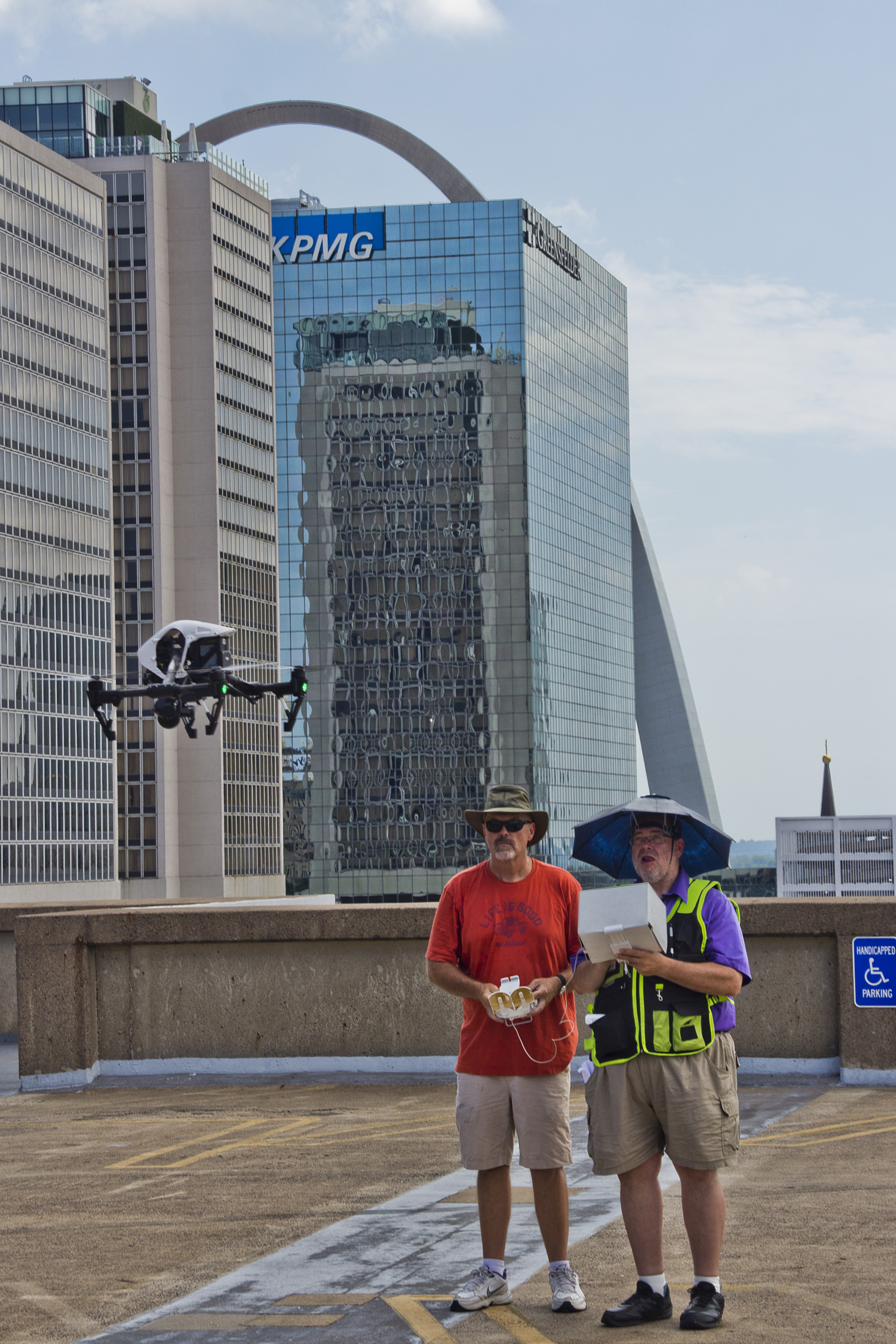
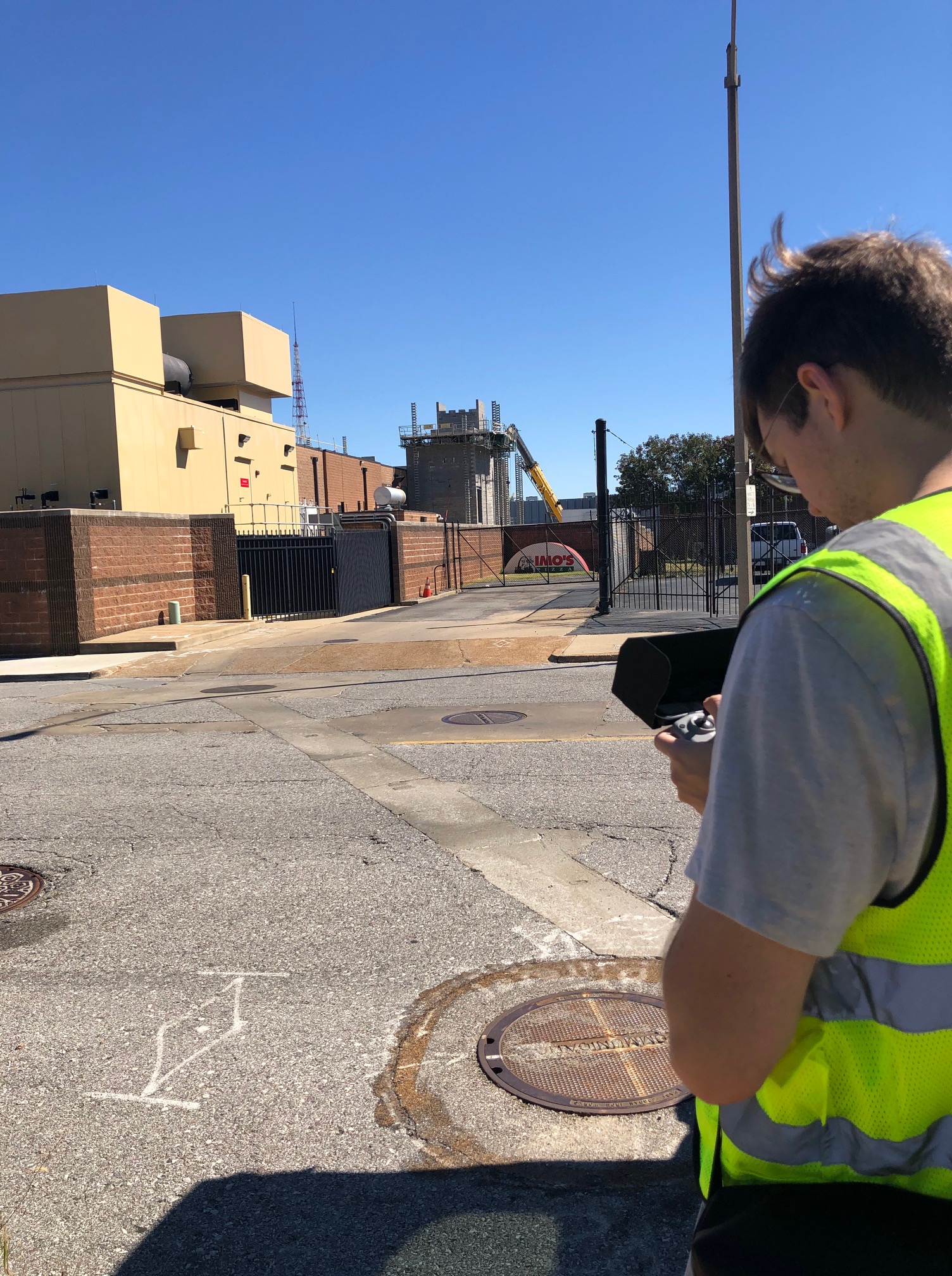

Closing: why St. Louis Video Editing is built for testimonial-driven lead generation

At St. Louis Video Editing, we’ve worked with businesses, marketing firms, and creative agencies in the St. Louis area since 1982, helping teams turn raw footage into high-performing marketing assets that build trust and generate leads.

We’re a full-service professional commercial photography and video production company with the right equipment and creative crew service experience for successful image acquisition. We offer full-service studio and location video and photography, plus editing and post-production, and licensed drone pilots—including the ability to fly specialized drones indoors when your story needs dynamic visuals in tight spaces.

We can customize productions for diverse media requirements, and we specialize in repurposing your photography and video branding so a single testimonial shoot becomes a multi-platform lead system. We’re well-versed in all file types, delivery specs, and media styles, and we use the latest Artificial Intelligence tools across our workflows to speed up versioning, enhance post-production, and help you deploy more content faster—without sacrificing quality.

Our private studio lighting and visual setup is perfect for small productions and interview scenes, with enough space for props and set elements to match your brand. We support every aspect of your production—from setting up a private, custom interview studio to supplying professional sound and camera operators—ensuring your next testimonial project is seamless, efficient, and built to convert attention into action.

If your testimonials are currently “nice to have,” we can help you turn them into a repeatable system that reliably drives service business leads.

314-913-5626

mobuy1@gmail.com

Elevate Your Edits: B-Roll Tricks to Keep Your Videos Engaging

As decision-makers in photography, marketing, and video production for your organizations, you understand that an impactful video is far more than a sequence of static shots. It’s a dynamic, compelling narrative that holds your audience’s attention from the first frame to the last. At the heart of achieving this dynamic quality is the skilled use of B-roll footage.

B-roll—the supplemental or alternative footage intercut with the main shot (often called A-roll, such as an interview)—is your secret weapon against viewer fatigue. But simply having B-roll isn’t enough; the real magic lies in the editing.

Here are advanced B-roll editing tricks and techniques we employ to keep your corporate and marketing videos fresh, professional, and, most importantly, engaging.


✂️ The Art of the Intercut: Beyond the Simple Cover-Up

The fundamental role of B-roll is to cover jump cuts in A-roll interviews or to illustrate a speaker’s point. However, expert editing elevates this function:

  • The Illustrative Beat: Don’t just show what’s being said; show what’s being meant or felt. If an executive is discussing “innovation,” cut to a tight shot of a team collaborating intensely or a product in development, rather than just a generic office shot. Precision in timing is key—the B-roll must land right on the word or phrase it’s illustrating.
  • Action and Reaction: When covering a live event or a case study, intercut shots of the action (A-roll subject doing something) with the reaction (close-up of a team member’s face, a customer smiling). This technique instantly adds an emotional layer and humanizes the narrative.
  • The “L-Cut” and “J-Cut” Mastery: These audio-visual tricks create seamless transitions:
    • L-Cut: The audio from the preceding B-roll clip continues to play under the next A-roll clip.
    • J-Cut: The audio from the upcoming A-roll (interview) clip starts under the current B-roll clip. This subtle overlapping smooths out cuts, making the video flow naturally and feel more cinematic.

🎥 Varied Pacing and Shot Selection for Visual Interest

A sequence of equally long B-roll clips will bore the viewer. Professional editing introduces rhythmic variation:

  • Quick-Cut Sequences: Use a rapid succession of very short (2-3 frame) B-roll clips when you need to convey energy, speed, or a sense of many moving parts (e.g., a bustling factory floor, a fast-paced meeting). This injects dynamic momentum into an otherwise slow-paced interview.
  • The Moment of Focus: Contrast the quick cuts with a strategically placed longer shot—perhaps a beautifully composed slow-motion shot or a steady push-in/pull-out with a gimbal. This serves as a visual palate cleanser and gives the audience a moment to absorb a key visual element.
  • Close-Up Detail (Inserts): Never underestimate the power of a tight close-up on hands working, a product detail, or eyes focusing. These “insert shots” are highly effective B-roll because they draw the viewer in and eliminate visual clutter, focusing their attention on the essence of the message.

✨ Post-Production Polish and AI Enhancement

The right B-roll is often perfected in post-production with tools that ensure consistency and add flair:

  • Color Grading Harmony: Ensure your B-roll clips have a consistent and professional look, even if shot on different cameras or locations. Uniform color grading ties the footage together and reinforces your brand’s visual identity.
  • Motion and Effects: Judicious use of subtle zooms, pans, or tilts (digital manipulation in post) can transform static B-roll into dynamic footage. Furthermore, we leverage the latest in Artificial Intelligence tools to enhance image quality, automate complex tasks like object tracking, and even generate subtle, high-quality effects, allowing us to focus more on the creative narrative.
  • Sound Design Layering: The B-roll is not just a visual tool. Layering in ambient sound (e.g., the subtle hum of machinery, keyboard clicks, light crowd noise) beneath the A-roll audio creates a rich, immersive soundscape that makes the entire production feel more premium and believable.

Partner with St Louis Video Editing and Photography

For decision-makers who demand successful image acquisition and unparalleled video production quality, partnering with an experienced, full-service professional commercial photography and video production company is essential.

Since 1982, St Louis Video Editing and Photography has been a trusted corporation serving businesses, marketing firms, and creative agencies throughout the St. Louis area. We bring the right equipment and a creative crew with decades of service experience to every project.

We offer full-service studio and location video and photography, backed by extensive editing and post-production capabilities. Our specialization extends to licensed drone pilots—including the ability to fly our specialized drones indoors for unique perspectives—and we are well-versed in all file types and media styles.

Our commitment to innovation is shown through our use of the latest in Artificial Intelligence for all our media services, ensuring efficiency and cutting-edge results. Our private studio lighting and visual setup is perfect for small productions, interview scenes, and is large enough to incorporate props to round out your set.

From setting up a private, custom interview studio to supplying professional sound and camera operators, we support every aspect of your production, ensuring your next video is seamless and successful. We also specialize in repurposing your photography and video branding to customize your productions for diverse types of media requirements and gain more traction across all platforms.

Let us put our experience to work to capture and create the compelling visuals your brand deserves.


Would you like to schedule a consultation to discuss how our full-service video and photography capabilities can enhance your current marketing initiatives?

314-913-5626

mobuy1@gmail.com

Clearing the Hurdles: Simple Steps to Engaging Safety Training Videos

As seasoned professionals in commercial photography and video production, we at St Louis Video Editing have witnessed a common challenge for businesses and organizations: transforming essential, often complex, safety information into engaging and memorable training videos. The goal isn’t just to deliver information, but to ensure it’s retained and applied. Too often, safety videos fall into predictable traps, becoming monotonous and ineffective.

Here, we’ll address the common hurdles and offer straightforward solutions to produce safety training clips that truly resonate with your audience.

The Common Hurdles: Why Safety Videos Miss the Mark

  1. Information Overload & “Talking Head” Syndrome: Many safety videos cram too much detail into a single segment, delivered by a static presenter. This quickly leads to cognitive overload and disengagement.
  2. Lack of Visual Interest: Relying heavily on text, bullet points, or generic stock footage fails to capture attention. Safety procedures, by their nature, can be visually rich, yet often aren’t depicted effectively.
  3. Passive Learning Experience: Traditional safety videos treat viewers as passive recipients. Without opportunities for interaction or emotional connection, the information remains theoretical.
  4. Dated Production Quality: Poor lighting, amateurish sound, or low-resolution visuals can undermine the credibility of even the most critical safety messages. If the production looks unprofessional, the message might be perceived similarly.
  5. One-Size-Fits-All Approach: Using the same video for diverse roles or departments ignores specific risks and procedures, making the content less relevant to individual viewers.

Simple Steps to Produce Engaging Safety Training Clips

The good news? Overcoming these hurdles is entirely achievable with a strategic approach to planning and production.

Step 1: Define Your Objective & Audience (The “Why” and “Who”)

Before pressing record, understand the core safety message you need to convey and, crucially, who needs to hear it.

  • Specific Learning Objectives: What precise actions or knowledge do you want viewers to gain? Break down complex topics into digestible, single-objective clips.
  • Target Audience Profile: What are their roles, prior knowledge, and potential pain points regarding this safety topic? Tailor your language and visual examples to resonate with them directly.

Step 2: Storyboard for Engagement, Not Just Information (The “What” and “How”)

Think like a storyteller, not just an instructor. How can you make the safety message relatable and memorable?

  • Scenario-Based Learning: Instead of just stating a rule, show the consequences of not following it (responsibly and without being overly graphic) and the benefits of adherence. Use relatable workplace scenarios.
  • Visual Dominance: Prioritize showing over telling. Demonstrate proper techniques, equipment usage, and emergency procedures clearly.
  • Keep it Concise: Break down long safety manuals into short, focused video modules (e.g., 2-5 minutes per topic). This makes content easier to digest and reference.
  • Introduce Characters (Even Simple Ones): A consistent, relatable “safety champion” character (could be an animated icon or a real employee) can guide viewers through different scenarios.

314-913-5626

mobuy1@gmail.com

The B-Roll Shortcut: Simple Editing Moves That Instantly Lift Your Video

Decision-makers love efficiency: faster turnarounds, cleaner stories, measurable results. That’s exactly where B-roll shines. With a smart approach to B-roll editing, you can raise perceived production value, fix continuity, reinforce brand, and squeeze more life from every shoot—without ballooning budgets.

Below is a practical, no-jargon playbook we use at St Louis Video Editing to help clients get better outcomes from the footage they already have.


What B-Roll Actually Does (and why it matters to ROI)

B-roll is working footage. It:

  • Bridges jump cuts and tightens pacing, so messages land faster.
  • Illustrates what the speaker says—improving comprehension and retention.
  • Brands the story with consistent visuals, color, typography, and motion.
  • Fixes continuity gaffes (um’s, stumbles, off-axis eyelines) invisibly.
  • Extends campaign life by repurposing into social cuts, reels, and paid placements.

Bottom line: thoughtful B-roll editing reduces reshoots, shortens approvals, and stretches your media budget across channels.


Pre-Edit: Give Yourself Easy Wins

1) Build a B-roll map from the transcript

  • Highlight claims and benefits in the interview transcript.
  • For each, jot one visual that proves it. (Product in use, customer interaction, screen demo, process step.)
  • Mark “must-cover” words (numbers, outcomes, locations). These get A-priority B-roll.

2) Organize like a pro

  • Foldering: Project/Camera/Date/Scene/Take
  • Naming: BR_ProductUsage_Warehouse_001.mov
  • Metadata: star ratings + color labels for “brand-safe,” “faces,” “logos,” “motion.”

This 15-minute setup saves hours of hunting later.


Five Easy Editing Moves That 10x Perceived Quality

  1. J/L Cuts with Purpose
    Start the interview audio, then reveal the speaker a second later under relevant B-roll. Or hold the speaker shot while we hear the next line over cutaway imagery. This keeps momentum while preserving authenticity.
  2. The Three-Beat Proof
    For every claim, run three quick B-roll beats:
  • Wide (context), Medium (action), Tight (detail).
    Cut each at 1.0–1.75 seconds to feel energetic without chaos.
  1. Motivated Speed Ramps
    Ramp into or out of movement (forklifts, assembly lines, map pins) to sync with a music rise. Keep ramps subtle: 100% → 250% → 100% across ~12–18 frames for polish without gimmickry.
  2. Directional Match Cuts
    Cut motion left-to-right into left-to-right, or up into up. The eye glides, the story feels “expensive.” Great for factory tours, software flows, or service handoffs.
  3. Cut on Action, Not on Silence
    Enter B-roll on verbs (“deploy,” “inspect,” “deliver”) or gestures (hand-off, door open). It feels intentional and keeps viewers engaged through information-dense moments.

Color, Texture, and Brand: Fast Consistency

  • One LUT, Three Adjustments: apply a base look, then only tweak exposure, white balance, and contrast per shot.
  • Brand Accent Layer: a subtle vignette, branded lower third, or a soft blur background behind supers to unify mixed sources.
  • Skin-tone priority: protect faces first; adjust backgrounds second.

Sound: Where “Easy” Becomes “Elite”

  • Room tone under everything. Grab 10–20 seconds from each location and bed it quietly (-36 to -42 LUFS) beneath B-roll so cuts disappear.
  • SFX sweeteners: one light whoosh for every motivated transition; subtle machinery hums or keyboard clicks to sell environment.
  • Music phrasing: place B-roll transitions on bar lines or downbeats. If you can’t hear the bar line, look for waveform peaks and repeat motifs.

Graphics That Don’t Scream “Template”

  • Micro-maps & labels: quick animated arrows or pins to show geography, routing, or workflow.
  • Count-ups: animate metrics from 0 → value as B-roll rolls (duration 0.6–1.2s).
  • Icon overlays: 24–32px simple icons placed near action, not dead center.
    Keep it under 10% of screen real estate; let the footage sell the story.

Three Repeatable B-Roll Sequences (Steal These)

  1. “How It Works” in 12 Seconds
    Wide process → Medium operator → Tight result → Metric count-up → Customer reaction.
    Use for onboarding, product explainer, SOPs.
  2. “Customer Value” in 10 Seconds
    Exterior sign → Door in → Staff interaction → Product in use → Customer nod/smile.
    Perfect for testimonials and case studies.
  3. “Before/After” in 8 Seconds
    Static “before” → Quick masked wipe following a real object → Dynamic “after” with motion.
    Great for facilities, remodels, dashboards, and service outcomes.

AI Helpers That Actually Save Time

  • Transcript alignment & paper edits: auto-sync audio to text; delete lines in the transcript to cut the timeline instantly.
  • Smart search: find every shot containing a logo, forklift, or specific product via computer vision tags.
  • Automatic noise reduction & de-reverb: clean problematic interview audio so B-roll can safely cover aggressive edits.
  • Face and color matching: stabilize skin tones across mixed cameras.

(We pair these with human oversight; AI trims the grunt work—creatives make the choices.)


Social & Paid: Repurpose Without Re-editing from Scratch

  • Master first, social second. Lock the 16:9 master, then auto-reframe to 9:16 and 1:1.
  • B-roll-first opens: for shorts, lead with action before the speaker. Hook in the first 2–3 seconds.
  • Silent-play compliance: big, branded captions; B-roll that still “reads” with no audio.

Quality Control: A 6-Minute Final Pass

  1. Continuity: no repeated B-roll back-to-back unless time-shifted or reframed.
  2. Focus & micro-jitter: 100% zoom scan for soft focus in tight product shots; apply warp-stabilizer sparingly.
  3. Brand check: fonts, colors, logo safe area, legal lines.
  4. Audio meters: dialogue peaks ~-6 dBFS; music rides ~-18 to -14 under VO; no clipped whooshes.
  5. Captions: spellings of names/titles; spot-check punctuation on 3 random sections.
  6. Export presets: ProRes master + H.264 web + platform-optimized socials (bitrate caps and loudness targets).

Easy B-Roll Editing: A 30-Minute “Salvage” Workflow

When you must turn a rough interview into a polished cut—fast:

  1. Paper edit (7 min): remove dead air and tangents from the transcript.
  2. Anchor B-roll (8 min): cover each approved sentence with one clip from your “A-priority” bin.
  3. Polish (10 min): apply the three-beat proof to top claims, add two speed ramps, one directional match cut.
  4. Sound (3 min): room tone under all, music aligned to key transitions, one whoosh per motivated move.
  5. QC (2 min): continuity, meters, brand, export.

You’ll be shocked how far this gets you, even with limited footage.


Common Pitfalls (and the easy fix)

  • Problem: B-roll looks random.
    Fix: tie every clip to a verb or noun in the line it covers.
  • Problem: Cuts feel “YouTubey.”
    Fix: replace jump cuts with J/L cuts and cut on action with sound cues.
  • Problem: Mixed camera looks.
    Fix: one show LUT; prioritize skin-tone match; gently vignette to unify.
  • Problem: Social crops destroy composition.
    Fix: protect the center third during the master; place titles above/below “safe” zones.

What Decision-Makers Should Ask in Post

  • Which messages were hardest to illustrate—and what B-roll do we need next time?
  • Which three B-roll sequences are now reusable across campaigns?
  • How much time did AI save vs. human effort—and where should we reinvest those minutes (sound design, color, motion)?

Ready to Make “Good Enough” Footage Look Great?

B-roll editing is the fastest lever you can pull to improve quality without reshooting. With a repeatable approach—clean organization, purposeful cuts, consistent color, and light sound design—you’ll get cleaner stories, faster approvals, and more assets for the same spend.


About St Louis Video Editing

St Louis Video Editing is a full-service professional commercial photography and video production company with the right equipment and creative crew experience for successful image acquisition. We offer full-service studio and location video and photography, as well as editing, post-production, and licensed drone pilots. St Louis Video Editing can customize your productions for diverse media requirements and repurpose your photography and video branding to gain more traction. We are well-versed in all file types, media styles, and accompanying software, and we use the latest in Artificial Intelligence across our media services to speed workflows and enhance quality. Our private studio lighting and visual setup is perfect for small productions and interview scenes, and our studio is large enough to incorporate props to round out your set. We support every aspect of your production—from setting up a private, custom interview studio to supplying professional sound and camera operators, as well as providing the right equipment—ensuring your next video production is seamless and successful. We can even fly our specialized drones indoors. As a full-service video and photography production corporation since 1982, we’ve partnered with businesses, marketing firms, and creative agencies throughout the St. Louis area to deliver results-driven marketing photography and video.

314-913-5626

mobuy1@gmail.com

Get More from Your Footage: Pro Editing Tactics That Cut Post-Production Time in Half

Video editing is where storytelling is shaped, brand identity comes to life, and messaging is fine-tuned for your audience. But as any business or agency that works with raw footage knows—editing can quickly become a bottleneck. Long timelines, endless revisions, and inefficient asset management all eat away at your budget and delay your campaign.

As professional editors, we’ve seen firsthand how smart planning and streamlined workflows can dramatically reduce time in the edit suite—without compromising on quality. Here are our top strategies to help your team or your creative partner cut editing time in half and maximize the impact of every minute of captured footage.


1. Start with the End in Mind

Before you even roll the first frame, be clear on your final deliverables. Will you need:

  • Horizontal and vertical versions?
  • A main cut plus 30-second social clips?
  • Separate language versions or captioned edits?

Knowing this upfront informs everything from how interviews are framed to how B-roll is shot, ensuring footage is optimized from the outset.


2. Log and Label During the Shoot

It’s tempting to wait until post-production to organize footage. But on-set metadata and shot logging can save hours (or days) in editing. Simple time-stamped notes on key takes, b-roll categories, and standout soundbites allow editors to quickly find what matters instead of scrubbing endlessly through a sea of footage.


3. Use Scripts and Selects to Guide the Edit

Providing a pre-approved script or a marked-up transcript of interviews helps editors zero in on the right story arc from the beginning. Highlight the strongest quotes or customer testimonials, and your editor can skip guesswork and focus on stitching together a tight narrative fast.


4. Standardize Graphics and Brand Assets

If you’re planning to reuse lower-thirds, logo animations, or branded intros/outros, make sure they’re provided upfront in editable, high-res formats. A consistent visual identity not only saves design time—it reinforces brand recognition across all deliverables.


5. Leverage Proxy Editing and Cloud Collaboration

For teams with multiple stakeholders, editing with proxy files (lightweight versions of the original footage) enables faster rendering and smoother editing on modest systems. Combine this with cloud-based review tools, and you can collect feedback in real-time—keeping revisions organized and reducing back-and-forth emails.


6. Edit with AI-Enhanced Tools

Modern editing platforms now feature artificial intelligence that assists with tasks like:

  • Automatic transcription and subtitling
  • Sound normalization and noise removal
  • Intelligent b-roll suggestions based on dialogue

These tools can dramatically speed up repetitive, technical processes and free up more time for creative decision-making.


7. Work with Editors Who Know Your Market

A seasoned editing team doesn’t just cut footage—they understand your industry, your voice, and your goals. Working with a partner who’s been around the block means fewer revisions, smarter storytelling, and content that speaks directly to your audience.


Why Businesses Choose St Louis Video Editing

At St Louis Video Editing, we bring decades of hands-on experience to every project and understand that speed should never come at the cost of storytelling. As a full-service professional commercial photography and video production company, we support businesses, marketing firms, and creative agencies across the St. Louis region with a full range of services—from acquisition to delivery.

We offer full-service studio and location video and photography, along with industry-leading editing, post-production, and licensed drone pilots. We specialize in repurposing photography and video branding for multi-channel campaigns—maximizing value and minimizing turnaround time.

Our team is well-versed in all file types, video formats, and the latest AI-powered editing tools. We maintain an adaptable workflow for various media requirements, from long-form interviews to fast-paced social content. Whether it’s a branded sizzle reel, a polished testimonial, or a targeted social clip—we deliver clean, engaging edits fast.

Our private studio is built for flexibility: perfect lighting setups, space for creative props, and an environment tailored for controlled interviews or on-the-fly production. We can also fly specialized drones indoors, expanding your visual possibilities.

Since 1982, St Louis Video Editing has helped shape compelling stories for countless companies in the St. Louis region. If you’re looking for a trusted editing partner that delivers both speed and excellence, we’re ready to help.

St Louis Video Editing—where your footage becomes your most powerful marketing asset.

314-913-5626

mobuy1@gmail.com

Getting the Best Ground and Drone Shots Together: A Strategic Guide to Visual Storytelling

In today’s fast-paced visual media landscape, combining ground and drone footage is no longer just a luxury—it’s a competitive advantage. When done right, the interplay between aerial and ground-level shots creates depth, scale, and emotional engagement that static visuals alone cannot achieve. Whether you’re producing a brand video, a commercial, or a marketing campaign for a product or service, integrating these two perspectives ensures a more dynamic and immersive story.

At St Louis Video Editing, we understand the technical and creative nuances that go into blending ground and drone footage. In this post, we’ll walk you through the essentials of capturing cohesive visuals from both the sky and the ground—and how thoughtful planning and editing elevate your project.


1. The Power of Perspective

Ground shots give intimacy, texture, and direct storytelling—ideal for interviews, close-up product shots, and detailed walkthroughs. Drone shots, on the other hand, reveal context, scale, and movement. When combined, they work together to:

  • Highlight both the macro and micro elements of your story
  • Establish a location, then dive into specific details
  • Transition between scenes with smooth and professional pacing

The contrast between these vantage points helps your audience experience a story both emotionally and spatially.


2. Planning for Cohesion Before Shooting

To achieve seamless integration of drone and ground footage, it’s crucial to plan for:

  • Shot continuity: Matching camera movement, frame rates, and lighting styles helps maintain a consistent feel.
  • Purposeful transitions: Drone shots shouldn’t just be pretty visuals—they should serve a function: an establishing shot, a reveal, or a dynamic scene transition.
  • Location logistics: Ensuring the drone and ground crews aren’t in each other’s shots (unless intended) saves time in post-production.

A coordinated storyboard or shot list is key. At St Louis Video Editing, our producers work with clients beforehand to design these visual blueprints.


3. Equipment and Camera Matching

Matching cameras—or at least matching color profiles and resolution settings—is critical to maintaining consistency between ground and aerial footage. Our team uses professional-grade camera systems that are either matched or calibrated in post.

Key equipment considerations:

  • Gimbals for smooth motion on the ground
  • Stabilized drones for cinematic flight footage
  • Lens selection to keep visual continuity between shots

We also monitor weather and lighting conditions to optimize visual consistency across shots.


4. The Art of Editing Ground and Drone Together

The magic often happens in post. The editing process involves:

  • Color grading to unify tone and atmosphere
  • Motion matching so aerial fly-ins and ground pans blend seamlessly
  • Audio design that syncs location ambiance and background music with changing perspectives

We employ the latest AI-assisted editing tools to enhance footage without losing its authenticity, allowing for efficient workflows while maintaining high creative standards.


5. Creative Ways to Use Ground + Drone Footage

  • Construction updates: Drone shots show scale and progress, ground footage captures specific milestones.
  • Real estate marketing: Aerial views show property layout and surroundings, while interior walkthroughs build buyer interest.
  • Brand documentaries: Start with an aerial view of your facility or event and dive into employee stories or customer experiences.
  • Corporate testimonials: Pair a ground-level interview with a dynamic drone B-roll of the business in action.

Trust St Louis Video Editing with Your Ground and Drone Integration

With decades of experience capturing and editing compelling visuals, St Louis Video Editing is your trusted partner for cohesive ground and aerial productions. We are a full-service professional commercial photography and video production company, offering everything from custom studio interview setups to FAA-licensed drone pilots who can even fly indoors.

We support every step of your production—from location scouting to color grading—ensuring your message is clear, compelling, and ready for any media platform. Our experienced team uses the latest AI-powered editing software, industry-standard equipment, and creative vision to tailor every project to your brand’s unique voice.

Whether you’re building a campaign from scratch or refreshing your visual content, St Louis Video Editing specializes in repurposing your photography and video branding to help you gain more traction in a saturated market.

Let us help you capture your business from every angle—literally.


Since 1982, we’ve worked with businesses, marketing firms, and creative agencies across the St. Louis area. Our studio is outfitted with customizable sets, private lighting setups, and plenty of space to build out your vision. When you’re ready to integrate ground and drone shots into a high-impact marketing tool, give St Louis Video Editing a call.

Let’s create something that takes your message to new heights.

314-913-5626

mobuy1@gmail.com