Tag Archives: technology

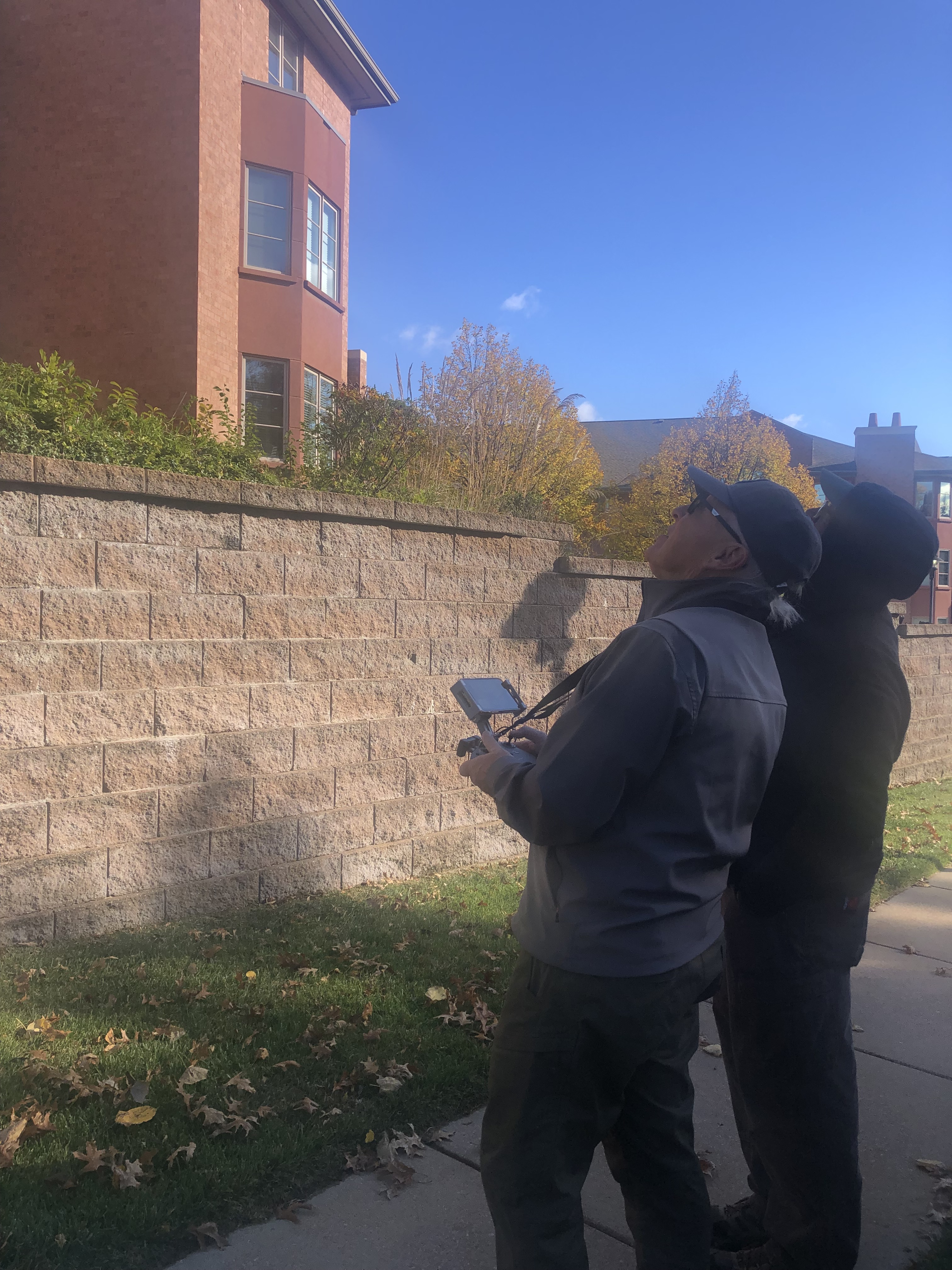
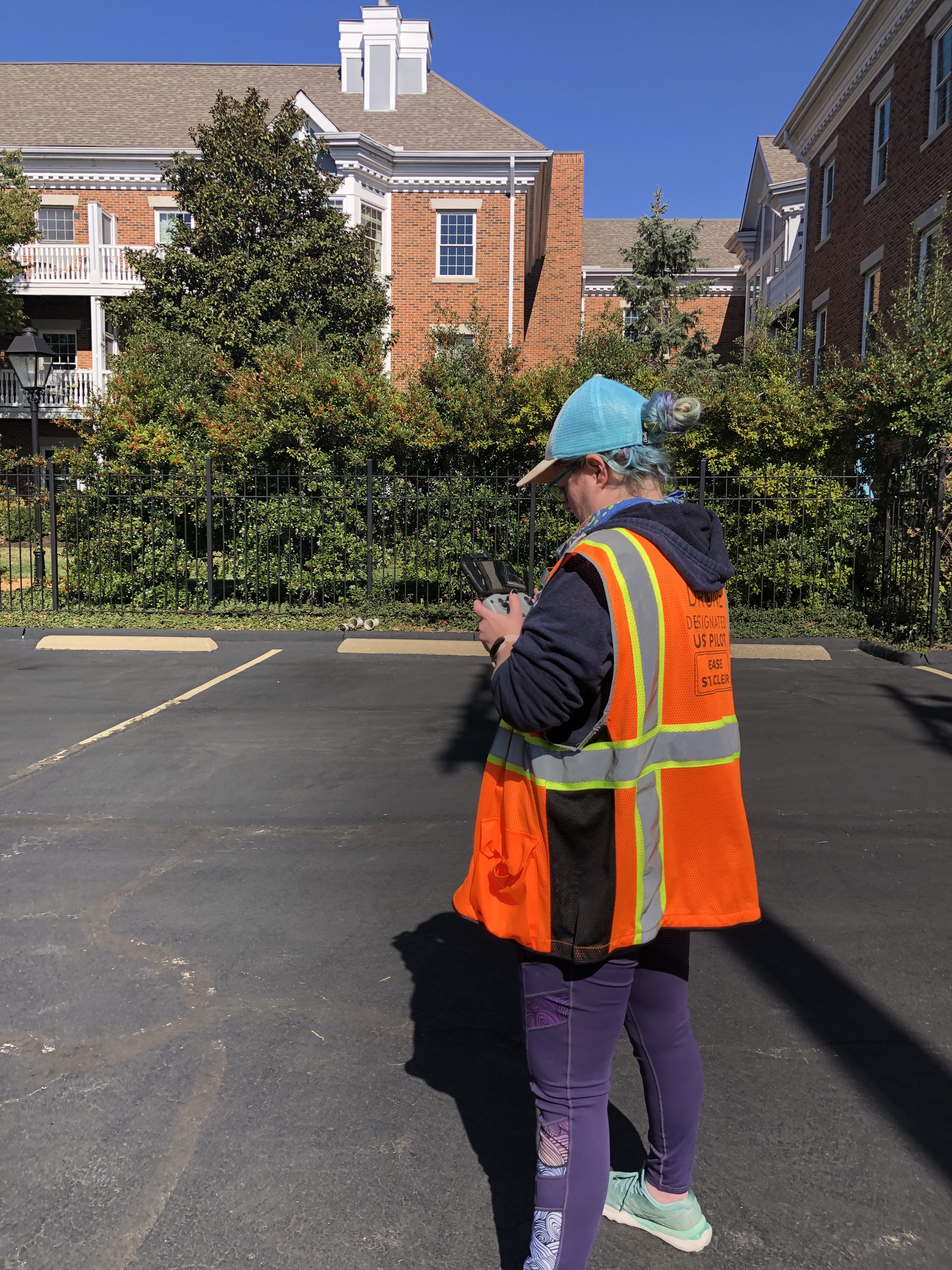
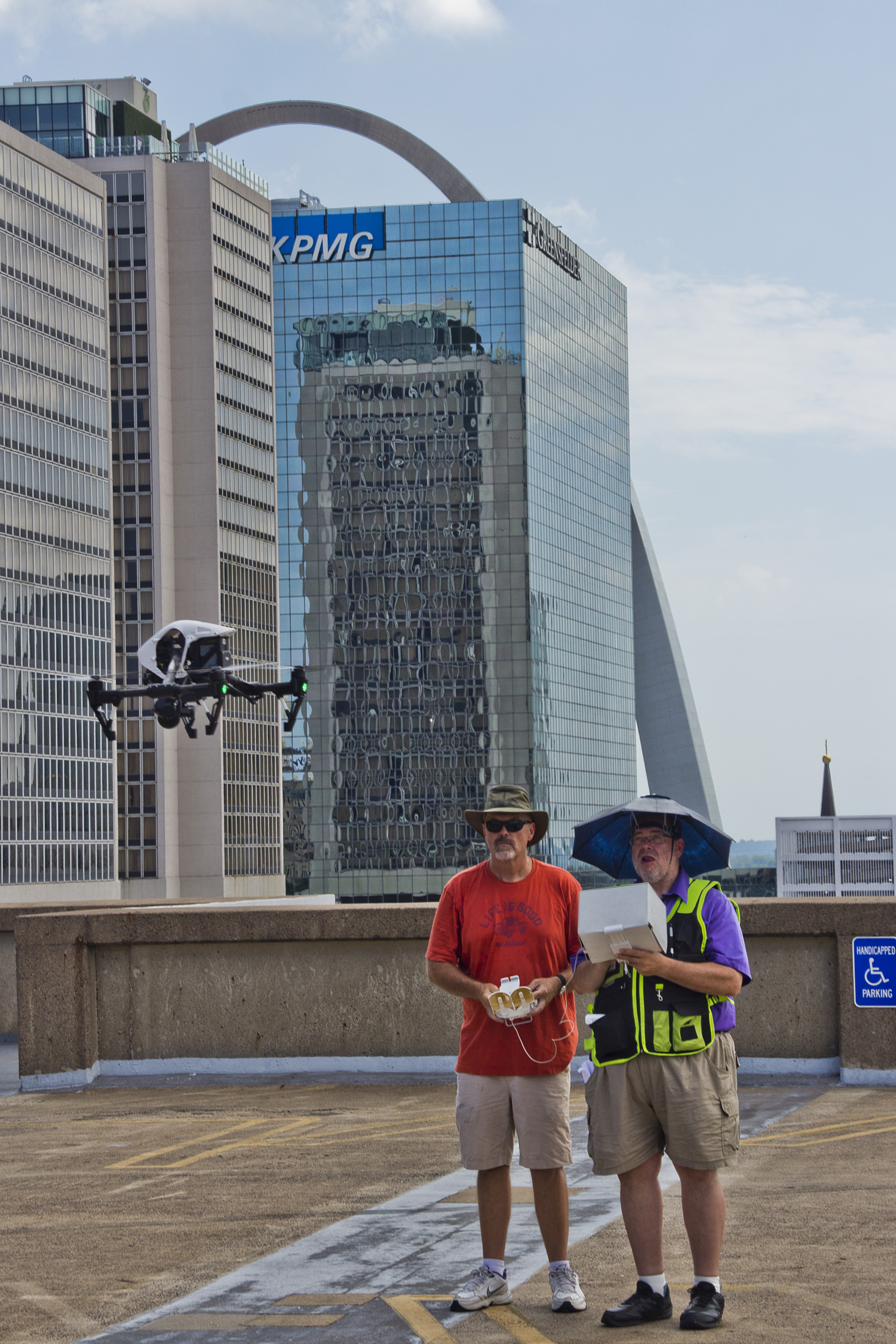
Licensed, Insured, Experienced Drone Pilots for Simple and Advanced Aerial Projects

Why Credentials, Coverage, and Craft Matter When Your Brand Takes Flight


When a business or marketing team decides to incorporate aerial imagery into a campaign, the conversation often starts with the visual — the sweeping establishing shot, the dramatic overhead reveal, the kinetic FPV flythrough that makes a viewer lean forward in their seat. That instinct is right. Aerial content is among the most arresting imagery available to modern commercial productions.

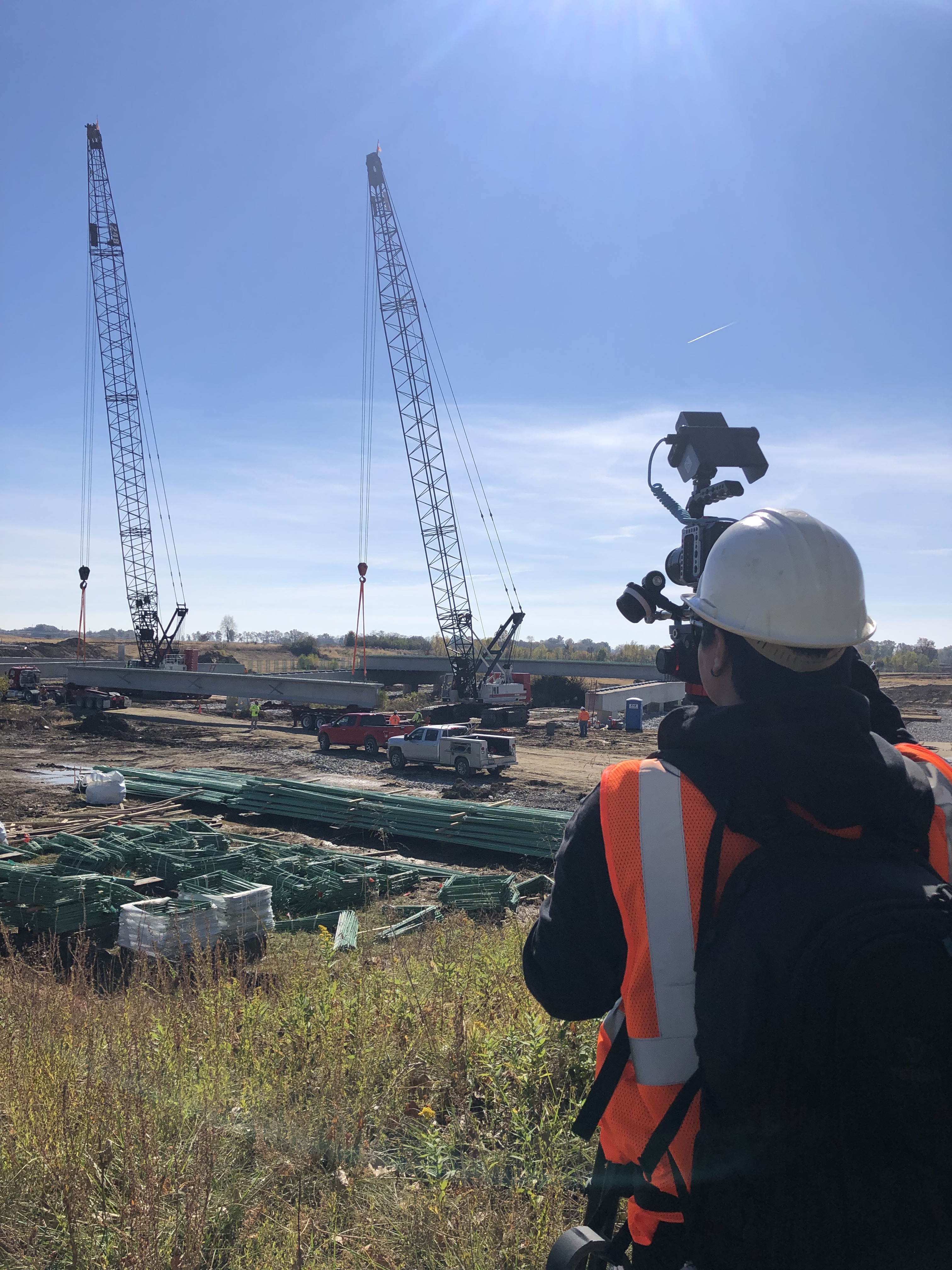
But before a single frame is captured, before the motors spin and the aircraft lifts, there is a set of professional imperatives that separates a responsible aerial production partner from a hobbyist with a drone and ambition. Those imperatives are licensure, insurance, and demonstrable experience. For any decision maker evaluating aerial services for their organization, understanding what those credentials actually mean — and why they matter to your production, your liability, and your final deliverable — is essential knowledge.


The FAA Part 107 Certificate: What It Means and Why It’s Non-Negotiable

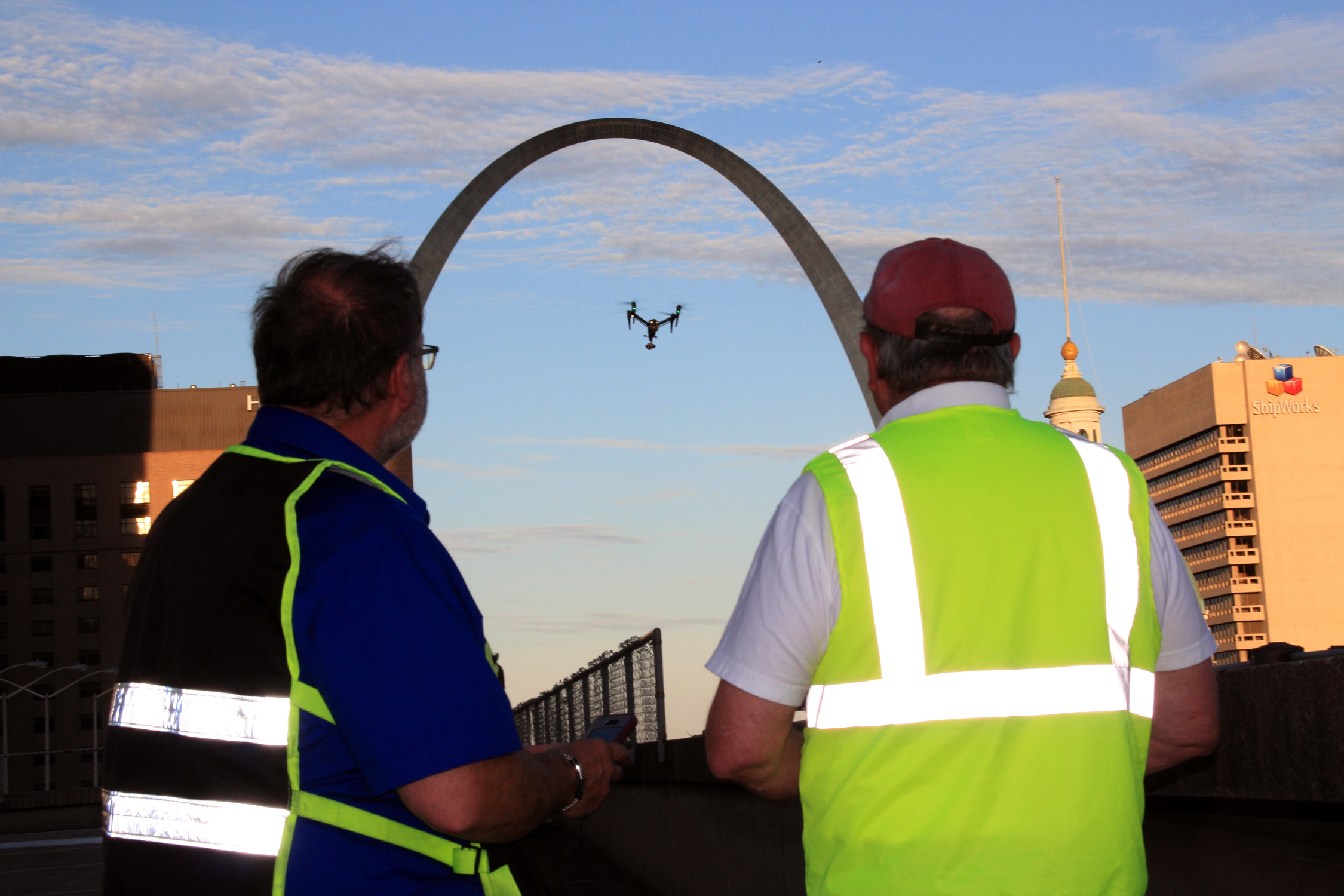
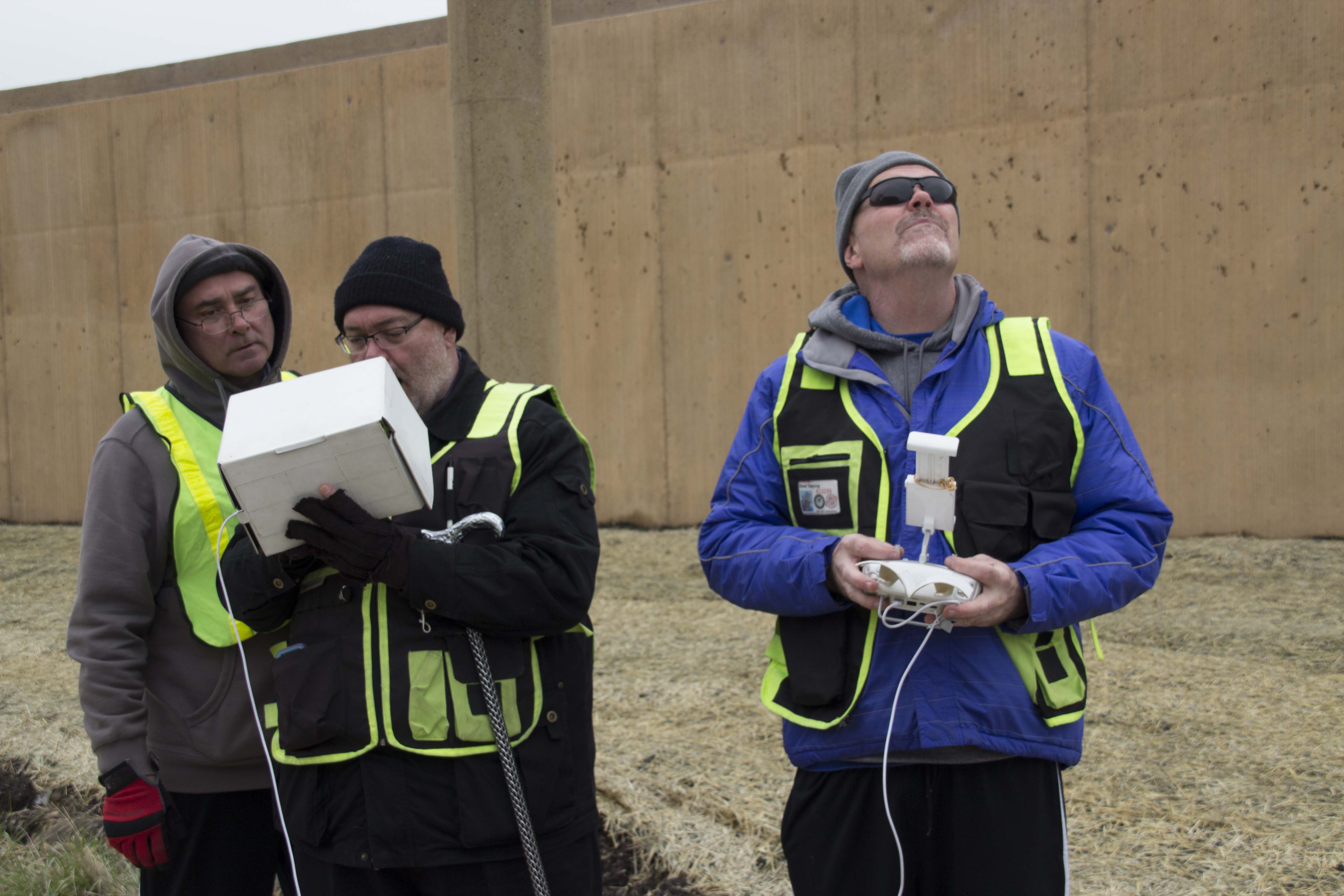
Commercial drone operations in the United States are regulated by the Federal Aviation Administration under Part 107 of the Federal Aviation Regulations. Any individual or company operating an unmanned aircraft system (UAS) for commercial purposes — meaning any flight in exchange for compensation, or any flight that produces content used for a commercial purpose — is legally required to hold a Part 107 Remote Pilot Certificate.
This is not a formality. It is a federal legal requirement.

The Part 107 certification process requires pilots to pass a comprehensive aeronautical knowledge examination covering airspace classification, weather interpretation, flight operations, emergency procedures, radio communication protocols, and FAA regulations. Certified pilots must also maintain currency, passing a recurrent knowledge test every two years to ensure their understanding of evolving airspace rules and regulatory updates.

When you contract with a licensed commercial drone operator, you are engaging a professional who has demonstrated competency in the operational and regulatory knowledge required to conduct safe, legal, compliant aerial work. When you contract with an unlicensed operator — regardless of how impressive their reel looks — you are potentially exposing your organization to legal liability, unusable footage, and FAA enforcement action.

Ask the question before you sign anything: Is your operation Part 107 certified? If the answer is anything other than an immediate and documented yes, walk away.
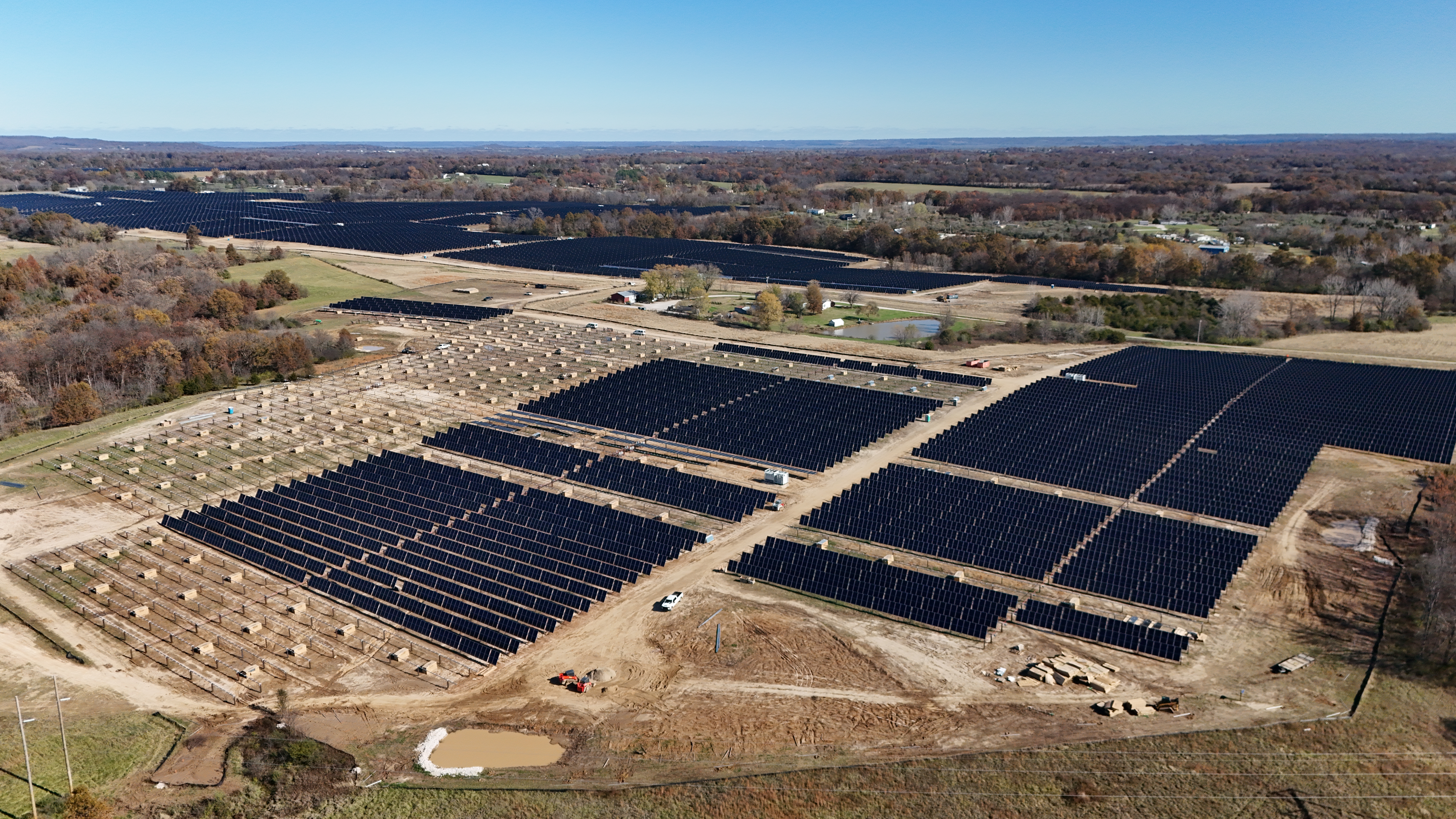
Insurance: Protecting Your Organization, Not Just the Operator

Drone insurance in commercial production contexts comes in two primary forms: hull coverage, which protects the aircraft and equipment against damage or loss, and liability coverage, which protects against property damage or bodily injury resulting from drone operations.

For your purposes as a business decision maker, liability coverage is the figure that deserves your closest attention. Commercial drone liability policies typically carry coverage limits ranging from $1 million to $10 million per occurrence. For productions occurring on private property, at events, near structures, or in proximity to people, adequate liability coverage is not optional — it is the minimum standard of professional conduct.
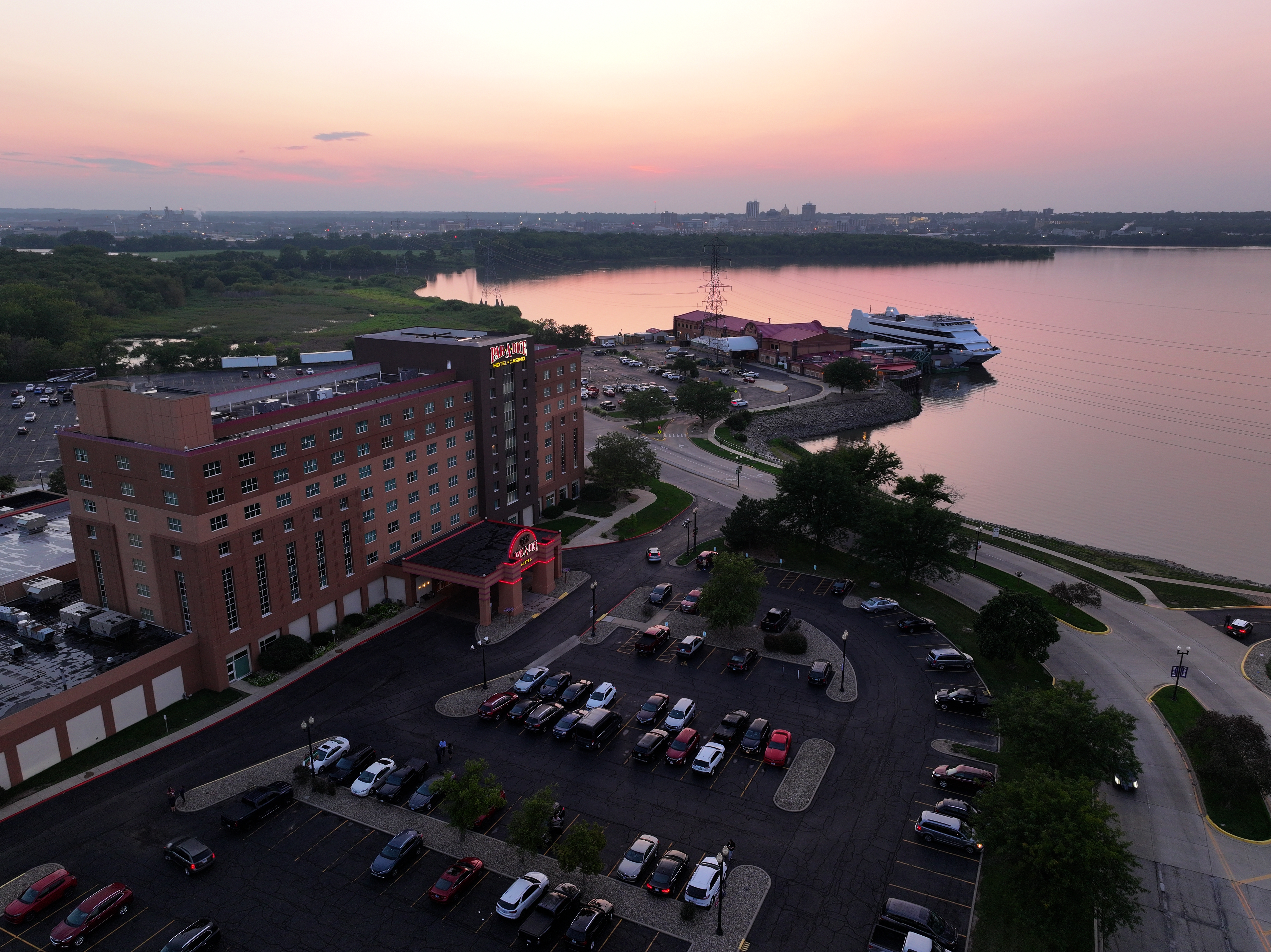
Consider what is at stake. A drone malfunction during a rooftop shoot, a flyover near a public space, an interior FPV flight through a warehouse or venue — any of these scenarios carries real risk. If your production partner does not carry proper liability insurance and an incident occurs, the exposure does not stop with the drone operator. It can extend to your organization, your client, or the property owner who granted access.

Always request a certificate of insurance prior to any aerial production engagement. Verify the coverage limits are appropriate for your production environment. A credentialed commercial drone production company will provide this documentation as a standard matter of course.
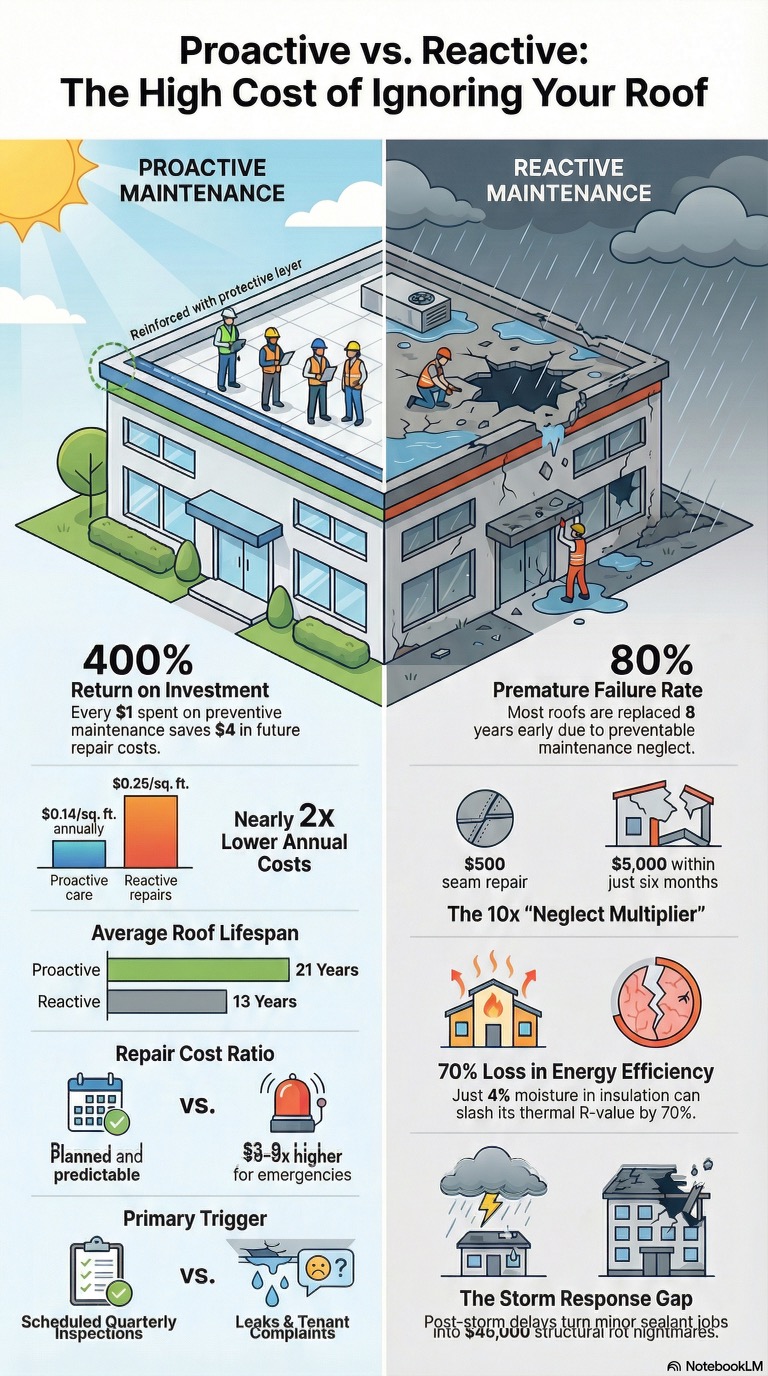

Experience: The Variable That Determines Everything Else

Licensure and insurance establish the legal and financial foundation for responsible aerial work. Experience is what determines whether your production actually succeeds.

Commercial aerial production is a discipline with considerable technical and creative depth. The operational variables that influence image quality, flight safety, and production efficiency are numerous: wind speed and directional variation, thermal activity, magnetic interference in urban environments, GPS signal reliability, airspace proximity to airports and restricted zones, battery performance in cold or high-humidity conditions, and the structural behavior of aircraft under different loading conditions.

An experienced commercial drone pilot reads these variables before and during every flight. They conduct thorough pre-flight site assessments, file appropriate airspace authorizations when required — including LAANC (Low Altitude Authorization and Notification Capability) approvals for controlled airspace — and maintain situational awareness that accounts for both planned operations and contingencies.

On the creative side, experienced aerial cinematographers understand how to translate a production brief into a flight plan. They know the difference between a gentle orbit that establishes scale and context, a low-altitude tracking shot that conveys energy and movement, and a high-altitude nadir shot that reveals site geography. They understand how focal length choices on gimbal-stabilized cameras interact with altitude and speed to produce different visual textures. They can execute repeatable, programmable flight paths for productions that require consistency across multiple takes or shooting days.

This is not knowledge that accumulates in an afternoon. It is built across hundreds of flight hours, dozens of production environments, and years of iterative refinement.


Simple Aerial Projects: Efficiency Without Compromise

Not every aerial production requirement is complex. Real estate overviews, facility establishing shots, construction progress documentation, and event coverage from elevated vantage points are common, relatively straightforward aerial assignments. The key word is relatively — even operationally simple aerial work requires licensed pilots, appropriate insurance, a calibrated aircraft, and proper pre-flight planning.

For these projects, a professional aerial production partner brings efficiency and reliability. A site assessment is conducted. Airspace is checked and cleared. The flight plan is structured to capture the required coverage in the minimum time necessary. Footage is reviewed, color-graded, and delivered in the formats and specifications your workflow requires.

Simple does not mean careless. It means streamlined professional execution.

Advanced Aerial Projects: Where Specialization Becomes Critical

Advanced aerial production encompasses a range of specialized capabilities that require not just piloting skill, but domain-specific equipment, software expertise, and technical knowledge that extends well beyond standard cinematography.

FPV (First-Person View) Drone Operations

FPV drones represent a distinct discipline within aerial production. These aircraft — typically smaller, highly maneuverable, and operated via first-person video feed through specialized goggles — are capable of flight profiles that conventional camera drones cannot achieve. Low-altitude gap shots through architectural features, high-speed dynamic tracking sequences, interior flights through confined spaces, and immersive through-the-air perspectives are characteristic FPV capabilities.

FPV piloting is a skill set developed over substantial practice time. The spatial awareness required to navigate a high-speed aircraft through complex three-dimensional environments in real time — without the benefit of third-person visual reference — demands a level of hand-eye coordination and anticipatory thinking that separates capable FPV operators from the rest of the field.

Notably, FPV drones can also be operated indoors, opening up production possibilities within warehouses, manufacturing facilities, event venues, arenas, and architectural interiors that conventional production methods cannot access. The result is imagery with a kinetic quality and sense of spatial immersion that is simply unavailable from any other production approach.

Infrared Thermal Imaging

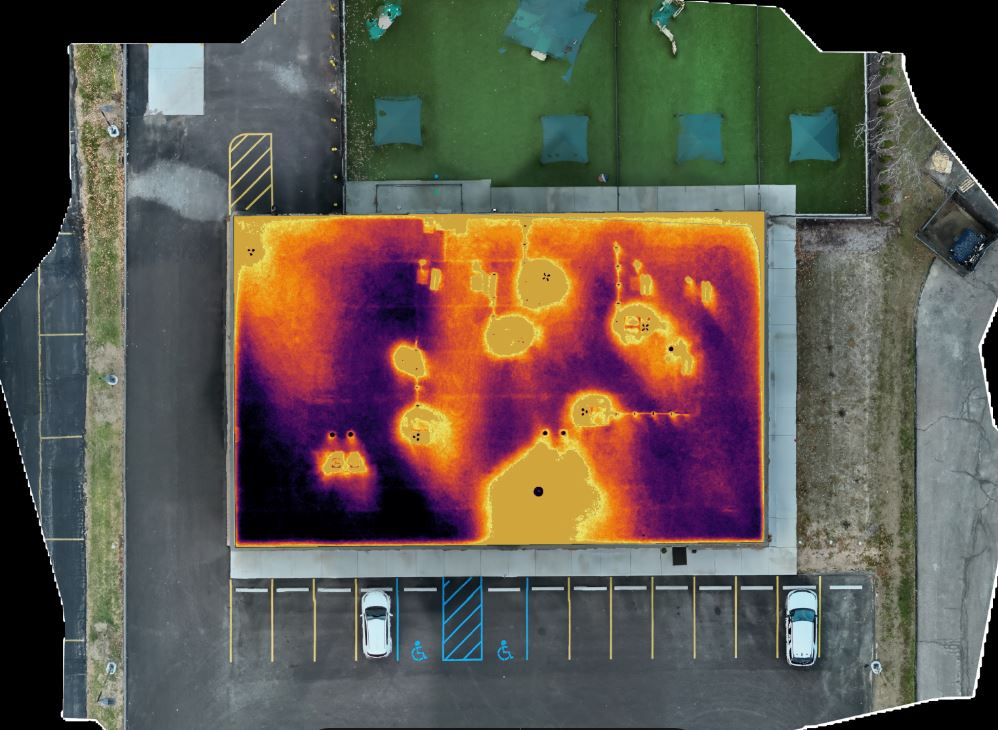
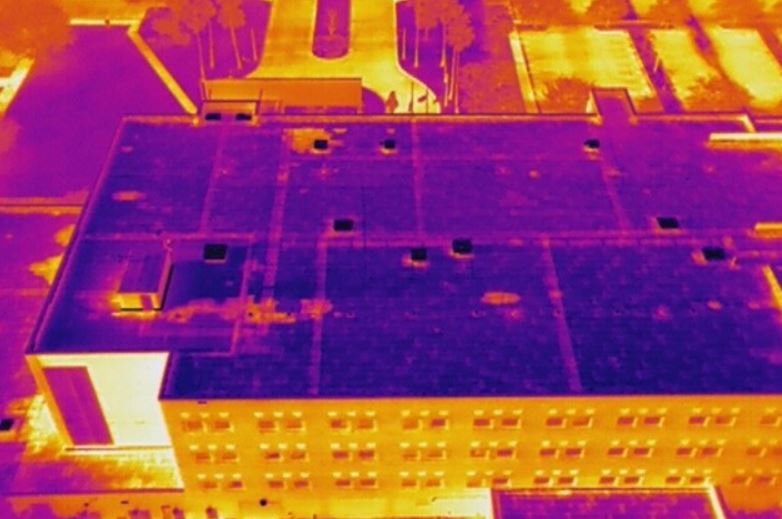
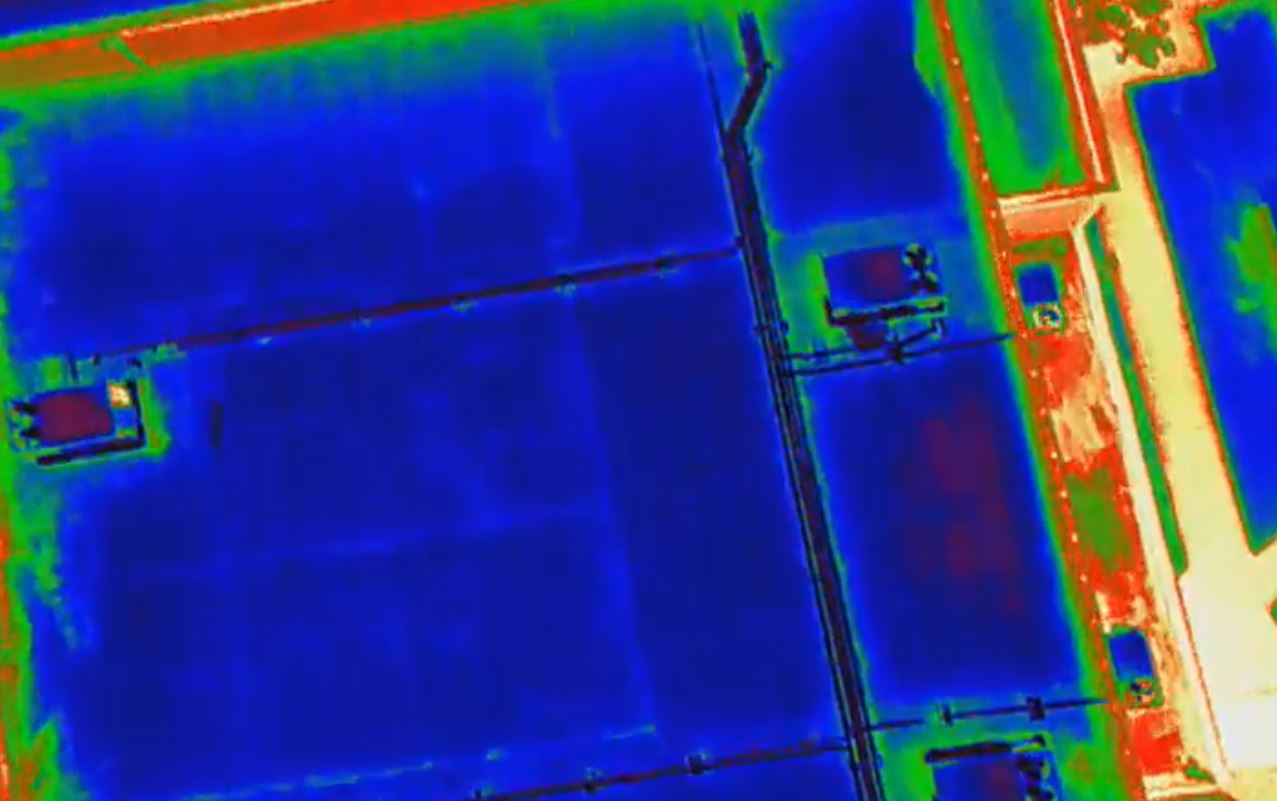
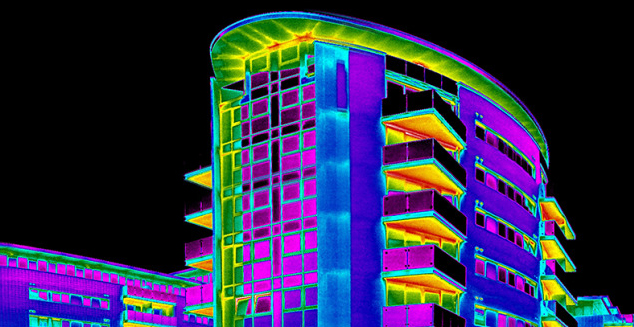
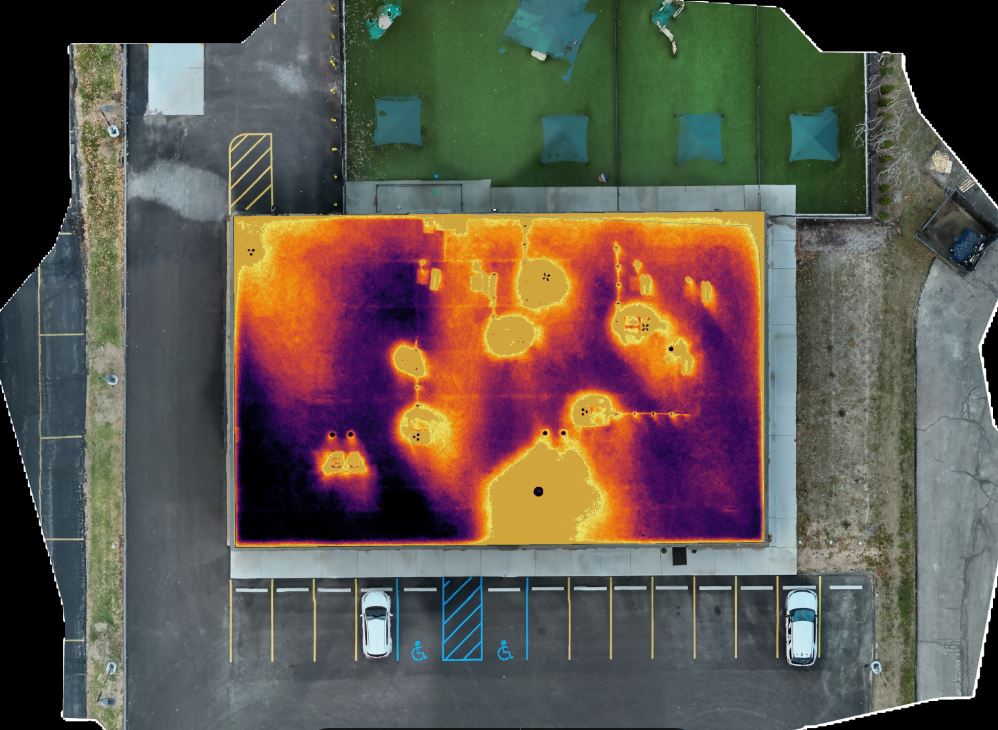
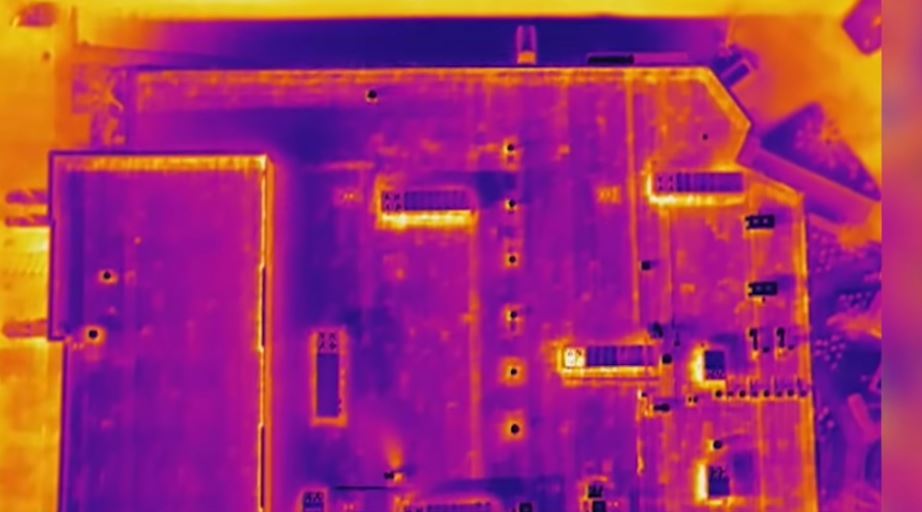
Thermal drone operations mount radiometric infrared cameras on UAV platforms to capture heat signature data invisible to the human eye and conventional camera systems. This capability has extensive commercial and industrial applications: building envelope inspections to identify insulation failures and moisture infiltration, electrical infrastructure surveys to detect hot spots in panels and transmission lines, solar array inspections to identify underperforming panels, and HVAC system diagnostics.

For organizations involved in facilities management, construction, energy, agriculture, or infrastructure, thermal drone surveys offer a level of diagnostic precision that ground-based inspection methods cannot match, at a fraction of the time and cost of traditional assessment approaches.
Orthomosaics and Photogrammetry

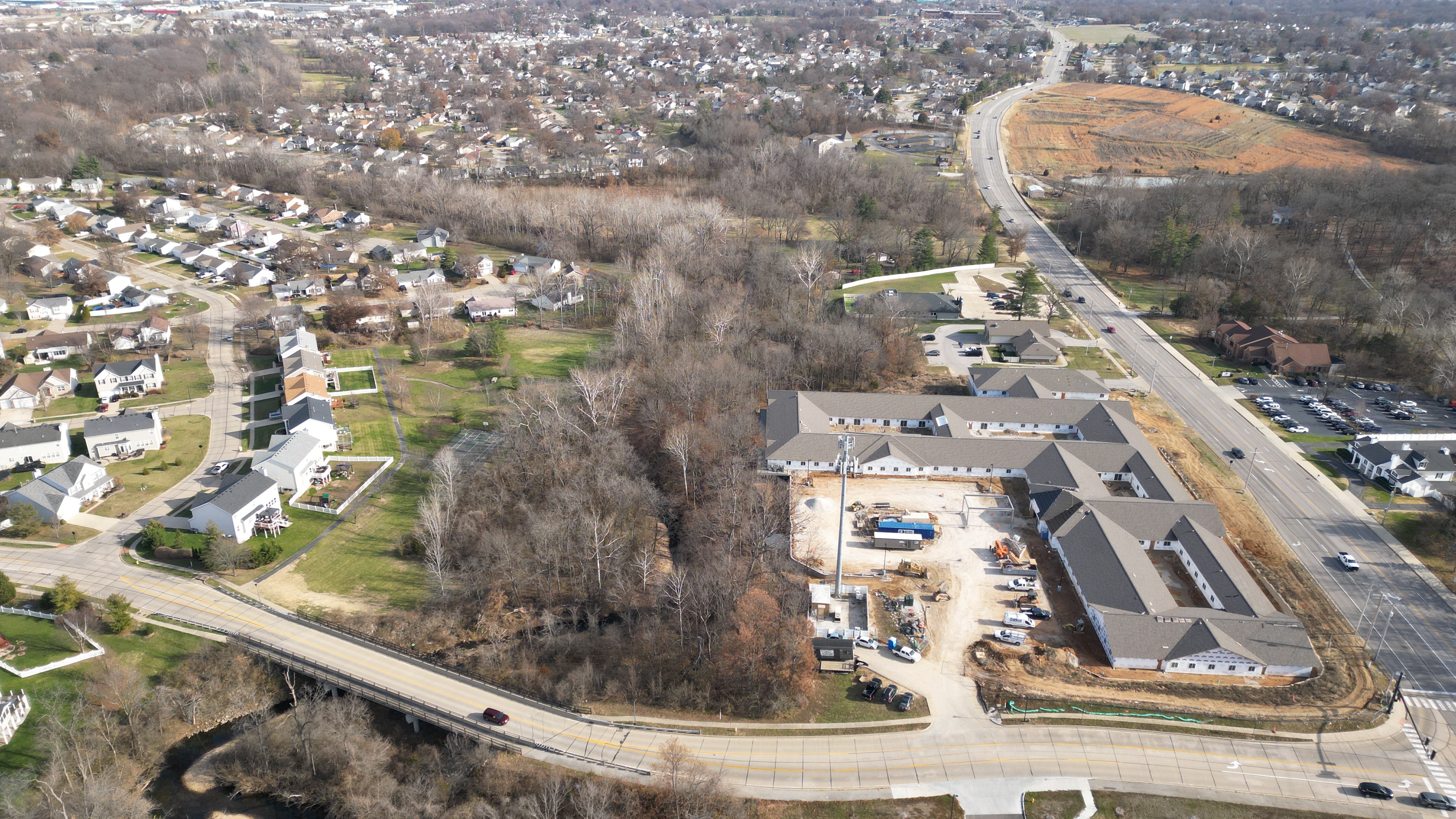
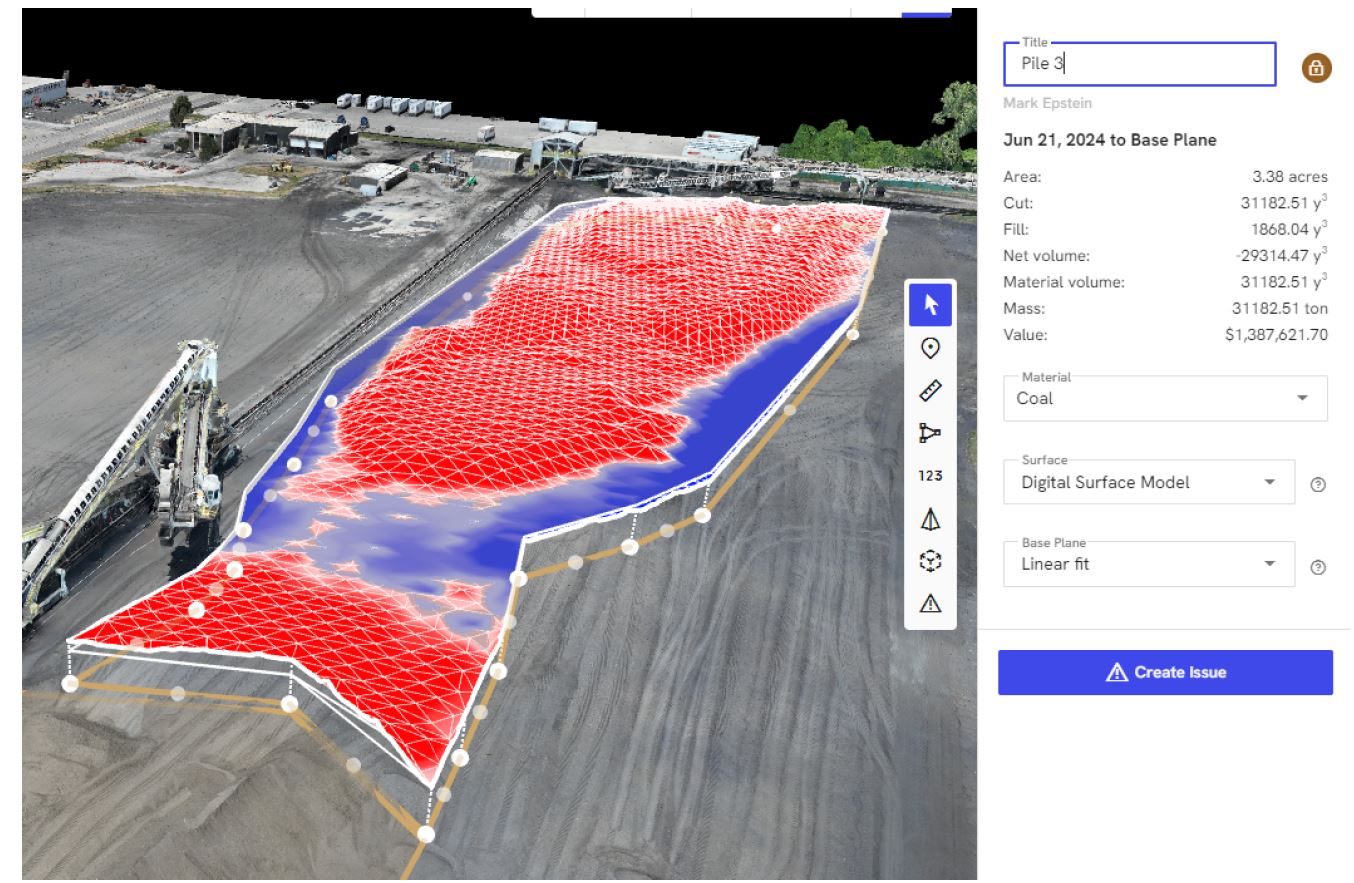
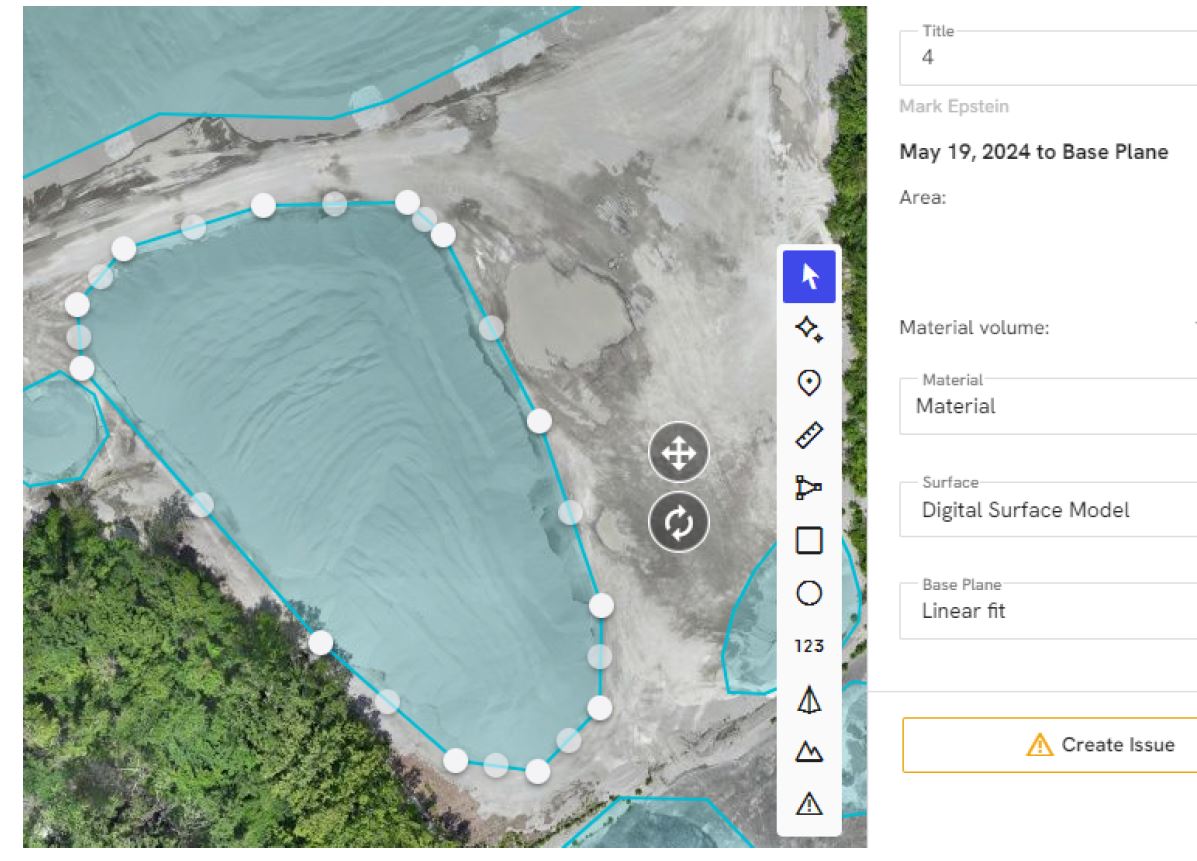
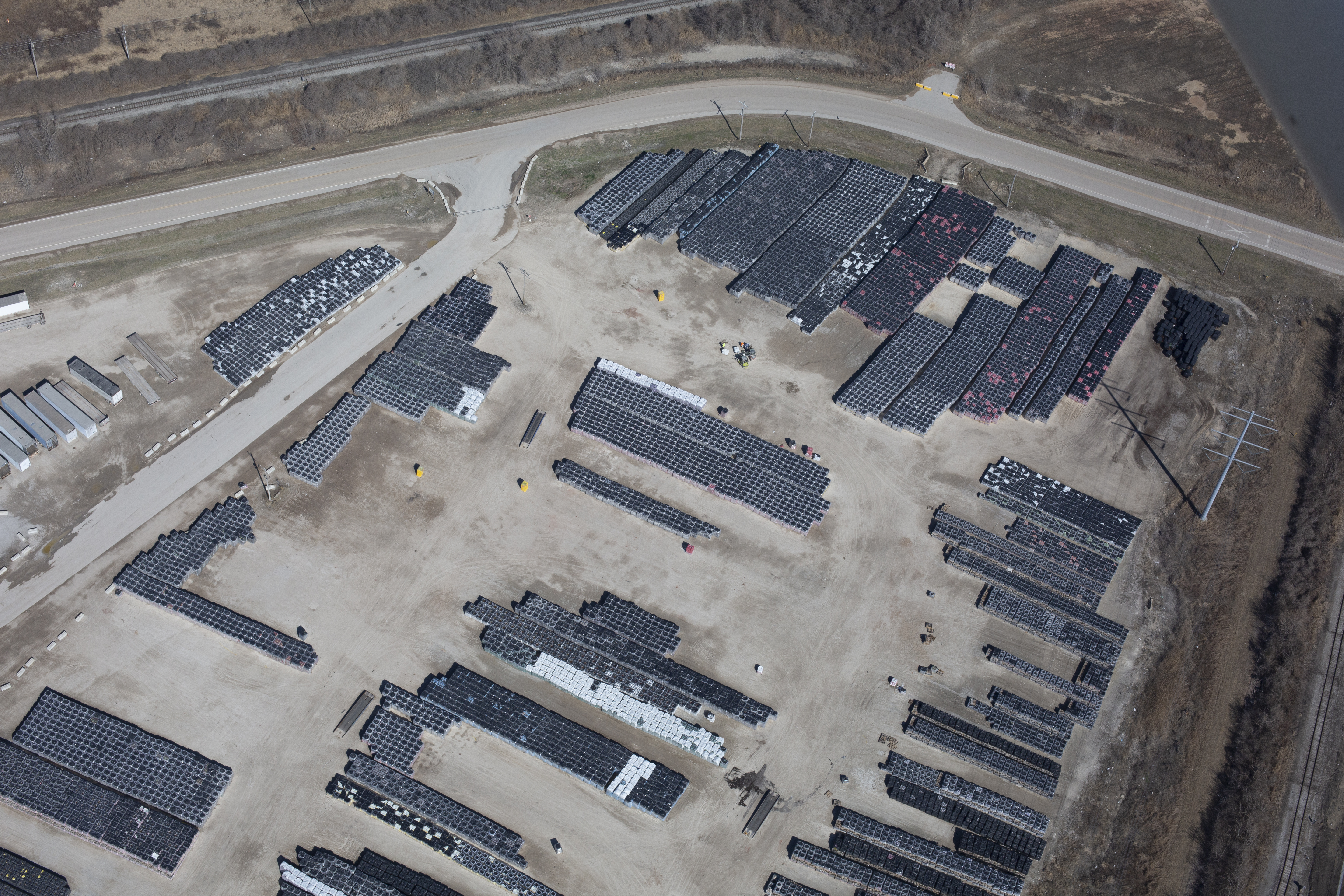
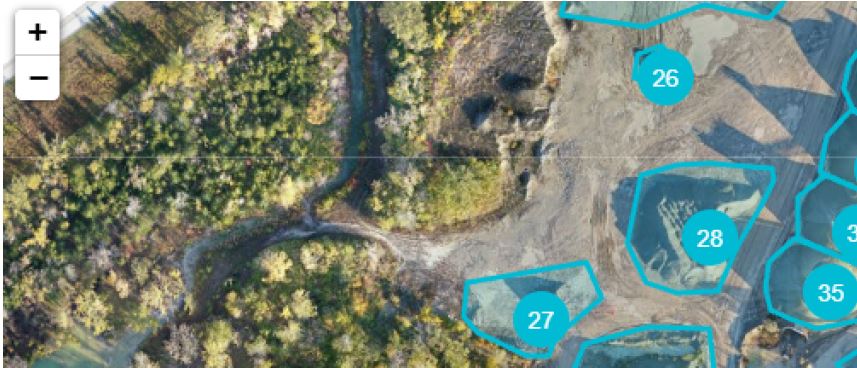
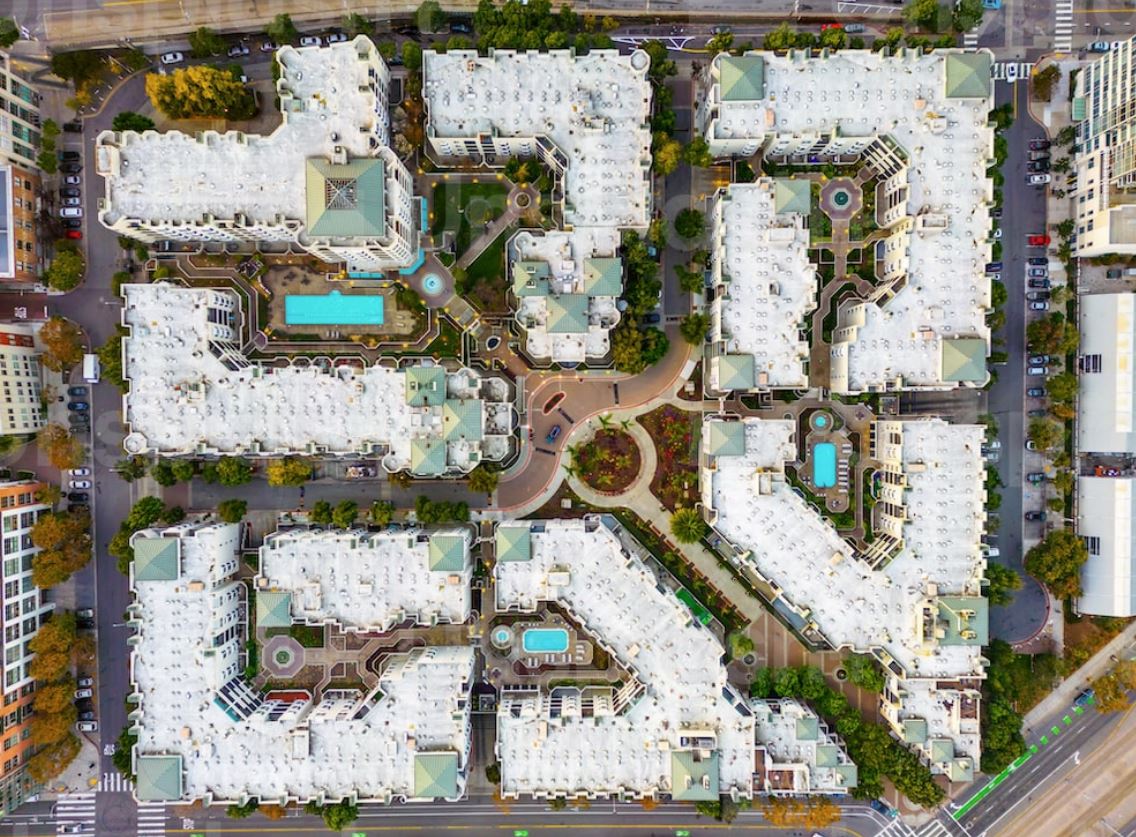
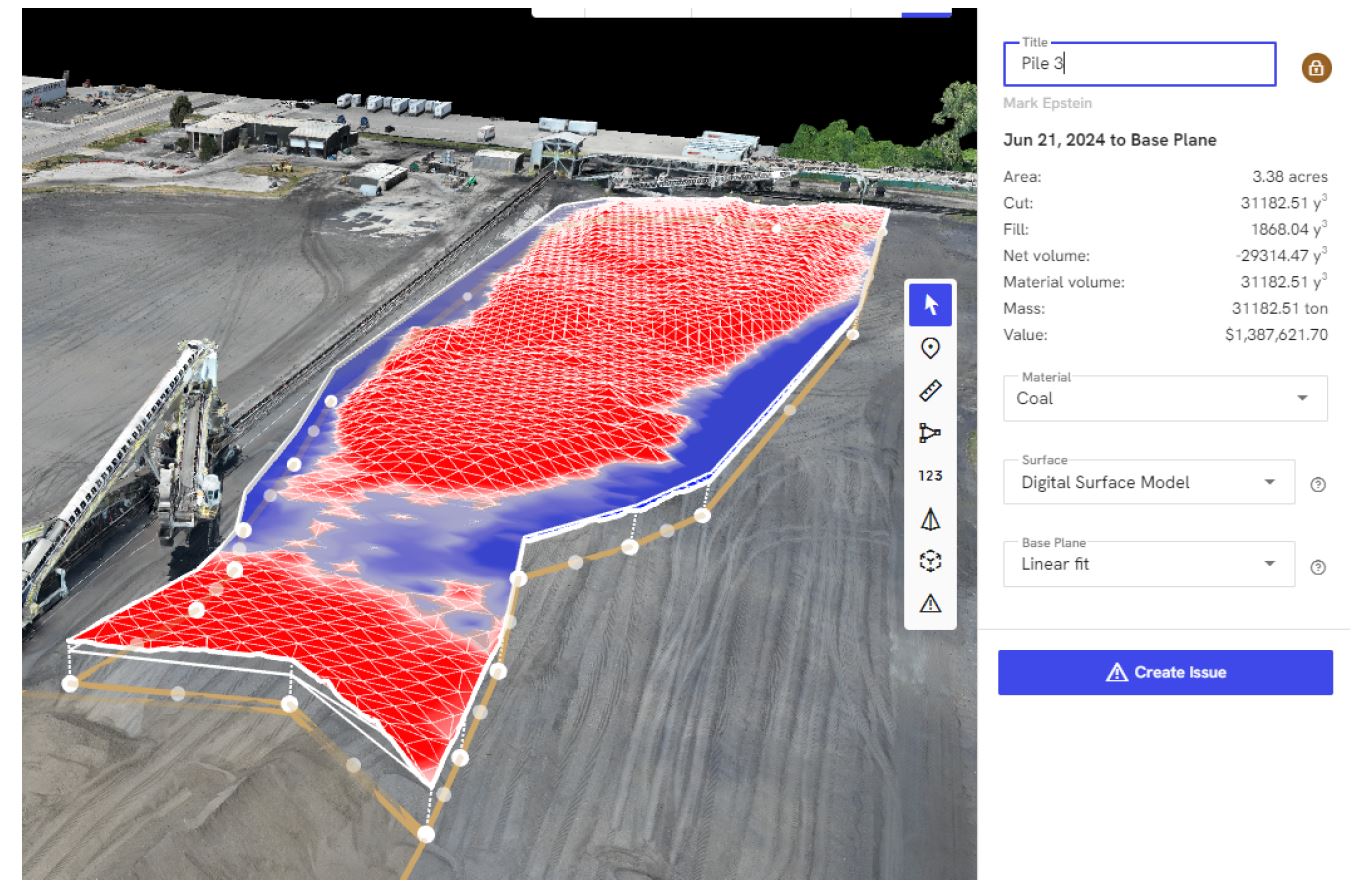
An orthomosaic is a geometrically corrected aerial image — or mosaic of images — that has been processed to remove the distortions inherent in perspective photography, producing a map-accurate overhead representation of a site. Photogrammetry workflows extend this capability into three dimensions, generating point clouds, digital surface models, and 3D mesh representations of terrain and structures from overlapping aerial image sequences.

For construction site progress documentation, land development planning, volumetric material estimation, and site mapping, orthomosaic and photogrammetry services deliver data products with quantifiable, measurable value. These are not decorative images — they are spatial data assets that inform decisions and support project workflows.

LiDAR (Light Detection and Ranging)

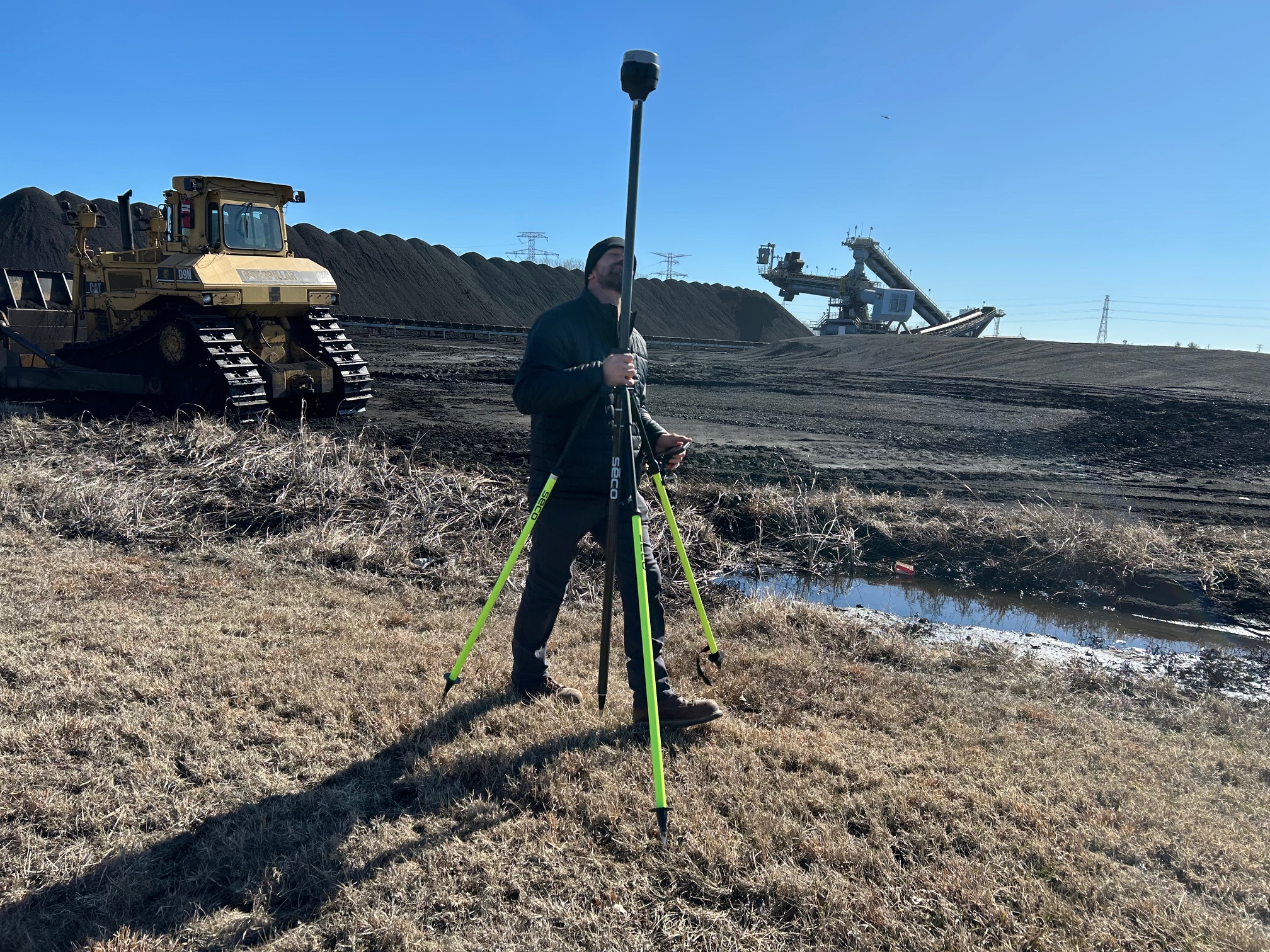
LiDAR-equipped drones emit laser pulses and measure return times to generate dense, high-resolution three-dimensional point clouds of terrain and structures. Unlike photogrammetry, which derives geometry from image texture and contrast, LiDAR penetrates vegetative canopy to capture ground surface data beneath tree cover — a capability critical for corridor surveys, topographic mapping in forested environments, and archaeological applications.

Drone-mounted LiDAR systems produce survey-grade spatial data products that serve engineering, environmental, infrastructure, and land use planning workflows. The combination of aerial mobility and LiDAR precision enables coverage of large or complex sites in timeframes that ground-based survey methods cannot approach.


Airspace Authorization and Regulatory Compliance

Beyond Part 107 certification, advanced aerial operations frequently require additional regulatory coordination. Productions occurring within controlled airspace near airports require LAANC authorization or FAA waivers. Night operations, flights over moving vehicles, and operations from moving aircraft require specific FAA waivers under Part 107. Flights over people or in densely populated areas require category-specific certification and operational limitations.

A professional aerial production partner navigates this regulatory landscape as a standard component of pre-production planning. Authorizations are filed. Waiver applications are submitted with appropriate lead time. Operational parameters are established and communicated to the production team. Compliance is not an afterthought — it is baked into every project from the first production call.


What to Ask When Evaluating an Aerial Production Partner

For organizations assessing aerial production vendors, the following questions establish a credible baseline of professional qualification:
Is your operation FAA Part 107 certified, and can you provide documentation? Do you carry commercial liability insurance, and what are your coverage limits? Can you provide a certificate of insurance naming our organization as an additional insured if required? What is your pre-flight site assessment and airspace authorization process? What aircraft platforms do you operate, and which is appropriate for this production? Do you have experience with the specific environment and production type this project requires — interior, urban, industrial, rural, event, etc.? What are your data delivery specifications, and in what formats is footage provided?

A capable, professional aerial production partner will answer every one of these questions clearly, completely, and without hesitation.


St. Louis Video Editing: Full-Service Aerial and Ground Production Since 1982

Aerial production does not exist in isolation. The most effective commercial imagery — whether captured from 400 feet above a facility or at eye level in a controlled studio environment — is the product of integrated creative and technical expertise across every phase of production, from concept through final delivery.

St. Louis Video Editing is a full-service professional commercial photography and video production company serving businesses, marketing firms, and creative agencies throughout the St. Louis area. Since 1982, we have built a reputation on the depth of our equipment inventory, the experience of our creative crew, and our commitment to delivering imagery that performs across every media context our clients require.

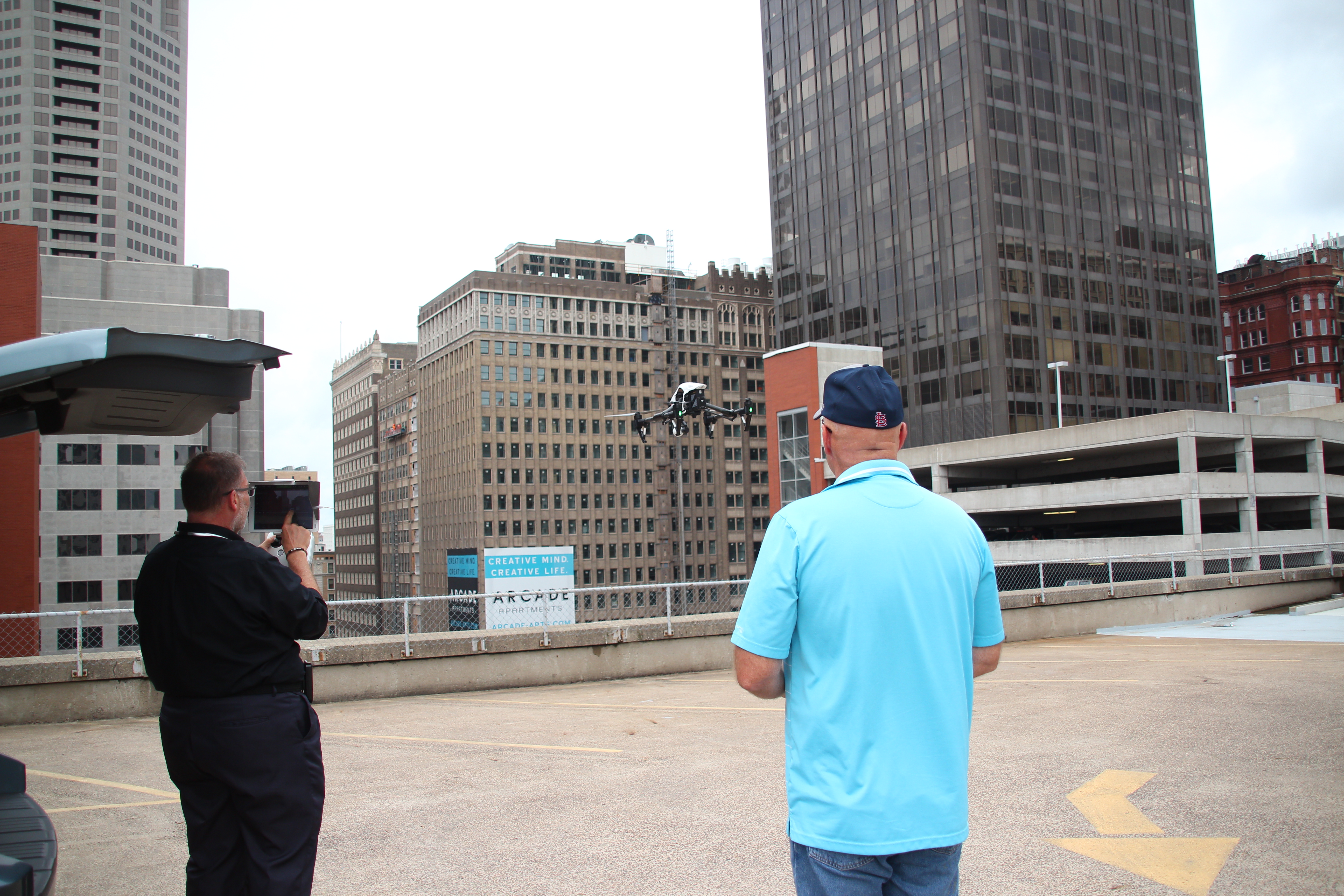
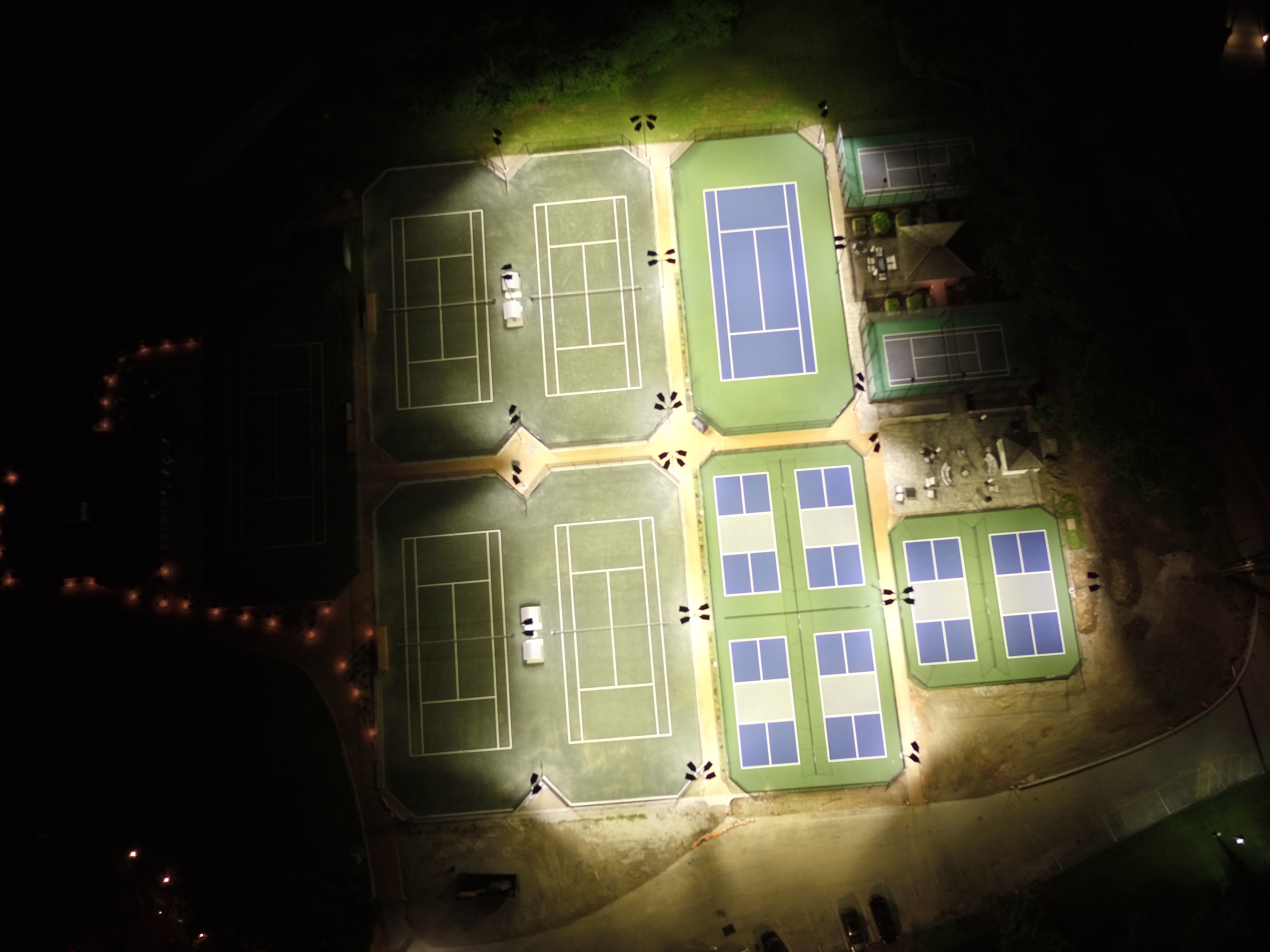
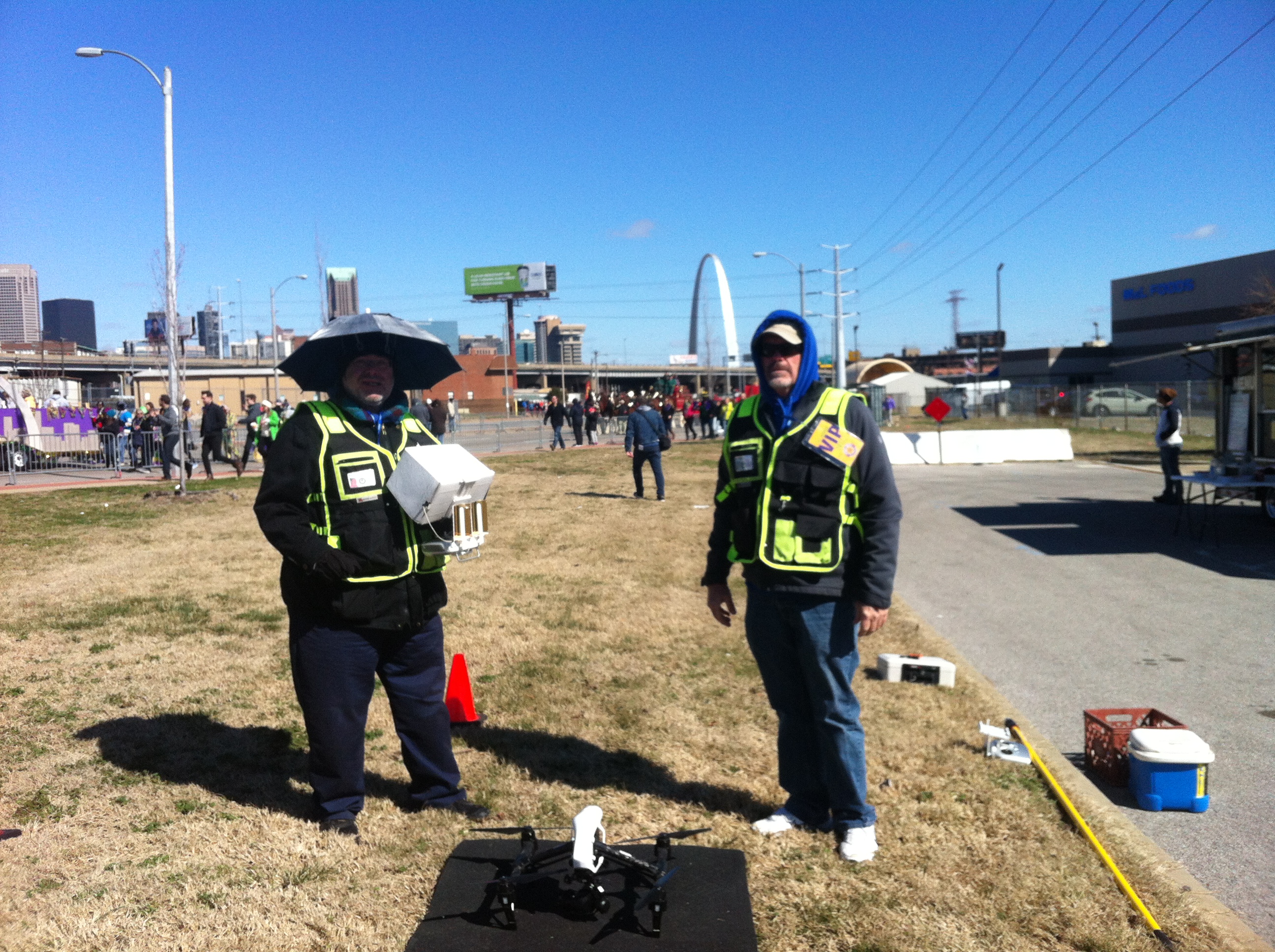
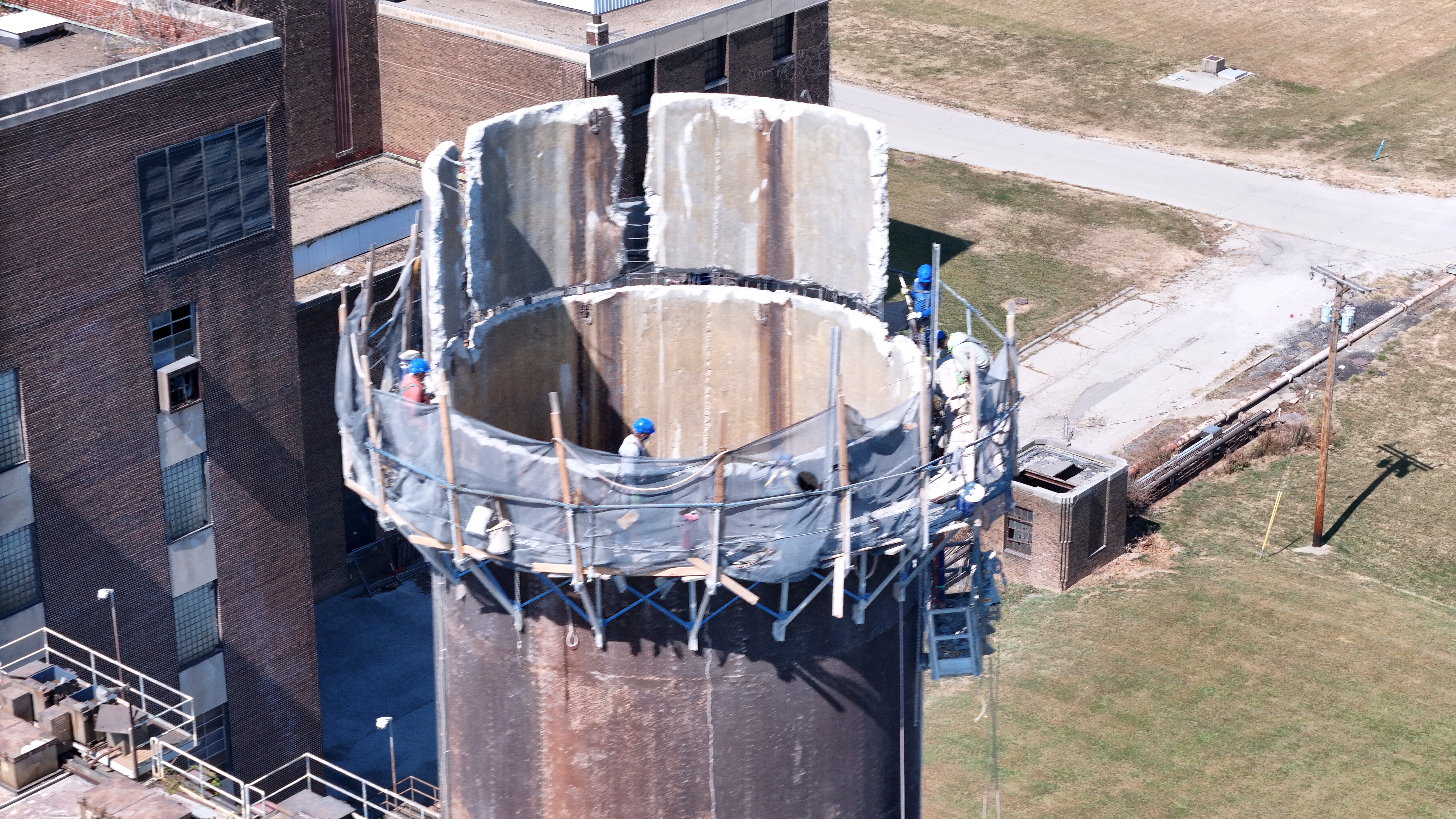
Our aerial services include licensed, insured commercial drone operations for both simple and advanced projects. We fly FPV drones indoors as well as in outdoor environments, and our specialized drone capabilities extend to infrared thermal imaging, orthomosaic mapping, and LiDAR survey services — a range of technical offerings that few regional production companies can credibly claim.
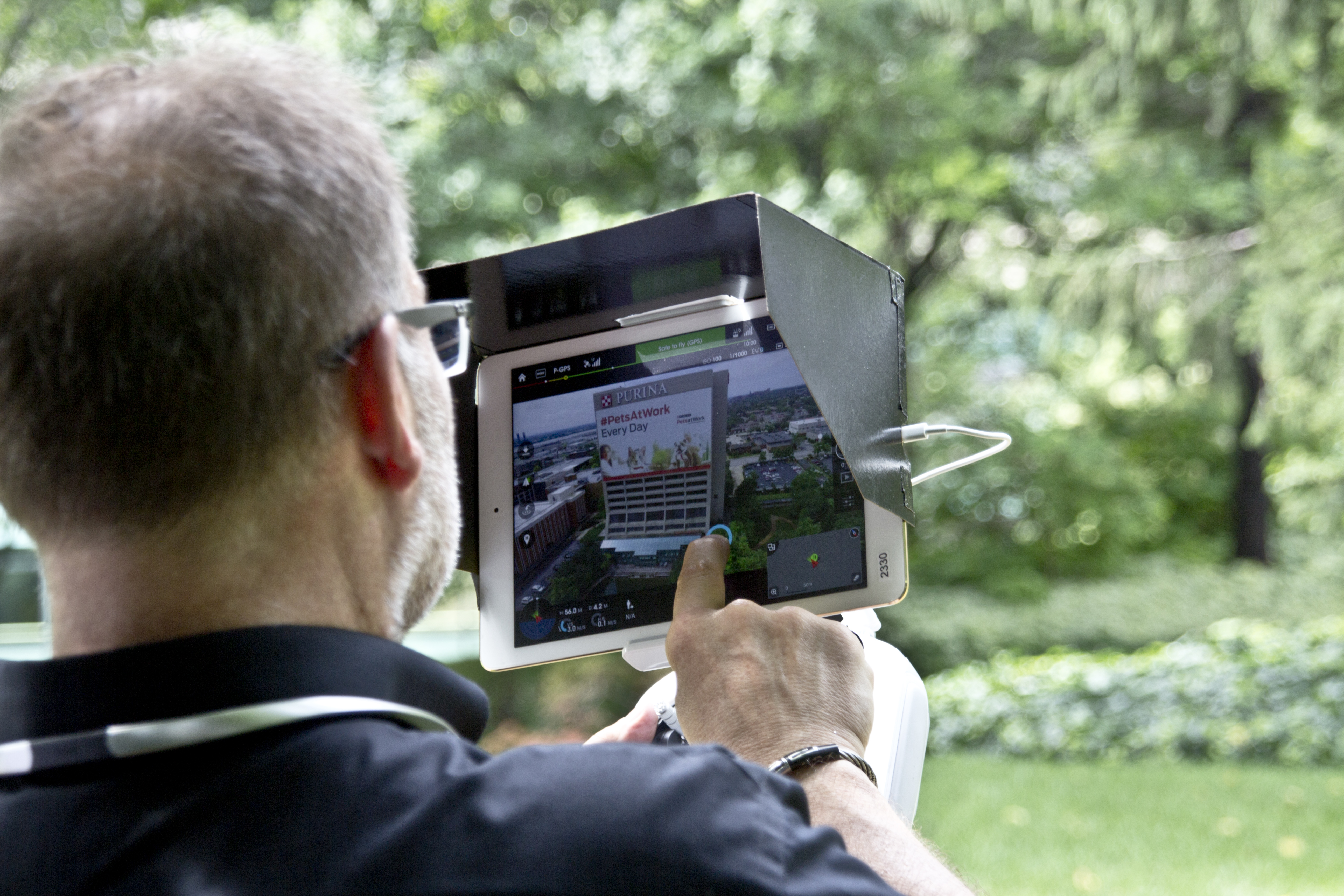
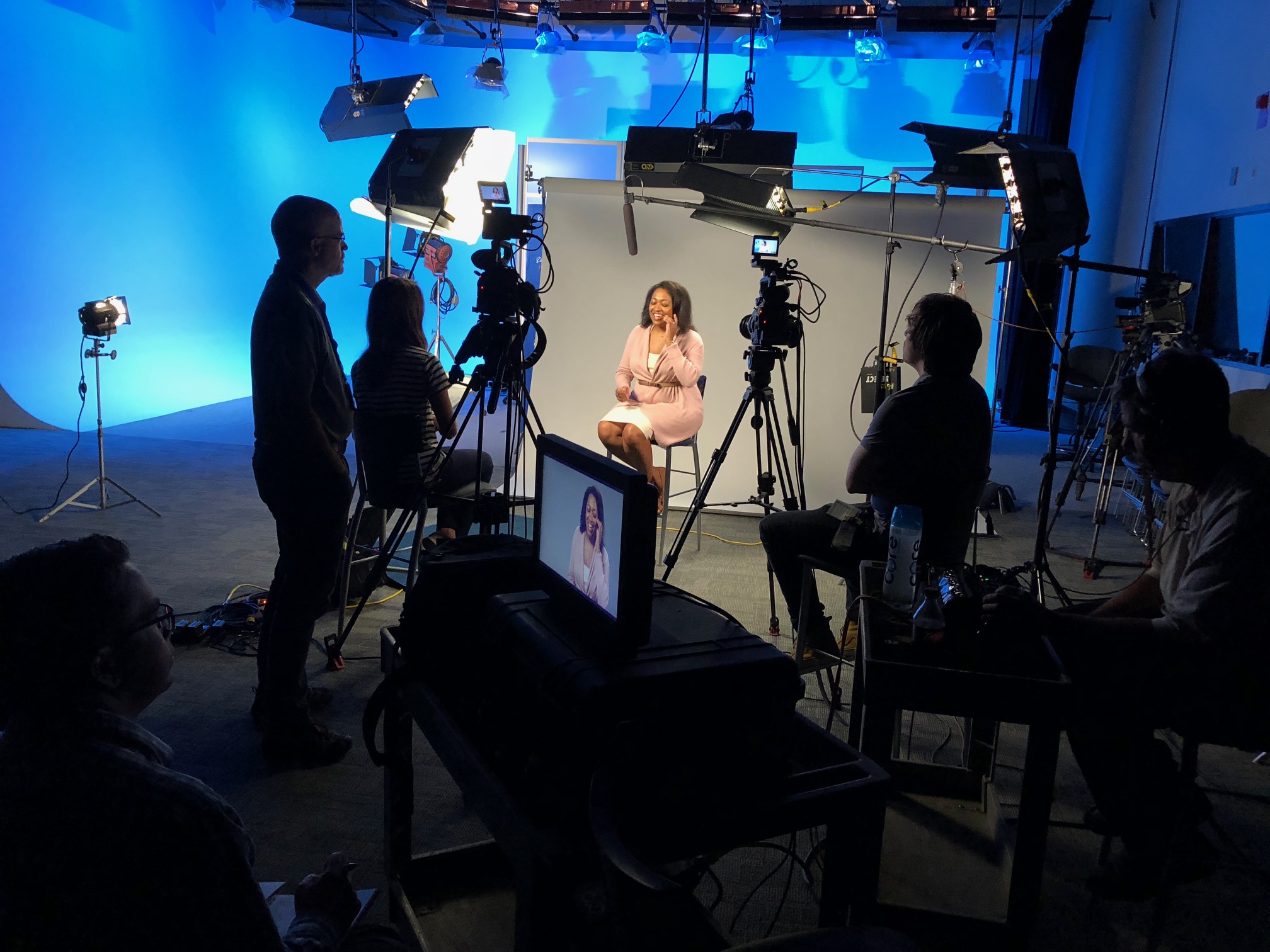
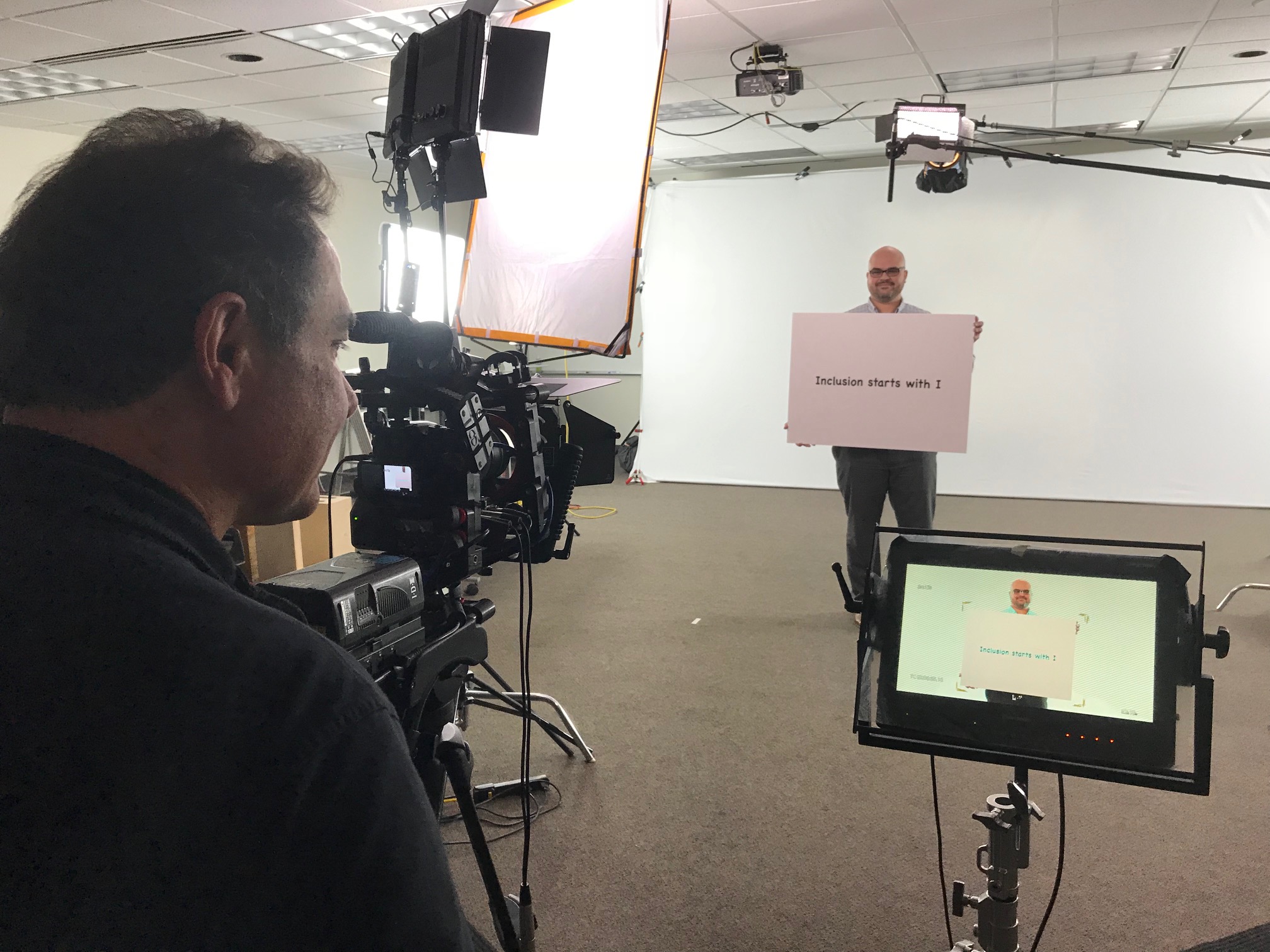
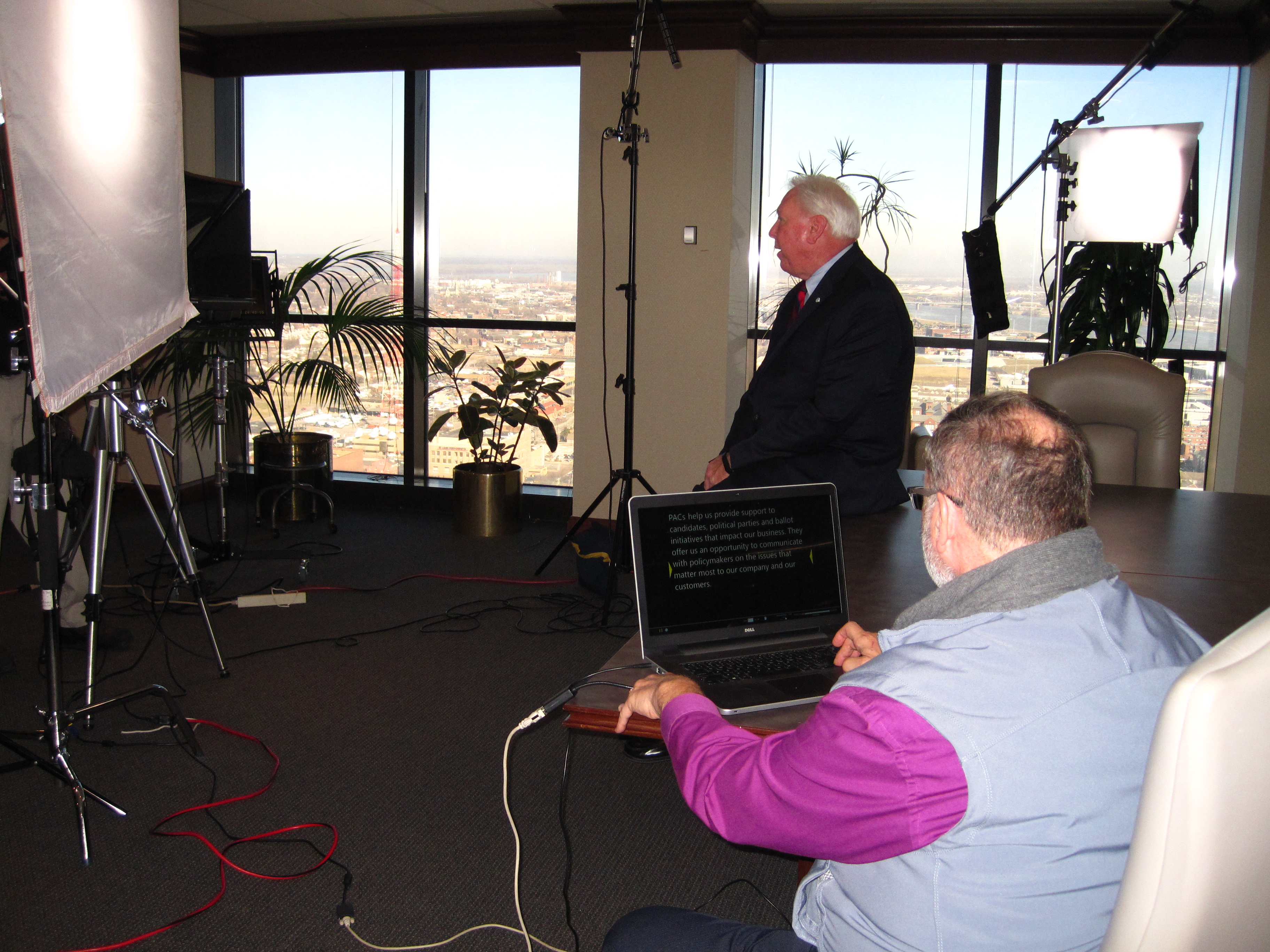
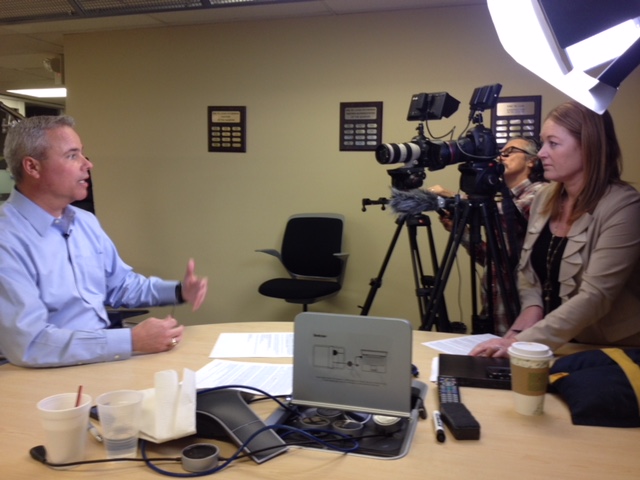
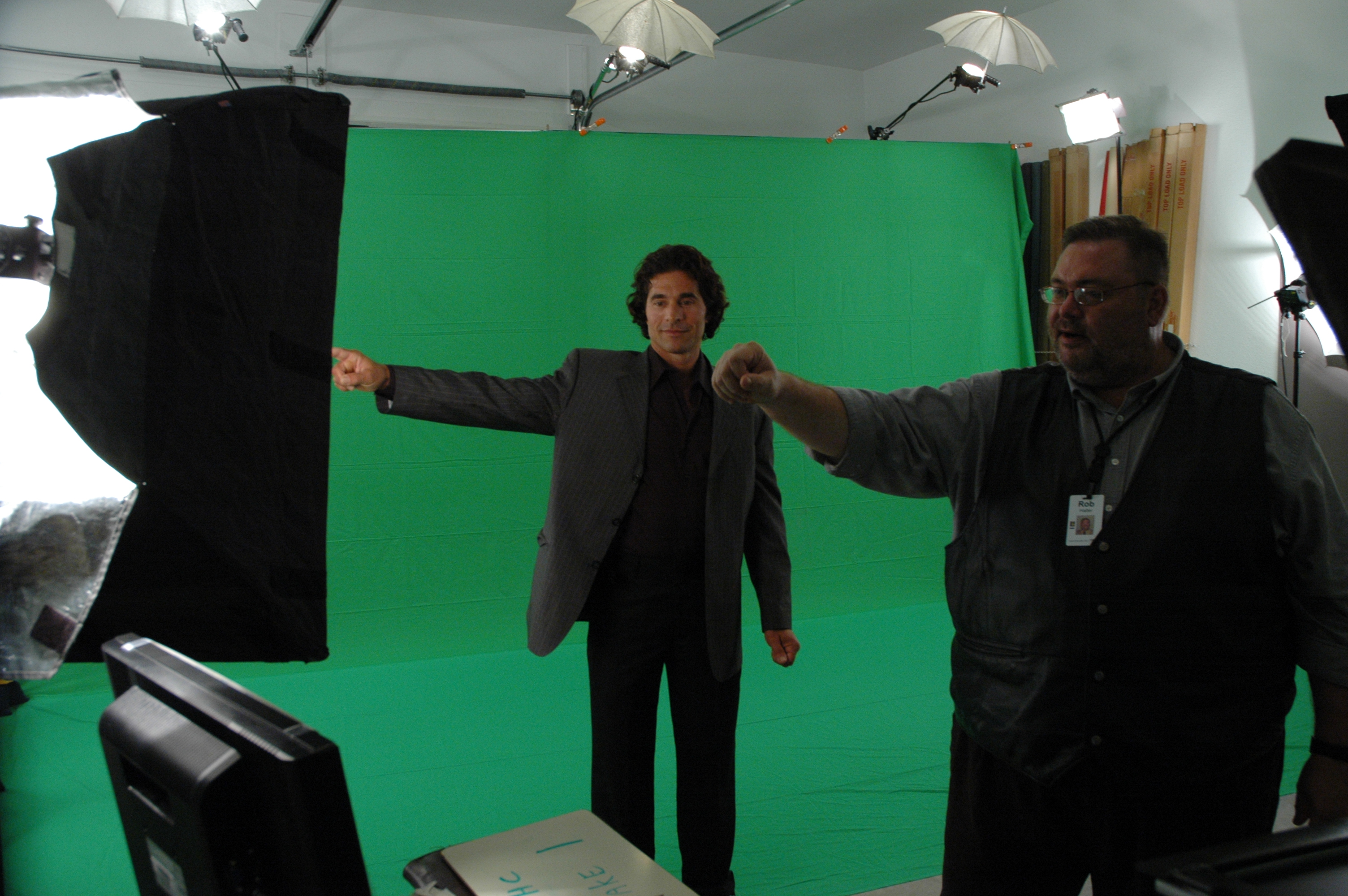
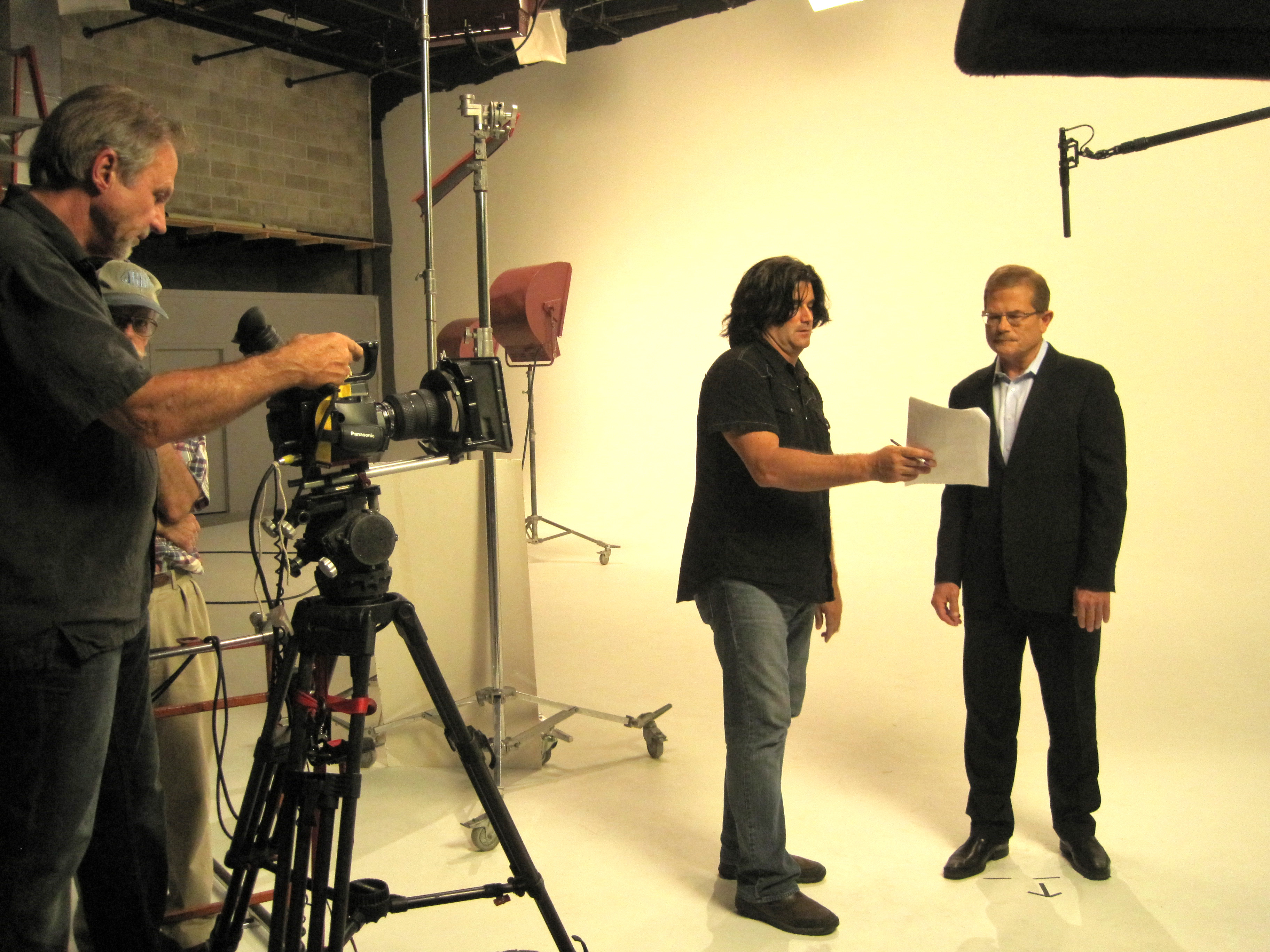
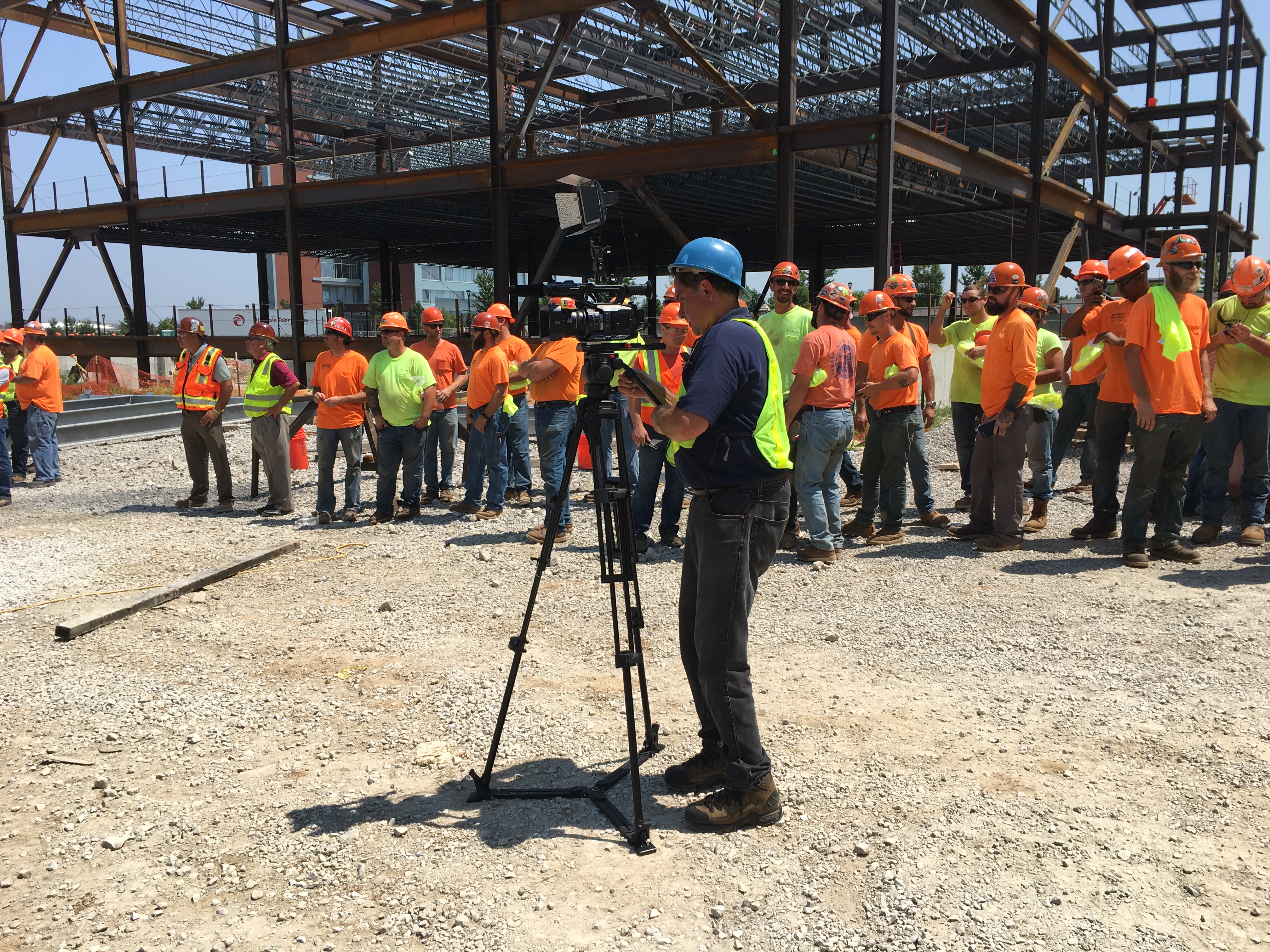
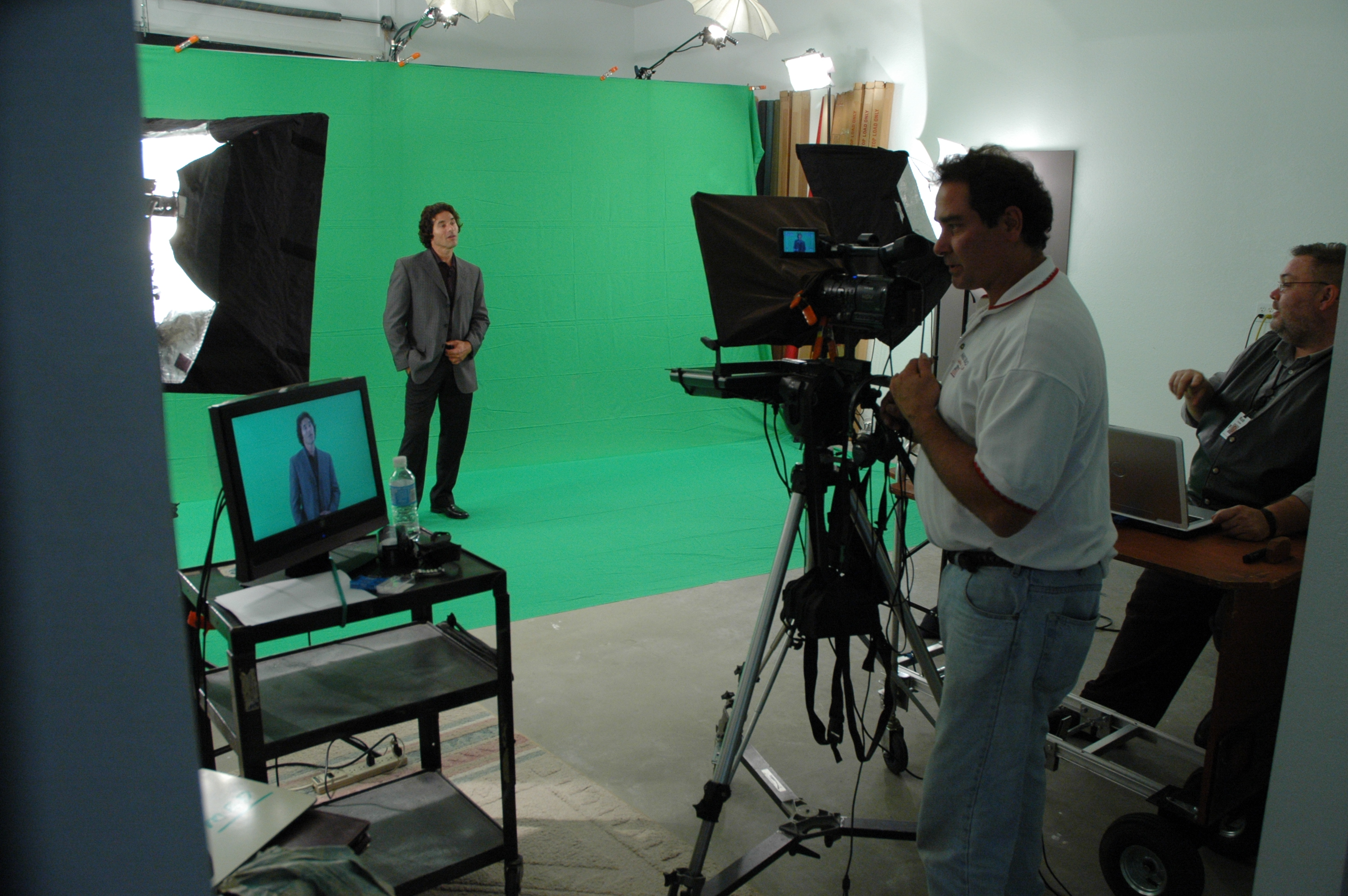
On the ground, our capabilities are equally comprehensive. We offer full-service studio and location video and photography production. Our private studio is equipped with professional lighting and visual infrastructure designed for small productions and interview scenes, with sufficient space to incorporate props and set elements that elevate your production environment. We supply professional sound operators and camera operators, manage all aspects of location scouting and b-roll acquisition, and handle every logistical detail from pre-production planning through post-production delivery.

Our post-production and editing services encompass the full range of formats, file types, and platform specifications your media strategy requires. We are fluent in every relevant software environment and integrate the latest artificial intelligence tools into our media workflows — for editing efficiency, color science, audio processing, and content optimization. We understand that a single production asset rarely serves a single purpose, and repurposing your photography and video content to maximize reach and traction across diverse media channels is a specialty we bring to every client engagement.

Whether your next project requires a straightforward facility overview, a kinetic interior FPV sequence, a full studio interview production, a thermal inspection survey, or a comprehensive video and photography campaign built for multi-platform distribution — St. Louis Video Editing has the equipment, the credentials, the crew, and four decades of production experience to execute it with precision.
We do not just capture images. We build the visual foundation your brand stands on.


St. Louis Video Editing — Full-Service Commercial Video and Photography Production. Studio and Location. Aerial and Ground. Production Through Post. Serving St. Louis Since 1982.
314-913-5626

mobuy1@gmail.com

St. Louis LiDAR and Thermal Drone Specialty Services

For organizations that need more than attractive aerial footage, specialty drone services are changing what is possible in inspection, documentation, mapping, analysis, and decision-making. Standard drone photography is excellent for marketing visuals, overviews, and progress images, but there are many situations where a business needs more than a good-looking shot. They need measurable data. They need actionable insight. They need imagery that reveals conditions the naked eye cannot see.

That is where LiDAR and thermal drone services become especially valuable.

At St Louis Video Editing, we understand that decision makers are not simply looking for technology for technology’s sake. They want solutions that help them reduce uncertainty, improve planning, document conditions accurately, support safety, and create useful deliverables for stakeholders. Whether you are managing facilities, commercial property, infrastructure, construction projects, industrial sites, or specialized marketing initiatives, LiDAR and thermal drone services can provide a higher level of information than conventional imaging alone.

This is why specialty drone operations have become an important part of advanced visual production and commercial imaging in the St. Louis market.

What Makes LiDAR and Thermal Drone Services Different?

Most people are familiar with standard aerial photography and video. A drone flies above a property or project and records visuals in visible light. Those visuals can be beautiful, persuasive, and highly effective for promotion, but they do not always reveal what is beneath vegetation, behind surfaces, or hidden in temperature variation.

LiDAR and thermal imaging go beyond appearance.

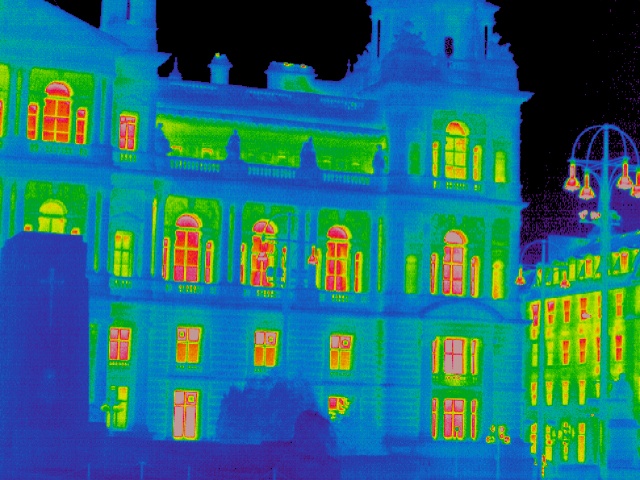
LiDAR, which stands for Light Detection and Ranging, uses laser pulses to measure distances and generate highly detailed three-dimensional spatial data. This makes it possible to produce accurate models, terrain information, elevation data, and site measurements. Thermal imaging, by contrast, detects heat signatures and surface temperature differences. That capability can reveal moisture intrusion, insulation issues, roof anomalies, electrical hot spots, energy loss, and other concerns that are not visible in standard imagery.

Used properly, these tools can support analysis, planning, maintenance, asset management, and communication.

Why Businesses and Organizations Are Turning to Specialty Drones

For many companies, time and clarity are expensive. Traditional inspection methods often involve ladders, lifts, scaffolding, shutdowns, multiple site visits, or incomplete visual records. Specialty drone services can often reduce disruption while improving documentation.

LiDAR and thermal drone work can be especially useful when organizations need to:

  • inspect large or hard-to-access properties
  • document existing site conditions before development
  • evaluate rooftops and building envelopes
  • assess infrastructure and industrial assets
  • identify temperature anomalies in mechanical or electrical systems
  • create measurable site models for planning and reporting
  • improve safety by reducing manual inspection exposure
  • generate visual evidence for internal review, clients, insurers, or consultants

Decision makers increasingly want imagery that does more than impress. They want imagery that informs.

LiDAR Drone Services: Precision Beyond Photography

LiDAR has become one of the most important tools in advanced aerial data capture because it can provide accurate and efficient site information in circumstances where traditional photography or basic photogrammetry may be limited.

Terrain and Topographic Mapping

On sites with challenging grades, uneven ground, drainage concerns, or vegetation cover, LiDAR can help generate detailed elevation information. For construction planning, land development, engineering coordination, and site analysis, this level of spatial accuracy can be extremely useful.

Organizations often need to understand slope, grading, runoff patterns, and general terrain conditions before moving into design or operational decisions. A LiDAR-equipped drone can help capture that data faster than many traditional field workflows.

Existing Conditions Documentation

Before a project begins, many teams need a dependable record of what is already there. This may include structures, pavement, site boundaries, access roads, embankments, utility corridors, and surrounding context. LiDAR can support a more rigorous baseline record than ordinary stills or video alone.

That documentation can become valuable during planning, budgeting, coordination, and later dispute avoidance.

Construction and Site Progress Analysis

Construction managers and property stakeholders often benefit from periodic, structured data capture rather than occasional snapshot photography. LiDAR workflows can support repeatable comparisons over time. This can assist in progress review, site coordination, earthwork evaluation, and communication between teams.

When visual storytelling and technical site information are both needed, specialty drone work becomes even more powerful.

Difficult Vegetation and Complex Environments

One of the reasons LiDAR is so important is that it can perform well in environments where traditional image-based methods are less ideal. In certain cases, vegetation or irregular site conditions can make standard aerial modeling less reliable. LiDAR helps overcome some of those limitations by directly measuring surfaces using laser pulses.

For wooded tracts, utility corridors, undeveloped parcels, and certain industrial environments, that matters.

Thermal Drone Services: Seeing What the Eye Cannot

Thermal imaging gives organizations a different kind of intelligence. Instead of emphasizing shape, color, and composition, thermal drones reveal temperature differences across surfaces and structures. For many clients, that becomes the difference between guessing and investigating with purpose.

Roof Inspections and Moisture Detection

Commercial roofs are a major area where thermal drone services can be extremely effective. Temperature variation can sometimes indicate trapped moisture, compromised insulation, or areas of concern that deserve closer evaluation. Rather than relying only on visual observation, facility managers can use thermal imaging to identify suspicious zones more efficiently.

This does not replace qualified roofing professionals or invasive testing when necessary, but it can be an excellent screening and documentation tool.

Building Envelope Evaluation

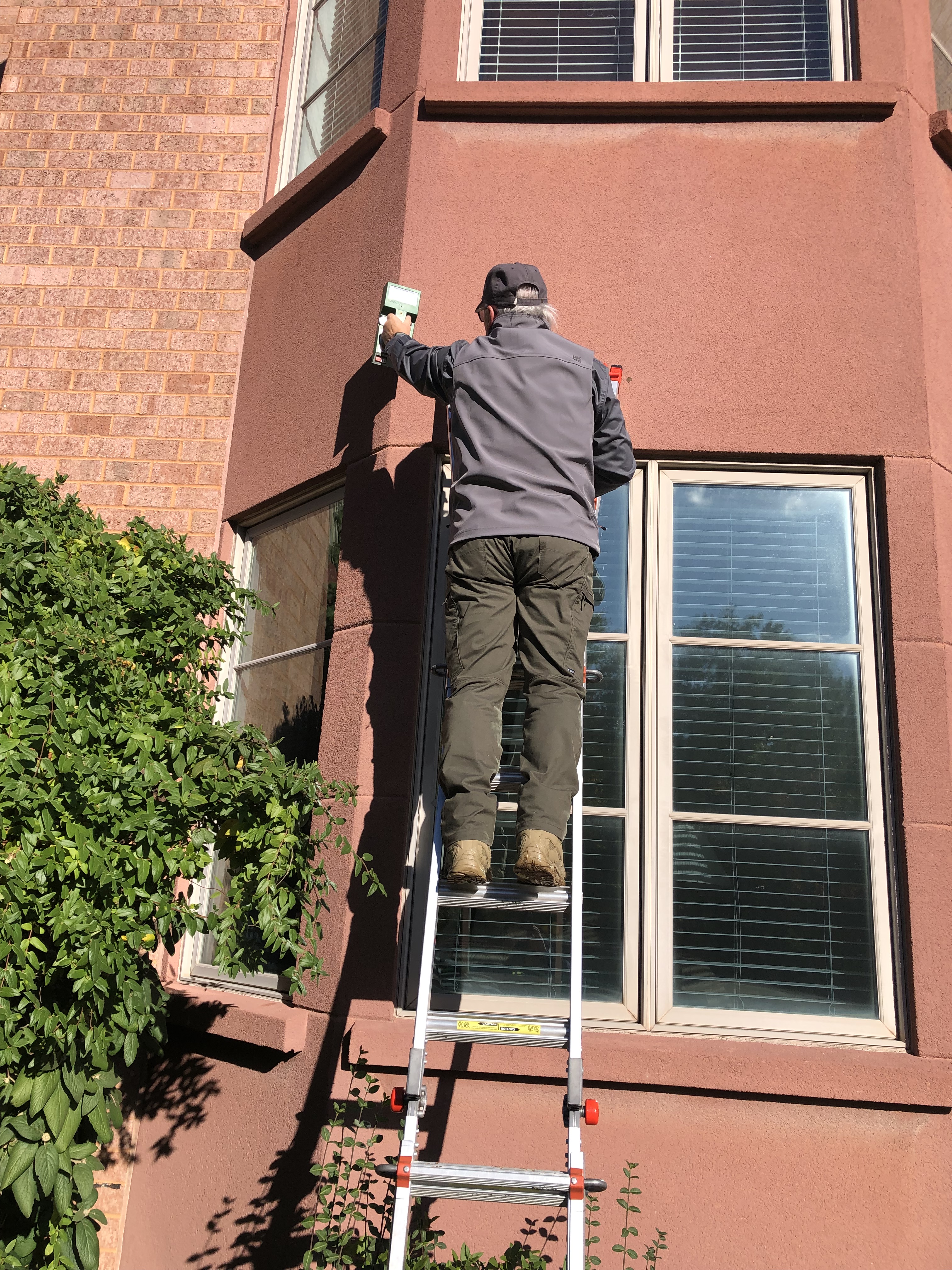
Heat loss, insulation gaps, and performance inconsistencies in exterior walls, windows, and roof systems can affect building efficiency and occupant comfort. Thermal drone imaging can help organizations visualize patterns that may suggest areas needing further investigation.

For building owners and operations teams, this can be useful for maintenance planning, retrofit prioritization, and communicating building performance issues to consultants or stakeholders.

Solar Panel and Electrical System Review

Thermal imaging can also help identify abnormal heat patterns in solar arrays, electrical components, and certain mechanical systems. A hot spot is not automatically a diagnosis, but it can indicate where closer professional inspection is warranted.

This makes thermal drone imaging particularly useful as a screening and monitoring tool for large facilities and installations where manual inspection is slower, riskier, or less efficient.

Industrial and Mechanical Applications

Industrial sites often contain equipment, piping, process areas, and building systems that are difficult to evaluate comprehensively from ground level alone. Thermal drones can assist in documenting temperature patterns across operational areas, helping teams identify anomalies, inefficiencies, or maintenance priorities.

Again, the value is not simply in creating interesting-looking heat images. The value is in helping decision makers focus attention where it matters.

Marketing Value Meets Operational Value

One of the most overlooked advantages of specialty drone services is that the same project can often serve both operational and marketing purposes.

A business may initially need LiDAR or thermal imaging for analysis, inspection, or planning. But that same assignment may also generate useful visual assets for presentations, investor communication, internal reporting, website content, recruitment materials, trade show visuals, and case studies.

This is where an experienced visual production company brings added value.

A purely technical provider may deliver data. A production-focused team with technical capability can help deliver data plus communication-ready assets. That matters when the final audience is not just engineers or inspectors, but executives, clients, boards, property owners, or the public.

When specialty drone work is integrated into a larger visual strategy, organizations can extend the return on that investment.

When to Consider LiDAR Instead of Standard Drone Mapping

Not every site needs LiDAR. In some cases, conventional aerial photography and photogrammetry may be sufficient. But LiDAR becomes worth considering when:

  • vegetation complicates surface visibility
  • terrain detail is especially important
  • high-confidence elevation data is needed
  • site conditions are complex
  • repeatable measurement is a priority
  • the project requires a stronger technical documentation foundation

The right workflow depends on the goals of the project, the site environment, and the required deliverables.

When Thermal Imaging Is the Right Choice

Thermal drone work is especially appropriate when the question is about condition rather than appearance. If a client needs to understand where energy may be escaping, where moisture may be present, where temperature anomalies exist, or where a system may require further inspection, thermal imaging is often the better tool.

It is particularly valuable when dealing with:

  • commercial rooftops
  • large facilities
  • industrial operations
  • building performance issues
  • maintenance screening
  • energy-related concerns
  • difficult-to-access surfaces

The key is using thermal imaging with a clear purpose, proper flight planning, and realistic interpretation of results.

The Importance of Experience in Specialty Drone Work

LiDAR and thermal imaging are not casual add-ons. They require planning, proper equipment, safe operation, and a clear understanding of the intended outcome. Flight conditions, site context, subject matter, capture methodology, and post-processing all affect the usefulness of the final deliverables.

That is why clients benefit from working with an experienced team that understands not only drones, but production, logistics, visual communication, and commercial client expectations.

For many organizations, the challenge is not collecting more media. It is collecting the right media in the right way, then turning it into something useful.

That may mean raw imagery, processed visuals, edited presentations, mapped outputs, inspection-style documentation, stakeholder summaries, or multi-use content packages that serve both technical and promotional objectives.

Specialty Drone Services for a Wide Range of Industries

In the St. Louis area, LiDAR and thermal drone services can support a broad set of industries and use cases, including:

  • commercial real estate
  • facility management
  • architecture, engineering, and construction
  • roofing and building envelope review
  • manufacturing and industrial operations
  • utilities and infrastructure
  • logistics and distribution
  • insurance-related documentation
  • institutional campuses
  • municipal and public-sector projects
  • marketing agencies needing advanced visual assets for clients

Every project is different. Some clients need data-rich documentation. Others need a hybrid approach that blends technical capture with polished production assets. The most effective specialty drone work begins by understanding how the client plans to use the results.

Better Deliverables Create Better Decisions

Technology alone is not the end goal. The real value is in helping people make more informed decisions. That is why specialty drone services should be approached as part of a broader production and communication process.

A rooftop thermal survey is more useful when the client also receives clear visual organization and edited presentation assets. A LiDAR site capture is more valuable when it is coordinated with practical production planning and usable outputs. A drone mission delivers more business value when the final files work smoothly across multiple platforms, departments, and audiences.

This is especially important for organizations that need to move quickly, share findings clearly, and repurpose visual material over time.

Why St Louis Video Editing Is a Strong Partner for LiDAR and Thermal Drone Services

At St Louis Video Editing, we bring more than equipment to a project. We bring production judgment, field experience, visual strategy, and decades of commercial service. As a full-service professional commercial photography and video production company, we understand how to capture specialized imagery while also thinking about how that imagery will be used in the real world.

Since 1982, St Louis Video Editing has worked with many businesses, marketing firms, and creative agencies in the St. Louis area for marketing photography and video. We know how to support both technical and creative objectives, whether a client needs drone-based specialty services, polished marketing visuals, inspection support imagery, or a complete production workflow from capture through delivery.

St Louis Video Editing is a full-service professional commercial photography and video production company with the right equipment and creative crew service experience for successful image acquisition. We offer full-service studio and location video and photography, as well as editing, post-production, and licensed drone services. St Louis Video Editing can customize your productions for diverse types of media requirements. Repurposing your photography and video branding to gain more traction is another specialty.

We are well-versed in all file types, styles of media, and accompanying software. We use the latest in Artificial Intelligence for all our media services. Our private studio lighting and visual setup is perfect for small productions and interview scenes, and our studio is large enough to incorporate props to round out your set. We support every aspect of your production, from setting up a private, custom interview studio to supplying professional sound and camera operators, as well as providing the right equipment, ensuring your next video production is seamless and successful. We can fly our specialized drones indoors.

For organizations seeking advanced St. Louis LiDAR and thermal drone specialty services, the advantage is not just in capturing impressive visuals. It is in partnering with a team that can combine technical capability, creative execution, and decades of experience into deliverables that are useful, persuasive, and production-ready.

314-913-5626

mobuy1@gmail.com

Beyond the Cut: Why Efficient Post-Production is Your Smartest Marketing Investment

For decision-makers in marketing and business operations, true cost-effectiveness isn’t about finding the cheapest hourly rate—it is about maximizing the Return on Investment (ROI) of every frame captured.

As experienced producers, we know that video production is an ecosystem. The footage shot on location is the raw material; the editing room is where that material is refined into a marketable asset. Understanding how professional editing drives efficiency can transform your budget from a constraint into a strategic tool.

The Hidden Costs of “Budget” Editing

Many organizations attempt to handle editing in-house with non-specialized staff or rely on inexperienced freelancers to save immediate dollars. This approach frequently incurs hidden costs:

  • Technical Debt: Incorrect file formatting or poor color grading often requires expensive “rescue” work later.
  • Lost Traction: A poorly paced video fails to retain viewer retention, wasting the marketing dollars spent on distribution.
  • Single-Use Assets: Inexperienced editors often cut for one format (e.g., a website banner) without foresight, making it difficult to adapt that content for social media or broadcast later.

The Professional Advantage: Efficiency Through Expertise

Professional post-production is cost-effective because it is predictable and scalable. Here is how expert video editing saves your bottom line:

1. The Power of Repurposing

The most wasteful practice in video production is “one shoot, one video.” A strategic editor views your raw footage as a library, not a single project.

  • Micro-Content: A 3-minute corporate interview can be sliced into five 30-second clips for LinkedIn, three 15-second vertical clips for Instagram Reels, and a pull-quote graphic for your blog.
  • Legacy Usage: High-quality B-roll shot today should be tagged and archived correctly so it can be used in a different commercial next year, saving you the cost of a future production day.

2. AI and Workflow Automation
Modern editing is not just about cutting clips; it’s about leveraging technology. The integration of Artificial Intelligence (AI) into post-production has revolutionized turnaround times.
  • Intelligent Culling: AI tools can rapidly sort through hours of footage to find the sharpest focus or the best audio clarity, reducing billable hours spent on logging footage.
  • Audio Restoration: Advanced algorithms can clean up noisy location audio that would have previously required a reshoot.

3. Technical Fluidity

We live in a multi-codec world. Your deliverable might need to look perfect on a 4K boardroom monitor and a smartphone screen simultaneously. Professionals understand bitrates, color spaces, and compression standards. Getting the file type right the first time prevents playback errors that can embarrass a brand during a critical presentation.


Partnering for Success: The St Louis Video Editing Difference

When you are looking for cost-effective video editing in St. Louis, you need a partner who understands the entire lifecycle of an image.

St Louis Video Editing is a full-service professional commercial photography and video production company. Since 1982, we have provided the right equipment and creative crew service experience to ensure successful image acquisition for businesses, marketing firms, and creative agencies throughout the St. Louis area.

We don’t just edit; we strategize. We offer full-service studio and location video and photography, as well as comprehensive editing, post-production, and licensed drone services. Our team is uniquely positioned to customize your productions for diverse media requirements, ensuring your budget works harder for you.

Why Choose St Louis Video Editing?

  • Content Repurposing Specialists: Repurposing your photography and video branding to gain more traction is a specialty of ours. We turn single projects into multi-platform campaigns.
  • AI-Driven Efficiency: We use the latest in Artificial Intelligence for all our media services, ensuring speed without sacrificing quality.
  • Technical Mastery: We are well-versed in all file types, styles of media, and accompanying software.
  • Studio Capabilities: Our private studio lighting and visual setup is perfect for small productions and interview scenes. It is large enough to incorporate props to round out your set, and we support every aspect of your production—from setting up a private, custom interview studio to supplying professional sound and camera operators.
  • Advanced Drone Operations: We can fly our specialized drones indoors, offering unique perspectives that others cannot match.

Whether you need a seamless on-location shoot or a complex post-production package, St Louis Video Editing has the experience to deliver excellence.

Ready to maximize your media budget? Let’s discuss your next project.


Would you like me to generate a list of social media captions to help promote this blog post once it is published?

314-913-5626

mobuy1@gmail.com

Spot Roof Problems with Drone Heat Cameras Now

Commercial roofs rarely fail all at once.
They fail slowly, silently—through trapped moisture, tiny punctures, failing seams and insulation that’s quietly soaking up water.

By the time a leak reaches your ceiling tiles or equipment, the real damage has already spread across a much larger area of your roof. For facility managers, marketing directors, and business owners responsible for protecting both assets and brand reputation, that’s the worst-case scenario: visible damage, disruption, and a very public problem.

Drone-mounted heat cameras (thermal imaging) change that story. They let you see problems long before they show up as stains, shutdowns, or lawsuits.

As experienced videographers, photographers and producers at St. Louis Video Editing, we’ve seen how thermal drone inspections are transforming roof maintenance—and how, with the right video and imaging workflow, they become powerful visual tools for decision making, budgeting, and internal communication.


Why Roof Problems Are So Hard to Spot

From ground level, even a skilled facilities team can only see so much. Traditional roof inspections have limitations:

  • Limited visibility – HVAC units, parapet walls and rooftop equipment hide critical areas.
  • Human exposure – Technicians climbing ladders and walking questionable surfaces introduce safety and liability risks.
  • Manual sampling – Most traditional methods rely on spot checks, not complete coverage.
  • “All-or-nothing” symptoms – By the time leaks appear inside, multiple roof layers may already be compromised.

The underlying issue is simple: moisture and insulation damage don’t always show up visually—but they almost always show up thermally.


What Drone Heat Cameras Actually See

Thermal cameras don’t “see” water; they detect tiny differences in surface temperature that signal trapped moisture and compromised insulation.

Here’s what’s really happening:

  • During the day, the sun heats the roof surface and underlying materials.
  • At night, a healthy, dry roof sheds that heat quickly and evenly.
  • Areas saturated with moisture or failed insulation retain heat longer, creating “hot spots” or distinct patterns in a thermal image.

A professional drone equipped with a calibrated thermal sensor can:

  • Scan large roofs quickly
  • Capture high-resolution thermal maps of the surface
  • Highlight temperature anomalies linked to moisture, delamination, wet insulation, or drainage issues

When we overlay thermal data with high-resolution visual photography, decision-makers get a clear, intuitive picture:
This is where the roof is failing. This is where you should spend money first.


Why Decision Makers Should Care: The Business Case

If you’re responsible for facilities, marketing, or capital budgets, thermal drone roof inspections directly impact:

1. Risk Management & Downtime

  • Catching issues early prevents emergency leaks, equipment damage, and production stoppages.
  • Documented inspections support insurance claims and warranty discussions.

2. Smarter Capital Planning

  • Instead of replacing an entire roof, you can target specific failing sections.
  • Clear visuals make it easier to justify budgets to leadership, boards, or investors.

3. Safety & Compliance

  • Fewer people on the roof means lower fall risk and less exposure to onsite hazards.
  • Visual documentation helps demonstrate due diligence in safety and facility management.

4. Brand Protection

If your facility is customer-facing—or you operate healthcare, education, retail, or logistics sites—visible leaks and bucket-farms in hallways are brand damaging. Proactive inspections let you stay ahead of that story.


Key Advantages of Drone Thermal Roof Inspections

Compared with traditional methods like manual IR scans, core sampling, or just “waiting until something leaks,” drone heat cameras offer:

  • Speed & Coverage
    Large roofs, multi-building campuses, and industrial sites can be scanned in a fraction of the time of manual methods.
  • No Contact, Less Risk
    The drone does the traveling; your team stays safely on the ground. No ladders, no fall arrest systems, no time on questionable surfaces.
  • High-Resolution, Repeatable Data
    Flights can be repeated after repairs, storms, or seasonally, creating a time-lapse story of roof health.
  • Better Documentation
    Visual plus thermal imagery, annotated and edited into a focused video or slide deck, is more persuasive than PDF notes or text-only reports.
  • Cost Efficiency
    Lower labor, less disruption, and better targeting of repairs frequently create a meaningful ROI.

When to Schedule a Drone Thermal Roof Scan

We typically recommend thermal drone roof inspections:

  • After major weather events
    Hail, high winds, or heavy snow can damage membranes and flashing in ways that are not immediately visible.
  • Before warranties expire
    Provide evidence to the manufacturer or installer if you suspect premature failure.
  • Before acquisition or lease negotiations
    Know what you’re buying—or inheriting—before you sign.
  • Pre- and post-re-roofing
    Document starting conditions and prove that repairs or replacements delivered the intended improvements.
  • Annually for critical facilities
    Data centers, manufacturing, hospitals, logistics hubs, schools, and corporate HQs benefit from a routine roof health check.

What a Professional Drone Heat Camera Roof Inspection Looks Like

A serious inspection is more than “someone with a drone.” It’s a structured production and data workflow.

Here’s how we typically approach it at St. Louis Video Editing:

1. Discovery & Planning

  • Review roof type (TPO, EPDM, modified bitumen, metal, etc.)
  • Discuss building age, known issues, warranty status and access constraints.
  • Assess airspace, nearby airports, heliports, and no-fly zones.
  • Determine optimal time of day for accurate thermal contrast.

2. Flight Plan & Safety

  • Map out systematic flight paths for 100% coverage.
  • Log all pre-flight checklists, site safety considerations, and communication plans.
  • Use licensed drone pilots who understand both aviation rules and production quality.

3. Capture: Thermal + Visual

  • Record high-resolution thermal video and stills, ensuring overlap for mapping.
  • Capture matching visible-light images for context and documentation.
  • If appropriate, fly specialized drones indoors in warehouse or atrium spaces where roof structures and skylights can be inspected from below.

4. Analysis & Editing

This is where our video editing expertise becomes a real asset:

  • Color-grade thermal footage with clear palettes that non-technical stakeholders can understand.
  • Sync thermal views with matching visual footage to show precise roof areas.
  • Add annotations, labels, arrows, and overlays to flag suspect zones.
  • Export stills and short clips tailored for:
    • Facility reports
    • Executive briefings
    • Insurance and warranty support
    • Capital planning decks

5. Delivery & Review

  • Deliver a concise, well-edited video summary plus supporting stills.
  • Provide files in formats suitable for your internal systems and presentation tools.
  • Optionally, build before-and-after sequences after repairs to validate work quality.

Turning Inspection Footage into Communication Tools

Most organizations underutilize their inspection imagery. With the right post-production approach, those clips and frames become powerful communication assets.

We routinely:

  • Create short explainer videos that walk leadership through issues in 90–120 seconds.
  • Build side-by-side comparisons (before/after repair, or year-over-year).
  • Design looping animations for boardroom screens or internal town halls.
  • Integrate inspection visuals into sustainability, risk-management, and facilities presentations.

Because we’re both a production team and an editing studio, we think beyond “reporting” and focus on how the visuals help you get approvals, budget, and alignment.


How AI Enhances Modern Roof Inspection Workflows

Artificial Intelligence is changing the way we process and present inspection imagery:

  • Noise reduction and enhancement – AI tools clean up thermal video and improve clarity in marginal conditions.
  • Pattern recognition – Helps identify recurring anomaly types across large portfolios.
  • Automated labeling – Speeds up the creation of callouts and annotations.
  • Smart repurposing – We can efficiently cut inspection content into multiple versions:
    • A technical edit for facilities
    • A visual summary for executives
    • A documentation package for insurance or warranty stakeholders

At St. Louis Video Editing, we blend human experience with AI-powered tools to streamline your entire visual documentation process.


Choosing the Right Partner in St. Louis

When evaluating vendors for drone thermal roof inspections, ask:

  • Are your pilots licensed and insured?
  • Do you understand roof systems and thermography, or are you just “flying a gadget”?
  • Can you deliver edit-ready footage and reports tailored to my internal audience?
  • Do you offer studio and ground-based photography if we need additional visuals of our facility, team, or process?
  • Can you work with our marketing and communications team to repurpose visuals for broader storytelling?

If the answer to those questions isn’t a confident “yes,” you’re not getting the full value from your drone heat camera investment.


Why Work with St. Louis Video Editing

Experienced St. Louis Video Editing is a full-service professional commercial photography and video production company with the right equipment and creative crew service experience for successful image acquisition. We offer full-service studio and location video and photography, as well as editing, post-production and licensed drone pilots. St. Louis Video Editing can customize your productions for diverse types of media requirements, whether that’s a drone thermal roof inspection, a facility overview video, safety training, or marketing content.

Repurposing your photography and video branding to gain more traction is another specialty. We are well-versed in all file types and styles of media and accompanying software, so we can integrate seamlessly with your internal systems, agency partners, and communication platforms. We use the latest in Artificial Intelligence for all our media services—enhancing footage, streamlining workflows, and generating multiple tailored outputs from a single shoot.

Our private studio lighting and visual setup is perfect for small productions and interview scenes, and our studio is large enough to incorporate props to round out your set. We support every aspect of your production—from setting up a private, custom interview studio to supplying professional sound and camera operators, as well as providing the right equipment—ensuring your next video production is seamless and successful. We can fly our specialized drones indoors when your project calls for precise, interior or under-roof perspectives.

As a full-service video and photography production corporation since 1982, St. Louis Video Editing has worked with many businesses, marketing firms and creative agencies in the St. Louis area for their marketing photography and video. Whether you need to spot roof problems with drone heat cameras now, or build a long-term library of high-value visual assets, we’re ready to help you see more, decide faster, and communicate better.

314-913-5626

mobuy1@gmail.com

Elevate Your Edits: B-Roll Tricks to Keep Your Videos Engaging

As decision-makers in photography, marketing, and video production for your organizations, you understand that an impactful video is far more than a sequence of static shots. It’s a dynamic, compelling narrative that holds your audience’s attention from the first frame to the last. At the heart of achieving this dynamic quality is the skilled use of B-roll footage.

B-roll—the supplemental or alternative footage intercut with the main shot (often called A-roll, such as an interview)—is your secret weapon against viewer fatigue. But simply having B-roll isn’t enough; the real magic lies in the editing.

Here are advanced B-roll editing tricks and techniques we employ to keep your corporate and marketing videos fresh, professional, and, most importantly, engaging.


✂️ The Art of the Intercut: Beyond the Simple Cover-Up

The fundamental role of B-roll is to cover jump cuts in A-roll interviews or to illustrate a speaker’s point. However, expert editing elevates this function:

  • The Illustrative Beat: Don’t just show what’s being said; show what’s being meant or felt. If an executive is discussing “innovation,” cut to a tight shot of a team collaborating intensely or a product in development, rather than just a generic office shot. Precision in timing is key—the B-roll must land right on the word or phrase it’s illustrating.
  • Action and Reaction: When covering a live event or a case study, intercut shots of the action (A-roll subject doing something) with the reaction (close-up of a team member’s face, a customer smiling). This technique instantly adds an emotional layer and humanizes the narrative.
  • The “L-Cut” and “J-Cut” Mastery: These audio-visual tricks create seamless transitions:
    • L-Cut: The audio from the preceding B-roll clip continues to play under the next A-roll clip.
    • J-Cut: The audio from the upcoming A-roll (interview) clip starts under the current B-roll clip. This subtle overlapping smooths out cuts, making the video flow naturally and feel more cinematic.

🎥 Varied Pacing and Shot Selection for Visual Interest

A sequence of equally long B-roll clips will bore the viewer. Professional editing introduces rhythmic variation:

  • Quick-Cut Sequences: Use a rapid succession of very short (2-3 frame) B-roll clips when you need to convey energy, speed, or a sense of many moving parts (e.g., a bustling factory floor, a fast-paced meeting). This injects dynamic momentum into an otherwise slow-paced interview.
  • The Moment of Focus: Contrast the quick cuts with a strategically placed longer shot—perhaps a beautifully composed slow-motion shot or a steady push-in/pull-out with a gimbal. This serves as a visual palate cleanser and gives the audience a moment to absorb a key visual element.
  • Close-Up Detail (Inserts): Never underestimate the power of a tight close-up on hands working, a product detail, or eyes focusing. These “insert shots” are highly effective B-roll because they draw the viewer in and eliminate visual clutter, focusing their attention on the essence of the message.

✨ Post-Production Polish and AI Enhancement

The right B-roll is often perfected in post-production with tools that ensure consistency and add flair:

  • Color Grading Harmony: Ensure your B-roll clips have a consistent and professional look, even if shot on different cameras or locations. Uniform color grading ties the footage together and reinforces your brand’s visual identity.
  • Motion and Effects: Judicious use of subtle zooms, pans, or tilts (digital manipulation in post) can transform static B-roll into dynamic footage. Furthermore, we leverage the latest in Artificial Intelligence tools to enhance image quality, automate complex tasks like object tracking, and even generate subtle, high-quality effects, allowing us to focus more on the creative narrative.
  • Sound Design Layering: The B-roll is not just a visual tool. Layering in ambient sound (e.g., the subtle hum of machinery, keyboard clicks, light crowd noise) beneath the A-roll audio creates a rich, immersive soundscape that makes the entire production feel more premium and believable.

Partner with St Louis Video Editing and Photography

For decision-makers who demand successful image acquisition and unparalleled video production quality, partnering with an experienced, full-service professional commercial photography and video production company is essential.

Since 1982, St Louis Video Editing and Photography has been a trusted corporation serving businesses, marketing firms, and creative agencies throughout the St. Louis area. We bring the right equipment and a creative crew with decades of service experience to every project.

We offer full-service studio and location video and photography, backed by extensive editing and post-production capabilities. Our specialization extends to licensed drone pilots—including the ability to fly our specialized drones indoors for unique perspectives—and we are well-versed in all file types and media styles.

Our commitment to innovation is shown through our use of the latest in Artificial Intelligence for all our media services, ensuring efficiency and cutting-edge results. Our private studio lighting and visual setup is perfect for small productions, interview scenes, and is large enough to incorporate props to round out your set.

From setting up a private, custom interview studio to supplying professional sound and camera operators, we support every aspect of your production, ensuring your next video is seamless and successful. We also specialize in repurposing your photography and video branding to customize your productions for diverse types of media requirements and gain more traction across all platforms.

Let us put our experience to work to capture and create the compelling visuals your brand deserves.


Would you like to schedule a consultation to discuss how our full-service video and photography capabilities can enhance your current marketing initiatives?

314-913-5626

mobuy1@gmail.com

The B-Roll Shortcut: Simple Editing Moves That Instantly Lift Your Video

Decision-makers love efficiency: faster turnarounds, cleaner stories, measurable results. That’s exactly where B-roll shines. With a smart approach to B-roll editing, you can raise perceived production value, fix continuity, reinforce brand, and squeeze more life from every shoot—without ballooning budgets.

Below is a practical, no-jargon playbook we use at St Louis Video Editing to help clients get better outcomes from the footage they already have.


What B-Roll Actually Does (and why it matters to ROI)

B-roll is working footage. It:

  • Bridges jump cuts and tightens pacing, so messages land faster.
  • Illustrates what the speaker says—improving comprehension and retention.
  • Brands the story with consistent visuals, color, typography, and motion.
  • Fixes continuity gaffes (um’s, stumbles, off-axis eyelines) invisibly.
  • Extends campaign life by repurposing into social cuts, reels, and paid placements.

Bottom line: thoughtful B-roll editing reduces reshoots, shortens approvals, and stretches your media budget across channels.


Pre-Edit: Give Yourself Easy Wins

1) Build a B-roll map from the transcript

  • Highlight claims and benefits in the interview transcript.
  • For each, jot one visual that proves it. (Product in use, customer interaction, screen demo, process step.)
  • Mark “must-cover” words (numbers, outcomes, locations). These get A-priority B-roll.

2) Organize like a pro

  • Foldering: Project/Camera/Date/Scene/Take
  • Naming: BR_ProductUsage_Warehouse_001.mov
  • Metadata: star ratings + color labels for “brand-safe,” “faces,” “logos,” “motion.”

This 15-minute setup saves hours of hunting later.


Five Easy Editing Moves That 10x Perceived Quality

  1. J/L Cuts with Purpose
    Start the interview audio, then reveal the speaker a second later under relevant B-roll. Or hold the speaker shot while we hear the next line over cutaway imagery. This keeps momentum while preserving authenticity.
  2. The Three-Beat Proof
    For every claim, run three quick B-roll beats:
  • Wide (context), Medium (action), Tight (detail).
    Cut each at 1.0–1.75 seconds to feel energetic without chaos.
  1. Motivated Speed Ramps
    Ramp into or out of movement (forklifts, assembly lines, map pins) to sync with a music rise. Keep ramps subtle: 100% → 250% → 100% across ~12–18 frames for polish without gimmickry.
  2. Directional Match Cuts
    Cut motion left-to-right into left-to-right, or up into up. The eye glides, the story feels “expensive.” Great for factory tours, software flows, or service handoffs.
  3. Cut on Action, Not on Silence
    Enter B-roll on verbs (“deploy,” “inspect,” “deliver”) or gestures (hand-off, door open). It feels intentional and keeps viewers engaged through information-dense moments.

Color, Texture, and Brand: Fast Consistency

  • One LUT, Three Adjustments: apply a base look, then only tweak exposure, white balance, and contrast per shot.
  • Brand Accent Layer: a subtle vignette, branded lower third, or a soft blur background behind supers to unify mixed sources.
  • Skin-tone priority: protect faces first; adjust backgrounds second.

Sound: Where “Easy” Becomes “Elite”

  • Room tone under everything. Grab 10–20 seconds from each location and bed it quietly (-36 to -42 LUFS) beneath B-roll so cuts disappear.
  • SFX sweeteners: one light whoosh for every motivated transition; subtle machinery hums or keyboard clicks to sell environment.
  • Music phrasing: place B-roll transitions on bar lines or downbeats. If you can’t hear the bar line, look for waveform peaks and repeat motifs.

Graphics That Don’t Scream “Template”

  • Micro-maps & labels: quick animated arrows or pins to show geography, routing, or workflow.
  • Count-ups: animate metrics from 0 → value as B-roll rolls (duration 0.6–1.2s).
  • Icon overlays: 24–32px simple icons placed near action, not dead center.
    Keep it under 10% of screen real estate; let the footage sell the story.

Three Repeatable B-Roll Sequences (Steal These)

  1. “How It Works” in 12 Seconds
    Wide process → Medium operator → Tight result → Metric count-up → Customer reaction.
    Use for onboarding, product explainer, SOPs.
  2. “Customer Value” in 10 Seconds
    Exterior sign → Door in → Staff interaction → Product in use → Customer nod/smile.
    Perfect for testimonials and case studies.
  3. “Before/After” in 8 Seconds
    Static “before” → Quick masked wipe following a real object → Dynamic “after” with motion.
    Great for facilities, remodels, dashboards, and service outcomes.

AI Helpers That Actually Save Time

  • Transcript alignment & paper edits: auto-sync audio to text; delete lines in the transcript to cut the timeline instantly.
  • Smart search: find every shot containing a logo, forklift, or specific product via computer vision tags.
  • Automatic noise reduction & de-reverb: clean problematic interview audio so B-roll can safely cover aggressive edits.
  • Face and color matching: stabilize skin tones across mixed cameras.

(We pair these with human oversight; AI trims the grunt work—creatives make the choices.)


Social & Paid: Repurpose Without Re-editing from Scratch

  • Master first, social second. Lock the 16:9 master, then auto-reframe to 9:16 and 1:1.
  • B-roll-first opens: for shorts, lead with action before the speaker. Hook in the first 2–3 seconds.
  • Silent-play compliance: big, branded captions; B-roll that still “reads” with no audio.

Quality Control: A 6-Minute Final Pass

  1. Continuity: no repeated B-roll back-to-back unless time-shifted or reframed.
  2. Focus & micro-jitter: 100% zoom scan for soft focus in tight product shots; apply warp-stabilizer sparingly.
  3. Brand check: fonts, colors, logo safe area, legal lines.
  4. Audio meters: dialogue peaks ~-6 dBFS; music rides ~-18 to -14 under VO; no clipped whooshes.
  5. Captions: spellings of names/titles; spot-check punctuation on 3 random sections.
  6. Export presets: ProRes master + H.264 web + platform-optimized socials (bitrate caps and loudness targets).

Easy B-Roll Editing: A 30-Minute “Salvage” Workflow

When you must turn a rough interview into a polished cut—fast:

  1. Paper edit (7 min): remove dead air and tangents from the transcript.
  2. Anchor B-roll (8 min): cover each approved sentence with one clip from your “A-priority” bin.
  3. Polish (10 min): apply the three-beat proof to top claims, add two speed ramps, one directional match cut.
  4. Sound (3 min): room tone under all, music aligned to key transitions, one whoosh per motivated move.
  5. QC (2 min): continuity, meters, brand, export.

You’ll be shocked how far this gets you, even with limited footage.


Common Pitfalls (and the easy fix)

  • Problem: B-roll looks random.
    Fix: tie every clip to a verb or noun in the line it covers.
  • Problem: Cuts feel “YouTubey.”
    Fix: replace jump cuts with J/L cuts and cut on action with sound cues.
  • Problem: Mixed camera looks.
    Fix: one show LUT; prioritize skin-tone match; gently vignette to unify.
  • Problem: Social crops destroy composition.
    Fix: protect the center third during the master; place titles above/below “safe” zones.

What Decision-Makers Should Ask in Post

  • Which messages were hardest to illustrate—and what B-roll do we need next time?
  • Which three B-roll sequences are now reusable across campaigns?
  • How much time did AI save vs. human effort—and where should we reinvest those minutes (sound design, color, motion)?

Ready to Make “Good Enough” Footage Look Great?

B-roll editing is the fastest lever you can pull to improve quality without reshooting. With a repeatable approach—clean organization, purposeful cuts, consistent color, and light sound design—you’ll get cleaner stories, faster approvals, and more assets for the same spend.


About St Louis Video Editing

St Louis Video Editing is a full-service professional commercial photography and video production company with the right equipment and creative crew experience for successful image acquisition. We offer full-service studio and location video and photography, as well as editing, post-production, and licensed drone pilots. St Louis Video Editing can customize your productions for diverse media requirements and repurpose your photography and video branding to gain more traction. We are well-versed in all file types, media styles, and accompanying software, and we use the latest in Artificial Intelligence across our media services to speed workflows and enhance quality. Our private studio lighting and visual setup is perfect for small productions and interview scenes, and our studio is large enough to incorporate props to round out your set. We support every aspect of your production—from setting up a private, custom interview studio to supplying professional sound and camera operators, as well as providing the right equipment—ensuring your next video production is seamless and successful. We can even fly our specialized drones indoors. As a full-service video and photography production corporation since 1982, we’ve partnered with businesses, marketing firms, and creative agencies throughout the St. Louis area to deliver results-driven marketing photography and video.

314-913-5626

mobuy1@gmail.com

Getting the Best Ground and Drone Shots Together: A Strategic Guide to Visual Storytelling

In today’s fast-paced visual media landscape, combining ground and drone footage is no longer just a luxury—it’s a competitive advantage. When done right, the interplay between aerial and ground-level shots creates depth, scale, and emotional engagement that static visuals alone cannot achieve. Whether you’re producing a brand video, a commercial, or a marketing campaign for a product or service, integrating these two perspectives ensures a more dynamic and immersive story.

At St Louis Video Editing, we understand the technical and creative nuances that go into blending ground and drone footage. In this post, we’ll walk you through the essentials of capturing cohesive visuals from both the sky and the ground—and how thoughtful planning and editing elevate your project.


1. The Power of Perspective

Ground shots give intimacy, texture, and direct storytelling—ideal for interviews, close-up product shots, and detailed walkthroughs. Drone shots, on the other hand, reveal context, scale, and movement. When combined, they work together to:

  • Highlight both the macro and micro elements of your story
  • Establish a location, then dive into specific details
  • Transition between scenes with smooth and professional pacing

The contrast between these vantage points helps your audience experience a story both emotionally and spatially.


2. Planning for Cohesion Before Shooting

To achieve seamless integration of drone and ground footage, it’s crucial to plan for:

  • Shot continuity: Matching camera movement, frame rates, and lighting styles helps maintain a consistent feel.
  • Purposeful transitions: Drone shots shouldn’t just be pretty visuals—they should serve a function: an establishing shot, a reveal, or a dynamic scene transition.
  • Location logistics: Ensuring the drone and ground crews aren’t in each other’s shots (unless intended) saves time in post-production.

A coordinated storyboard or shot list is key. At St Louis Video Editing, our producers work with clients beforehand to design these visual blueprints.


3. Equipment and Camera Matching

Matching cameras—or at least matching color profiles and resolution settings—is critical to maintaining consistency between ground and aerial footage. Our team uses professional-grade camera systems that are either matched or calibrated in post.

Key equipment considerations:

  • Gimbals for smooth motion on the ground
  • Stabilized drones for cinematic flight footage
  • Lens selection to keep visual continuity between shots

We also monitor weather and lighting conditions to optimize visual consistency across shots.


4. The Art of Editing Ground and Drone Together

The magic often happens in post. The editing process involves:

  • Color grading to unify tone and atmosphere
  • Motion matching so aerial fly-ins and ground pans blend seamlessly
  • Audio design that syncs location ambiance and background music with changing perspectives

We employ the latest AI-assisted editing tools to enhance footage without losing its authenticity, allowing for efficient workflows while maintaining high creative standards.


5. Creative Ways to Use Ground + Drone Footage

  • Construction updates: Drone shots show scale and progress, ground footage captures specific milestones.
  • Real estate marketing: Aerial views show property layout and surroundings, while interior walkthroughs build buyer interest.
  • Brand documentaries: Start with an aerial view of your facility or event and dive into employee stories or customer experiences.
  • Corporate testimonials: Pair a ground-level interview with a dynamic drone B-roll of the business in action.

Trust St Louis Video Editing with Your Ground and Drone Integration

With decades of experience capturing and editing compelling visuals, St Louis Video Editing is your trusted partner for cohesive ground and aerial productions. We are a full-service professional commercial photography and video production company, offering everything from custom studio interview setups to FAA-licensed drone pilots who can even fly indoors.

We support every step of your production—from location scouting to color grading—ensuring your message is clear, compelling, and ready for any media platform. Our experienced team uses the latest AI-powered editing software, industry-standard equipment, and creative vision to tailor every project to your brand’s unique voice.

Whether you’re building a campaign from scratch or refreshing your visual content, St Louis Video Editing specializes in repurposing your photography and video branding to help you gain more traction in a saturated market.

Let us help you capture your business from every angle—literally.


Since 1982, we’ve worked with businesses, marketing firms, and creative agencies across the St. Louis area. Our studio is outfitted with customizable sets, private lighting setups, and plenty of space to build out your vision. When you’re ready to integrate ground and drone shots into a high-impact marketing tool, give St Louis Video Editing a call.

Let’s create something that takes your message to new heights.

314-913-5626

mobuy1@gmail.com

Too Much Footage? Easy Ways to Manage It

In the world of professional video production, having an abundance of footage can be both a blessing and a burden. Whether you’re producing corporate marketing videos, training materials, or brand storytelling content, managing and organizing your footage efficiently is crucial for a smooth workflow and a high-quality final product. Without proper management, excessive footage can slow down the editing process, increase storage costs, and make finding the right shots frustrating. Fortunately, with the right strategies, you can turn that mountain of footage into a streamlined, accessible archive that enhances your production process.

Creating lower-resolution proxy files for initial edits can help streamline workflows.

1. Organize Footage from the Start

One of the most effective ways to manage an overwhelming amount of footage is to stay organized from the very beginning. Here are a few best practices:

  • Use Clear File Naming Conventions: Develop a systematic way to label your files so they can be easily searched. A structure like [ProjectName][Date][Camera]_[Scene] ensures clarity.
  • Create Folder Structures: Organize files into folders by project, date, and type of content (e.g., B-roll, interviews, drone footage).
  • Tag and Metadata: Modern editing software allows for tagging footage with keywords, making future searches much more manageable.

2. Use Proxies for Large Files

High-resolution footage, such as 4K or 8K video, can take up massive amounts of storage and slow down the editing process. Creating lower-resolution proxy files for initial edits can help streamline workflows. Proxy files allow editors to work faster without compromising final quality when exporting the final product.

3. Implement a Smart Storage Strategy

Storage is a key factor in footage management. Here’s how to keep things efficient:

  • Use RAID Storage Systems: Redundant Array of Independent Disks (RAID) setups help prevent data loss and improve access speeds.
  • Cloud Storage and Remote Access: Storing backups in the cloud ensures footage is accessible from multiple locations and safe from hardware failures.
  • External Hard Drives for Archival: Older projects that don’t require immediate access can be moved to high-capacity external hard drives for long-term storage.

4. Utilize Editing Software Features

Advanced editing software, such as Adobe Premiere Pro, DaVinci Resolve, and Final Cut Pro, offer built-in tools to help with footage management:

  • Bins and Labels: Organize clips into bins based on their content type.
  • Markers and Notes: Leave markers on important sections of clips to find key moments quickly.
  • Multicam Editing Features: Synchronize multiple camera angles easily for faster editing.

5. Cut Down on Unnecessary Footage

Instead of keeping every take, be proactive in trimming down the footage during the review process. Identify and save only the most useful clips for the final cut, and archive but not clutter your workspace with excess material.

6. Optimize Your Workflow with a Professional Post-Production Team

If managing excessive footage feels overwhelming, working with a professional post-production team like St. Louis Video Editing can make a significant difference. Our experienced editors and producers specialize in organizing, cutting, and repurposing footage efficiently. With years of experience in corporate, commercial, and marketing video production, we ensure your footage is managed professionally and edited to perfection.


Why Choose St. Louis Video Editing?

At St. Louis Video Editing, we are a full-service professional commercial photography and video production company with the right equipment and creative crew service experience for successful image acquisition. Our expertise includes:

  • Full-Service Studio & Location Video Production: Whether you need a controlled studio environment or dynamic on-location shots, we provide both.
  • Advanced Editing & Post-Production: We handle everything from color grading to motion graphics, ensuring a polished final product.
  • Licensed Drone Pilots: We can capture unique aerial footage, including flying specialized drones indoors.
  • Customized Production Services: Every business has unique media requirements, and we tailor our services to fit yours perfectly.
  • Repurposing Photography & Video Branding: Maximize your existing assets by transforming footage into multiple formats for different marketing channels.
  • Private Studio Lighting & Visual Setups: Ideal for small productions and interview scenes, our studio accommodates customized set designs.

Since 1982, St. Louis Video Editing has collaborated with businesses, marketing firms, and creative agencies across St. Louis to deliver top-tier video production and photography services. Whether you need help organizing your footage or crafting an engaging story from your raw material, our team is here to bring your vision to life.

Need expert footage management and video editing? Let’s talk.

314-913-5626

mobuy1@gmail.com