Tag Archives: product video production

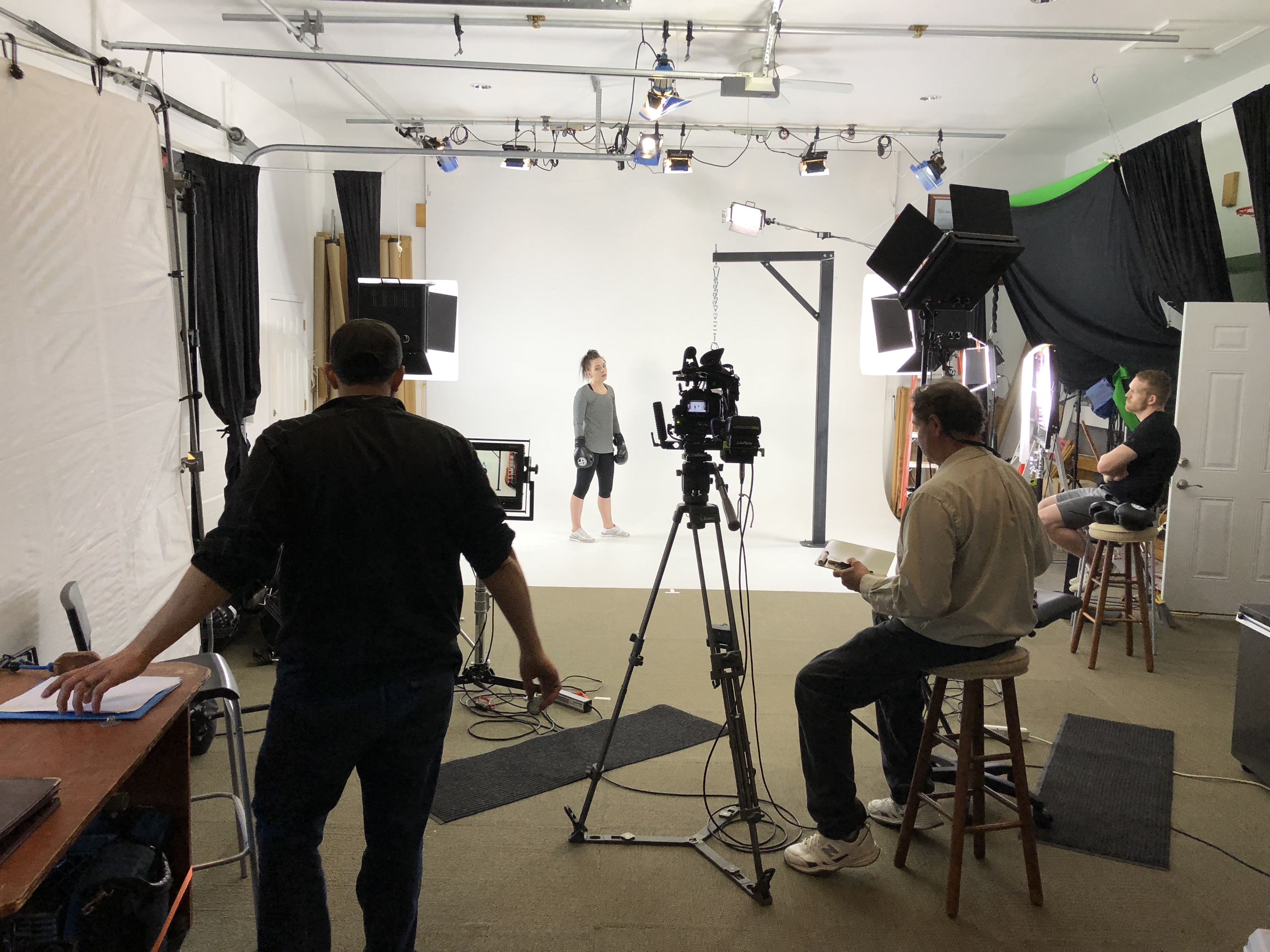
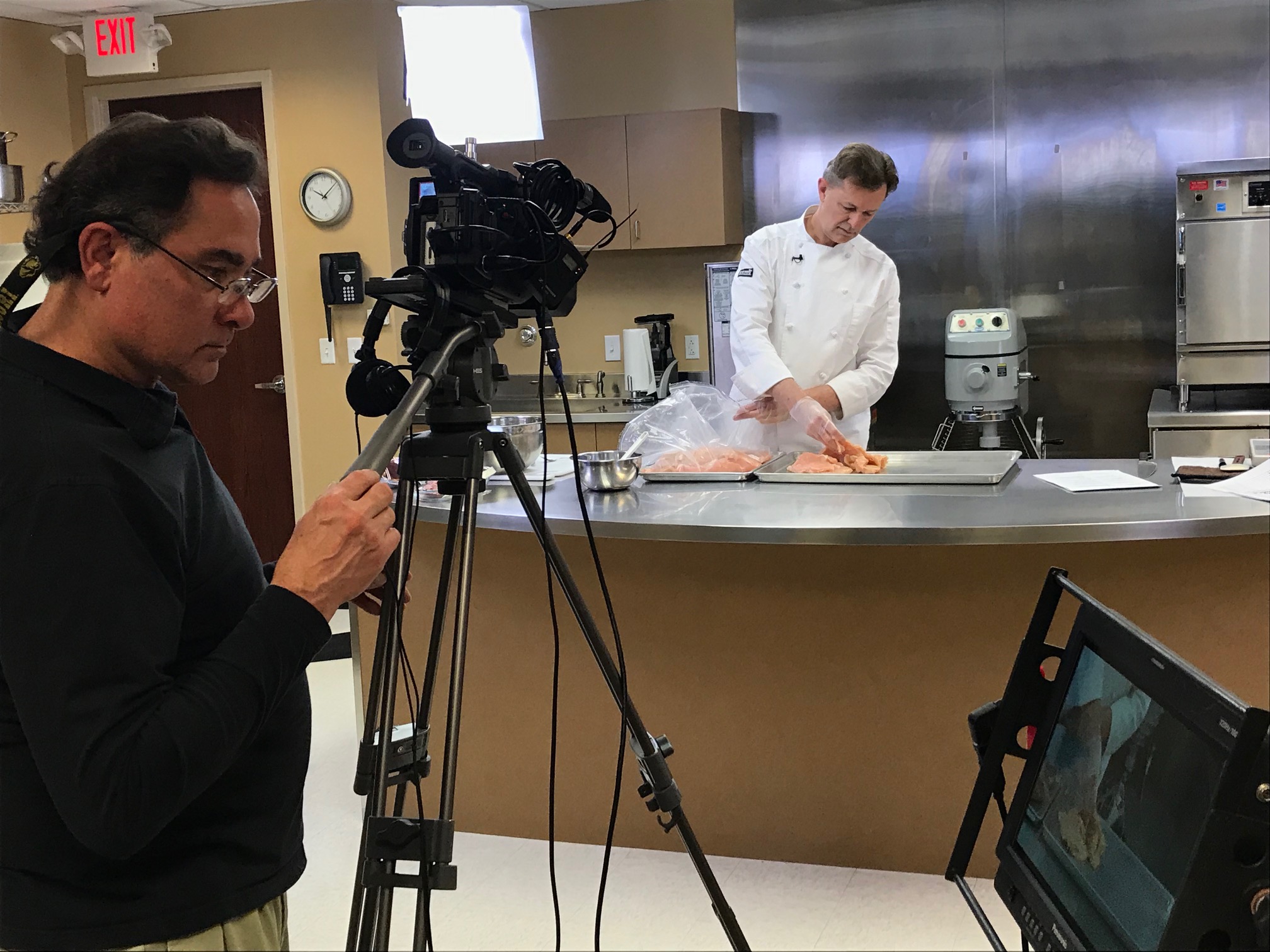
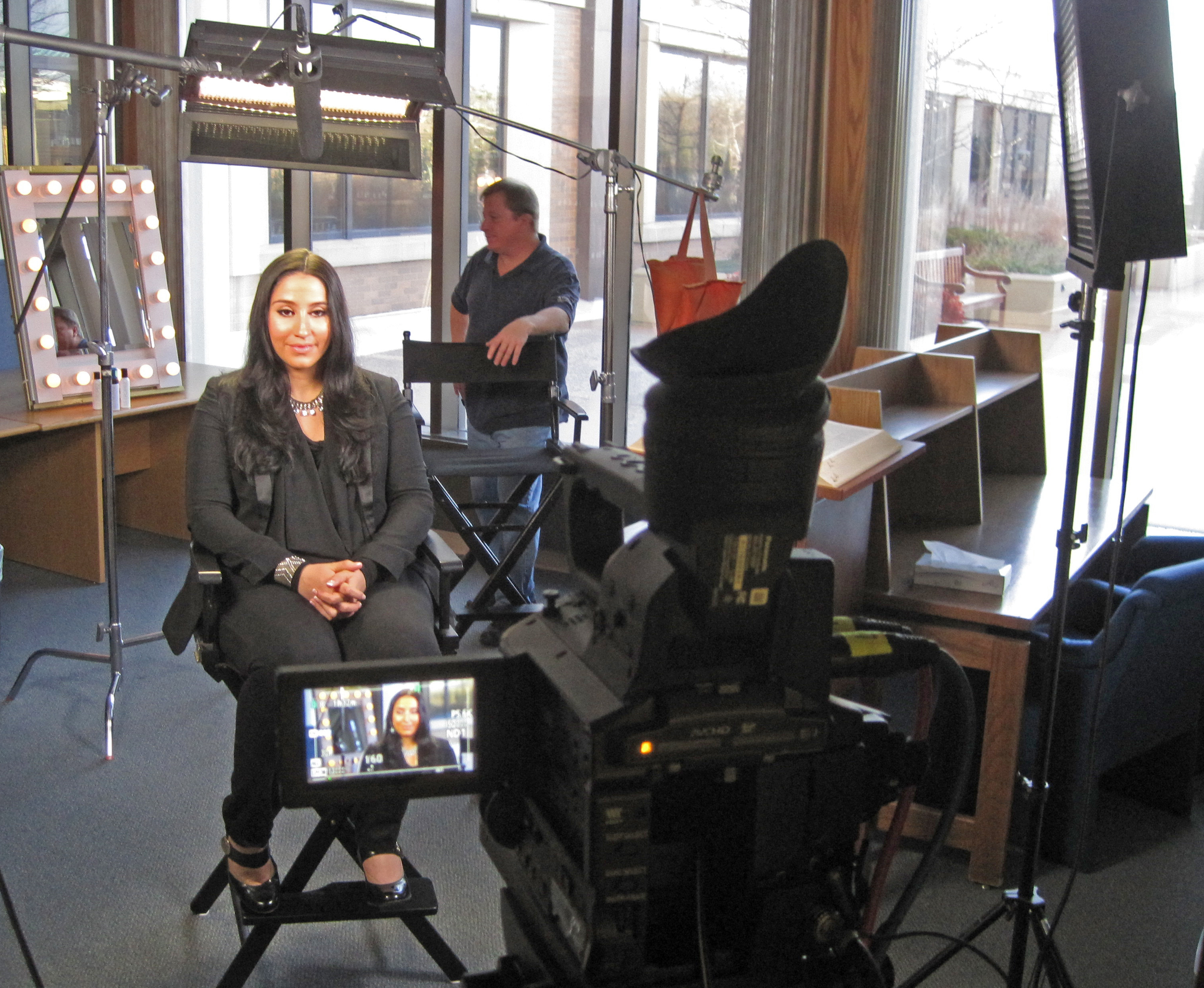
Studio and Location Crew for Economical Video Interviews and B-Roll in St. Louis

For businesses and organizations trying to produce high-value marketing content without wasting budget, interview-based video continues to be one of the most practical and adaptable tools available. A well-crafted interview can build trust, explain expertise, support recruiting, highlight customer experiences, introduce leadership, and strengthen brand positioning. When paired with effective b-roll and strong editing, that same production can generate a wide range of media assets that serve multiple channels and campaigns.

For decision makers overseeing photography, video production, communications, and marketing, the real objective is not simply to capture footage. It is to create efficient, professional content that works hard after production is over. That is especially true when budgets need to stretch across web, social media, presentations, internal communications, advertising, and long-term brand use.

At St Louis Video Editing, the value of an interview and b-roll project is not just in what is recorded on production day. It is in how the project is planned, captured, organized, shaped, and edited into media that is clear, strategic, and usable across platforms.

Why Interview-Centered Video Continues to Be a Smart Marketing Investment

Interview-based content remains one of the strongest formats in commercial media because it is direct, credible, and flexible. It gives viewers a real person, a real voice, and a message that feels grounded rather than overly scripted. That is useful for organizations that want to look polished without appearing artificial.

A single interview production can support:

  • company overview videos
  • executive messaging
  • customer testimonials
  • recruiting and culture videos
  • case studies
  • training content
  • educational campaigns
  • internal communications
  • product or service explainers
  • website and landing page content

The format is also cost-effective because one shoot can often produce far more than one finished video. When a project is planned properly, the raw footage can be edited into multiple versions, shorter clips, social assets, vertical cuts, and future-use content. That is where efficient production and experienced editing become especially important.
Why B-Roll Is Critical to the Success of Interview Video

Even the strongest interview rarely performs as well without supporting visuals. B-roll gives the editor the material needed to shape pacing, add context, smooth transitions, conceal edits, and strengthen storytelling. It makes the final piece feel intentional and visually complete.

For commercial productions, b-roll may include:

  • workplace activity
  • team interaction
  • office and facility visuals
  • service demonstrations
  • manufacturing or operational footage
  • product handling
  • brand details
  • environmental shots
  • aerial coverage where appropriate
  • supporting location footage

What makes b-roll valuable is not simply quantity. It is usefulness. Editors need a thoughtful range of visuals that support the spoken message and provide options in post-production. Strong b-roll creates more flexibility. More flexibility leads to a better finished product and greater repurposing value.

Economical Production Is About Efficiency and Post-Production Value

Many companies assume economical video production means lowering the price of the shoot. In reality, the more important issue is whether the project produces useful content efficiently and whether the final media can be repurposed effectively. Poor planning, weak coverage, and limited editing foresight often make a cheaper production more expensive over time.

An economical interview and b-roll production usually depends on four things:
1. Clear Pre-Production Strategy

The most efficient productions begin with a clear plan. That means identifying the audience, the message, the interview subjects, the location needs, the supporting visuals, and the intended deliverables before the production day begins.

That planning helps answer practical questions such as:

  • Is the interview better suited for a studio or a real location?
  • What visual coverage will the editor need?
  • How many finished versions should the footage support?
  • What aspect ratios and platforms matter most?
  • What footage should be captured for future edits?
  • Does the project need drone coverage, motion graphics, or multiple camera angles?

Without this level of planning, it becomes harder to edit efficiently and harder to maximize the value of the footage later.

2. The Right Crew and Capture Plan

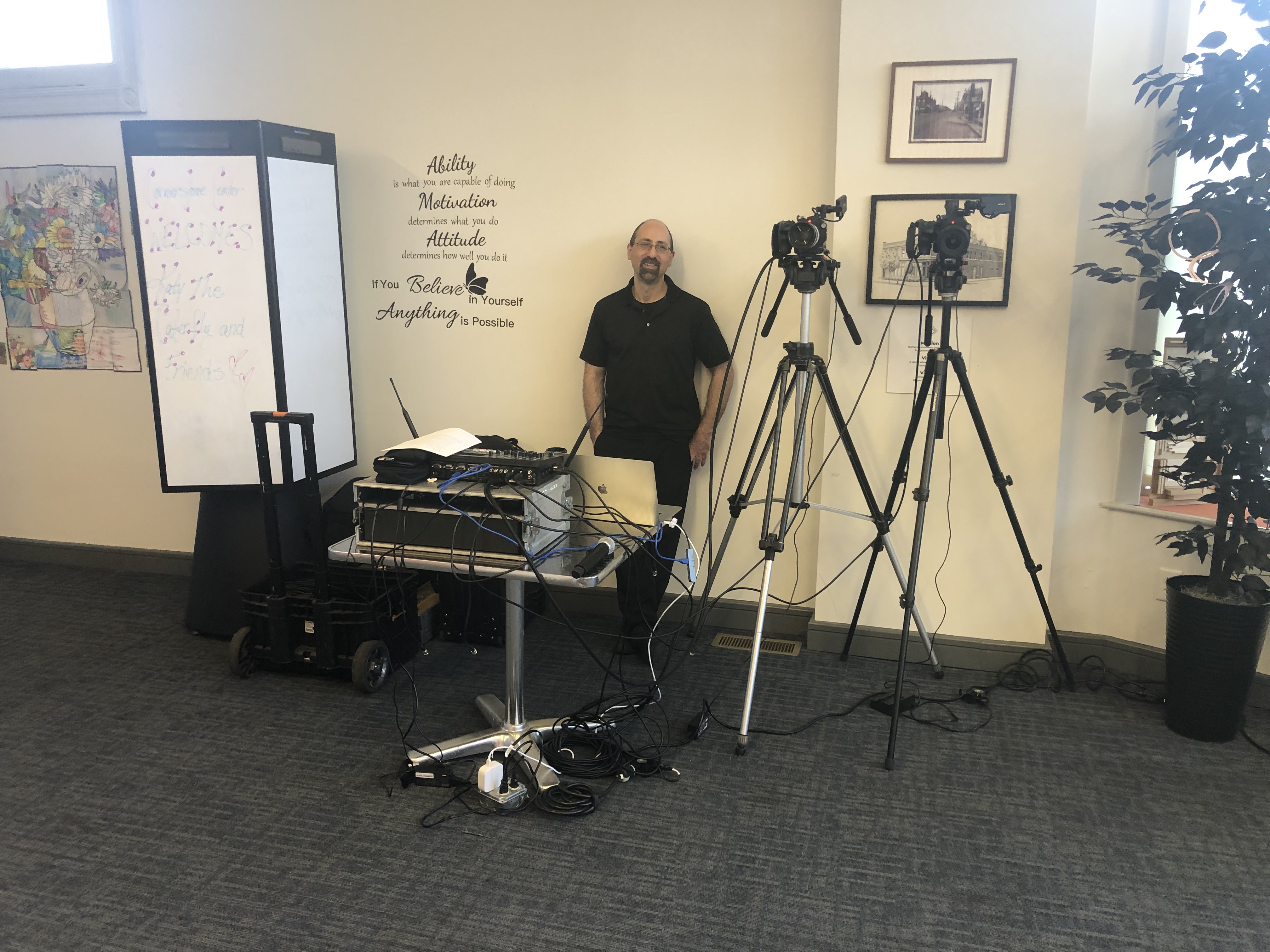
Not every production requires the same size crew or the same level of equipment. An experienced team knows when a lean setup is appropriate and when a larger crew is necessary for efficiency and quality.

A properly scaled production helps control costs while maintaining a professional result. More importantly, it ensures that footage arrives in post-production organized, technically sound, and ready to edit without avoidable problems.

3. Strong B-Roll Acquisition

B-roll should be captured with the edit in mind. That means collecting a variety of shot sizes, angles, motion, and actions that will actually help build the finished piece.

The best productions gather footage that editors can use to:

  • reinforce key statements
  • improve pacing
  • create alternate cutdowns
  • support future messaging
  • build social media excerpts
  • increase the overall polish of the final edit

4. Editing That Extends the Value of the Production

Editing is where the footage becomes strategy. It is where message, tone, pacing, branding, graphics, and structure come together. It is also where the project becomes economically efficient or fails to do so.

A professional edit should not simply assemble clips. It should shape them into content that is useful for the client’s actual marketing needs.
Why Editing Is One of the Most Important Parts of an Economical Production

Too often, editing is treated as a final technical step. In reality, it is one of the most important value drivers in the entire production process. Good editing transforms recorded footage into a polished communication tool. It also increases the practical output of the same production investment.

Thoughtful editing can help organizations get:

  • one main feature edit
  • short social versions
  • vertical video cutdowns
  • teaser edits
  • web page clips
  • internal-use edits
  • alternate versions for different audiences
  • refined clips for paid advertising
  • still frames for thumbnails and graphics

This is one of the clearest reasons interview and b-roll production can be so cost-effective. When editing is approached strategically, one production day becomes a source of many deliverables.

Studio Interviews Offer Efficiency and Clean Production Control

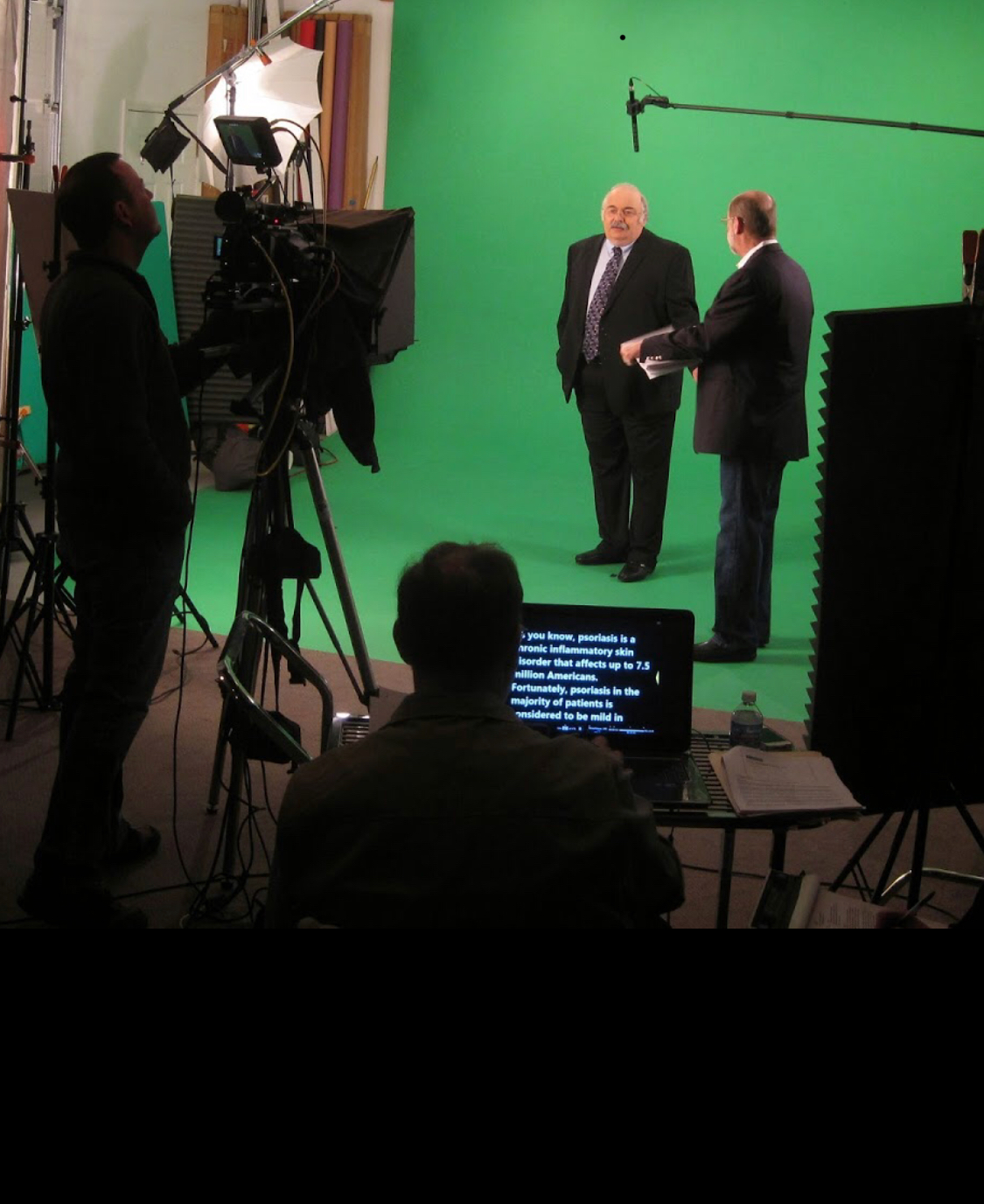
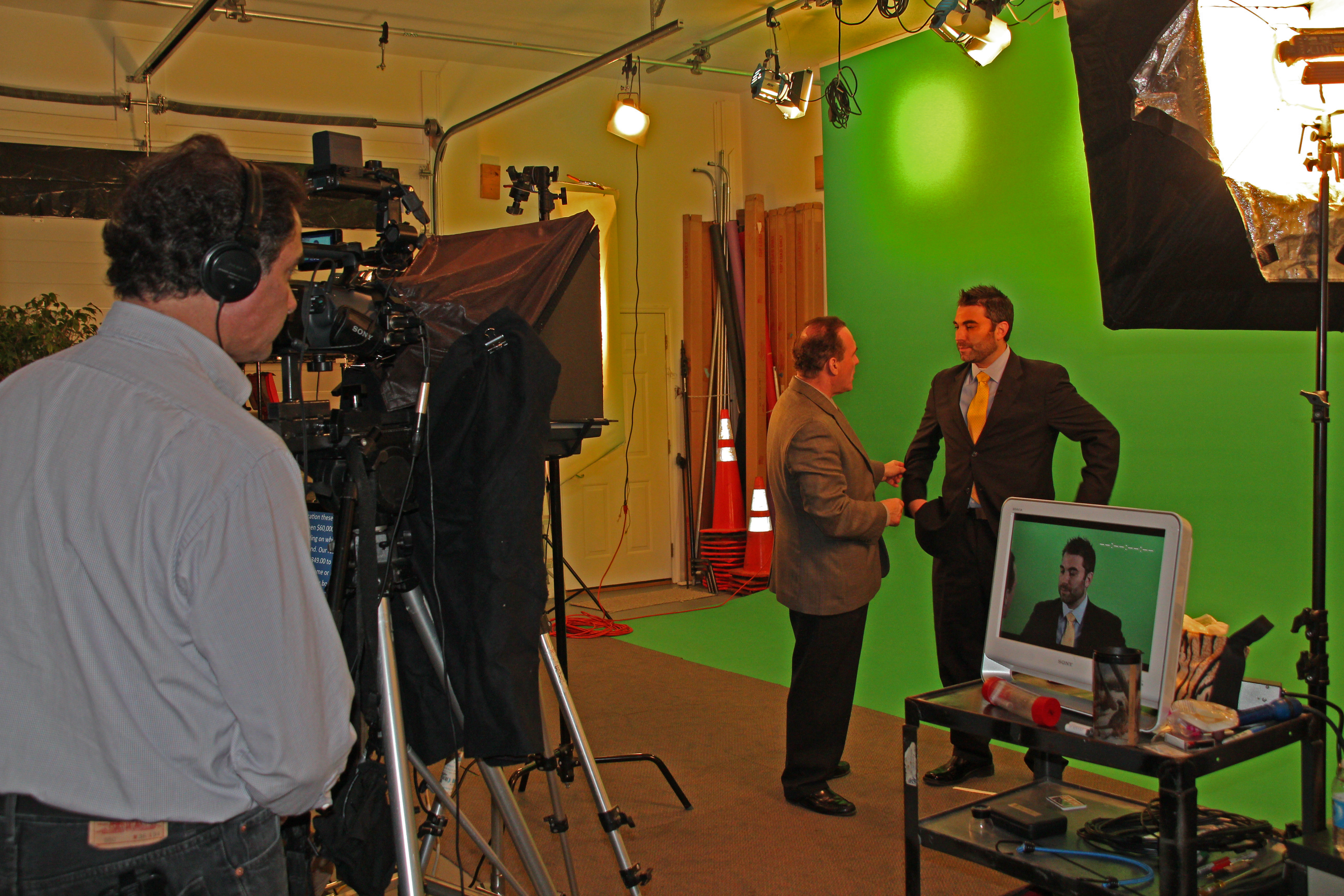
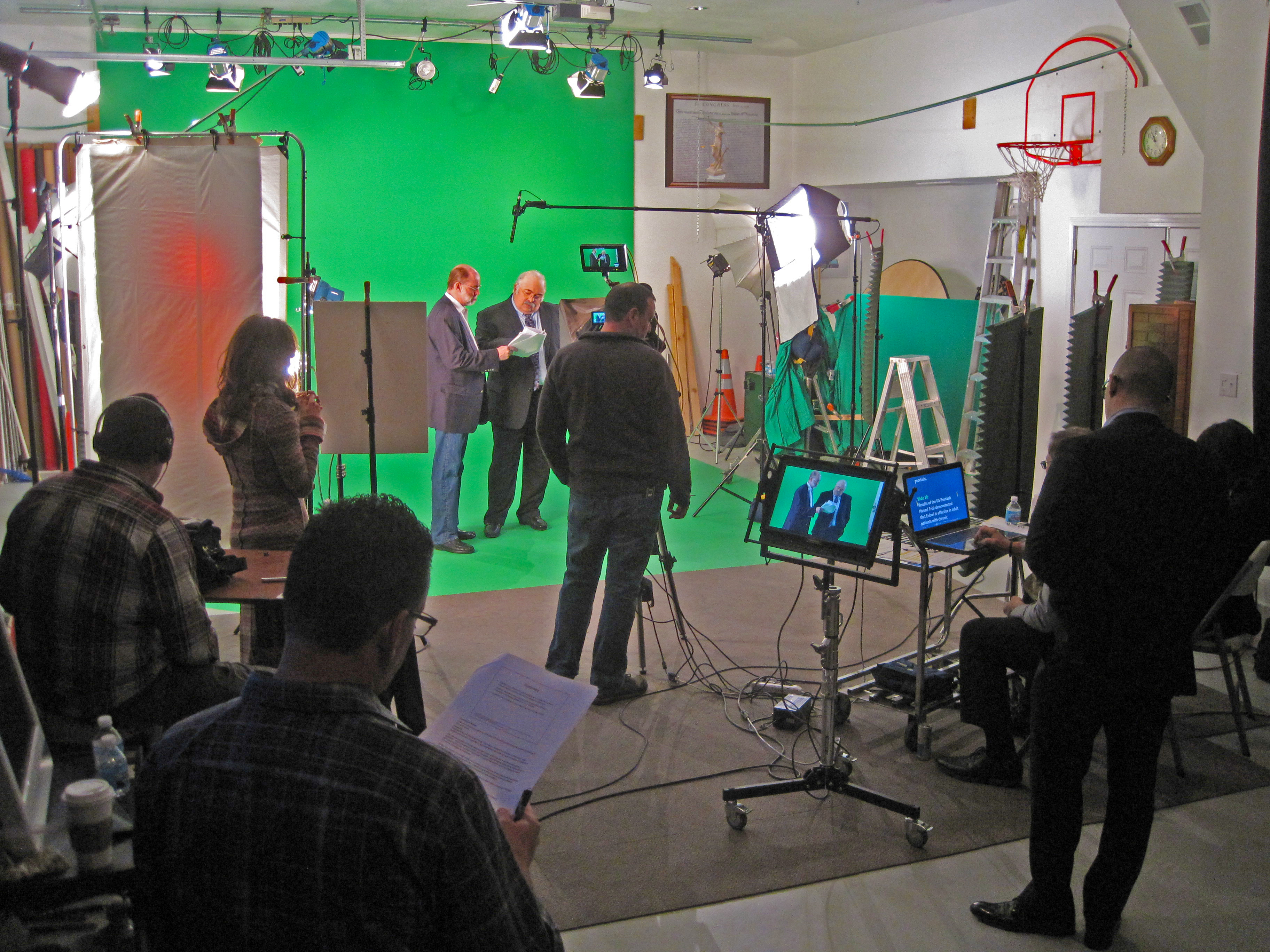
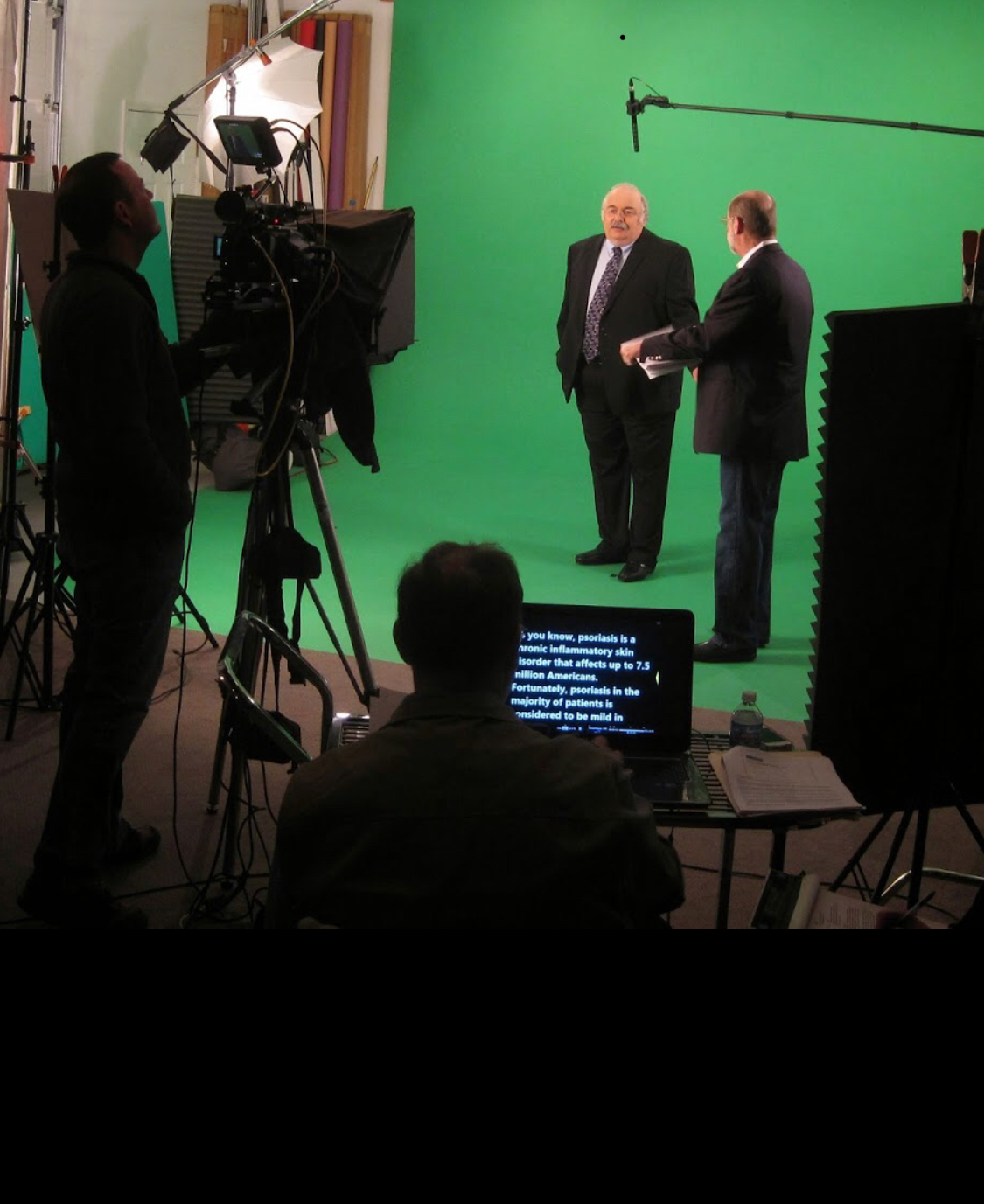
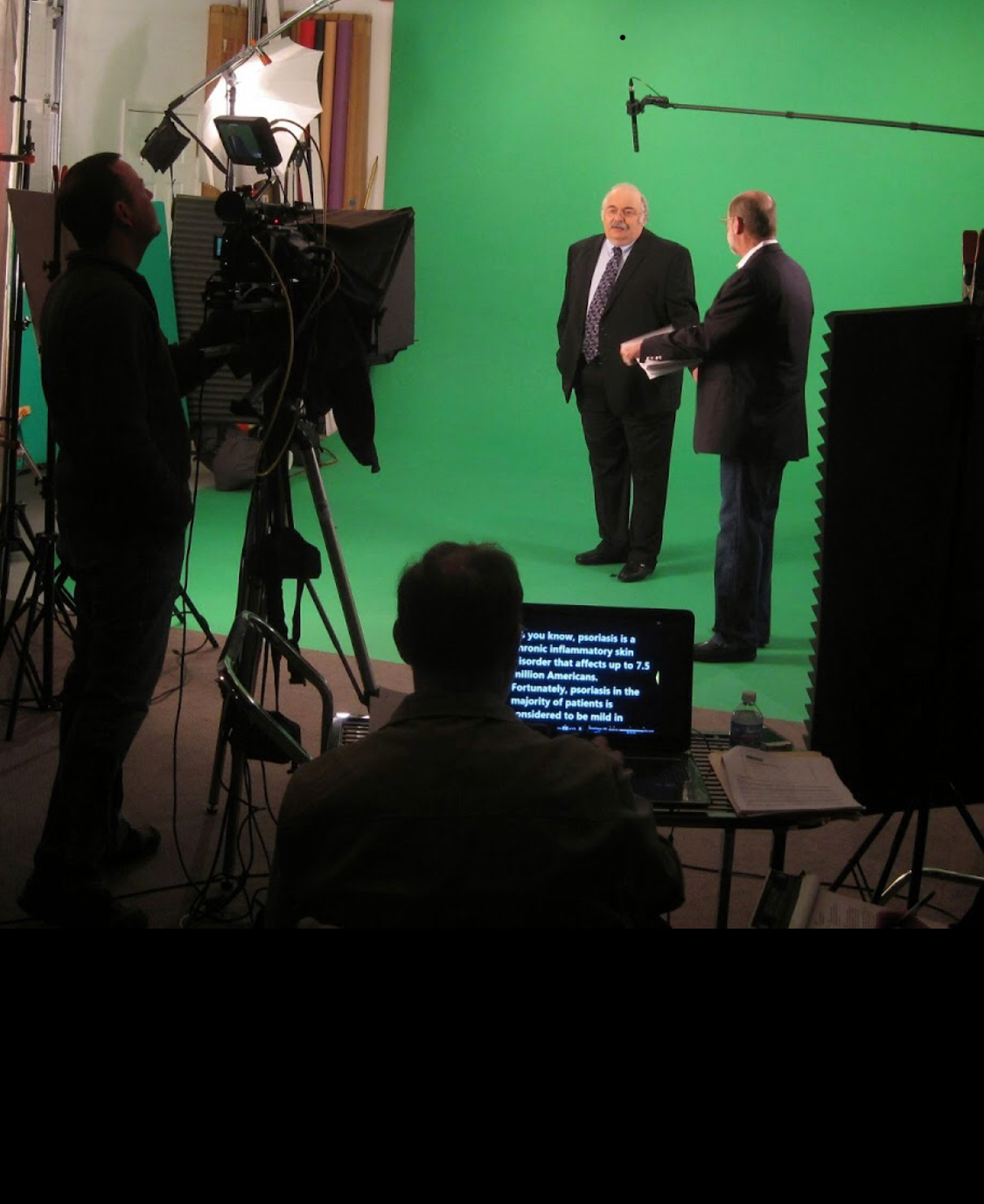
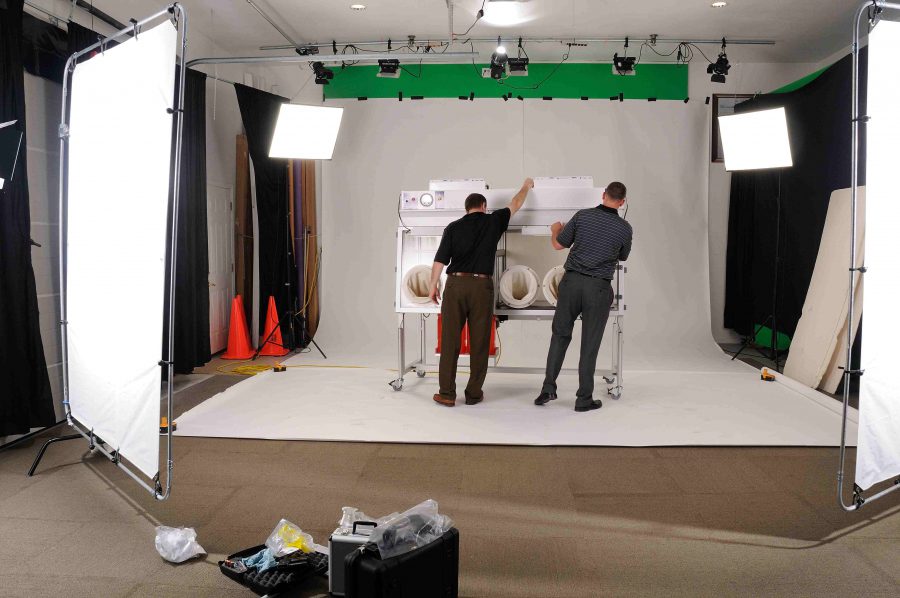
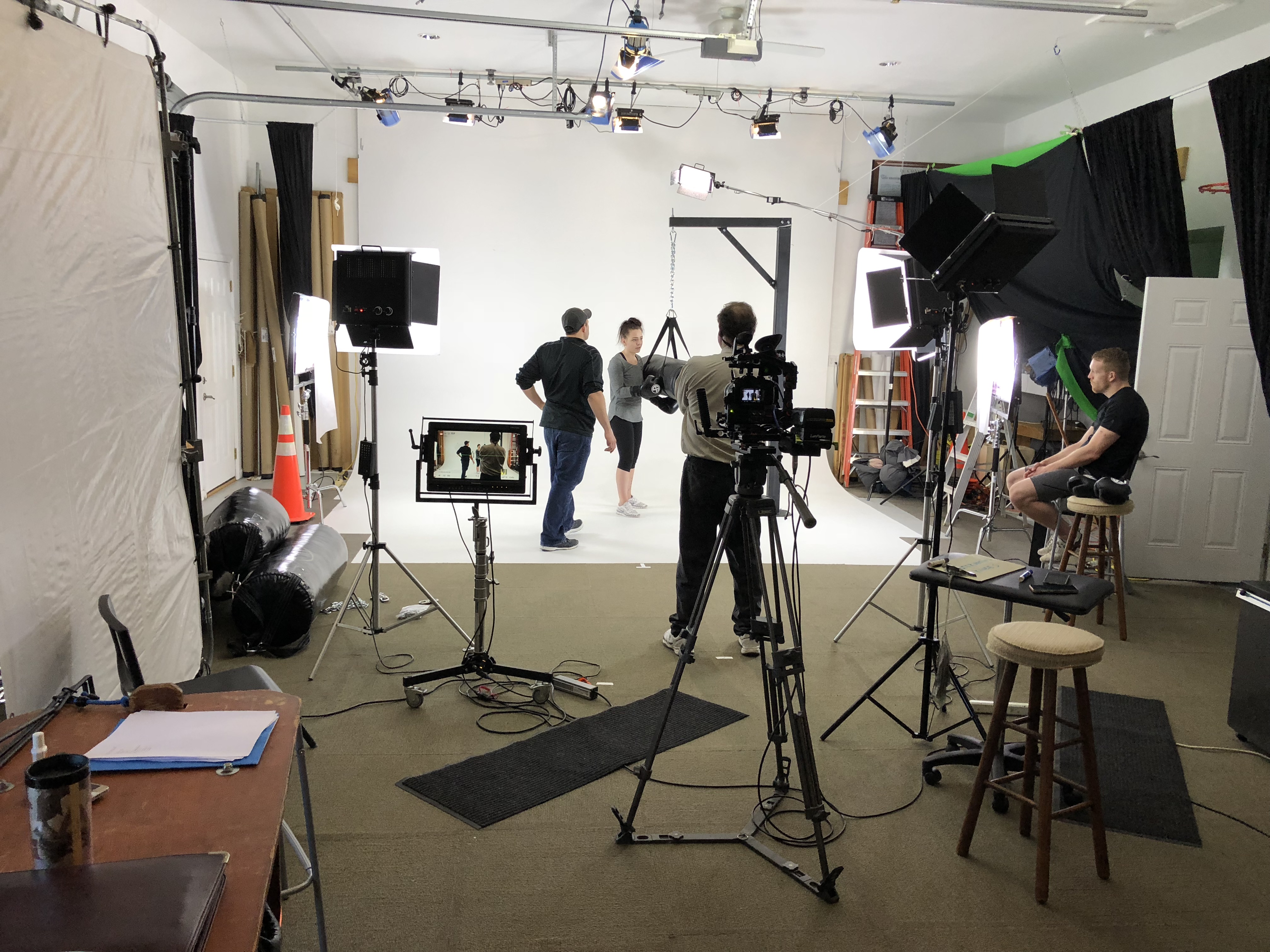
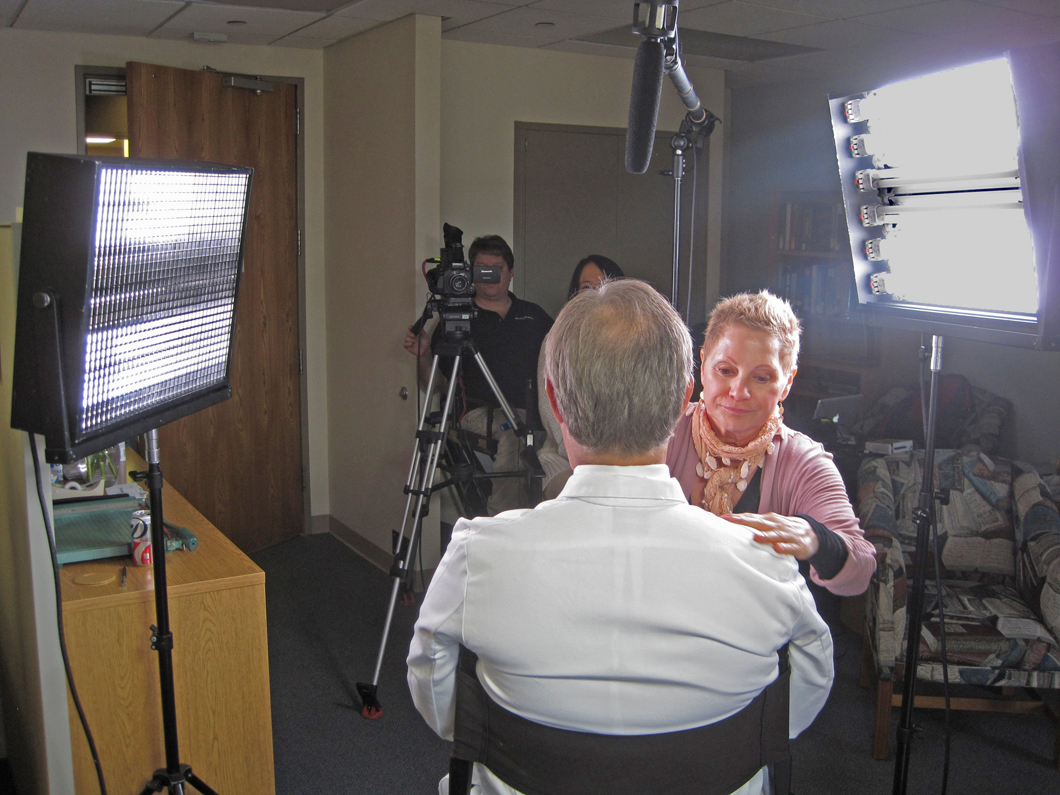
Studio interviews remain one of the best options when consistency, sound quality, lighting control, and polished brand presentation are priorities. A studio environment allows the crew to manage every variable more precisely, which often saves time during both production and editing.

Studio shoots are especially useful for:

  • executive interviews
  • spokesperson messaging
  • educational videos
  • branded content series
  • product explainers
  • green screen or custom background work
  • content requiring uniform visual continuity

From an editing perspective, studio work is often more efficient because the footage is cleaner and more consistent. Fewer visual distractions, better sound control, and stable lighting conditions usually translate into faster post-production and a more polished result.
Location Interviews Add Context and Authenticity

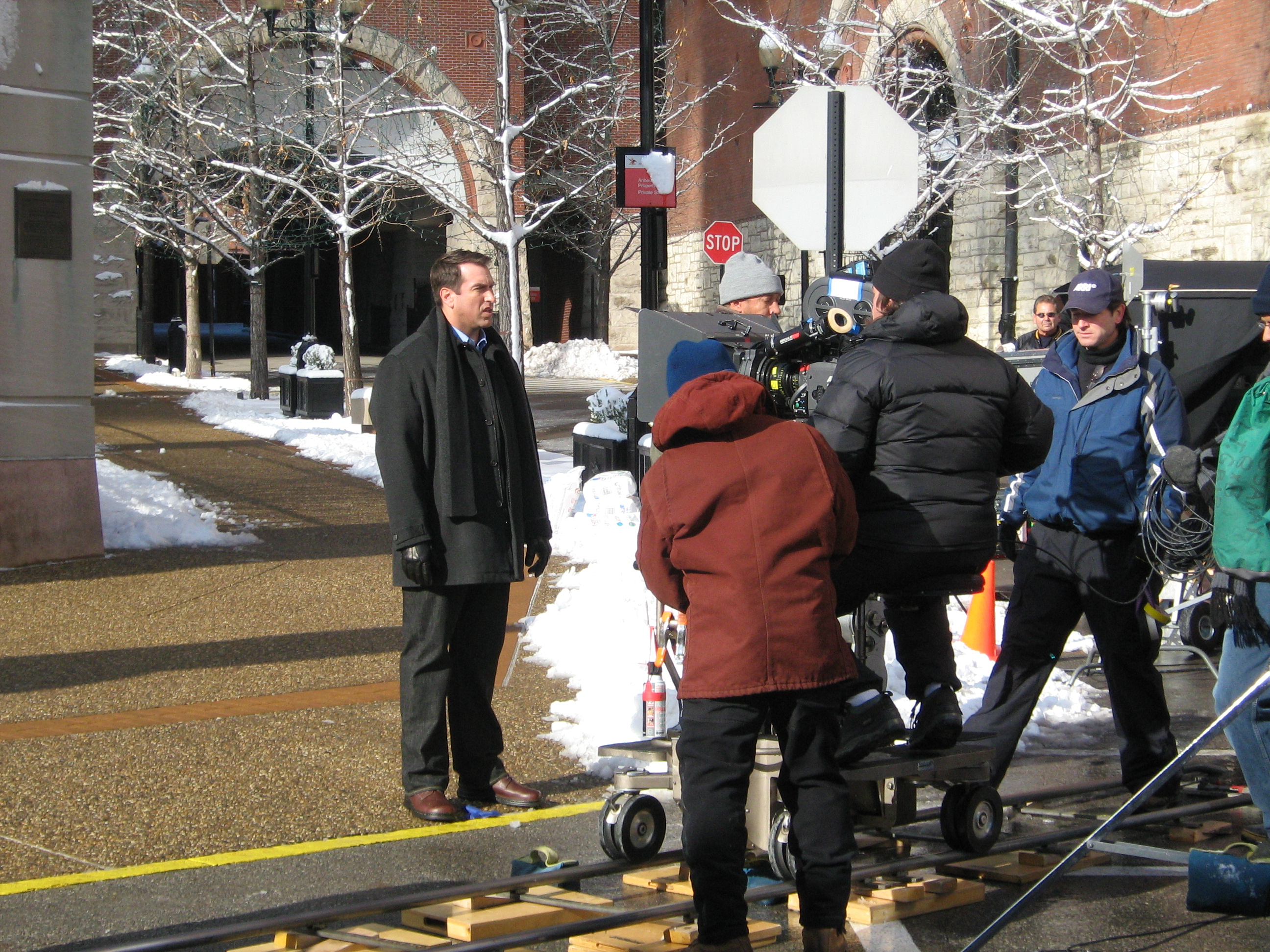
Location interviews offer a different type of value. They place the subject inside a real environment that reinforces the message visually. For many brands, this adds authenticity and credibility that cannot be replicated in a neutral studio setting.

Location work is often especially effective for:

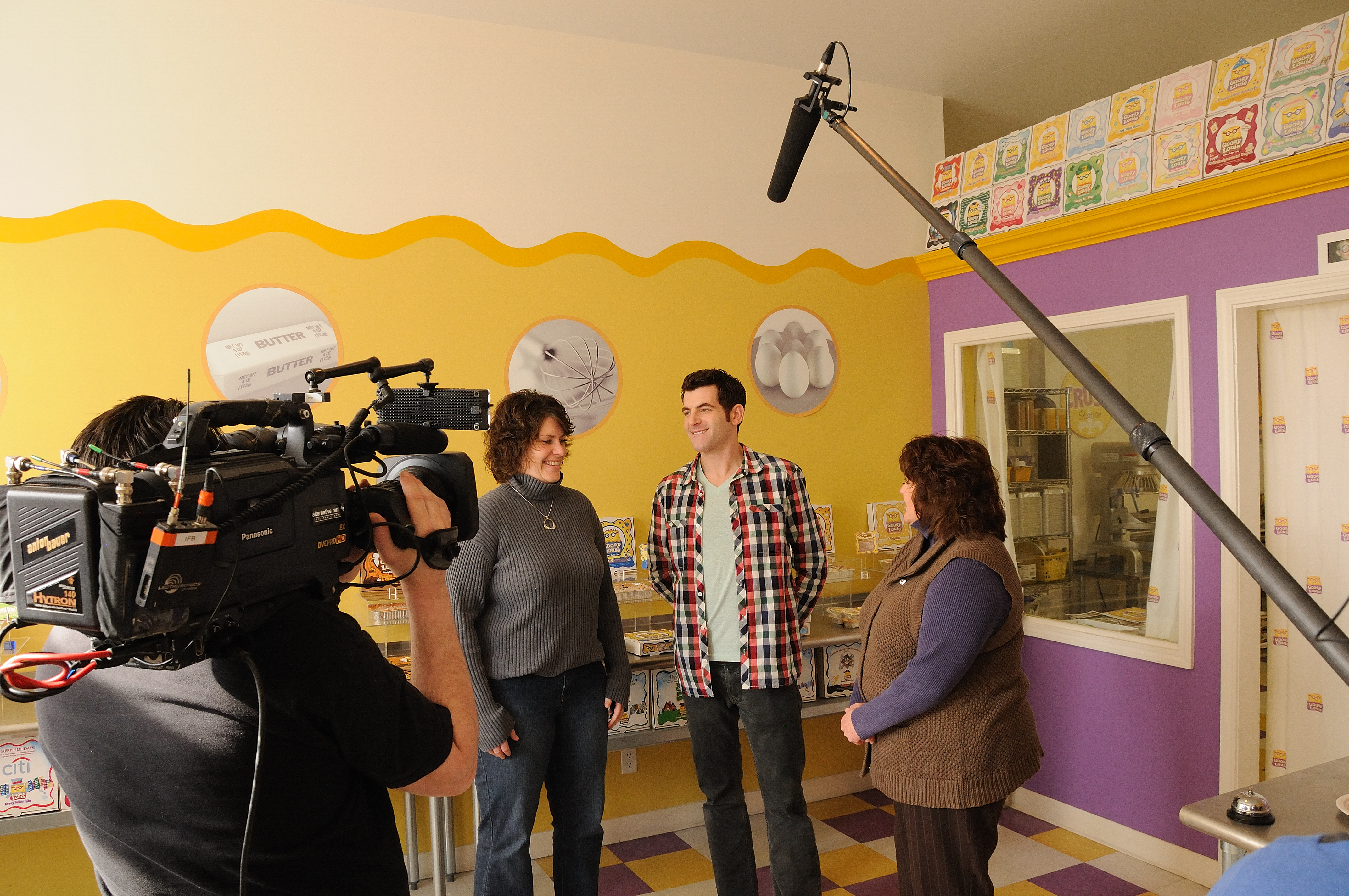
  • customer testimonials
  • workplace culture videos
  • recruiting pieces
  • industrial and manufacturing storytelling
  • service-based business profiles
  • nonprofit and community messaging
  • company overview videos

The strength of location production is not simply that it is real. It is that it gives the editor meaningful environmental visuals to work with. When a production team understands both capture and editing needs, the location footage becomes far more useful in the final piece.

Why a Combination of Studio and Location Often Works Best

Many of the strongest interview and b-roll projects use a hybrid approach. Interviews may be captured in a controlled studio environment for consistency, while location footage is gathered for authenticity and visual depth. This gives the editor a larger visual vocabulary and improves the flexibility of the finished media.

That hybrid approach often allows for:

  • cleaner interview sound and lighting
  • richer visual storytelling
  • stronger pacing in post-production
  • more options for alternate edits
  • greater brand polish
  • more usable footage from one coordinated effort

For organizations that want professional control without losing environmental credibility, this combination is often the most effective route.
Editing Makes Repurposing Possible

Repurposing footage is one of the most important ways to increase production value, and that depends heavily on editing. Good editors do more than finish a main video. They identify what other content can be built from the same shoot.

That may include:

  • quote-based short clips
  • social excerpts
  • industry-specific variations
  • recruitment versions
  • internal communications edits
  • vertical or square formats
  • archival footage libraries for later use

This matters to marketing teams because it means the project continues generating returns well beyond its initial release. It also helps justify production budgets more effectively because the content can be distributed in more places for more purposes.

The Role of Graphics, Sound, and Finishing in Professional Edits

Editing quality is not just about selecting shots. It also includes finishing elements that affect professionalism and audience response. Clean sound, music selection, pacing, titles, graphics, branding, and color consistency all shape how the final piece is perceived.

A professionally edited project may involve:

  • dialogue cleanup
  • sound balancing
  • branded lower thirds
  • text graphics
  • logo integration
  • pacing adjustments
  • color correction and grading
  • format delivery for different platforms
  • motion graphics where needed

These elements may seem secondary to the footage itself, but together they often determine whether a piece feels merely recorded or genuinely produced.
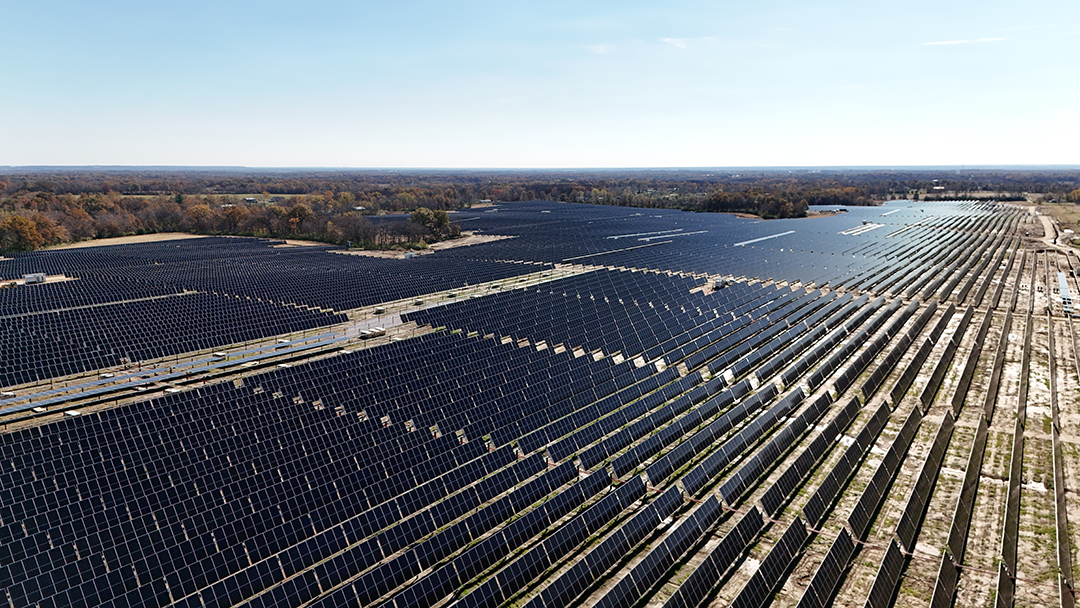
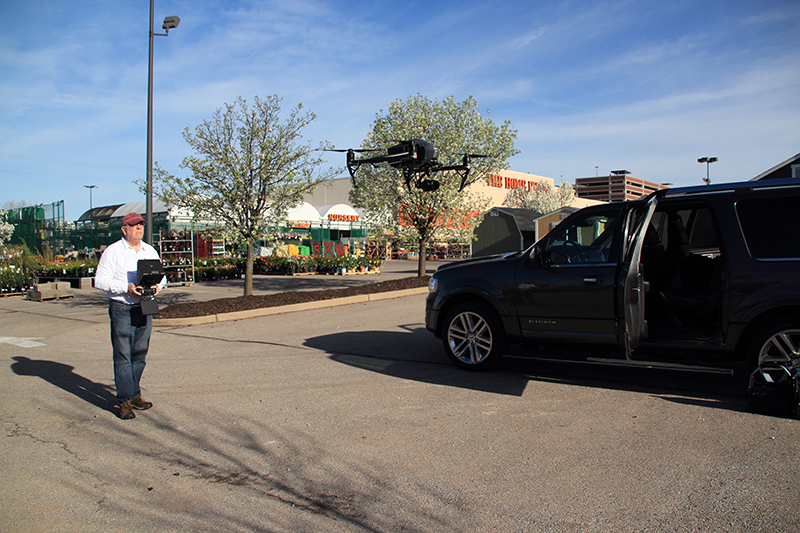
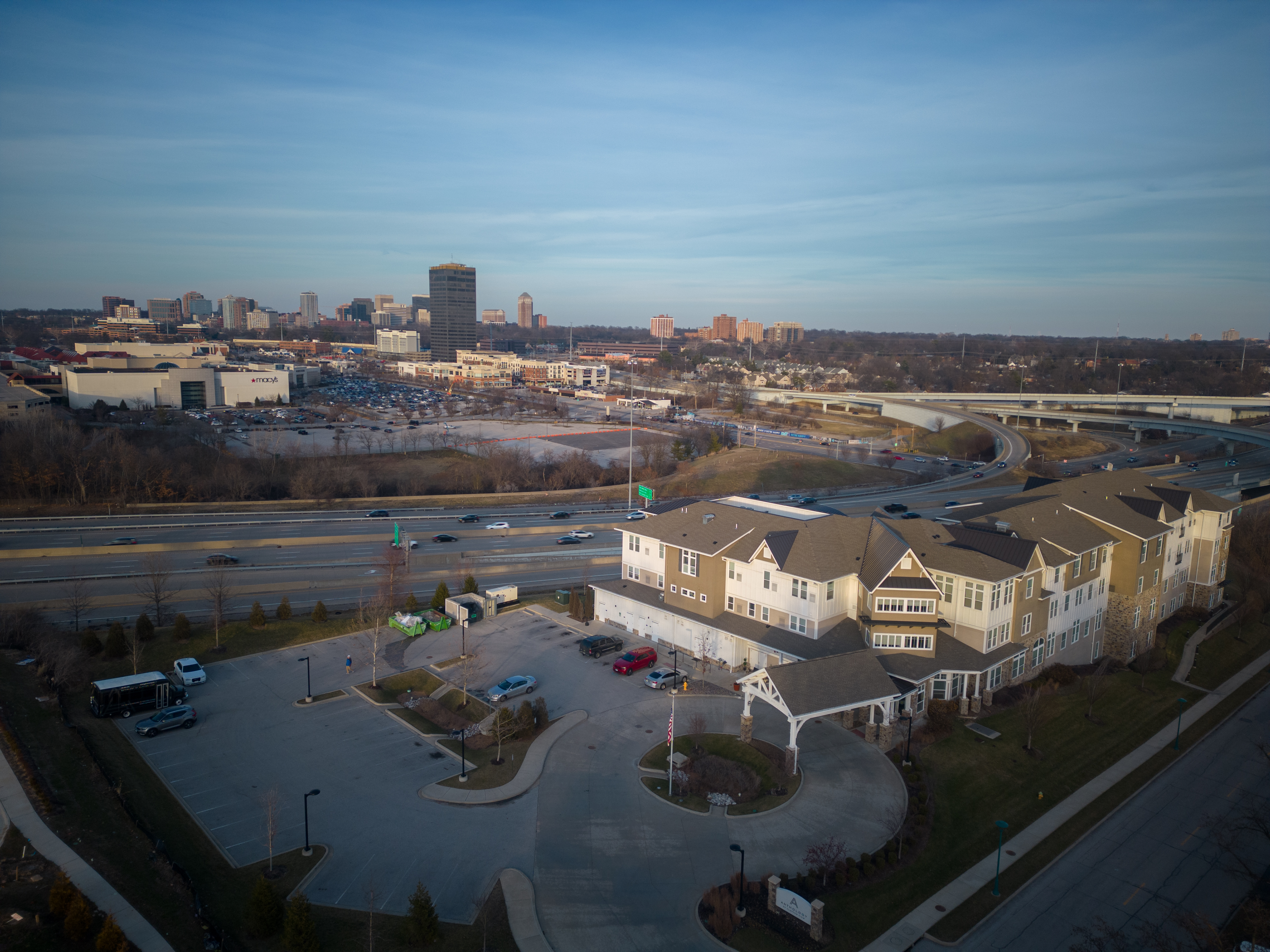
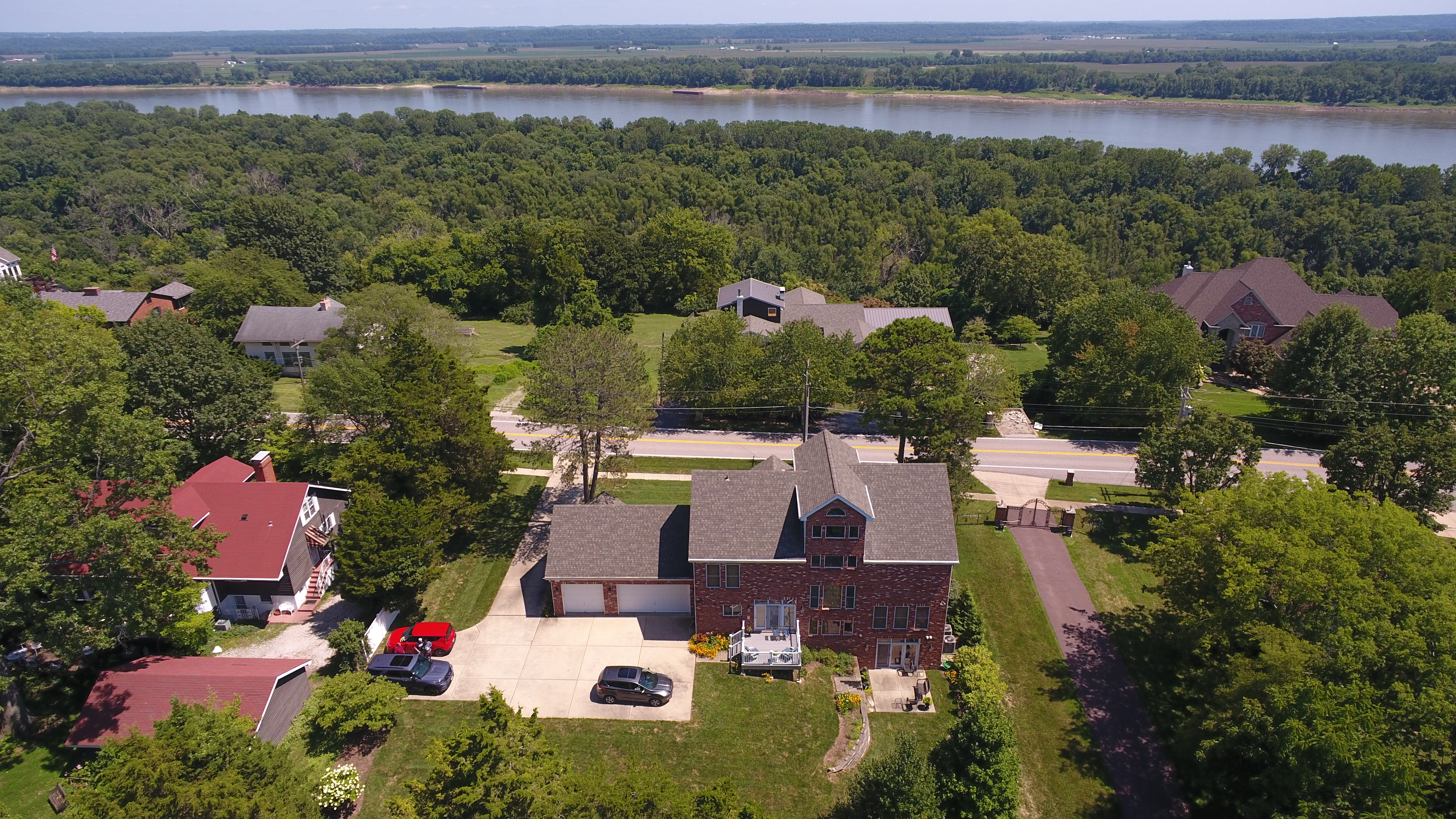
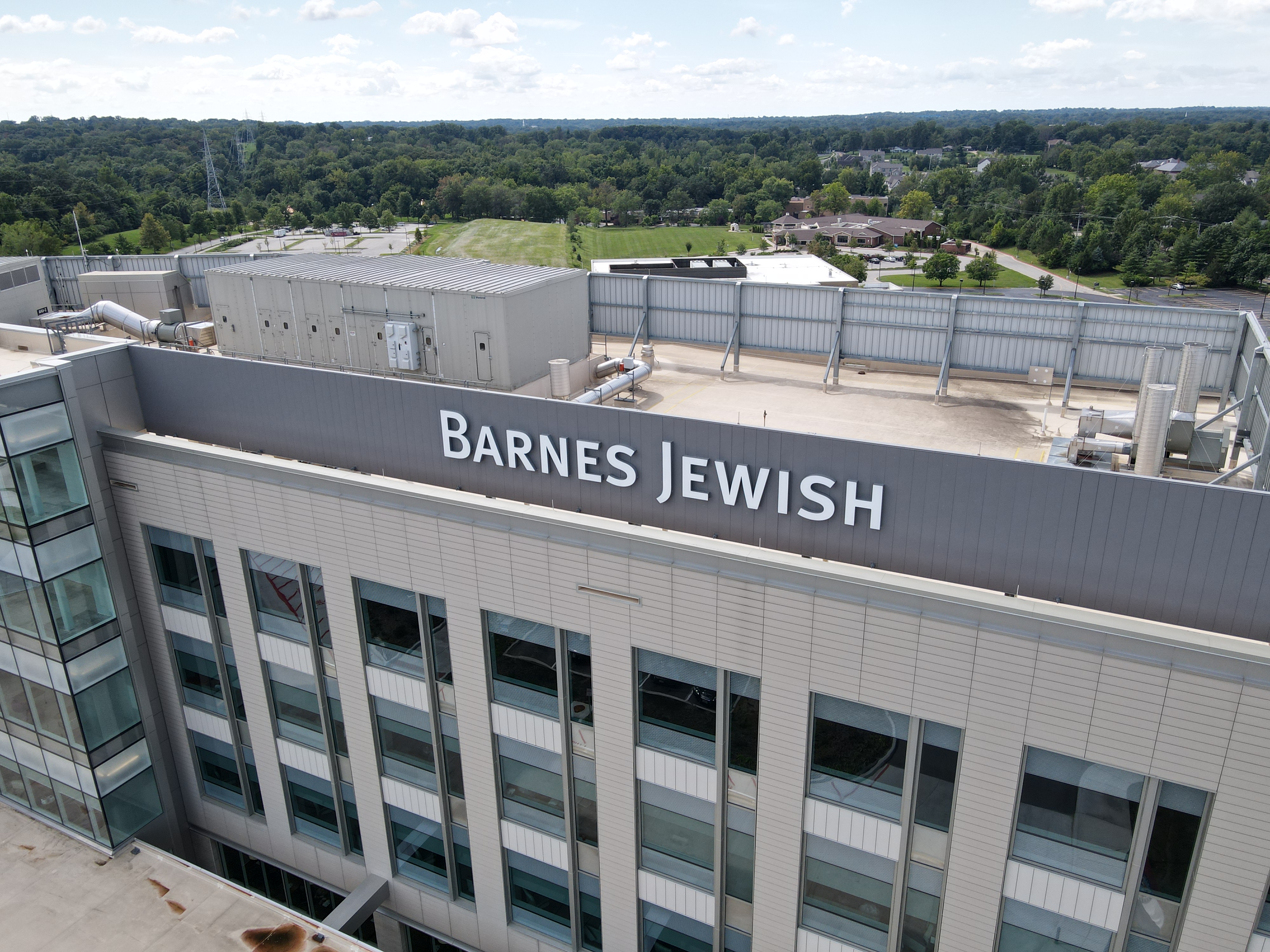
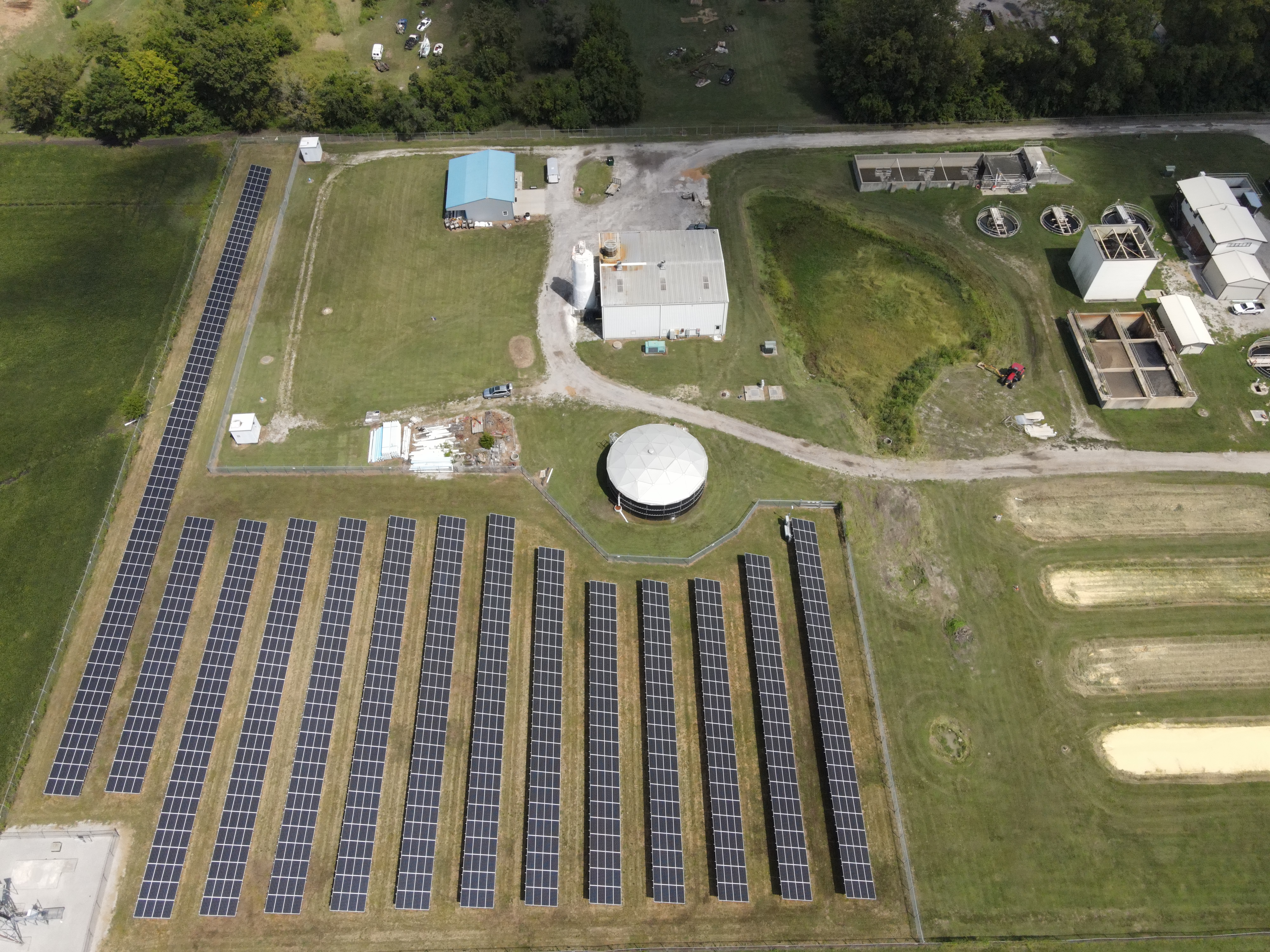
Drone Coverage Can Strengthen Interview and B-Roll Projects

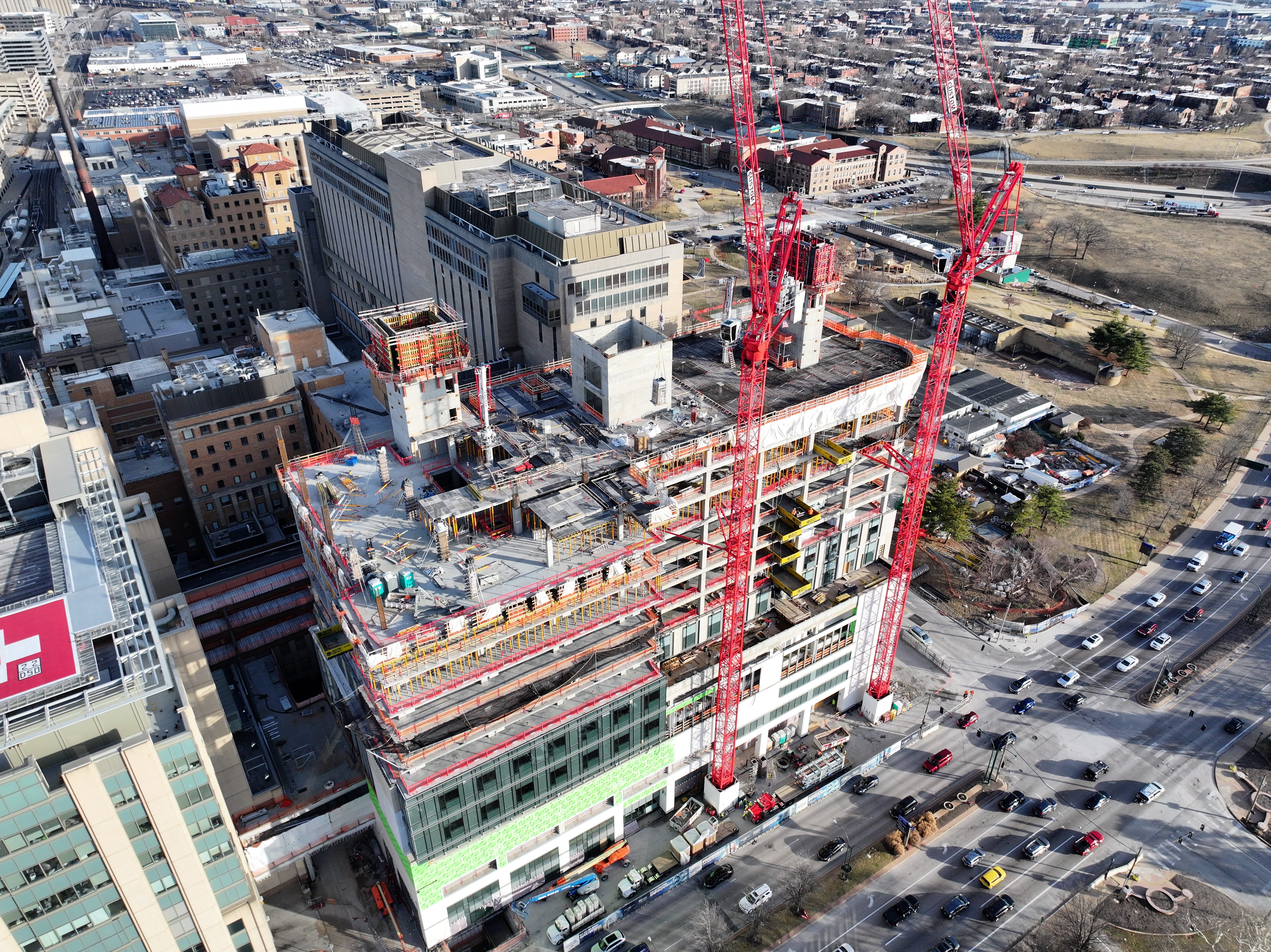
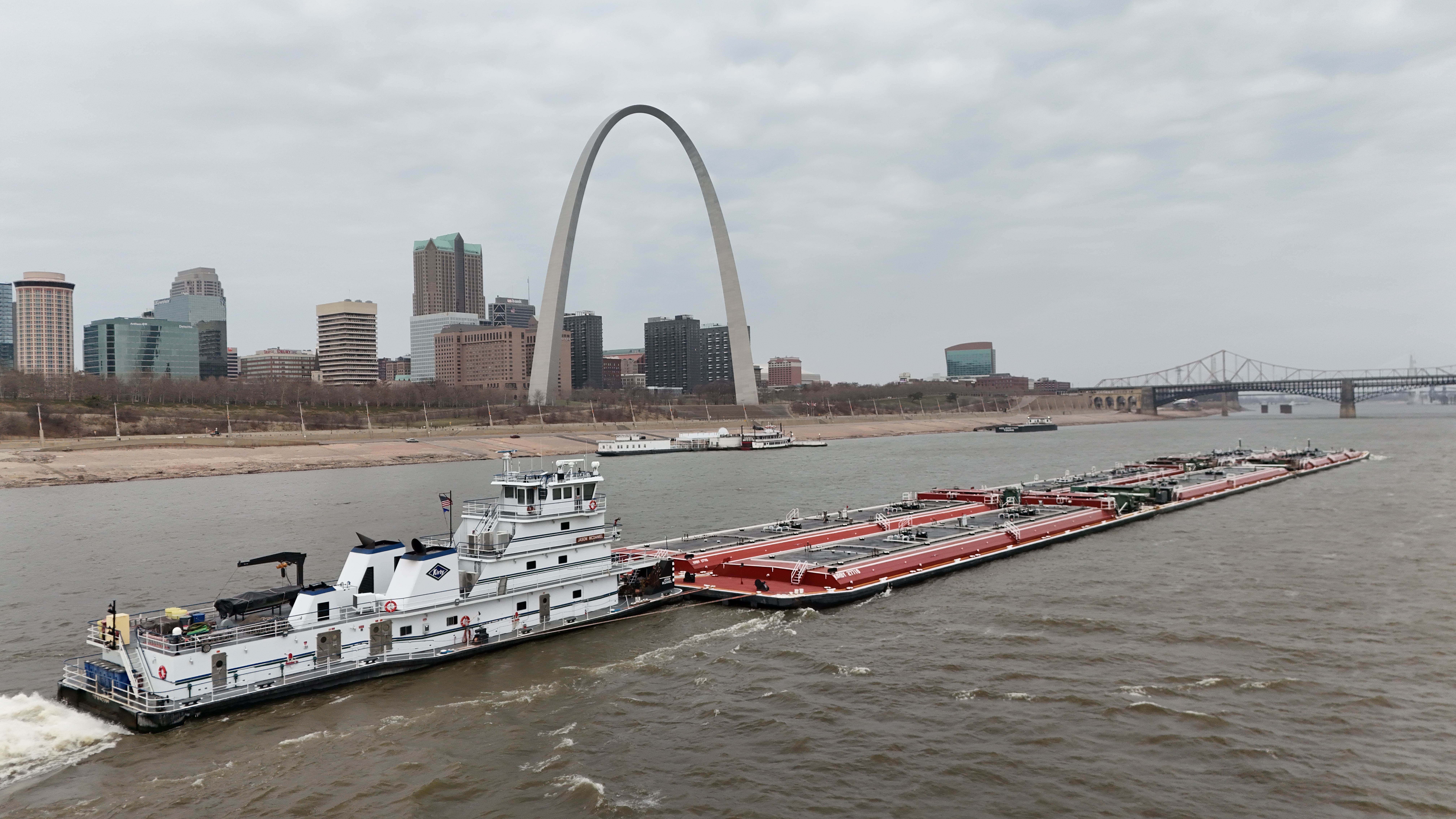
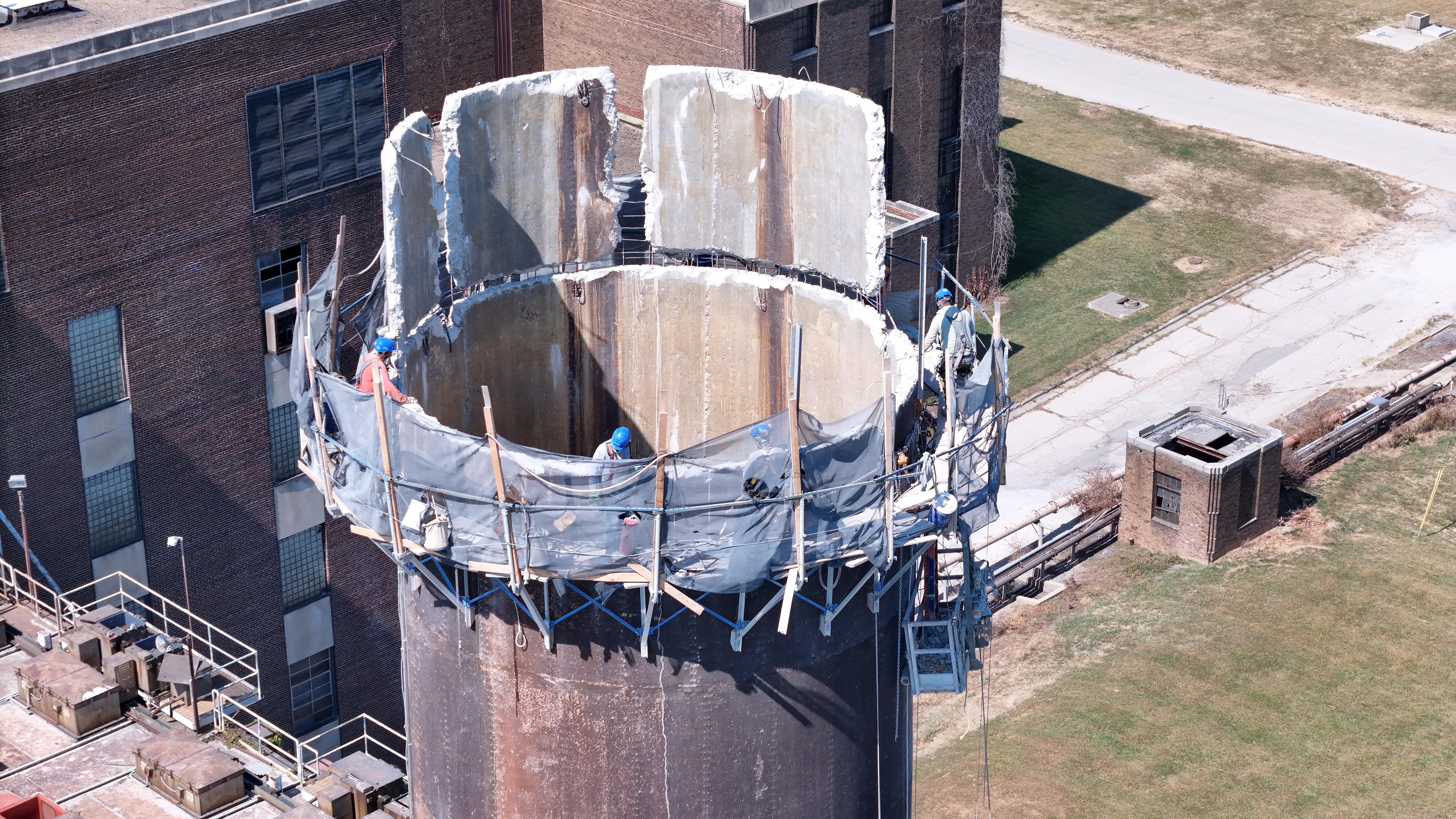
While editing is central to maximizing value, the footage itself still matters. Drone coverage can add another layer of production strength by providing scale, context, movement, and perspective. For many businesses, that aerial view helps the audience understand the environment more clearly.

Drone footage can be useful for:

  • facility overviews
  • campus and property visuals
  • industrial and logistics sites
  • construction and development projects
  • exterior brand establishing shots
  • tourism or destination content
  • event and venue coverage

When edited correctly into an interview-driven project, drone visuals can elevate the final piece without overwhelming the message.

Specialized Production and Post-Production Support Matter

Organizations often need more than simple footage capture. They need a production partner that understands how to support the project from planning through delivery. That includes location scouting, b-roll acquisition, interview production, file handling, editing workflows, graphics integration, and delivery formatting.

The best results come when capture and post-production are connected from the beginning. That is how projects stay efficient and how the finished media ends up aligned with real business and marketing goals.

What Decision Makers Should Look for in a Production Partner

For businesses and organizations searching for economical interview and b-roll production in St. Louis, the right production partner should offer more than camera operation. They should understand how footage becomes strategy through post-production.

That means looking for a team that can provide:

  • strong interview direction
  • studio and location flexibility
  • thoughtful b-roll coverage
  • clean audio and lighting
  • editing expertise
  • multiple deliverable planning
  • repurposing strategy
  • branding consistency
  • efficient production workflows
  • local production knowledge

A team that thinks this way is far more likely to deliver content that performs well, remains useful over time, and makes the most of the production investment.

Final Thoughts

Studio and location crew services for economical video interviews and b-roll in St. Louis are most effective when the production is built around what will happen in the edit. Interviews, supporting visuals, and post-production should all work together to create a flexible, polished content package that serves multiple business goals.
At St Louis Video Editing, we understand that production value is not only captured in the field or in the studio. It is built through planning, coverage, structure, and the editorial process that shapes footage into meaningful media. As a full-service professional commercial photography and video production company, St Louis Video Editing has the right equipment and creative crew service experience for successful image acquisition. We offer full-service studio and location video and photography, as well as editing, post-production, and licensed drone services. St Louis Video Editing can customize your productions for diverse types of media requirements. Repurposing your photography and video branding to gain more traction is another specialty. We are well-versed in all file types and styles of media and accompanying software. We use the latest in Artificial Intelligence for all our media services. Our private studio lighting and visual setup is perfect for small productions and interview scenes, and our studio is large enough to incorporate props to round out your set. We support every aspect of your production, from setting up a private, custom interview studio to supplying professional sound and camera operators, as well as providing the right equipment, ensuring your next video production is seamless and successful. We are also location scouting and b-roll specialists. We can fly our specialized FPV drones indoors, and our other drone special services include infrared thermal, orthomosaics, and LiDAR. As a full-service video and photography production corporation serving the St. Louis area since 1982, St Louis Video Editing has worked with many businesses, marketing firms, and creative agencies for their marketing photography and video needs.
314-913-5626

mobuy1@gmail.com

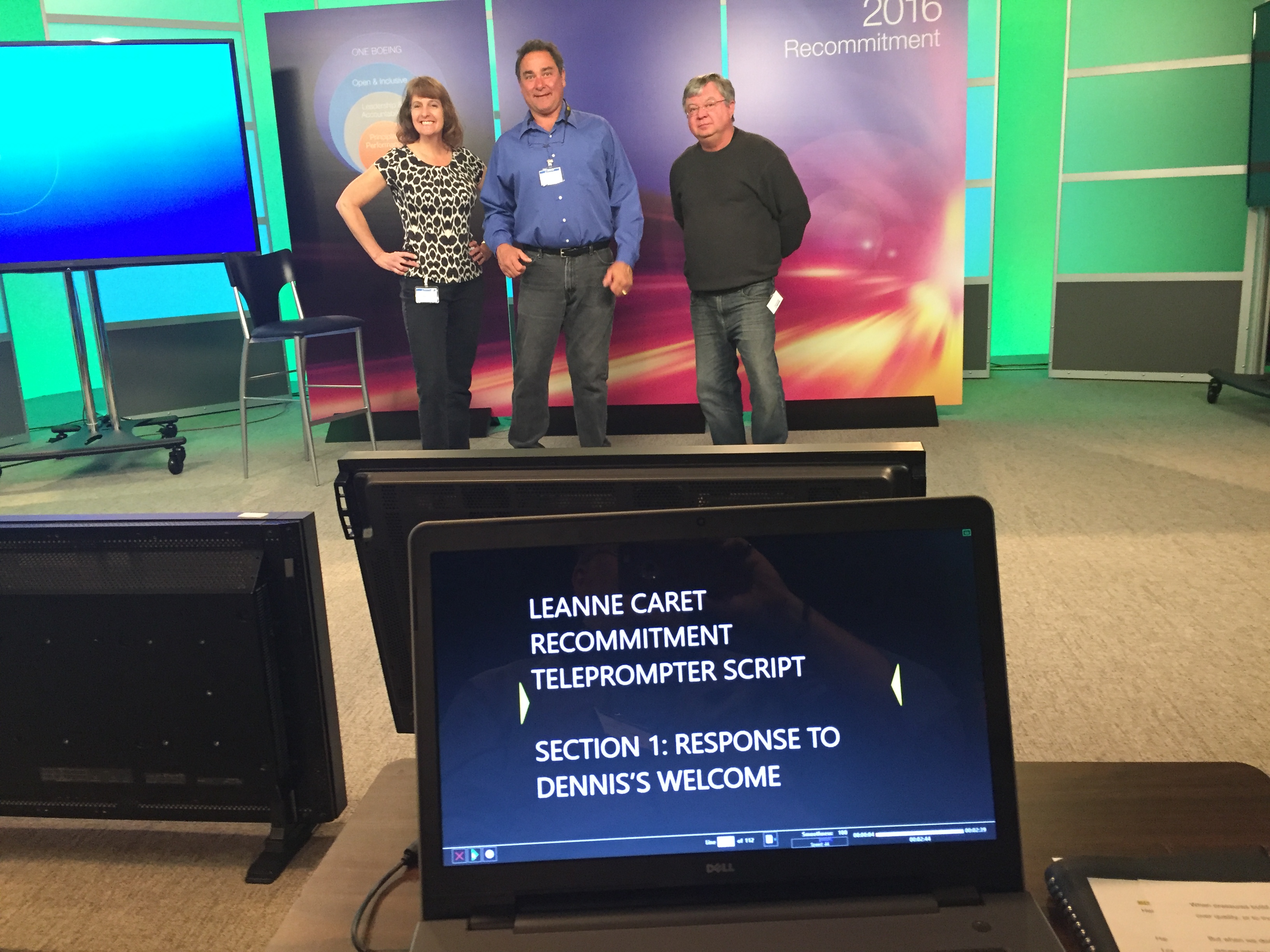
Teleprompter Mastery: Insider Tips Experienced Talent Need to Know

For seasoned executives and spokespeople, the teleprompter isn’t a crutch—it’s a precision instrument. It protects legal language, preserves brand voice, and compresses timelines. The difference between “reads well” and “sounds lived-in” comes down to a handful of controllable variables: optics, copy, scroll craft, coaching, and edit strategy. Here’s how pros keep it natural.

1) Optics & Eye-Line: Where Authenticity Starts

  • Lens choice: 50–85mm (full-frame) compresses perspective, minimizes visible eye travel, and flatters facial geometry.
  • Distance & font: Keep talent 5–10 feet from the glass; set font so lines fit comfortably within the top third of the screen—no scanning.
  • Glass & glare control: Tilt prompter glass a few degrees; raise the key light 5–10°; use flags/hoods. Polarizers on the lens won’t fix glass reflections—adjust angles and lighting instead.
  • Glasses on talent: Favor matte frames and AR coatings; a slight lens-below-eye-level setup often clears glare without “looking up” at the audience.
  • Walk-and-talks: For moving shots, mount a compact prompter on a gimbal/Steadicam and keep copy centered. Pre-block turns so the eye-line doesn’t drift off axis.

2) Script Engineering: Write for the Ear, Not the Page

  • Target pace: 110–135 words per minute (WPM) for conversational corporate delivery.
  • One thought per line: 12–18 words; short clauses beat commas.
  • Pronunciation keys: Phonetic notes inline for names/technical terms (“E-lee-uh,” “kuh-TEG-uh-ree”).
  • Mark the music: Use slashes / for micro-pauses, CAPS for emphasis sparingly, and bracketed cues: [SMILE] [PAUSE] [B-ROLL CUT].
  • Numbers that land: Round when possible; stack hard figures on their own line so eyes don’t hunt.
  • Version control: Lock filenames and keep a visible change log (e.g., CFO_Q3Update_v9_APPROVED).

3) Scroll Craft: The Operator Is Your Metronome

  • Follow, don’t force: The operator matches talent cadence. Speed changes should be gradual; no “stair-steps.”
  • Dead-band smoothing: Add a small acceleration limit to scroll inputs so motion looks organic, not mechanical.
  • Sightline centering: Keep the active line near mid-screen; top/bottom edges trigger visible saccades.
  • Chunk by beats: White space between ideas lowers cognitive load and reduces eye flick.
  • Live edits, one owner: Last-minute tweaks are inevitable—route all changes through a single operator to avoid dueling cursors.

4) Coaching for Experienced Talent: Small Levers, Big Difference

  • Warm-up (90 seconds): hum on an “M,” tongue twisters at 70% speed, then read a throwaway paragraph at 120 WPM to find pace.
  • Breath mapping: Land breath at punctuation, not mid-phrase; treat commas as half-beats and periods as full beats.
  • Landing words: Slightly lengthen key nouns/verbs; let function words glide.
  • Face & posture: Feet planted, shoulders soft, chin level. “Neutral face” reads stern—carry a micro-smile through transitions.
  • Pickups: Always redo the full sentence, not just the phrase, so editors have clean in/out points.
  • IFB discipline: If using talkback, choose a single director voice; interruptions pause the scroll and reset the beat.

5) Advanced Situations (That Pros Plan For)

  • Bilingual/variant reads: Duplicate scripts with language-specific line breaks. Keep sentence lengths symmetric so pacing transfers across languages.
  • Panels & two-shots: When eye contact with a host matters, switch from TTL to a confidence monitor; write copy as talk points rather than full sentences.
  • Data-dense segments: Break numbers into graphical cover beats—read headlines to camera, show details on B-roll and motion graphics.
  • Remote executives: Place the overlay within 1–2 inches of the webcam lens. Use wired controllers to avoid Bluetooth lag; rehearse with the actual conferencing platform to measure latency.

6) Editorial Integration: Shoot for the Edit

  • Plan cutaways: Script [B-ROLL CUT] cues where you expect natural cover (product shots, charts, reactions).
  • Room tone & handles: Roll 5 seconds before and after each take. Editors need clean handles for transitions and captions.
  • Script-based editing: Align approved copy with auto-transcripts so legal/compliance checks use a single source of truth.
  • Caption accuracy: Prompter scripts accelerate precise captions, multi-language subs, and accessibility deliverables.

7) Day-Of Prompter Checklist (Copy/Paste)

Gear

  • TTL prompter + hood, high-nit monitor, mirrored flip verified
  • Backup unit, UPS/power distro, wired scroll controller
  • Lens set 50/85mm, matte box/flags, anti-glare wipes

Script

  • Final PDF + live doc, large legible font (≥48–72 pt at distance)
  • Phonetics, emphasis cues, [B-ROLL CUT] marks, duration targets

Talent

  • Eye-line test recording (10s) and speed calibration pass
  • Glasses/glare check, light powder for forehead/nose, lip balm/water
  • Confirm landing words, CTA phrasing, and pronunciation traps

Ops

  • Single owner for live edits, version log visible
  • Rehearsal protocol: shadow → lead → follow
  • Pickup protocol: full-sentence restarts, slate clearly

8) Script Skeleton for Pros (2:00 Target, ≈240–260 words)

OPEN [SMILE]
I’m [Name], [Title]. Today, three updates that make your team faster and more secure. / First: [headline benefit]. [PAUSE]

PROOF
Customers like [Client] saw [result] in weeks—not months. / Your workflows? Fewer steps, clearer approvals. [PAUSE]

WHAT’S NEW
Second: [feature] adds [capability]. / Third: [feature] simplifies [process]. / If you’re on [plan], these arrive [date]. [SMILE]

CALL TO ACTION
To activate, visit your admin panel or talk with your rep. / Thank you for trusting us to help you move faster. [HOLD]


Why This Matters to Decision Makers

Prompter-driven shoots reduce retakes, protect legal wording, and accelerate post. More importantly, they help leaders show up as themselves—clear, warm, and in control—while hitting time and message targets. The net: fewer surprises, faster approvals, and content that actually persuades.


Work With an Editing-Led Crew That Makes Prompters Invisible

St Louis Video Editing is a full-service professional commercial photography and video production company with the right equipment and creative crew service experience for successful image acquisition. We offer full-service studio and location video and photography, as well as editing, post-production and licensed drone pilots. St Louis Video Editing can customize your productions for diverse types of media requirements. Repurposing your photography and video branding to gain more traction is another specialty. We are well-versed in all file types and styles of media and accompanying software. We use the latest in Artificial Intelligence for all our media services. Our private studio lighting and visual setup is perfect for small productions and interview scenes. Our studio is large enough to incorporate props to round out your set. We support every aspect of your production—from setting up a private, custom interview studio to supplying professional sound and camera operators, as well as providing the right equipment—ensuring your next video production is seamless and successful. We can fly our specialized drones indoors. As a full-service video and photography production corporation, since 1982, St Louis Video Editing has worked with many businesses, marketing firms and creative agencies in the St. Louis area for their marketing photography and video.

314-913-5626

mobuy1@gmail.com

Questions to Explore for Video Testimonials and How to Answer Them

Video testimonials have become an invaluable asset for businesses seeking to enhance their credibility and connect with potential clients. They provide authentic insights into the customer experience, showcasing the value of your services in a compelling way. However, creating an impactful video testimonial requires thoughtful preparation and a clear understanding of the key questions to explore. In this article, we will delve into those questions and provide guidance on how to effectively address them.

Encourage your clients to share measurable outcomes and personal stories that highlight the success of your collaboration.

1. What Specific Problem Did the Client Face?

Understanding the challenges your client faced prior to working with you sets the stage for a powerful narrative. Ask your clients to articulate their initial pain points and concerns. This not only helps to establish a relatable context for your audience but also underscores the importance of your services.

How to Answer: Encourage clients to be candid about their struggles. Use open-ended questions such as:

  • “What were the main issues you were experiencing before we started working together?”
  • “How did these challenges affect your business operations or goals?”

2. How Did Your Services Address These Problems?

Once the problems have been established, it’s crucial to illustrate how your services effectively addressed them. This is where your value proposition shines through.

How to Answer: Prompt clients to describe the solutions you provided. Effective questions might include:

  • “What specific solutions did we offer that helped you overcome your challenges?”
  • “Can you share any specific features or aspects of our service that stood out to you?”

3. What Results Did the Client Experience?

Results are paramount in video testimonials. Prospective clients want to know the tangible benefits of your services. Encourage your clients to share measurable outcomes and personal stories that highlight the success of your collaboration.

How to Answer: Guide your clients to quantify their success. Ask:

  • “What measurable results have you seen since implementing our solutions?”
  • “How has your overall experience improved?”

4. What Would the Client Say to Others Considering Your Services?

This question allows clients to speak directly to your prospective customers. It gives them the opportunity to express their confidence in your services and recommend you to others.

How to Answer: Facilitate a direct endorsement. Consider asking:

  • “What would you tell someone who is considering working with us?”
  • “Why would you recommend our services to a colleague or friend?”

5. How Has Your Perspective Changed?

Asking clients how their perspective has evolved throughout the process can offer profound insights. It helps to illustrate the transformative nature of your services.

How to Answer: Encourage reflection on the experience:

  • “How has your view on [specific service] changed since working with us?”
  • “What lessons have you learned during our collaboration?”

Conclusion

Incorporating these questions into your video testimonial process can significantly enhance the quality and effectiveness of the content. By encouraging clients to share their stories in a structured way, you not only capture authentic narratives but also create compelling marketing materials that resonate with prospective clients.

At St Louis Video Editing, we understand the nuances of crafting impactful video testimonials. As a full-service professional commercial photography and video production company, we bring a wealth of experience and the right equipment to your projects. Our creative crew is adept at customizing productions for a variety of media requirements, ensuring that your video testimonials are not just effective but also visually captivating.

Since 1982, we have partnered with numerous businesses, marketing firms, and agencies in the St. Louis area, providing comprehensive services that include full studio and location video and photography, editing, post-production, and licensed drone pilots. Our private studio features advanced lighting and setups, perfect for small productions and interviews, allowing us to create an optimal environment for storytelling.

We pride ourselves on our ability to repurpose photography and video branding to maximize your visibility and engagement. Whether you need a custom interview studio setup, sound and camera operators, or specialized indoor drone services, we have everything required to make your next video production a resounding success. Let us help you capture the essence of your brand through compelling video testimonials that will resonate with your audience.

314-913-5626

mobuy1@gmail.com

St Louis Video Editing | Corporate & Training Productions

Shooting HD video is just the beginning. Our extensive experience has taught us invaluable lessons and given us the resources to aid talented artists and industry giants worldwide. HD video and audio production is a necessity in today’s corporate world. We deliver turnkey video production services for branding and marketing, original content, corporate communications, on-location shooting, event filming, audio production, video editing, tv and radio commercials, web videos, and music video production.

Give the same set of footage to 10 accomplished editors and you’re likely to get back 10 different videos. The choice of editor is often the most critical decision we make during the post production process.

Each of our editors is a master storyteller in their own right—maestros of drama and emotion, sculptors of image and sound, and field generals for the rest of our post-production team—responsible for transforming a myriad of disparate creative elements into a unified cohesive whole.

Using a seamless and integrative work flow, you will be impressed with the final product. From editing to motion graphics, special effects, color grading, audio mixing and more, your project will look and feel the way it was intended.

st louis video editing and production studio

314-913-5626
Mike Haller
St Louis Video Producer
mikeh@hallerconcepts.com
Saint Louis, Missouri, USA | St Louis Video Editing

Video editing begins when you shoot!

We can fulfill your editing success from the very beginning of the shoot.

Getting the Right Location and Location Access – A documentary is more than just talking heads; you need to shoot some on-location footage to really bring your audience into the story. But be prepared for trouble if you accidentally find yourself trespassing on private property during your shoot! We’ll teach you exactly how to avoid sticky situations by convincing the right people to give you the right permission ahead of time. Learn the different kinds of location access and what you’ll need to do to deal with each. Understanding these key differences and getting property owners on board with your shoot is a great way to get your documentary off on the right foot.

Preparing for Great Interviews – Interviews are the lifeblood of a good documentary, but getting a good interview response starts long before your interviewee even enters the room. Learn how to prepare the interview room so that it looks great on video and helps to communicate the same themes you want to capture from your interviewee’s words. Find out what legal forms you need to have prepared in advance so that you can make the full use of your interviewee’s candid words.

Directing Interviews – Seasoned reporters always seem to get such great quotes and so can you. Getting good interview footage is all about asking the right questions. One misstep could set the wrong tone for the whole interview or, worse, get your subject to clam up and refuse to talk openly. We’ll show you how to lead an interview so that your subject feels so at-ease that he’ll want to talk for hours. Get interviewees to share all the intimate thoughts and shocking revelations that make for a riveting documentary!

314-892-1233

Mike Haller

St Louis Video Producer

mikeh@hallerconcepts.com

Saint Louis, Missouri, USA | St Louis Video Editing