As seasoned professionals in commercial photography and video production, we at St Louis Video Editing have witnessed a common challenge for businesses and organizations: transforming essential, often complex, safety information into engaging and memorable training videos. The goal isn’t just to deliver information, but to ensure it’s retained and applied. Too often, safety videos fall into predictable traps, becoming monotonous and ineffective.
Here, we’ll address the common hurdles and offer straightforward solutions to produce safety training clips that truly resonate with your audience.
The Common Hurdles: Why Safety Videos Miss the Mark
- Information Overload & “Talking Head” Syndrome: Many safety videos cram too much detail into a single segment, delivered by a static presenter. This quickly leads to cognitive overload and disengagement.
- Lack of Visual Interest: Relying heavily on text, bullet points, or generic stock footage fails to capture attention. Safety procedures, by their nature, can be visually rich, yet often aren’t depicted effectively.
- Passive Learning Experience: Traditional safety videos treat viewers as passive recipients. Without opportunities for interaction or emotional connection, the information remains theoretical.
- Dated Production Quality: Poor lighting, amateurish sound, or low-resolution visuals can undermine the credibility of even the most critical safety messages. If the production looks unprofessional, the message might be perceived similarly.
- One-Size-Fits-All Approach: Using the same video for diverse roles or departments ignores specific risks and procedures, making the content less relevant to individual viewers.

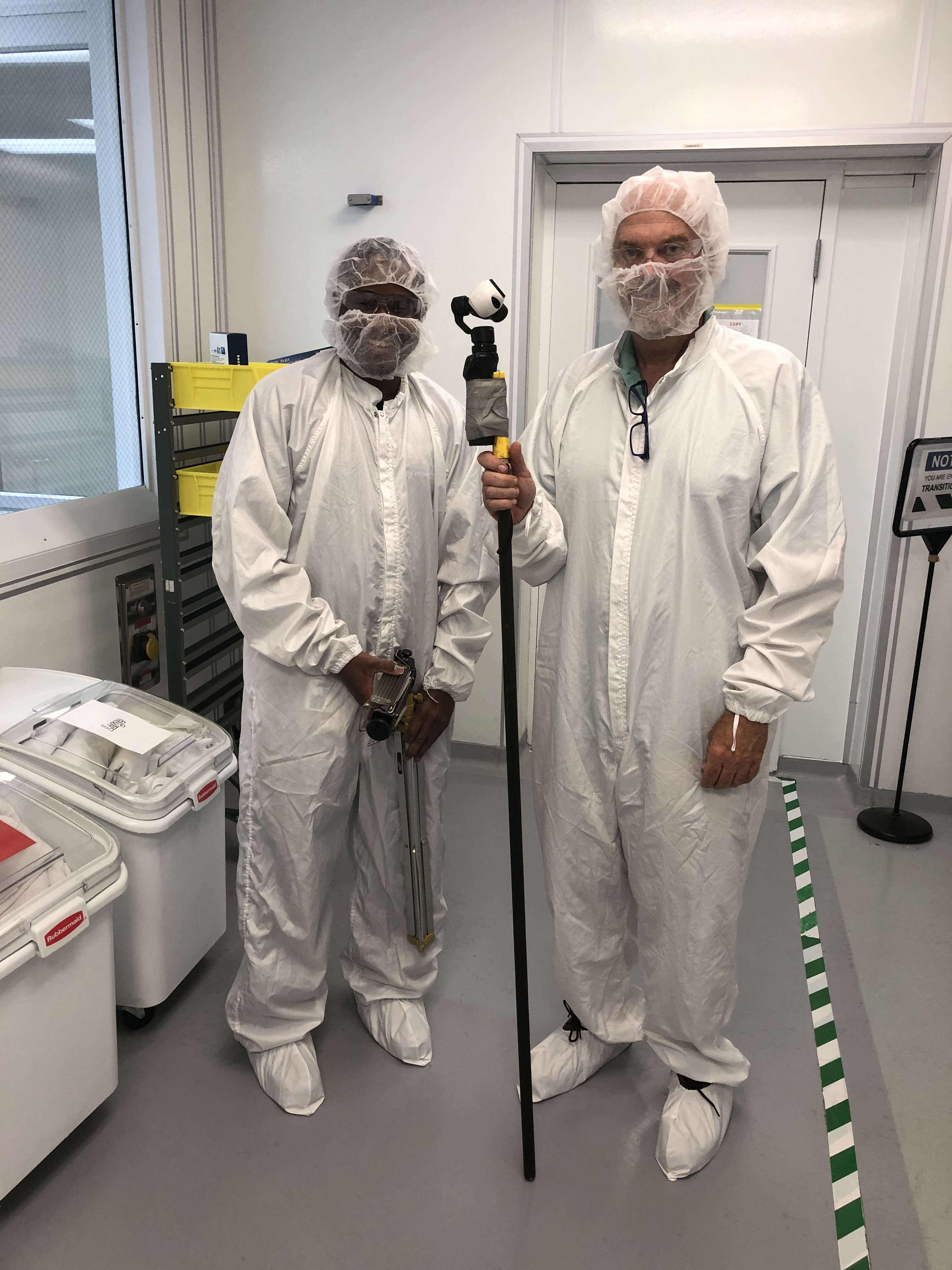
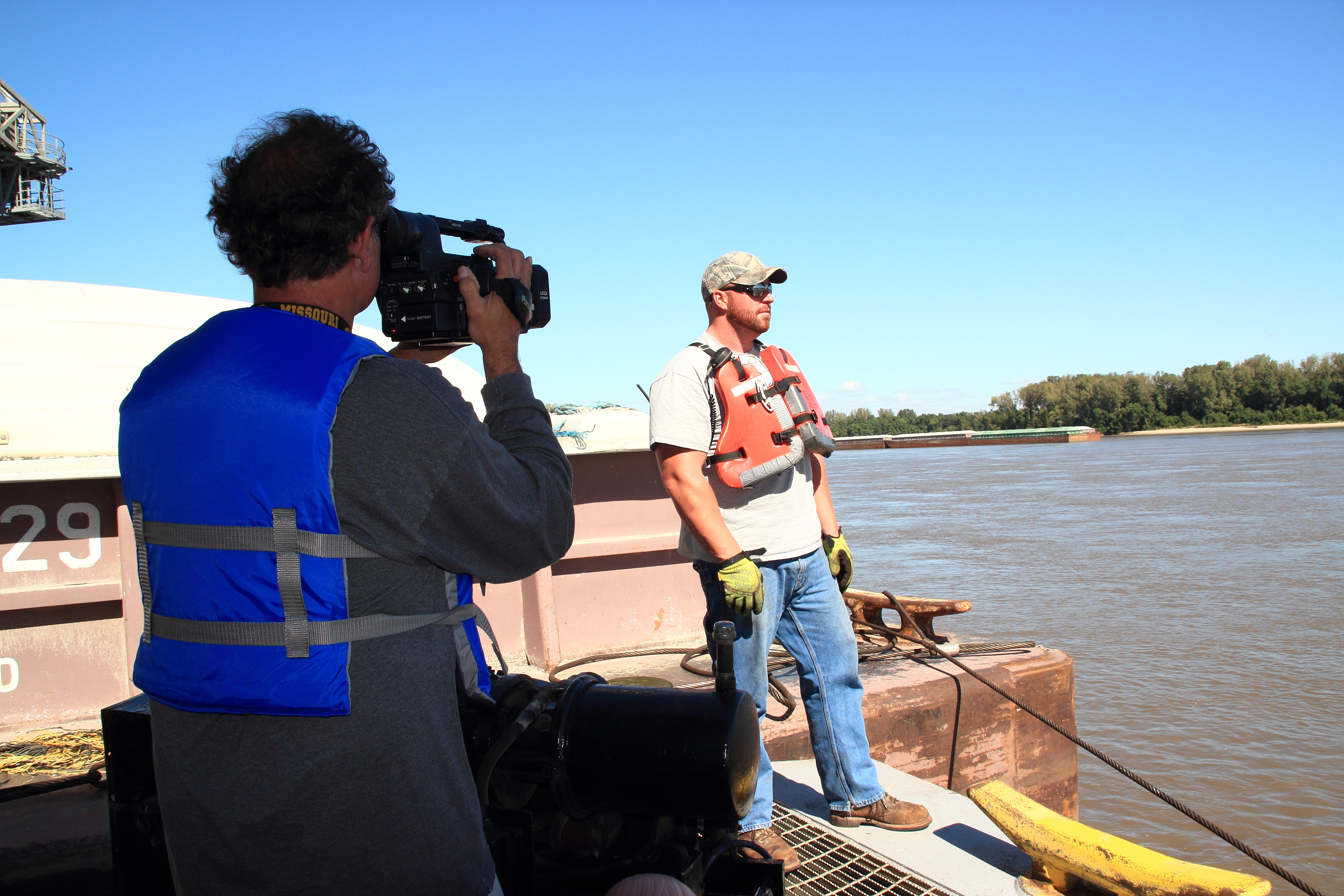


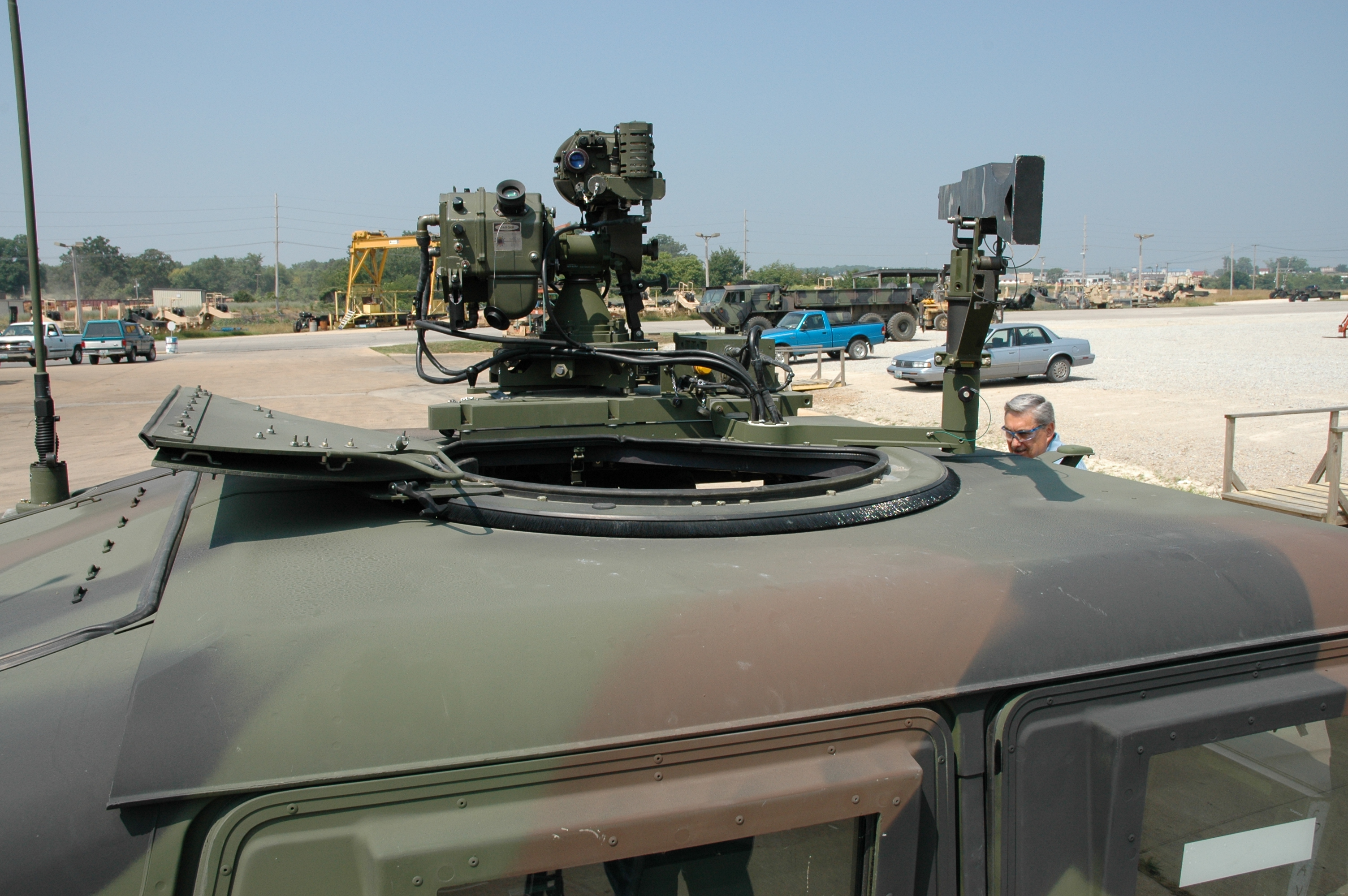
Simple Steps to Produce Engaging Safety Training Clips
The good news? Overcoming these hurdles is entirely achievable with a strategic approach to planning and production.
Step 1: Define Your Objective & Audience (The “Why” and “Who”)
Before pressing record, understand the core safety message you need to convey and, crucially, who needs to hear it.
- Specific Learning Objectives: What precise actions or knowledge do you want viewers to gain? Break down complex topics into digestible, single-objective clips.
- Target Audience Profile: What are their roles, prior knowledge, and potential pain points regarding this safety topic? Tailor your language and visual examples to resonate with them directly.
Step 2: Storyboard for Engagement, Not Just Information (The “What” and “How”)
Think like a storyteller, not just an instructor. How can you make the safety message relatable and memorable?
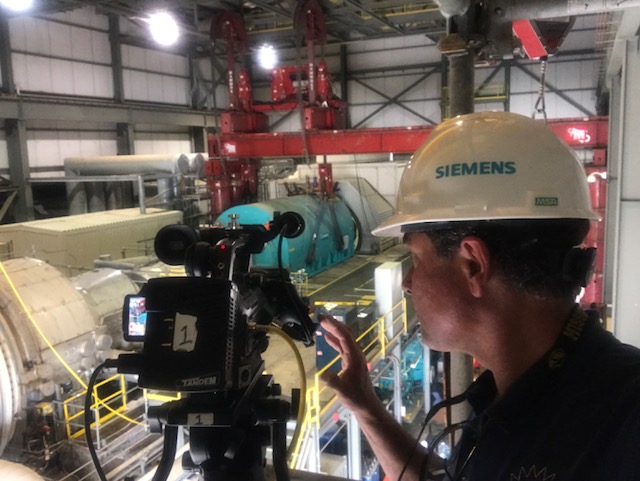
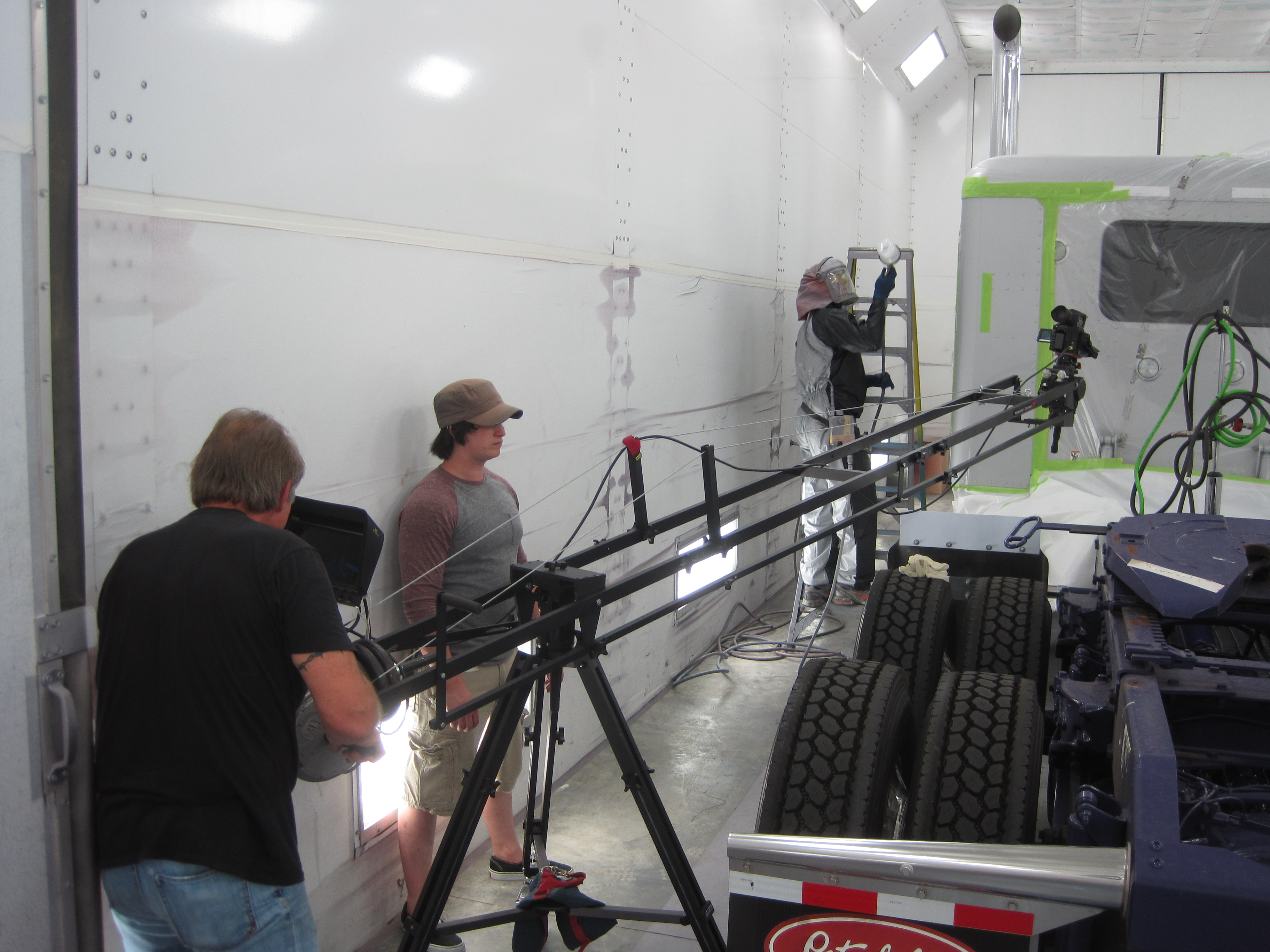
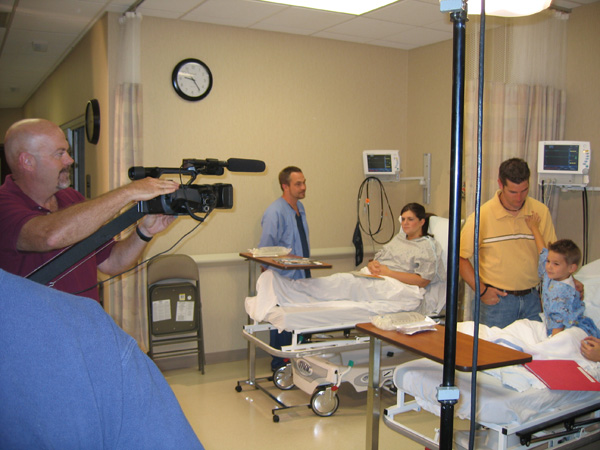

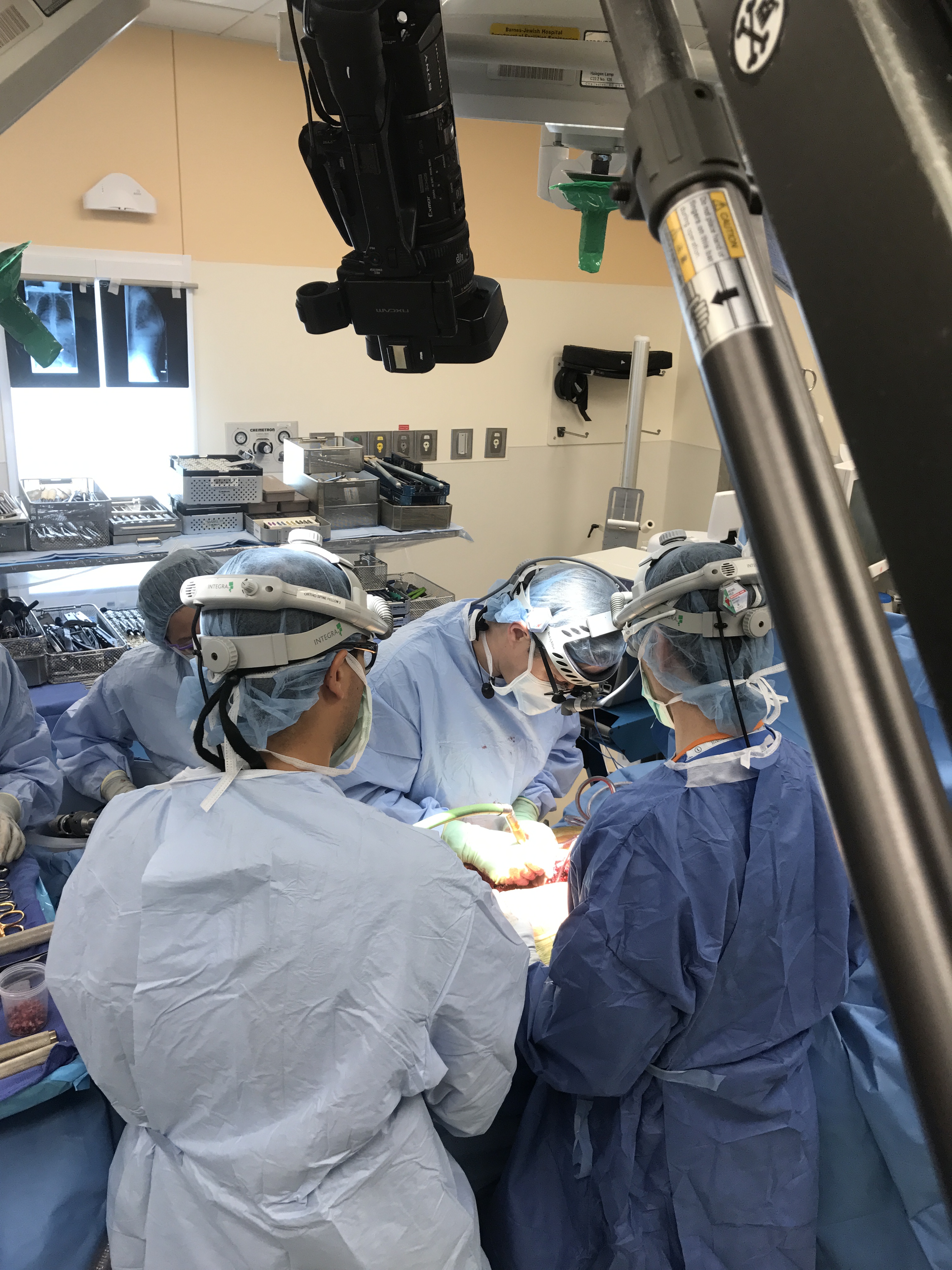
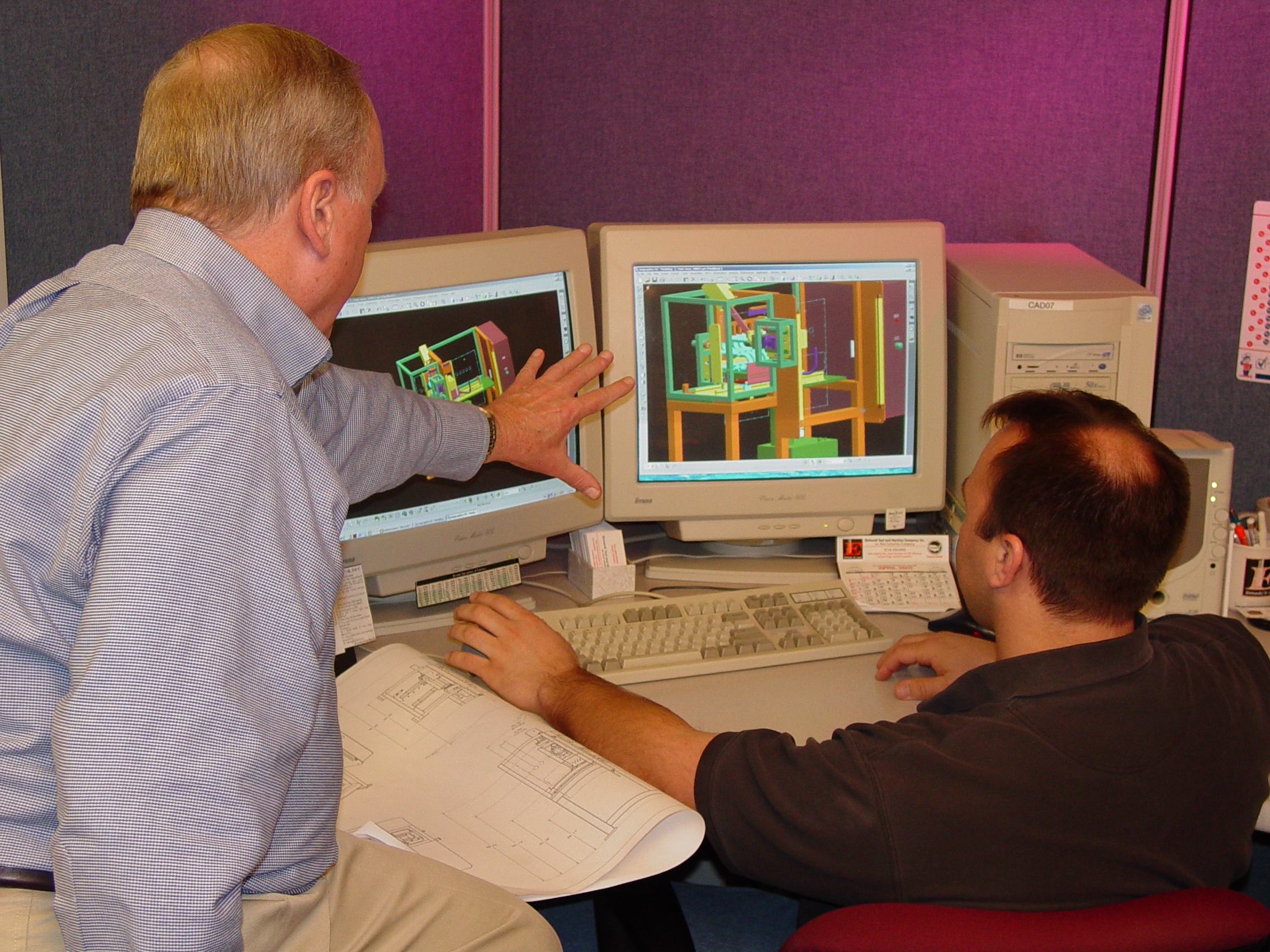
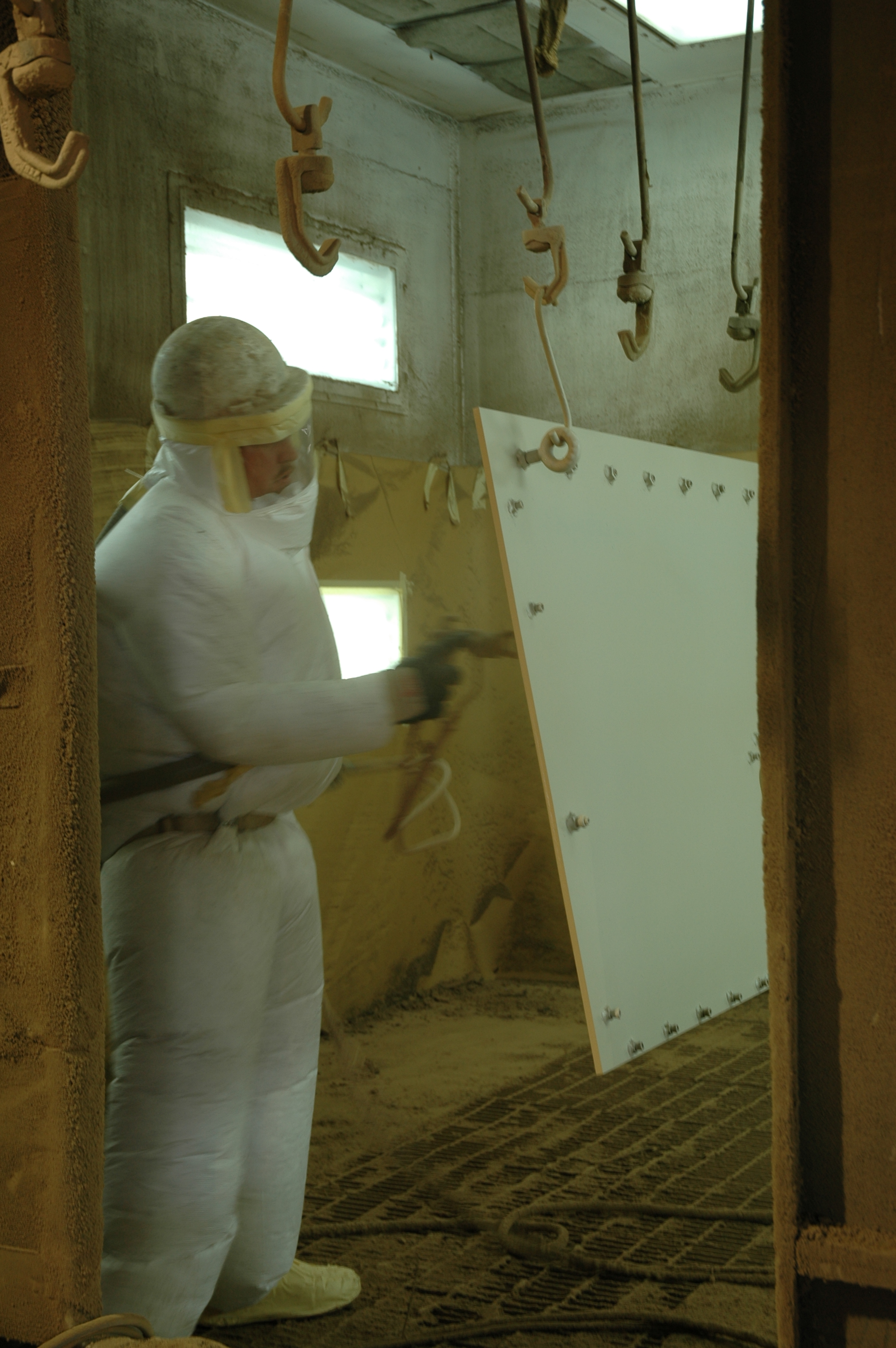
- Scenario-Based Learning: Instead of just stating a rule, show the consequences of not following it (responsibly and without being overly graphic) and the benefits of adherence. Use relatable workplace scenarios.
- Visual Dominance: Prioritize showing over telling. Demonstrate proper techniques, equipment usage, and emergency procedures clearly.
- Keep it Concise: Break down long safety manuals into short, focused video modules (e.g., 2-5 minutes per topic). This makes content easier to digest and reference.
- Introduce Characters (Even Simple Ones): A consistent, relatable “safety champion” character (could be an animated icon or a real employee) can guide viewers through different scenarios.
 St Louis Video Editing