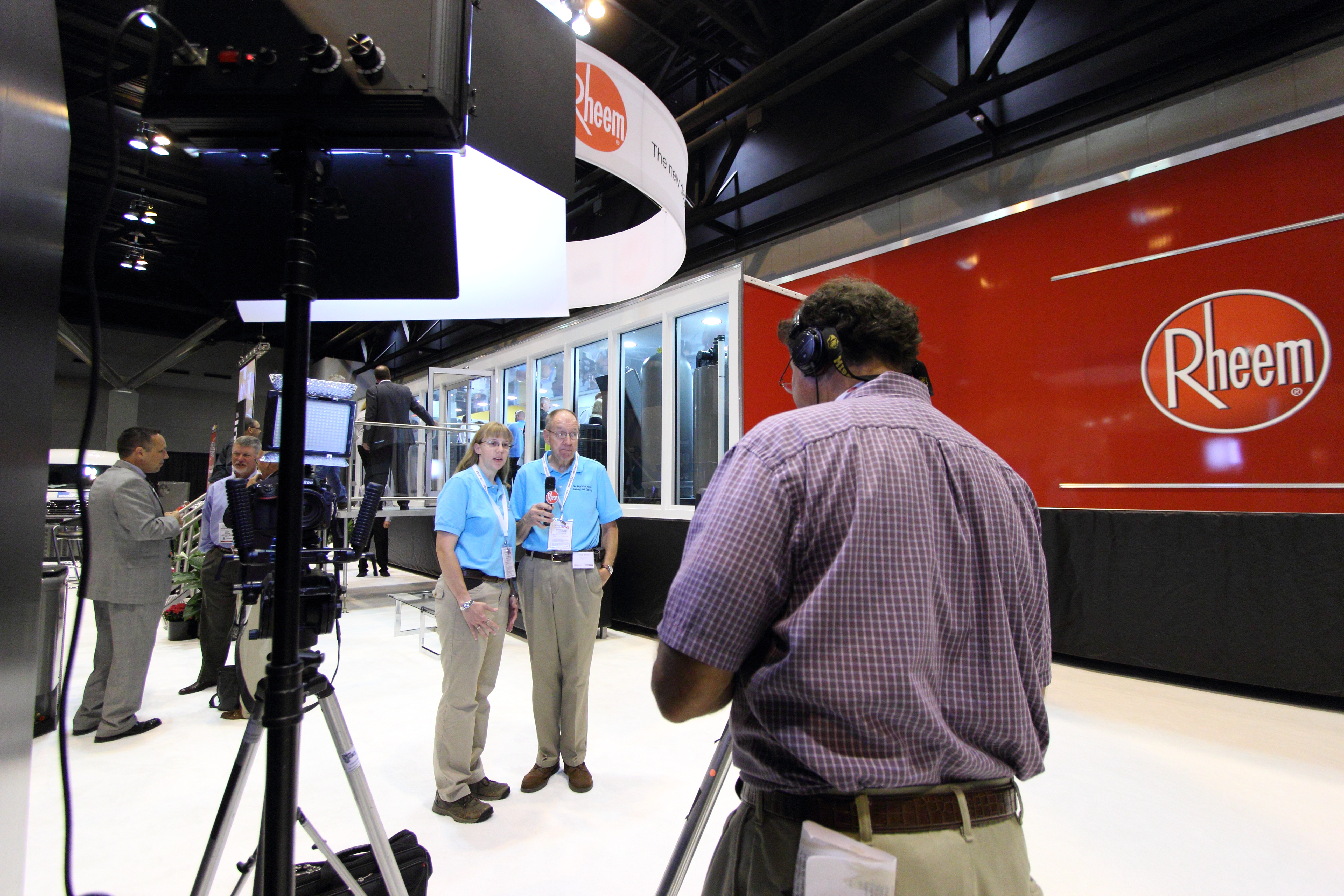
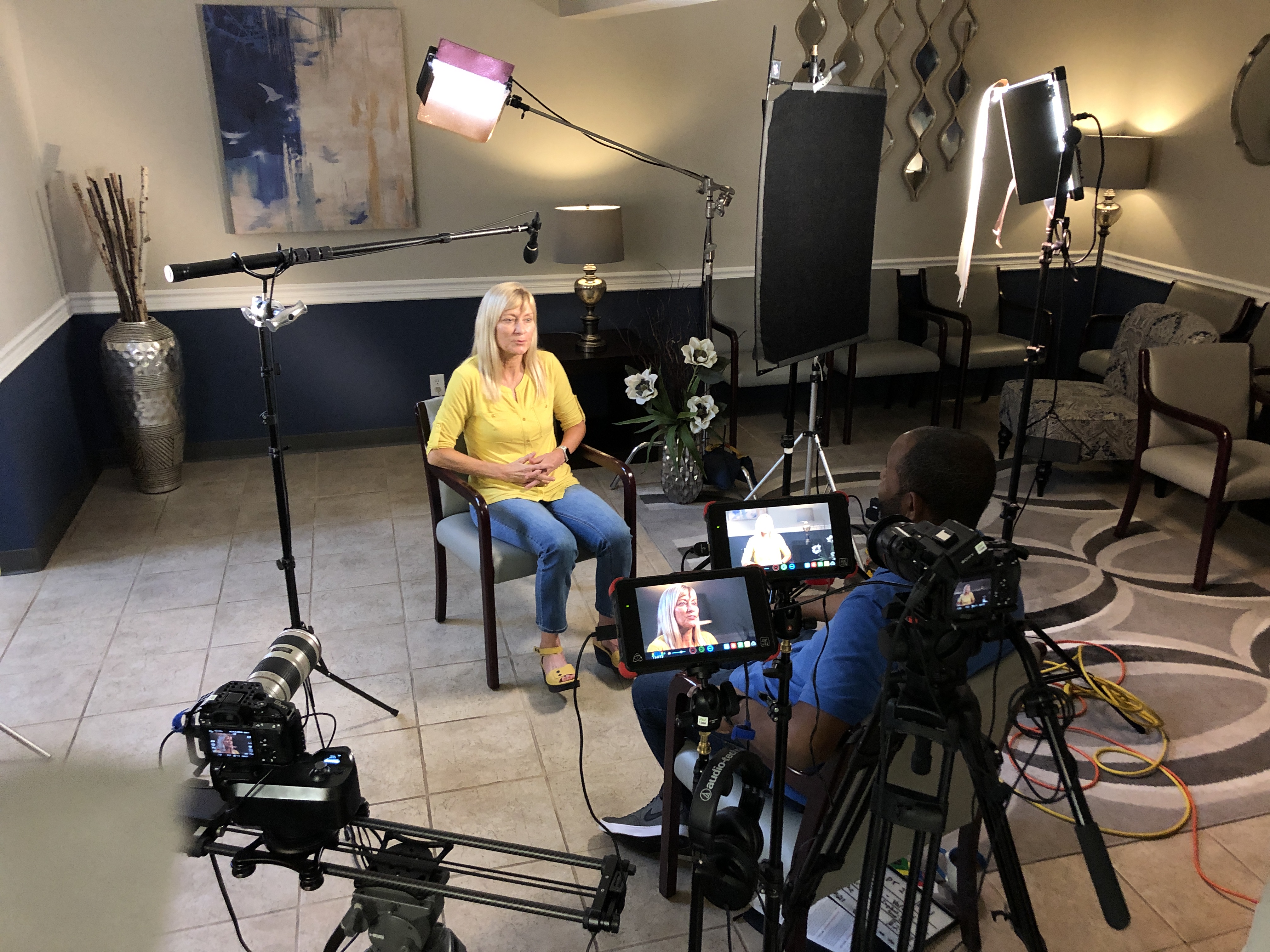
Are you planning to shoot a video on location? Whether you’re working on a corporate video, a documentary, a promotional video, or any other type of project, location shoots can present unique challenges and opportunities. As experienced videographers at St. Louis Video Editing, we understand the intricacies of location video production and are here to guide you through the process. In this comprehensive guide, we’ll share our expertise on planning and executing smooth location video shoots, covering everything from pre-production to post-production.
Understanding the Importance of Location
The choice of location can significantly impact the overall quality and effectiveness of your video. It sets the stage, conveys your message, and establishes the visual and emotional tone of your content. Here are some key considerations when selecting a location:
- Relevance: Ensure that the chosen location aligns with the content and message of your video. It should enhance the storytelling rather than distract from it.
- Permits and Permissions: Depending on your location, you may need permits or permissions to shoot there. It’s crucial to research and obtain any necessary approvals in advance to avoid legal issues.
- Accessibility: Consider how easy it is for your crew and equipment to access the location. Accessibility can impact the logistics of your shoot.
- Lighting: Natural lighting can be a powerful asset for location shoots. Assess the lighting conditions at different times of the day and plan your shoot accordingly.
Pre-Production Planning
A successful location video shoot starts with thorough pre-production planning. Here’s what you need to do before setting foot on location:
1. Define Your Objectives
Clearly outline the goals and objectives of your video. What message are you trying to convey? Who is your target audience? Understanding these factors will help you make informed decisions throughout the production process.






2. Develop a Shot List and Storyboard
Create a detailed shot list and storyboard to visualize your video. This will serve as a roadmap during the shoot and help ensure that you capture all the necessary footage.
3. Scout the Location
Visit the location in advance to assess its suitability for your shoot. Take note of potential challenges, such as noise, distractions, or limited space, and develop strategies to address them.
4. Assemble Your Crew
Choose your team carefully. Depending on the complexity of your project, you may need a director, cinematographer, sound engineer, lighting technician, and production assistants. Effective communication and collaboration among team members are essential for a smooth shoot.
5. Equipment and Gear
Determine the equipment and gear you’ll need for the shoot. This includes cameras, lenses, tripods, stabilizers, microphones, lighting equipment, and any other specialized tools. Ensure that everything is in good working condition and have backup equipment on hand.
6. Plan for Contingencies
Location shoots can be unpredictable. Prepare for unexpected challenges like bad weather or technical issues by having backup plans in place. Consider renting weather-resistant equipment if needed.
7. Schedule and Permits
Create a detailed shooting schedule that takes into account the location’s availability and any time constraints. Secure any necessary permits and permissions well in advance to avoid last-minute complications.
On-Location Tips
When you’re on location, it’s essential to stay organized and adaptable. Here are some tips for a successful shoot:
1. Conduct a Rehearsal
Before you start shooting, conduct a rehearsal with your talent and crew. This will help everyone understand their roles and ensure a smoother shoot.
2. Communicate Effectively
Clear and open communication is crucial on set. Establish a system for communicating with your team, including hand signals or walkie-talkies if necessary. Everyone should be on the same page regarding shot setups and timing.
3. Monitor Audio
Pay close attention to audio quality. Use headphones to monitor sound during the shoot and address any issues immediately. Ambient noise and wind can be significant challenges in outdoor locations, so be prepared with the right equipment and techniques.
4. Lighting Considerations
Utilize natural light whenever possible, but also have artificial lighting options on hand to control the scene’s lighting conditions. Diffusers, reflectors, and flags can help you achieve the desired look.
5. Capture B-Roll
In addition to your planned shots, capture plenty of B-roll footage. B-roll can be invaluable during the editing process, providing visual variety and context for your video.
Post-Production Excellence
Once you’ve wrapped up your location shoot, it’s time to bring all the pieces together in post-production. This is where the magic happens, turning raw footage into a polished video.
1. Ingest and Organize Footage
Transfer all your footage to your editing system and organize it systematically. Use clear naming conventions and folders to keep everything tidy and easy to locate.
2. Edit with Precision
Editing is where you craft the narrative of your video. Make sure your cuts are smooth, transitions are seamless, and the pacing is just right. Pay attention to audio levels and color correction to enhance the overall quality.
3. Add Graphics and Effects
Enhance your video with graphics, text overlays, and visual effects as needed. These elements can help clarify information, reinforce branding, and create a polished look.
4. Sound Design
Sound design is a critical aspect of video production. Use background music, sound effects, and voiceovers to enhance the viewer’s experience. Ensure that audio is balanced and free from distractions.
5. Quality Assurance
Review your video multiple times to catch any errors or inconsistencies. Check for visual and audio glitches, ensure that the narrative flows smoothly, and verify that all necessary information is included.
6. Export and Delivery
Once you’re satisfied with the final edit, export your video in the appropriate format and resolution for its intended use. Consider creating different versions for various platforms, such as social media or web streaming.
Conclusion
Planning and executing location video shoots require careful preparation and attention to detail. By following the steps outlined in this guide, you can increase the likelihood of a successful shoot and create compelling videos that captivate your audience.
As a full-service video company, St. Louis Video Editing has worked with many businesses in the St. Louis area to create video productions. With our extensive production equipment and experience in location video production, we can help you achieve your vision for your next project. Whether you need assistance with streaming video recordings, editing, or customized branding, our team is well-versed in all aspects of location and studio production. Contact us today to discuss your video production needs and let us bring your ideas to life.
Make your next location video shoot a success with the expertise and support of St. Louis Video Editing!
 St Louis Video Editing