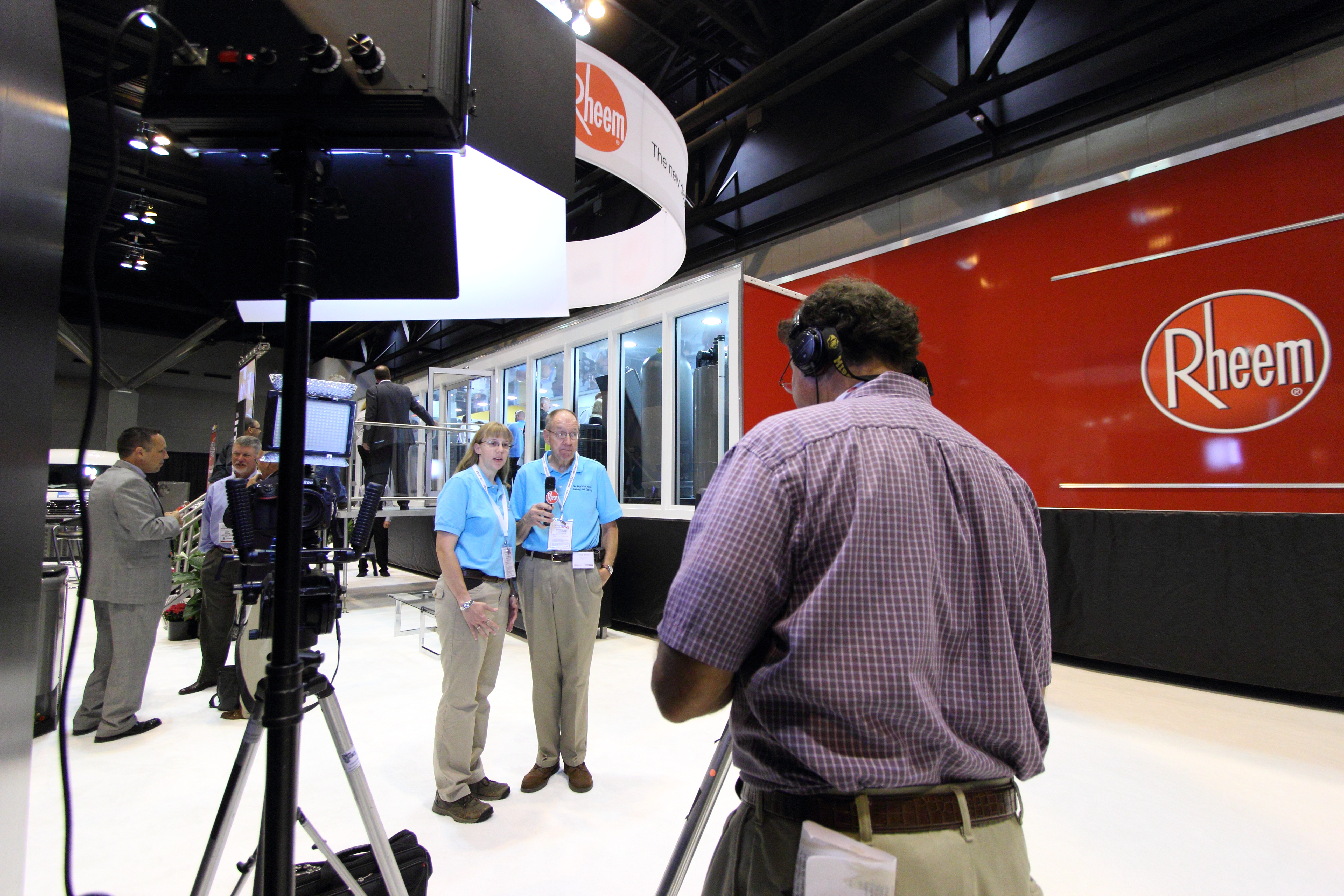
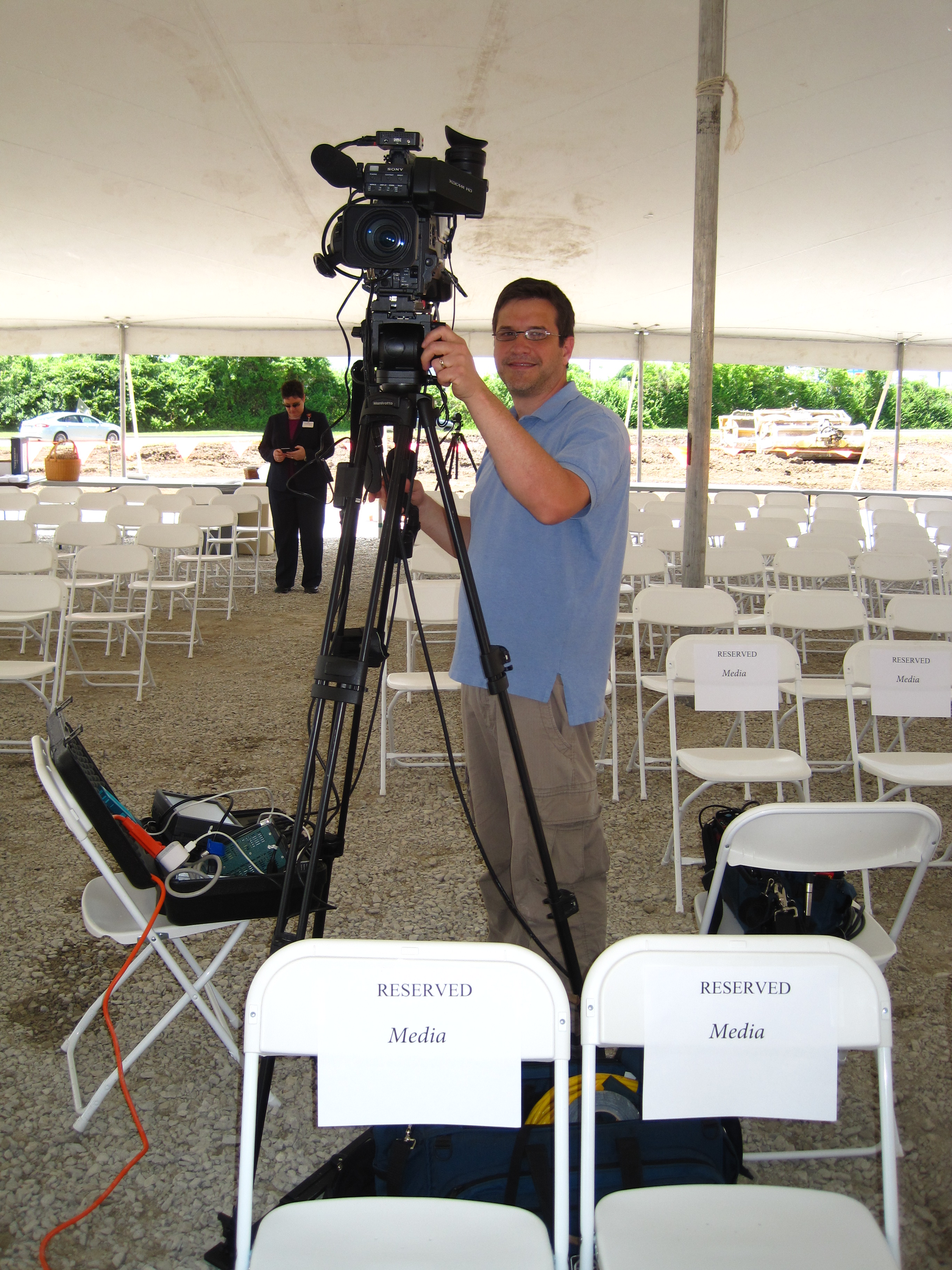
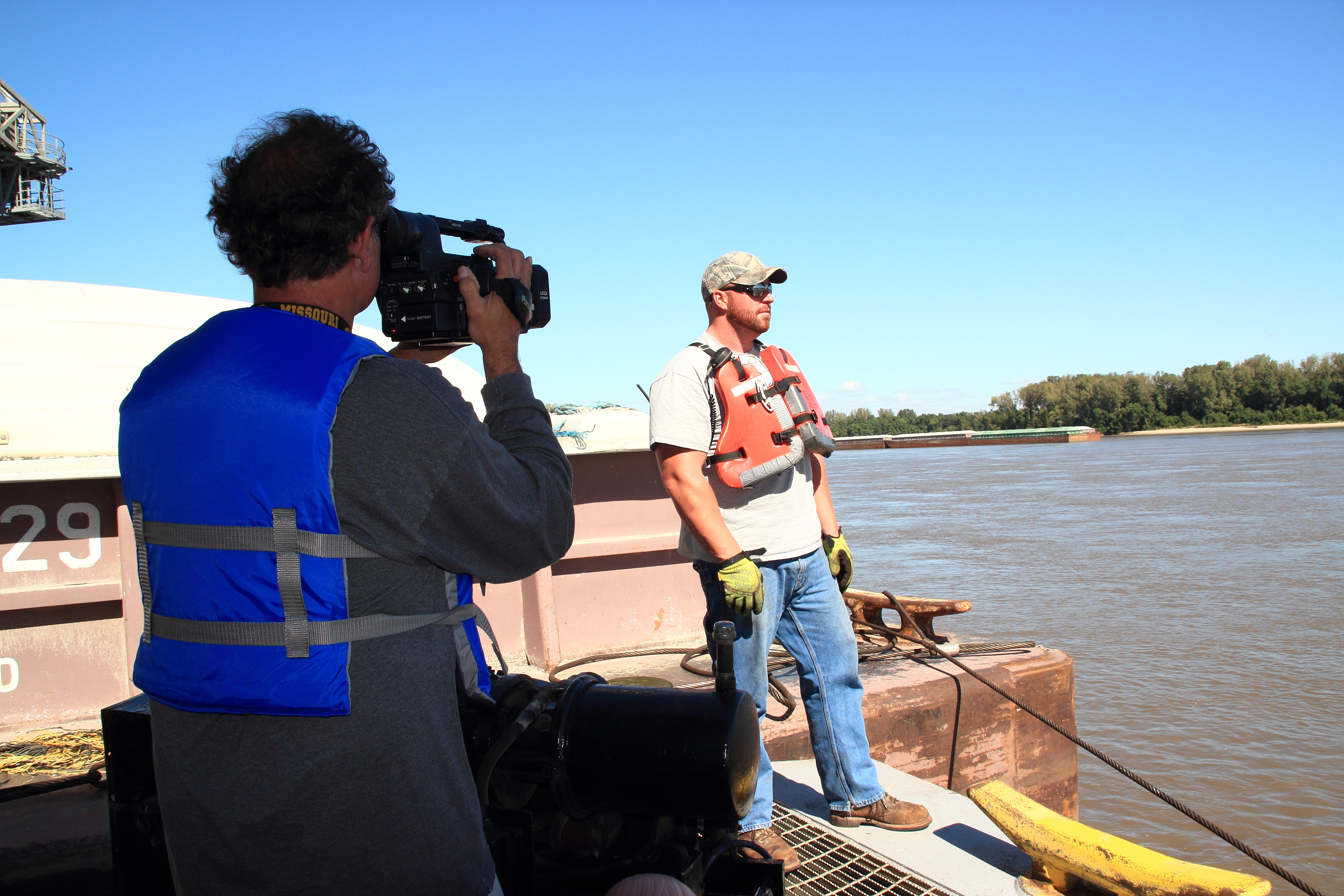
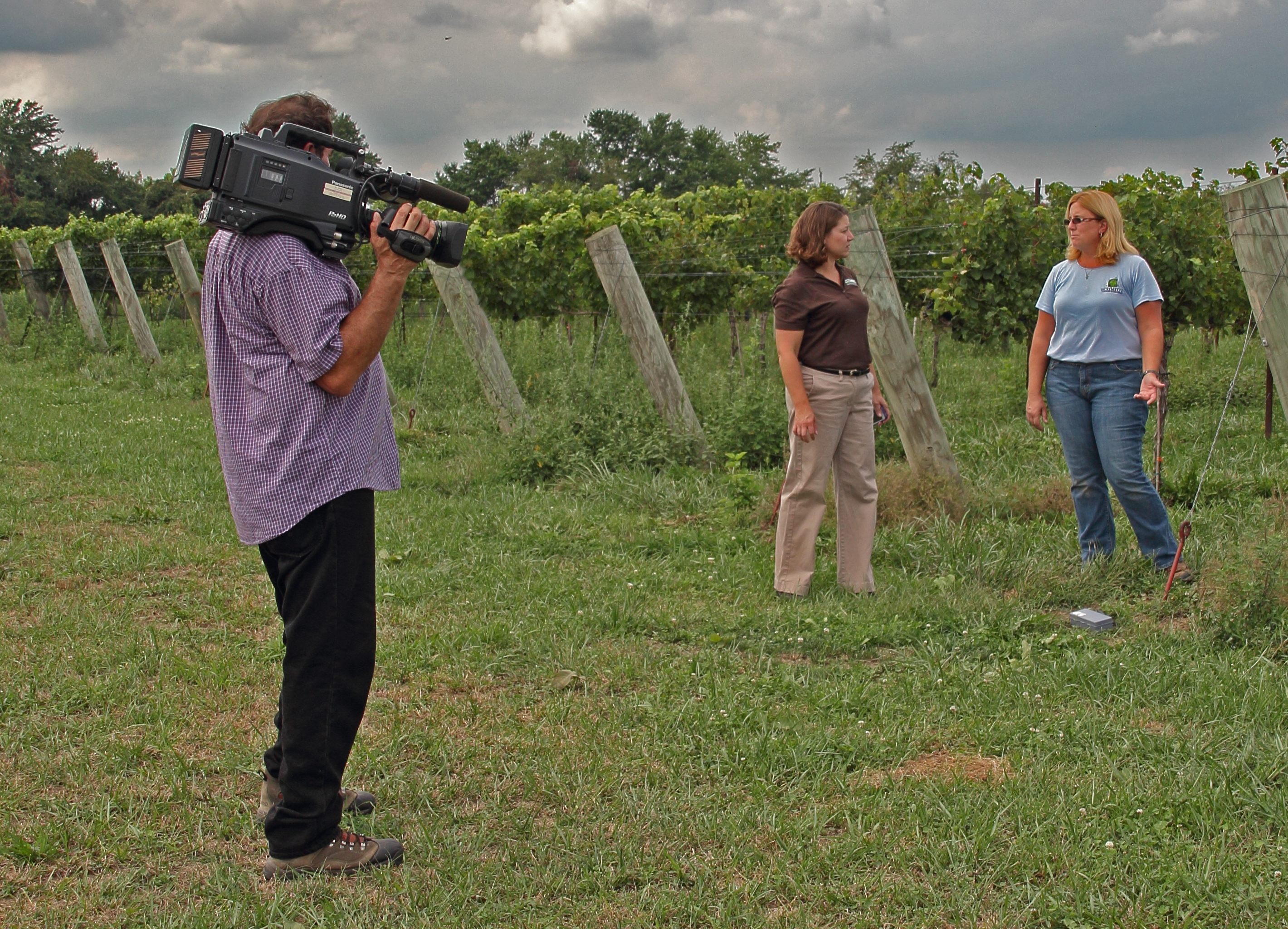
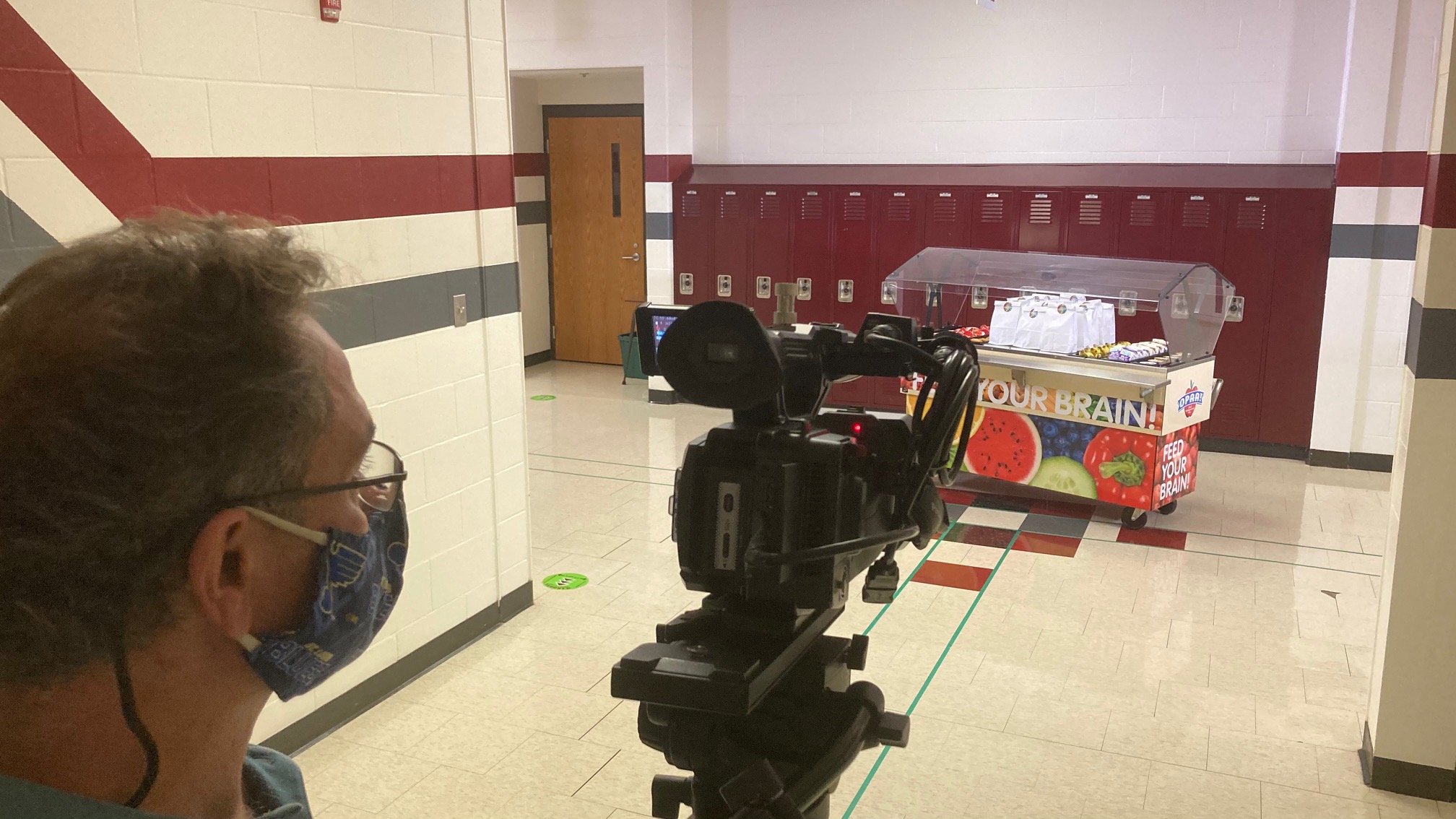
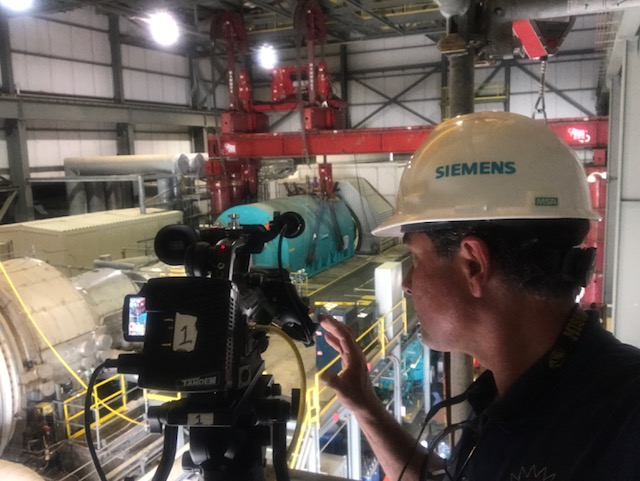
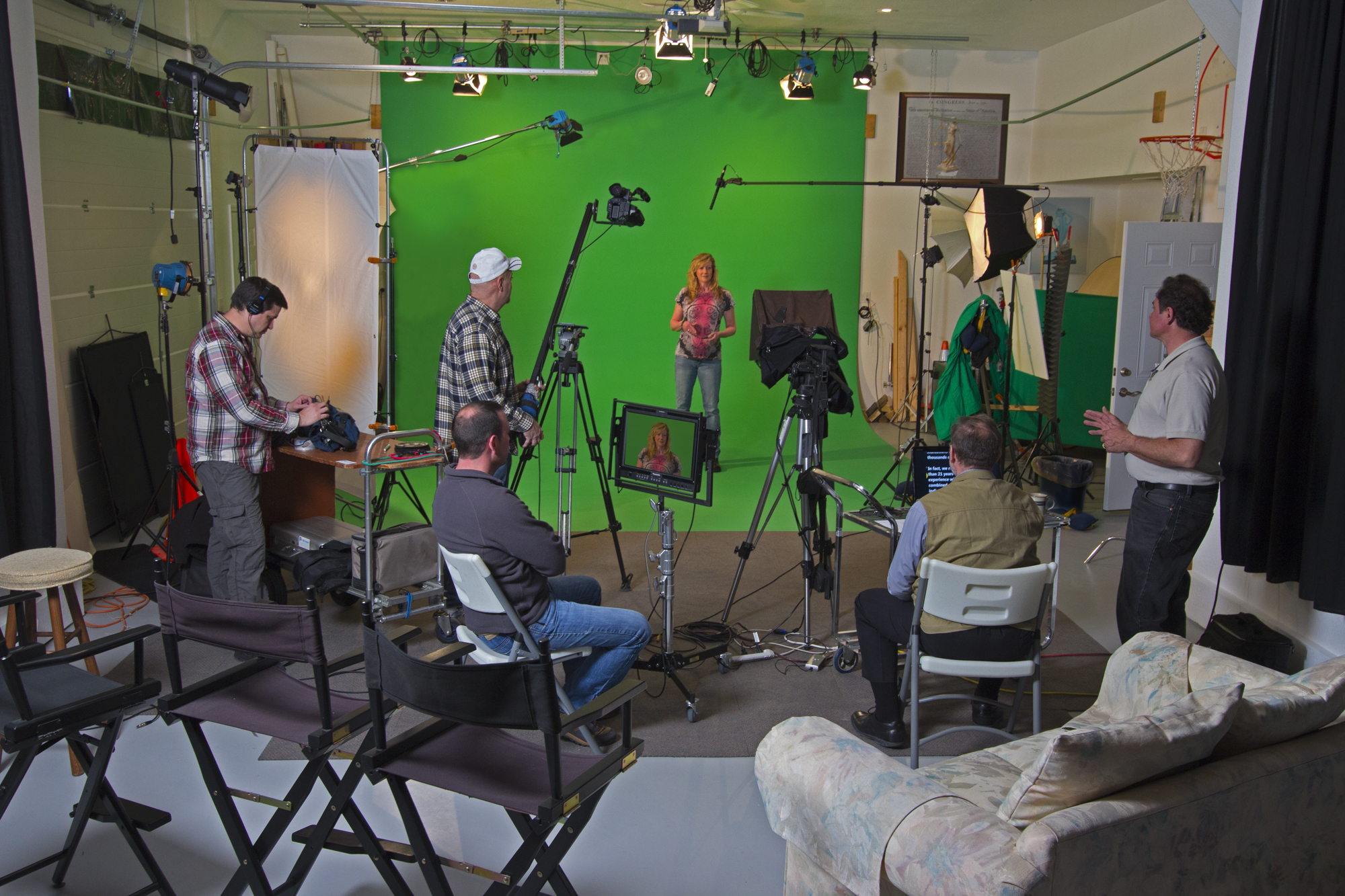
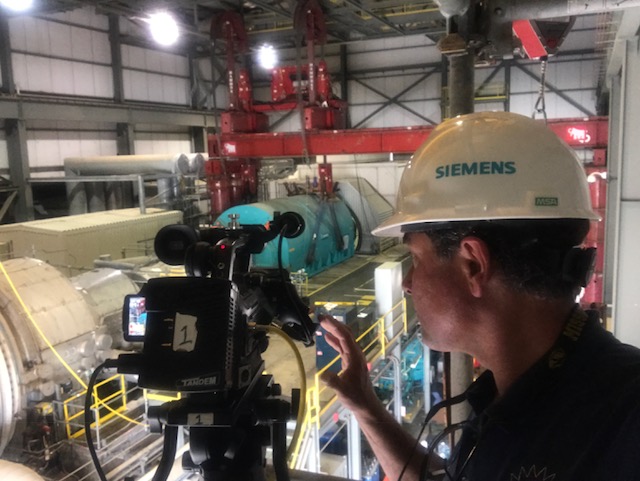
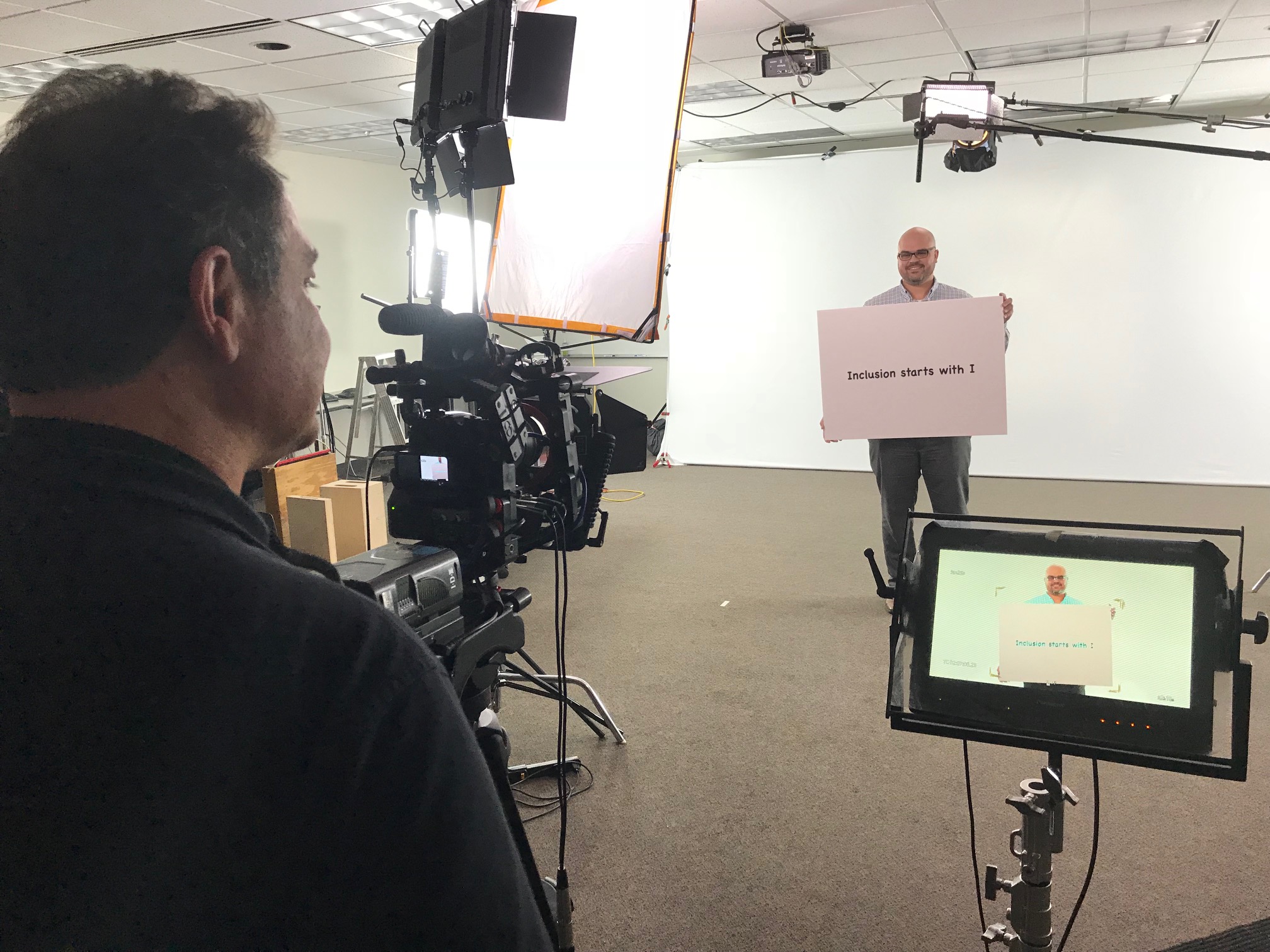
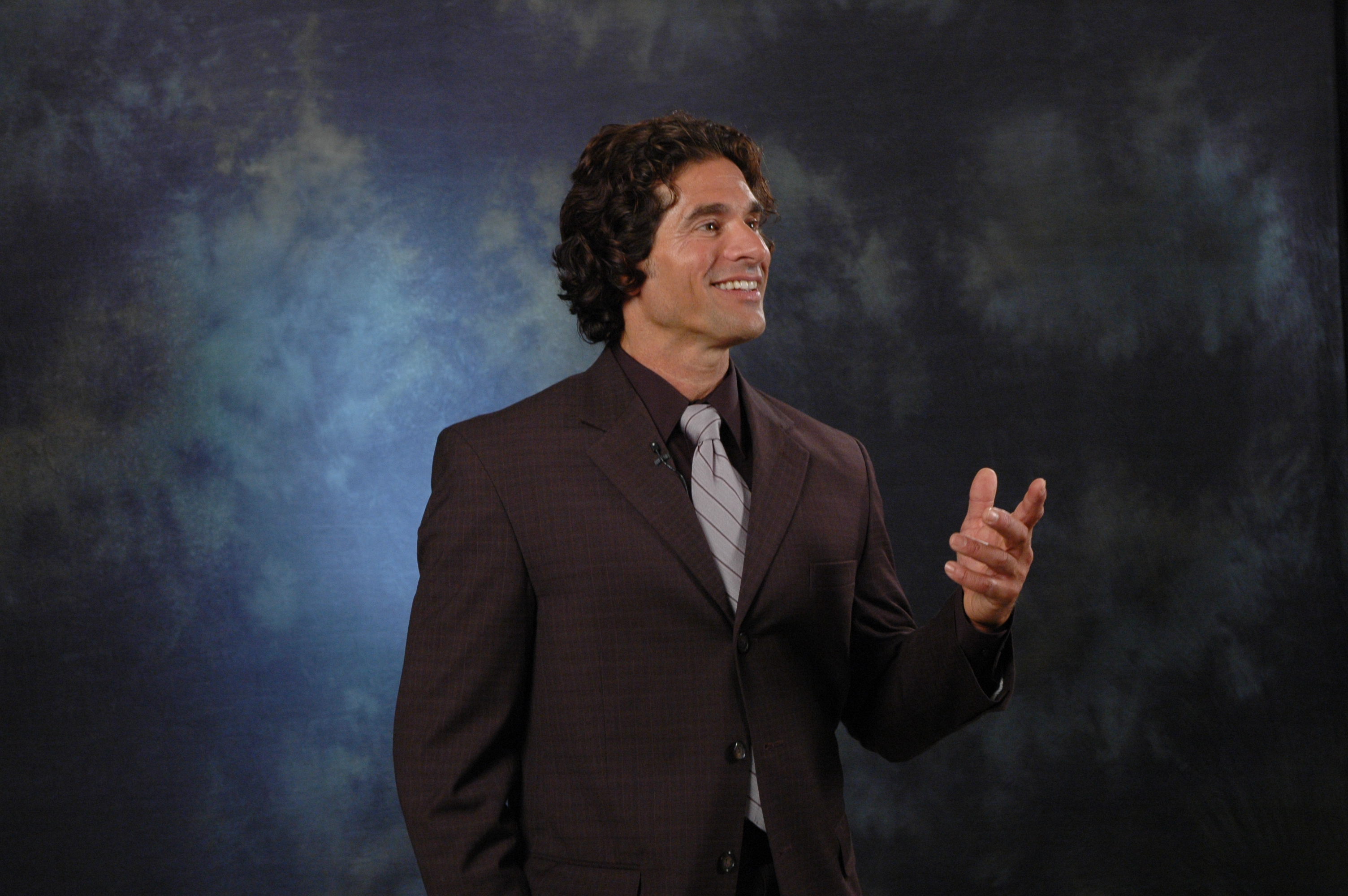
Are you planning to shoot a video on location? Whether you’re working on a corporate video, a documentary, a promotional video, or any other type of project, location shoots can present unique challenges and opportunities. As experienced videographers at St. Louis Video Editing, we understand the intricacies of location video production and are here to guide you through the process. In this comprehensive guide, we’ll share our expertise on planning and executing smooth location video shoots, covering everything from pre-production to post-production.
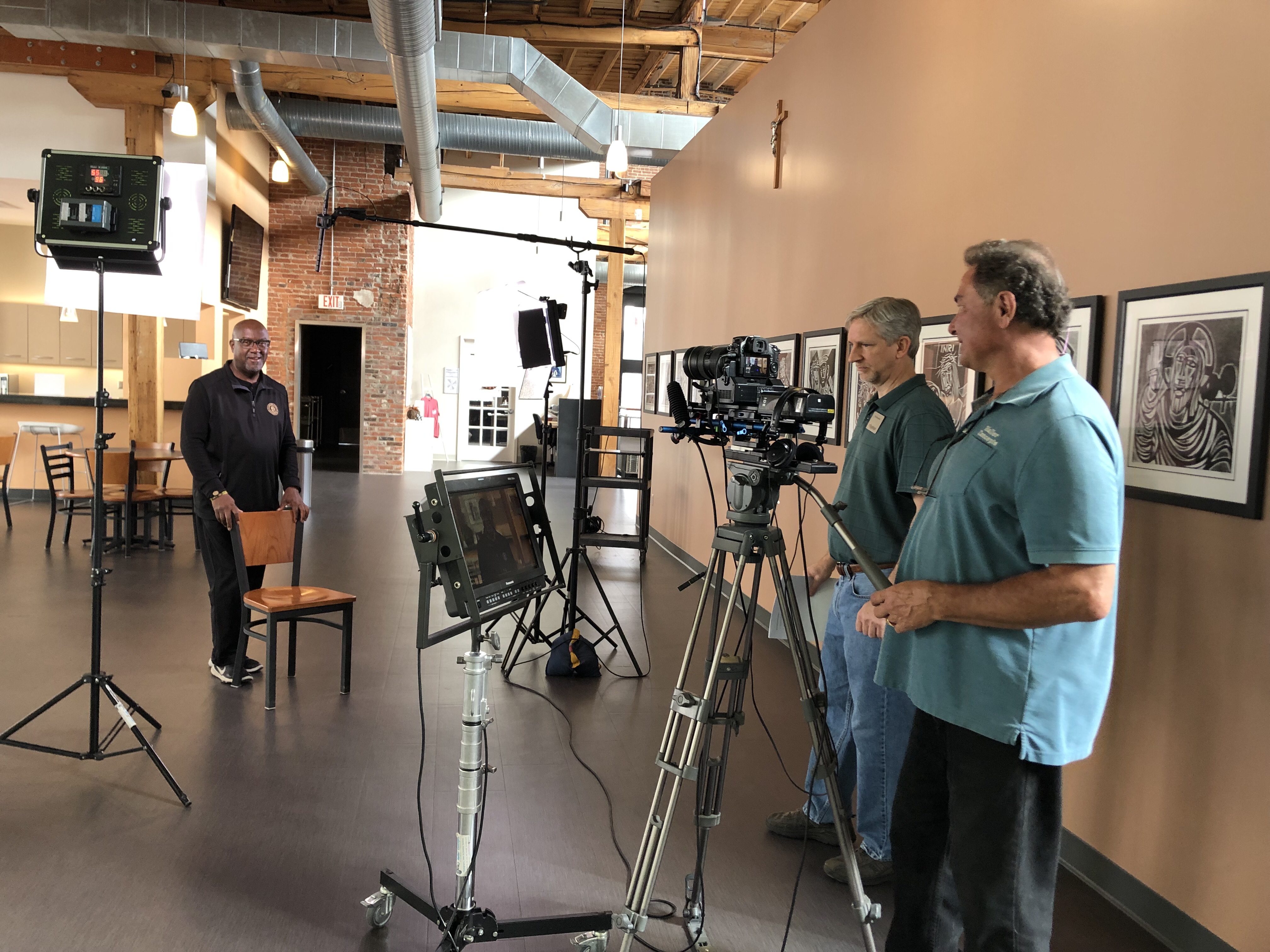
Before you start shooting, conduct a rehearsal with your talent and crew. This will help everyone understand their roles and ensure a smoother shoot.
Understanding the Importance of Location
The choice of location can significantly impact the overall quality and effectiveness of your video. It sets the stage, conveys your message, and establishes the visual and emotional tone of your content. Here are some key considerations when selecting a location:
Relevance: Ensure that the chosen location aligns with the content and message of your video. It should enhance the storytelling rather than distract from it.
Permits and Permissions: Depending on your location, you may need permits or permissions to shoot there. It’s crucial to research and obtain any necessary approvals in advance to avoid legal issues.
Accessibility: Consider how easy it is for your crew and equipment to access the location. Accessibility can impact the logistics of your shoot.
Lighting: Natural lighting can be a powerful asset for location shoots. Assess the lighting conditions at different times of the day and plan your shoot accordingly.
Pre-Production Planning
A successful location video shoot starts with thorough pre-production planning. Here’s what you need to do before setting foot on location:
1. Define Your Objectives
Clearly outline the goals and objectives of your video. What message are you trying to convey? Who is your target audience? Understanding these factors will help you make informed decisions throughout the production process.
2. Develop a Shot List and Storyboard
Create a detailed shot list and storyboard to visualize your video. This will serve as a roadmap during the shoot and help ensure that you capture all the necessary footage.
3. Scout the Location
Visit the location in advance to assess its suitability for your shoot. Take note of potential challenges, such as noise, distractions, or limited space, and develop strategies to address them.
4. Assemble Your Crew
Choose your team carefully. Depending on the complexity of your project, you may need a director, cinematographer, sound engineer, lighting technician, and production assistants. Effective communication and collaboration among team members are essential for a smooth shoot.
5. Equipment and Gear
Determine the equipment and gear you’ll need for the shoot. This includes cameras, lenses, tripods, stabilizers, microphones, lighting equipment, and any other specialized tools. Ensure that everything is in good working condition and have backup equipment on hand.
6. Plan for Contingencies
Location shoots can be unpredictable. Prepare for unexpected challenges like bad weather or technical issues by having backup plans in place. Consider renting weather-resistant equipment if needed.
7. Schedule and Permits
Create a detailed shooting schedule that takes into account the location’s availability and any time constraints. Secure any necessary permits and permissions well in advance to avoid last-minute complications.
On-Location Tips
When you’re on location, it’s essential to stay organized and adaptable. Here are some tips for a successful shoot:
1. Conduct a Rehearsal
Before you start shooting, conduct a rehearsal with your talent and crew. This will help everyone understand their roles and ensure a smoother shoot.
2. Communicate Effectively
Clear and open communication is crucial on set. Establish a system for communicating with your team, including hand signals or walkie-talkies if necessary. Everyone should be on the same page regarding shot setups and timing.
3. Monitor Audio
Pay close attention to audio quality. Use headphones to monitor sound during the shoot and address any issues immediately. Ambient noise and wind can be significant challenges in outdoor locations, so be prepared with the right equipment and techniques.
4. Lighting Considerations
Utilize natural light whenever possible, but also have artificial lighting options on hand to control the scene’s lighting conditions. Diffusers, reflectors, and flags can help you achieve the desired look.
5. Capture B-Roll
In addition to your planned shots, capture plenty of B-roll footage. B-roll can be invaluable during the editing process, providing visual variety and context for your video.
Post-Production Excellence
Once you’ve wrapped up your location shoot, it’s time to bring all the pieces together in post-production. This is where the magic happens, turning raw footage into a polished video.
1. Ingest and Organize Footage
Transfer all your footage to your editing system and organize it systematically. Use clear naming conventions and folders to keep everything tidy and easy to locate.
2. Edit with Precision
Editing is where you craft the narrative of your video. Make sure your cuts are smooth, transitions are seamless, and the pacing is just right. Pay attention to audio levels and color correction to enhance the overall quality.
3. Add Graphics and Effects
Enhance your video with graphics, text overlays, and visual effects as needed. These elements can help clarify information, reinforce branding, and create a polished look.
4. Sound Design
Sound design is a critical aspect of video production. Use background music, sound effects, and voiceovers to enhance the viewer’s experience. Ensure that audio is balanced and free from distractions.
5. Quality Assurance
Review your video multiple times to catch any errors or inconsistencies. Check for visual and audio glitches, ensure that the narrative flows smoothly, and verify that all necessary information is included.
6. Export and Delivery
Once you’re satisfied with the final edit, export your video in the appropriate format and resolution for its intended use. Consider creating different versions for various platforms, such as social media or web streaming.
Conclusion
Planning and executing location video shoots require careful preparation and attention to detail. By following the steps outlined in this guide, you can increase the likelihood of a successful shoot and create compelling videos that captivate your audience.
As a full-service video company, St. Louis Video Editing has worked with many businesses in the St. Louis area to create video productions. With our extensive production equipment and experience in location video production, we can help you achieve your vision for your next project. Whether you need assistance with streaming video recordings, editing, or customized branding, our team is well-versed in all aspects of location and studio production. Contact us today to discuss your video production needs and let us bring your ideas to life.
Make your next location video shoot a success with the expertise and support of St. Louis Video Editing!
Businesses are constantly seeking innovative ways to engage with their audience and stand out from the competition. As a commercial videographer at St. Louis Video Editing, we understand the power of visual storytelling and how it can play a pivotal role in enhancing your marketing communications. In this comprehensive guide, we will delve into the importance of video tours for marketing your business online and how our experienced team at St. Louis Video Editing can help you achieve your marketing goals through our full-service video and photography production services.
Video tours provide potential customers with an immersive experience, allowing them to explore your premises from the comfort of their own device.
The Rise of Video Marketing
The Visual Era
The digital landscape has evolved significantly over the years, and one of the most prominent changes is the increasing dominance of visual content. Videos have emerged as a versatile and engaging medium for businesses to connect with their target audience. From social media platforms to websites and email marketing, videos have become an integral part of modern marketing strategies.
Why Video Tours Matter
Video tours are a specific type of video content that offers a virtual walkthrough of a physical space, be it a retail store, restaurant, real estate property, or any other business establishment. These tours provide potential customers with an immersive experience, allowing them to explore your premises from the comfort of their own device. Here’s why video tours are essential for marketing your business online:
1. Increased Engagement
Video tours are highly engaging and captivating. They can hold the viewer’s attention much longer than static images or text alone. This increased engagement can translate into higher brand awareness and customer retention.
2. Improved SEO Ranking
Search engines like Google prioritize websites with rich and relevant content. Including video tours on your website can improve your search engine optimization (SEO) ranking, making it easier for potential customers to find your business online.
3. Builds Trust
In an era of online scams and mistrust, video tours provide transparency and authenticity. When customers can see your physical location, it instills trust and confidence in your brand.
4. Showcases Unique Selling Points
Video tours allow you to highlight the unique features of your business. Whether it’s the ambiance of your restaurant, the spaciousness of your office, or the elegance of your store, you can showcase what sets you apart from the competition.
5. Accessible Anytime, Anywhere
With video tours, potential customers can explore your business at any time, from anywhere. This convenience can significantly broaden your reach and attract a diverse audience.
How St. Louis Video Editing Can Help
At St. Louis Video Editing, we are a full-service video and photography production company based in St. Louis, specializing in creating compelling visual storytelling for advertising and marketing purposes. Our team of experienced professionals understands the unique challenges and opportunities that come with marketing your business online.
Our Services
1. Video Production
Our core expertise lies in video production. We have the knowledge, skills, and state-of-the-art equipment to create high-quality video tours that showcase your business in the best possible light. Whether you need a virtual walkthrough of your store, a cinematic representation of your restaurant, or a comprehensive real estate tour, we’ve got you covered.
2. Photography
In addition to videos, we offer professional photography services. Stunning images can complement your video tours and further enhance your marketing materials. Our photographers are adept at capturing the essence and uniqueness of your business.
3. Editing and Post-Production
Editing is where the magic happens. Our post-production team ensures that your video tours are polished, engaging, and convey your message effectively. We pay meticulous attention to detail, from color correction to sound design, to deliver a final product that exceeds your expectations.
4. Scriptwriting and Storyboarding
A well-crafted script and storyboard are the foundation of any successful video. Our team can assist you in developing compelling narratives that resonate with your target audience and convey your brand’s story effectively.
5. Distribution and Promotion
Creating exceptional video content is just the first step. We can also help you with video distribution and promotion strategies, ensuring that your video tours reach the right audience through various online platforms and social media channels.
Why Choose St. Louis Video Editing
1. Experience
With years of experience in the industry, we have worked with businesses and organizations of all types and sizes in the St. Louis area. Our portfolio includes a diverse range of projects, from small local businesses to large corporations.
2. Expertise in Video Tours
We are experts at creating video tours for businesses. We understand the nuances of showcasing different types of establishments and know how to bring out their best features through video.
3. Cutting-Edge Technology
We stay up-to-date with the latest video production and editing technologies to ensure that your video tours are of the highest quality and meet industry standards.
4. Tailored Solutions
We understand that every business is unique. Our approach is highly customizable, and we work closely with you to tailor our services to your specific needs and goals.
5. Affordable Pricing
We offer competitive pricing without compromising on quality. We believe that exceptional video content should be accessible to businesses of all sizes.
Conclusion
In conclusion, video tours are an essential tool for marketing your business online. They offer a dynamic and immersive experience that engages potential customers, builds trust, and showcases your unique selling points. At St. Louis Video Editing, we are your trusted partner in harnessing the power of video tours for your marketing communications.
As a creative video production company, St. Louis Video Editing has worked with many businesses and organizations of all types and sizes in the St. Louis area. We are experts at creating video tours for businesses. Whether you’re a local store, a restaurant, a real estate agency, or any other business looking to enhance your online presence, we have the experience and expertise to bring your vision to life.
Don’t miss out on the opportunity to leverage video tours to boost your online marketing efforts. Contact us today, and let us help you create captivating video tours that will leave a lasting impression on your audience and drive business growth.
Contact St. Louis Video Editing today to elevate your online marketing with captivating video tours.
In the digital age, testimonials have become a cornerstone of successful branding and marketing strategies for businesses and organizations of all sizes. Authentic customer reviews and testimonials can be a powerful tool to build trust, establish credibility, and showcase the value of your products or services. However, creating compelling testimonial videos requires more than just recording satisfied customers talking about their experiences. To truly make an impact, you need to master the art of video editing for testimonials. As experienced video editors and producers at St Louis Video Editing, we are here to share our expertise and guide you through the process.
If you have multiple testimonials, consider creating a compilation video featuring several satisfied customers.
The Importance of Testimonial Videos
Before we dive into the nitty-gritty of video editing, let’s understand why testimonial videos are so essential in today’s marketing landscape.
Builds Trust: Testimonials provide social proof, reassuring potential customers that others have had positive experiences with your business.
Humanizes Your Brand: Video testimonials put a face to your brand. They allow your audience to connect with real people who have benefited from your products or services.
Engages Audiences: Videos are inherently more engaging than text or static images. Testimonial videos grab viewers’ attention and keep them engaged.
Boosts Conversions: According to studies, including testimonials on a landing page can increase conversions by up to 80%.
Now that you understand why testimonials are crucial, let’s explore the key steps and video editing techniques to master the art of creating impactful testimonial videos.
Step 1: Planning Your Testimonial Video
Identify Your Key Message
Before you even start filming, it’s essential to define the key message you want your testimonial video to convey. What aspect of your product or service do you want to highlight? Is it exceptional customer service, a unique feature, or a transformational experience? Knowing your message will help shape the direction of your video.
Select the Right Interviewees
Not every customer is a great fit for a testimonial video. Look for customers who are enthusiastic, articulate, and genuinely satisfied with your offerings. Their passion will come through on camera and resonate with viewers.
Craft Open-Ended Questions
Prepare a list of open-ended questions to guide your interviewees. These questions should encourage them to share their experiences, challenges, and the benefits they’ve gained from your product or service. Examples include:
Can you describe the problem you were trying to solve before using our product/service?
How has our product/service made a difference in your life or business?
What would you say to someone considering our product/service?
Step 2: Filming Your Testimonial
Choose the Right Setting
Select a quiet and well-lit location for the interview. Natural light is often the best choice, but if that’s not possible, invest in good-quality lighting equipment. The background should be relevant but not distracting.
Use High-Quality Equipment
Invest in a good camera, microphone, and tripod. High-quality audio is just as crucial as video quality. Ensure that the interviewee’s voice is clear and free of background noise.
Record B-Roll Footage
In addition to the interview, capture supplementary footage (B-roll) that complements the story. This could include shots of your product in action, the interviewee using your service, or relevant behind-the-scenes clips.
Step 3: The Art of Video Editing for Testimonials
Organize Your Footage
Start by transferring all your footage to your editing software. Ensure that everything is properly labeled and organized to streamline the editing process.
Create a Storyboard
Before you begin editing, create a storyboard or script. This will help you outline the structure of your video and determine which clips to include. A typical structure might include an introduction, the customer’s story, the benefits they’ve gained, and a conclusion.
Trim and Cut
Begin by trimming down the interview footage to select the most compelling and concise statements. Remove any pauses, filler words, or irrelevant content. Keep the viewer engaged by maintaining a steady pace.
Add B-Roll Footage
Integrate the B-roll footage to complement and illustrate the interviewee’s narrative. Use transitions and effects to smoothly transition between the interview and B-roll footage.
Enhance Audio
Audio is a critical aspect of video editing. Use audio editing tools to eliminate background noise, enhance voice clarity, and add music or sound effects if appropriate.
Color Correction and Grading
Ensure that your video has a consistent and professional look by adjusting colors, brightness, and contrast. Color grading can help evoke specific emotions and match your brand’s aesthetic.
Add Captions and Graphics
Include captions for accessibility and to ensure your message is clear, even when viewers can’t turn on the sound. Additionally, add graphics, text overlays, and logos to reinforce key points.
Testimonials Compilation
If you have multiple testimonials, consider creating a compilation video featuring several satisfied customers. This can be a powerful way to showcase a range of positive experiences with your brand.
Step 4: Review and Feedback
After you’ve completed the initial edit, share the video with your team or stakeholders for feedback. This is a crucial step to ensure that your message is clear and that the video aligns with your brand’s image and goals.
Step 5: Finalize and Export
Once you’ve incorporated feedback and made any necessary adjustments, it’s time to finalize your testimonial video. Export it in the appropriate format and resolution for your chosen distribution platforms.
Step 6: Promote Your Testimonial Video
Your hard work doesn’t end with video editing. To maximize the impact of your testimonial video:
Optimize for SEO: Use relevant keywords in the video title, description, and tags to improve its discoverability on platforms like YouTube.
Share on Social Media: Share the video on your social media channels to reach your audience where they are most active.
Embed on Your Website: Place the video prominently on your website, especially on pages where prospects are likely to visit.
Email Marketing: Include a link to the video in your email marketing campaigns to engage with your existing audience.
Paid Advertising: Consider running paid advertising campaigns to promote your testimonial video to a broader audience.
Conclusion
Mastering video editing for testimonials is an art that requires careful planning, creativity, and technical expertise. By following the steps outlined in this guide, you can create testimonial videos that captivate your audience, build trust, and drive conversions.
At St Louis Video Editing, we understand the power of compelling testimonial videos in corporate branding and business marketing. With years of experience in video production and editing, we have helped businesses and organizations of all types and sizes in the St. Louis area leverage the potential of video testimonials.
As a full-service photography and video production company based in St. Louis, we can accommodate all your video and photography marketing requirements. Whether you need testimonial videos, product showcases, event coverage, or any other multimedia creation, we have the expertise to bring your vision to life.
Don’t miss out on the opportunity to harness the persuasive potential of testimonial videos. Contact St Louis Video Editing today to learn how we can help elevate your brand and amplify your marketing efforts through the art of video editing.
Contact us now to get started on your journey to video marketing success!
In today’s fast-paced digital landscape, video has emerged as a powerful tool for businesses to engage, educate, and entertain their audience. Whether you’re considering creating promotional videos, product demos, corporate training materials, or any other type of video content, one of the first and most crucial steps is determining your video production budget. A well-defined budget ensures that your project runs smoothly, meets your expectations, and delivers a compelling message to your target audience.
A well-thought-out script ensures a smoother shooting process and minimizes reshoots.
Why a Video Production Budget Matters
A video production budget serves as the foundation of your project, guiding every aspect from pre-production to post-production. Establishing a clear budget helps you make informed decisions about the scope of your video, the equipment and resources needed, the creative elements, and the overall quality you can achieve. Without a well-defined budget, you risk overspending, compromising on crucial elements, or even abandoning the project midway due to unexpected financial constraints.
Factors Affecting Your Video Production Budget
Several key factors influence the cost of video production. Understanding these factors will enable you to create a realistic budget that aligns with your goals and vision.
Video Length and Complexity: Longer videos or projects with complex visual effects, animations, and intricate storytelling will generally require a higher budget.
Script and Storyboarding: Crafting a compelling script and detailed storyboarding in the pre-production phase can impact your budget. A well-thought-out script ensures a smoother shooting process and minimizes reshoots.
Crew and Talent: The size of your production crew, along with the quality and experience of on-screen talent or voice actors, contributes to your budget. Experienced professionals may demand higher compensation.
Location and Set Design: Shooting on location or designing elaborate sets adds to your expenses. Consider permits, travel, accommodation, and set construction costs.
Equipment and Technology: High-quality cameras, lighting equipment, sound gear, and editing software play a significant role in the production’s visual and auditory appeal. Cutting corners on equipment can affect the final product.
Post-Production and Editing: The complexity of editing, color correction, visual effects, and sound design in the post-production phase can impact your budget. Skilled editors enhance the overall quality of your video.
Music and Licensing: Original music compositions or licensed tracks contribute to the mood and tone of your video. Licensing fees should be factored into your budget.
Distribution and Marketing: Planning for video distribution, promotion, and marketing efforts is essential. Allocate resources to ensure your video reaches the intended audience effectively.
Steps to Create Your Video Production Budget
Define Your Objectives: Clearly outline the goals and purpose of your video. Are you aiming to increase brand awareness, generate leads, educate your audience, or launch a new product? Specific objectives will help you allocate resources accordingly.
Determine Video Types: Identify the type of video you’re producing, whether it’s a live-action video, animation, interview, testimonial, or a combination of styles. Different types of videos have varying production requirements.
Storyboard and Script: Collaborate with your creative team to develop a detailed storyboard and script. This step gives you a visual representation of the final product and helps estimate costs accurately.
Choose Locations: Decide whether you’ll shoot on location or in a studio. Location scouting and set design considerations impact your budget.
Select Equipment and Crew: Based on your script and vision, determine the necessary equipment, such as cameras, lighting, and sound gear. Hire a skilled crew, including cameramen, directors, producers, and assistants.
Allocate Post-Production Resources: Plan for editing, sound design, visual effects, and color correction. Ensure you have the necessary software and expertise to bring your video to life in post-production.
Factor in Miscellaneous Costs: Don’t overlook expenses like permits, insurance, travel, catering, and talent compensation.
Create a Detailed Budget: Organize your budget into categories, including pre-production, production, and post-production. Be realistic about costs and allow for some flexibility.
Maximizing Your Budget’s Impact
While budget constraints may require careful consideration, there are several strategies to maximize the impact of your video production:
Prioritize Quality: Invest in professional equipment and experienced crew members. High-quality visuals and sound enhance the credibility and effectiveness of your message.
Focus on Storytelling: A compelling story engages viewers and leaves a lasting impression. Allocate resources to scriptwriting and storyboarding to ensure a captivating narrative.
Repurpose Content: Repurpose video content for different platforms and campaigns. This approach extends the value of your investment and reaches a wider audience.
Plan for Longevity: Create evergreen content that remains relevant over time. Avoid trends that may quickly become outdated and require frequent updates.
St. Louis Video Editing: Your Full-Service Video Production Partner
At St. Louis Video Editing, we understand the critical role that video plays in modern business communication. As a full-service video production company based in St. Louis, we specialize in helping businesses achieve their communication objectives through visually compelling and engaging videos.
Our Expertise:
Multimedia Creations: We are well-versed in all aspects of location and studio productions, catering to various multimedia needs, including promotional videos, training materials, event coverage, and more.
Business Photography: In addition to video production, we offer comprehensive business photography services. Our skilled photographers capture the essence of your brand and products, enhancing your visual presence.
Experienced Team: Our team of experienced professionals, including video directors, producers, cinematographers, and editors, brings creativity and technical excellence to every project.
Custom Solutions: We tailor our services to meet your specific requirements, ensuring that each video aligns with your brand identity and objectives.
Proven Track Record: With a rich portfolio of successful projects for both large and small businesses across various industries, we bring a wealth of experience to the table.
As professional video producers, St. Louis Video Editing has successfully executed hundreds of video projects for businesses and organizations throughout the St. Louis region. From concept to delivery, we provide comprehensive support, guiding you through each phase of the production process.
Are you ready to elevate your business communication with compelling video content? Contact us today to discuss your project and learn how St. Louis Video Editing can help you achieve your goals. Let’s bring your vision to life on screen.
Understanding the Power of Video Editing in Testimonial Videos
The editing process plays a crucial role in shaping viewer perception and maximizing the testimonial video’s effectiveness.
Introduction
One powerful tool that has gained immense popularity in recent years is video testimonials. Testimonial videos offer a unique opportunity to showcase satisfied customers, share their experiences, and build trust with potential clients.
However, creating an impactful testimonial video goes beyond capturing a satisfied customer’s thoughts on camera. The editing process plays a crucial role in shaping viewer perception and maximizing the video’s effectiveness. In this article, we will delve into the science behind testimonial video editing and explore how it influences viewer perception.
The Power of Testimonial Videos
Before we dive into the editing techniques, let’s first understand why testimonial videos are so powerful in the realm of marketing and branding. Testimonial videos provide social proof, offering genuine feedback from real customers. When potential customers see others expressing satisfaction with a product or service, it helps build credibility and trust.
Video testimonials also create an emotional connection. By showcasing the emotions, body language, and facial expressions of satisfied customers, businesses can tap into the power of storytelling, making their message more relatable and memorable. This emotional resonance can significantly impact viewers’ decision-making process and drive them towards making a purchase or taking a desired action.
The Art of Testimonial Video Editing
Now that we understand the importance of testimonial videos, let’s explore how the editing process influences viewer perception. Skilled video editors have the ability to craft compelling narratives, control pacing, highlight key messages, and evoke desired emotions. Here are some essential editing techniques used to enhance the impact of testimonial videos:
1. Crafting a Captivating Storyline
A well-edited testimonial video should tell a story that captivates the viewers from beginning to end. The editor carefully selects and arranges the footage to create a narrative arc that engages the audience. The story should flow seamlessly, with a clear beginning, middle, and end, capturing the viewer’s attention and keeping them invested in the testimonial.
2. Selective Editing and Montages
Editors often have hours of footage to work with, but a testimonial video should be concise and focused. Through selective editing, irrelevant or repetitive content is removed, leaving only the most impactful moments. Montages can be used to condense multiple customer experiences into a concise and visually stimulating sequence, reinforcing the main message.
3. Enhancing Emotional Impact
Emotions are a powerful driver of human behavior. Skilled editors understand how to amplify the emotional impact of a testimonial video by utilizing techniques such as music, color grading, and pacing. Well-chosen background music can evoke specific emotions and set the tone for the video. Color grading can enhance the mood, making the video more visually appealing and emotionally resonant.
4. Adding Visual Enhancements
Visual enhancements, such as text overlays, graphics, and animations, can be strategically incorporated to reinforce key points and highlight important information. Text overlays can emphasize key quotes or statistics, making them more memorable. Graphics and animations can add a professional touch and create visual interest, enhancing the overall viewing experience.
5. Seamless Transitions
Smooth transitions between shots help maintain a cohesive flow and prevent distractions. By using techniques like crossfades, dissolves, or match cuts, editors can seamlessly blend different segments of the testimonial video together, creating a polished and professional look.
6. Call-to-Action Integration
The ultimate goal of a testimonial video is to encourage viewers to take action. Editors can strategically integrate a strong call-to-action at the end of the video, guiding viewers towards the desired next steps. Whether it’s visiting a website, making a purchase, or contacting the business, a well-crafted call-to-action can significantly impact conversion rates.
St Louis Video Editing: Your Full-Service Video Production Partner
At St Louis Video Editing, we understand the science behind testimonial video editing and its impact on viewer perception. As a full-service commercial photography and video production company based in St. Louis, we are dedicated to helping businesses enhance their branding and marketing communication needs.
With years of experience and a team of skilled video editors and producers, St Louis Video Editing has created hundreds of video productions all over the St. Louis region. We are well-versed in all aspects of video production, including testimonial videos. Our expertise in editing techniques and storytelling enables us to create testimonial videos that captivate, engage, and inspire action.
Whether you need assistance in crafting a compelling storyline, selecting the most impactful footage, or adding visual enhancements, we have the expertise to bring your testimonial videos to life. We pride ourselves on delivering high-quality video editing services tailored to our clients’ unique needs and objectives.
If you are ready to harness the power of testimonial videos and elevate your brand’s perception, look no further than St Louis Video Editing. Contact us today to discuss how we can help you achieve your branding and marketing goals through powerful testimonial video editing.
As a business, leveraging the power of video in your marketing and communication efforts is crucial for success in today’s digital landscape. One effective way to enhance your business videos is by incorporating still photos. These static images can add depth, visual interest, and storytelling elements to your videos, making them more engaging and impactful. However, it’s essential to edit these still photos properly to achieve the best results. In this article, we’ll explore some tips and techniques to help you edit still photos effectively for your business videos.
Experiment with various transition effects, such as fades, dissolves, or slides, to seamlessly connect different images.
1. Choose High-Quality Photos
The foundation of a great photo edit starts with high-quality source images. When selecting still photos for your business video, ensure that they are sharp, well-exposed, and visually appealing. Blurry or low-resolution images can distract viewers and diminish the overall quality of your video. Take the time to review and curate a collection of compelling images that align with your brand and message.
2. Crop and Frame Strategically
The composition of a photo plays a crucial role in its impact within a video. While editing still photos for your business video, consider cropping and framing the images strategically to highlight key elements or create a specific mood. Experiment with different aspect ratios and focal points to achieve the desired visual effect. Remember to maintain consistency in framing throughout the video to ensure a cohesive and professional look.
3. Enhance Colors and Contrast
Color grading is an essential part of video editing, and it applies to still photos as well. Adjusting the colors and contrast of your photos can help create a consistent and visually pleasing aesthetic in your business video. Use editing software to fine-tune the saturation, brightness, and contrast levels of your photos, ensuring they match the overall tone and mood of your video. Pay attention to skin tones and other critical elements to maintain a natural and appealing look.
4. Add Subtle Motion Effects
To bring life to your still photos, consider adding subtle motion effects during the editing process. Techniques such as zooming, panning, or applying gentle animations can create an engaging visual experience for your viewers. These effects can help transition between scenes or emphasize specific details in the photo. However, exercise caution not to overdo the animations, as excessive movement can distract from the main message of your video.
5. Incorporate Transitions
Smooth transitions between still photos can significantly enhance the flow and continuity of your business video. Experiment with various transition effects, such as fades, dissolves, or slides, to seamlessly connect different images. Transitions can create a cohesive narrative and prevent abrupt jumps between photos, maintaining a polished and professional appearance. Choose transitions that align with your brand’s style and the overall tone of your video.
6. Integrate Text and Graphics
Text overlays and graphics can provide context, reinforce key messages, and guide viewers’ attention within your business video. When editing still photos, consider incorporating text and graphics that complement the images and enhance the storytelling aspect. Use clear and legible fonts, appropriate sizes, and colors that align with your brand’s visual identity. Ensure that the text and graphics appear at the right time and remain on screen long enough for viewers to read and comprehend.
7. Sync with Music and Audio
To create a cohesive and immersive experience, synchronize your still photos with the accompanying music and audio. Timed properly, the photos can complement the beats, rhythms, or key moments in the audio track, enhancing the overall impact of your business video. Pay attention to the tempo, mood, and pacing of the music, and align the transitions and animations of the still photos accordingly. This synchronization can elevate the emotional connection with your audience and leave a lasting impression.
8. Maintain Consistency and Branding
Consistency in visual style and branding is crucial for maintaining a professional and cohesive look throughout your business video. When editing still photos, ensure that they align with your brand’s color palette, typography, and overall visual identity. Consistent editing techniques, transitions, and graphic elements can help reinforce your brand message and make your video more recognizable and memorable.
9. Test and Refine
Before finalizing your business video, it’s essential to test and refine the edited still photos. Take the time to review the video and gather feedback from colleagues or trusted individuals. Pay attention to the pacing, timing, and overall impact of the still photos within the video. Make necessary adjustments and refinements to ensure that the edited photos are enhancing the storytelling and delivering the intended message effectively.
10. Seek Professional Assistance
Editing still photos for optimal results in your business video requires a keen eye for detail, technical expertise, and a creative touch. If you lack the time, resources, or skills to execute the editing process yourself, it’s wise to seek professional assistance. At St Louis Video Editing, we specialize in full-service video editing and can cater to all your commercial video editing requirements.
Based in St. Louis, our experienced team of video editors understands the nuances of editing still photos to maximize their impact in business videos. We have extensive knowledge of various editing software and techniques, allowing us to deliver high-quality results that align with your brand’s vision. Whether you need assistance with selecting the right photos, refining color grading, incorporating motion effects, or creating seamless transitions, our expertise ensures that your business video stands out and leaves a lasting impression.
Moreover, we recognize the importance of effective communication in business, and our video editing services extend beyond mere technical expertise. We work closely with our clients to understand their unique needs, goals, and target audience, enabling us to craft videos that effectively convey their message and resonate with viewers. With our full-service video editing capabilities, we can help you enhance your business communication through visually compelling videos that leave a lasting impact.
In conclusion, editing still photos for best results in your business video requires attention to detail, creative vision, and technical expertise. By following the tips and techniques mentioned in this article, you can effectively edit still photos to create visually engaging and impactful business videos. However, if you need professional assistance, St Louis Video Editing is your trusted partner in St. Louis, offering full-service video editing solutions to elevate your business communication. Contact us today to discuss your video editing requirements and let us help you unleash the full potential of your business videos.
As a business owner, you know that video is an essential tool for marketing your products and services. Video can help you reach a wider audience, engage your customers, and build your brand. St. Louis video editing can help you create compelling YouTube videos that keep viewers hooked. In this article, I will discuss the importance of video in marketing, the elements of a compelling YouTube video, and the techniques for keeping viewers hooked.
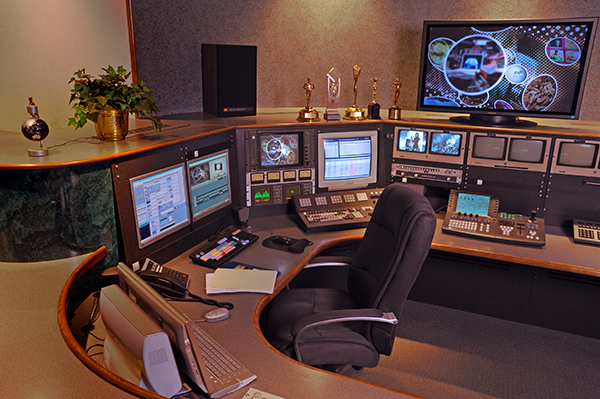
Video Editing and Production Crews in Action.
Introduction to St. Louis Video Editing
St. Louis video editing is the process of manipulating and rearranging video shots to create a new work. Video editing is used in the production of television shows, video advertisements, and feature films. St. Louis video editing is a creative process that involves selecting the right shots, arranging them in the right order, and adding special effects, music, and sound effects. St. Louis video editing can help you create a powerful message that resonates with your audience.
Importance of Video in Marketing
Video is a powerful tool for marketing because it can convey a lot of information quickly and easily. Video can help you showcase your products and services, demonstrate how they work, and provide testimonials from satisfied customers. Video can also help you build your brand by creating an emotional connection with your audience. Video can help you stand out from the competition and increase your online visibility.
Elements of a Compelling YouTube Video
A compelling YouTube video has several elements that make it stand out from the crowd. First, it has a clear message that resonates with the audience. Second, it has high-quality visuals that are engaging and visually appealing. Third, it has a strong call to action that encourages viewers to take action after watching the video. Fourth, it is well-edited and flows smoothly from beginning to end. Fifth, it has a powerful soundtrack that enhances the emotional impact of the video.
Understanding Your Target Audience
To create a compelling YouTube video, it is essential to understand your target audience. You need to know who they are, what they want, and what motivates them. You need to create a message that resonates with your audience and speaks to their needs and desires. You can use market research, customer feedback, and social media analytics to understand your target audience.
Planning Your Video Production
Before you start filming your video, you need to plan your video production. You need to create a storyboard that outlines the shots, the script, and the message of your video. You need to choose the right location, lighting, and equipment for your video production. You also need to schedule your production and allocate your resources effectively.
Choosing the Right St. Louis Video Editor for Your Project
Choosing the right St. Louis video editor for your project is essential to the success of your video. You need to choose an editor who has experience in your industry, understands your message, and has the technical skills to edit your video effectively. You also need to choose an editor who communicates effectively and is responsive to your feedback.
The Editing Process and Techniques for Keeping Viewers Hooked
The editing process is where your video comes to life. You need to select the best shots, arrange them in the right order, and add special effects, music, and sound effects. You also need to edit your video to keep your viewers hooked. This can include adding jump cuts, using close-ups, and adding visual effects. You need to create a video that is visually engaging and emotionally impactful.
Adding Music and Sound Effects to Enhance Your Video
Music and sound effects can enhance the emotional impact of your video. You need to choose music and sound effects that complement your message and create the right mood for your video. You can use royalty-free music and sound effects or create your own music and sound effects.
Finalizing and Publishing Your Video
Once your video is edited, you need to finalize and publish your video. You need to add titles, captions, and other metadata to your video. You also need to choose the right video hosting platform and optimize your video for search engines. You can use social media and other marketing channels to promote your video.
Measuring the Success of Your Video
Measuring the success of your video is essential to improving your video marketing strategy. You need to track metrics such as views, engagement, and conversions. You can use analytics tools such as Google Analytics and YouTube Analytics to track your video metrics. You also need to analyze your audience feedback and adjust your video marketing strategy accordingly.
Benefits of Working with a St. Louis Video Production Company
Working with a St. Louis video production company can provide several benefits. A video production company can help you create a professional video that meets your needs and exceeds your expectations. A video production company can also provide technical expertise, creative direction, and project management services. Working with a video production company can also save you time and money.
Conclusion
St. Louis video editing is a powerful tool for creating compelling YouTube videos that keep viewers hooked. To create a successful video, you need to understand your target audience, plan your video production, choose the right St. Louis video editor, and use effective editing techniques. You also need to add music and sound effects to enhance your video, finalize and publish your video, and measure the success of your video. By working with a St. Louis video production company, you can create a professional video that helps you reach your marketing goals.
When working with a business event photographer, there are certain things to keep in mind for a successful photography session:
Dos:
1. Have a pre-event chat with the photographer about expectations and event details.
2. Give the photographer a schedule of the event beforehand.
3. Have a list of must-have shots.
4. Pick a good spot and backdrop for group photos.
5. Let the photographer take candid photos and capture the atmosphere and emotions.
Don’ts:
1. Micromanage the photographer by posing or directing shots.
2. Rely only on your smartphone for photos.
3. Schedule too many photo sessions, which can cause delays.
4. Forget to tell the photographer about any specific photography guidelines.
5. Promote event photographers without checking the contract – it could damage future business relationships.
Dos of Working with a Business Event Photographer
A business event photographer can give a great experience. When you employ a professional photographer, you know the photos will be of high quality. This ensures lasting memories of your event, whatever it may be.
Here are some tips to guarantee success when working with a business event photographer:
Communicate Expectations and Event Details Clearly
Communicating expectations and event details is super important when it comes to working with a business event photographer. Here are some tips on how to do it right:
– Clearly let the photographer know what style of photography you want, the shots you need, and the delivery date.
– Give them the event timeline, key moments, and important people attending.
– Have a pre-event meeting to discuss the plan and any special requests.
– Prepare a list of must-haves and share it with the photographer before the event.
– Give them access to the venue, schedule, and contacts they need.
By doing this, you create a great working relationship with your business event photographer and get the desired results.
Provide a Shot List and Event Schedule
Working with a business event photographer? Give them a shot list and event schedule first! Here’s what to keep in mind when making one:
1. What kind of shots: candid or posed?
2. What are the key moments of your event? Like keynote speeches or product launches.
3. How’s the layout of the event? Show the photographer the flow of activities.
4. List key individuals who need to be photographed.
5. Create a buffer time between activities – delays, last-minute changes, etc.
Provide the photographer with a shot list and event schedule for clear expectations. This will help them give their best and capture special moments from your business event.
Make Sure the Photographer has Appropriate Equipment
Hiring a business event photographer? Ensure they have the right gear! Here’s some tips:
Ask what cameras, lenses and lighting they got.
Make sure there’s backup equipment.
Check if they got enough memory cards, batteries and accessories.
Talk about special needs like low-light or fast-paced shots.
By taking these steps, you’ll get high-quality, professional photos that capture the essence of your event.
Don’ts of Working with a Business Event Photographer
Hiring a pro for your biz event? You can capture amazing memories! But, remember some don’ts when working with them. Here are the most important ones to consider:
Micromanage the Photographer’s Work
Totally avoid micromanaging a business event photographer. Rely on their expertise to capture the event in its best light. Here are some other no-nos:
Do not delay the shoot or change plans without informing the photographer.
Do not interfere with the photographer during the event, or try to take over.
Do not disregard the photographer’s advice on the perfect photo ops.
Don’t forget to thank them, and pay them promptly. Showing trust and respect will help you build a good rapport with your business event photographer.
Pro tip: Schedule a pre-event meeting to go over your requirements, questions, and any worries the photographer has. This will result in a successful session and a great experience for everyone.
Assume the Photographer can Read Your Mind
Never think the photographer can read your mind. Working with a business event photographer can be made easier if you avoid these “Don’ts”.
Don’t expect they know what you want without telling them. Speak up, explain what you want.
Don’t interfere when they are working. Don’t interrupt or get in their way. This can ruin the shots.
Don’t ask for the photos right away. Editing and selecting the best ones takes time.
Don’t forget a contract. It is important. It protects both you and the photographer.
Pro tip: Stay clear with the photographer. Talk about your needs before the event. This will ensure you get the best photos and avoid any confusion.
Limit the Photographer’s Ability to Move Around and Capture the Event
Negative results in your event photos can happen if you limit the movement of your photographer. Let them go around and take shots of the atmosphere. Restriction can lead to boring, unoriginal images.
Trust the expertise of your photographer. Let them capture your event from different angles and perspectives.
Before the event, make sure to communicate with your photographer. Tell them what shots you want and the moments that are important. This will help them capture the event according to your wishes.
Pro tip: Allow your photographer to move around and capture your event. The results will be amazing and special, showing the true spirit of your event.
How to Choose a Business Event Photographer
Choosing a business event photographer is key for an awesome event. Get someone who can snap fun, special pictures of your guests; these photos can be used in advertising.
To make sure everything works out, here are some do’s and don’ts when it comes to picking the perfect photographer.
Determine Your Photography Needs
Before picking a business event photographer, it’s essential to know your photography needs. To do this, mull over the purpose of the pics. Are they for promotion or to capture lighthearted scenes at the event? Or is it for media exposure? This will help you find a photographer with the right skills.
Also, think about the number of photos needed. Do you need hundreds of photos or just a handful of key moments? This will help you come up with an achievable budget.
Additionally, determine the quality of the photos. Will they be used in print or online? Do you need high-resolution images or will low-resolution do?
Once you know your photography needs, you’ll be ready to select a business event photographer that can deliver the services you need. Make sure to communicate your needs clearly with the photographer to make sure they understand your expectations.
Pro Tip: Work with a business event photographer who has experience with your industry or niche. They will comprehend your needs and the type of photos that will be most beneficial for your business.
Check the Photographer’s Portfolio and Reviews
Searching for a business event photographer? Check their portfolio and reviews first! Their portfolio can tell you their style, skills and experience. Reviews from past clients tell you about their professionalism, work ethic and how they perform. When assessing their portfolio:
Do:
Look for examples in your industry to see their expertise.
See if their style and creative approach match your vision.
Read reviews from past clients for reliability, communication and meeting deadlines.
Don’t:
Hire without reviewing their portfolio and reviews.
Ignore negative reviews or bad quality in their work.
Pro Tip: Focus on quality, not quantity. A few great images are much better than lots of mediocre ones.
Schedule a Meeting with the Photographer
Meeting your potential event photographer is key. Here’s why: Get a good understanding of style, personality & experience. Talk about your event’s details, timeline & requirements. Ask any questions you might have.
Pay attention to how they communicate & interact with you. Look at their portfolio to see their technical skills, creativity & versatility. Discuss rates, contracts & terms of service. Ask about availability & turnaround time.
Establish a good rapport & build trust. This will lead to a successful collaboration. Pro tip: Don’t be shy to ask for references or reviews from past clients. Verify the photographer’s professionalism & reliability.
What to Expect During the Event
A business event photographer can be a great asset at your event! They specialize in capturing memories that last forever. It’s essential to know what to do and not do when working with them. Here are the do’s and don’ts of working with a business event photographer:
Do understand their expectations. Don’t forget to be prepared. Do ensure they have all the information they need. Don’t forget to respect their time. Do ask for their opinion. Don’t forget to thank them for their work.
Pre-Event Preparation and Planning
Pre-event prepping is key to having a successful business event. Here are steps to follow for everything to go smoothly:
1. Outline what the event will achieve. Networking? Launching a product or service? Educating attendees?
2. Set a budget and create a plan with a timeline, activities, and who will attend.
3. Pick a venue that matches the event’s purpose, size, and budget.
4. Hire a pro event photographer to take pics of highlights. Use them for future marketing and promotions.
Dos & Don’ts of Working with a Business Event Photographer:
Dos: – Before the event, tell the photographer your needs and objectives. – Share the schedule and a list of shots. – Give instructions on branding, image style, & post-processing.
Don’ts: – Don’t micromanage or disturb the photographer during the event. – Don’t limit the photographer’s freedom to capture moments. – Don’t forget to credit or pay the photographer enough.
Pro tip: To make the most of your event photographer, communicate well and think long-term. Create a partnership that can help your business.
Collaboration and Communication with the Photographer
For the best results at a business event, successful collaboration and communication with the photographer are essential. Here are the dos and don’ts when working with a business event photographer:
Dos:
Brief the photographer on the event’s agenda and goal beforehand.
Ask for particular shots or angles to be captured.
Make a list of shots to guarantee nothing is missed.
Give the photographer access to the venue early to arrange lighting and angles.
Have a timeline to make sure there’s enough time for photography.
Give the photographer a spot to keep their equipment.
Treat the photographer professionally and show respect.
Don’ts:
Don’t micromanage or interrupt the photographer.
Don’t expect all moments to be captured without communication and planning.
Don’t control or over-direct the photoshoot.
Don’t assume the photographer will just need a short time.
Don’t be disrespectful to the photographer.
Pro Tip: Open communication and mutual trust will bring your vision to life in the photos.
Flexibility and Adaptability during the Event
Getting a professional event photographer for your biz event is a great way to snap all the significant moments and make cool pics. To make sure it’s a successful collaboration, you need to keep your flexibility and adaptability during the event.
Here are some do’s and don’ts when working with an event photographer:
Do’s:
Explain your needs and expectations before the event.
Let the photographer take candid pics in addition to the posed shots. They can add genuineness to your event album.
Benefit from the photographer’s experience for advice on shot ideas and staging.
Don’ts:
Control the photographer by telling them every shot to take. Believe in their experience and skill.
Forget about scheduling breaks for the photographer to relax and reload.
Fail to provide the photographer with a rundown of the event schedule before.
Sticking to these guidelines will help you set up a pleasing and hassle-free environment, so your photographer can concentrate on taking awesome photos.
Post-Event Actions
All the planning and getting ready for a business event is done. But, equally important are the post-event actions. Having an event photographer is essential for a successful day. It determines how much is captured, and how to use the photos afterwards.
Here are some dos and don’ts when working with an event photographer:
Review and Selection of Photographs
After a successful business event, it’s time to review and select the photographs taken by the event photographer. To make sure the post-event actions are smooth, here are some Do’s and Don’ts to remember when working with a business event photographer.
Do’s:
Explain the types of photos you need before the event.
Schedule a meeting with the photographer to go through the photos.
Think about the target audience and purpose of the event when choosing the final photos.
Give the photographer credit when you share or publish the photos.
Don’ts:
Don’t think the photographer knows what you need without talking.
Don’t wait to review and select the photos, or it will take longer to get the end product.
Don’t modify the photos more than basic editing without the photographer’s permission.
Don’t forget to thank the photographer for their hard work and professionalism.
Choosing and using the right photos can help make future events even more successful.
Editing and Retouching of Photographs
After your business event, it’s a great idea to edit and retouch your event photos. Here are some dos and don’ts to keep in mind when working with a business event photographer:
Do:
Discuss your editing needs before the event.
Retouch minor distractions like blemishes, stains, or unwanted objects.
Trust your photographer’s visual judgment.
Don’t:
Over-edit your photographs.
Alter people’s appearances or misrepresent the event.
Pro Tip: Always ask your photographer for the RAW files. These have the most accurate and high-quality image data for post-event editing.
Delivery and Usage Rights of the Final Photos
It’s essential to consider Delivery and Usage Rights of Final Photos when working with a Business Event Photographer. Here are some tips to follow when managing the photos:
Dos:
Examine the photographer’s contract to learn how soon you’ll get the photos.
Discuss planned use of the photos with the photographer and agree on usage rights.
When posting photos on social media or other platforms, include the photographer’s credit.
Store backup copies of the photos securely.
Don’ts:
Don’t modify photos without the photographer’s permission.
Don’t share photos to third parties without the photographer’s consent.
Don’t use the photos in a way that goes against the agreed-upon usage rights.
Don’t deny payment to the photographer if you have issues with the quality of the photos.
Respecting the photographer’s rights and agreements will lead to the best outcome for both parties.