Tag Archives: camera

Keeping It Rolling: How to Get Everyone on the Same Page During Filming with Amateurs

Filming with First-Timers: Turning Untrained Talent into Effective On-Camera Communicators

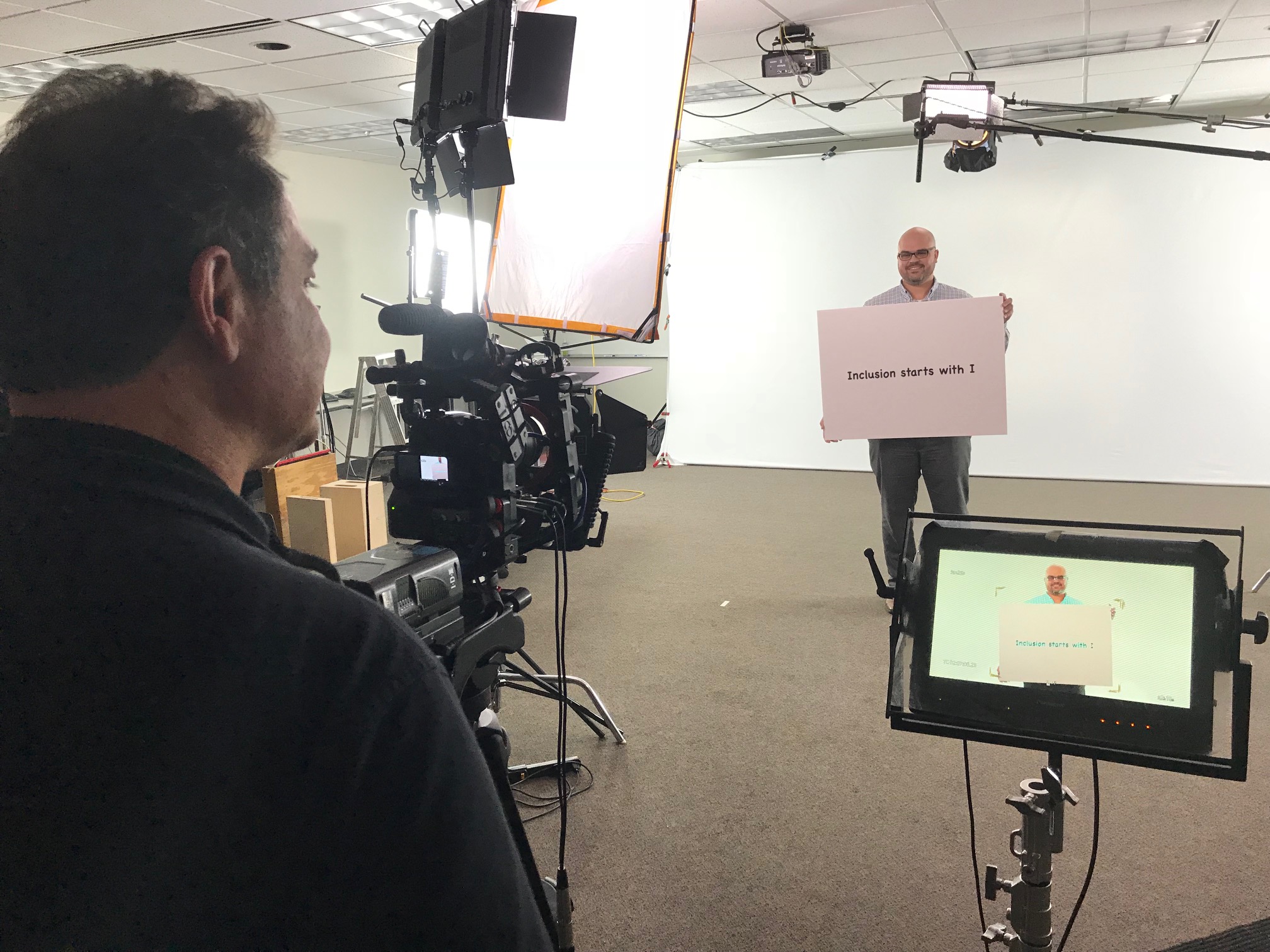
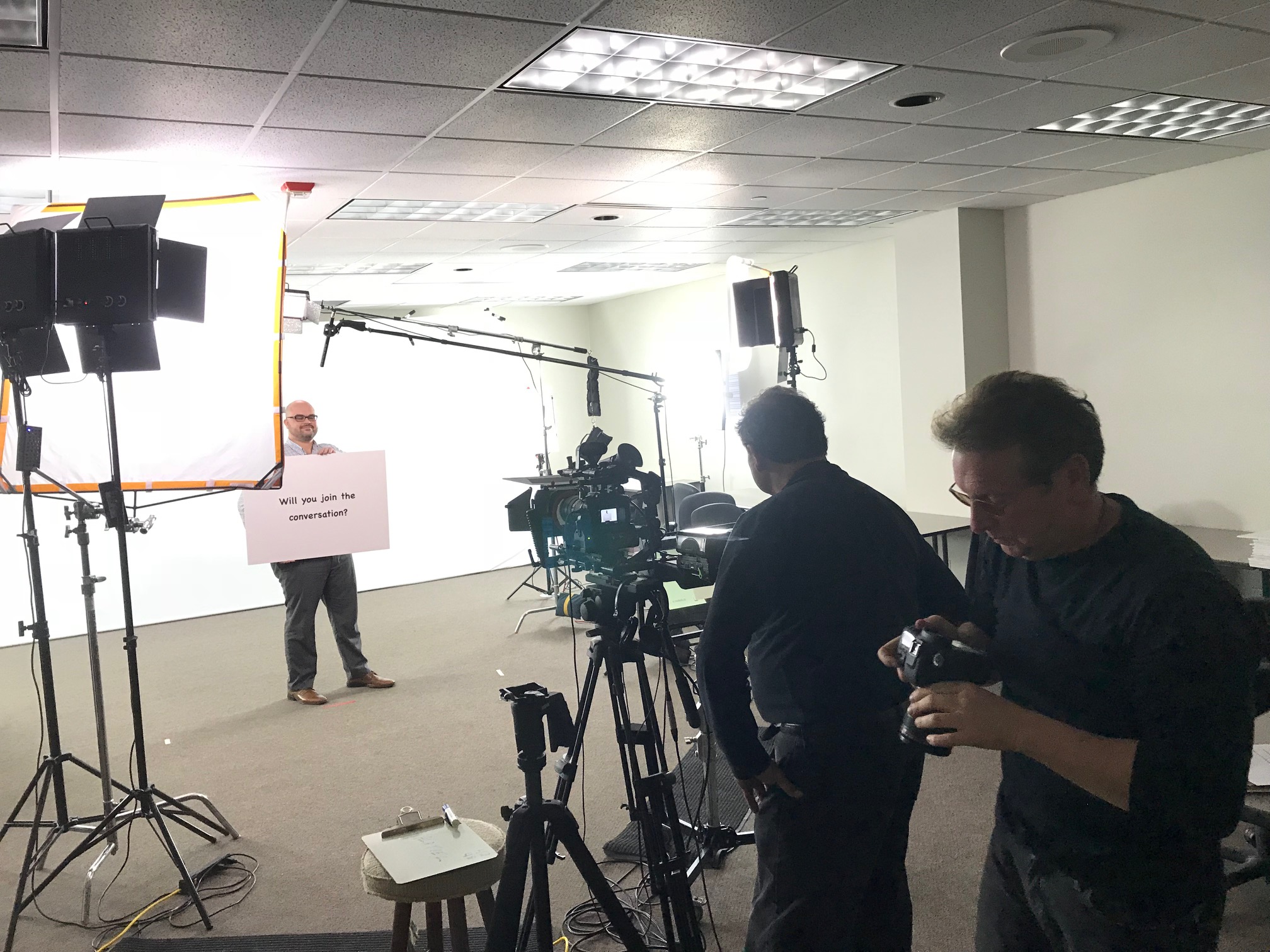
When producing a corporate video, testimonial, or branded content featuring team members or customers with little to no on-camera experience, even the most well-planned shoot can unravel if expectations aren’t clearly communicated. Misalignment between talent, crew, and stakeholders can lead to delays, awkward footage, and additional editing hours. As experienced videographers and producers at St Louis Video Editing, we’ve guided countless amateur participants through the production process — and we’ve learned what works.

If your shoot involves amateur talent, here’s how to get everyone aligned and performing their best on film.


1. Pre-Production Clarity Is Non-Negotiable

Before the cameras roll, clarity and preparation are your best friends. This means:

  • Sending a production brief outlining what the shoot entails, who is involved, call times, wardrobe tips, and script notes (if any).
  • Pre-interviewing amateur participants to build comfort and gain insights into how they speak, act, and might respond in front of a lens.
  • Walking through the creative direction with stakeholders and ensuring all departments (marketing, HR, exec team) understand the vision and their role in the outcome.

2. Run a Pre-Shoot Rehearsal or “Dry Run”

Even if you’re only filming for a short video, a quick walkthrough before the actual shoot day can pay off massively. This helps amateurs:

  • Get familiar with being in front of cameras and lights.
  • Understand cues, pacing, and how to repeat lines naturally.
  • Address nervousness with low-stakes practice in a professional setting.

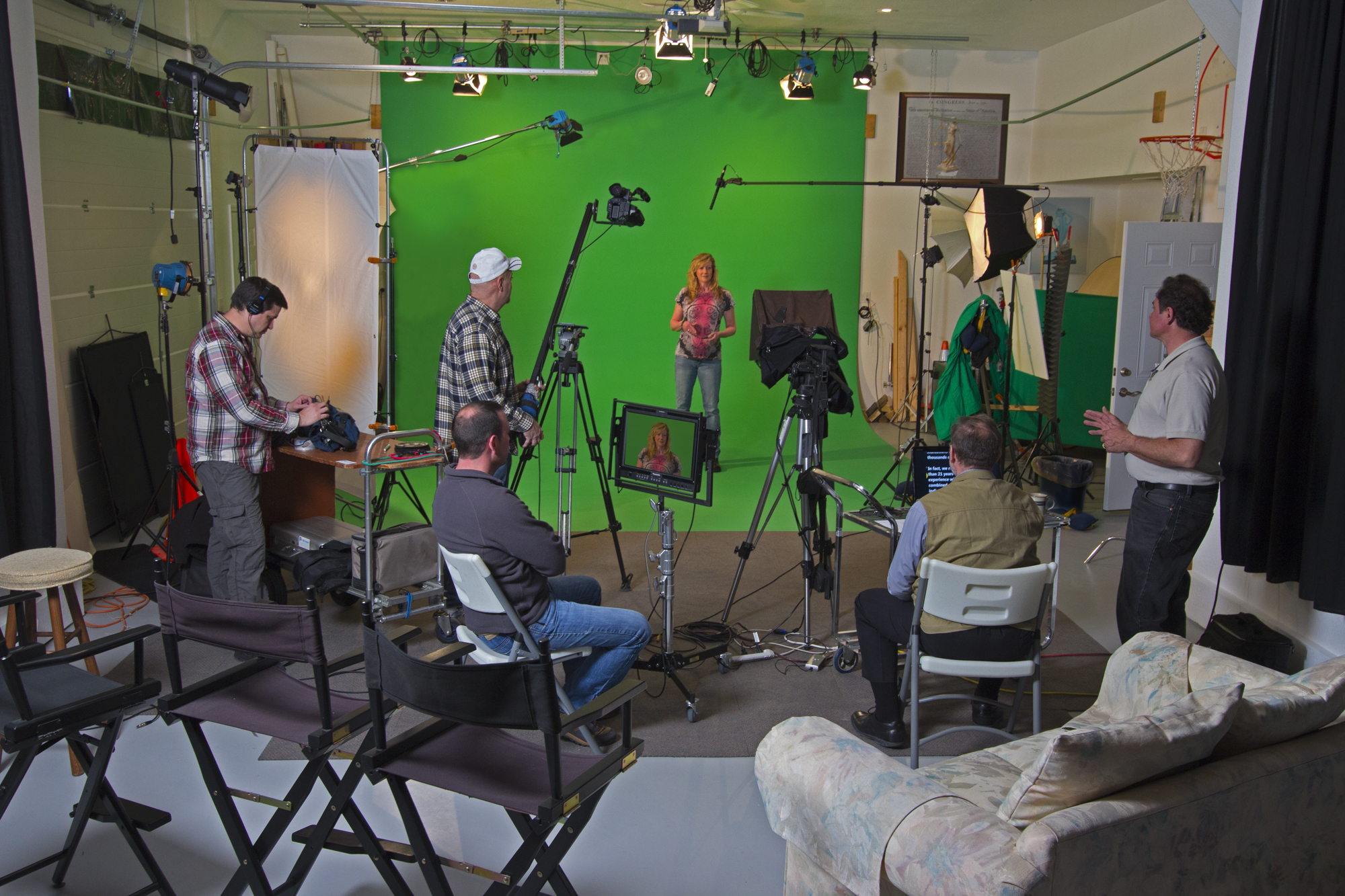
We often conduct these pre-shoot sessions in our private studio to remove distractions and instill confidence.


3. Simplify the Setup, Streamline the Message

When working with amateurs:

  • Avoid overly complicated scripts. Instead, use natural bullet points they can talk through in their own words.
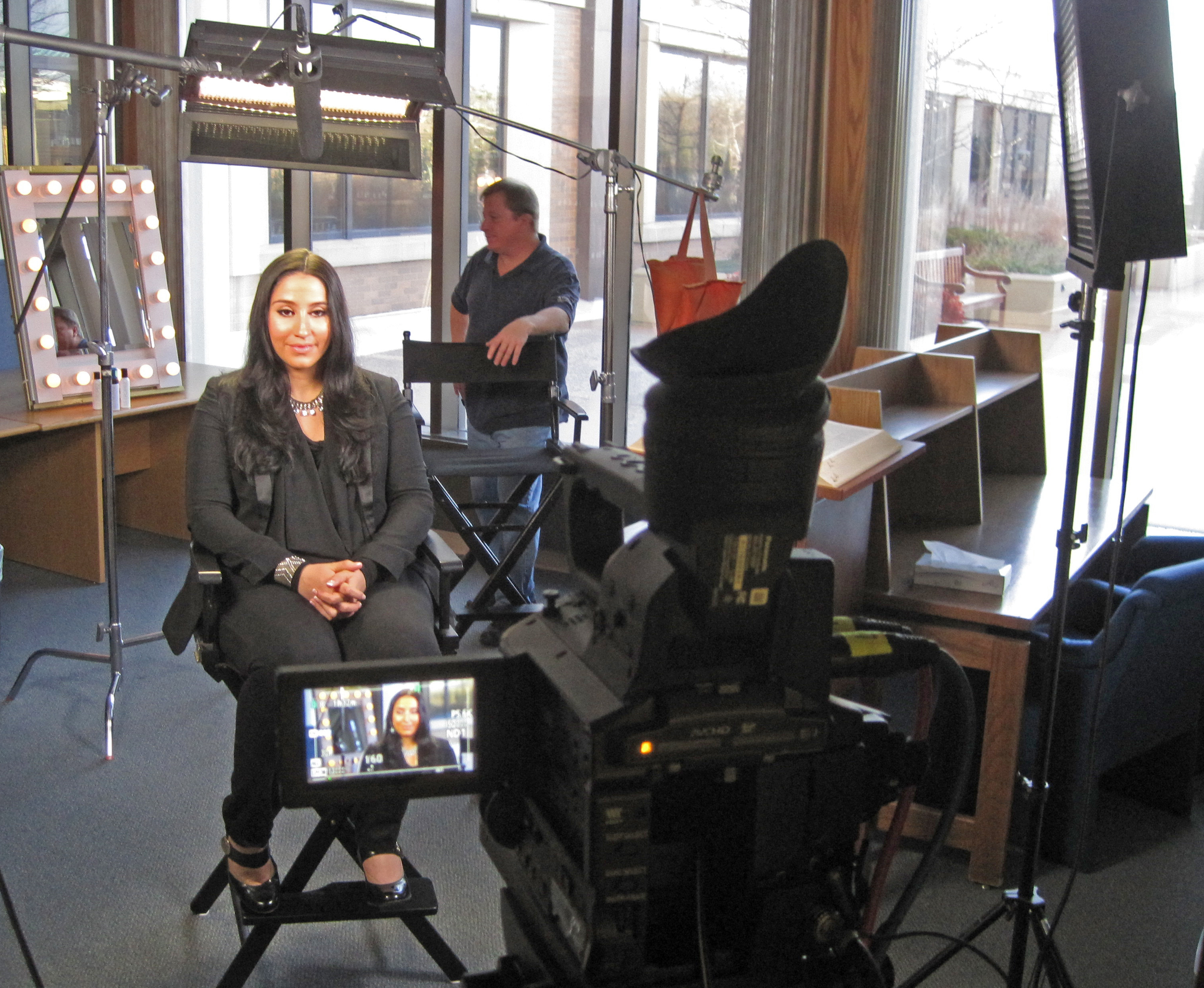
  • Keep the visual setup minimal and non-intimidating. Use soft lighting and a controlled environment (like our custom interview studio) to eliminate background noise—both literally and figuratively.

Remember, authenticity wins over perfection. A natural, genuine delivery connects far better than a stiff, over-rehearsed one.


4. Assign One Director of Communication

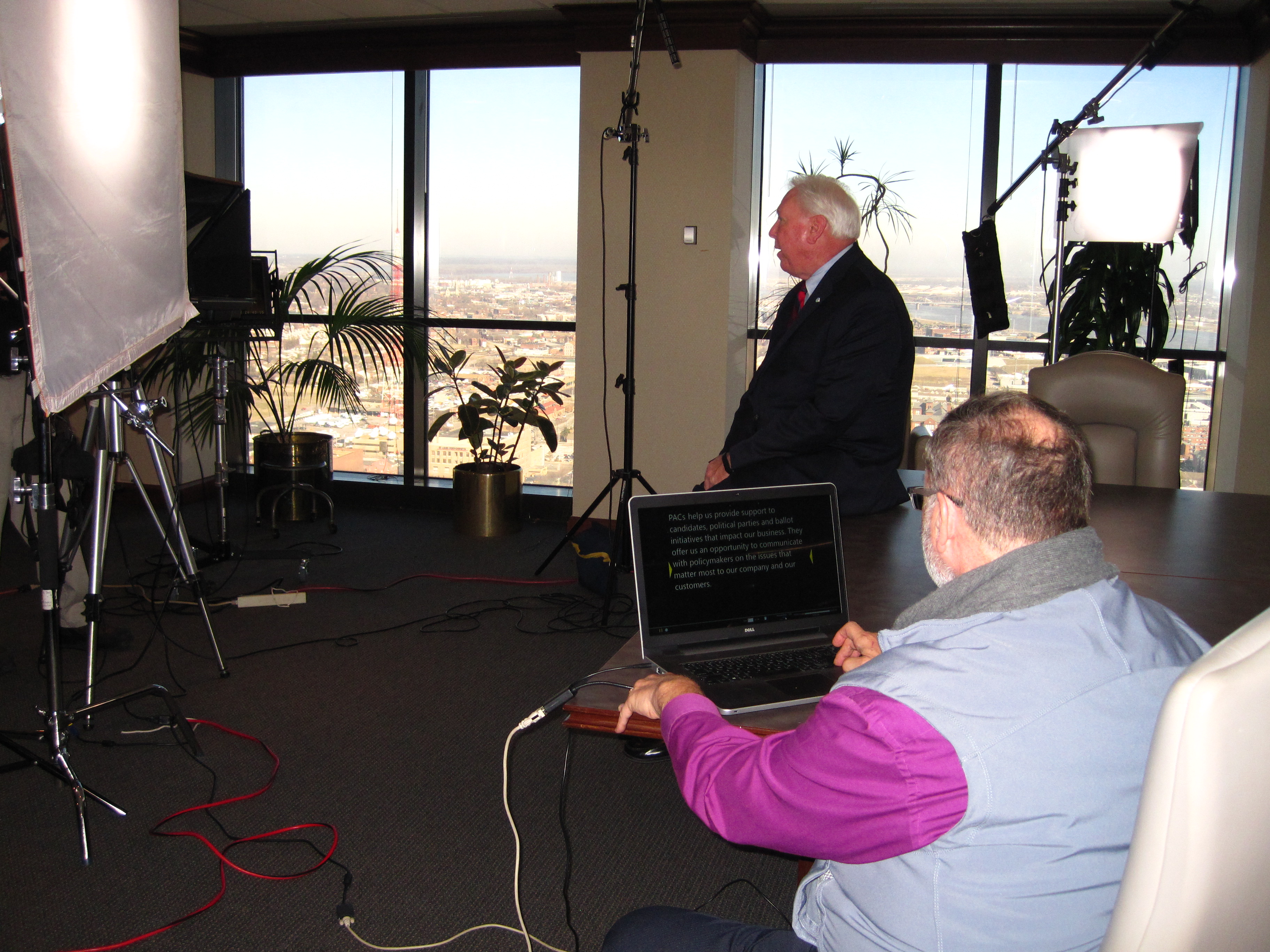
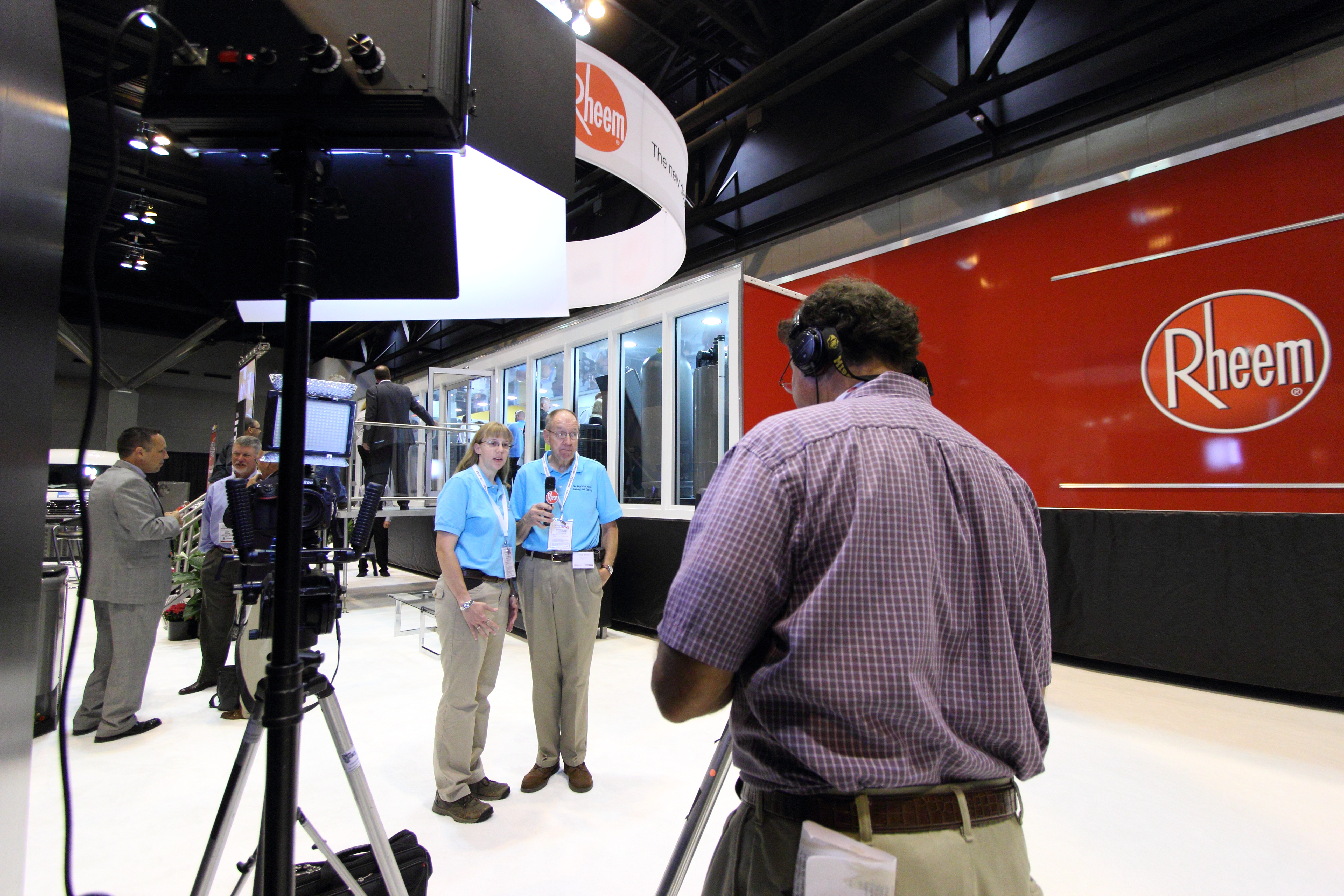
During a shoot, it’s crucial to prevent conflicting directions. Whether you’re on-location or in studio, designate one primary voice—usually the director or producer—to communicate with talent. Too many opinions during filming cause confusion and anxiety, especially for amateurs.

That single point of contact should:

  • Offer encouragement and direction in plain language.
  • Know when to pause, reframe a scene, or re-energize the shoot.
  • Translate marketing goals into clear actions for on-camera talent.

5. Encourage but Never Force

Some participants may freeze under pressure. Others may talk too much. As seasoned producers, we know how to coach performance without pushing too hard. This includes:

  • Letting participants review their footage for self-correction.
  • Using creative cutaways or voiceovers to ease pressure.
  • Reassuring them that mistakes are normal—and fixable in post.

Our editing suite at St Louis Video Editing is designed to polish even the roughest amateur footage into a finished, professional piece.


6. Edit with Empathy and Expertise

Even with strong direction, some amateurs will vary in performance. This is where expert editing becomes essential:

  • We use multi-cam setups to provide flexibility in framing.
  • Our editors cut for rhythm, energy, and believability, often weaving in B-roll to enhance storytelling.
  • AI-assisted software allows us to remove filler words, tighten delivery, and enhance facial expressions without sacrificing authenticity.

The result? Amateurs that sound and look like pros.

Why St Louis Video Editing Makes the Difference

At St Louis Video Editing, we understand the nuances of guiding non-professionals through professional productions. Since 1982, our team has worked closely with businesses, marketing firms, and agencies across St. Louis to produce compelling, clear, and polished media that aligns with brand goals—without putting undue pressure on inexperienced participants.

As a full-service professional commercial photography and video production company, we offer:

  • Full-service studio and on-location video and photography
  • Expert editing, post-production, and licensed drone pilots
  • Custom interview setups, studio lighting, and ample space for props and creative staging
  • The latest in AI editing technologies to enhance and repurpose footage for multi-platform use
  • A dedicated team that can customize your productions to meet any media requirement

From prep to post, we help you get everyone on the same page—on camera and off.

Let St Louis Video Editing be your partner in creating effective, professional videos—whether your talent is camera-ready or not.
314-913-5626

mobuy1@gmail.com

Too Much Footage? Easy Ways to Manage It

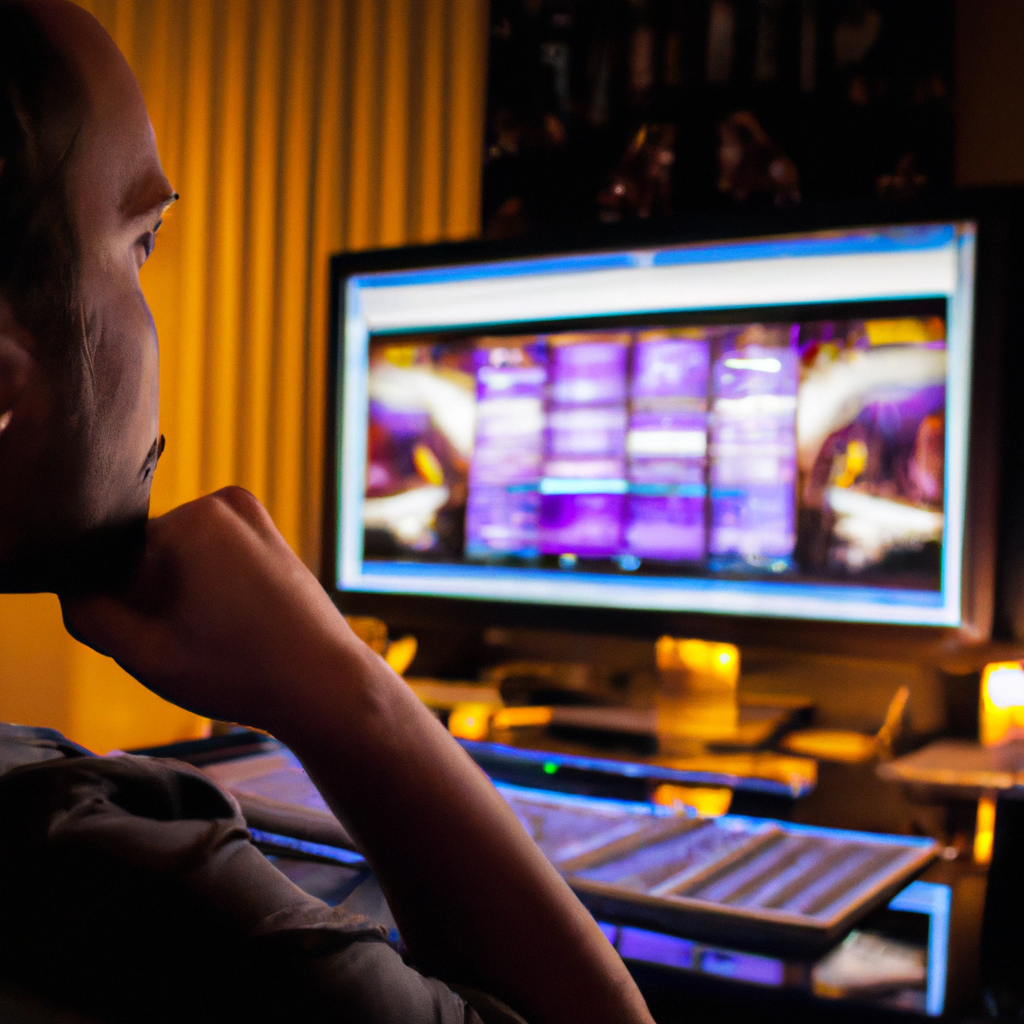
In the world of professional video production, having an abundance of footage can be both a blessing and a burden. Whether you’re producing corporate marketing videos, training materials, or brand storytelling content, managing and organizing your footage efficiently is crucial for a smooth workflow and a high-quality final product. Without proper management, excessive footage can slow down the editing process, increase storage costs, and make finding the right shots frustrating. Fortunately, with the right strategies, you can turn that mountain of footage into a streamlined, accessible archive that enhances your production process.

Creating lower-resolution proxy files for initial edits can help streamline workflows.

1. Organize Footage from the Start

One of the most effective ways to manage an overwhelming amount of footage is to stay organized from the very beginning. Here are a few best practices:

  • Use Clear File Naming Conventions: Develop a systematic way to label your files so they can be easily searched. A structure like [ProjectName][Date][Camera]_[Scene] ensures clarity.
  • Create Folder Structures: Organize files into folders by project, date, and type of content (e.g., B-roll, interviews, drone footage).
  • Tag and Metadata: Modern editing software allows for tagging footage with keywords, making future searches much more manageable.

2. Use Proxies for Large Files

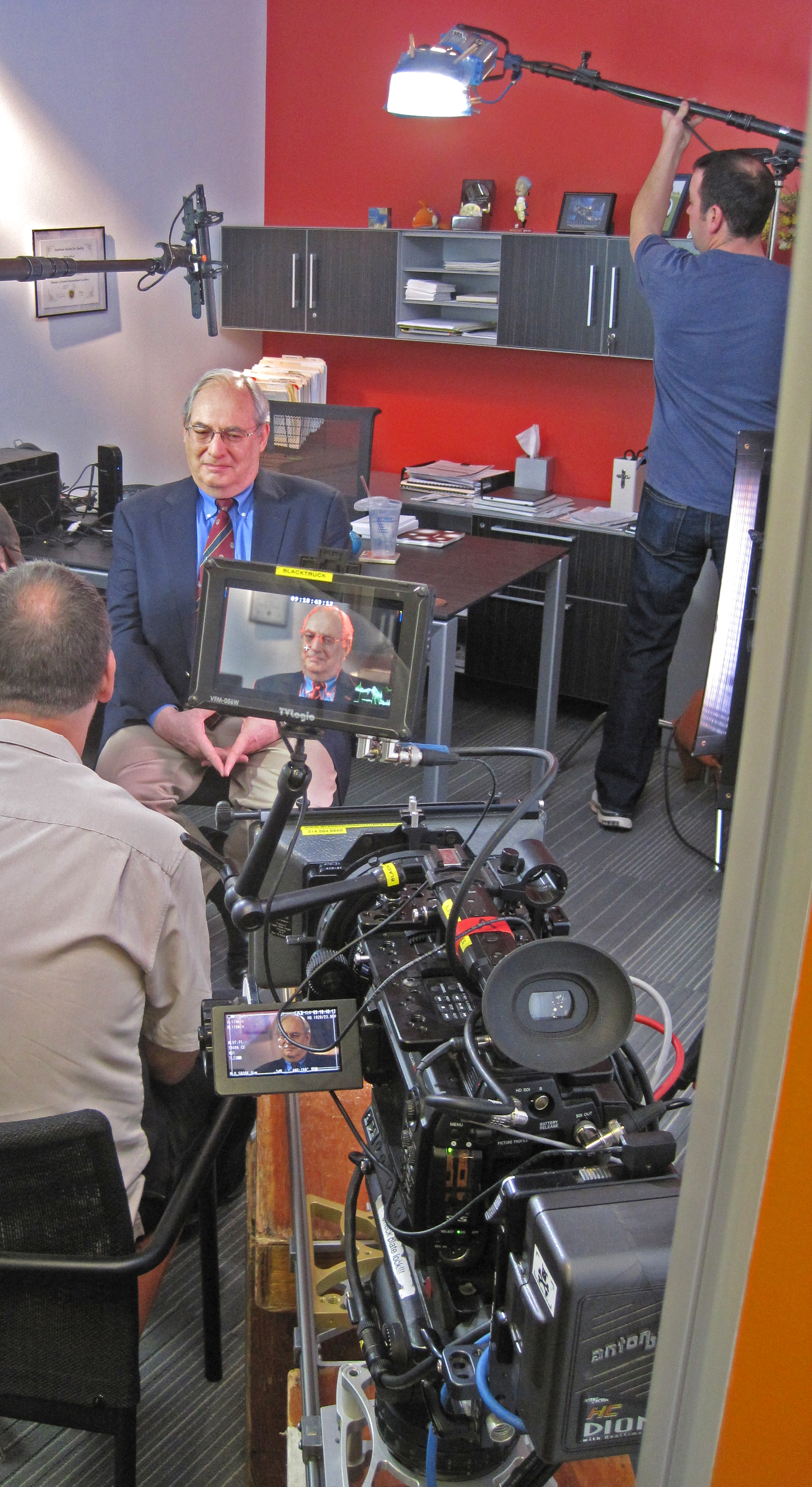
High-resolution footage, such as 4K or 8K video, can take up massive amounts of storage and slow down the editing process. Creating lower-resolution proxy files for initial edits can help streamline workflows. Proxy files allow editors to work faster without compromising final quality when exporting the final product.

3. Implement a Smart Storage Strategy

Storage is a key factor in footage management. Here’s how to keep things efficient:

  • Use RAID Storage Systems: Redundant Array of Independent Disks (RAID) setups help prevent data loss and improve access speeds.
  • Cloud Storage and Remote Access: Storing backups in the cloud ensures footage is accessible from multiple locations and safe from hardware failures.
  • External Hard Drives for Archival: Older projects that don’t require immediate access can be moved to high-capacity external hard drives for long-term storage.

4. Utilize Editing Software Features

Advanced editing software, such as Adobe Premiere Pro, DaVinci Resolve, and Final Cut Pro, offer built-in tools to help with footage management:

  • Bins and Labels: Organize clips into bins based on their content type.
  • Markers and Notes: Leave markers on important sections of clips to find key moments quickly.
  • Multicam Editing Features: Synchronize multiple camera angles easily for faster editing.

5. Cut Down on Unnecessary Footage

Instead of keeping every take, be proactive in trimming down the footage during the review process. Identify and save only the most useful clips for the final cut, and archive but not clutter your workspace with excess material.

6. Optimize Your Workflow with a Professional Post-Production Team

If managing excessive footage feels overwhelming, working with a professional post-production team like St. Louis Video Editing can make a significant difference. Our experienced editors and producers specialize in organizing, cutting, and repurposing footage efficiently. With years of experience in corporate, commercial, and marketing video production, we ensure your footage is managed professionally and edited to perfection.


Why Choose St. Louis Video Editing?

At St. Louis Video Editing, we are a full-service professional commercial photography and video production company with the right equipment and creative crew service experience for successful image acquisition. Our expertise includes:

  • Full-Service Studio & Location Video Production: Whether you need a controlled studio environment or dynamic on-location shots, we provide both.
  • Advanced Editing & Post-Production: We handle everything from color grading to motion graphics, ensuring a polished final product.
  • Licensed Drone Pilots: We can capture unique aerial footage, including flying specialized drones indoors.
  • Customized Production Services: Every business has unique media requirements, and we tailor our services to fit yours perfectly.
  • Repurposing Photography & Video Branding: Maximize your existing assets by transforming footage into multiple formats for different marketing channels.
  • Private Studio Lighting & Visual Setups: Ideal for small productions and interview scenes, our studio accommodates customized set designs.

Since 1982, St. Louis Video Editing has collaborated with businesses, marketing firms, and creative agencies across St. Louis to deliver top-tier video production and photography services. Whether you need help organizing your footage or crafting an engaging story from your raw material, our team is here to bring your vision to life.

Need expert footage management and video editing? Let’s talk.

314-913-5626

mobuy1@gmail.com

What to Know About Lighting for Video and Photos at Your Event

Lighting is one of the most crucial elements in any video or photo production. Whether you’re hosting a corporate event, a product launch, or a corporate headshot session, the quality of your lighting can make or break the final results. For businesses and organizations seeking to make an impactful visual impression, understanding how lighting influences the image acquisition process is essential.

This is the natural or existing light that is available at the event venue. While ambient lighting may be soft and pleasant, it often needs enhancement to ensure it’s sufficient for video or photography.

At St Louis Video Editing, we work with companies of all sizes to ensure their video and photography production has the perfect lighting setup for any scenario. In this blog post, we’ll explore key aspects of lighting for event photography and videography, providing expert tips on how to maximize the potential of your next event shoot.

1. Why Lighting Matters in Video and Photography

Lighting is integral to creating visually compelling imagery. It sets the mood, highlights important details, and ensures that your subjects are seen clearly. In video production, lighting enhances the composition, while in photography, it determines the overall look and feel of the image. Proper lighting helps to:

  • Eliminate Shadows: Shadows can obscure important details or give an unflattering effect. A balanced lighting setup reduces harsh shadows and ensures your subjects are evenly illuminated.
  • Control Exposure: Exposure is the amount of light hitting the camera sensor. Proper lighting ensures that photos and videos are neither too bright (overexposed) nor too dark (underexposed).
  • Highlight the Subject: Good lighting draws attention to your subject. Whether it’s a speaker at an event, a product, or a corporate team, proper lighting makes them stand out in the frame.
  • Set the Mood: Lighting can create a mood or atmosphere in your visuals. Bright, vibrant lighting conveys energy, while softer, dimmer lighting may evoke a more intimate or serious tone.

2. Types of Lighting for Events

There are various types of lighting setups used in event photography and videography, and each serves a different purpose:

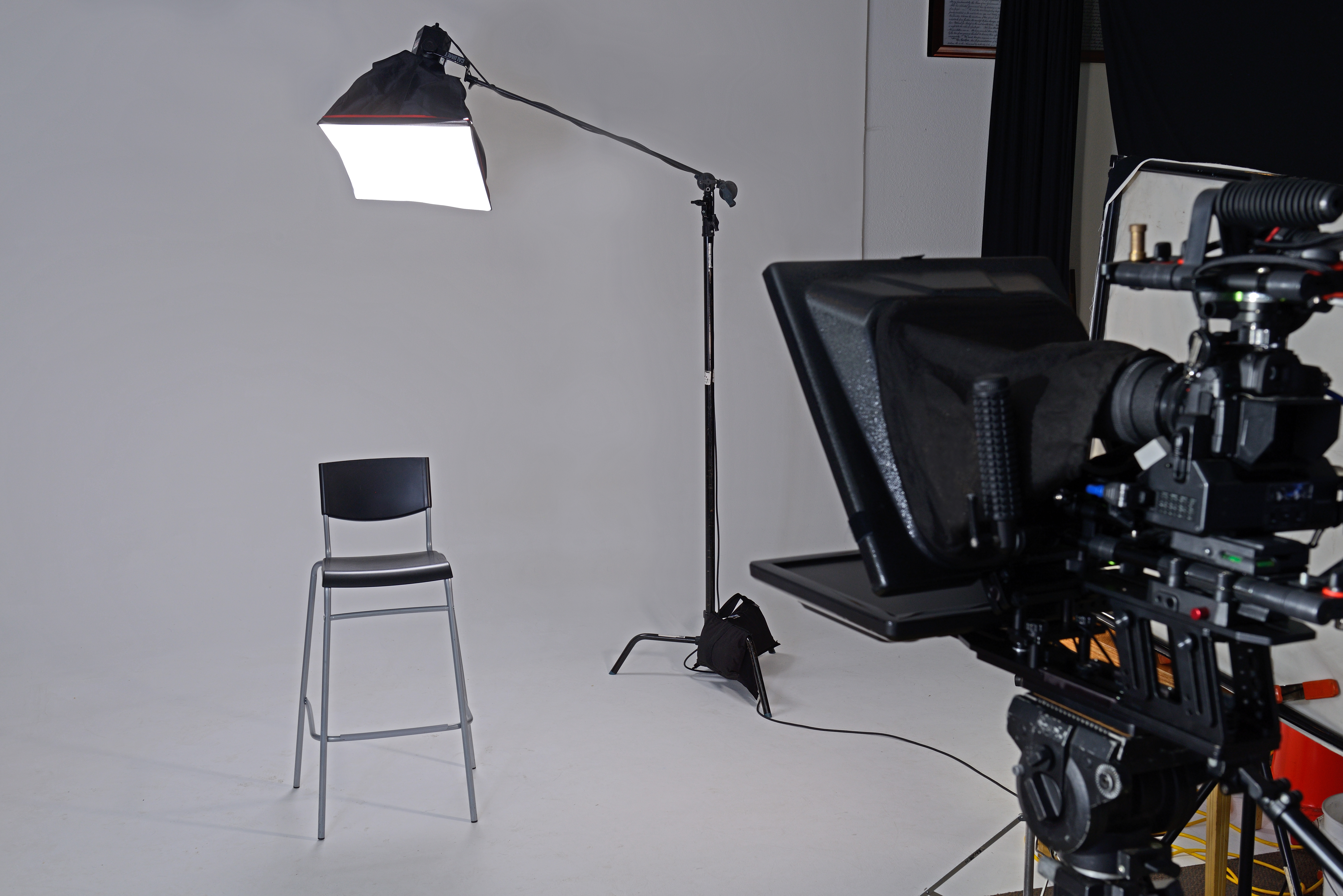
  • Key Lighting: This is the main light source and is used to highlight the subject. In studio setups, this is typically a softbox or a spotlight.
  • Fill Lighting: Used to fill in the shadows created by the key light, fill lighting helps to create a more balanced look without harsh contrasts.
  • Backlighting: Placing a light behind the subject creates a silhouette effect, emphasizing the contours of the subject and adding depth to your images.
  • Ambient Lighting: This is the natural or existing light that is available at the event venue. While ambient lighting may be soft and pleasant, it often needs enhancement to ensure it’s sufficient for video or photography.
  • Accent Lighting: This lighting is used to draw attention to certain details, like a product display or an important backdrop.

3. Challenges of Event Lighting

Lighting for events can present several challenges. Outdoor events can be tricky with fluctuating natural light, while indoor events may require additional lighting equipment to ensure consistency and clarity. Here are a few common challenges:

  • Lighting Fluctuations: Natural light can change throughout the day, making it hard to maintain consistent lighting for your video or photography. It’s important to have a flexible setup that can adapt to changes in lighting conditions.
  • Limited Space: Events often take place in venues with limited space. This can affect where you can position your lights and how you can balance the lighting to achieve the best results.
  • Venue Lighting: Some venues might have poor lighting or harsh overhead lights, which can affect the quality of your footage. In these cases, it’s necessary to supplement the venue’s lighting with professional equipment.

4. Tips for Perfect Event Lighting

Here are some practical tips to ensure your event is well-lit for photography and video production:

  • Use Soft, Diffused Light: Harsh light can create unflattering shadows and highlights. Diffuse your light using softboxes or light diffusers to soften the light and create a more flattering effect.
  • Position Your Lights Correctly: Place the key light at a 45-degree angle to your subject to create a natural look. Fill lights should be positioned opposite to reduce shadows.
  • Use the Right Color Temperature: Different light sources have different color temperatures (measured in Kelvin). Ensure your lighting is consistent to avoid color mismatches in your photos or video. Daylight balanced lighting (around 5500K) works well for most events.
  • Incorporate Ambient Lighting: In venues with beautiful natural light, use it to your advantage. Augment it with additional lighting to create a more dynamic visual.
  • Adjust Your Settings: Adjusting your camera settings (ISO, aperture, shutter speed) is essential to work with your lighting setup and ensure the best image quality.

5. St Louis Video Editing: Experts in Lighting and Event Production

At St Louis Video Editing, we understand that the right lighting can elevate your event video and photography, making your content more engaging and professional. As a full-service commercial photography and video production company, we specialize in creating exceptional visuals tailored to your event needs.

We have the right equipment and creative crew experience to ensure successful image acquisition, whether you need high-end studio setups or flexible on-location lighting for your event. Our private studio is equipped with professional lighting setups perfect for small productions and interview scenes, while also large enough to accommodate props for a complete set design.

We also offer the flexibility of flying our specialized drones indoors for unique aerial shots, making your event coverage stand out even further.

Whether you need video or photography for corporate events, product launches, team headshots, or any other business-related needs, St Louis Video Editing has the expertise and experience to deliver results. Since 1982, we’ve worked with businesses, marketing firms, and agencies throughout the St. Louis area, providing high-quality production services that go above and beyond your expectations.

Let St Louis Video Editing help you create compelling visuals that bring your brand to life. We’re here to handle every aspect of your production—from the perfect lighting to post-production edits and drone shots—ensuring your final product is nothing short of exceptional.

Contact St Louis Video Editing today to get started on your next project and see how we can make your event shine through the power of great lighting and professional video production.

314-913-5626

mobuy1@gmail.com