For decision-makers in marketing and business operations, true cost-effectiveness isn’t about finding the cheapest hourly rate—it is about maximizing the Return on Investment (ROI) of every frame captured.
As experienced producers, we know that video production is an ecosystem. The footage shot on location is the raw material; the editing room is where that material is refined into a marketable asset. Understanding how professional editing drives efficiency can transform your budget from a constraint into a strategic tool.
The Hidden Costs of “Budget” Editing
Many organizations attempt to handle editing in-house with non-specialized staff or rely on inexperienced freelancers to save immediate dollars. This approach frequently incurs hidden costs:
- Technical Debt: Incorrect file formatting or poor color grading often requires expensive “rescue” work later.
- Lost Traction: A poorly paced video fails to retain viewer retention, wasting the marketing dollars spent on distribution.
- Single-Use Assets: Inexperienced editors often cut for one format (e.g., a website banner) without foresight, making it difficult to adapt that content for social media or broadcast later.
The Professional Advantage: Efficiency Through Expertise
Professional post-production is cost-effective because it is predictable and scalable. Here is how expert video editing saves your bottom line:
1. The Power of Repurposing
The most wasteful practice in video production is “one shoot, one video.” A strategic editor views your raw footage as a library, not a single project.
- Micro-Content: A 3-minute corporate interview can be sliced into five 30-second clips for LinkedIn, three 15-second vertical clips for Instagram Reels, and a pull-quote graphic for your blog.
- Legacy Usage: High-quality B-roll shot today should be tagged and archived correctly so it can be used in a different commercial next year, saving you the cost of a future production day.
2. AI and Workflow Automation
Modern editing is not just about cutting clips; it’s about leveraging technology. The integration of Artificial Intelligence (AI) into post-production has revolutionized turnaround times.
- Intelligent Culling: AI tools can rapidly sort through hours of footage to find the sharpest focus or the best audio clarity, reducing billable hours spent on logging footage.
- Audio Restoration: Advanced algorithms can clean up noisy location audio that would have previously required a reshoot.

3. Technical Fluidity
We live in a multi-codec world. Your deliverable might need to look perfect on a 4K boardroom monitor and a smartphone screen simultaneously. Professionals understand bitrates, color spaces, and compression standards. Getting the file type right the first time prevents playback errors that can embarrass a brand during a critical presentation.
Partnering for Success: The St Louis Video Editing Difference
When you are looking for cost-effective video editing in St. Louis, you need a partner who understands the entire lifecycle of an image.
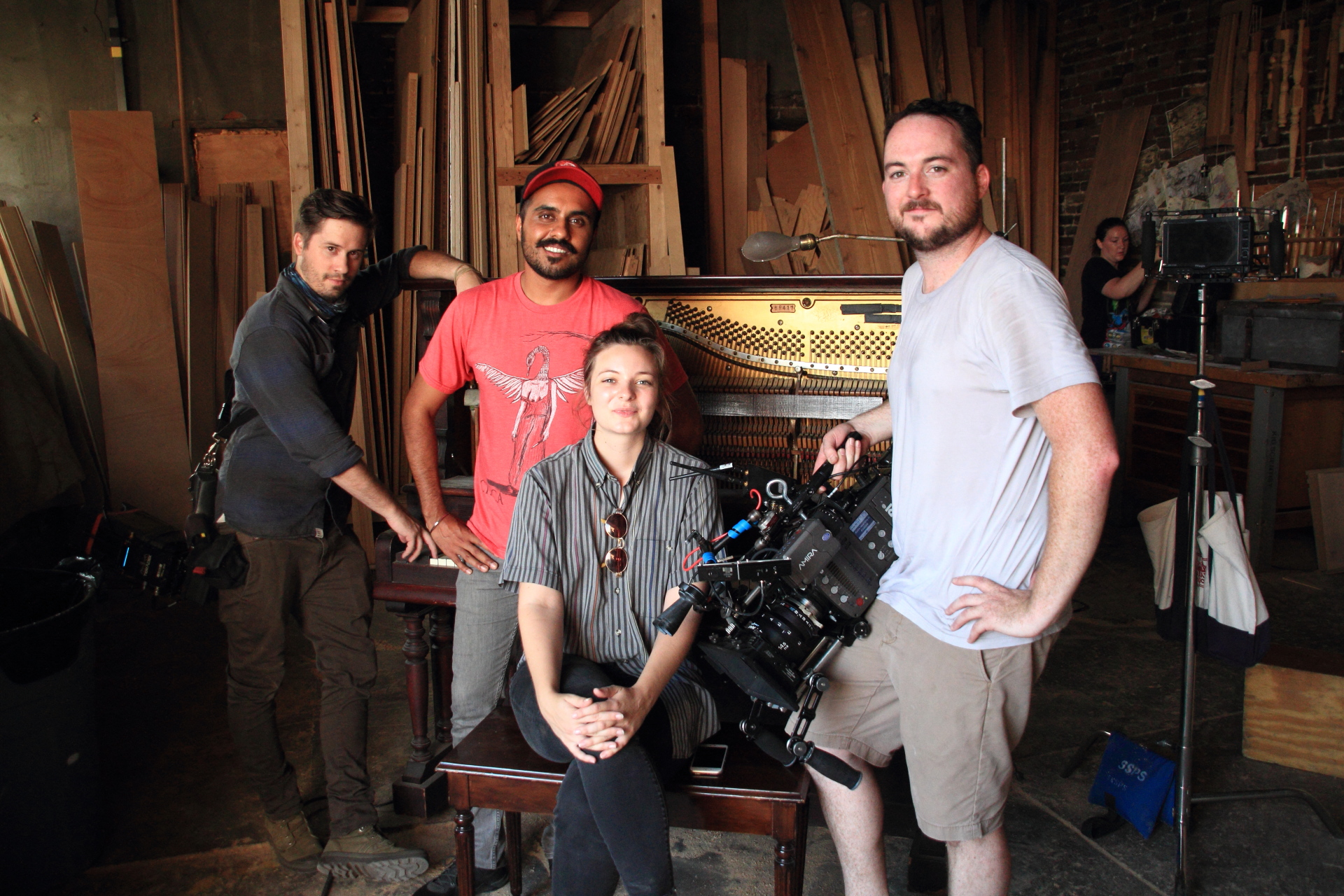
St Louis Video Editing is a full-service professional commercial photography and video production company. Since 1982, we have provided the right equipment and creative crew service experience to ensure successful image acquisition for businesses, marketing firms, and creative agencies throughout the St. Louis area.
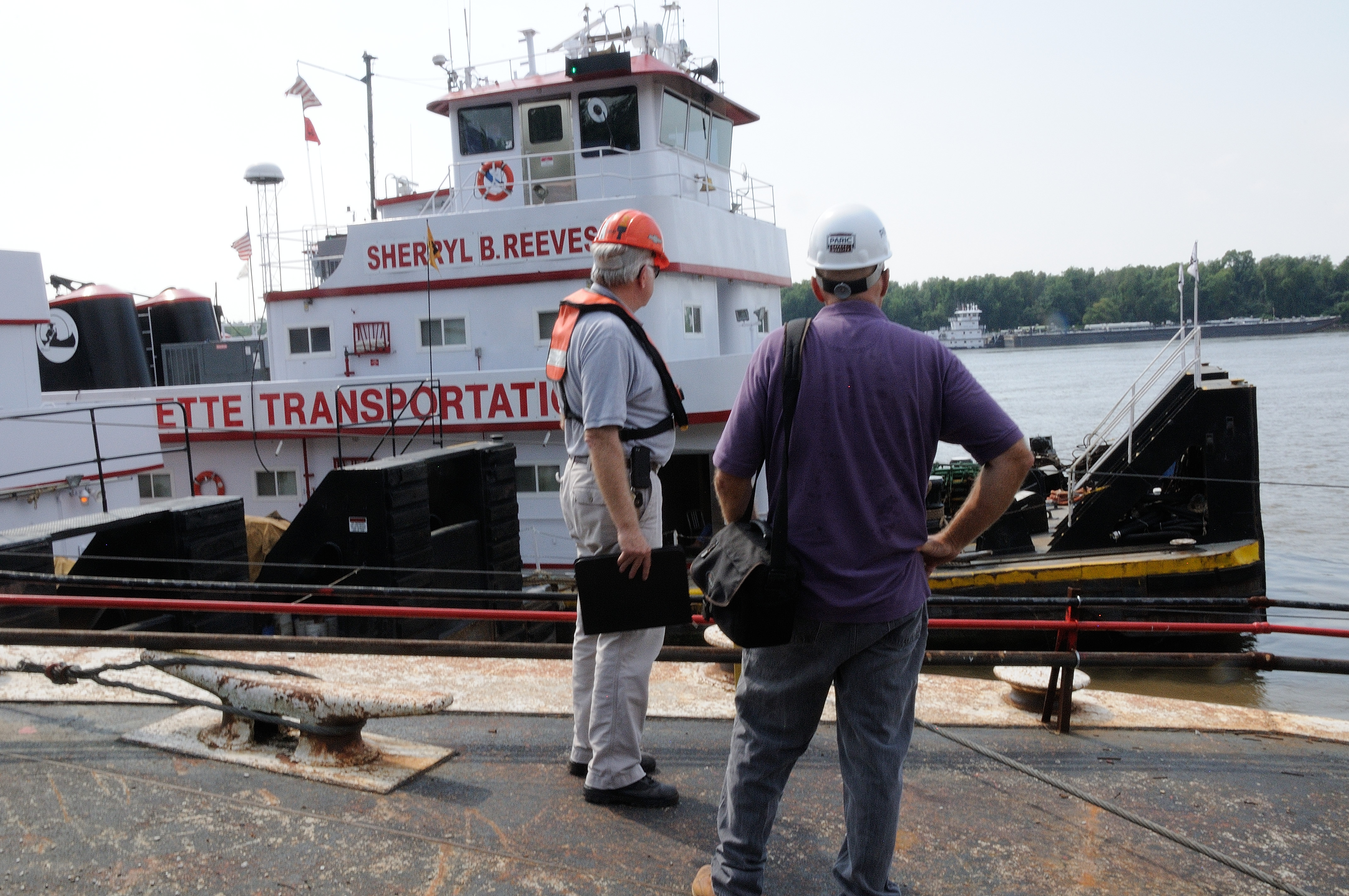
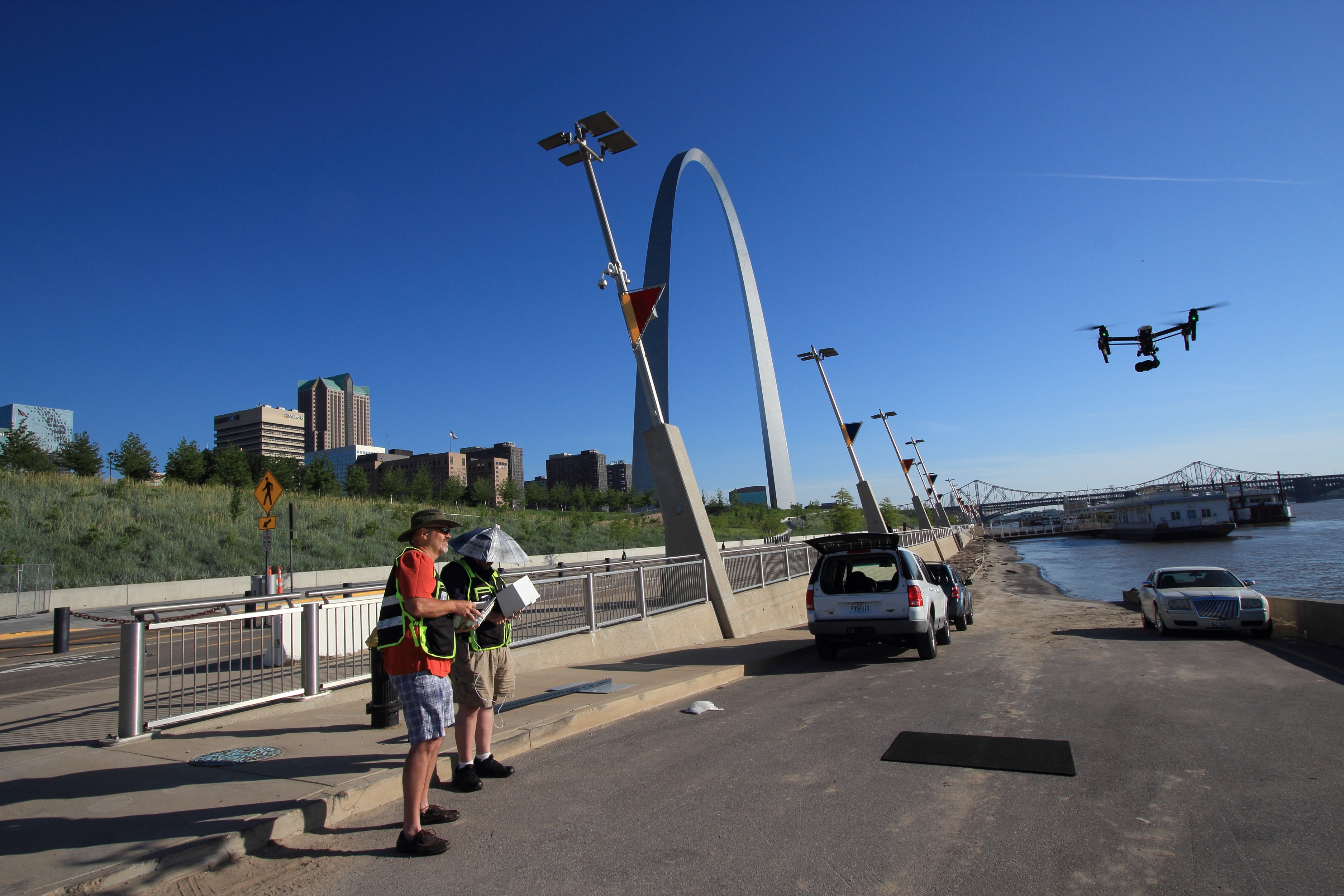
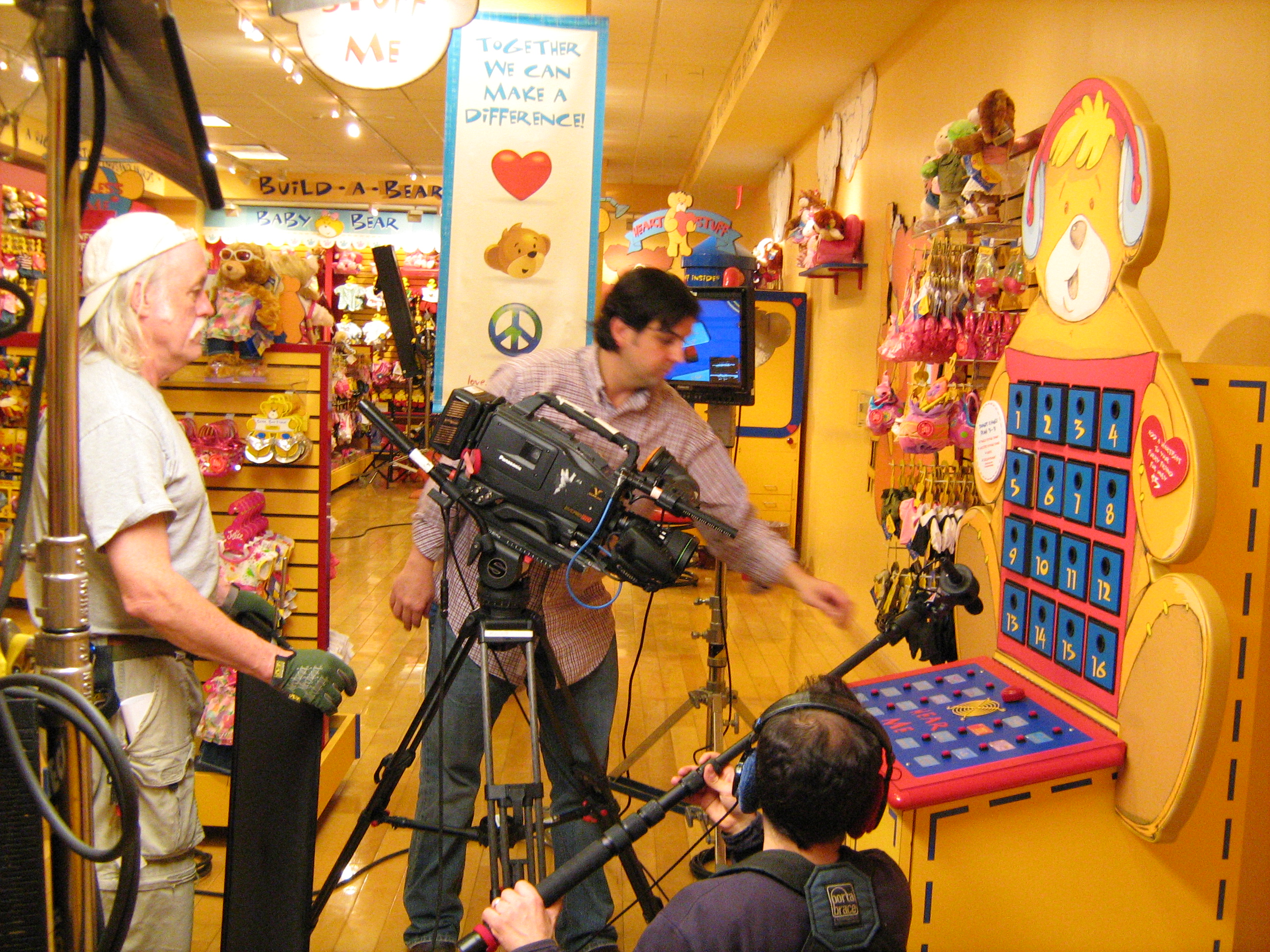
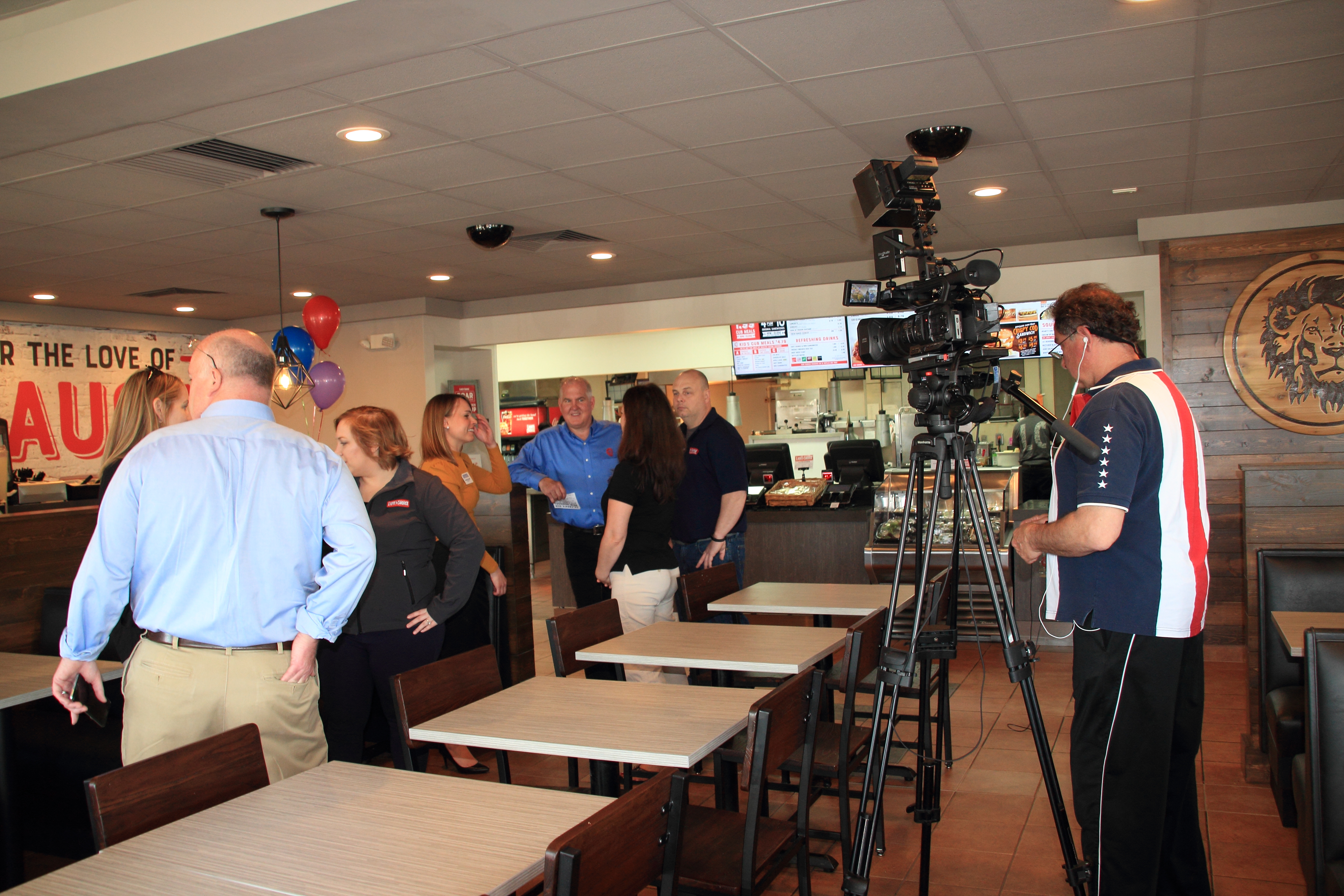
We don’t just edit; we strategize. We offer full-service studio and location video and photography, as well as comprehensive editing, post-production, and licensed drone services. Our team is uniquely positioned to customize your productions for diverse media requirements, ensuring your budget works harder for you.

Why Choose St Louis Video Editing?
- Content Repurposing Specialists: Repurposing your photography and video branding to gain more traction is a specialty of ours. We turn single projects into multi-platform campaigns.
- AI-Driven Efficiency: We use the latest in Artificial Intelligence for all our media services, ensuring speed without sacrificing quality.
- Technical Mastery: We are well-versed in all file types, styles of media, and accompanying software.
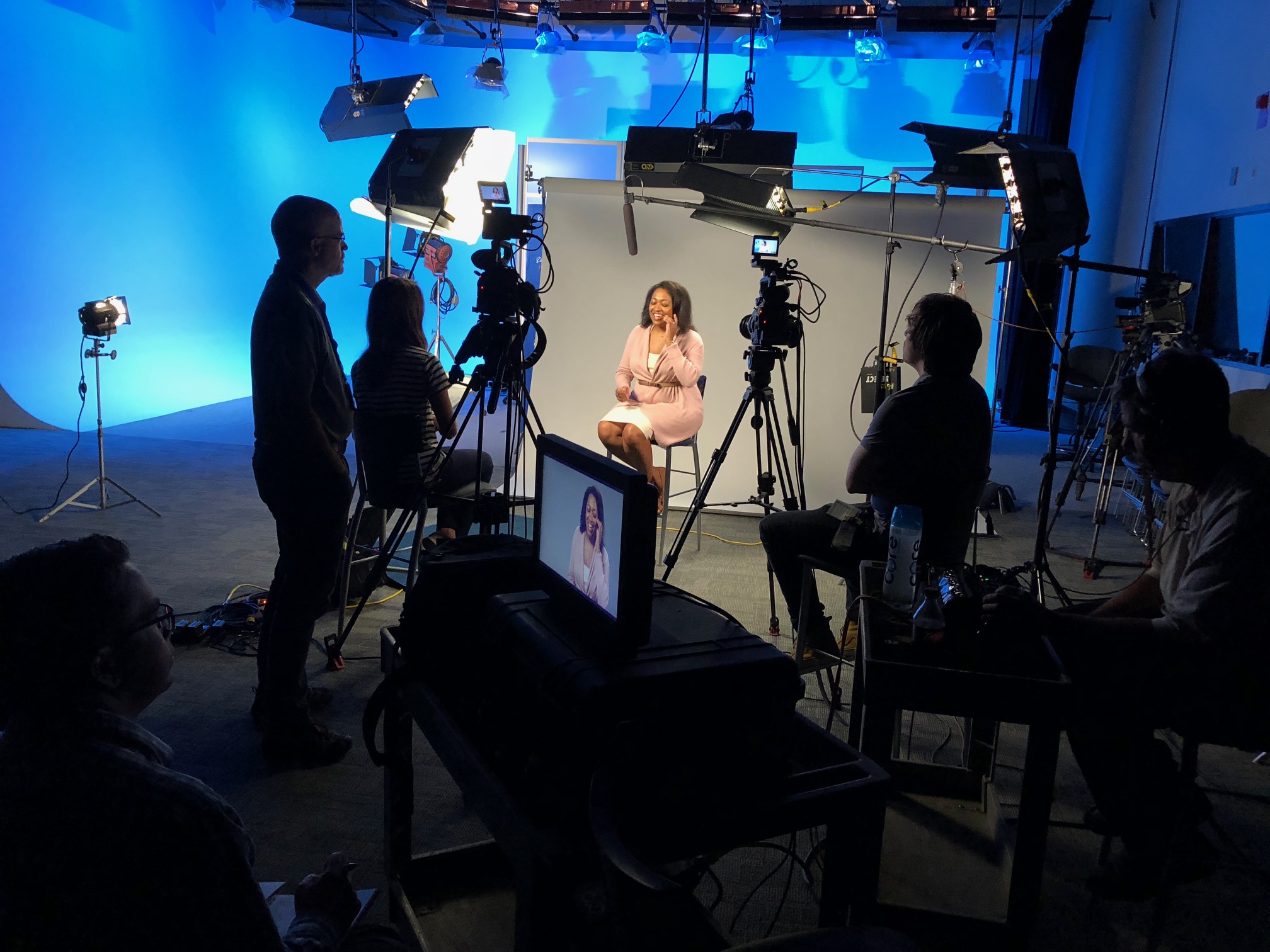
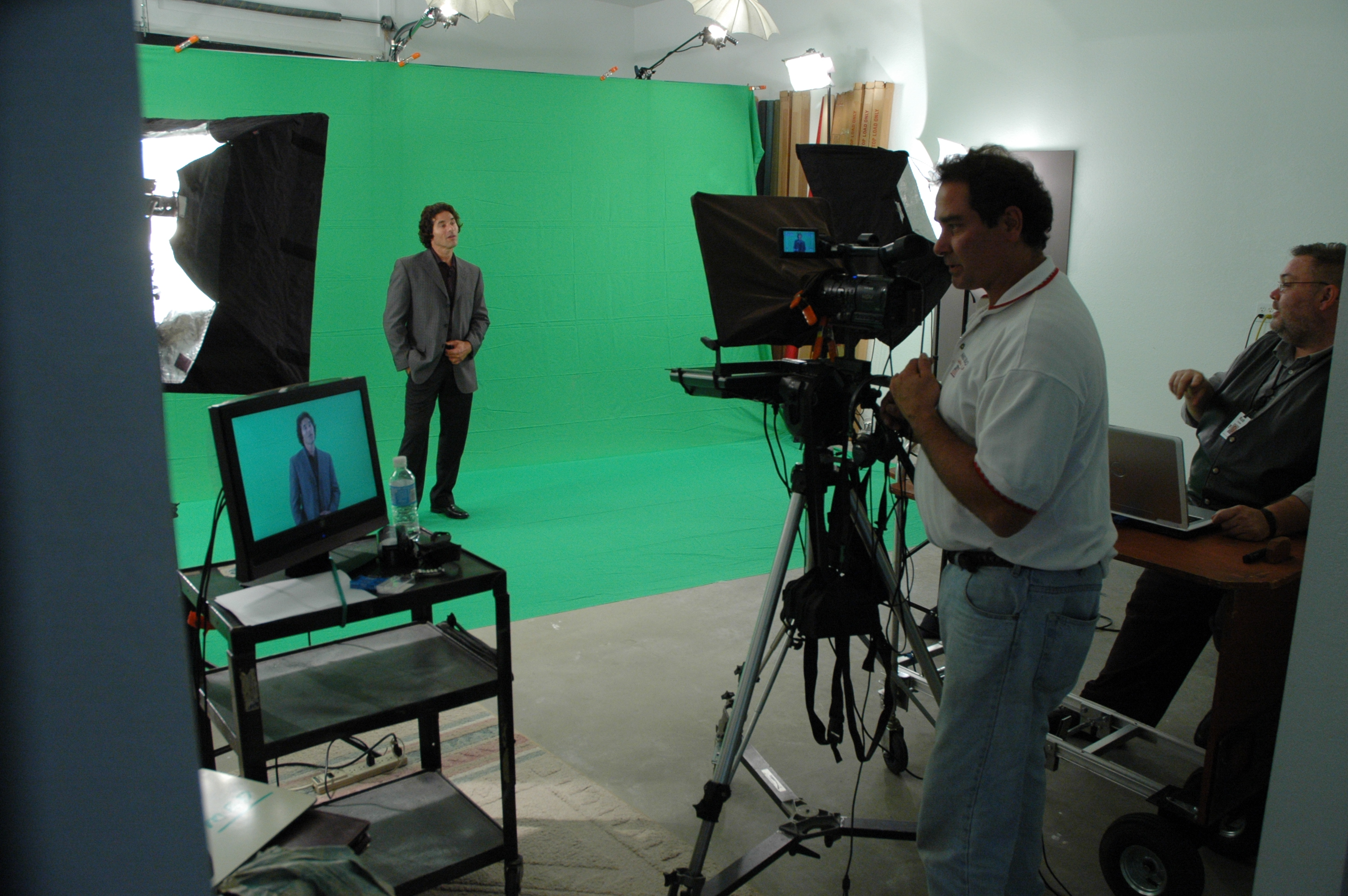
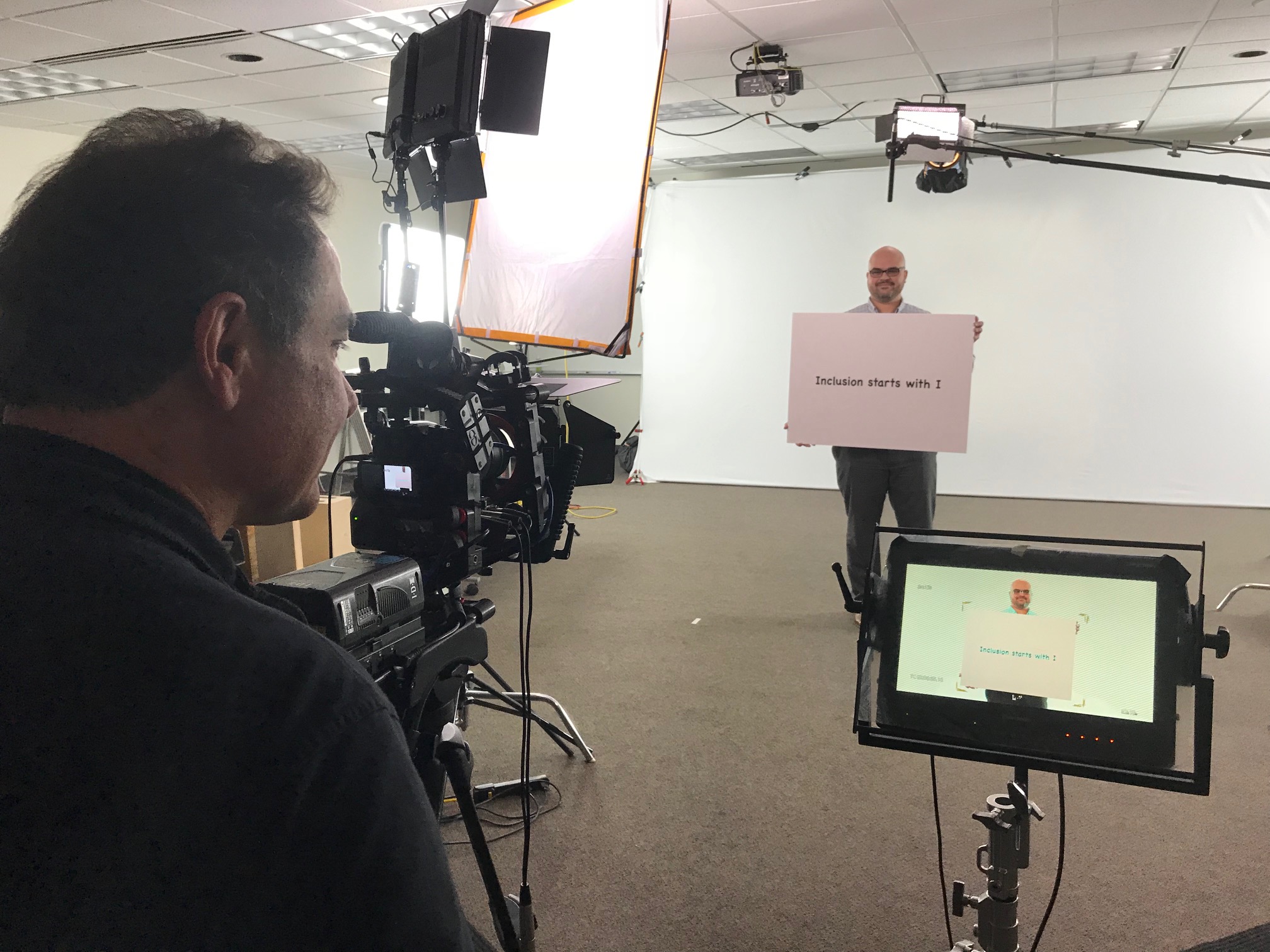
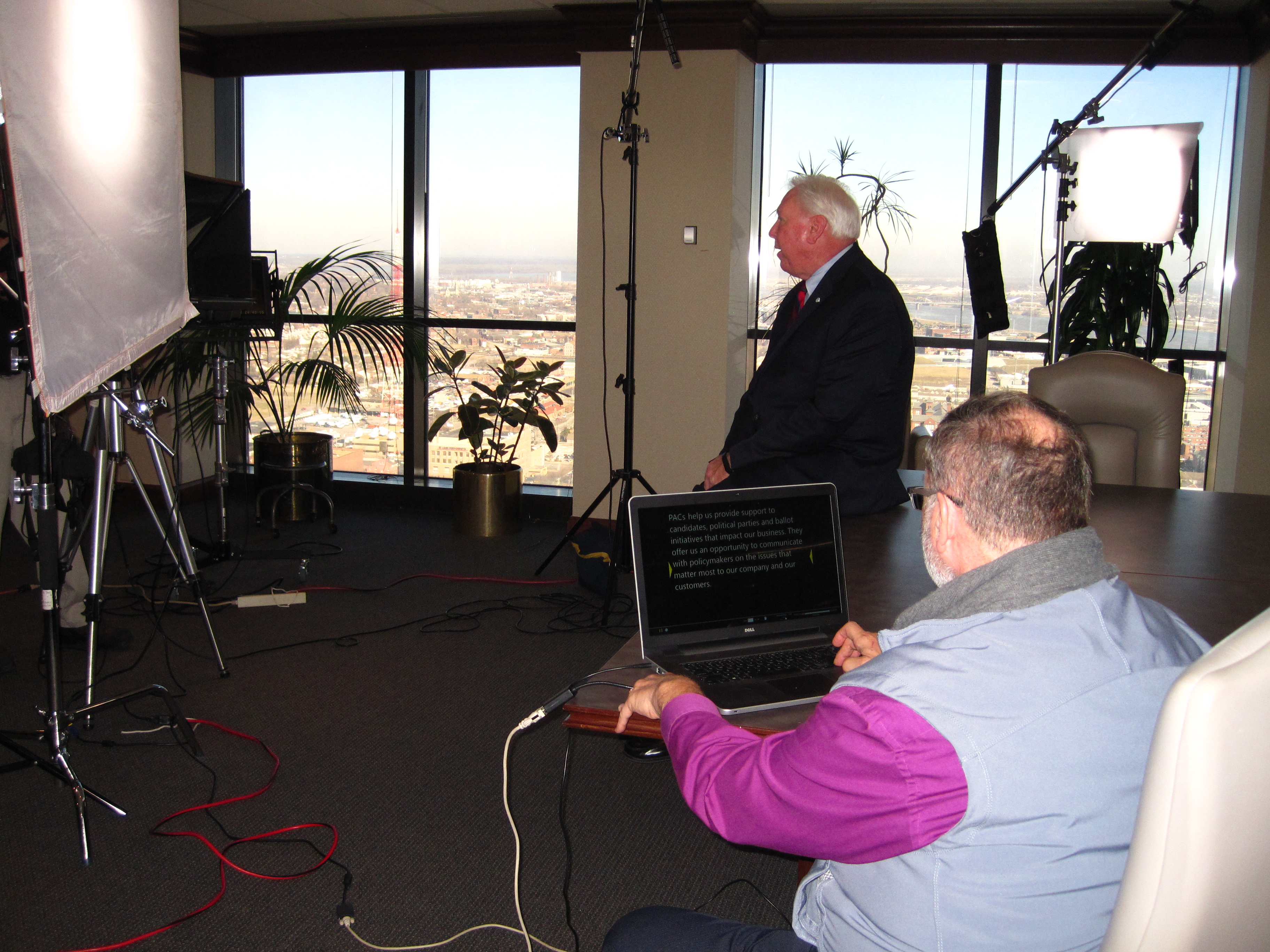
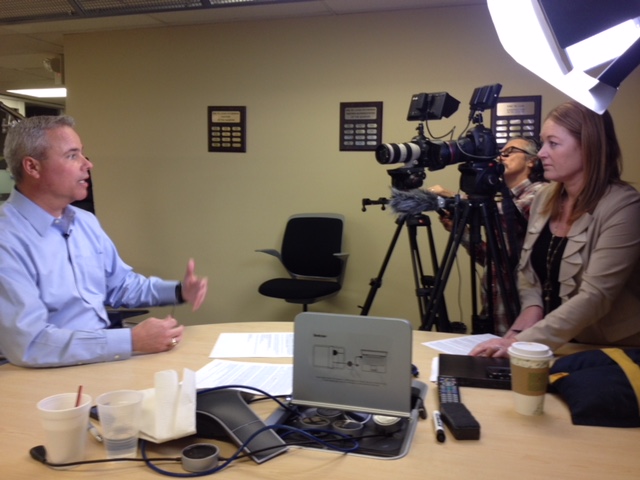
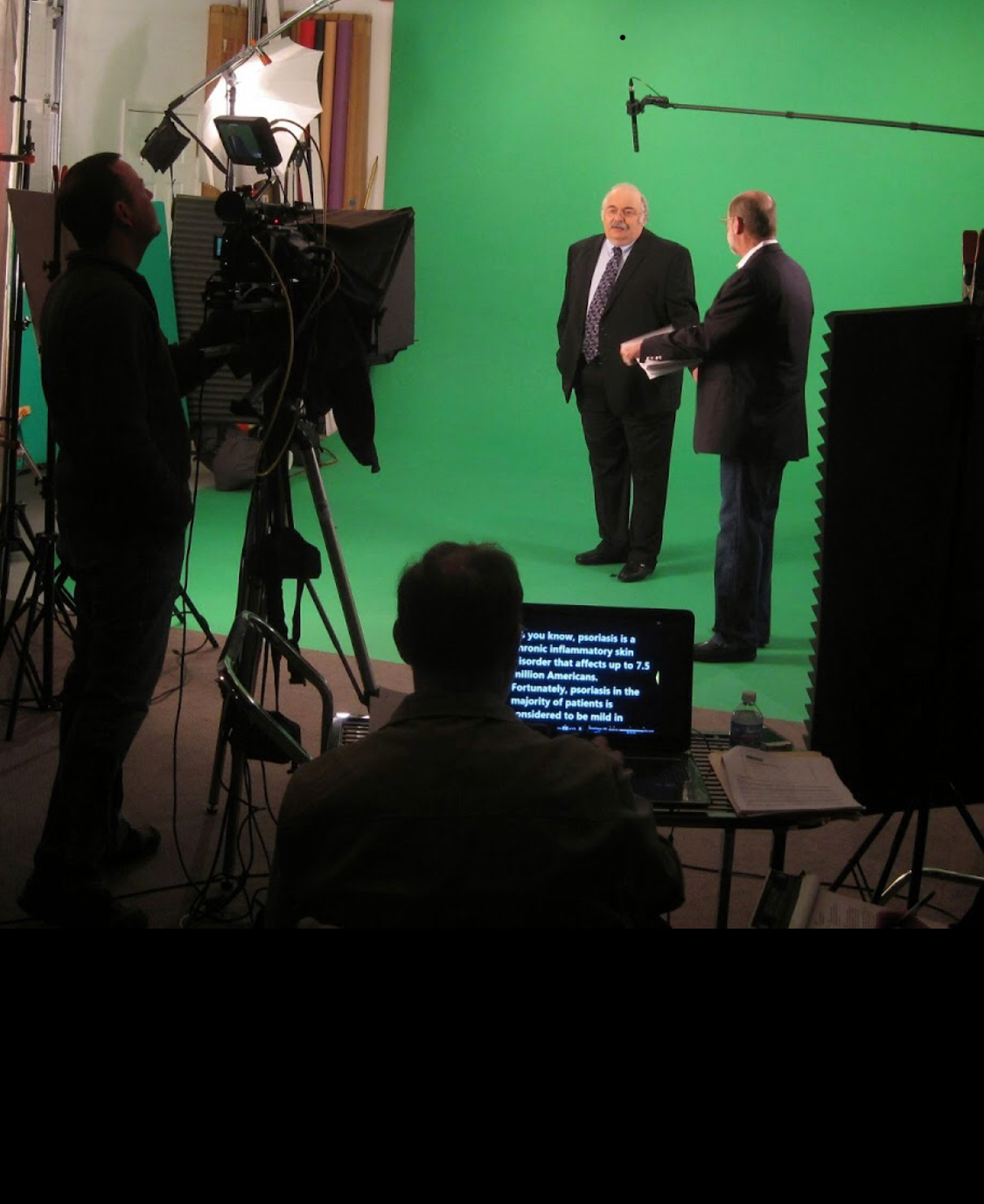
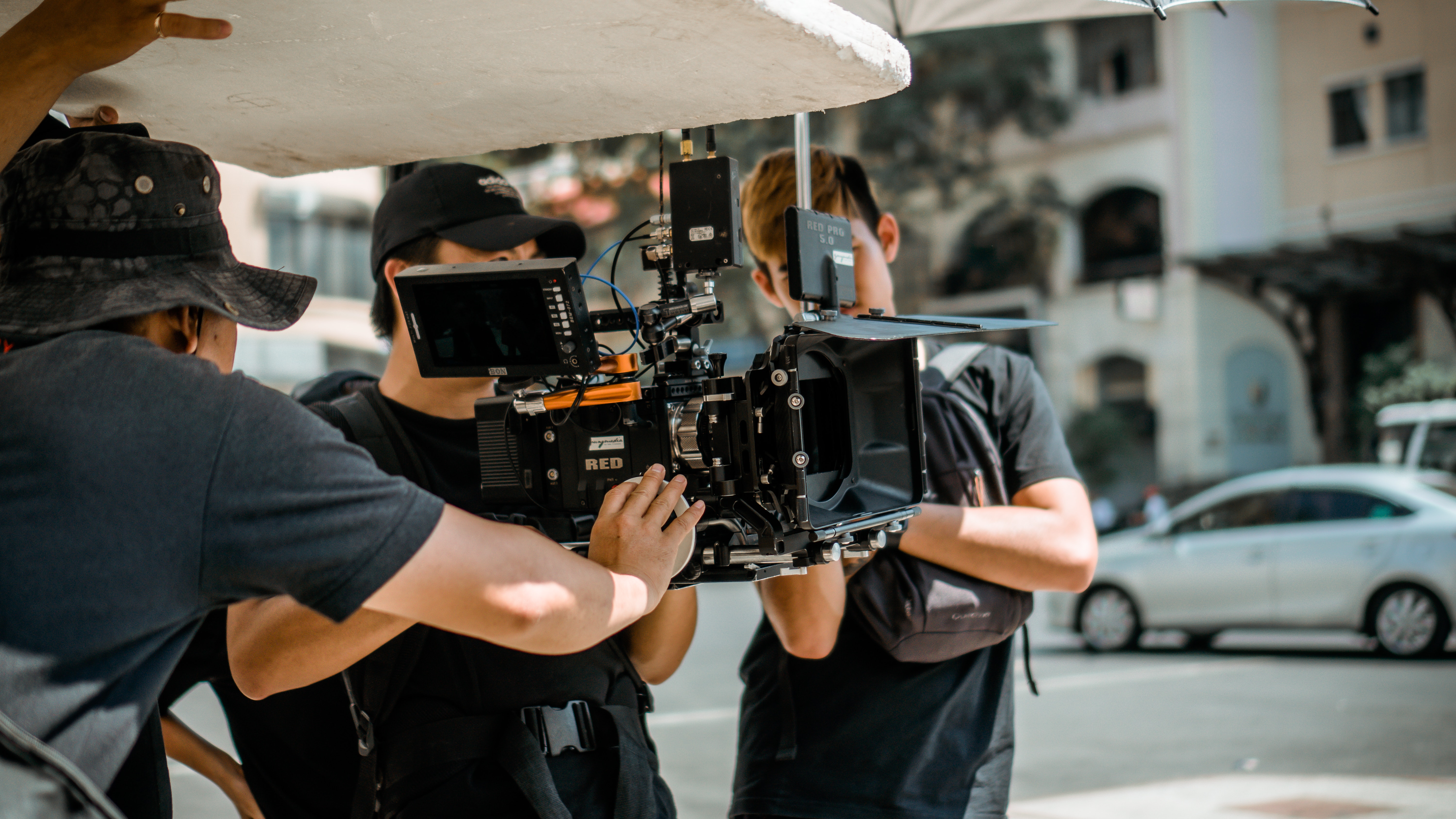
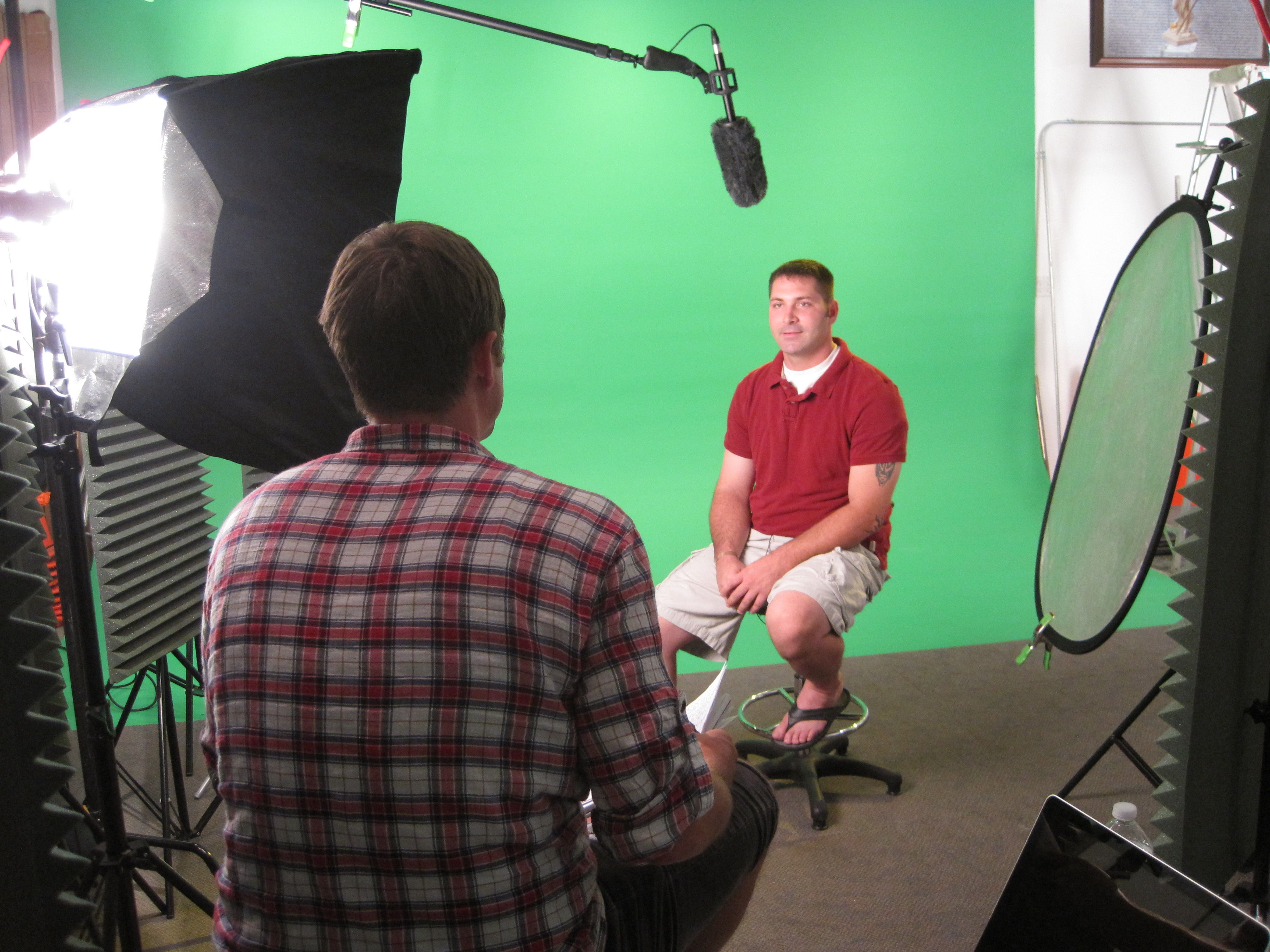
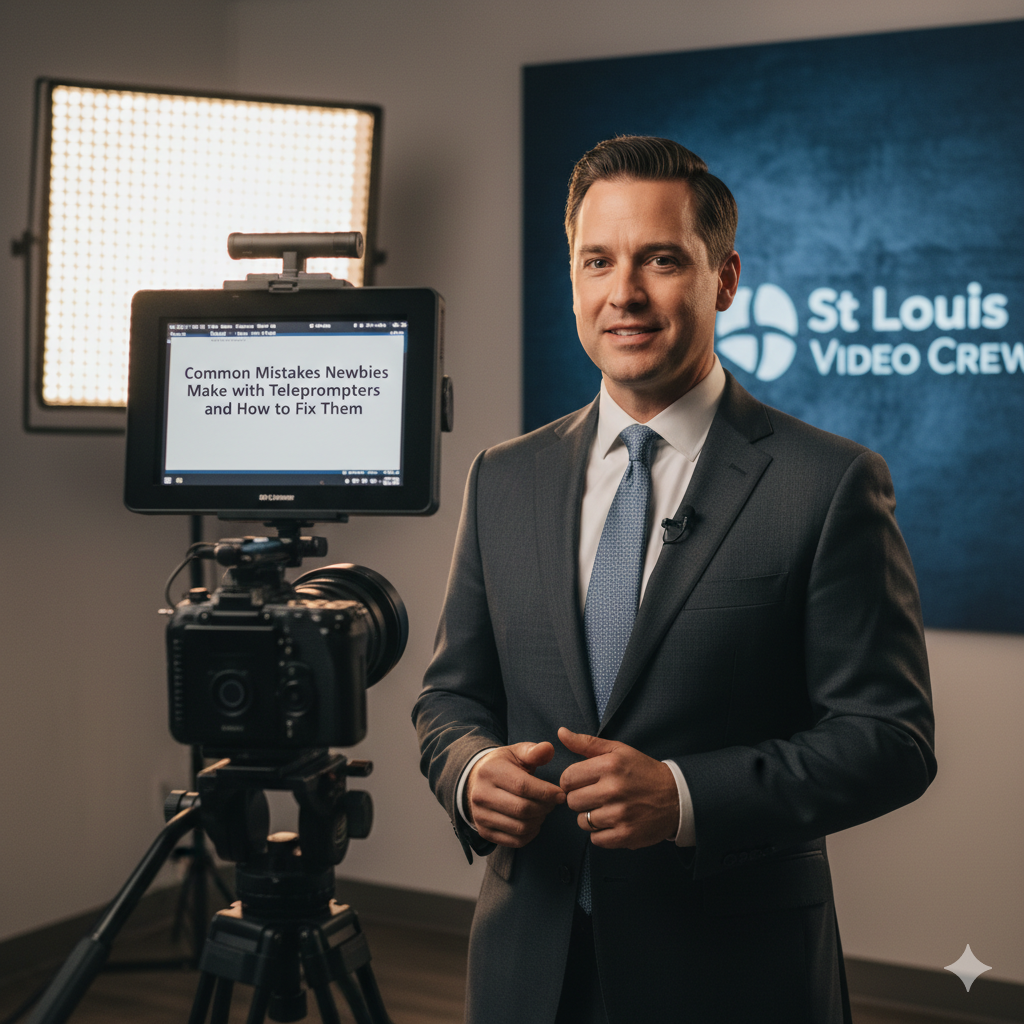
- Studio Capabilities: Our private studio lighting and visual setup is perfect for small productions and interview scenes. It is large enough to incorporate props to round out your set, and we support every aspect of your production—from setting up a private, custom interview studio to supplying professional sound and camera operators.
- Advanced Drone Operations: We can fly our specialized drones indoors, offering unique perspectives that others cannot match.
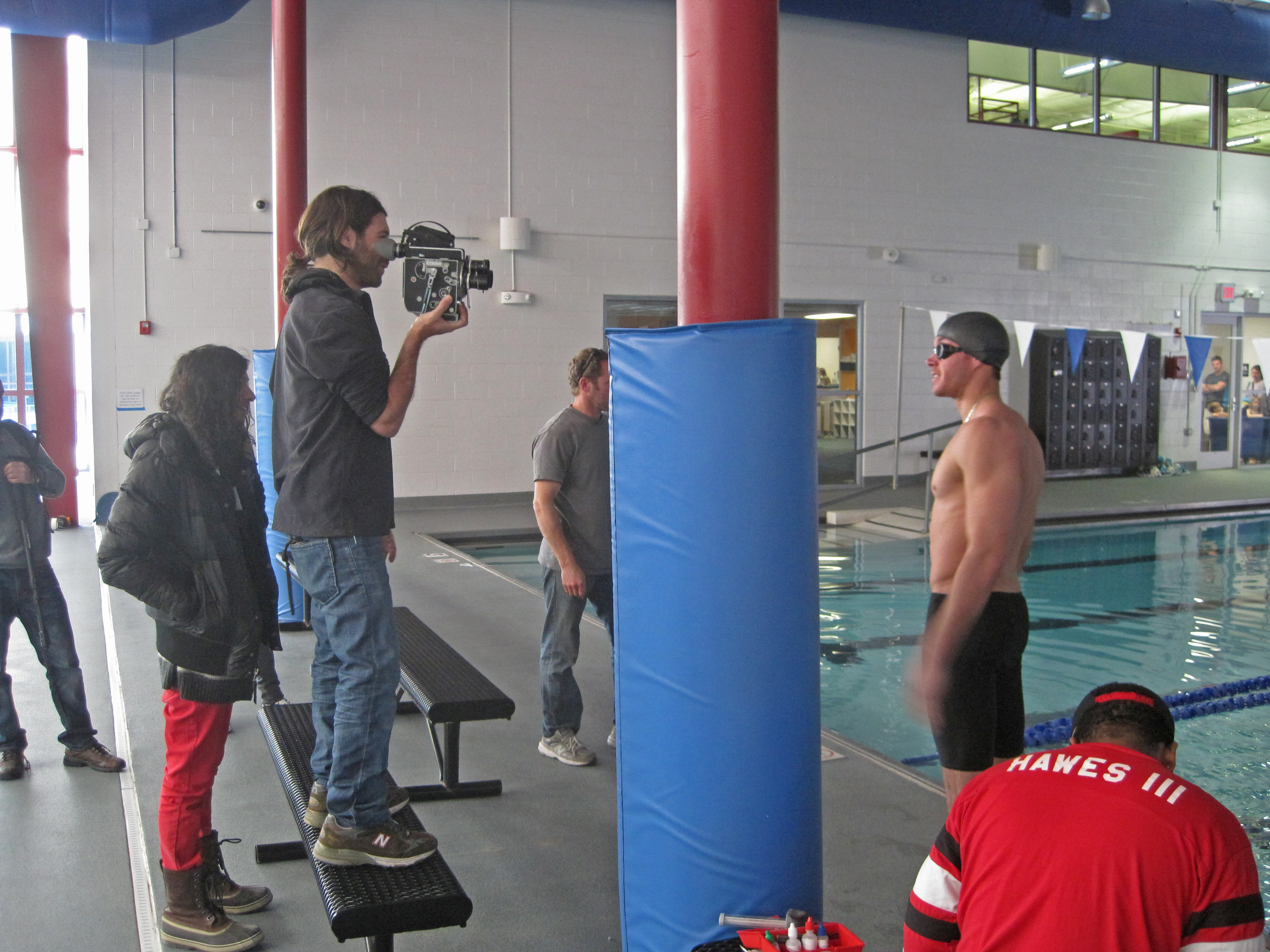
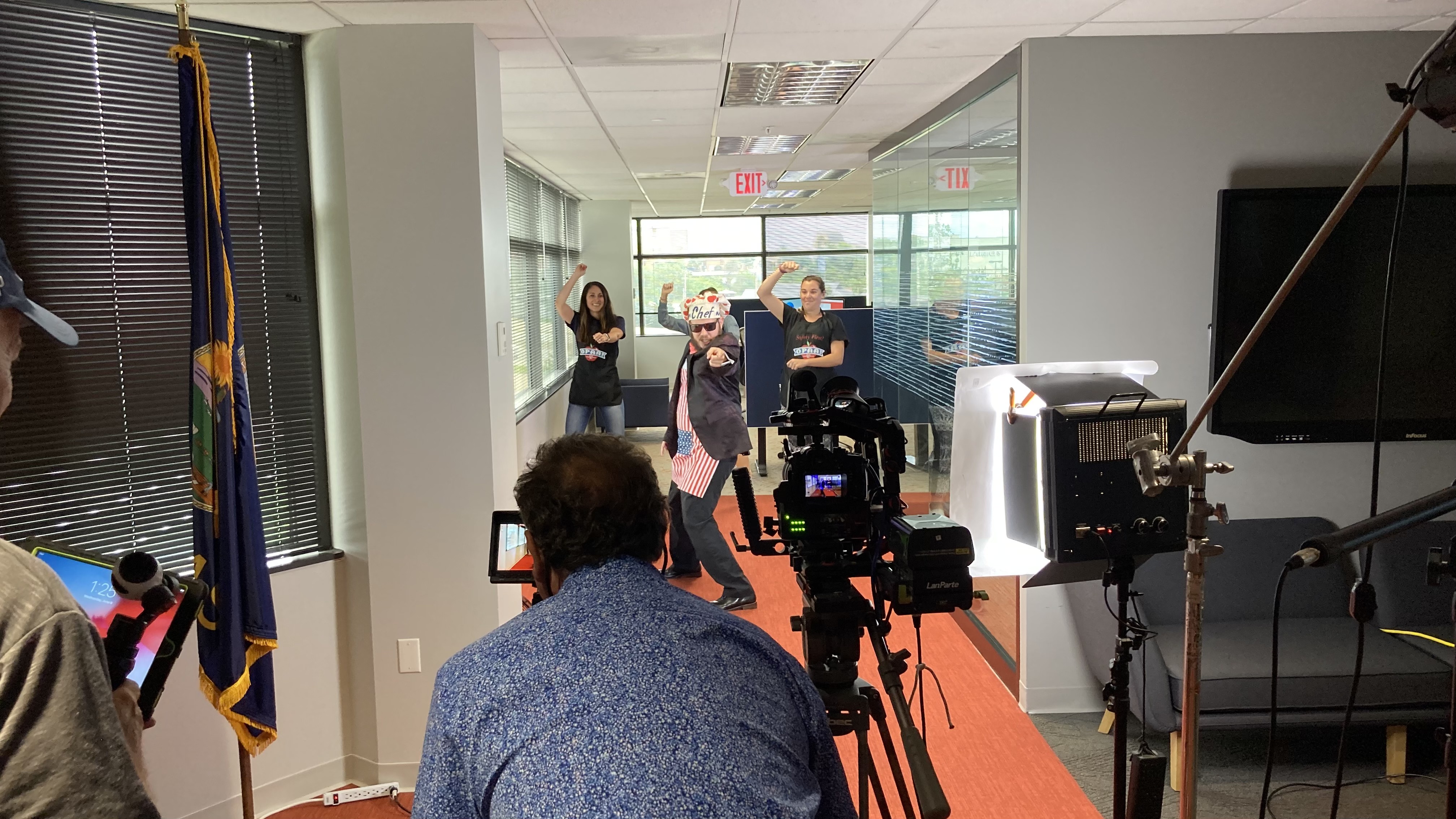
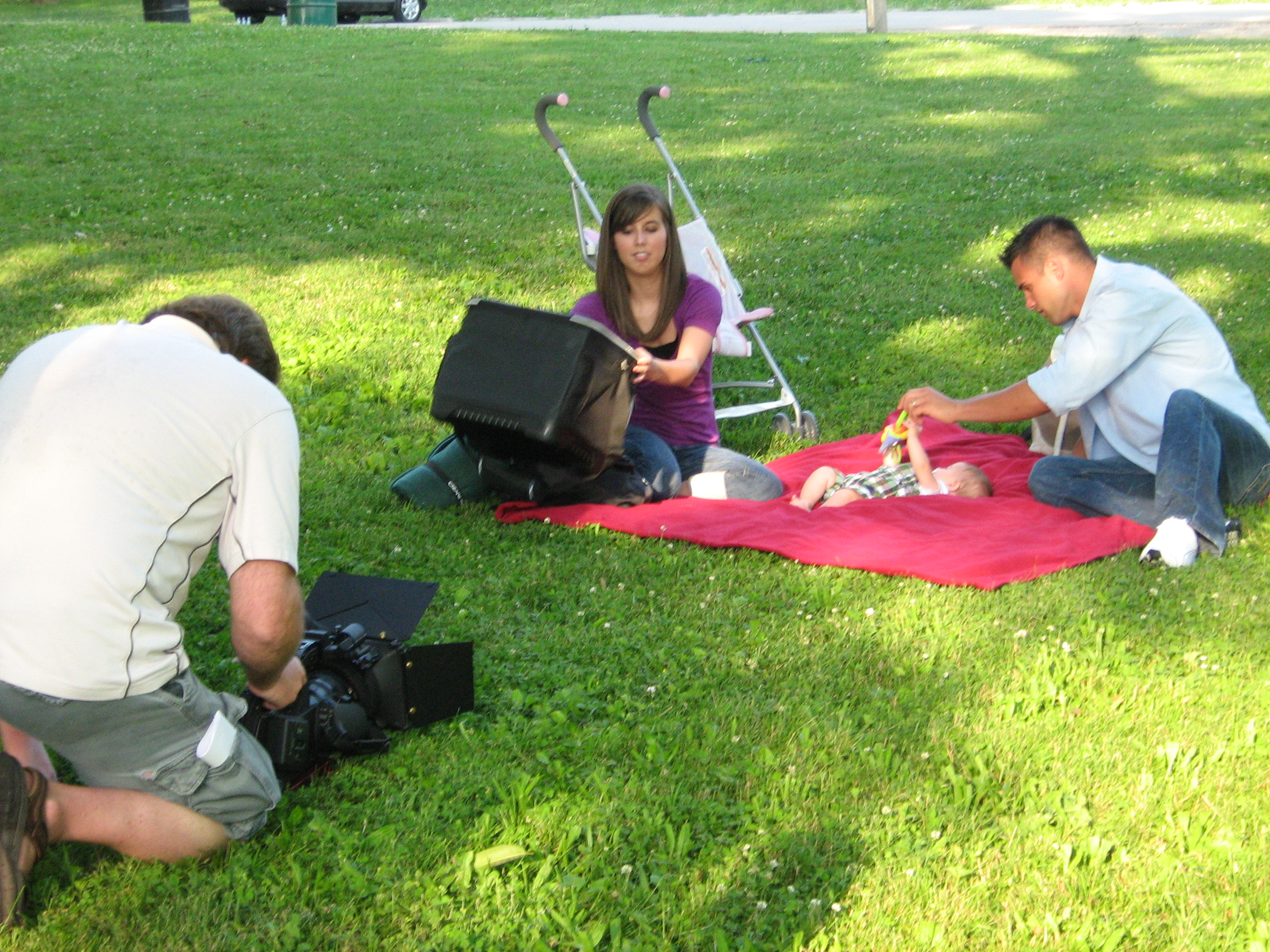
Whether you need a seamless on-location shoot or a complex post-production package, St Louis Video Editing has the experience to deliver excellence.
Ready to maximize your media budget? Let’s discuss your next project.
Would you like me to generate a list of social media captions to help promote this blog post once it is published?


 St Louis Video Editing