Tag Archives: Music video editing St. Louis

Elevate Your Edits: B-Roll Tricks to Keep Your Videos Engaging

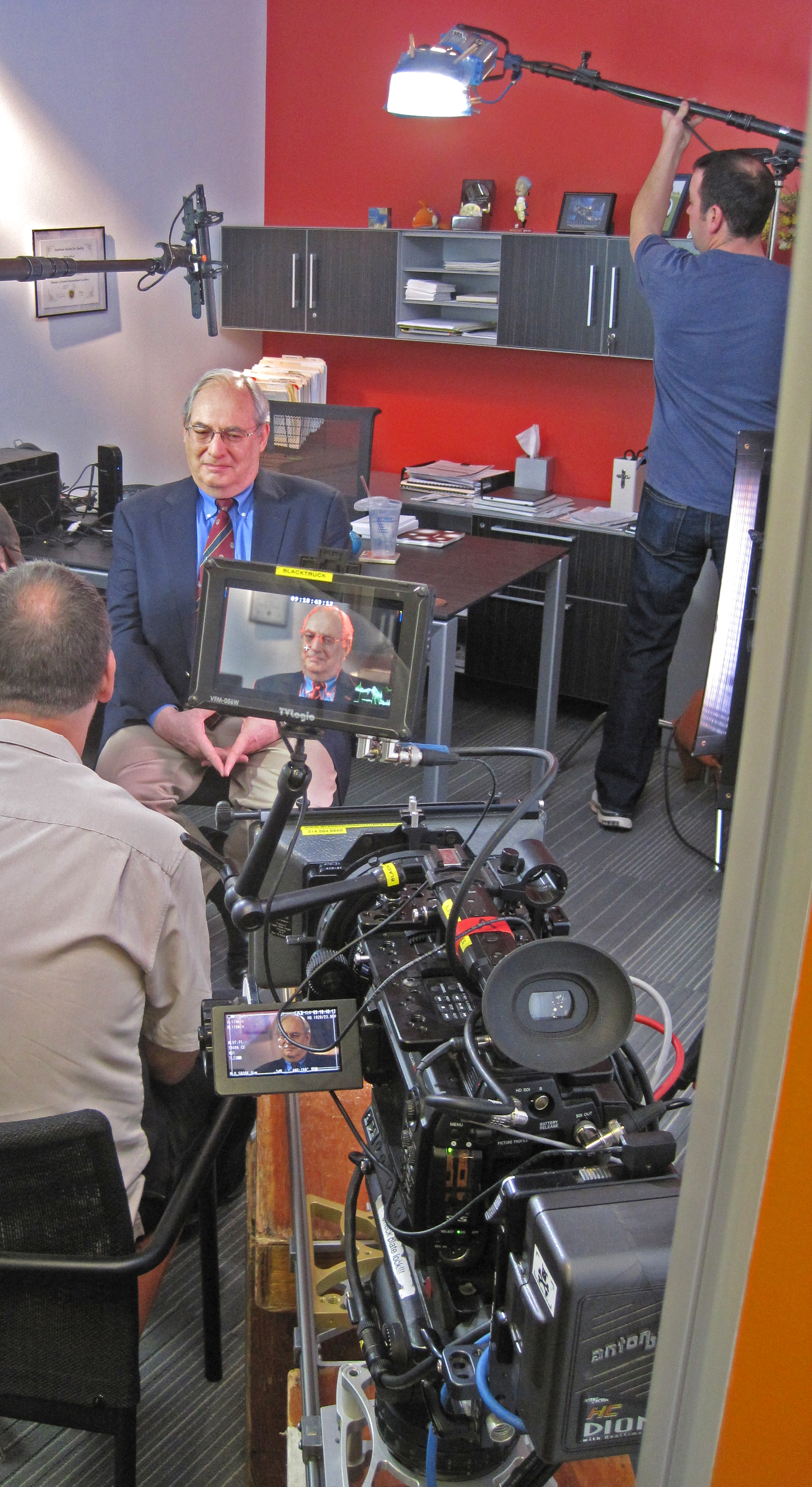
As decision-makers in photography, marketing, and video production for your organizations, you understand that an impactful video is far more than a sequence of static shots. It’s a dynamic, compelling narrative that holds your audience’s attention from the first frame to the last. At the heart of achieving this dynamic quality is the skilled use of B-roll footage.

B-roll—the supplemental or alternative footage intercut with the main shot (often called A-roll, such as an interview)—is your secret weapon against viewer fatigue. But simply having B-roll isn’t enough; the real magic lies in the editing.

Here are advanced B-roll editing tricks and techniques we employ to keep your corporate and marketing videos fresh, professional, and, most importantly, engaging.
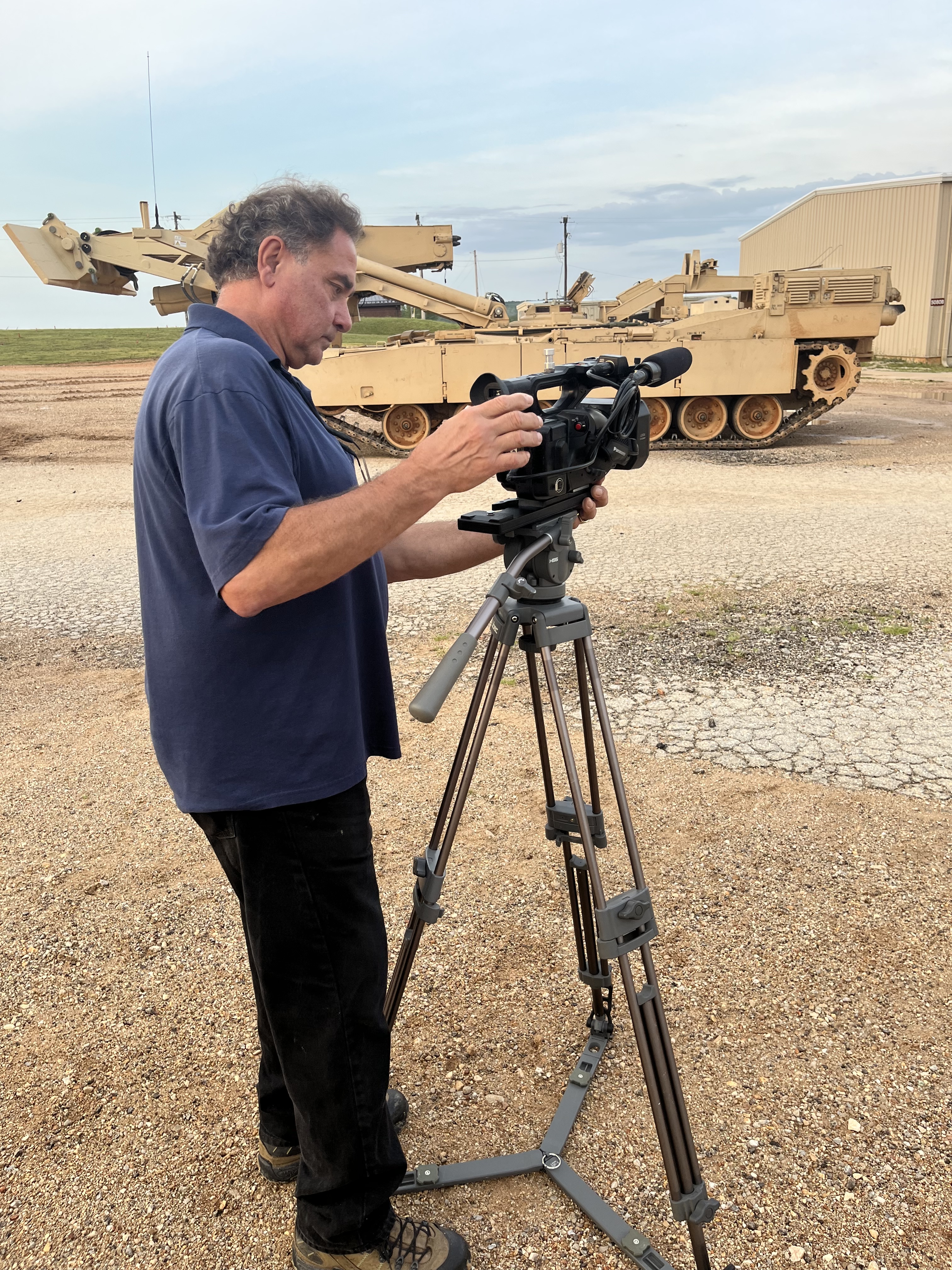
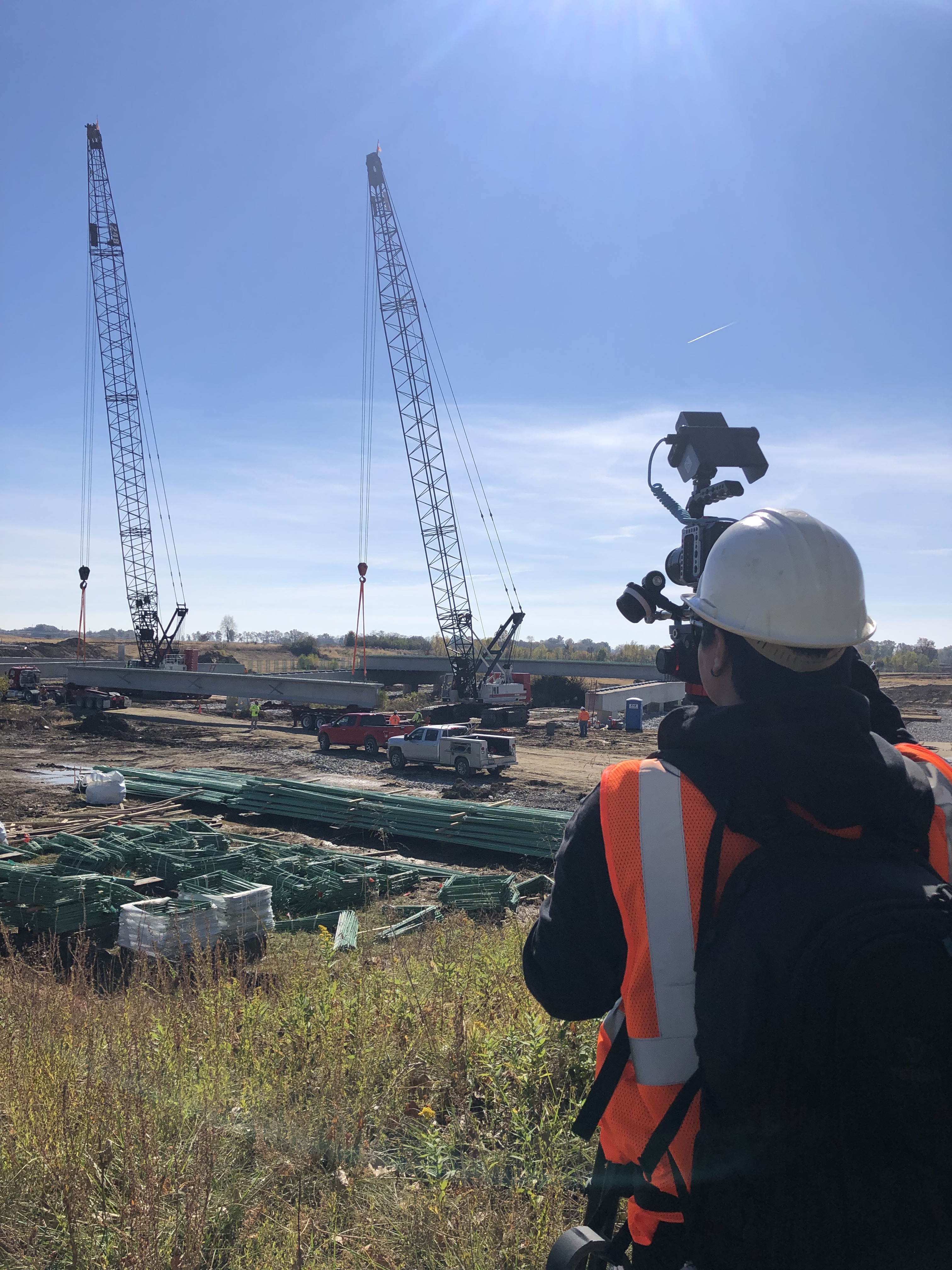
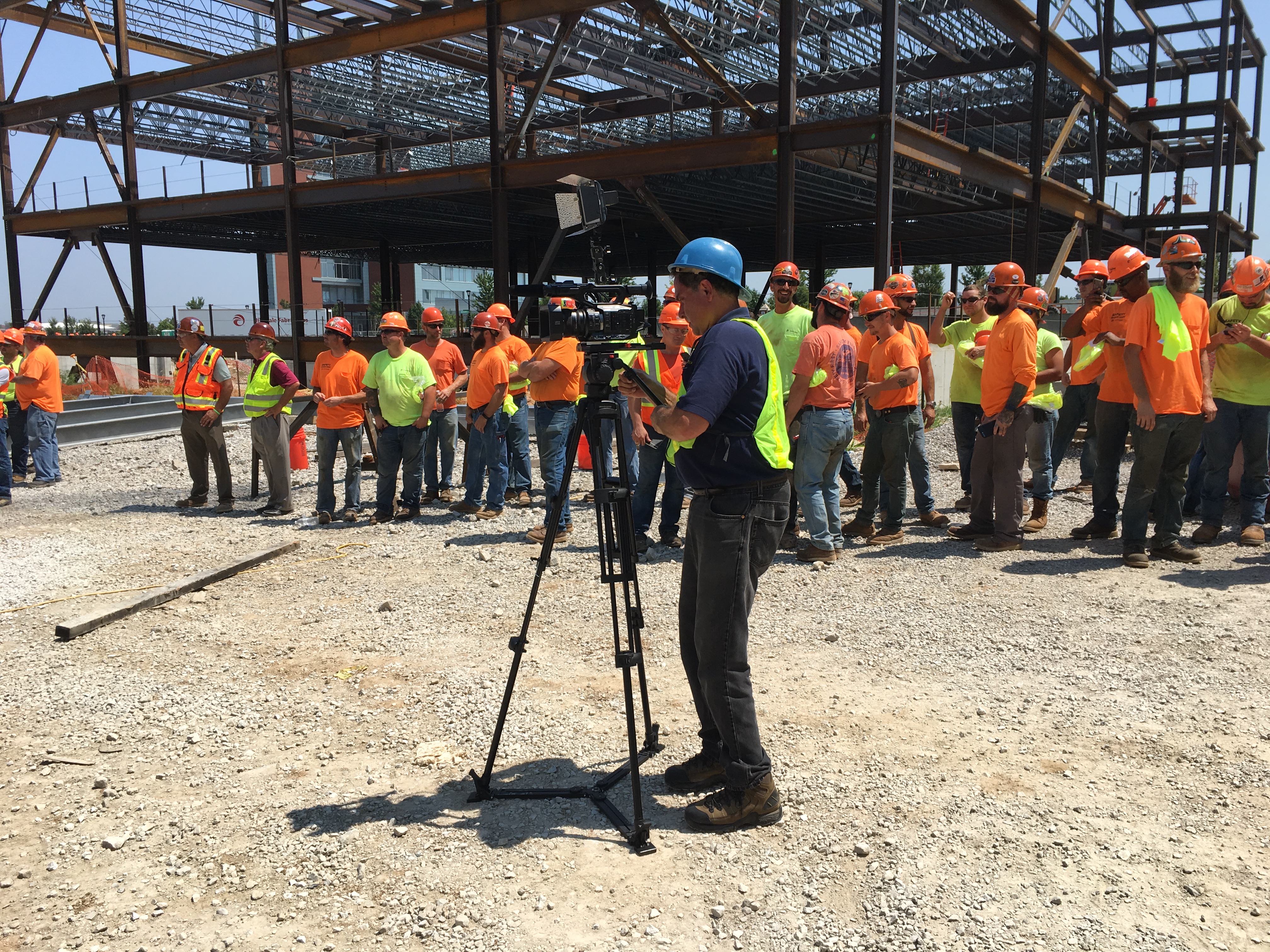
✂️ The Art of the Intercut: Beyond the Simple Cover-Up

The fundamental role of B-roll is to cover jump cuts in A-roll interviews or to illustrate a speaker’s point. However, expert editing elevates this function:

  • The Illustrative Beat: Don’t just show what’s being said; show what’s being meant or felt. If an executive is discussing “innovation,” cut to a tight shot of a team collaborating intensely or a product in development, rather than just a generic office shot. Precision in timing is key—the B-roll must land right on the word or phrase it’s illustrating.
  • Action and Reaction: When covering a live event or a case study, intercut shots of the action (A-roll subject doing something) with the reaction (close-up of a team member’s face, a customer smiling). This technique instantly adds an emotional layer and humanizes the narrative.
  • The “L-Cut” and “J-Cut” Mastery: These audio-visual tricks create seamless transitions:
    • L-Cut: The audio from the preceding B-roll clip continues to play under the next A-roll clip.
    • J-Cut: The audio from the upcoming A-roll (interview) clip starts under the current B-roll clip. This subtle overlapping smooths out cuts, making the video flow naturally and feel more cinematic.
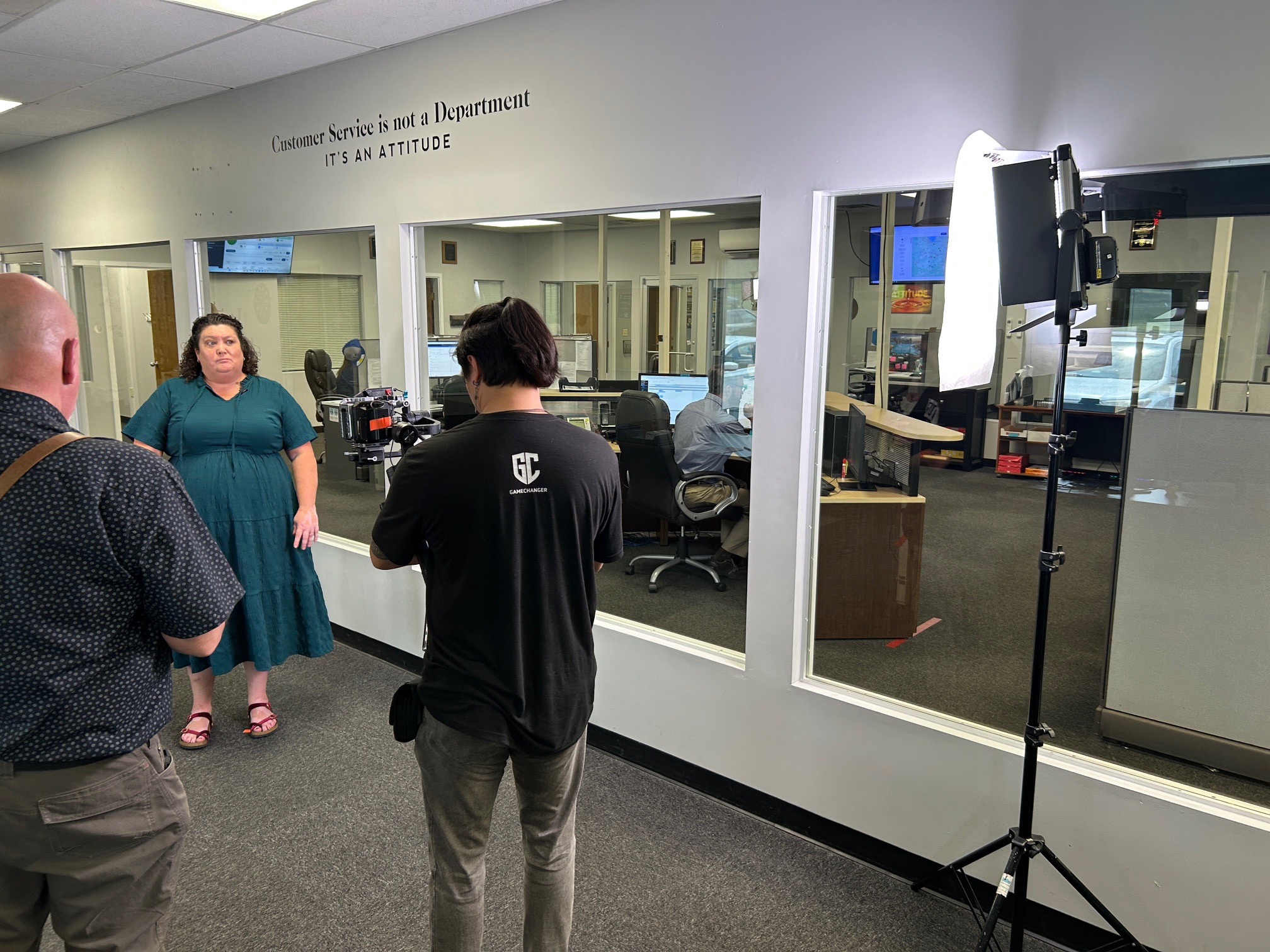
🎥 Varied Pacing and Shot Selection for Visual Interest

A sequence of equally long B-roll clips will bore the viewer. Professional editing introduces rhythmic variation:

  • Quick-Cut Sequences: Use a rapid succession of very short (2-3 frame) B-roll clips when you need to convey energy, speed, or a sense of many moving parts (e.g., a bustling factory floor, a fast-paced meeting). This injects dynamic momentum into an otherwise slow-paced interview.
  • The Moment of Focus: Contrast the quick cuts with a strategically placed longer shot—perhaps a beautifully composed slow-motion shot or a steady push-in/pull-out with a gimbal. This serves as a visual palate cleanser and gives the audience a moment to absorb a key visual element.
  • Close-Up Detail (Inserts): Never underestimate the power of a tight close-up on hands working, a product detail, or eyes focusing. These “insert shots” are highly effective B-roll because they draw the viewer in and eliminate visual clutter, focusing their attention on the essence of the message.

✨ Post-Production Polish and AI Enhancement

The right B-roll is often perfected in post-production with tools that ensure consistency and add flair:

  • Color Grading Harmony: Ensure your B-roll clips have a consistent and professional look, even if shot on different cameras or locations. Uniform color grading ties the footage together and reinforces your brand’s visual identity.
  • Motion and Effects: Judicious use of subtle zooms, pans, or tilts (digital manipulation in post) can transform static B-roll into dynamic footage. Furthermore, we leverage the latest in Artificial Intelligence tools to enhance image quality, automate complex tasks like object tracking, and even generate subtle, high-quality effects, allowing us to focus more on the creative narrative.
  • Sound Design Layering: The B-roll is not just a visual tool. Layering in ambient sound (e.g., the subtle hum of machinery, keyboard clicks, light crowd noise) beneath the A-roll audio creates a rich, immersive soundscape that makes the entire production feel more premium and believable.

Partner with St Louis Video Editing and Photography

For decision-makers who demand successful image acquisition and unparalleled video production quality, partnering with an experienced, full-service professional commercial photography and video production company is essential.

Since 1982, St Louis Video Editing and Photography has been a trusted corporation serving businesses, marketing firms, and creative agencies throughout the St. Louis area. We bring the right equipment and a creative crew with decades of service experience to every project.
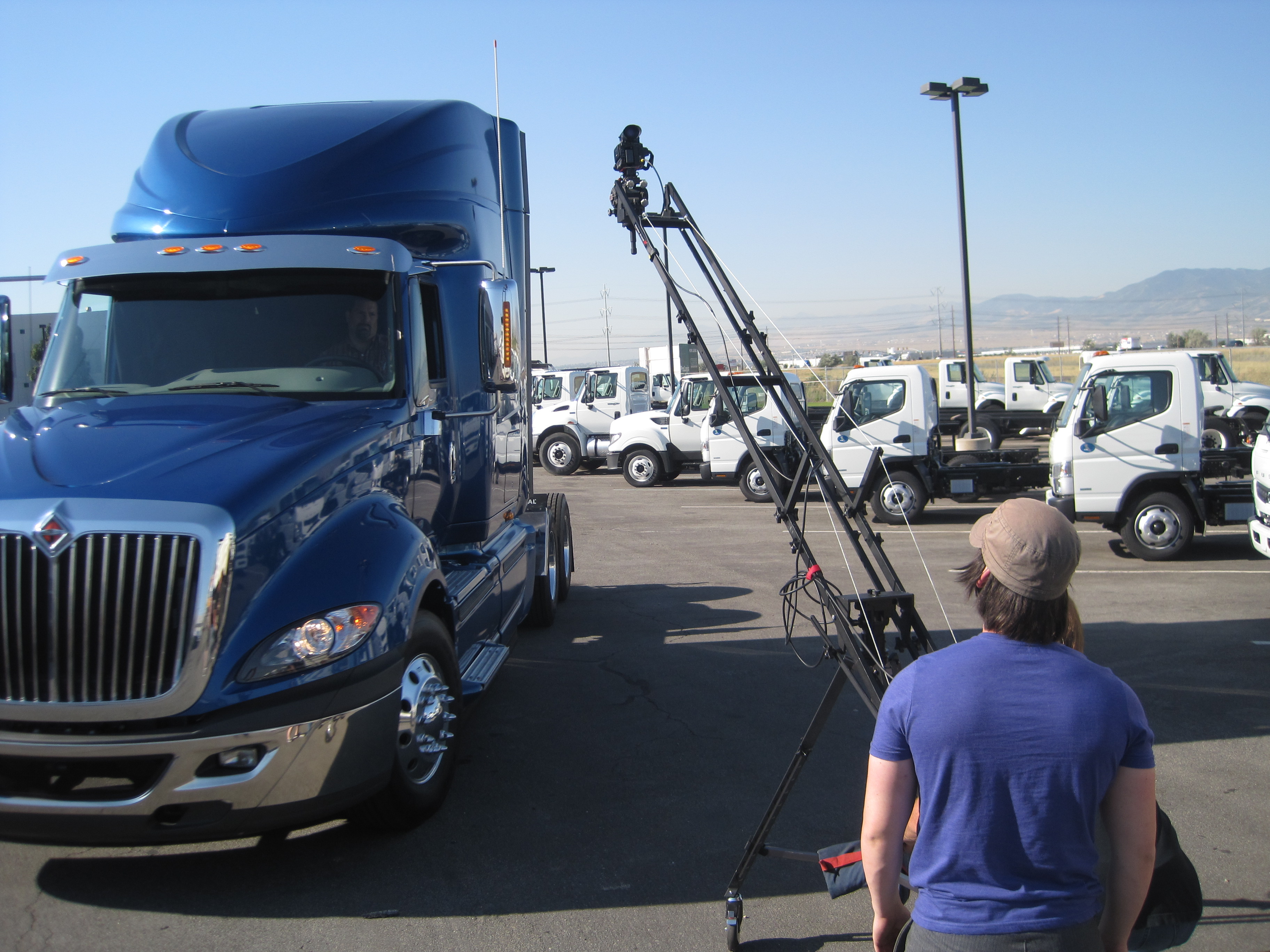
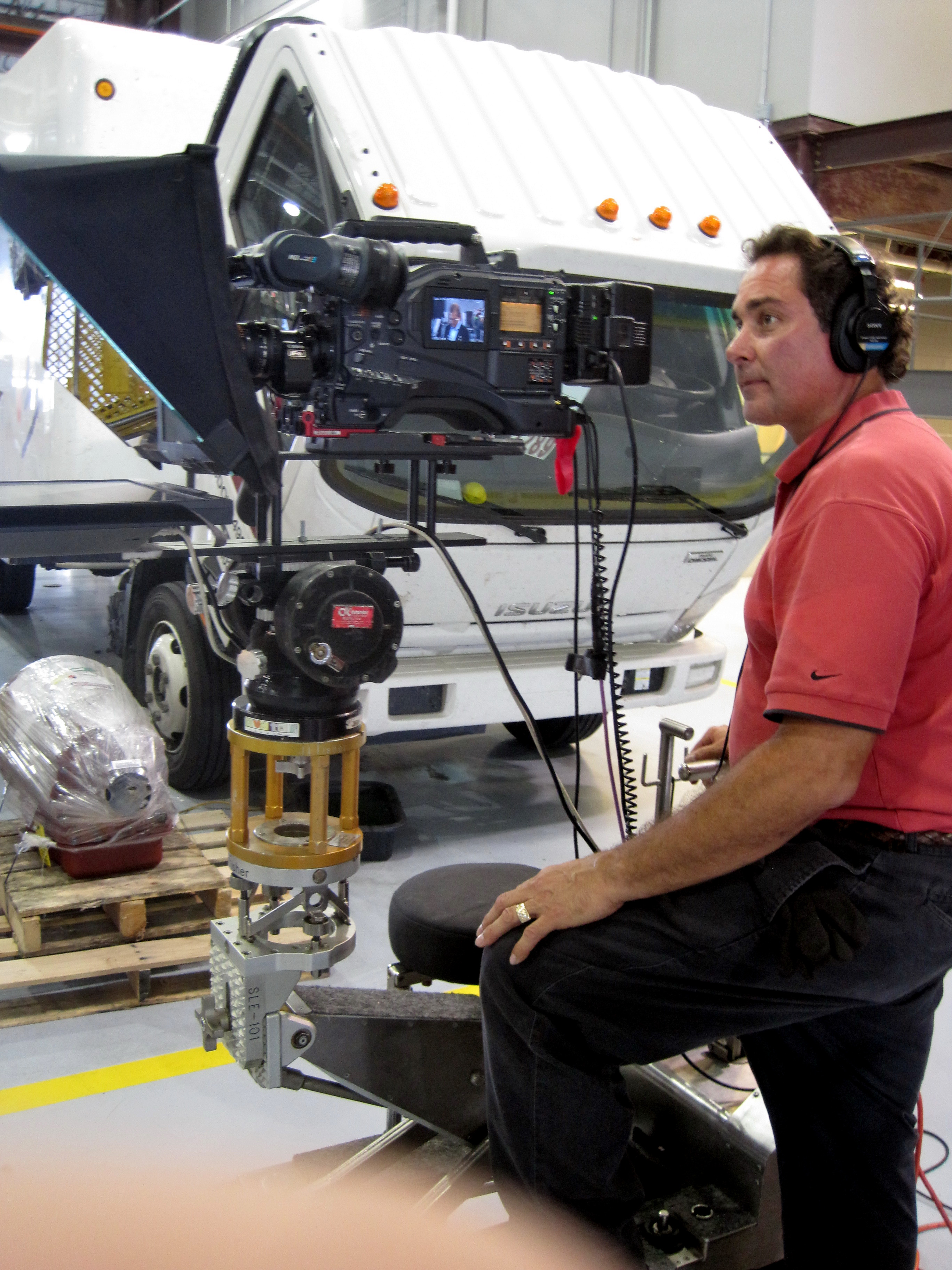
We offer full-service studio and location video and photography, backed by extensive editing and post-production capabilities. Our specialization extends to licensed drone pilots—including the ability to fly our specialized drones indoors for unique perspectives—and we are well-versed in all file types and media styles.

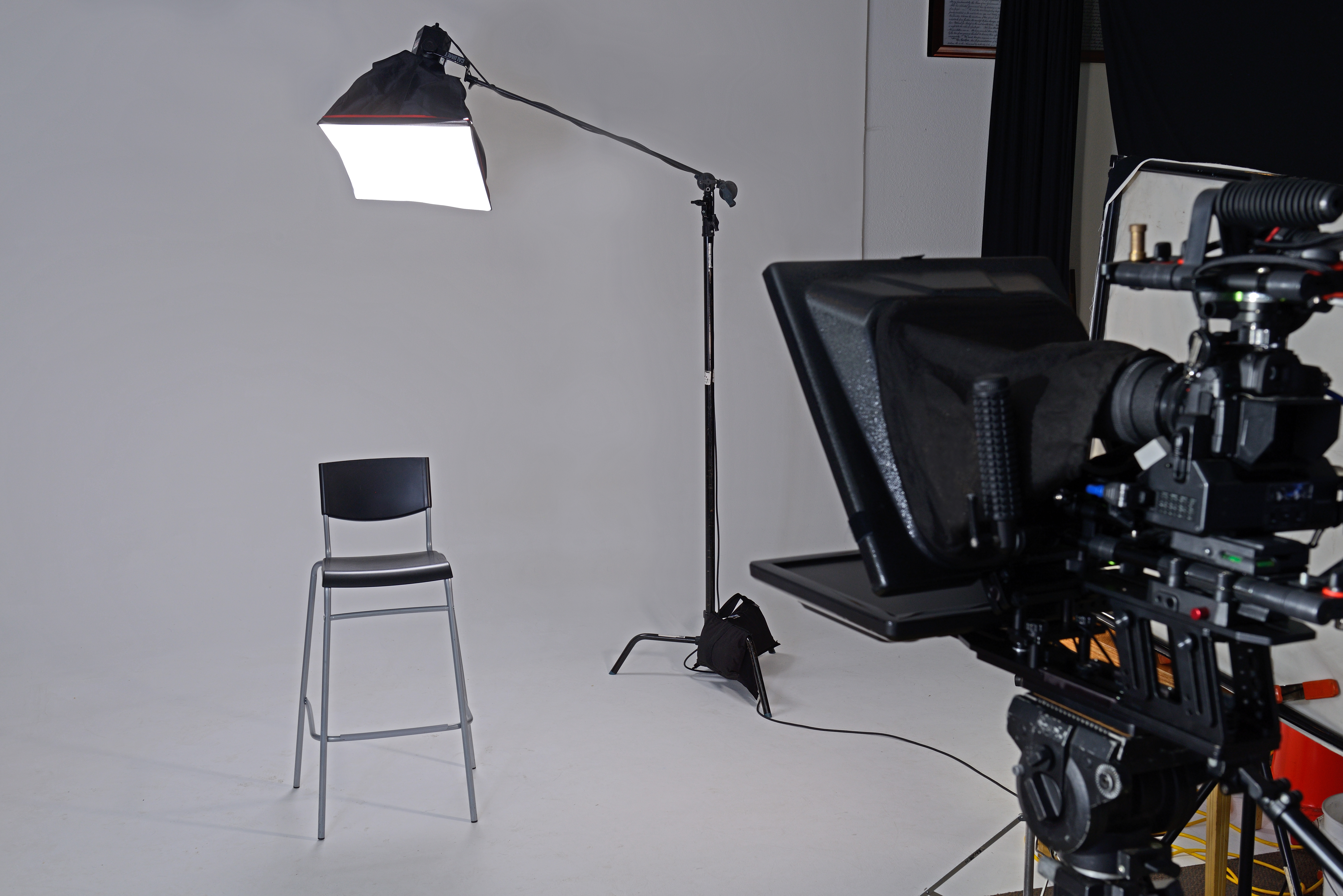
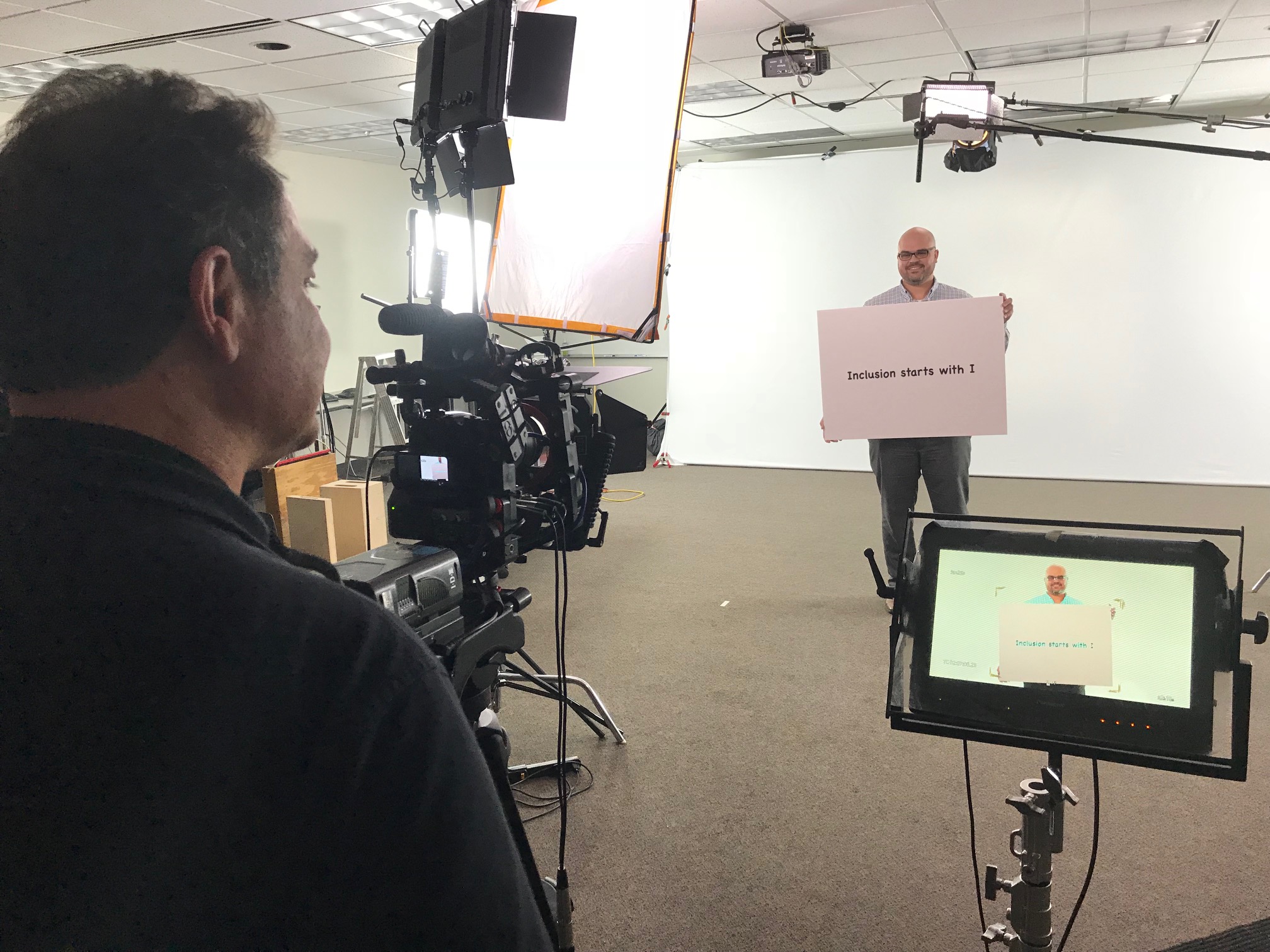
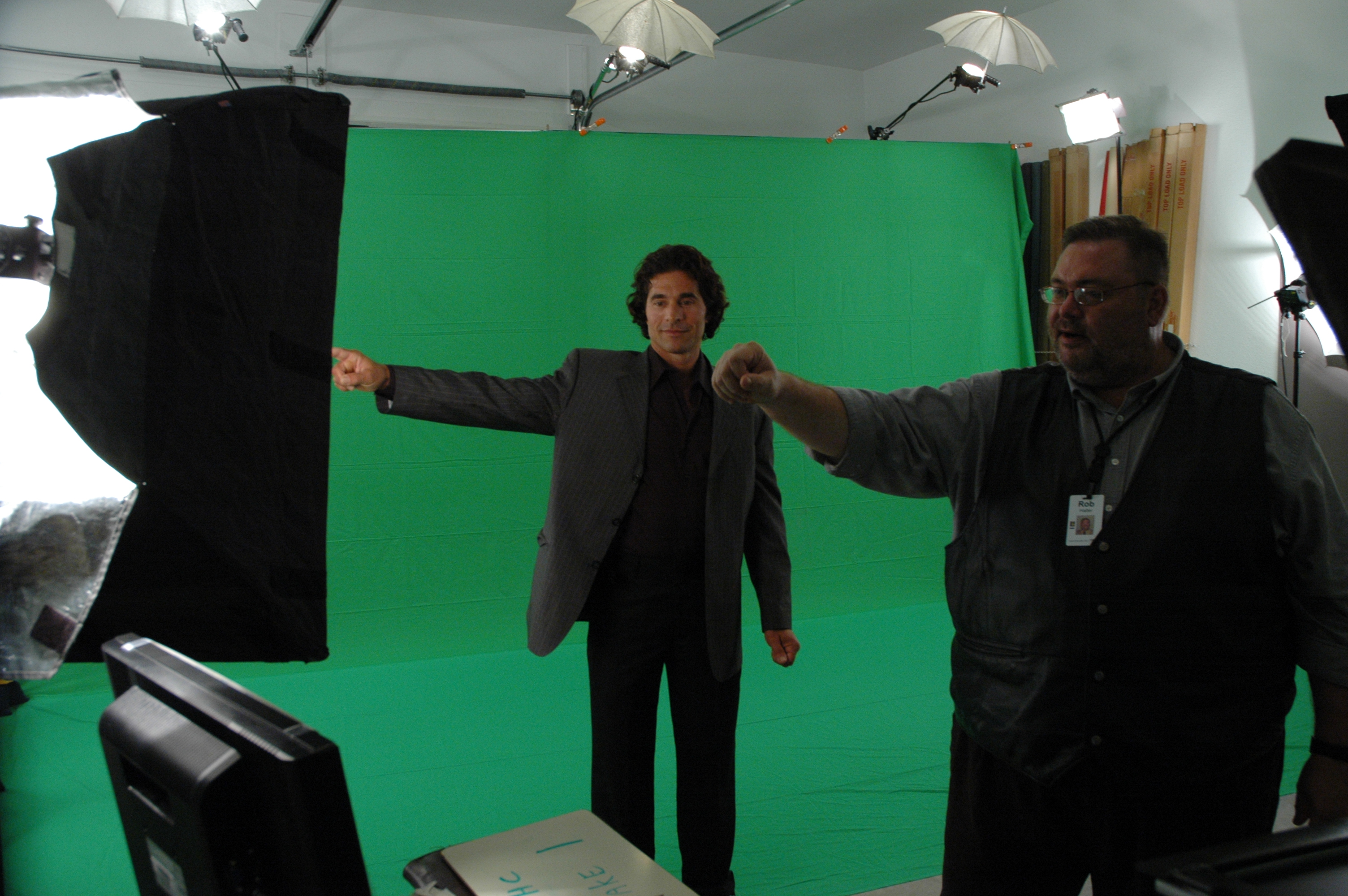
Our commitment to innovation is shown through our use of the latest in Artificial Intelligence for all our media services, ensuring efficiency and cutting-edge results. Our private studio lighting and visual setup is perfect for small productions, interview scenes, and is large enough to incorporate props to round out your set.

From setting up a private, custom interview studio to supplying professional sound and camera operators, we support every aspect of your production, ensuring your next video is seamless and successful. We also specialize in repurposing your photography and video branding to customize your productions for diverse types of media requirements and gain more traction across all platforms.

Let us put our experience to work to capture and create the compelling visuals your brand deserves.


Would you like to schedule a consultation to discuss how our full-service video and photography capabilities can enhance your current marketing initiatives?
314-913-5626

mobuy1@gmail.com

The B-Roll Shortcut: Simple Editing Moves That Instantly Lift Your Video

Decision-makers love efficiency: faster turnarounds, cleaner stories, measurable results. That’s exactly where B-roll shines. With a smart approach to B-roll editing, you can raise perceived production value, fix continuity, reinforce brand, and squeeze more life from every shoot—without ballooning budgets.

Below is a practical, no-jargon playbook we use at St Louis Video Editing to help clients get better outcomes from the footage they already have.


What B-Roll Actually Does (and why it matters to ROI)

B-roll is working footage. It:

  • Bridges jump cuts and tightens pacing, so messages land faster.
  • Illustrates what the speaker says—improving comprehension and retention.
  • Brands the story with consistent visuals, color, typography, and motion.
  • Fixes continuity gaffes (um’s, stumbles, off-axis eyelines) invisibly.
  • Extends campaign life by repurposing into social cuts, reels, and paid placements.

Bottom line: thoughtful B-roll editing reduces reshoots, shortens approvals, and stretches your media budget across channels.


Pre-Edit: Give Yourself Easy Wins

1) Build a B-roll map from the transcript

  • Highlight claims and benefits in the interview transcript.
  • For each, jot one visual that proves it. (Product in use, customer interaction, screen demo, process step.)
  • Mark “must-cover” words (numbers, outcomes, locations). These get A-priority B-roll.

2) Organize like a pro

  • Foldering: Project/Camera/Date/Scene/Take
  • Naming: BR_ProductUsage_Warehouse_001.mov
  • Metadata: star ratings + color labels for “brand-safe,” “faces,” “logos,” “motion.”

This 15-minute setup saves hours of hunting later.


Five Easy Editing Moves That 10x Perceived Quality

  1. J/L Cuts with Purpose
    Start the interview audio, then reveal the speaker a second later under relevant B-roll. Or hold the speaker shot while we hear the next line over cutaway imagery. This keeps momentum while preserving authenticity.
  2. The Three-Beat Proof
    For every claim, run three quick B-roll beats:
  • Wide (context), Medium (action), Tight (detail).
    Cut each at 1.0–1.75 seconds to feel energetic without chaos.
  1. Motivated Speed Ramps
    Ramp into or out of movement (forklifts, assembly lines, map pins) to sync with a music rise. Keep ramps subtle: 100% → 250% → 100% across ~12–18 frames for polish without gimmickry.
  2. Directional Match Cuts
    Cut motion left-to-right into left-to-right, or up into up. The eye glides, the story feels “expensive.” Great for factory tours, software flows, or service handoffs.
  3. Cut on Action, Not on Silence
    Enter B-roll on verbs (“deploy,” “inspect,” “deliver”) or gestures (hand-off, door open). It feels intentional and keeps viewers engaged through information-dense moments.

Color, Texture, and Brand: Fast Consistency

  • One LUT, Three Adjustments: apply a base look, then only tweak exposure, white balance, and contrast per shot.
  • Brand Accent Layer: a subtle vignette, branded lower third, or a soft blur background behind supers to unify mixed sources.
  • Skin-tone priority: protect faces first; adjust backgrounds second.

Sound: Where “Easy” Becomes “Elite”

  • Room tone under everything. Grab 10–20 seconds from each location and bed it quietly (-36 to -42 LUFS) beneath B-roll so cuts disappear.
  • SFX sweeteners: one light whoosh for every motivated transition; subtle machinery hums or keyboard clicks to sell environment.
  • Music phrasing: place B-roll transitions on bar lines or downbeats. If you can’t hear the bar line, look for waveform peaks and repeat motifs.

Graphics That Don’t Scream “Template”

  • Micro-maps & labels: quick animated arrows or pins to show geography, routing, or workflow.
  • Count-ups: animate metrics from 0 → value as B-roll rolls (duration 0.6–1.2s).
  • Icon overlays: 24–32px simple icons placed near action, not dead center.
    Keep it under 10% of screen real estate; let the footage sell the story.

Three Repeatable B-Roll Sequences (Steal These)

  1. “How It Works” in 12 Seconds
    Wide process → Medium operator → Tight result → Metric count-up → Customer reaction.
    Use for onboarding, product explainer, SOPs.
  2. “Customer Value” in 10 Seconds
    Exterior sign → Door in → Staff interaction → Product in use → Customer nod/smile.
    Perfect for testimonials and case studies.
  3. “Before/After” in 8 Seconds
    Static “before” → Quick masked wipe following a real object → Dynamic “after” with motion.
    Great for facilities, remodels, dashboards, and service outcomes.

AI Helpers That Actually Save Time

  • Transcript alignment & paper edits: auto-sync audio to text; delete lines in the transcript to cut the timeline instantly.
  • Smart search: find every shot containing a logo, forklift, or specific product via computer vision tags.
  • Automatic noise reduction & de-reverb: clean problematic interview audio so B-roll can safely cover aggressive edits.
  • Face and color matching: stabilize skin tones across mixed cameras.

(We pair these with human oversight; AI trims the grunt work—creatives make the choices.)


Social & Paid: Repurpose Without Re-editing from Scratch

  • Master first, social second. Lock the 16:9 master, then auto-reframe to 9:16 and 1:1.
  • B-roll-first opens: for shorts, lead with action before the speaker. Hook in the first 2–3 seconds.
  • Silent-play compliance: big, branded captions; B-roll that still “reads” with no audio.

Quality Control: A 6-Minute Final Pass

  1. Continuity: no repeated B-roll back-to-back unless time-shifted or reframed.
  2. Focus & micro-jitter: 100% zoom scan for soft focus in tight product shots; apply warp-stabilizer sparingly.
  3. Brand check: fonts, colors, logo safe area, legal lines.
  4. Audio meters: dialogue peaks ~-6 dBFS; music rides ~-18 to -14 under VO; no clipped whooshes.
  5. Captions: spellings of names/titles; spot-check punctuation on 3 random sections.
  6. Export presets: ProRes master + H.264 web + platform-optimized socials (bitrate caps and loudness targets).

Easy B-Roll Editing: A 30-Minute “Salvage” Workflow

When you must turn a rough interview into a polished cut—fast:

  1. Paper edit (7 min): remove dead air and tangents from the transcript.
  2. Anchor B-roll (8 min): cover each approved sentence with one clip from your “A-priority” bin.
  3. Polish (10 min): apply the three-beat proof to top claims, add two speed ramps, one directional match cut.
  4. Sound (3 min): room tone under all, music aligned to key transitions, one whoosh per motivated move.
  5. QC (2 min): continuity, meters, brand, export.

You’ll be shocked how far this gets you, even with limited footage.


Common Pitfalls (and the easy fix)

  • Problem: B-roll looks random.
    Fix: tie every clip to a verb or noun in the line it covers.
  • Problem: Cuts feel “YouTubey.”
    Fix: replace jump cuts with J/L cuts and cut on action with sound cues.
  • Problem: Mixed camera looks.
    Fix: one show LUT; prioritize skin-tone match; gently vignette to unify.
  • Problem: Social crops destroy composition.
    Fix: protect the center third during the master; place titles above/below “safe” zones.

What Decision-Makers Should Ask in Post

  • Which messages were hardest to illustrate—and what B-roll do we need next time?
  • Which three B-roll sequences are now reusable across campaigns?
  • How much time did AI save vs. human effort—and where should we reinvest those minutes (sound design, color, motion)?
Ready to Make “Good Enough” Footage Look Great?

B-roll editing is the fastest lever you can pull to improve quality without reshooting. With a repeatable approach—clean organization, purposeful cuts, consistent color, and light sound design—you’ll get cleaner stories, faster approvals, and more assets for the same spend.


About St Louis Video Editing

St Louis Video Editing is a full-service professional commercial photography and video production company with the right equipment and creative crew experience for successful image acquisition. We offer full-service studio and location video and photography, as well as editing, post-production, and licensed drone pilots. St Louis Video Editing can customize your productions for diverse media requirements and repurpose your photography and video branding to gain more traction. We are well-versed in all file types, media styles, and accompanying software, and we use the latest in Artificial Intelligence across our media services to speed workflows and enhance quality. Our private studio lighting and visual setup is perfect for small productions and interview scenes, and our studio is large enough to incorporate props to round out your set. We support every aspect of your production—from setting up a private, custom interview studio to supplying professional sound and camera operators, as well as providing the right equipment—ensuring your next video production is seamless and successful. We can even fly our specialized drones indoors. As a full-service video and photography production corporation since 1982, we’ve partnered with businesses, marketing firms, and creative agencies throughout the St. Louis area to deliver results-driven marketing photography and video.

314-913-5626

mobuy1@gmail.com

Get More from Your Footage: Pro Editing Tactics That Cut Post-Production Time in Half

Video editing is where storytelling is shaped, brand identity comes to life, and messaging is fine-tuned for your audience. But as any business or agency that works with raw footage knows—editing can quickly become a bottleneck. Long timelines, endless revisions, and inefficient asset management all eat away at your budget and delay your campaign.

As professional editors, we’ve seen firsthand how smart planning and streamlined workflows can dramatically reduce time in the edit suite—without compromising on quality. Here are our top strategies to help your team or your creative partner cut editing time in half and maximize the impact of every minute of captured footage.


1. Start with the End in Mind

Before you even roll the first frame, be clear on your final deliverables. Will you need:

  • Horizontal and vertical versions?
  • A main cut plus 30-second social clips?
  • Separate language versions or captioned edits?

Knowing this upfront informs everything from how interviews are framed to how B-roll is shot, ensuring footage is optimized from the outset.


2. Log and Label During the Shoot

It’s tempting to wait until post-production to organize footage. But on-set metadata and shot logging can save hours (or days) in editing. Simple time-stamped notes on key takes, b-roll categories, and standout soundbites allow editors to quickly find what matters instead of scrubbing endlessly through a sea of footage.


3. Use Scripts and Selects to Guide the Edit

Providing a pre-approved script or a marked-up transcript of interviews helps editors zero in on the right story arc from the beginning. Highlight the strongest quotes or customer testimonials, and your editor can skip guesswork and focus on stitching together a tight narrative fast.


4. Standardize Graphics and Brand Assets

If you’re planning to reuse lower-thirds, logo animations, or branded intros/outros, make sure they’re provided upfront in editable, high-res formats. A consistent visual identity not only saves design time—it reinforces brand recognition across all deliverables.


5. Leverage Proxy Editing and Cloud Collaboration

For teams with multiple stakeholders, editing with proxy files (lightweight versions of the original footage) enables faster rendering and smoother editing on modest systems. Combine this with cloud-based review tools, and you can collect feedback in real-time—keeping revisions organized and reducing back-and-forth emails.


6. Edit with AI-Enhanced Tools

Modern editing platforms now feature artificial intelligence that assists with tasks like:

  • Automatic transcription and subtitling
  • Sound normalization and noise removal
  • Intelligent b-roll suggestions based on dialogue

These tools can dramatically speed up repetitive, technical processes and free up more time for creative decision-making.


7. Work with Editors Who Know Your Market

A seasoned editing team doesn’t just cut footage—they understand your industry, your voice, and your goals. Working with a partner who’s been around the block means fewer revisions, smarter storytelling, and content that speaks directly to your audience.


Why Businesses Choose St Louis Video Editing

At St Louis Video Editing, we bring decades of hands-on experience to every project and understand that speed should never come at the cost of storytelling. As a full-service professional commercial photography and video production company, we support businesses, marketing firms, and creative agencies across the St. Louis region with a full range of services—from acquisition to delivery.

We offer full-service studio and location video and photography, along with industry-leading editing, post-production, and licensed drone pilots. We specialize in repurposing photography and video branding for multi-channel campaigns—maximizing value and minimizing turnaround time.

Our team is well-versed in all file types, video formats, and the latest AI-powered editing tools. We maintain an adaptable workflow for various media requirements, from long-form interviews to fast-paced social content. Whether it’s a branded sizzle reel, a polished testimonial, or a targeted social clip—we deliver clean, engaging edits fast.

Our private studio is built for flexibility: perfect lighting setups, space for creative props, and an environment tailored for controlled interviews or on-the-fly production. We can also fly specialized drones indoors, expanding your visual possibilities.

Since 1982, St Louis Video Editing has helped shape compelling stories for countless companies in the St. Louis region. If you’re looking for a trusted editing partner that delivers both speed and excellence, we’re ready to help.

St Louis Video Editing—where your footage becomes your most powerful marketing asset.

314-913-5626

mobuy1@gmail.com

Keeping It Rolling: How to Get Everyone on the Same Page During Filming with Amateurs

Filming with First-Timers: Turning Untrained Talent into Effective On-Camera Communicators

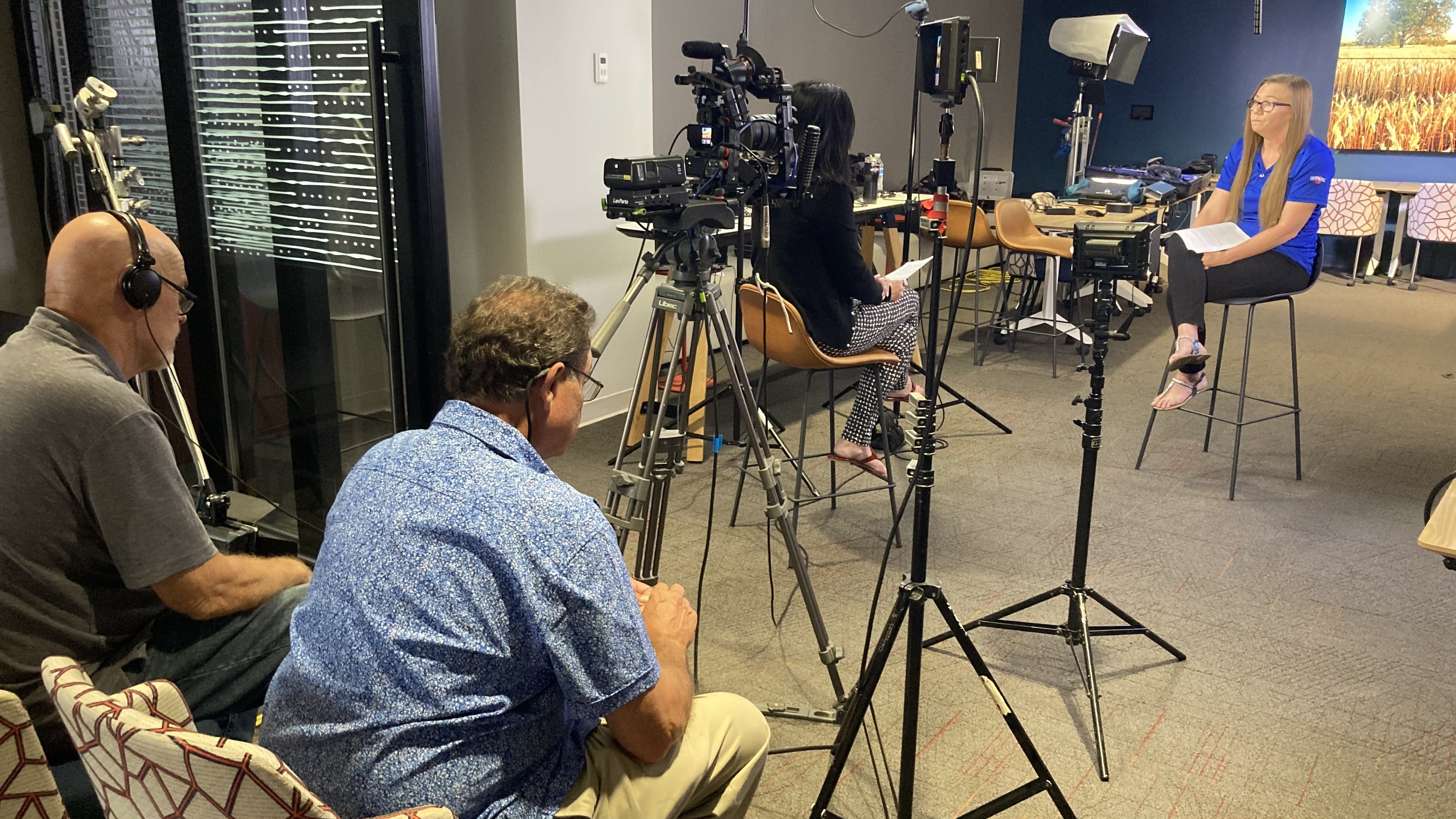
When producing a corporate video, testimonial, or branded content featuring team members or customers with little to no on-camera experience, even the most well-planned shoot can unravel if expectations aren’t clearly communicated. Misalignment between talent, crew, and stakeholders can lead to delays, awkward footage, and additional editing hours. As experienced videographers and producers at St Louis Video Editing, we’ve guided countless amateur participants through the production process — and we’ve learned what works.

If your shoot involves amateur talent, here’s how to get everyone aligned and performing their best on film.


1. Pre-Production Clarity Is Non-Negotiable

Before the cameras roll, clarity and preparation are your best friends. This means:

  • Sending a production brief outlining what the shoot entails, who is involved, call times, wardrobe tips, and script notes (if any).
  • Pre-interviewing amateur participants to build comfort and gain insights into how they speak, act, and might respond in front of a lens.
  • Walking through the creative direction with stakeholders and ensuring all departments (marketing, HR, exec team) understand the vision and their role in the outcome.

2. Run a Pre-Shoot Rehearsal or “Dry Run”

Even if you’re only filming for a short video, a quick walkthrough before the actual shoot day can pay off massively. This helps amateurs:

  • Get familiar with being in front of cameras and lights.
  • Understand cues, pacing, and how to repeat lines naturally.
  • Address nervousness with low-stakes practice in a professional setting.

We often conduct these pre-shoot sessions in our private studio to remove distractions and instill confidence.


3. Simplify the Setup, Streamline the Message

When working with amateurs:

  • Avoid overly complicated scripts. Instead, use natural bullet points they can talk through in their own words.
  • Keep the visual setup minimal and non-intimidating. Use soft lighting and a controlled environment (like our custom interview studio) to eliminate background noise—both literally and figuratively.

Remember, authenticity wins over perfection. A natural, genuine delivery connects far better than a stiff, over-rehearsed one.


4. Assign One Director of Communication

During a shoot, it’s crucial to prevent conflicting directions. Whether you’re on-location or in studio, designate one primary voice—usually the director or producer—to communicate with talent. Too many opinions during filming cause confusion and anxiety, especially for amateurs.

That single point of contact should:

  • Offer encouragement and direction in plain language.
  • Know when to pause, reframe a scene, or re-energize the shoot.
  • Translate marketing goals into clear actions for on-camera talent.

5. Encourage but Never Force

Some participants may freeze under pressure. Others may talk too much. As seasoned producers, we know how to coach performance without pushing too hard. This includes:

  • Letting participants review their footage for self-correction.
  • Using creative cutaways or voiceovers to ease pressure.
  • Reassuring them that mistakes are normal—and fixable in post.

Our editing suite at St Louis Video Editing is designed to polish even the roughest amateur footage into a finished, professional piece.


6. Edit with Empathy and Expertise

Even with strong direction, some amateurs will vary in performance. This is where expert editing becomes essential:

  • We use multi-cam setups to provide flexibility in framing.
  • Our editors cut for rhythm, energy, and believability, often weaving in B-roll to enhance storytelling.
  • AI-assisted software allows us to remove filler words, tighten delivery, and enhance facial expressions without sacrificing authenticity.

The result? Amateurs that sound and look like pros.


Why St Louis Video Editing Makes the Difference

At St Louis Video Editing, we understand the nuances of guiding non-professionals through professional productions. Since 1982, our team has worked closely with businesses, marketing firms, and agencies across St. Louis to produce compelling, clear, and polished media that aligns with brand goals—without putting undue pressure on inexperienced participants.

As a full-service professional commercial photography and video production company, we offer:

  • Full-service studio and on-location video and photography
  • Expert editing, post-production, and licensed drone pilots
  • Custom interview setups, studio lighting, and ample space for props and creative staging
  • The latest in AI editing technologies to enhance and repurpose footage for multi-platform use
  • A dedicated team that can customize your productions to meet any media requirement

From prep to post, we help you get everyone on the same page—on camera and off.

Let St Louis Video Editing be your partner in creating effective, professional videos—whether your talent is camera-ready or not.

314-913-5626

mobuy1@gmail.com

Too Much Footage? Easy Ways to Manage It

In the world of professional video production, having an abundance of footage can be both a blessing and a burden. Whether you’re producing corporate marketing videos, training materials, or brand storytelling content, managing and organizing your footage efficiently is crucial for a smooth workflow and a high-quality final product. Without proper management, excessive footage can slow down the editing process, increase storage costs, and make finding the right shots frustrating. Fortunately, with the right strategies, you can turn that mountain of footage into a streamlined, accessible archive that enhances your production process.

Creating lower-resolution proxy files for initial edits can help streamline workflows.

1. Organize Footage from the Start

One of the most effective ways to manage an overwhelming amount of footage is to stay organized from the very beginning. Here are a few best practices:

  • Use Clear File Naming Conventions: Develop a systematic way to label your files so they can be easily searched. A structure like [ProjectName][Date][Camera]_[Scene] ensures clarity.
  • Create Folder Structures: Organize files into folders by project, date, and type of content (e.g., B-roll, interviews, drone footage).
  • Tag and Metadata: Modern editing software allows for tagging footage with keywords, making future searches much more manageable.

2. Use Proxies for Large Files

High-resolution footage, such as 4K or 8K video, can take up massive amounts of storage and slow down the editing process. Creating lower-resolution proxy files for initial edits can help streamline workflows. Proxy files allow editors to work faster without compromising final quality when exporting the final product.

3. Implement a Smart Storage Strategy

Storage is a key factor in footage management. Here’s how to keep things efficient:

  • Use RAID Storage Systems: Redundant Array of Independent Disks (RAID) setups help prevent data loss and improve access speeds.
  • Cloud Storage and Remote Access: Storing backups in the cloud ensures footage is accessible from multiple locations and safe from hardware failures.
  • External Hard Drives for Archival: Older projects that don’t require immediate access can be moved to high-capacity external hard drives for long-term storage.

4. Utilize Editing Software Features

Advanced editing software, such as Adobe Premiere Pro, DaVinci Resolve, and Final Cut Pro, offer built-in tools to help with footage management:

  • Bins and Labels: Organize clips into bins based on their content type.
  • Markers and Notes: Leave markers on important sections of clips to find key moments quickly.
  • Multicam Editing Features: Synchronize multiple camera angles easily for faster editing.

5. Cut Down on Unnecessary Footage

Instead of keeping every take, be proactive in trimming down the footage during the review process. Identify and save only the most useful clips for the final cut, and archive but not clutter your workspace with excess material.

6. Optimize Your Workflow with a Professional Post-Production Team

If managing excessive footage feels overwhelming, working with a professional post-production team like St. Louis Video Editing can make a significant difference. Our experienced editors and producers specialize in organizing, cutting, and repurposing footage efficiently. With years of experience in corporate, commercial, and marketing video production, we ensure your footage is managed professionally and edited to perfection.


Why Choose St. Louis Video Editing?

At St. Louis Video Editing, we are a full-service professional commercial photography and video production company with the right equipment and creative crew service experience for successful image acquisition. Our expertise includes:

  • Full-Service Studio & Location Video Production: Whether you need a controlled studio environment or dynamic on-location shots, we provide both.
  • Advanced Editing & Post-Production: We handle everything from color grading to motion graphics, ensuring a polished final product.
  • Licensed Drone Pilots: We can capture unique aerial footage, including flying specialized drones indoors.
  • Customized Production Services: Every business has unique media requirements, and we tailor our services to fit yours perfectly.
  • Repurposing Photography & Video Branding: Maximize your existing assets by transforming footage into multiple formats for different marketing channels.
  • Private Studio Lighting & Visual Setups: Ideal for small productions and interview scenes, our studio accommodates customized set designs.

Since 1982, St. Louis Video Editing has collaborated with businesses, marketing firms, and creative agencies across St. Louis to deliver top-tier video production and photography services. Whether you need help organizing your footage or crafting an engaging story from your raw material, our team is here to bring your vision to life.

Need expert footage management and video editing? Let’s talk.

314-913-5626

mobuy1@gmail.com

How to Tell Your Best Business Story Through Video Editing

In the dynamic world of business, effective storytelling is crucial. Video has become a powerful medium for engaging audiences and conveying your brand’s message. But creating compelling video content is only half the battle. The true magic often happens in the editing room, where raw footage is transformed into a polished narrative that resonates with viewers. In this post, we’ll explore how to leverage video editing to tell your best business story, enhancing your brand’s presence and driving engagement.

1. Understand Your Story and Audience

Before diving into editing, it’s essential to have a clear understanding of the story you want to tell and who your audience is. This clarity will guide your editing choices, from the tone and pace to the visual and auditory elements. A well-defined narrative and target audience ensure that your final product speaks directly to the viewers you want to reach.

2. Craft a Compelling Narrative

Effective video editing is all about storytelling. Begin by structuring your footage to create a cohesive and engaging narrative. This involves:

  • Creating a Story Arc: Structure your video with a clear beginning, middle, and end. Start with a hook to grab attention, followed by a detailed exploration of the topic, and conclude with a strong call-to-action.
  • Maintaining Flow: Ensure that your video flows smoothly by connecting scenes logically. Use transitions to bridge gaps and maintain viewer interest without jarring shifts.
  • Highlighting Key Messages: Focus on the core messages you want to communicate. Emphasize these through careful selection of clips, strategic pacing, and reinforcing visuals or text.

3. Utilize Advanced Editing Techniques

To elevate your video and make it stand out, incorporate advanced editing techniques:

  • Color Correction and Grading: Enhance the visual appeal of your footage with color correction and grading. This not only improves the overall look but also sets the tone and mood of your video.
  • Sound Design: Audio plays a crucial role in storytelling. Use sound effects, background music, and voiceovers strategically to complement the visuals and reinforce the message.
  • Text and Graphics: Add text overlays, graphics, and animations to highlight important information, add context, or create visual interest. Ensure they are aligned with your brand’s style and message.

4. Optimize for Multiple Platforms

Different platforms have varying requirements and audience preferences. Edit your video with these considerations in mind:

  • Aspect Ratios: Tailor your video’s aspect ratio for different platforms (e.g., 16:9 for YouTube, 1:1 for Instagram).
  • Length and Format: Adjust the length and format to suit the platform and audience’s expectations. For instance, shorter, punchy videos work well on social media, while longer, more in-depth content may be suitable for a company website.
  • Engagement Features: Incorporate elements that encourage viewer interaction, such as clickable links, calls-to-action, or interactive features where applicable.

5. Repurpose Content for Maximum Impact

To maximize the value of your video content, consider repurposing it across various channels. This could involve creating shorter clips from a longer video, adapting content for different platforms, or using footage in different contexts. Repurposing helps in extending the reach of your content and engaging a wider audience.

6. Leverage Professional Editing Services

For businesses aiming to make a significant impact, working with professional video editors can be invaluable. At St Louis Video Editing, we specialize in transforming your raw footage into a compelling narrative that aligns with your brand’s vision. Our full-service studio and location video and photography, along with expert editing, post-production, and licensed drone pilots, ensure that every aspect of your production is handled with precision and creativity.

We offer a range of services including customizing productions for diverse media requirements, repurposing your photography and video branding, and providing private studio setups perfect for small productions and interview scenes. Our studio is equipped with the latest technology, including specialized drones capable of flying indoors, allowing us to create the perfect environment for your video needs.

With extensive experience working with businesses, marketing firms, and agencies in the St. Louis area since 1982, St Louis Video Editing is well-versed in all file types and media styles, ensuring that we can deliver a final product that meets your highest expectations. Let us help you tell your best business story through expert video editing, enhancing your brand’s presence and driving meaningful engagement.


Feel free to reach out to us at St Louis Video Editing for all your video production needs. We’re here to help you create captivating content that makes a lasting impression.

314-913-5626

mobuy1@gmail.com

Breaking Down the Different Types of Cuts for Effective Pacing

In the realm of visual storytelling, the pace at which your story unfolds can make or break its impact. Whether you’re producing a commercial, promotional video, or a corporate presentation, understanding the various types of cuts and how to employ them effectively is crucial. Each cut serves a specific purpose in shaping the rhythm and flow of your narrative, allowing you to maintain viewer engagement and convey your message with precision.

By mastering the art of cutting, you gain the ability to control the tempo, mood, and overall impact of your video.

Understanding the Basics: What is a Cut?

A cut is a fundamental editing technique where one shot transitions to another, creating a seamless flow of visuals. It’s the building block of video editing, enabling you to stitch together different shots to construct a coherent and compelling story. By mastering the art of cutting, you gain the ability to control the tempo, mood, and overall impact of your video.

Types of Cuts:

  1. Straight Cut (or Hard Cut): This is the most basic type of cut, where one shot abruptly transitions to the next without any visual effects or transitions. It’s a straightforward method that maintains continuity and keeps the focus on the content.
  2. Jump Cut: A jump cut occurs when consecutive shots of the same subject are edited together, creating a noticeable jump in time or space. While traditionally frowned upon, jump cuts can be used creatively to convey a sense of urgency or to emphasize a particular aspect of the narrative.
  3. Cross Cut (or Parallel Editing): Cross cutting involves alternating between two or more different scenes or storylines that are unfolding simultaneously. It’s often used to build tension, create suspense, or highlight the connection between different events.
  4. Fade Cut (or Fade to Black): In a fade cut, the first shot gradually fades out as the next shot fades in. It’s a gentle transition that can signify a passage of time, change in location, or shift in mood.
  5. Match Cut: A match cut is a transition between two shots that are visually or thematically similar, creating a seamless connection between them. It’s an effective way to emphasize continuity or draw parallels between different elements of the story.
  6. L Cut and J Cut: These are audio-driven cuts where the audio from the preceding shot continues into the following shot (L Cut) or vice versa (J Cut). They help maintain the flow of dialogue and keep the viewer engaged in the conversation.
  7. Wipe Cut: A wipe cut involves one shot “pushing” the previous one off the screen in a particular direction. It’s a dynamic transition that can add energy and visual interest to your video.

Choosing the Right Cut for Your Project

The key to effective pacing lies in selecting the appropriate cut for each moment in your story. Consider factors such as the tone, mood, and message you want to convey, as well as the pacing of your narrative. Experiment with different cuts during the editing process to find the perfect balance between continuity and creativity.

Elevate Your Productions with St Louis Video Editing

As a full-service video and photography production company, St Louis Video Editing has the expertise and resources to bring your vision to life. From capturing stunning visuals to seamless editing and post-production, our team is dedicated to delivering high-quality results that exceed your expectations. With our extensive experience and state-of-the-art equipment, we can customize your productions to meet a diverse range of media requirements.

Repurposing your photography and video branding to gain more traction is another specialty of ours. We are well-versed in all file types and styles of media and accompanying software, ensuring that your content stands out in today’s competitive landscape.

Partner with St Louis Video Editing for your next project and experience the difference that professional expertise can make. Contact us today to discuss your photography and video production needs.

As a full-service video and photography production company, St Louis Video Editing has worked with many businesses, marketing firms, and agencies in the St. Louis area for their corporate photography and video.

314-913-5626

mobuy1@gmail.com

Mastering Video Editing for Testimonials: Tips and Tricks from the Pros

In the digital age, testimonials have become a cornerstone of successful branding and marketing strategies for businesses and organizations of all sizes. Authentic customer reviews and testimonials can be a powerful tool to build trust, establish credibility, and showcase the value of your products or services. However, creating compelling testimonial videos requires more than just recording satisfied customers talking about their experiences. To truly make an impact, you need to master the art of video editing for testimonials. As experienced video editors and producers at St Louis Video Editing, we are here to share our expertise and guide you through the process.

If you have multiple testimonials, consider creating a compilation video featuring several satisfied customers.

The Importance of Testimonial Videos

Before we dive into the nitty-gritty of video editing, let’s understand why testimonial videos are so essential in today’s marketing landscape.

  1. Builds Trust: Testimonials provide social proof, reassuring potential customers that others have had positive experiences with your business.
  2. Humanizes Your Brand: Video testimonials put a face to your brand. They allow your audience to connect with real people who have benefited from your products or services.
  3. Engages Audiences: Videos are inherently more engaging than text or static images. Testimonial videos grab viewers’ attention and keep them engaged.
  4. Boosts Conversions: According to studies, including testimonials on a landing page can increase conversions by up to 80%.

Now that you understand why testimonials are crucial, let’s explore the key steps and video editing techniques to master the art of creating impactful testimonial videos.

Step 1: Planning Your Testimonial Video

Identify Your Key Message

Before you even start filming, it’s essential to define the key message you want your testimonial video to convey. What aspect of your product or service do you want to highlight? Is it exceptional customer service, a unique feature, or a transformational experience? Knowing your message will help shape the direction of your video.

Select the Right Interviewees

Not every customer is a great fit for a testimonial video. Look for customers who are enthusiastic, articulate, and genuinely satisfied with your offerings. Their passion will come through on camera and resonate with viewers.

Craft Open-Ended Questions

Prepare a list of open-ended questions to guide your interviewees. These questions should encourage them to share their experiences, challenges, and the benefits they’ve gained from your product or service. Examples include:

  • Can you describe the problem you were trying to solve before using our product/service?
  • How has our product/service made a difference in your life or business?
  • What would you say to someone considering our product/service?

Step 2: Filming Your Testimonial

Choose the Right Setting

Select a quiet and well-lit location for the interview. Natural light is often the best choice, but if that’s not possible, invest in good-quality lighting equipment. The background should be relevant but not distracting.

Use High-Quality Equipment

Invest in a good camera, microphone, and tripod. High-quality audio is just as crucial as video quality. Ensure that the interviewee’s voice is clear and free of background noise.

Record B-Roll Footage

In addition to the interview, capture supplementary footage (B-roll) that complements the story. This could include shots of your product in action, the interviewee using your service, or relevant behind-the-scenes clips.

Step 3: The Art of Video Editing for Testimonials

Organize Your Footage

Start by transferring all your footage to your editing software. Ensure that everything is properly labeled and organized to streamline the editing process.

Create a Storyboard

Before you begin editing, create a storyboard or script. This will help you outline the structure of your video and determine which clips to include. A typical structure might include an introduction, the customer’s story, the benefits they’ve gained, and a conclusion.

Trim and Cut

Begin by trimming down the interview footage to select the most compelling and concise statements. Remove any pauses, filler words, or irrelevant content. Keep the viewer engaged by maintaining a steady pace.

Add B-Roll Footage

Integrate the B-roll footage to complement and illustrate the interviewee’s narrative. Use transitions and effects to smoothly transition between the interview and B-roll footage.

Enhance Audio

Audio is a critical aspect of video editing. Use audio editing tools to eliminate background noise, enhance voice clarity, and add music or sound effects if appropriate.

Color Correction and Grading

Ensure that your video has a consistent and professional look by adjusting colors, brightness, and contrast. Color grading can help evoke specific emotions and match your brand’s aesthetic.

Add Captions and Graphics

Include captions for accessibility and to ensure your message is clear, even when viewers can’t turn on the sound. Additionally, add graphics, text overlays, and logos to reinforce key points.

Testimonials Compilation

If you have multiple testimonials, consider creating a compilation video featuring several satisfied customers. This can be a powerful way to showcase a range of positive experiences with your brand.

Step 4: Review and Feedback

After you’ve completed the initial edit, share the video with your team or stakeholders for feedback. This is a crucial step to ensure that your message is clear and that the video aligns with your brand’s image and goals.

Step 5: Finalize and Export

Once you’ve incorporated feedback and made any necessary adjustments, it’s time to finalize your testimonial video. Export it in the appropriate format and resolution for your chosen distribution platforms.

Step 6: Promote Your Testimonial Video

Your hard work doesn’t end with video editing. To maximize the impact of your testimonial video:

  • Optimize for SEO: Use relevant keywords in the video title, description, and tags to improve its discoverability on platforms like YouTube.
  • Share on Social Media: Share the video on your social media channels to reach your audience where they are most active.
  • Embed on Your Website: Place the video prominently on your website, especially on pages where prospects are likely to visit.
  • Email Marketing: Include a link to the video in your email marketing campaigns to engage with your existing audience.
  • Paid Advertising: Consider running paid advertising campaigns to promote your testimonial video to a broader audience.

Conclusion

Mastering video editing for testimonials is an art that requires careful planning, creativity, and technical expertise. By following the steps outlined in this guide, you can create testimonial videos that captivate your audience, build trust, and drive conversions.

At St Louis Video Editing, we understand the power of compelling testimonial videos in corporate branding and business marketing. With years of experience in video production and editing, we have helped businesses and organizations of all types and sizes in the St. Louis area leverage the potential of video testimonials.

As a full-service photography and video production company based in St. Louis, we can accommodate all your video and photography marketing requirements. Whether you need testimonial videos, product showcases, event coverage, or any other multimedia creation, we have the expertise to bring your vision to life.

Don’t miss out on the opportunity to harness the persuasive potential of testimonial videos. Contact St Louis Video Editing today to learn how we can help elevate your brand and amplify your marketing efforts through the art of video editing.

Contact us now to get started on your journey to video marketing success!

314-913-5626

mobuy1@gmail.com