Tag Archives: st louis photo studio

Getting the Best Ground and Drone Shots Together: A Strategic Guide to Visual Storytelling

In today’s fast-paced visual media landscape, combining ground and drone footage is no longer just a luxury—it’s a competitive advantage. When done right, the interplay between aerial and ground-level shots creates depth, scale, and emotional engagement that static visuals alone cannot achieve. Whether you’re producing a brand video, a commercial, or a marketing campaign for a product or service, integrating these two perspectives ensures a more dynamic and immersive story.

At St Louis Video Editing, we understand the technical and creative nuances that go into blending ground and drone footage. In this post, we’ll walk you through the essentials of capturing cohesive visuals from both the sky and the ground—and how thoughtful planning and editing elevate your project.


1. The Power of Perspective

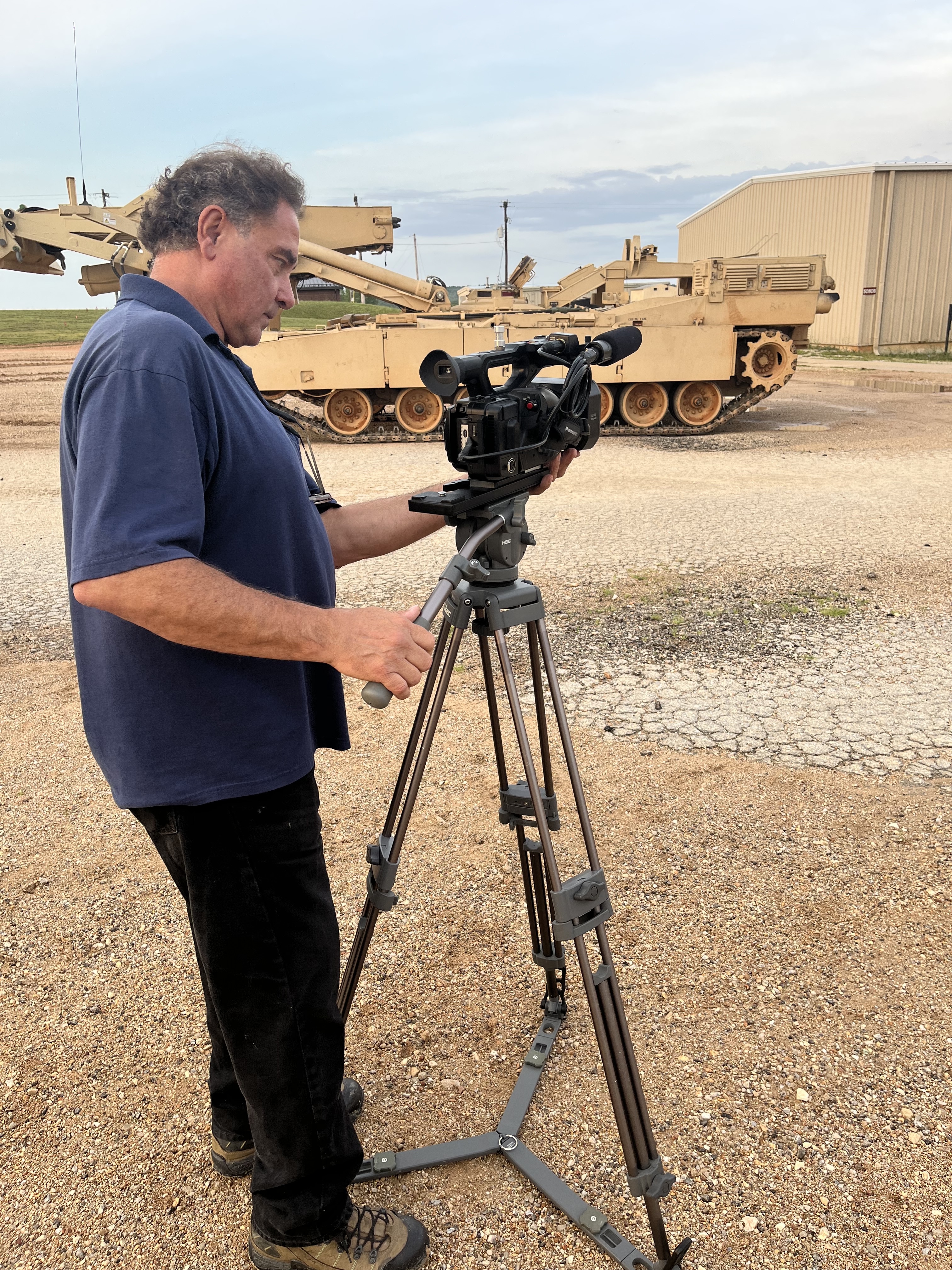
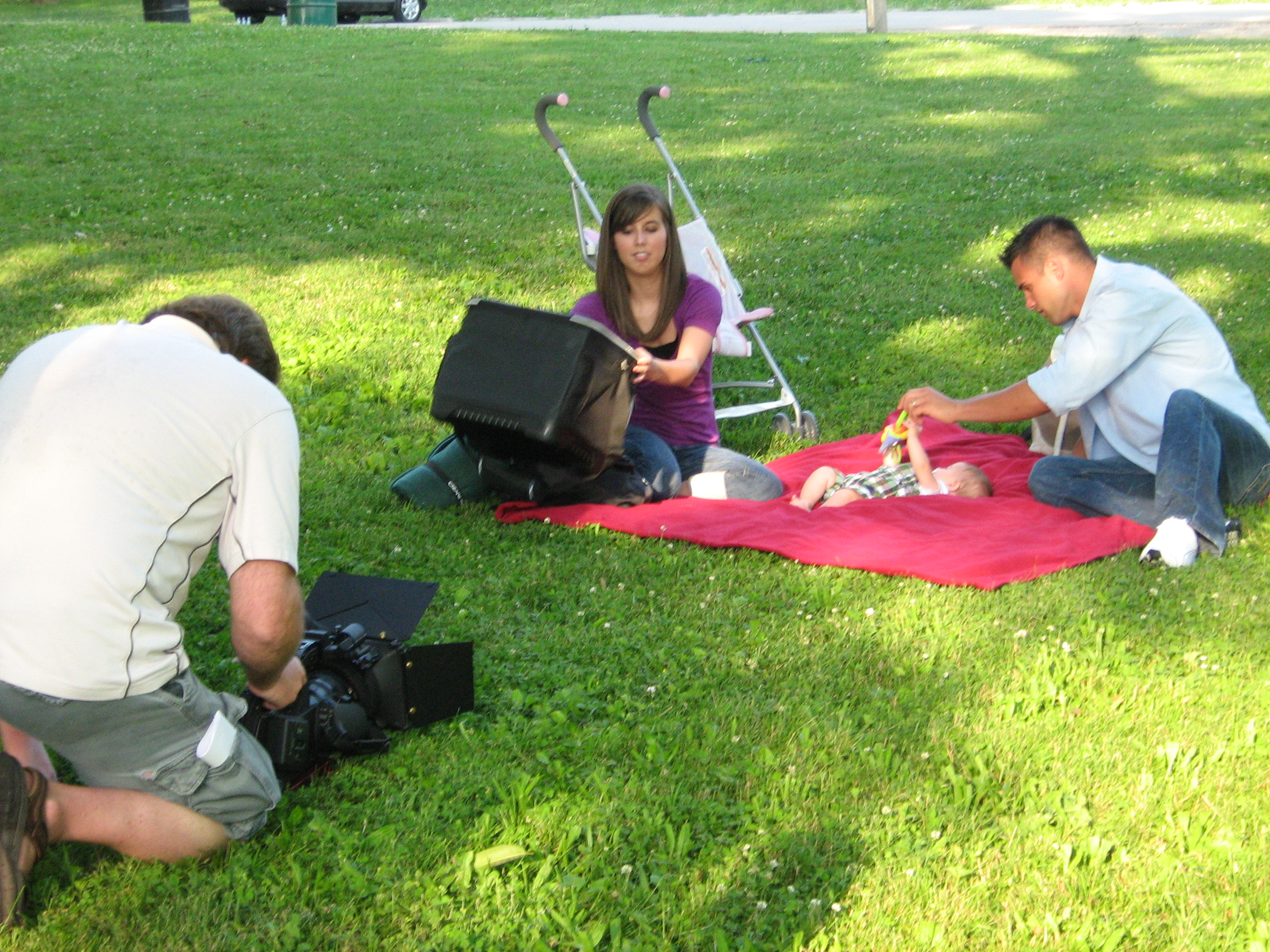
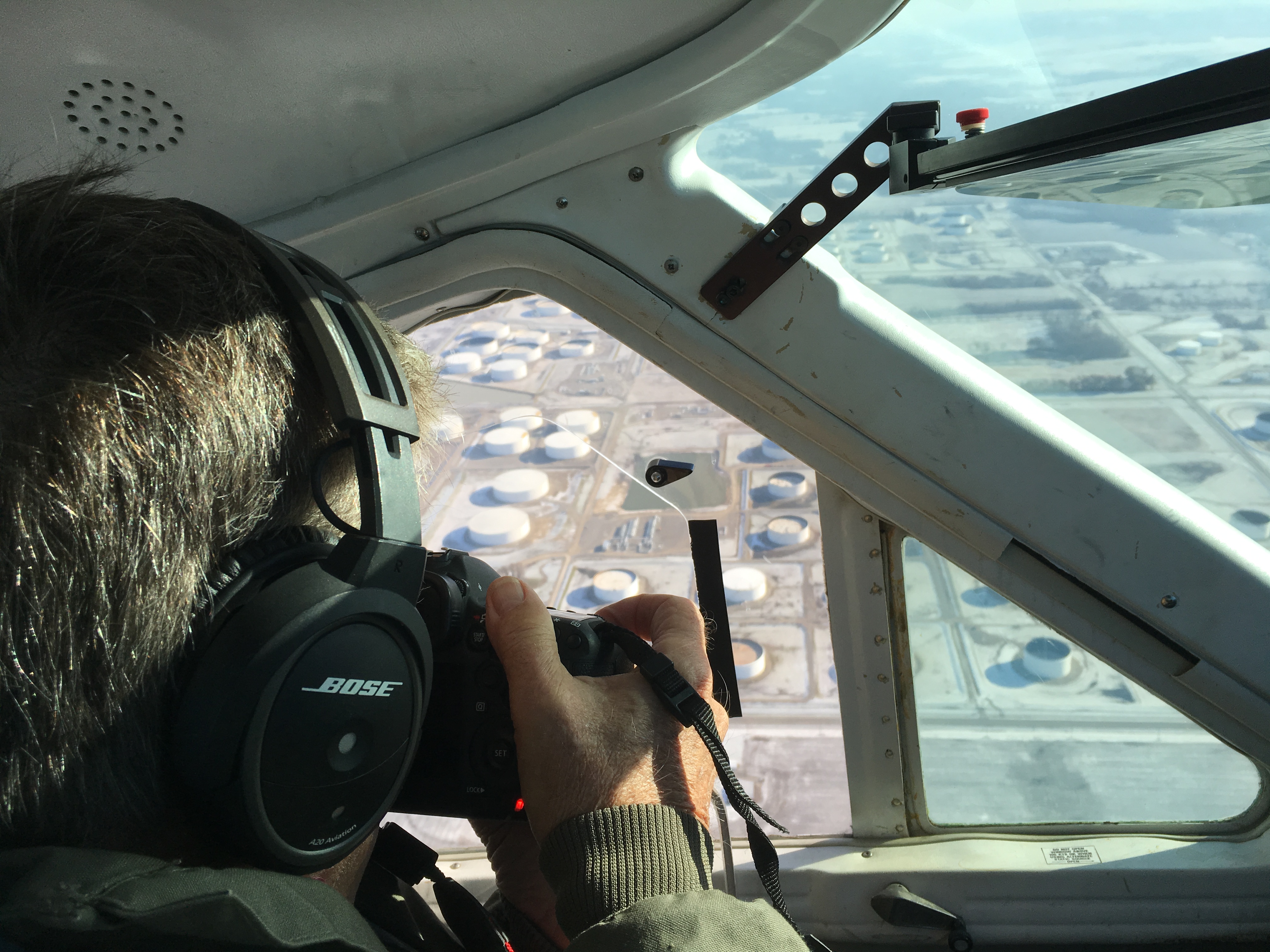
Ground shots give intimacy, texture, and direct storytelling—ideal for interviews, close-up product shots, and detailed walkthroughs. Drone shots, on the other hand, reveal context, scale, and movement. When combined, they work together to:

  • Highlight both the macro and micro elements of your story
  • Establish a location, then dive into specific details
  • Transition between scenes with smooth and professional pacing

The contrast between these vantage points helps your audience experience a story both emotionally and spatially.
2. Planning for Cohesion Before Shooting

To achieve seamless integration of drone and ground footage, it’s crucial to plan for:

  • Shot continuity: Matching camera movement, frame rates, and lighting styles helps maintain a consistent feel.
  • Purposeful transitions: Drone shots shouldn’t just be pretty visuals—they should serve a function: an establishing shot, a reveal, or a dynamic scene transition.
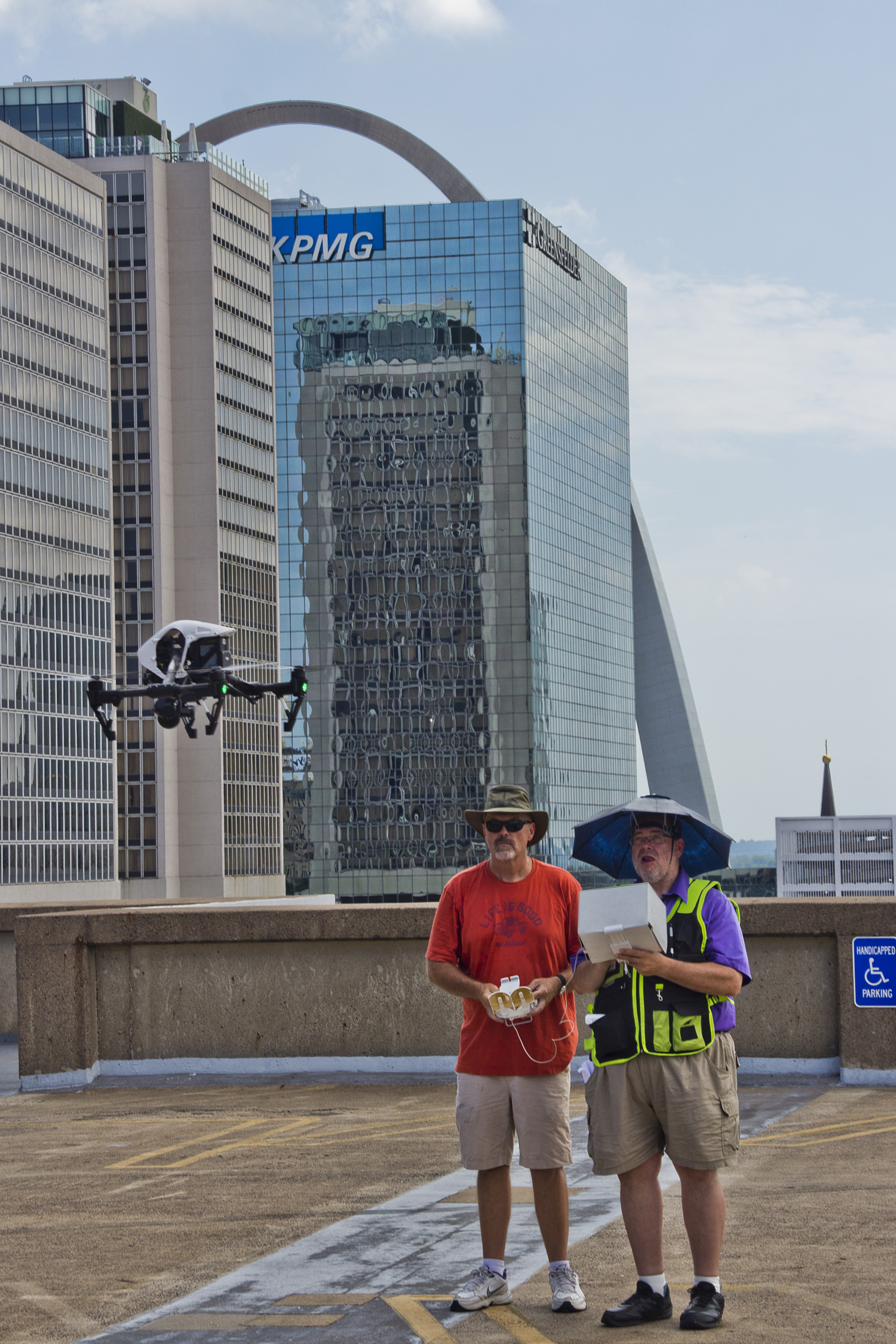
  • Location logistics: Ensuring the drone and ground crews aren’t in each other’s shots (unless intended) saves time in post-production.

A coordinated storyboard or shot list is key. At St Louis Video Editing, our producers work with clients beforehand to design these visual blueprints.
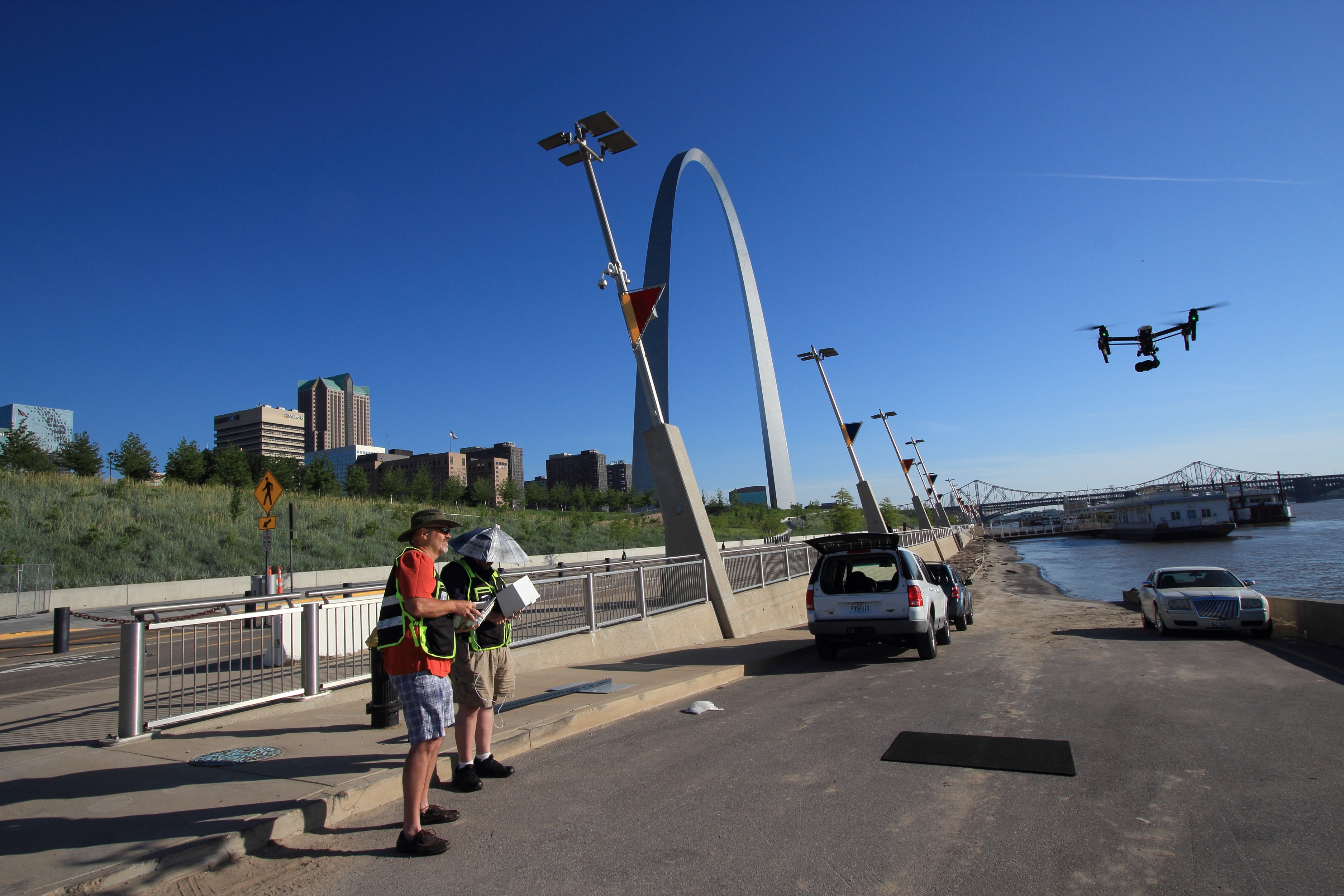
3. Equipment and Camera Matching

Matching cameras—or at least matching color profiles and resolution settings—is critical to maintaining consistency between ground and aerial footage. Our team uses professional-grade camera systems that are either matched or calibrated in post.

Key equipment considerations:

  • Gimbals for smooth motion on the ground
  • Stabilized drones for cinematic flight footage
  • Lens selection to keep visual continuity between shots

We also monitor weather and lighting conditions to optimize visual consistency across shots.


4. The Art of Editing Ground and Drone Together

The magic often happens in post. The editing process involves:

  • Color grading to unify tone and atmosphere
  • Motion matching so aerial fly-ins and ground pans blend seamlessly
  • Audio design that syncs location ambiance and background music with changing perspectives

We employ the latest AI-assisted editing tools to enhance footage without losing its authenticity, allowing for efficient workflows while maintaining high creative standards.


5. Creative Ways to Use Ground + Drone Footage

  • Construction updates: Drone shots show scale and progress, ground footage captures specific milestones.
  • Real estate marketing: Aerial views show property layout and surroundings, while interior walkthroughs build buyer interest.
  • Brand documentaries: Start with an aerial view of your facility or event and dive into employee stories or customer experiences.
  • Corporate testimonials: Pair a ground-level interview with a dynamic drone B-roll of the business in action.

Trust St Louis Video Editing with Your Ground and Drone Integration

With decades of experience capturing and editing compelling visuals, St Louis Video Editing is your trusted partner for cohesive ground and aerial productions. We are a full-service professional commercial photography and video production company, offering everything from custom studio interview setups to FAA-licensed drone pilots who can even fly indoors.

We support every step of your production—from location scouting to color grading—ensuring your message is clear, compelling, and ready for any media platform. Our experienced team uses the latest AI-powered editing software, industry-standard equipment, and creative vision to tailor every project to your brand’s unique voice.

Whether you’re building a campaign from scratch or refreshing your visual content, St Louis Video Editing specializes in repurposing your photography and video branding to help you gain more traction in a saturated market.

Let us help you capture your business from every angle—literally.


Since 1982, we’ve worked with businesses, marketing firms, and creative agencies across the St. Louis area. Our studio is outfitted with customizable sets, private lighting setups, and plenty of space to build out your vision. When you’re ready to integrate ground and drone shots into a high-impact marketing tool, give St Louis Video Editing a call.

Let’s create something that takes your message to new heights.
314-913-5626

mobuy1@gmail.com

Video and Photo Pre-Construction Visual Surveying

In the world of construction, project managers, architects, and contractors are continually seeking ways to improve efficiency, reduce risk, and ensure the successful completion of projects. One effective way to achieve these goals is by utilizing pre-construction visual surveying through video and photography. By capturing detailed images and videos of a construction site before work begins, stakeholders can gain valuable insights that help streamline the entire process.

Visual surveys identify potential hazards before construction begins, allowing teams to proactively address any safety concerns.

1. Comprehensive Site Documentation

Video and photo documentation of a site before construction begins provides a complete and accurate record of the location. This thorough documentation can serve a variety of important purposes throughout the construction process:

  • Establishing a Baseline: Having clear, high-quality visuals before work starts creates a baseline for comparison throughout the project.
  • Preventing Disputes: Should any disputes arise about property conditions, site damage, or boundaries, having a visual record can help resolve conflicts efficiently.
  • Ensuring Compliance: Many construction projects must meet local regulatory requirements. Pre-construction surveys can provide visual proof that all site conditions align with the necessary codes.

2. Improved Project Planning

Utilizing video and photography for pre-construction surveying aids in better planning and decision-making by providing valuable insights into the site’s physical features:

  • Identifying Potential Challenges: Visual surveys can reveal issues such as site access, nearby structures, or environmental factors that might not be easily identified through traditional surveying methods.
  • Enhanced Resource Allocation: By understanding the specific conditions of the site, project managers can allocate resources more effectively, ensuring that time, labor, and materials are used most efficiently.

3. Effective Stakeholder Communication

Communication is critical to any project’s success, and video and photo documentation can be an essential tool for keeping all stakeholders informed:

  • Clear Visual Presentations: Video and photographs present complex information in an easily digestible format, making it easier to communicate project details to clients, contractors, and other key parties.
  • Progress Tracking: As construction progresses, video updates provide stakeholders with a clear view of how the project is evolving, keeping everyone aligned and informed.

4. Increased Safety and Risk Management

Ensuring safety on construction sites is paramount. Pre-construction visual surveying can help mitigate risks and improve safety protocols:

  • Hazard Identification: Visual surveys identify potential hazards before construction begins, allowing teams to proactively address any safety concerns.
  • Training and Orientation: Photos and videos of the site can serve as valuable tools for safety training, ensuring workers are familiar with the environment before they begin working.

5. Streamlined Execution and Monitoring

With a detailed visual record in place, managing the construction process becomes much easier:

  • Better Decision-Making: Access to high-quality visual data enables more informed decisions throughout the project, helping to avoid costly delays or mistakes.
  • Effective Monitoring: Continuous visual documentation during construction allows for easy comparison to the initial site conditions, helping project managers ensure that the work is progressing as planned.

Conclusion

Pre-construction visual surveying with video and photography offers clear advantages for construction projects. By providing a detailed, comprehensive view of the site, these visual tools enhance documentation, improve planning, and facilitate communication among stakeholders. They also ensure that safety risks are managed and that the project stays on track from start to finish.

At St Louis Video Editing, we specialize in transforming raw footage and photography into compelling, high-quality video content for a variety of industries, including construction. With over 40 years of experience, we offer full-service video production and editing, from initial footage acquisition to final post-production. Our team has the skills and expertise to enhance your visual surveying projects, ensuring that every detail is captured perfectly.

Whether you need high-quality video or photography for a construction site or help editing and repurposing content for a more impactful presentation, St Louis Video Editing provides the right equipment, creative crew, and production services to meet your needs. With a private studio equipped for smaller productions and interviews, we offer a customized approach to every project, including the ability to fly specialized drones indoors for unique perspectives. Let us help you capture the details of your project to streamline your workflow, improve communication, and manage your construction process more effectively.

314-913-5626

mobuy1@gmail.com

How to Tell Your Best Business Story Through Video Editing

In the dynamic world of business, effective storytelling is crucial. Video has become a powerful medium for engaging audiences and conveying your brand’s message. But creating compelling video content is only half the battle. The true magic often happens in the editing room, where raw footage is transformed into a polished narrative that resonates with viewers. In this post, we’ll explore how to leverage video editing to tell your best business story, enhancing your brand’s presence and driving engagement.

1. Understand Your Story and Audience

Before diving into editing, it’s essential to have a clear understanding of the story you want to tell and who your audience is. This clarity will guide your editing choices, from the tone and pace to the visual and auditory elements. A well-defined narrative and target audience ensure that your final product speaks directly to the viewers you want to reach.

2. Craft a Compelling Narrative

Effective video editing is all about storytelling. Begin by structuring your footage to create a cohesive and engaging narrative. This involves:

  • Creating a Story Arc: Structure your video with a clear beginning, middle, and end. Start with a hook to grab attention, followed by a detailed exploration of the topic, and conclude with a strong call-to-action.
  • Maintaining Flow: Ensure that your video flows smoothly by connecting scenes logically. Use transitions to bridge gaps and maintain viewer interest without jarring shifts.
  • Highlighting Key Messages: Focus on the core messages you want to communicate. Emphasize these through careful selection of clips, strategic pacing, and reinforcing visuals or text.

3. Utilize Advanced Editing Techniques

To elevate your video and make it stand out, incorporate advanced editing techniques:

  • Color Correction and Grading: Enhance the visual appeal of your footage with color correction and grading. This not only improves the overall look but also sets the tone and mood of your video.
  • Sound Design: Audio plays a crucial role in storytelling. Use sound effects, background music, and voiceovers strategically to complement the visuals and reinforce the message.
  • Text and Graphics: Add text overlays, graphics, and animations to highlight important information, add context, or create visual interest. Ensure they are aligned with your brand’s style and message.

4. Optimize for Multiple Platforms

Different platforms have varying requirements and audience preferences. Edit your video with these considerations in mind:

  • Aspect Ratios: Tailor your video’s aspect ratio for different platforms (e.g., 16:9 for YouTube, 1:1 for Instagram).
  • Length and Format: Adjust the length and format to suit the platform and audience’s expectations. For instance, shorter, punchy videos work well on social media, while longer, more in-depth content may be suitable for a company website.
  • Engagement Features: Incorporate elements that encourage viewer interaction, such as clickable links, calls-to-action, or interactive features where applicable.

5. Repurpose Content for Maximum Impact

To maximize the value of your video content, consider repurposing it across various channels. This could involve creating shorter clips from a longer video, adapting content for different platforms, or using footage in different contexts. Repurposing helps in extending the reach of your content and engaging a wider audience.

6. Leverage Professional Editing Services

For businesses aiming to make a significant impact, working with professional video editors can be invaluable. At St Louis Video Editing, we specialize in transforming your raw footage into a compelling narrative that aligns with your brand’s vision. Our full-service studio and location video and photography, along with expert editing, post-production, and licensed drone pilots, ensure that every aspect of your production is handled with precision and creativity.

We offer a range of services including customizing productions for diverse media requirements, repurposing your photography and video branding, and providing private studio setups perfect for small productions and interview scenes. Our studio is equipped with the latest technology, including specialized drones capable of flying indoors, allowing us to create the perfect environment for your video needs.

With extensive experience working with businesses, marketing firms, and agencies in the St. Louis area since 1982, St Louis Video Editing is well-versed in all file types and media styles, ensuring that we can deliver a final product that meets your highest expectations. Let us help you tell your best business story through expert video editing, enhancing your brand’s presence and driving meaningful engagement.


Feel free to reach out to us at St Louis Video Editing for all your video production needs. We’re here to help you create captivating content that makes a lasting impression.

314-913-5626

mobuy1@gmail.com

The Science behind Testimonial Videos: How Editing Influences Viewer Perception

Understanding the Power of Video Editing in Testimonial Videos


The editing process plays a crucial role in shaping viewer perception and maximizing the testimonial video’s effectiveness.

Introduction

One powerful tool that has gained immense popularity in recent years is video testimonials. Testimonial videos offer a unique opportunity to showcase satisfied customers, share their experiences, and build trust with potential clients.

However, creating an impactful testimonial video goes beyond capturing a satisfied customer’s thoughts on camera. The editing process plays a crucial role in shaping viewer perception and maximizing the video’s effectiveness. In this article, we will delve into the science behind testimonial video editing and explore how it influences viewer perception.

The Power of Testimonial Videos

Before we dive into the editing techniques, let’s first understand why testimonial videos are so powerful in the realm of marketing and branding. Testimonial videos provide social proof, offering genuine feedback from real customers. When potential customers see others expressing satisfaction with a product or service, it helps build credibility and trust.

Video testimonials also create an emotional connection. By showcasing the emotions, body language, and facial expressions of satisfied customers, businesses can tap into the power of storytelling, making their message more relatable and memorable. This emotional resonance can significantly impact viewers’ decision-making process and drive them towards making a purchase or taking a desired action.

The Art of Testimonial Video Editing

Now that we understand the importance of testimonial videos, let’s explore how the editing process influences viewer perception. Skilled video editors have the ability to craft compelling narratives, control pacing, highlight key messages, and evoke desired emotions. Here are some essential editing techniques used to enhance the impact of testimonial videos:

1. Crafting a Captivating Storyline

A well-edited testimonial video should tell a story that captivates the viewers from beginning to end. The editor carefully selects and arranges the footage to create a narrative arc that engages the audience. The story should flow seamlessly, with a clear beginning, middle, and end, capturing the viewer’s attention and keeping them invested in the testimonial.

2. Selective Editing and Montages

Editors often have hours of footage to work with, but a testimonial video should be concise and focused. Through selective editing, irrelevant or repetitive content is removed, leaving only the most impactful moments. Montages can be used to condense multiple customer experiences into a concise and visually stimulating sequence, reinforcing the main message.

3. Enhancing Emotional Impact

Emotions are a powerful driver of human behavior. Skilled editors understand how to amplify the emotional impact of a testimonial video by utilizing techniques such as music, color grading, and pacing. Well-chosen background music can evoke specific emotions and set the tone for the video. Color grading can enhance the mood, making the video more visually appealing and emotionally resonant.

4. Adding Visual Enhancements

Visual enhancements, such as text overlays, graphics, and animations, can be strategically incorporated to reinforce key points and highlight important information. Text overlays can emphasize key quotes or statistics, making them more memorable. Graphics and animations can add a professional touch and create visual interest, enhancing the overall viewing experience.

5. Seamless Transitions

Smooth transitions between shots help maintain a cohesive flow and prevent distractions. By using techniques like crossfades, dissolves, or match cuts, editors can seamlessly blend different segments of the testimonial video together, creating a polished and professional look.

6. Call-to-Action Integration

The ultimate goal of a testimonial video is to encourage viewers to take action. Editors can strategically integrate a strong call-to-action at the end of the video, guiding viewers towards the desired next steps. Whether it’s visiting a website, making a purchase, or contacting the business, a well-crafted call-to-action can significantly impact conversion rates.

St Louis Video Editing: Your Full-Service Video Production Partner

At St Louis Video Editing, we understand the science behind testimonial video editing and its impact on viewer perception. As a full-service commercial photography and video production company based in St. Louis, we are dedicated to helping businesses enhance their branding and marketing communication needs.

With years of experience and a team of skilled video editors and producers, St Louis Video Editing has created hundreds of video productions all over the St. Louis region. We are well-versed in all aspects of video production, including testimonial videos. Our expertise in editing techniques and storytelling enables us to create testimonial videos that captivate, engage, and inspire action.

Whether you need assistance in crafting a compelling storyline, selecting the most impactful footage, or adding visual enhancements, we have the expertise to bring your testimonial videos to life. We pride ourselves on delivering high-quality video editing services tailored to our clients’ unique needs and objectives.

If you are ready to harness the power of testimonial videos and elevate your brand’s perception, look no further than St Louis Video Editing. Contact us today to discuss how we can help you achieve your branding and marketing goals through powerful testimonial video editing.


314-913-5626

mobuy1@gmail.com

The Amazing Power of Video Editing: Uncovering the Art of Setting the Pace!

Pacing is an important element of video editing and is often overlooked by novice video editors. Pacing is the speed at which the video moves from one clip to the next. It can be used to create tension, drama, excitement, and other emotions in the video.

In the age of video content, the art of video editing has become increasingly important. Video editing is the process of manipulating video clips in order to create a more polished and professional video. It involves rearranging, trimming, and splicing together video clips to create a cohesive and engaging video.

As a video editor, it is important to understand the basics of video editing in order to create compelling videos. In this blog article, we will explore the basics of video editing, the importance of pacing in video editing, how to set the pace to keep your audience engaged, what to do when the pace of the video is off, and tips and tricks for successful video editing.

Introduction to Video Editing

Video editing is the process of manipulating video clips in order to create a more polished and professional video. It involves rearranging, trimming, and splicing together video clips to create a cohesive and engaging video. This process is often referred to as “post production” or “post-production” in the video industry. A video editor is the person responsible for editing the video footage and creating the final product.

Video editing is an important skill for anyone who wants to create professional-quality videos. It takes a lot of skill and creativity to make a video that is engaging and captivating. However, with the right tools and techniques, it is possible to create videos that are both visually pleasing and emotionally compelling.

The Basics of Video Editing

Before you can begin to edit a video, it is important to understand the basics of video editing. The most basic element of video editing is trimming, which is the process of removing unnecessary footage from the beginning or end of a clip. This is often done to cut down on the length of the video or to remove irrelevant footage.

Another important element of video editing is splicing, which is the process of combining two or more video clips into one. This can be used to transition between two scenes or to create a montage of different clips. Splicing is an incredibly powerful tool for creating engaging and compelling videos.

The last element of video editing is color correction, which is the process of adjusting the colors of the video in order to make it look more pleasing to the eye. This is done by adjusting the hue, saturation, and brightness of the video. Color correction is an important part of creating a professional-looking video.

The Importance of Pacing in Video Editing

Once you have a basic understanding of the elements of video editing, you can begin to focus on the pacing of the video. Pacing is an important element of video editing and is often overlooked by novice video editors. Pacing is the speed at which the video moves from one clip to the next. It can be used to create tension, drama, excitement, and other emotions in the video.

Pacing is also important for keeping your audience engaged. If the pacing of the video is too slow, it can become boring and tedious. Conversely, if the pacing of the video is too fast, it can be difficult to follow and the audience may not be able to keep up. It is important to find the right balance of pacing in order to keep your audience engaged and interested.

How to Set the Pace to Keep Your Audience Engaged

Setting the right pace for your video is essential for keeping your audience engaged. There are a few key elements that can help you set the right pace for your video.

First, it is important to consider the length of the video. A shorter video will generally move at a faster pace than a longer video. You should also consider the type of video you are editing. For example, a documentary will move at a slower pace than an action sequence.

Second, it is important to consider the pace of the music and sound effects. Music and sound effects can be used to create suspense, excitement, and drama in a video. It is important to use these elements to manipulate the pace of the video and keep your audience engaged.

Third, it is important to consider the visual effects of the video. Visual effects such as transitions and slow motion can be used to create tension and drama in a video. It is important to use these elements to manipulate the pace of the video and keep your audience engaged.

Finally, it is important to consider the pacing of the dialogue. Dialogue can be used to move the story along and create a sense of urgency. It is important to use dialogue to manipulate the pace of the video and keep your audience engaged.

What to do When the Pace of the Video is Off

If the pacing of your video is off, there are a few steps you can take to fix it. First, it is important to identify the problem. Is the video too long, too short, or too slow? Once you have identified the problem, you can start to make adjustments.

If the video is too long or too slow, you can trim the video to make it shorter and faster. You can also use sound effects, music, and visual effects to manipulate the pace of the video. For example, you can use fast-paced music to speed up the pace of the video or slow-paced music to slow it down. You can also use transitions and slow motion to create tension and drama in the video.

If the video is too short or too fast, you can add in additional footage or create a montage of clips to extend the video. You can also use sound effects and music to slow down the pace of the video. You can also use visual effects such as slow motion and transitions to create a sense of urgency in the video.

Utilizing Sound Effects and Music to Manipulate the Pace of a Video

Sound effects and music can be used to manipulate the pace of a video. Music can be used to create tension, excitement, and drama in a video. It can also be used to slow down or speed up the pace of the video.

Sound effects can also be used to manipulate the pace of a video. Sound effects can be used to create tension, suspense, and drama in a video. It can also be used to slow down or speed up the pace of the video.

When using sound effects and music to manipulate the pace of a video, it is important to ensure that the sound effects and music are in sync with the visuals. If the sound effects and music are out of sync with the visuals, it can be distracting and disorienting for the audience.

Using Visual Effects to Influence the Pace of a Video

Visual effects can also be used to manipulate the pace of a video. Visual effects such as transitions and slow motion can be used to create tension and drama in a video. Transitions can be used to move quickly between scenes, while slow motion can be used to slow down the pace of the video.

It is important to use visual effects sparingly and strategically. Too many visual effects can be distracting and disorienting for the audience. It is important to use visual effects to enhance the story and keep your audience engaged.

It is possible to make alterations to the speed of a video by using visual effects. These effects, such as slow motion and transitions, can be used to create a feeling of tension or drama.

Different Types of Video Editing Software

There are a variety of different types of video editing software available. Professional video editors typically use Adobe Premiere Pro or Final Cut Pro, both of which are powerful video editing tools. Other popular video editing tools include Sony Vegas, Avid Media Composer, and iMovie.

Each video editing software has its own set of features and capabilities. It is important to choose the right video editing software for your project. Some video editing software may be more suitable for certain types of videos than others.

Tips and Tricks for Successful Video Editing

Video editing can be a complex process, but with the right tips and tricks, it can be a lot easier. Here are a few tips and tricks for successful video editing.

First, it is important to plan ahead. Before you start editing, it is important to plan out the shots you will need, the transitions you will use, and the pacing of the video. This will help you stay organized and save time in the editing process.

Second, it is important to stay organized. Video editing can be time-consuming, so it is important to stay organized. Label your clips and keep track of all of your footage. This will help you stay organized and save time in the editing process.

Third, it is important to be creative. Video editing is an opportunity to be creative and tell a story. Don’t be afraid to experiment with different transitions, effects, and pacing to create an engaging and captivating video.

Finally, it is important to be patient. Video editing can be a long and tedious process, so it is important to be patient. Take your time and make sure you get the perfect cut.

Conclusion

Video editing is an essential skill for anyone who wants to create professional-quality videos. It takes a lot of skill and creativity to make a video that is engaging and captivating. It is important to understand the basics of video editing, the importance of pacing, and how to set the pace to keep your audience engaged. It is also important to use sound effects and music to manipulate the pace of a video, as well as visual effects such as transitions and slow motion. There are a variety of different types of video editing software available, so it is important to choose the right software for your project. With the right tools and techniques, it is possible to create videos that are both visually pleasing and emotionally compelling.

314-913-5626
Mike Haller
St Louis Video Producer
mikeh@hallerconcepts.com
Saint Louis, Missouri, USA | St Louis Video Editing

Video Editing and Studio Services in St. Louis

Video editing is necessary because it is the key to blend images and sounds to make us feel emotionally connected in the film we’re watching. It’s safe to say that video editing is among the most critical jobs in the film industry.​

St Louis Video Editing Suite

With professional video editing, you can create an emotion-evoking masterpiece, and it can make or break your film, which is why it’s important to choose our creative postproduction services.

Our team of creative storytellers knows how to keep your audience engaged. We design within your brand guidelines, and communicate through a transparent process, ensuring your workload is removed!

314-913-5626
Mike Haller
St Louis Video Producer
mikeh@hallerconcepts.com
Saint Louis, Missouri, USA | St Louis Video Editing

What types of videos do most businesses produce?

Most Commonly Requested Video Production and Editing Needs by businesses according to much of the SEO data we review for video production and editing websites.

Explainer Videos
Business Profiles
Conferences and Corporate Events
Interviews and Testimonials
Product Demonstrations
Promotional Events
Social Media Videos
Speeches and Presentation videos
Training videos
How-To videos
Television Commercials


St Louis Video Editor, Rob Haller

Also known as a St Louis Video Producer and Photographer

You can call me at 314-892-1233

or email me

robh@hallerconcepts.com

Saint Louis, Missouri, USA