In today’s fast-paced visual media landscape, combining ground and drone footage is no longer just a luxury—it’s a competitive advantage. When done right, the interplay between aerial and ground-level shots creates depth, scale, and emotional engagement that static visuals alone cannot achieve. Whether you’re producing a brand video, a commercial, or a marketing campaign for a product or service, integrating these two perspectives ensures a more dynamic and immersive story.
At St Louis Video Editing, we understand the technical and creative nuances that go into blending ground and drone footage. In this post, we’ll walk you through the essentials of capturing cohesive visuals from both the sky and the ground—and how thoughtful planning and editing elevate your project.
1. The Power of Perspective
Ground shots give intimacy, texture, and direct storytelling—ideal for interviews, close-up product shots, and detailed walkthroughs. Drone shots, on the other hand, reveal context, scale, and movement. When combined, they work together to:
Highlight both the macro and micro elements of your story
Establish a location, then dive into specific details
Transition between scenes with smooth and professional pacing
The contrast between these vantage points helps your audience experience a story both emotionally and spatially.
2. Planning for Cohesion Before Shooting
To achieve seamless integration of drone and ground footage, it’s crucial to plan for:
Shot continuity: Matching camera movement, frame rates, and lighting styles helps maintain a consistent feel.
Purposeful transitions: Drone shots shouldn’t just be pretty visuals—they should serve a function: an establishing shot, a reveal, or a dynamic scene transition.
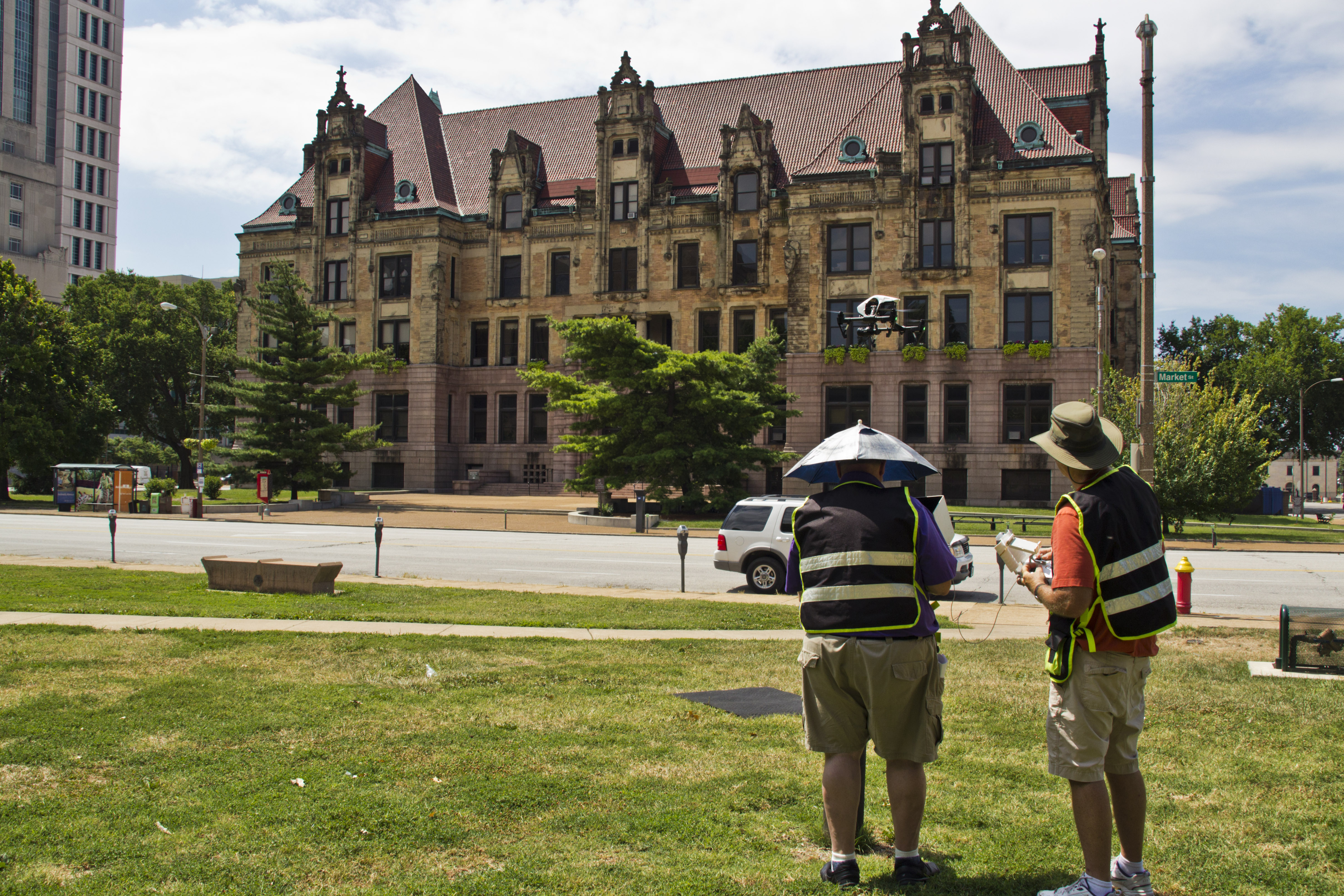
Location logistics: Ensuring the drone and ground crews aren’t in each other’s shots (unless intended) saves time in post-production.
A coordinated storyboard or shot list is key. At St Louis Video Editing, our producers work with clients beforehand to design these visual blueprints.
3. Equipment and Camera Matching
Matching cameras—or at least matching color profiles and resolution settings—is critical to maintaining consistency between ground and aerial footage. Our team uses professional-grade camera systems that are either matched or calibrated in post.
Key equipment considerations:
Gimbals for smooth motion on the ground
Stabilized drones for cinematic flight footage
Lens selection to keep visual continuity between shots
We also monitor weather and lighting conditions to optimize visual consistency across shots.
4. The Art of Editing Ground and Drone Together
The magic often happens in post. The editing process involves:
Color grading to unify tone and atmosphere
Motion matching so aerial fly-ins and ground pans blend seamlessly
Audio design that syncs location ambiance and background music with changing perspectives
We employ the latest AI-assisted editing tools to enhance footage without losing its authenticity, allowing for efficient workflows while maintaining high creative standards.
5. Creative Ways to Use Ground + Drone Footage
Construction updates: Drone shots show scale and progress, ground footage captures specific milestones.
Real estate marketing: Aerial views show property layout and surroundings, while interior walkthroughs build buyer interest.
Brand documentaries: Start with an aerial view of your facility or event and dive into employee stories or customer experiences.
Corporate testimonials: Pair a ground-level interview with a dynamic drone B-roll of the business in action.
Trust St Louis Video Editing with Your Ground and Drone Integration
With decades of experience capturing and editing compelling visuals, St Louis Video Editing is your trusted partner for cohesive ground and aerial productions. We are a full-service professional commercial photography and video production company, offering everything from custom studio interview setups to FAA-licensed drone pilots who can even fly indoors.
We support every step of your production—from location scouting to color grading—ensuring your message is clear, compelling, and ready for any media platform. Our experienced team uses the latest AI-powered editing software, industry-standard equipment, and creative vision to tailor every project to your brand’s unique voice.
Whether you’re building a campaign from scratch or refreshing your visual content, St Louis Video Editing specializes in repurposing your photography and video branding to help you gain more traction in a saturated market.
Let us help you capture your business from every angle—literally.
Since 1982, we’ve worked with businesses, marketing firms, and creative agencies across the St. Louis area. Our studio is outfitted with customizable sets, private lighting setups, and plenty of space to build out your vision. When you’re ready to integrate ground and drone shots into a high-impact marketing tool, give St Louis Video Editing a call.
Let’s create something that takes your message to new heights.
In the world of construction, project managers, architects, and contractors are continually seeking ways to improve efficiency, reduce risk, and ensure the successful completion of projects. One effective way to achieve these goals is by utilizing pre-construction visual surveying through video and photography. By capturing detailed images and videos of a construction site before work begins, stakeholders can gain valuable insights that help streamline the entire process.
Visual surveys identify potential hazards before construction begins, allowing teams to proactively address any safety concerns.
1. Comprehensive Site Documentation
Video and photo documentation of a site before construction begins provides a complete and accurate record of the location. This thorough documentation can serve a variety of important purposes throughout the construction process:
Establishing a Baseline: Having clear, high-quality visuals before work starts creates a baseline for comparison throughout the project.
Preventing Disputes: Should any disputes arise about property conditions, site damage, or boundaries, having a visual record can help resolve conflicts efficiently.
Ensuring Compliance: Many construction projects must meet local regulatory requirements. Pre-construction surveys can provide visual proof that all site conditions align with the necessary codes.
2. Improved Project Planning
Utilizing video and photography for pre-construction surveying aids in better planning and decision-making by providing valuable insights into the site’s physical features:
Identifying Potential Challenges: Visual surveys can reveal issues such as site access, nearby structures, or environmental factors that might not be easily identified through traditional surveying methods.
Enhanced Resource Allocation: By understanding the specific conditions of the site, project managers can allocate resources more effectively, ensuring that time, labor, and materials are used most efficiently.
3. Effective Stakeholder Communication
Communication is critical to any project’s success, and video and photo documentation can be an essential tool for keeping all stakeholders informed:
Clear Visual Presentations: Video and photographs present complex information in an easily digestible format, making it easier to communicate project details to clients, contractors, and other key parties.
Progress Tracking: As construction progresses, video updates provide stakeholders with a clear view of how the project is evolving, keeping everyone aligned and informed.
4. Increased Safety and Risk Management
Ensuring safety on construction sites is paramount. Pre-construction visual surveying can help mitigate risks and improve safety protocols:
Hazard Identification: Visual surveys identify potential hazards before construction begins, allowing teams to proactively address any safety concerns.
Training and Orientation: Photos and videos of the site can serve as valuable tools for safety training, ensuring workers are familiar with the environment before they begin working.
5. Streamlined Execution and Monitoring
With a detailed visual record in place, managing the construction process becomes much easier:
Better Decision-Making: Access to high-quality visual data enables more informed decisions throughout the project, helping to avoid costly delays or mistakes.
Effective Monitoring: Continuous visual documentation during construction allows for easy comparison to the initial site conditions, helping project managers ensure that the work is progressing as planned.
Conclusion
Pre-construction visual surveying with video and photography offers clear advantages for construction projects. By providing a detailed, comprehensive view of the site, these visual tools enhance documentation, improve planning, and facilitate communication among stakeholders. They also ensure that safety risks are managed and that the project stays on track from start to finish.
At St Louis Video Editing, we specialize in transforming raw footage and photography into compelling, high-quality video content for a variety of industries, including construction. With over 40 years of experience, we offer full-service video production and editing, from initial footage acquisition to final post-production. Our team has the skills and expertise to enhance your visual surveying projects, ensuring that every detail is captured perfectly.
Whether you need high-quality video or photography for a construction site or help editing and repurposing content for a more impactful presentation, St Louis Video Editing provides the right equipment, creative crew, and production services to meet your needs. With a private studio equipped for smaller productions and interviews, we offer a customized approach to every project, including the ability to fly specialized drones indoors for unique perspectives. Let us help you capture the details of your project to streamline your workflow, improve communication, and manage your construction process more effectively.
Creating a corporate video is a complex process that involves much more than just shooting footage. The editing phase is where the real magic happens, transforming raw footage into a polished, compelling story that aligns with your brand’s message. As decision-makers in businesses and organizations, understanding the intricacies of video editing can help you make informed choices that maximize the impact of your corporate videos. Here are the top 10 questions often asked about editing a corporate video production.
Music is a powerful tool in video production that can set the mood, emphasize key points, and enhance the overall viewing experience.
1. What is the Role of Editing in Corporate Video Production?
Editing is the process of selecting and combining shots, adding music, graphics, and effects to create a cohesive and engaging final product. It’s where the narrative is crafted, pacing is set, and the overall tone of the video is established. Good editing can make the difference between a mediocre video and a memorable one that resonates with your audience.
2. How Long Does the Editing Process Take?
The duration of the editing process depends on several factors, including the length and complexity of the video, the amount of raw footage, and the specific requirements of the project. A simple, straightforward video might take a few days to edit, while a more complex production could take several weeks.
3. What Software is Used for Editing?
Professional video editors use a range of software to achieve high-quality results. Popular options include Adobe Premiere Pro, Final Cut Pro, and DaVinci Resolve. These tools offer advanced features for color correction, sound editing, special effects, and more, ensuring a polished final product.
4. How Do You Ensure the Video Aligns with Our Brand?
During the pre-production phase, we work closely with you to understand your brand’s identity, messaging, and goals. This collaboration continues through the editing process, where we ensure that the visual and audio elements of the video reflect your brand’s style and tone. Consistent communication and feedback loops are crucial to achieving this alignment.
5. What Kind of Input Do We Need to Provide During the Editing Process?
Your input is vital throughout the editing process. Initially, we’ll need a clear understanding of your objectives and any specific requirements you have. As we progress, your feedback on rough cuts and draft versions will help refine the video to meet your expectations. Providing timely and constructive feedback ensures that the final product aligns with your vision.
6. Can You Add Graphics and Animations to Our Video?
Absolutely. Adding graphics and animations can enhance the visual appeal of your video and help convey complex information more effectively. Whether it’s logo animations, infographics, lower thirds, or motion graphics, we can integrate these elements seamlessly into your video.
7. How is Music Integrated into the Video?
Music is a powerful tool in video production that can set the mood, emphasize key points, and enhance the overall viewing experience. We source high-quality, licensed music that aligns with your brand and the video’s message. The music is carefully integrated to complement the visuals without overpowering them.
8. What About Voiceovers and Sound Effects?
Voiceovers and sound effects play a crucial role in storytelling. We work with professional voiceover artists to deliver clear and engaging narration that enhances your video’s message. Sound effects are also added to create a more immersive experience and emphasize specific actions or emotions.
9. How Do You Handle Revisions and Final Approvals?
We understand that revisions are a natural part of the creative process. We typically offer a set number of revision rounds, during which you can provide feedback and request changes. Final approval is given once you are completely satisfied with the video. Clear communication and a structured review process help ensure that the final product meets your expectations.
10. What Formats Will the Final Video Be Delivered In?
The final video can be delivered in various formats depending on your needs, including MP4, MOV, AVI, and others. We ensure that the video is optimized for its intended platform, whether it’s for web, social media, or broadcast. We also provide guidance on the best practices for distributing your video to maximize its impact.
Conclusion
At St Louis Video Editing, we understand the intricacies and importance of the editing process in creating a successful corporate video. Our full-service professional commercial photography and video production company is equipped with the right tools and creative expertise to deliver high-quality results. We offer comprehensive studio and location video and photography services, as well as editing, post-production, and licensed drone operations.
Our experienced team can customize your productions to meet diverse media requirements and repurpose your photography and video branding to gain more traction. We are proficient in all file types and styles of media, ensuring that your project is handled with the utmost care and precision. Our private studio lighting and visual setup are perfect for small productions and interview scenes, while our spacious studio can accommodate larger sets and props.
From private custom interview studio setups to providing sound and camera operators, we have everything needed to make your next video production perfect. Our specialized drones can even fly indoors, adding a unique perspective to your footage. St Louis Video Editing has worked with numerous businesses, marketing firms, and agencies in the St. Louis area, making us your go-to partner for all your corporate photography and video needs.
It all begins with pre-production. Steinbeck coined the phrase: ‘begin with the end in mind’. Planning precisely in this stage will provide a strong base. This includes the main aim and theme of the video production, scheduling filming dates, location scouting, and other key elements.
Develop a script
Developing an engaging script is a must for pre-production. Without a well-crafted script, filming and editing can be poor and interviews can become irrelevant.
Writing an effective script starts with making sure all questions are relevant to the project goals. Plus, make sure scripting provides natural conversation instead of sharp transitions.
Source from research or conversations when constructing questions. This ensures the structure of each question is smooth for a better quality video.
Confirm language standards ahead of time. Make sure any organizations or political activists adhere to specific requirements.
Create a storyboard with visuals. This helps viewers identify when the conversation moves between topics. This also guides editors and is helpful during filming as it lays out what shots will be taken.
Choose a filming location
When it comes to planning a film production, deciding on the filming location is key. It contributes to the look and feel of the video. But, there are many factors to consider when choosing.
Assess the relevance and suitability of each location. Does it fit with the narrative? Will it remain secure? Is there enough space for equipment? Choose something visually stunning, easy to access and unobtrusive.
Go for locations close in proximity. Have backup options for bad weather. Avoid remaking a location; use real people in context. This will make scenes more believable and stronger connect them with their environment. Finally, bring GPS coordinates!
Select the right equipment
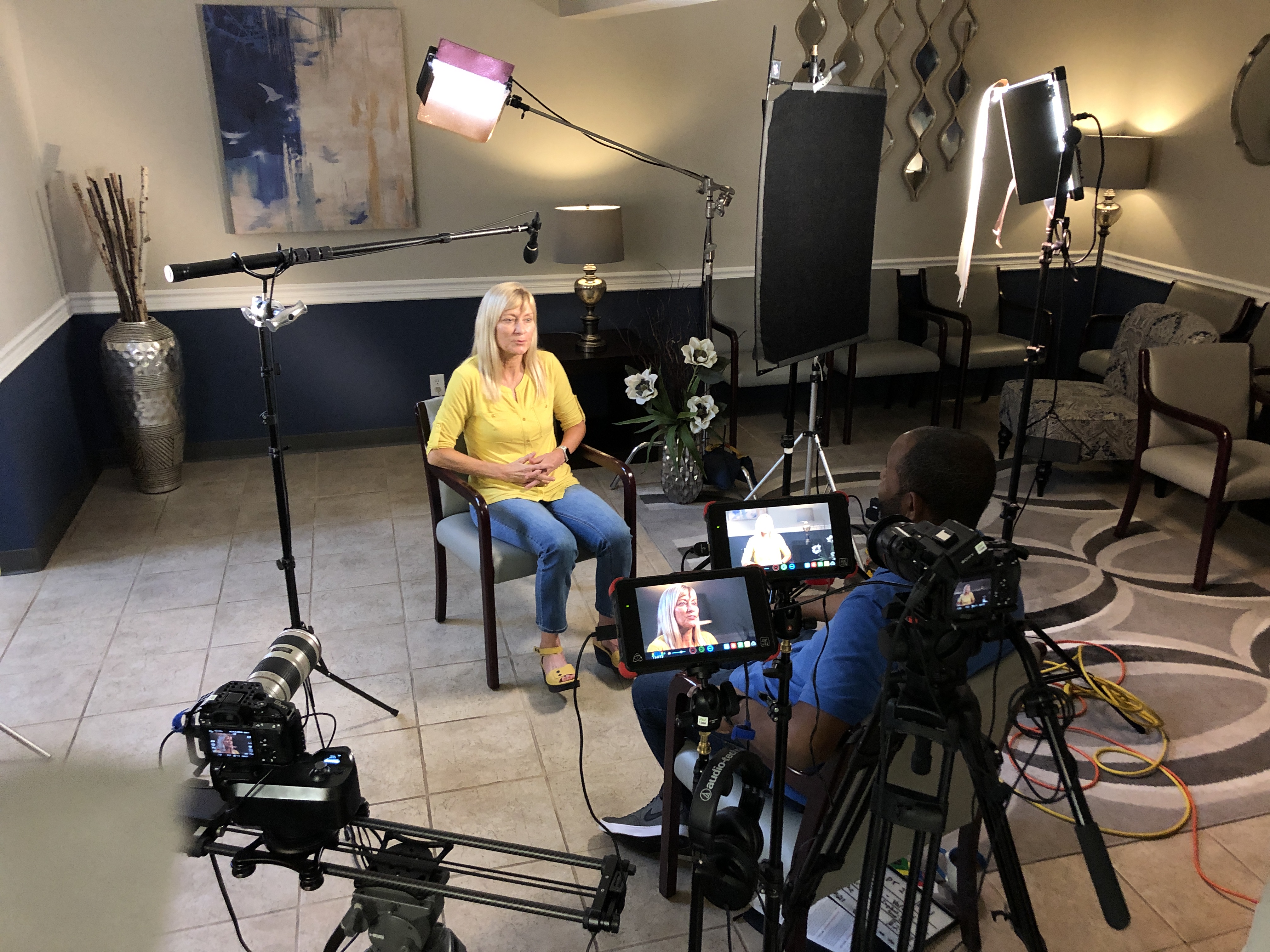
Selecting equipment for interviews is important. You must think about the environment and the subject. Professional interview productions include a camera, tripod, mic(s), audio recorder/mixer (if separate recording) and lighting.
For example, if it’s a well-lit room with no movement, a DSLR with a lavalier microphone will do. But if the subject moves around or is in front of a light source, an ENG camera with XLR inputs and lighting is better.
No matter how basic or complex the video production is, it is important to select gear that allows for great quality capturing.
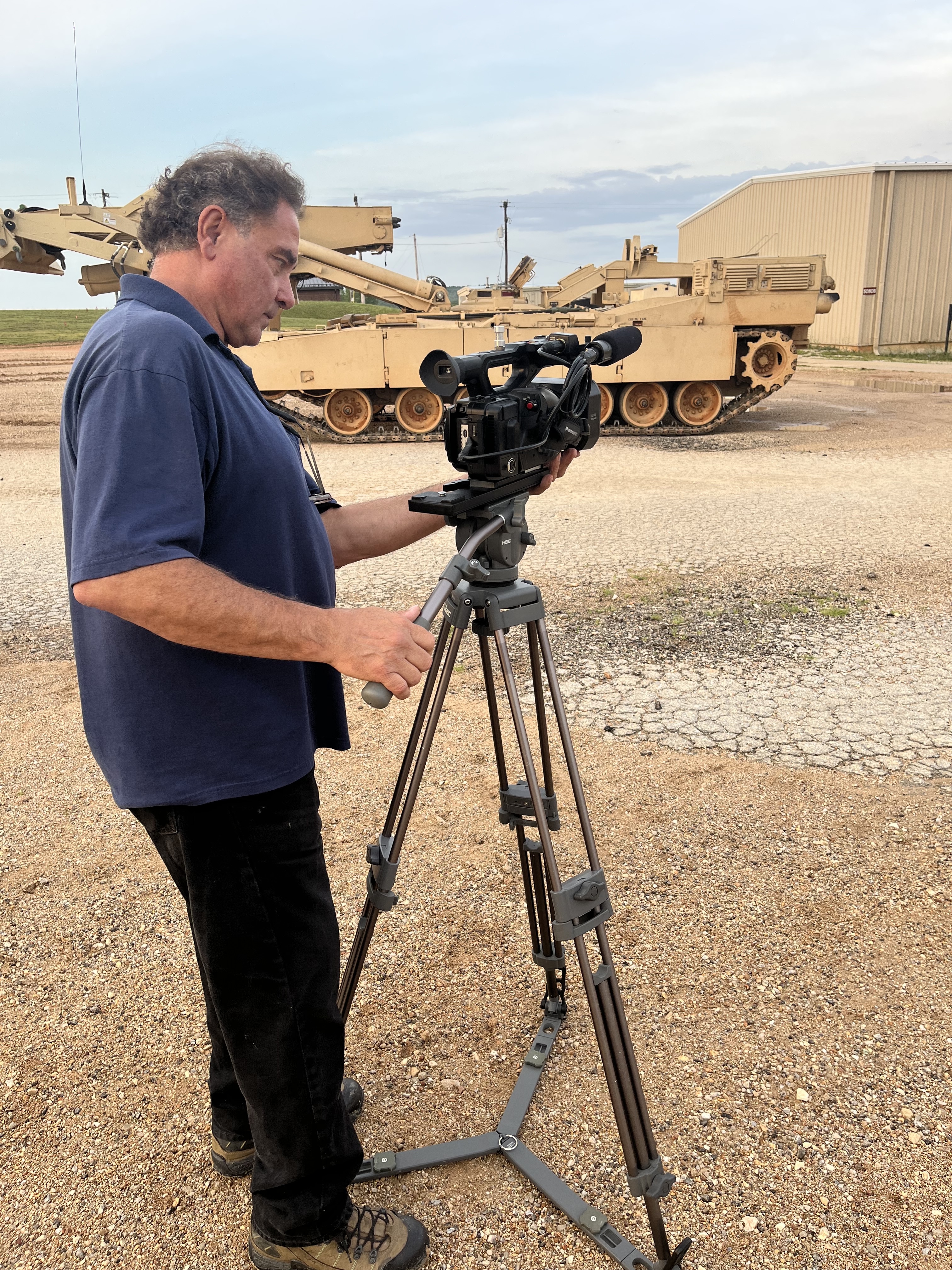
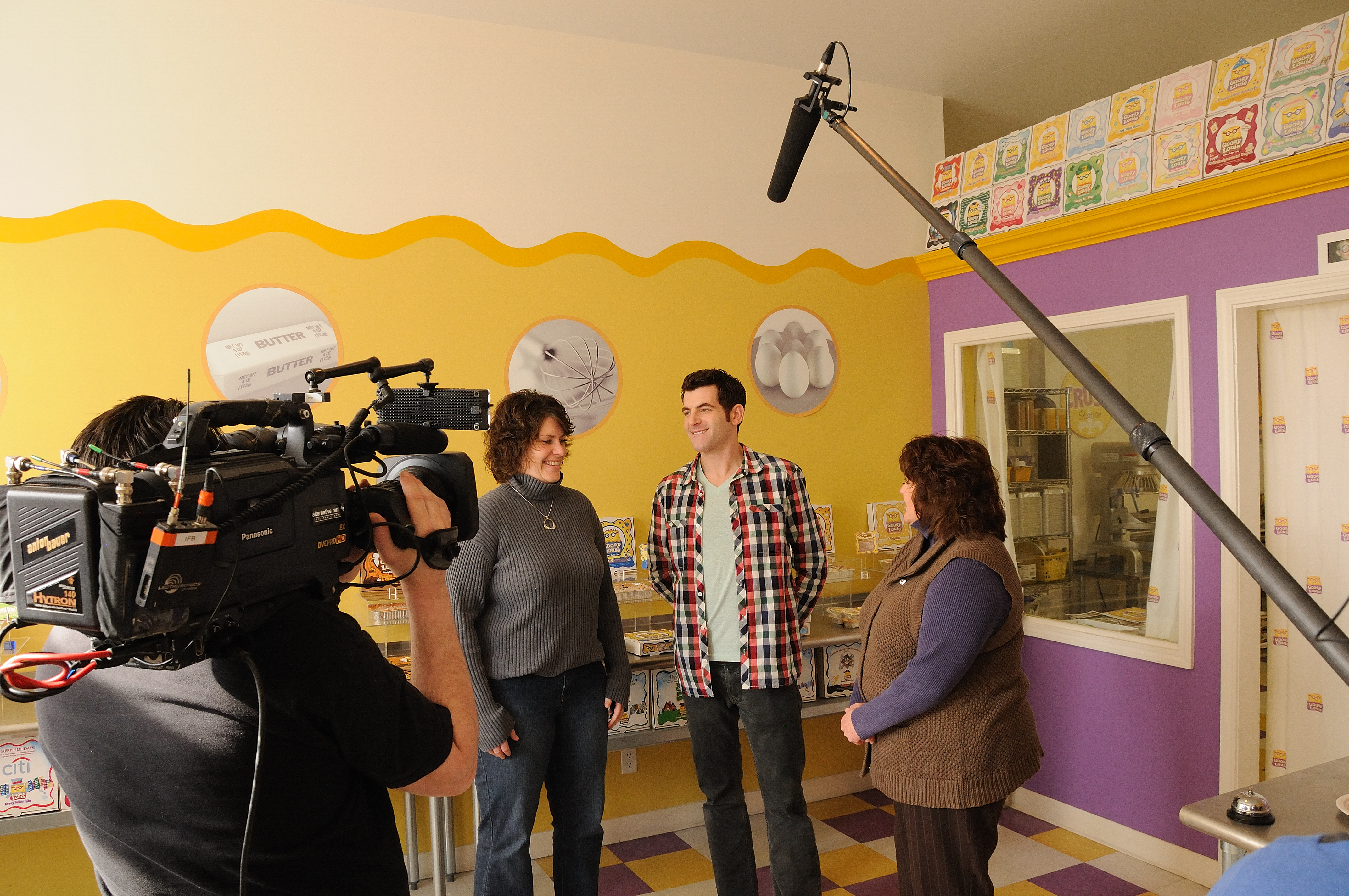
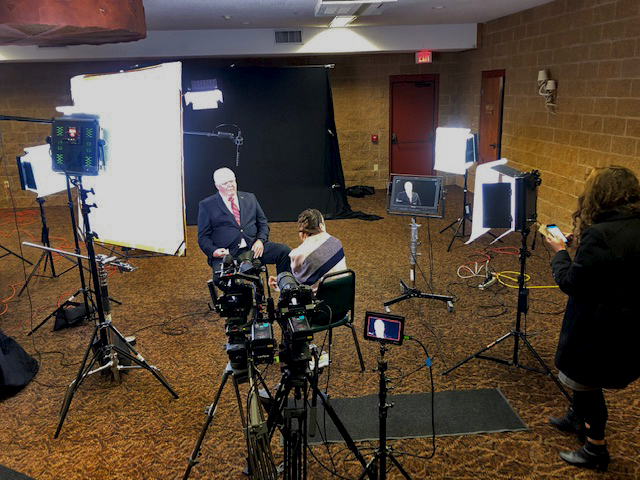
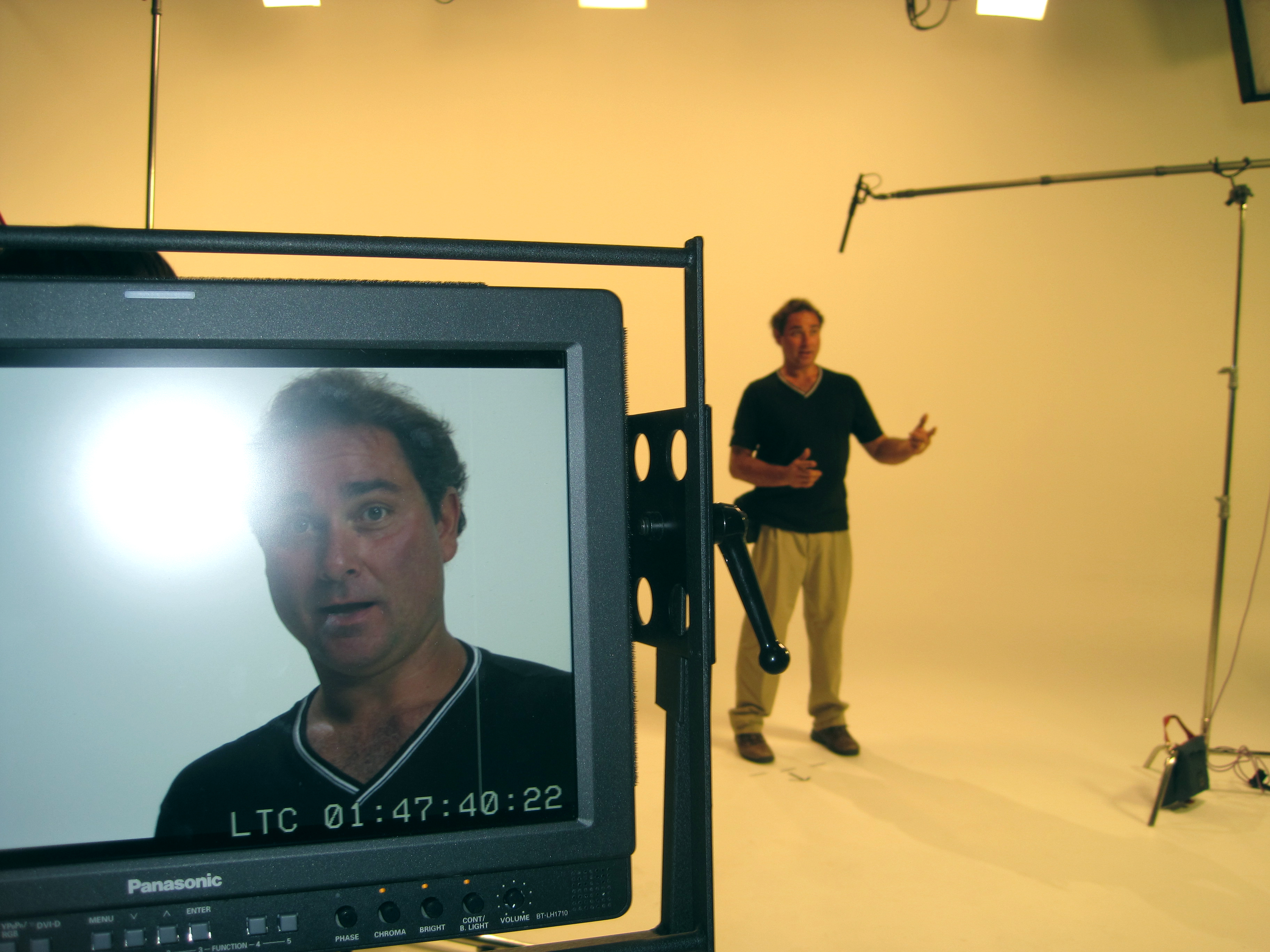
Video crew recording an interview.
Production
Production is crucial for a successful interview video. This involves finding the perfect talent, places and props – plus making the necessary arrangements for the shoot. It also consists of arranging the shots, setting up lights, and audio equipment – with a production team that includes a director and cameramen.
In this section, let’s learn the basics of production for an interview video.
Set up the interview
Producing a successful interview video needs careful focus on the shooting area and framing the subject. Whether it’s for a documentary, commercial, or other video production, three key elements are background, lighting, and camera positioning.
Background: Pick a backdrop that adds context & sets the tone for the interview. Keep away from chaotic scenery that will be distracting or make it hard to concentrate on the subject.
Lighting: Natural light is great in sunny days, but dodge direct sunlight which can make harsh shadows. On cloudy days or indoors, use artificial light that can be put in the right spot so there are no reflections on the subject’s face.
Camera Positioning: Frame the shot to fit the 4×3 standards for television broadcast without sacrificing the background you want in the shot. To make sure facial details stay clear and professional, cut off slightly above the subject’s forehead, unless you’re using a close-up shot (like corporate headshots).
Record the interview
Recording interviews is key to making a great video. Choose a good mic and make sure it’s placed correctly. Before recording, turn off any appliances or other noise sources. When filming outdoors, be aware of environmental sounds like traffic or birds.
Consider the lighting – too much can cause blurring or shadowing on the face. If using multiple cameras, choose a wide angle lens for better depth-of-field. Good recording tech will ensure clear audio quality for your viewers.
Capture b-roll footage
B-roll footage is a major part of interview video production. It adds context, reveals the story, and evokes emotion. It captures natural moments and links ideas in odd and imaginative ways. Getting great b-roll is key for making a captivating narrative.
Be sure to get the right b-roll before you start interviewing. Think about what visuals you need before the shoot and take time on set to grab any extra footage. Try different perspectives to get unique content that adds texture and atmosphere to your video. Lastly, edit it! That’s what takes your production from good to great!
Post-Production
Filmed the interview? Great! Now it’s time for post-production. This is when you take the raw footage and start editing, grading, and adding music and sound effects.
To make a successful video, you’ll need to consider five main elements. Here’s what you need to know.
Edit the footage
Once footage has been captured, the next step is to edit. Edits are special art-forms. Professional editors use tricks to make interviewer’s words visually interesting. So, pick a few highlights and capture enough footage to have the power to shape your story.
Music can influence how viewers respond to video content. Think about what type of score fits the video project. It should fit the theme, emotion, and mood. Then, make transitions between sections smooth. Check for audio anomalies like pops and clicks. Lastly, adjust color grade if needed.
Add music and sound effects
Sound is an essential part of any video. It can make or break the production quality. Music and ambient sounds keep viewers engaged and provide an emotional depth.
For interviews, choose background music with a slower tempo. This allows for natural pauses and sets the tone. Sound effects emphasize points within the interview and add realism.
If you plan to add narration or vocalists, record professional audio in post-production. This will ensure viewers stay connected and engaged until the end!
Add graphics and titles
Once you have your raw footage, the post-production process of a successful interview video can start. This is when you turn all the work and preparation into a visually stunning and engaging piece. Post-production includes graphics and titles, editing, color grading, sound mixing, and exporting your finished product.
Graphics and Titles: Text gives an extra dimension to the video. Showing titles onscreen at certain points gives viewers more info without stopping the action. It’s important to understand how typefaces, shadows, and borders affect the video’s visuals.
Editing: For interview videos, tasks for editing may not be as long. But you still need to pay attention to cuts to make them look natural. It also lets you control pacing and storytelling by emphasizing certain aspects. Remove any unnecessary audio elements or dead air for a smooth flow before adding background music or SFX.
Color Grading: Color grading helps establish moods in pieces. Resetting contrast levels between shots gives more depth to the content. Subtle changes are important, or it can look overproduced. Most nonlinear editing suites come with built-in color grading tools.
Sound Mixing: Audio can make or break a production. Sloppy sound recordings can distract viewers. Hire someone else if you can, or research music libraries if you have no budget. Consider background ambience to promote emotion and heighten audience immersion.
Distribution
Video production is essential, but not the end of the journey. After it’s done, you must decide how to distribute your video. Have a plan in place!
This can help you get your video seen on various platforms, making sure it reaches its full potential. Maximize your reach and visibility!
Select the best platform for distribution
Choosing the correct platform for distributing your interview video is essential for gaining visibility and web traffic. Many companies currently use their website and social media channels for content distribution. When deciding where and how to share your video, consider the following:
-Reach: How far do you wish to reach? Different social media platforms offer different levels of exposure. To get maximum reach, upload your video on sites like YouTube, Vimeo or Dailymotion. However, sharing with a smaller group may be possible on your own website or a private platform (e.g. Wistia).
-Audience: Who are you targeting? Think about which groups may be interested in the content, and the platforms they usually use. For example, if you’re going for the teenage market, Instagram or Snapchat may be better than LinkedIn or Twitter.
-Engagement: What type of interaction do you want? Some platforms are useful for sharing, others for creating conversations (e.g., Twitter vs Facebook). Pick ones that best match your goal for the video – either educational or generating interest/sales.
-Content Format: Does the platform offer various video formats and sizes? Can it embed custom previews and thumbnails? Don’t forget about audio support! Vimeo Pro, for example, allows videos to be embedded for web use, mobiles and analog televisions – so everyone can watch it.
-Analytics: What reporting options does the platform have? Easy reportable platforms help track user engagement and time spent watching – so marketers can make wiser decisions based on real data instead of guesswork.
Optimize the video for SEO
Distribution needs optimization for search engine success. Before posting a video interview, research keywords to boost it’s ranking. Embed the keywords into the title, description and tags. This makes it easier to find when searching for topics.
Use the right tools when publishing on the web. Upload videos directly onto web pages. Don’t link to YouTube or other external platforms. Host the video on your own website for easy access and sharing.
Promote the video on social media
To maximize reach and impact, promote your interview video on social media. Ask everyone to share the video with their networks. Create event hashtags for viewers to interact and join conversations.
Once released, use influencers and micro-influencers who have a large presence in your target audience. Make sure their audience relates to your target market. Avoid collaborating with celebrities just for fame – the return might not be worth it.
Creating eye-catching content online is key. Use special techniques like sponsored ads, boosted posts or hashtag usage to attract leads. This allows you to humanize your brand and connect with people on a genuine level.
Measurement
Measuring video success is vital. It ensures your video reaches its target audience and delivers the right message.
There are numerous key elements to consider when measuring success. These include audience engagement, viewership, social media reach and lead generation.
This section focuses on why measurement is important and the key elements to take into account.
Track the video’s performance
Tracking the video’s performance is a must. Keep tabs on views, shares, clicks, and comments. It gives you an understanding of how well the message reached your audience.
Use A/B testing and heat mapping to get more info on viewer engagement. That helps you refine the message, and make sure it resonates.
Monitor the video’s impact before and after launch. On social media, and long-term. This way, you get maximum engagement and long-term success.
Monitor engagement metrics
Measure engagement metrics to understand how your video is resonating with viewers. Analyzing an interview video takes more than just the number of views. Monitor drop off points and re-watch rate. Drop off points show where viewers are paying attention or skipping. Re-watch rate is an indicator of content quality and enjoyment.
Are people responding to questions in the comments? This is great for sparking conversations around topics addressed in the interviews. Monitor interviews across social networks!
Analyze the results and adjust
Once you’re done with a successful video interview, the work isn’t over. To get the best return of investment, you need a data-driven assessment plan. Analyzing metrics like viewer retention rates, total watch time, bounce rates and percentage of completion will help you understand what worked.
Also, don’t forget to check out metrics from other sources, like social media engagement or website visits. Comparing these across all channels will help you see how each part of your promotion affected viewership.
Particularly, analyzing which segments did best can be useful when deciding which topics to fill future interviews with. If one 5 minute segment got more views, but then dropped off harshly at the 8-minute mark, then consider stopping further additions at that point, optimizing future videos for maximum viewership.
To summarize, tracking results from a video interview project doesn’t have to be daunting. With a tracking plan reviewable in an efficient way, you can tweak certain aspects for more success in future endeavors.
Using professional video editing software and expert scripting services can help to bring your ideas and stories to life in a vivid and compelling way.
Are you looking to produce a professional video on a budget? Look no further! Our video marketing, editing, and scripting services give you the opportunity to create a quality video for any budget. With our experienced team and dedicated customers service, we will help you every step of the way.
Get started today with creating the perfect promotional video!
Introduction to Video Marketing
Video Marketing is an essential component of any successful digital marketing strategy. With the ability to engage audiences, influence buying decisions and increase conversions, it has become an essential tool for businesses in both B2B and B2C markets. Video marketing can be used to highlight products and services, build relationships with customers, create awareness and visibility for brands, increase website visits and improve search engine optimization.
Creating effective video content requires a comprehensive plan for production. At its core is the script that conveys the story you want to tell paired with creative visuals designed to capture viewers’ attention. The process also involves editing videos together from multiple sources – such as external sources or footage captured from different recording devices – developing motion graphics, adding sound effects and more for a complete package that engages viewers from start to finish.
Whether you’re looking for professionally scripted videos with expert editing, or simply a point-of-view style showing off products or scenery without too much dialogue, we offer flexible packages to suit all budgets so you can get your message across in an impactful way.
Benefits of Video Marketing
Video marketing is an excellent way to bring attention to your brand or organization. Video can boost customer engagement and lead to higher levels of click-through, retention, conversion and total sales. Videos have the potential to reach a large audience and can be used as powerful tools to increase brand awareness.
There are many benefits associated with video marketing, such as:
Builds relationships with customers and channels
Increases online visibility
Improves website ranking and SEO performance
Generates quality leads with less effort
Captures attention more effectively than other forms of content
Strengthens current connections
Connects emotionally and promotes loyalty
Educates customers to build credibility
The ideal video should be creative, consistent in message across platforms, interesting enough for people to watch all the way through, and relevant enough that viewers will share it with friends or colleagues. Videos are also great promotional vehicles when it comes to capturing customers’ interest in your product or service.
Types of Video Marketing
Video marketing is an incredibly effective way to showcase your business, reach prospective customers and build relationships with current clients. It gives potential customers a better understanding of who you are, the products and services you offer, and why they should consider your brand. Video has become an essential part of any successful marketing strategy for almost any type of business.
There are many types of video marketing that businesses can use to effectively reach their target audience. Some common types include:
Explainer videos: These explainer videos give viewers a simple explanation about what your product or service does, why it’s beneficial and how to use it.
Interview videos: Interview videos allow prospects to get to know your company on a more personal level and can make your business seem more approachable.
Product demos: Product demos provide viewers with an in-depth look at how your products work or the services you offer.
Tutorials: Tutorials allow viewers to learn more about the features of particular products or services as well as troubleshooting tips or tricks related to them.
Testimonial videos: Testimonial videos give current customers the opportunity to share their positive experiences with others, helping boost consumer confidence in your brand.
Educational content: Educational content provides informative pieces spotlighting topics related to the industry that will be beneficial for viewers who are interested in learning more about the sector you operate within.
Editing and Scripting Services
The importance of editing and scripting in creating effective video marketing cannot be underestimated. To create engaging media that captures attention, captures the desired message, and converts viewers into customers requires a skill set beyond the technical savvy of just pushing record or launching a project.
Our in-house production team has the expertise to make your vision come to life including industry-standard editing programs and custom script writing services.
We provide complete video production packages for any budget from local businesses to industry leaders, including professional editing and scripting services without extensive costs or time commitments. Our experienced editors specialize in transforming raw footage into crisp, eye-catching productions through concise story communication and real-time enhancements that drive viewers’ attention. We also offer a variety of custom script writing services tailored specifically for targeted messaging and vocal delivery that resonates with your target audience.
We don’t just capture footage—we create stories with passion, emotion, style, and energy to move your message beyond surface level engagement with viewers who become loyal customers.
Are you ready to take your video marketing to the next level? Contact us today for professional editing and scripting services!
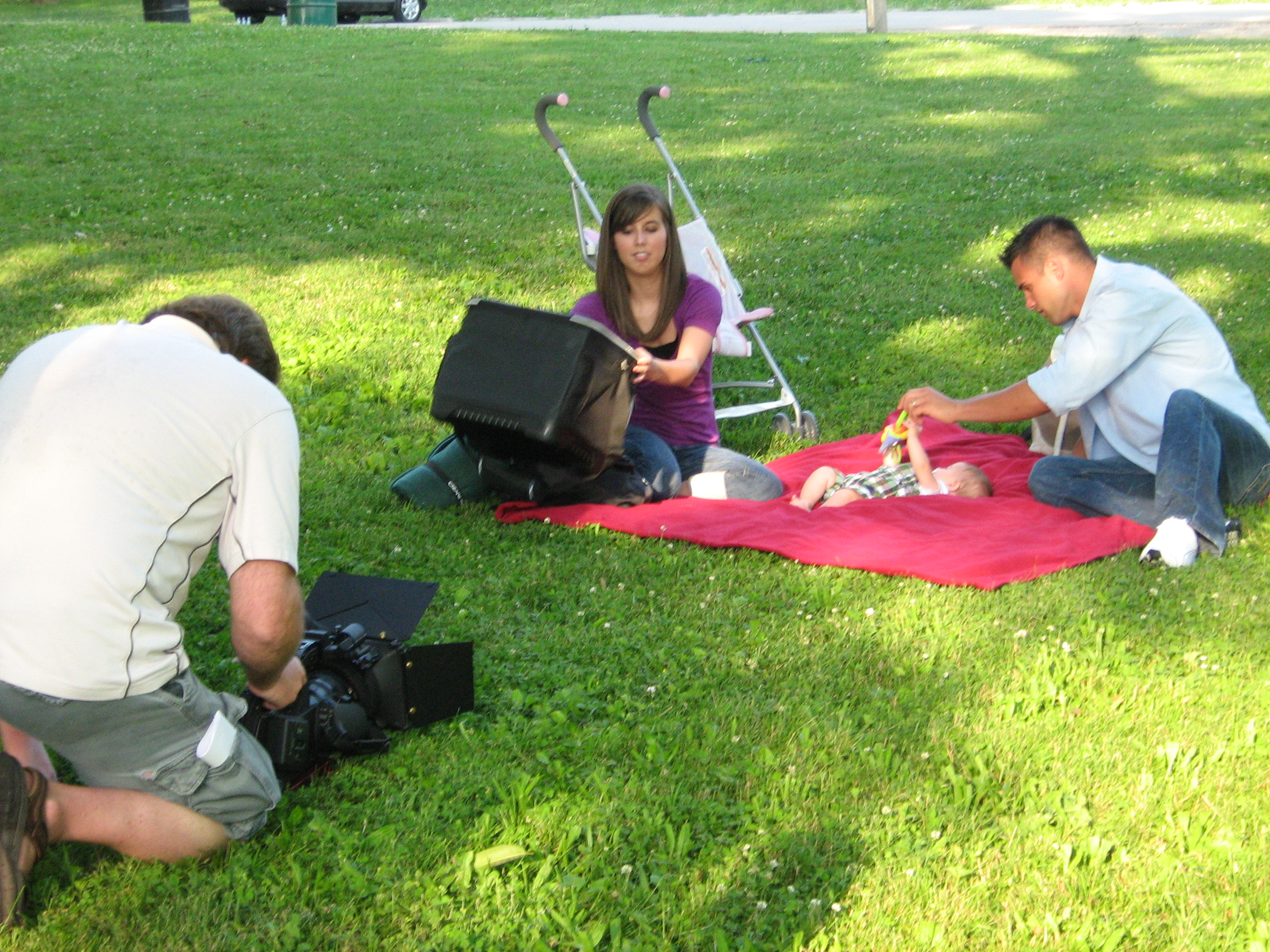
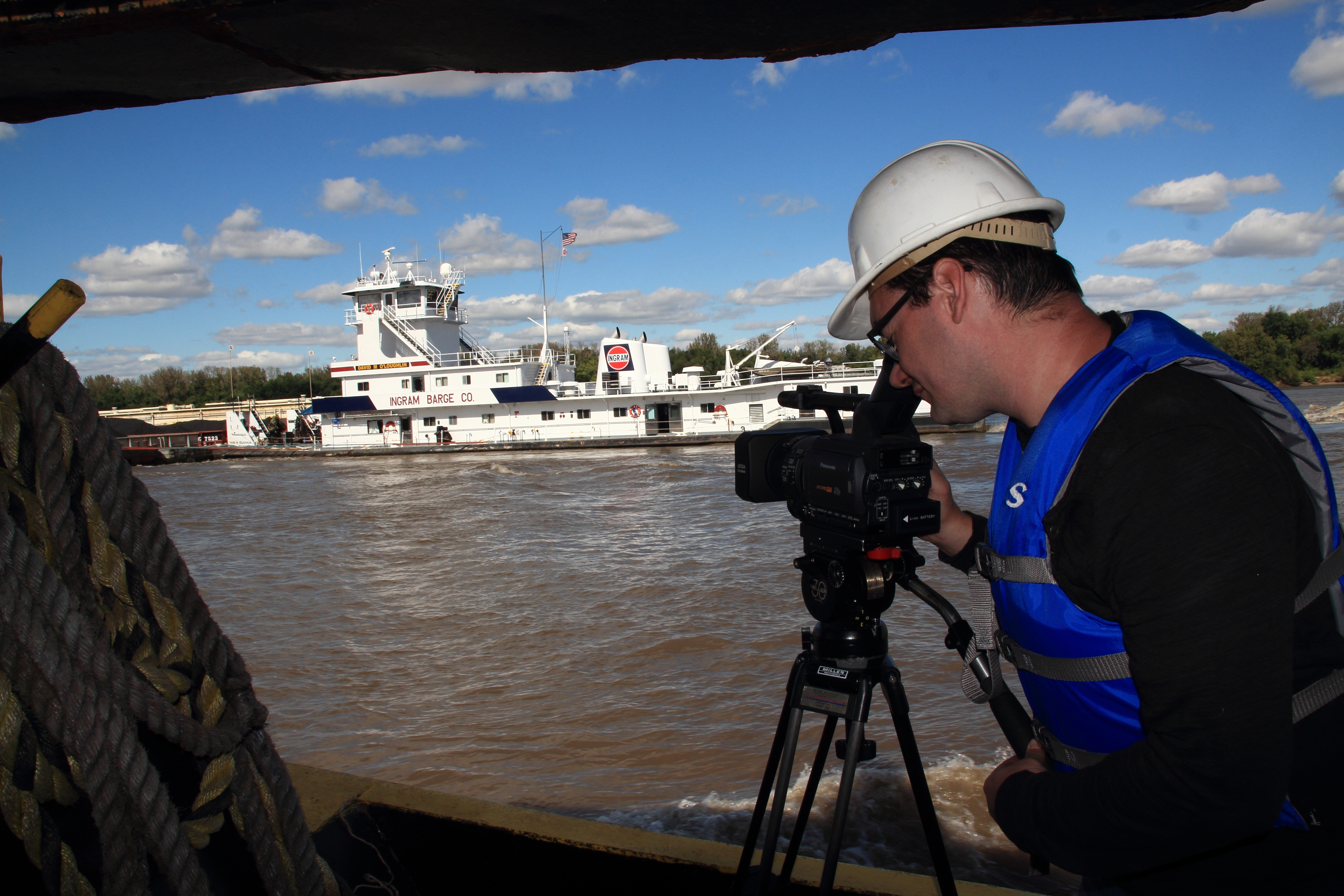
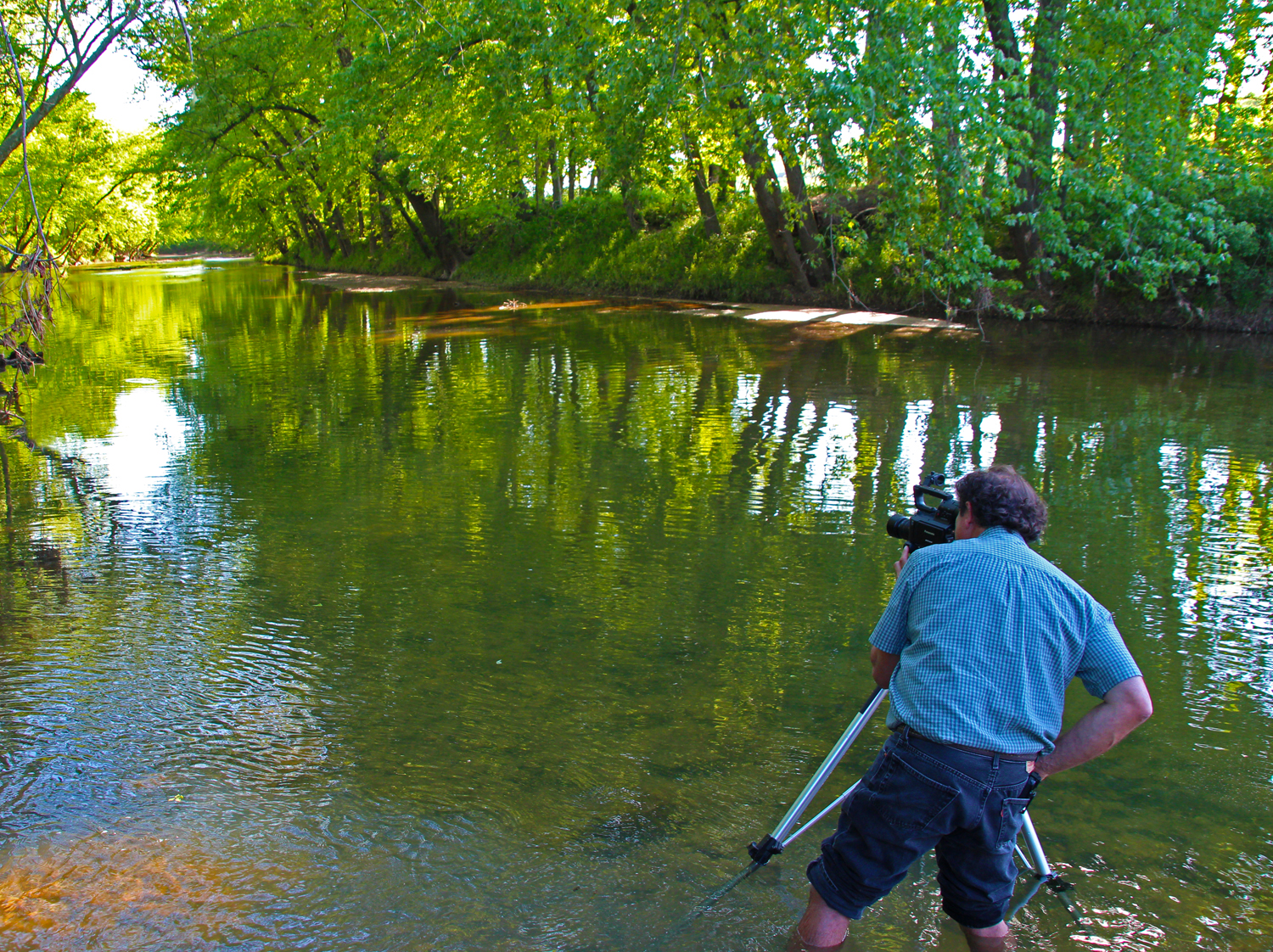
Full service video production on location in St Louis filming a documentary
Benefits of Editing and Scripting Services
Using professional video editing software and expert scripting services can help to bring your ideas and stories to life in a vivid and compelling way. Editing and scripting services provide multiple benefits not only for the creative process but also for post-production workflow, viewership, engagement, and overall quality.
Editing is the process of incorporating clips together to create a cohesive story. An expert editor will use their skills to choreograph visually captivating moments that seamlessly blend together with pacing, timing and framing. These considerations are fundamental when creating a moving story or teaching tutorial video of any kind.
Scripting includes many different aspects such as:
Organizing ideas chronologically
Creating dialogue within a narrative arc
Proofreading grammar and punctuation
Providing clarity between transitions in between scenes or topics
Professional videographers recognize scripting as one of the most critical components when telling a story since it is vital for clear communication with the audience before filming begins. By using these particular production techniques one can ensure an optimized viewing experience with no confusion or miscommunication during playback time.
Overall, crafting strong video content through careful editing and scripting takes an experienced eye that understands what works best for the final unification of all necessary elements within a project’s timeline from start to finish.
Types of Editing and Scripting Services
Editing and scripting services are the most crucial elements of video marketing, as it plays an important role in crafting a compelling story. Whether you’re producing an instructional or promotional video, or simply need to make a few minor tweaks to a corporate presentation, professional editing and scripting services can ensure your message is as engaging and impactful as possible.
Depending on budget, scope and type of project, editing and scripting services can range significantly in scope. Not all projects require detailed script writing – sometimes only basic edits are necessary before you present your material to viewers. In determining which type of service best fits your needs, it’s important to consider what elements would bring your video to life:
Storyboarding/Vizualizing: Storyboarding involves pictorially describing each scene or shot that will be included in the production; developing a “shot list” prior to shooting prevents miscommunication during production by presenting the editor with exact shots desired – saving time and money later on down the line.
Editing: The art of editing involves understanding the pacing, flow and structure of a story – both visually and auditory – in order to repackage old footage into something fresh and engaging for viewers. It includes taking unedited raw footage (or untouched work books) through an assembly process that typically includes tasks like logging shots; organizing them into baskets/sections; editing color timing & creating special effects; adding music & sound effects; integrating graphics & titles; generating lower thirds & final voiceovers; formatting for delivery based on platform/channel goals for output.
Scriptwriting: Scriptwriting requires its own set of skills beyond just editing footage, using scripts written by differing authors during preproduction phase. Scriptwriting explains how every frame will look from beginning to end–including narrative structure (intro/middle/end), characters involved & their actions on screen as well as providing transitions between scenes which makes for better continuity between shots. In addition professional script writing can also add more layers with dialogue interludes strategically placed throughout – opening & closing the story – tying everything together neatly across platforms no matter how long or short each viewing experience may be.
Cost Considerations for Video Marketing
When it comes to creating an effective video for marketing purposes, cost is a factor that must be taken into consideration. Depending on your budget and the scope of the project, there are several factors that will influence the final cost of your video. The quality of the video and type of production services you require, such as scriptwriting, editing and motion graphics will all have an impact on the overall price.
Your budget should also include costs related to filming or acquiring footage such as hiring a director or videographer, equipment rentals and other associated fees. If you plan to produce videos in-house or with freelancers or remote contractors outside your organization’s facilities, there may be additional costs related to travel expenses or renting space for a studio set up.
For anyone looking to create an effective video at a budget-friendly rate, consider working with a video production agency who offers high-quality content at an affordable price. A professional production company can provide you with expertise in scriptwriting, filming services, editing and motion graphics – allowing you to create high-end content without breaking the bank.
Call on our video crews today
In conclusion, video marketing is becoming an increasingly popular tool for businesses to help tell their story and engage with potential customers. St Louis Video Editing provides a range of video marketing, editing and scripting services that are tailored to meet the needs of all budgets. Our team is experienced in working with various types of videos, from short-form social media snippets to longer promotional pieces, presenting your message in the most creative and effective way possible.
If you’re looking for help creating innovative video content that delivers measurable results, contact St Louis Video Editing today to learn more about our tailored services.
314-913-5626 Mike Haller St Louis Video Producer mikeh@hallerconcepts.com Saint Louis, Missouri, USA | St Louis Video Editing
St. Louis Video Editing is a full-service creative production company that shoots, edits and produces professional HD videos for websites, broadcast, promotional, corporate use and more. Using your image and brand as a foundation, we will develop dynamic video content from concept through completion to help promote your organization and achieve your goals. As a “turnkey” production company, we provide a full range of video production services and go above and beyond to meet the unique needs of our clients, resulting in an easy and enjoyable process for all. Learn more about our award-winning St Louis video production services.
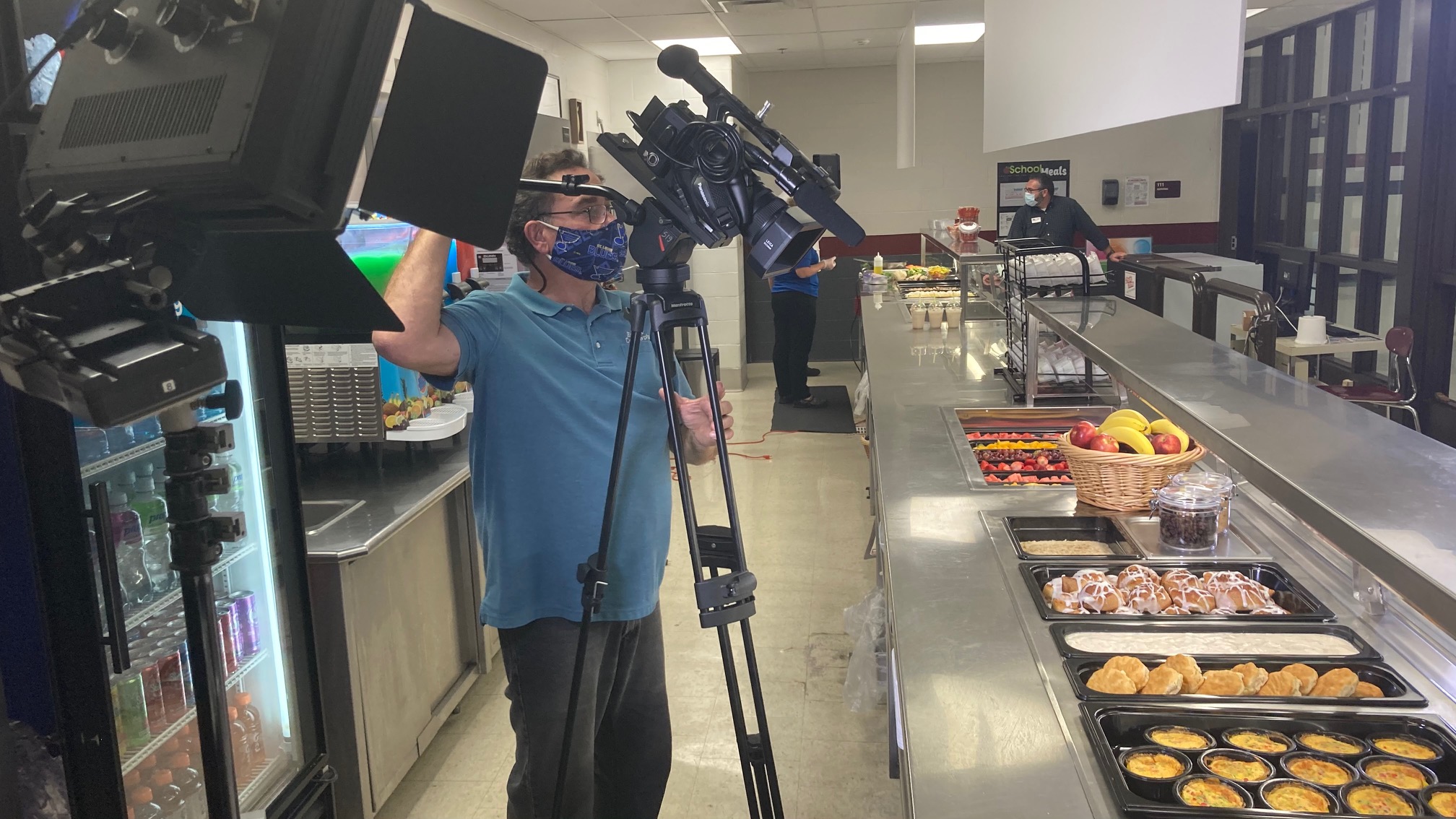
st louis video editing with Covid Safety in mind
314-913-5626
Mike Haller
St Louis Video Producer
mikeh@hallerconcepts.com
Saint Louis, Missouri, USA | St Louis Video Editing
We have been exceeding our customers’ expectations since 1982 by offering creative and quality video editing services.
Whether your goal is to publish a three hour corporate video within a time limit or to edit a commercial advertisement within budget, your unique vision will begin to unfold once you consult with our professional editing team.
While most video production companies choose to see their quest as artists, we believe we are hired to solve your communications problems. To that end we offer numerous video portal applications such as custom learning management systems, to document, track, report, and deliver educational courses and training programs.
We can also provide live stream video editing
We have helped many businesses throughout the St. Louis region with professional video editing services. Finding an experienced St. Louis Video Editor is as important as the front end production. Ask us how our service can breathe new life to an existing project or create a breathtaking narrative for your company identity, message or cause.
Our policies ensure that our clients receive quality services at affordable rates. Initial meetings focus on client needs and objectives. Having clients sign off on each phase of production is standard practice.
314-913-5626
Mike Haller
St Louis Video Producer
mikeh@hallerconcepts.com
Saint Louis, Missouri, USA | St Louis Video Editing
Video editing is where all of your work comes together and you get to assemble the final product. Without a great editor your video will at best be ordinary. A good editor brings your visuals and message to life in a way that the layman cannot.
When creating a video, many people focus on the message, the script, the production and the visuals. While these things are also very important, it’s easy to underestimate the importance of having your material edited by someone who understands this craft. Out of all the various skills and sets of expertise involved in video production, editing is arguably the hardest one to master. What makes it such a difficult skill to master is the fact that it takes hours and hours of trial and error practice and patience to become a good video editor. Even top Hollywood video editors still consider themselves in the learning process.
Video editing software has come a long way over the past few years and there are many training tutorials available online. Even with the most user-friendly video software available, people rarely realize that it’s not as simple as many people believe it to be. It takes a very long time to become proficient at commonly used software (and that’s if you have a good mentor).
st louis video editor and producer
In order to ensure the best edit, you will also have to invest in pre-planning (in other words the video needs to be planned from start to finish) before any filming starts. The planning stage often takes quite a bit of time, but without this, the final edit will never be good or successful.
314-913-5626
Mike Haller
St Louis Video Producer
mikeh@hallerconcepts.com
Saint Louis, Missouri, USA | St Louis Video Editing
 St Louis Video Editing